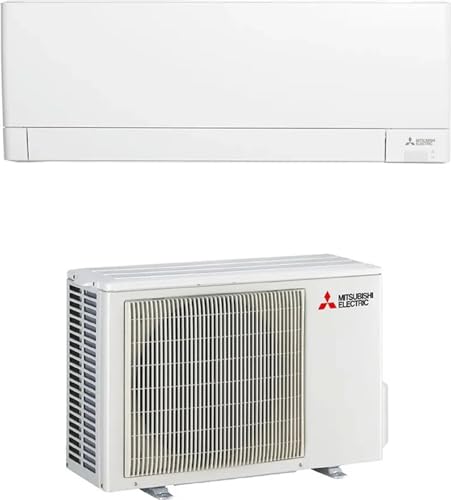
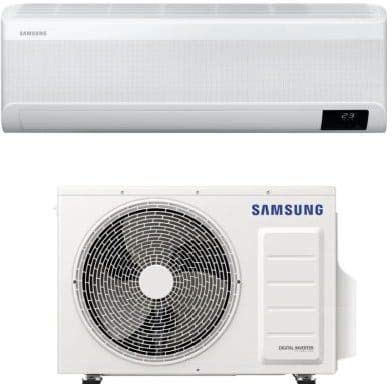
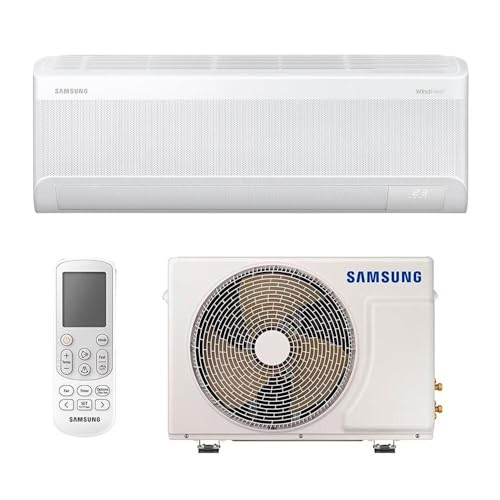
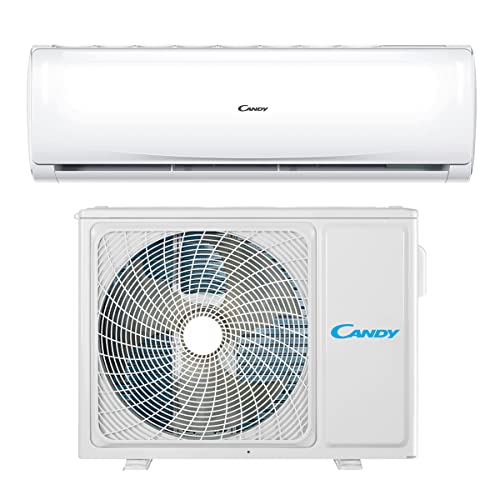
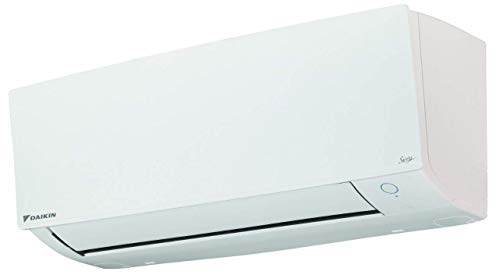
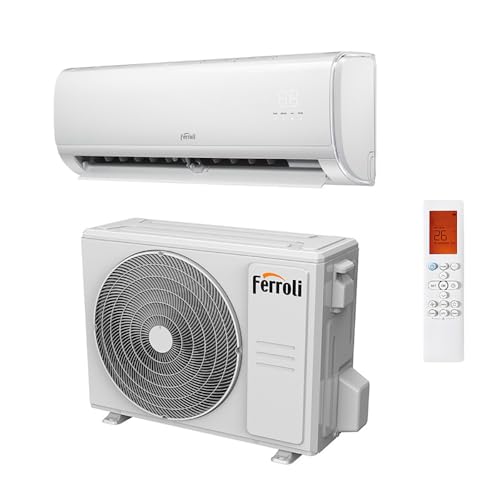
What does 12000 BTU mean for an air conditioner?
A 12000 BTU air conditioner has a nominal cooling capacity of about 3.5 kW, using BTU/h to describe the heat it can remove under test conditions. The label is a capacity class, not a promise of a fixed electricity bill or a universal room size.
Real performance changes with outdoor temperature, sunlight, insulation, glazing, people, appliances, and fan setting. A 12000 BTU unit may be comfortable in a 30 m² living room but undersized in a large, sunny open-plan space.
Use the BTU value with the manufacturer’s area recommendation, output range, sound figures, SEER, and installation limits. A properly sized inverter should run for longer periods at lower output rather than repeatedly cycling at full power.
When should you choose a 12000 BTU air conditioner?
Choose a 12000 BTU air conditioner when one medium-sized room needs more capacity than a 9000 BTU unit can provide. It often suits about 25–40 m² in ordinary conditions, including a larger bedroom, living room, or insulated office.
It is not automatically right for a large sunny or open-plan space, and it may be excessive in a small bedroom. Check heat load, glazing, ceiling height, insulation, minimum output, indoor sound at low speed, and whether heating is required; if doors stay open to adjacent rooms, size the connected zone rather than floor area alone.
What room size can a 12000 BTU air conditioner cool?
A 12000 BTU air conditioner can often cool about 25–40 m² in ordinary conditions. The lower end is safer for a sunny room or weak insulation, while the upper end assumes a normal ceiling, moderate glazing, and limited internal heat.
Open-plan layouts require more care because the air must travel beyond the room where the indoor unit is mounted. Large windows, several occupants, computers, and cooking appliances also raise the load. Published area figures should therefore guide a calculation rather than replace it.
Ask the installer to check orientation, insulation, glazing, ceiling height, pipe length, and airflow path. If the system will also heat, compare its winter output and SCOP instead of judging suitability from the cooling area alone.
How energy-efficient are the best 12000 BTU air conditioners?
The best 12000 BTU air conditioners generally use inverter compressors and A++ or A+++ cooling classes. For frequent use, compare SEER, rated input, and the minimum modulation range, because a high label does not prevent waste from an oversized or poorly installed system.
A 3.5 kW-class unit can be economical when it runs steadily at part load, filters stay clean, and the outdoor coil has clear airflow. A very low set temperature, long uninsulated pipe run, or repeated door opening increases demand.
If winter heating matters, compare SCOP and low-temperature performance separately. Choose a model with a documented seasonal rating and serviceable filters, then have the installer commission the refrigerant circuit and drainage correctly.
How much do 12000 BTU air conditioners cost?
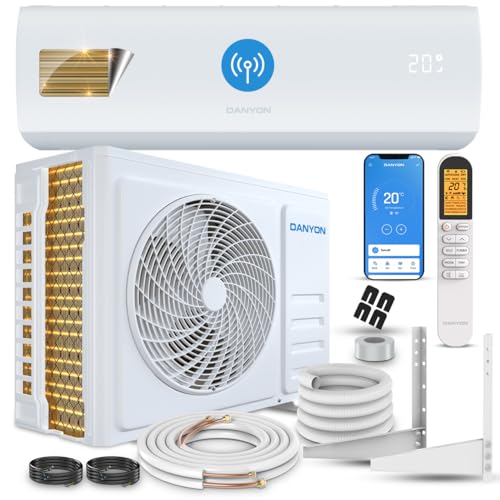
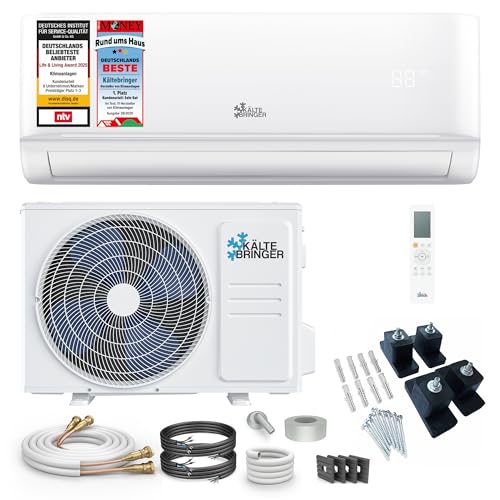
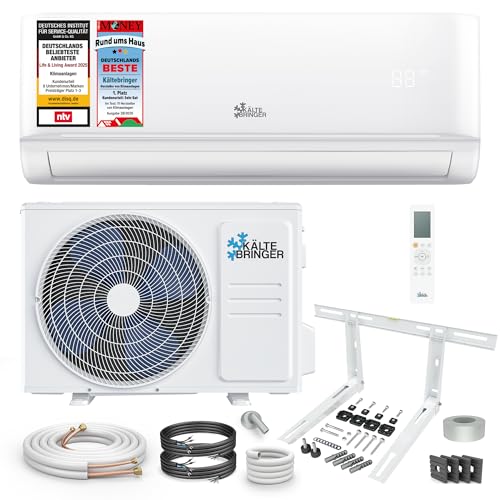
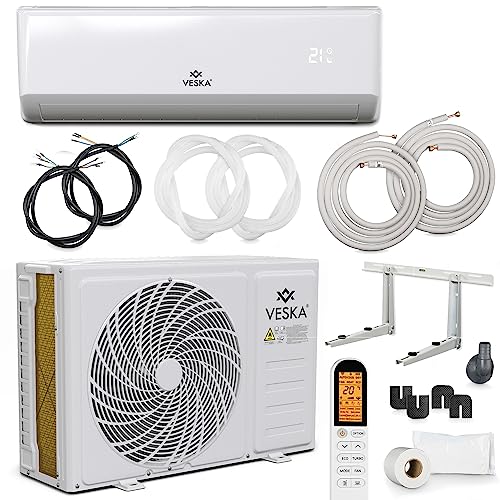
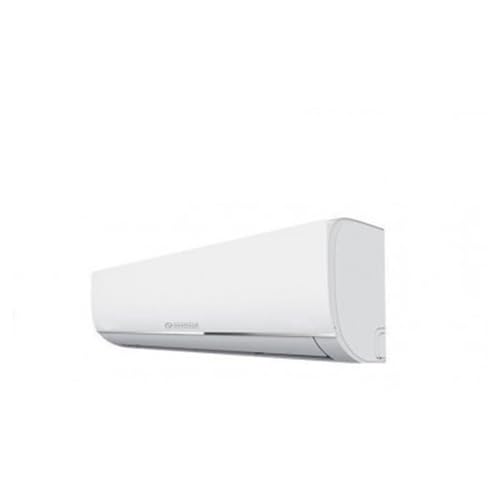
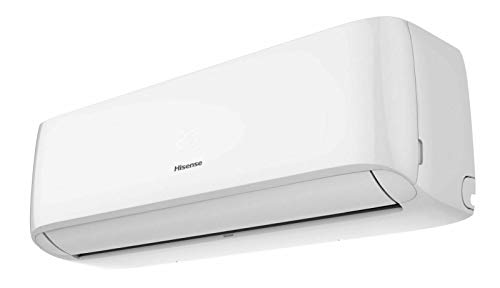
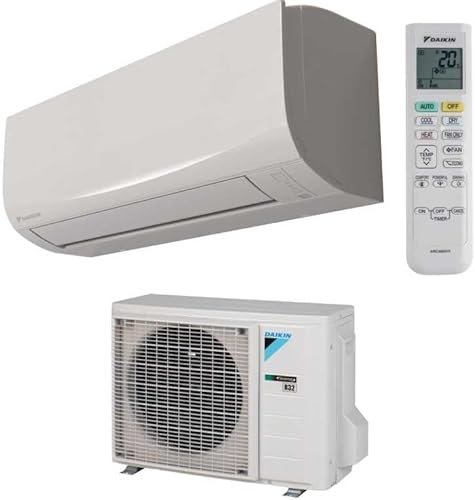
New 12000 BTU air conditioners generally cost about £300-£1,000 for the appliance, with installation extra. Basic units often sit around £260-£470, while quieter, more efficient wall-mounted systems with Wi-Fi, advanced airflow, or heating modes commonly cost £470-£1,000.
The total installed price depends on pipe length, brackets, drainage, electrical work, outdoor access, and commissioning. Compare low-speed noise, seasonal efficiency, warranty, and parts availability instead of choosing only by the BTU label. The chart below shows the new-product price distribution for 12000 BTU air conditioners.
The chart below shows the new-product price distribution for 12000 BTU air conditioners.
[vertical-chart-10352964011958213984169290767682281604280604158766]
What should you check before buying a 12000 BTU air conditioner?
Before buying a 12000 BTU air conditioner, check the following factors:
- Room load: Use 25–40 m² only as a starting point and adjust for sunlight, insulation, glazing, height, and occupants.
- Output range: Check nominal, minimum, and maximum cooling output to avoid cycling in mild weather.
- Sound: Compare low and high indoor noise figures when the unit will serve a bedroom or living area.
- Seasonal efficiency: Prefer A++/A+++ cooling with a clear SEER and inspect SCOP if heating is important.
- Installation route: Confirm pipe length, drain fall or pump, outdoor clearance, electrical protection, and service access.
- Airflow: Check louver movement and throw so cool air reaches the room without creating a direct draught.
- Ownership cost: Verify filters, self-cleaning claims, warranty, spare parts, app support, and commissioning.