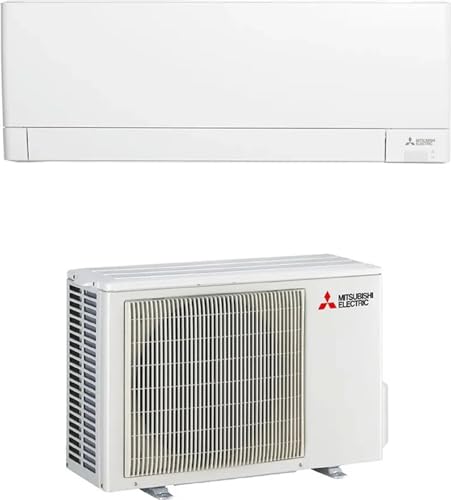
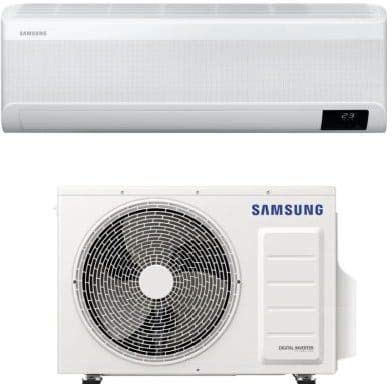
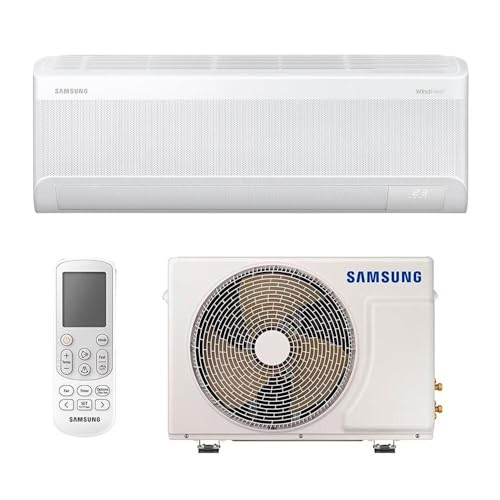
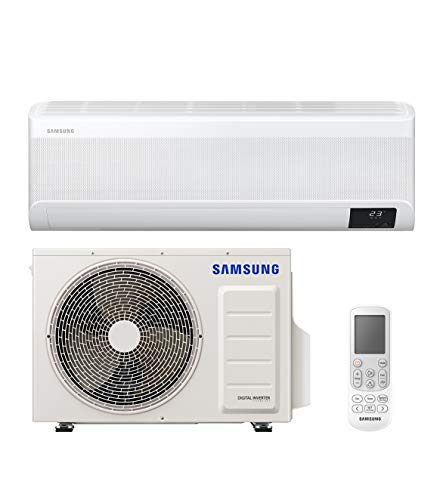
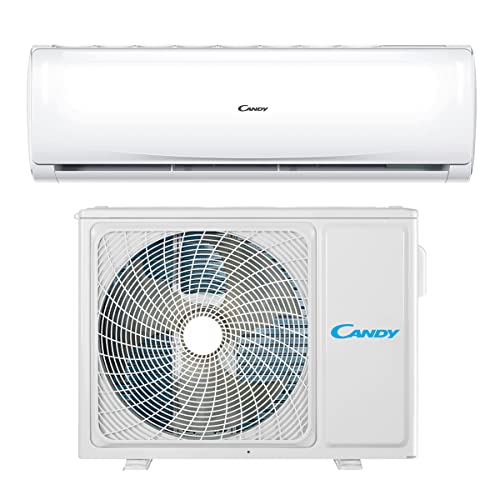
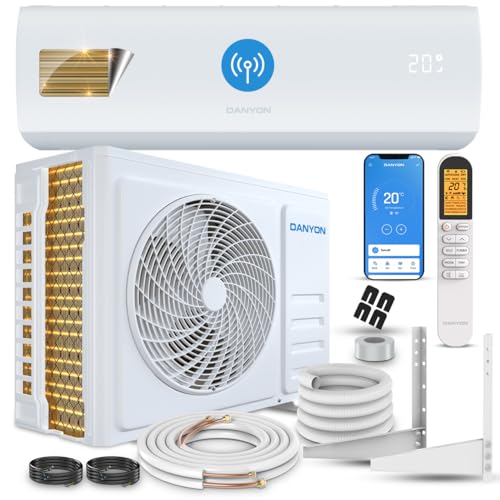
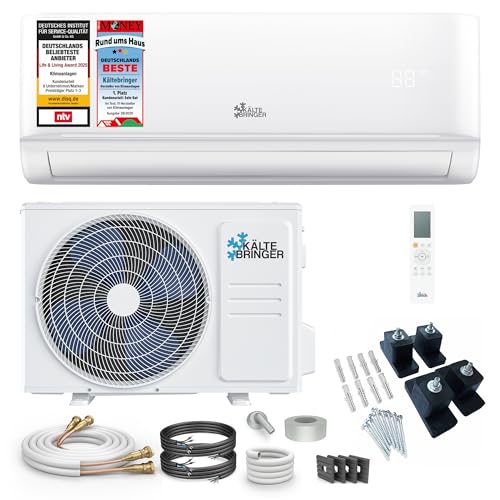
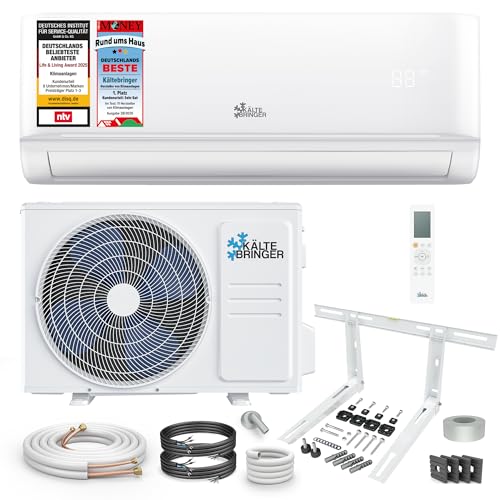
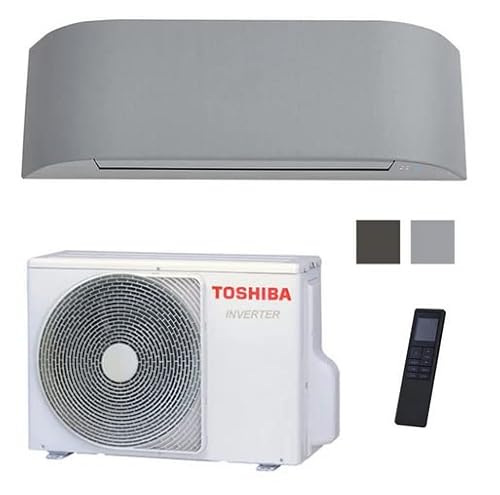
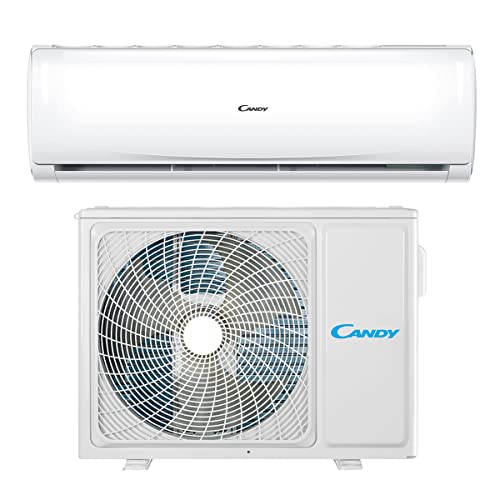
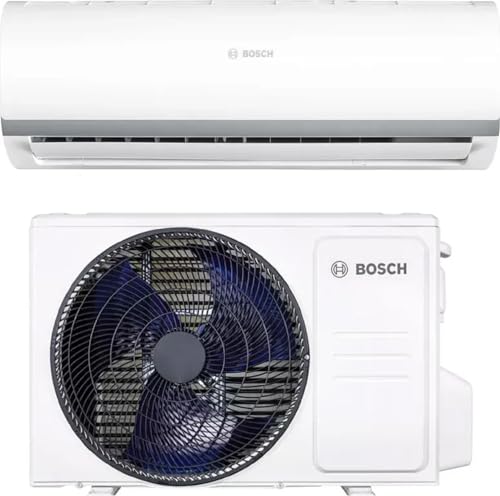
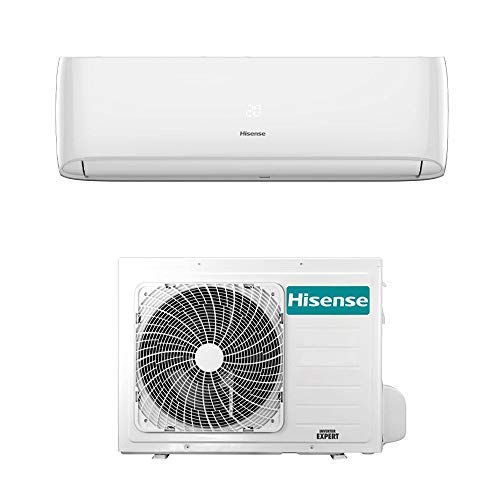
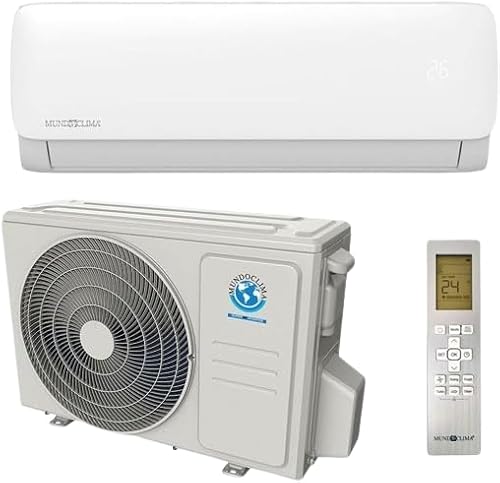
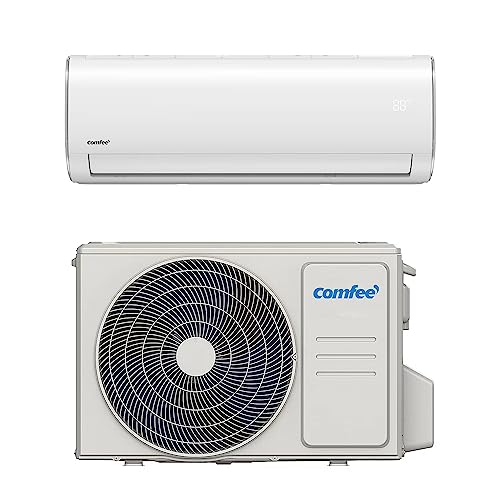
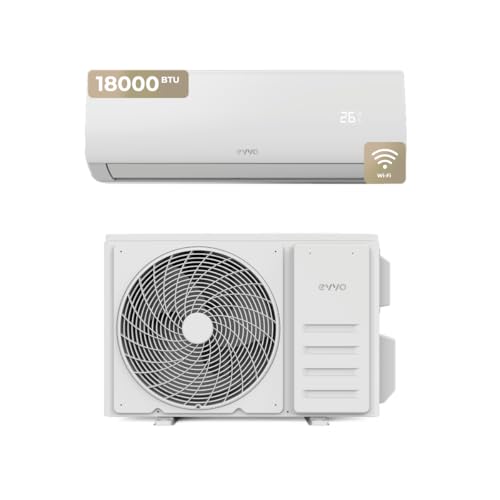
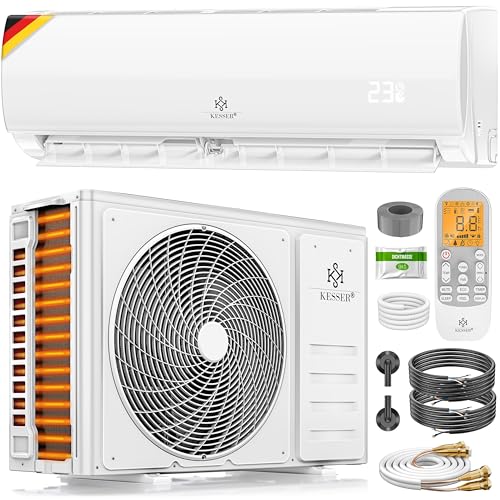
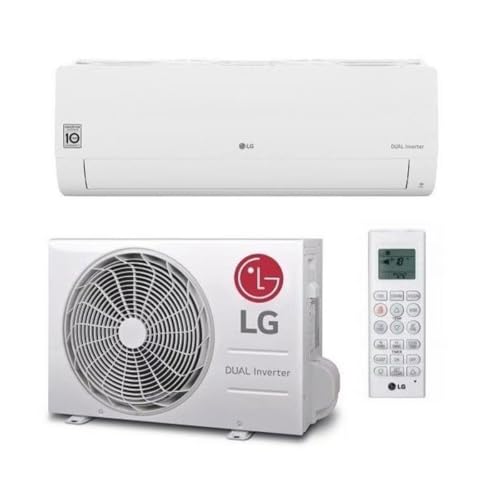
Which brands make the best mono-split air conditioners?
Among mono-split air conditioners, the brands with the highest average scores are as follows.
- electriQ (Average overall score: 8.3)
- Toshiba (Average overall score: 8.1)
- Midea (Average overall score: 7.9)
The chart below ranks brands by average overall score among mono-split air conditioners.
[horizontal-chart-11901554101888910201035337410710679678202827177408]
When should you choose a mono-split air conditioner?
Choose a mono-split air conditioner when one room needs dedicated cooling or heating and the outdoor-unit location is straightforward.
Mono-split systems suit a bedroom, office, living room, or home extension where independent temperature control matters. They are usually simpler to size and service than a multi-split system, and a fault affects only the connected room rather than several zones.
A multi-split may be better when several rooms need simultaneous conditioning but outdoor space is limited. Compare the total pipework, outdoor capacity, control needs, and future expansion before deciding that one outdoor unit per room is the best layout.
What cooling capacity and room coverage should a mono-split system provide?
A mono-split system should provide roughly 2.5–3.5 kW for many bedrooms and living rooms, while larger or sunnier spaces may need about 4–5 kW after a heat-load check. Room area, insulation, glazing, ceiling height, and solar gain decide whether those bands fit.
Compare rated capacity, minimum modulation, airflow, and the approved indoor/outdoor combination. The manufacturer's area guidance is only a reference; an oversized unit may cycle and an undersized one may remain noisy at high fan speed.
How energy-efficient are mono-split air conditioners?
Mono-split air conditioners can be highly efficient because one compressor serves one room and the system can be sized closely to that room's demand.
Compare SEER for seasonal cooling and SCOP for heating, using the same capacity and climate assumptions. Inverter models can modulate at part load, but frequent open-door operation, poor insulation, dirty filters, or an oversized system will reduce the real benefit.
Look at the complete energy label, rated capacity, sound level, and standby behaviour rather than selecting by class alone. A slightly less efficient model that fits the room and runs quietly may be better in practice than a higher-rated unit that is badly sized.
How much do mono-split air conditioners cost?
Mono-split air conditioners cost about £300-£1,300 for equipment, with professional installation priced separately. Basic room systems often sit around £300-£500, while quieter, larger, more efficient, or connected units commonly reach £500-£1,300.
Installation adds brackets, refrigerant pipework, electrical work, drainage, commissioning, and any difficult access or long pipe run. Compare the installed project cost with a multi-split layout if several rooms may need conditioning later.
The chart below shows the price distribution of mono-split air conditioners.
[vertical-chart-13562642362311960015071671858952673559501688935046]
What should you check before buying a mono-split air conditioner?
Before buying a mono-split air conditioner, check the following factors:
- Room heat load: Size the unit from area, insulation, glazing, ceiling height, solar gain, and occupancy. A typical 2.5–3.5 kW label is only a starting point for many rooms.
- Indoor and outdoor match: Confirm the approved indoor/outdoor combination, rated capacity, pipe length, elevation, and electrical supply. Mixing units outside the manufacturer's pairing can affect efficiency and warranty.
- SEER and SCOP: Compare seasonal cooling and heating ratings at the same capacity and climate assumption. Use SCOP seriously if the system will heat in spring, autumn, or winter.
- Sound and airflow: Check low-mode and maximum indoor sound, louvre direction, and outdoor-unit noise. Placement near a bed, desk, neighbour, or boundary can matter more than a small label difference.
- Controls: Confirm timers, sleep mode, Wi-Fi, app support, and local remote operation on the exact model. Connected features should supplement, not replace, reliable local control.
- Drainage and installation: Plan condensate drainage, wall penetrations, brackets, service clearance, and outdoor airflow before ordering. A technically good unit can perform poorly if water or air cannot move freely.
- Future layout: If another room may need conditioning, compare a mono-split now with a possible multi-split plan. Outdoor space, pipe routes, and electrical capacity can be harder to change later.