
When should you consider buying a Rowenta stick vacuum?
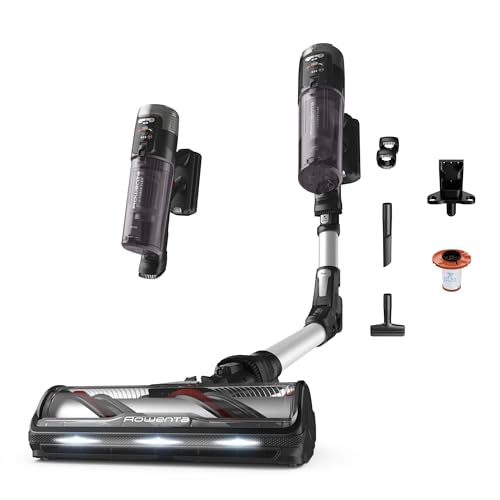
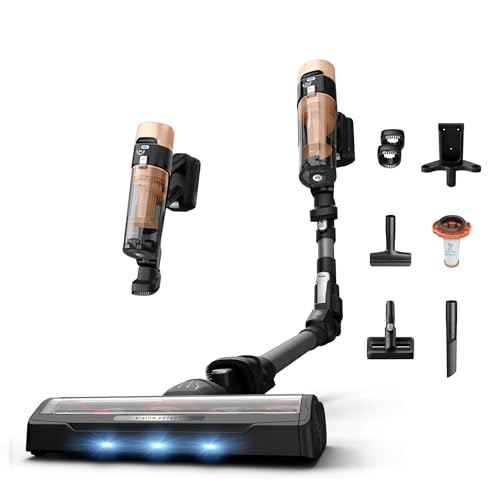
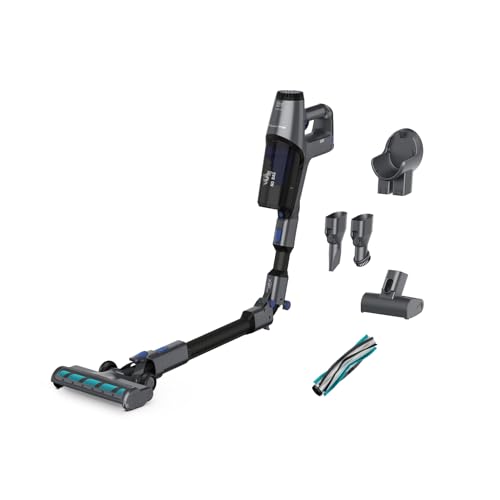
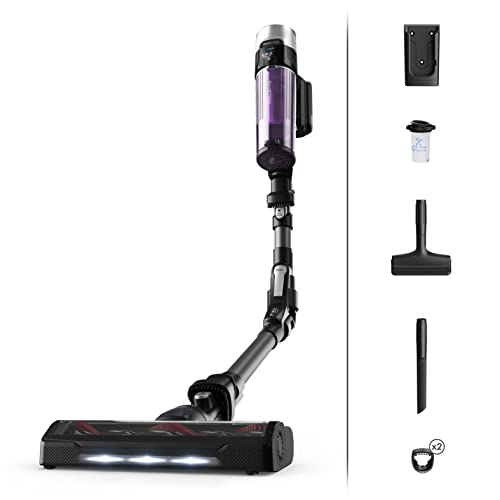
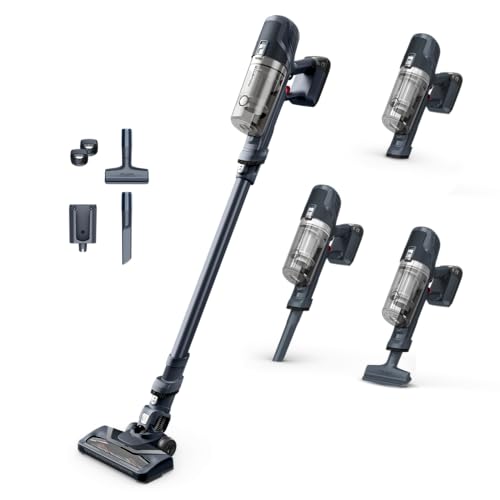
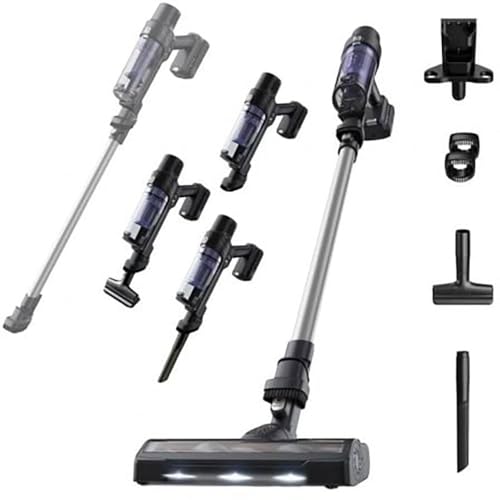
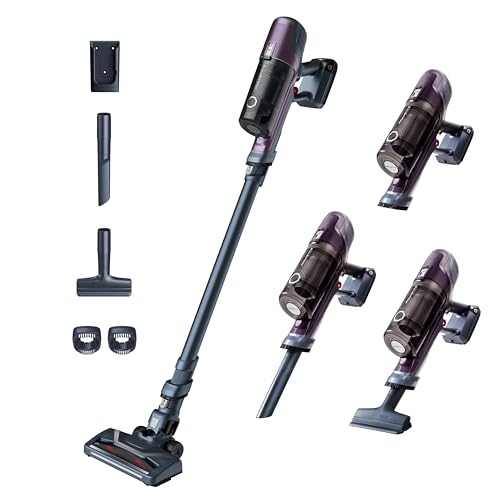
A Rowenta stick vacuum is a practical choice for homes that clean little and often, move between floors or need a machine that reaches beneath beds without moving furniture. The folding tube on X-Force Flex lets the head travel low while the user remains upright, and most models convert to handheld use for stairs and upholstery.
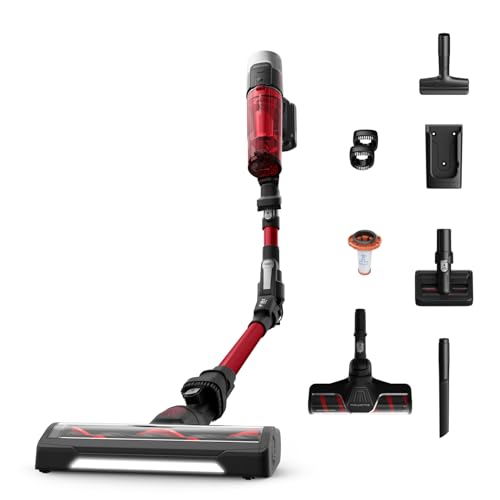
X-Pert is sufficient for hard floors, light rugs and short sessions. For thicker carpet or frequent pet hair, target at least roughly 150–180 AW, an anti-tangle powered head and a mini motorised tool; higher X-Force tiers offer more reserve but also cost and weigh more.
Large homes should check bin and boost runtime closely. A 0.4 L container can fill quickly, and maximum power may last only a fraction of a 60-minute lower-mode claim.

What are the main Rowenta stick vacuum series?
The main Rowenta stick-vacuum series are as follows:
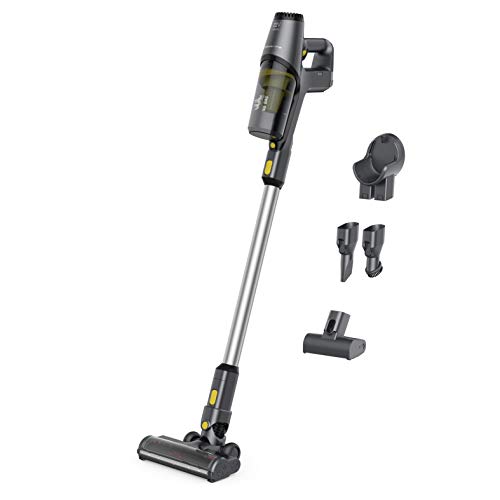
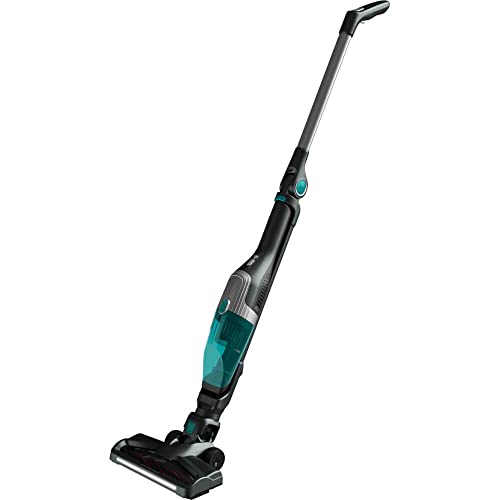
- X-Pert: X-Pert 3.60, 6.60 and related models form the simpler, lighter branch. They are suited to everyday hard-floor cleaning and generally provide about 45 minutes in a lower setting.
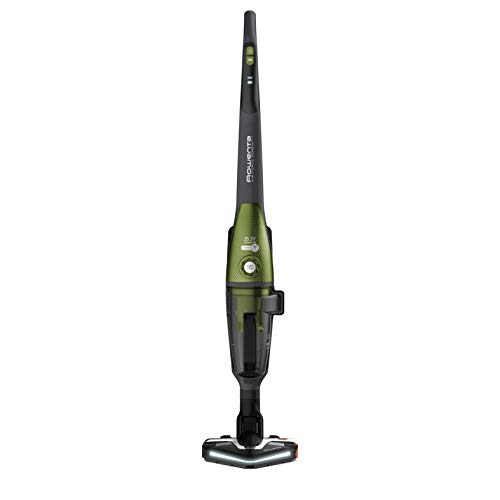
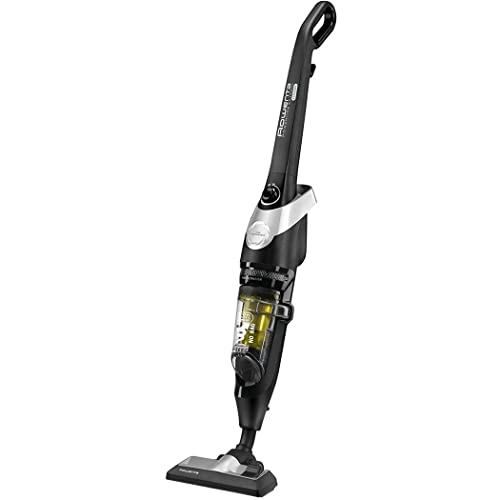
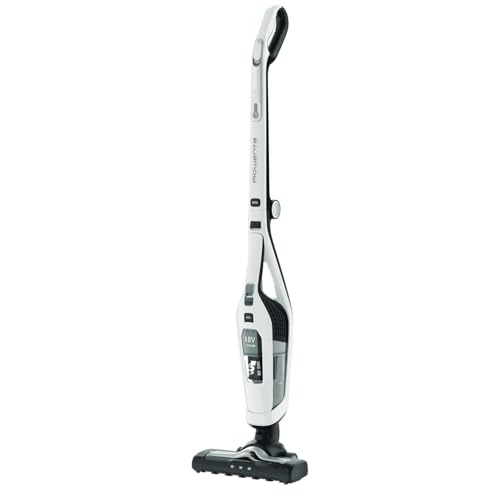
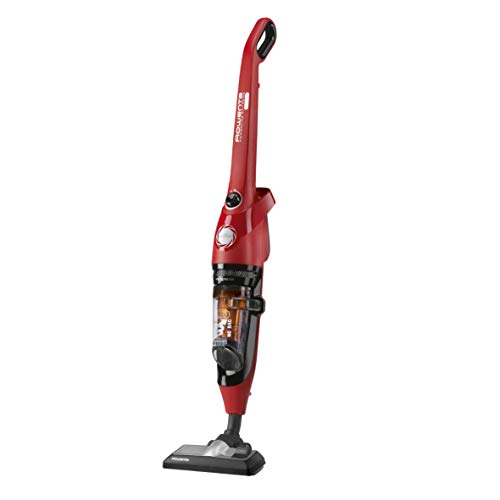
- Air Force and X-Nano: Air Force models use an older upright-style cordless layout, while X-Nano prioritizes compact handling and quick conversion. Both serve lighter cleaning roles rather than the highest-output tier.
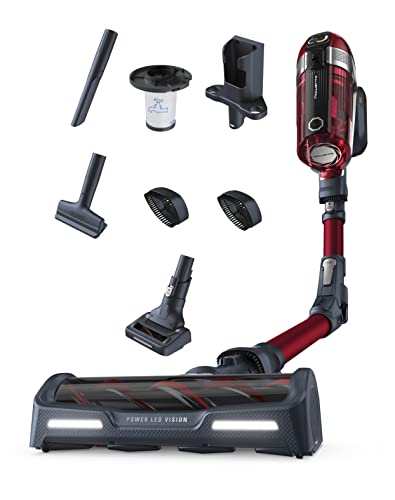
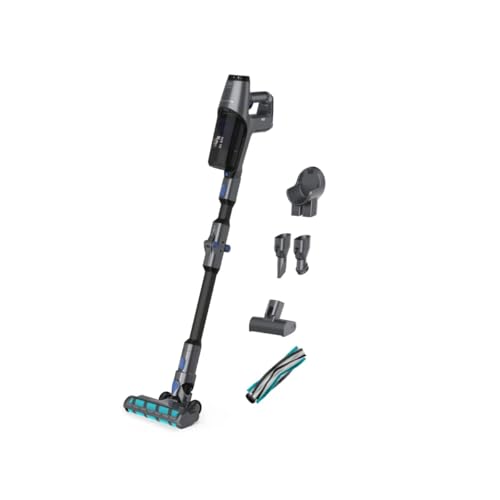
- X-Force Flex: This range progresses through tiers such as 9.60, 12.60, 13.60, 14.60 and 16.60. Higher numbers usually add suction, battery capacity, automatic adjustment or a more informative display.
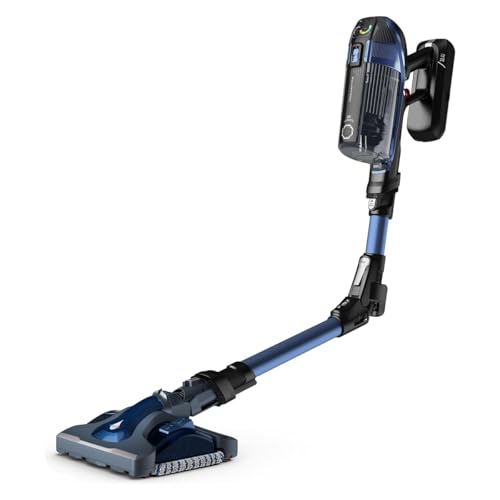
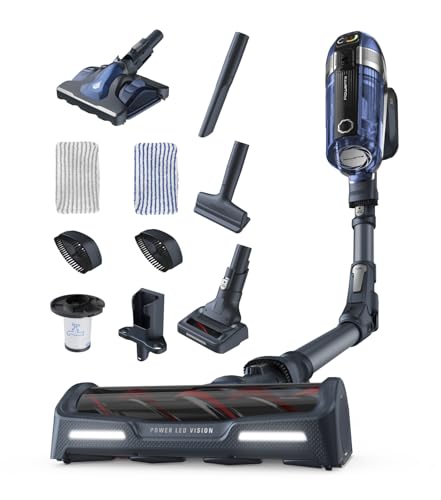
- Animal, Aqua and Absolute packages: These suffixes change the supplied tools rather than creating a separate stick platform. Animal adds hair tools, Aqua adds a wiping attachment and Absolute broadens the accessory set.
How much do Rowenta stick vacuums cost?
Rowenta stick vacuums generally cost about £100-£500. X-Pert and older Air Force models occupy the £100-£200 range. X-Force Flex 9.60 and 12.60 packages commonly sit around £170-£300, where they balance output, runtime and weight.
Higher X-Force versions can reach roughly £300-£500. The extra cost should buy a stronger motor, useful automatic mode, longer battery or a tool package matched to carpet and pets. If the premium is mainly an Aqua attachment that will rarely be used, a lower series can be better value.
The chart below shows the price distribution of Rowenta stick vacuums.
[vertical-chart-11854732486472897914011859244191859928032875976117]
What should you check before buying a Rowenta stick vacuum?
Consider the following factors before buying a Rowenta stick vacuum:
- Suction tier: Around 100 AW suits routine hard floors, 150–180 AW is a useful mixed-floor target, and 200 AW or more provides greater carpet reserve when the figures use comparable test conditions.
- Real runtime: Look for 45–60 minutes in a lower mode and obtain the figure with the powered head attached. Maximum or Boost operation may last only about 10 minutes on some versions.
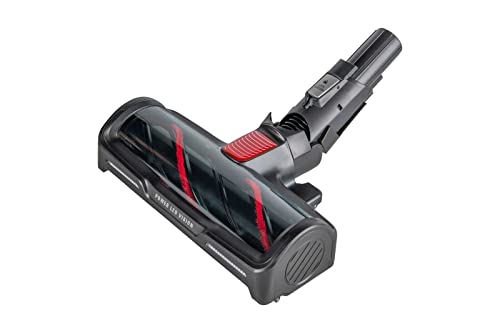
- Floorhead: Check agitation on carpet, edge pickup, head sealing and how easily hair leaves the roller. Animal packages should include a useful mini motorised tool, not merely a cosmetic label.
- Bin and filters: Capacity is commonly about 0.4–0.9 L. Inspect the emptying path, filter access and whether fine dust accumulates around the cyclone before the marked fill line.
- Weight and Flex tube: Most models fall around 2.2–3.5 kg. The folding tube helps under furniture, but test wrist load, stair carrying and whether the joint feels stable when locked straight.
- Battery and charging: Confirm that the pack can be replaced, whether a spare charges separately and the charging time, often around 3–5 hours. Battery compatibility changes across X-Pert and X-Force generations.
- Package: Compare the complete RH model code for the main head, mop attachment, pet tool, stand and second battery. Names such as Animal, Aqua and Absolute are not identical in every country.
The chart below shows the weight distribution of Rowenta stick vacuums.
[vertical-chart-03459233888248506785052385770528957926431313386209]