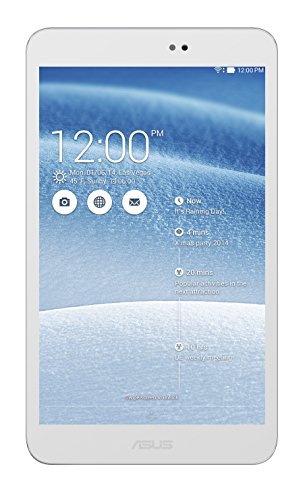
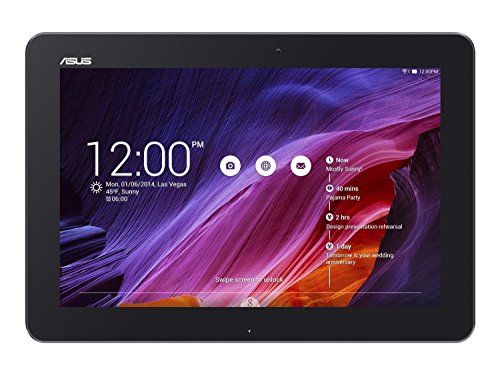
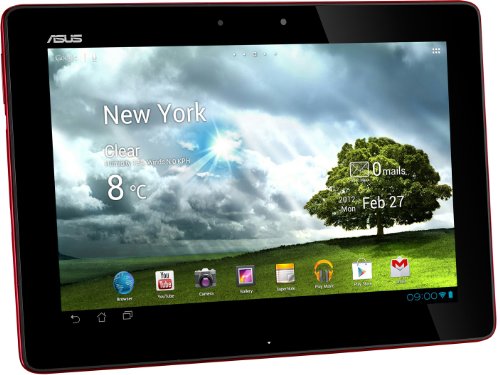
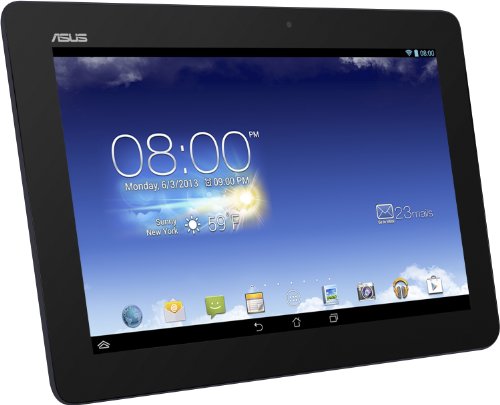
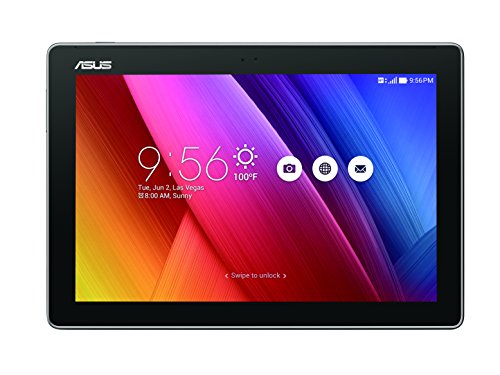
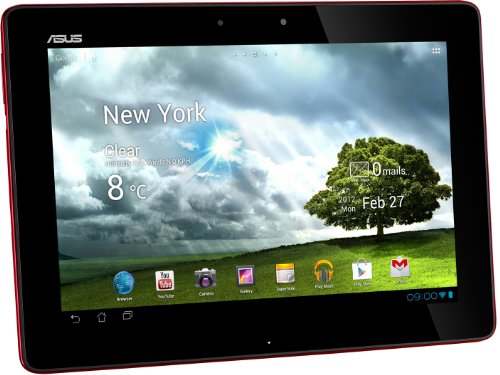
Are Asus tablets good?
Asus tablets have an average overall score of 5.6, ranking #34 among all tablet brands, and a user rating of 8.3, placing them at #22 based on user reviews.
They often include good displays, decent processing power, and reliable battery life, which makes them suitable for everyday use such as browsing, watching videos, and running standard apps. Asus has a reputation for durable hardware across its product lines, and its tablets usually follow the same trend with sturdy designs and consistent performance.
At the same time, Asus tablets are less dominant in the market compared to Apple or Samsung, which means they may have fewer premium models and a smaller ecosystem of accessories. Software support can also vary, with updates not always as regular as those from top competitors.
The best Asus tablets are as follows.
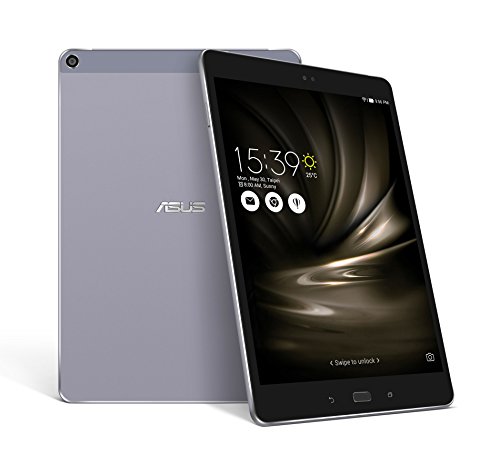
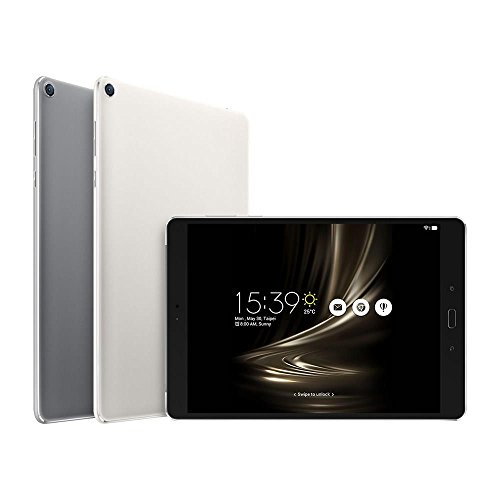
- Asus Zenpad 3s 10 LTE (4GB + 32GB) (Overall score: 6.09 points)
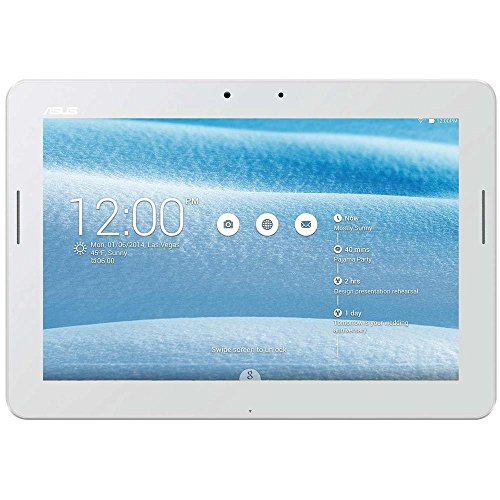
- Asus Transformer Pad Tf701t (2GB + 32GB) (Overall score: 5.89 points)
- Asus Zenpad 3s 10 WiFi (4GB + 64GB) (Overall score: 5.87 points)
Tablet brands are ranked by overall score in the following chart.
[horizontal-chart-17307447123912072405130790404762119862712244951798]
What are the main advantages of Asus tablets?
The main advantages of Asus tablets are the following:
- Performance and processors: Asus tablets often use Qualcomm Snapdragon or MediaTek Dimensity chipsets with up to 8 cores. This gives strong multitasking performance, stable gaming experience, and smooth app operation.
- Display quality: Many Asus tablets feature IPS or AMOLED panels with resolutions up to 2560×1600 pixels. Brightness often exceeds 400 nits and some models support 120 Hz refresh rate, which delivers sharp visuals and fluid scrolling.
- Battery capacity: Several models reach 7000–8000 mAh with real usage times of 10–12 hours. Some support fast charging at 30 W, which restores about 50% in less than 40 minutes.
- Audio system: Asus integrates quad-speaker setups tuned by Harman Kardon with Hi-Res Audio certification. This results in clear sound, strong bass, and balanced volume even at higher levels.
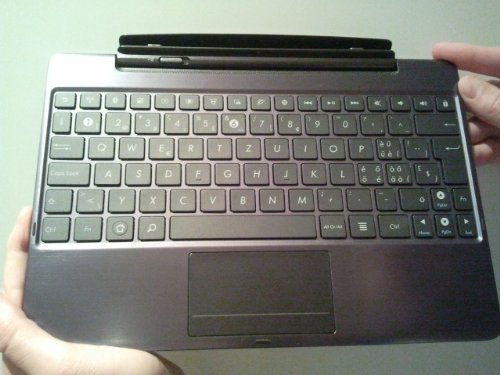
- Accessories and versatility: Certain models include stylus input with 4096 pressure levels and detachable keyboards. This transforms the tablet into a compact productivity device and supports creative drawing or note-taking.
- Gaming focus: The Asus ROG series tablets integrate cooling systems, RGB accents, and high-refresh displays. These features target gaming users who need stable frame rates and long sessions without overheating.
What are the main disadvantages of Asus tablets?
Asus tablets have the following main disadvantages:
- Weight and thickness: Some models exceed 600 g and reach over 8 mm in thickness, which reduces comfort for long handheld use.
- Software updates: Asus does not update its tablets as consistently as Apple or Samsung. Security patches often arrive late or stop after 2–3 years.
- App ecosystem: While Android is flexible, some creative and productivity apps remain optimized mainly for iPadOS, which limits professional usage.
- Price range: Advanced Asus tablets with gaming features or OLED displays can cost 500–£700, which reduces their value compared to alternatives with similar hardware.
- Availability: Asus tablets are not sold in all regions and some models stay exclusive to Asia. This limits choice for users in Europe or the US.
Who makes Asus tablets?
Asus tablets are made by AsusTek Computer Inc., a Taiwanese multinational company founded in 1989 and headquartered in Taipei.
Asus is one of the world’s leading computer hardware and electronics manufacturers, best known for its laptops, motherboards, smartphones, and gaming devices under the Republic of Gamers (ROG) brand. The company has produced several tablet lines over the years, including the Asus Transformer Pad, ZenPad, and ROG Flow series, with a focus on Android-based devices and detachable hybrid models.
Asus employs more than 14,000 people worldwide and operates in multiple markets across Asia, Europe, and North America. It has research and development centers in Taiwan, China, and the United States, which support its innovation in mobile devices and computer hardware.
How popular are Asus tablets worldwide?
Asus tablets are a small player worldwide, with shipments in 2024 estimated at around 2 million units and a global market share of about 1 %, so the brand stayed outside the top 5 vendors. Asus focused mainly on niche models like the ROG Flow Z13 for gaming and some ZenPad devices in select markets.
Sales concentrated in Asia and parts of Europe, while in North America Asus presence remained very limited.
What are the main Asus tablet series?
Asus tablets are divided into the following series:
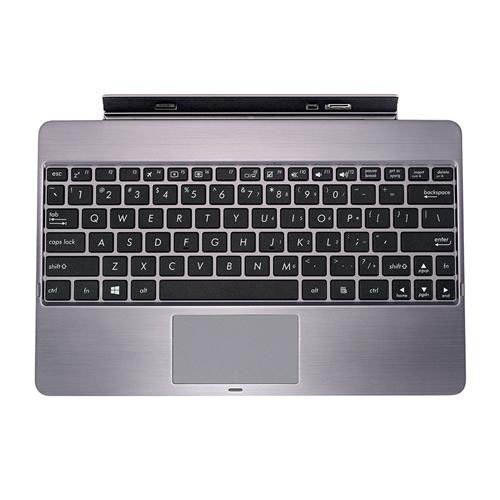
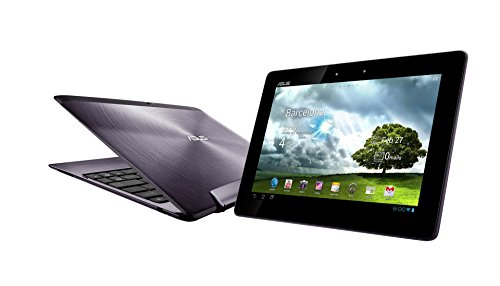
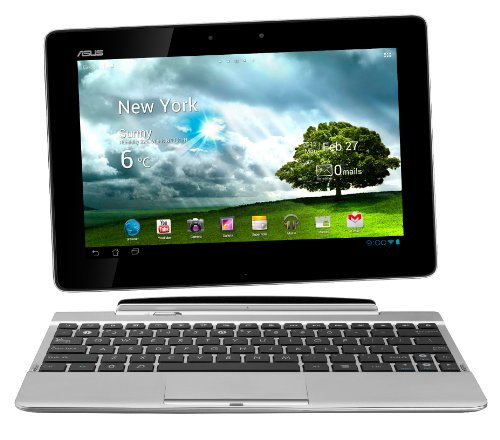
- Asus Transformer Pad: A 2-in-1 hybrid series with detachable keyboards, designed for both tablet use and productivity. It runs on Android and features models with HD and Full HD displays, quad-core processors, and long battery life.
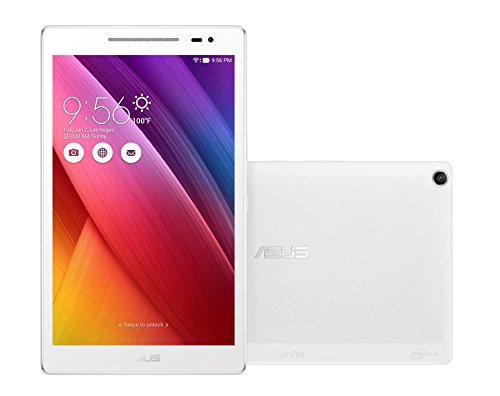
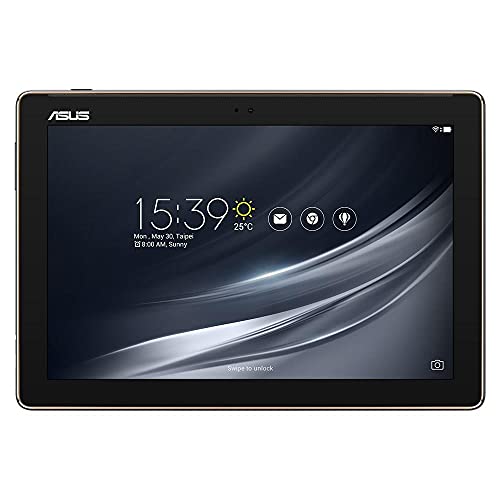
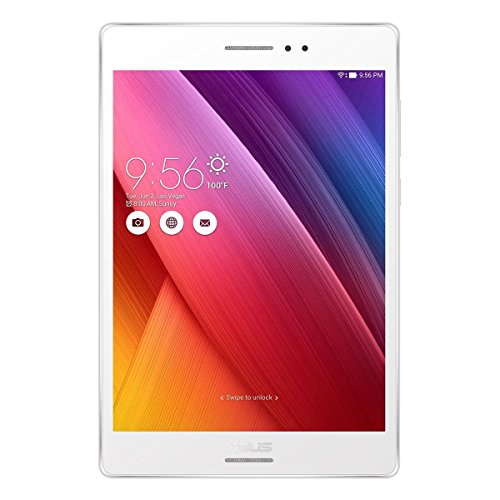
- Asus ZenPad: A multimedia-focused series with sleek design, vivid displays, and DTS-HD audio. It includes different models such as ZenPad 7, 8, and 10, which target users who want entertainment, browsing, and light productivity.
- Asus Fonepad: A series that combines tablet and smartphone functions, with cellular connectivity and calling features. It typically comes with Intel Atom processors and mid-size screens, mainly 7 inches.
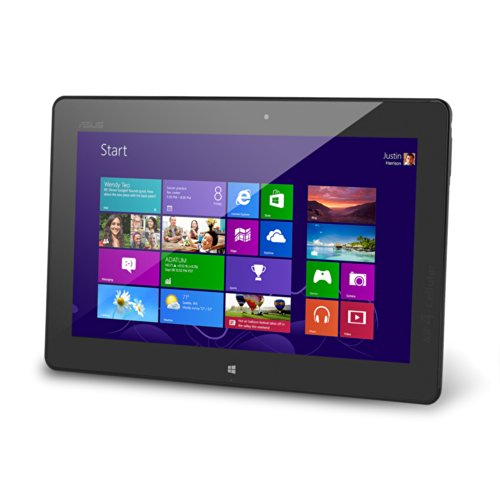
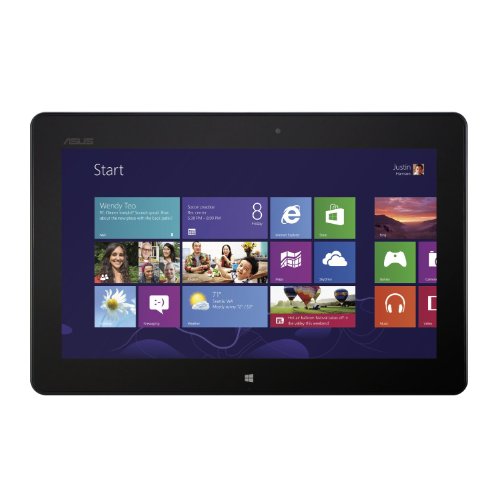
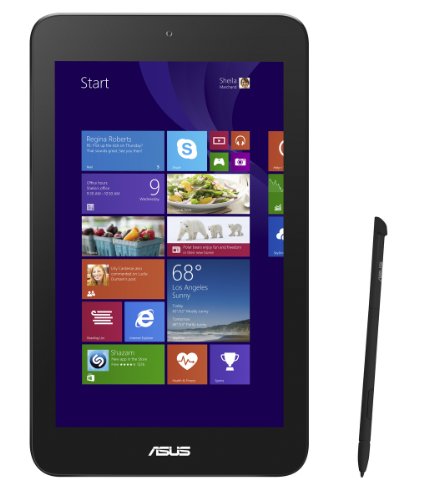
- Asus VivoTab: A Windows-based tablet series designed for work and productivity. It features Intel processors, stylus support, and detachable keyboard docks, so it is closer to a laptop replacement.
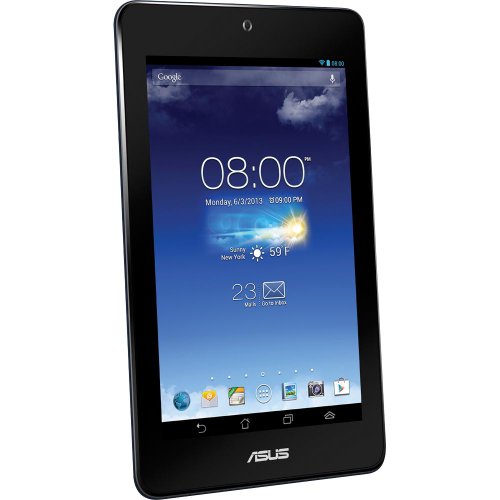
- Asus MeMO Pad: A budget-friendly Android tablet series. It focuses on affordability while keeping decent specifications such as IPS displays, compact size, and good performance for casual use.
- Asus ROG Flow Z and ROG tablets: Aimed at gaming, these devices use high-performance hardware, discrete GPUs, and strong cooling systems. They support accessories like external GPUs, which transform them into powerful gaming machines.
How much do Asus tablets cost?
Asus tablets cost between £130 and £550 depending on the model, size, and specifications.
Entry-level ZenPad devices usually start at around £130 with basic hardware and smaller displays, while higher-end models with better processors, larger screens, and more storage can reach £340 to £550.
The following chart shows how prices are distributed across Asus tablets.
[vertical-chart-12997729762685937200170620274821053419472879060540]
What should you consider while choosing the best Asus tablet?
You should consider the following factors when choosing the best Asus tablet:
- Display: The display quality defines your visual experience and Asus tablets feature different panel types. ZenPad series uses IPS LCD displays with 1920x1200 resolution, while VivoBook 13 Slate includes OLED technology with 100% DCI-P3 color gamut. ROG Flow Z13 models feature high refresh rate panels at 2560x1600 resolution and ZenPad 10 delivers true vivid construction with excellent optical clarity. OLED displays like those in Zenbook Flip series show superior contrast and brightness compared to standard LCD screens found in basic ZenPad models.
- Performance: Different series target specific use cases and Asus divides tablets into performance tiers. ZenPad series uses mid-range processors like Qualcomm Snapdragon 615 with 2GB RAM, while ROG Flow Z13 includes powerful AMD Ryzen AI Max 390 processors with 32GB RAM. Entry-level models like ZenPad 7.0 feature Intel Atom x3-C3230 quad-core chips but premium models like Zenbook Flip use Intel Core i7-1165G processors. Gaming-focused ROG tablets support external GPU connections up to RTX 4090.
- Form factor: Convertible designs transform tablets into laptops and Asus creates 2-in-1 devices with 360-degree hinges. Zenbook Flip series converts between tablet and laptop modes, while ZenPad 10 works with optional keyboard docks. Standard tablets like ZenPad 8.0 remain fixed-form devices but convertible models like VivoBook Flip offer dual functionality. ROG Flow Z13 functions as both gaming tablet and productivity device with detachable accessories.
- Operating system: Windows and Android systems serve different purposes and Asus tablets run both platforms. ZenPad series operates on Android with ZenUI customization, while ROG Flow Z13 and Zenbook Flip models run Windows 11. Android tablets access Google Play Store apps but Windows devices support desktop software. Business users prefer Windows tablets for productivity while casual users choose Android for entertainment.
- Battery: Power consumption varies between series and usage patterns affect battery performance. ZenPad 8.0 includes 4000mAh batteries while ZenPad 7.0 features 3450mAh capacity. Premium models like Zenbook Flip prioritize performance over battery life but basic tablets focus on all-day usage. Gaming tablets consume more power due to high-performance components but standard productivity tablets last longer between charges.
- Connectivity: Wireless and cellular connections determine usage flexibility and Asus tablets support different network types. ZenPad 8.0 includes Wi-Fi, GPS, Bluetooth, 3G, and 4G connectivity with Band 40 support, while basic models offer Wi-Fi and Bluetooth only. Premium tablets feature USB-C Thunderbolt 4 ports but entry-level devices use micro-USB connections. ROG series includes multiple USB ports for gaming peripherals.
- Storage: Internal storage and expansion options affect long-term usability and Asus tablets offer various configurations. Entry models like ZenPad 7.0 include 16GB storage expandable to 64GB via microSD, while premium ROG Flow Z13 features 1TB internal storage. ZenPad series typically offers 32GB or 64GB storage but high-end models include larger capacities. Expandable storage through microSD slots provides flexibility for media files and apps across most series.