What are 10-inch tablets good for
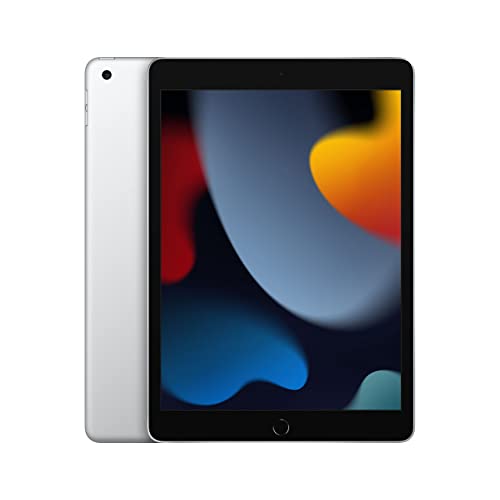
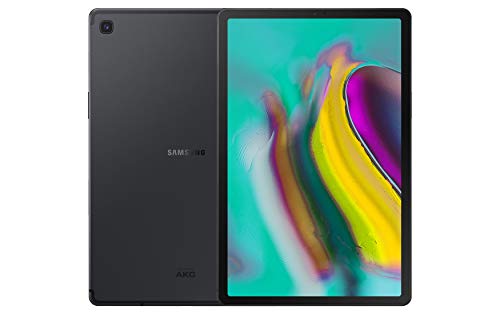
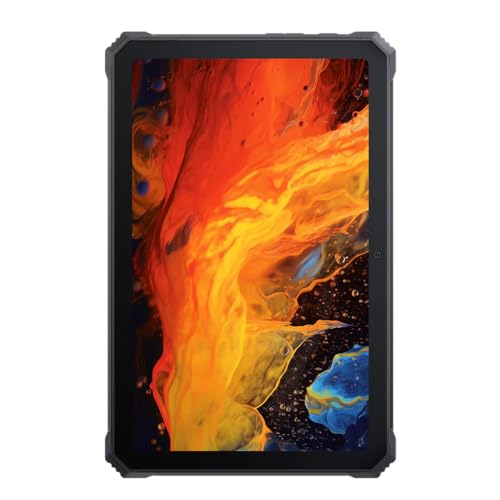
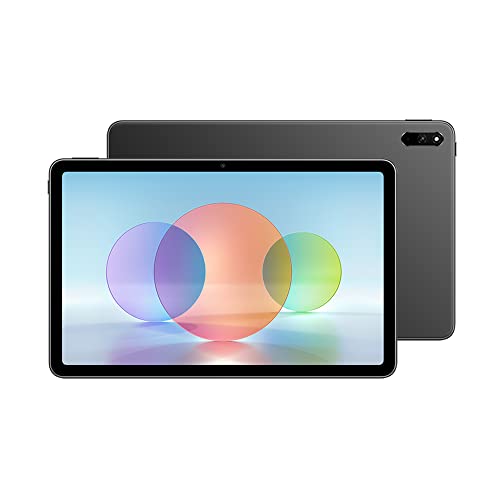
10-inch tablets are good for the following uses:
- Web browsing and social media: The screen size is large enough for comfortable reading and scrolling, yet compact enough to hold easily in one hand or place on a small table.
- Watching videos and movies: A 10-inch display gives a clear and immersive view that is bigger than a phone screen but smaller than a laptop, so it is suitable for entertainment on the go.
- Video calls and conferencing: The display has enough space to show multiple participants clearly, and the size is convenient for both personal and work communication.
- Reading e-books and documents: The format is close to that of a paperback or small notebook, which makes long reading sessions practical without straining the eyes.
- Note-taking and studying: With stylus support on many models, students can write or annotate directly on the screen, and the size matches most school notebooks.
- Gaming: The screen is big enough for comfortable gameplay and controls, yet the device stays portable, which makes it a good middle ground between small tablets and larger models.
- Work tasks and productivity: A 10-inch tablet handles email, presentations, and document editing effectively, and it can pair with a keyboard for more professional use.
- Travel and portability: The device is compact and light, so it fits into most bags or backpacks and balances well between screen size and portability.
Which brands make the best 10-inch tablets?
The best 10-inch tablet brands are as follows.
- Samsung (Overall score: 7.7 points)
- Apple (Overall score: 7.5 points)
- Microsoft (Overall score: 7.1 points)
10-inch tablet brands are ranked by overall score in the following chart.
[horizontal-chart-01648890611842730439158431739122784692492969312430]
How much do 10-inch tablets cost?
10-inch tablets cost between £130 and £800, depending on brand, hardware, and extra functions.
Entry-level models start at around £130-£220 with basic processors and limited storage, while mid-range versions usually stay between £260-£430 and include faster performance, better screens, and more storage space.
Premium 10-inch tablets range from £550-£800, with some models even higher if they include advanced displays, stronger chipsets, or stylus compatibility.
The following chart shows how prices are distributed across 10-inch tablets.
[vertical-chart-00241723797075319926062213916133481616474032848865]
What should you consider while choosing the best 10-inch tablet?
To choose the best 10-inch tablet, consider the following factors:
- Display quality and refresh rate: Look for at least a sharp IPS or OLED panel with good brightness (500–600 nits for SDR) and low reflectivity, and aim for 90–120 Hz if smooth UI or gaming matters. Apple’s iPad Pro reaches 1000 nits SDR and 1600 nits HDR with ProMotion 120 Hz, while Samsung’s Galaxy Tab S series uses AMOLED 2X with 120 Hz and anti-reflective coatings.
- Performance (chipset, RAM, storage): Match CPU/GPU class to usage (ARM flagship for heavy multitasking or gaming, midrange SoCs for general apps), and target 6–8 GB RAM minimum with 128–256 GB storage or microSD expansion. iPad Pro (M4) sets top-tier performance, while Android choices span Samsung Galaxy Tab S/A lines and Lenovo models across budgets.
- Battery life and charging: Seek all‑day battery (real 8–12 hours screen-on) and fast USB‑C charging to cut downtime. Premium tablets pair large cells with efficient chips (iPad Pro and Galaxy Tab S lines), while midrange models like Galaxy Tab A9+ focus on endurance over peak power.
- Stylus and keyboard ecosystem: Check first‑party pen latency/tilt support and keyboard fit if note‑taking or work use matters. iPad works with Apple Pencil Pro and robust keyboard options, and Samsung bundles S Pen on many Galaxy Tab S models with strong accessory support.
- Software and update policy: Evaluate OS features and years of updates since this affects security and app compatibility for the tablet’s lifespan. Apple typically supports iPads for many years across major iPadOS releases, and Samsung states at least four years of security updates for recent Galaxy tablets while Lenovo often sees about two to three years.
- Connectivity and I/O: Confirm Wi‑Fi 6/6E (or 7 on newer flagships), optional 5G SKUs if mobile data matters, Bluetooth 5.x for accessories, and USB‑C with fast data or display-out where needed. Cellular iPad Pro SKUs support 5G across broad bands, and Samsung’s higher-end Galaxy Tab S models pair modern radios with USB‑C for peripherals.
- Audio, cameras, and build: Quad speakers with Dolby Atmos enhance media, decent front cameras improve video calls, and durable, thin metal builds reduce weight while keeping rigidity. iPad and Galaxy Tab S families lead in speaker quality and fit/finish, and Lenovo midrange tablets often include quad speakers and solid frames.