Are Dell tablets good?
Dell tablets have an average overall score of 5.9, ranking #34 among all tablet brands, and a user rating of 7.8, placing them at #28 based on user reviews.
They tend to come with solid build quality, good security features, and integration with Windows or Android depending on the series. Many models support accessories like keyboards or styluses, which makes them suitable for office work, presentations, and multitasking. Their performance usually handles everyday tasks smoothly, and the design emphasizes durability and professional use.
On the downside, Dell tablets are not as popular in the consumer market compared to brands like Apple or Samsung, so you may find fewer choices and less emphasis on media features. They also tend to target higher price ranges, especially in business-focused models, which limits their appeal for casual users who mainly want entertainment and lightweight browsing.
The best Dell tablets are as follows.
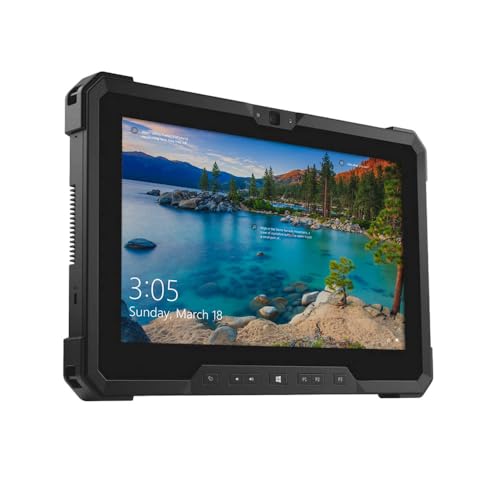
- Dell Latitude 7212 4G (16GB + 512GB) (Overall score: 7.19 points)
- Dell Latitude 7212 WiFi (16GB + 512GB) (Overall score: 7.17 points)
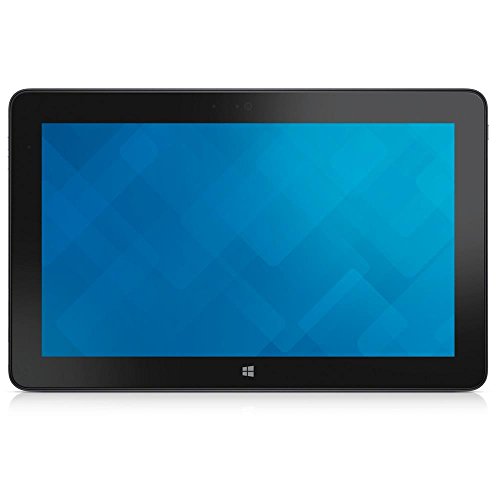
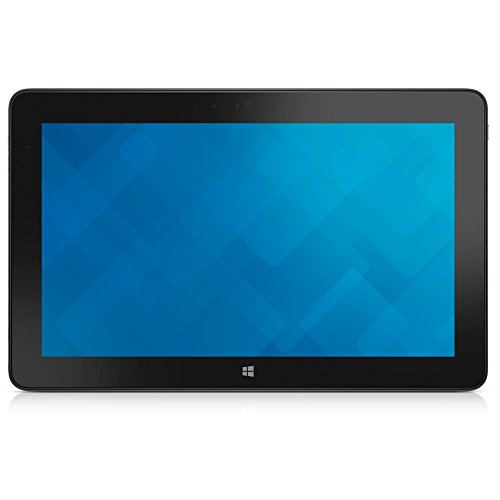
- Dell Venue 11 Pro 7000 Cellular (8GB + 256GB) (Overall score: 6.23 points)
The following chart ranks tablet brands based on their overall scores.
[horizontal-chart-17307447123912072405130790404762119862712244951798]
What are the main advantages of Dell tablets?
The main advantages of Dell tablets are the following:
- Performance and processors: Dell tablets use Intel Core i3, i5, and i7 processors, which deliver higher speed and multitasking efficiency compared to entry-level ARM chips. This allows smooth use of heavy software such as Adobe Photoshop or Excel with large datasets.
- Display quality: Many Dell tablets feature Full HD or even 4K Ultra HD displays with IPS technology. A 1920 × 1080 resolution provides sharper images and better viewing angles, while 4K (3840 × 2160) models suit design and video editing.
- Build and durability: Dell designs its tablets with strong aluminum or magnesium alloy frames. Some models also meet MIL-STD-810G standards, which means resistance against drops, vibration, and extreme temperatures.
- Battery life: Certain models reach up to 10–12 hours of battery runtime with one charge. This enables a full workday use without frequent recharging, even under multitasking.
- Security features: Dell integrates fingerprint readers, smart card readers, and TPM (Trusted Platform Module). These hardware-level protections meet enterprise standards and reduce risks of unauthorized access.
- Connectivity and ports: Unlike many tablets with only one USB-C port, Dell models often include USB-A, HDMI, and microSD slots. This simplifies direct connection to monitors, keyboards, and external drives without extra adapters.
What are the main disadvantages of Dell tablets?
The disadvantages of Dell tablets are the following:
- Weight and thickness: Dell tablets often weigh 700–900 g and have thicker bodies than Android or iPad models. This reduces comfort for long handheld use.
- Price range: Premium Dell tablets with Intel Core processors and 4K displays can cost above £850, which is higher than many comparable Android tablets.
- Limited app ecosystem: While running Windows brings access to desktop programs, it lacks optimized touch-first tablet apps compared to Android or iOS.
- Heat and noise: High-performance Intel processors can generate more heat and activate internal fans, which may produce noticeable noise during heavy use.
- Shorter battery life under load: Although Dell tablets can last 10–12 hours in light use, running demanding apps like 3D software or video editing reduces battery runtime to 5–6 hours.
Who makes Dell tablets?
Dell tablets are made by Dell Technologies, an American company based in Round Rock, Texas.
The company was founded in 1984 by Michael Dell and grew into one of the largest computer manufacturers in the world. Dell employs over 130,000 people worldwide and produces desktops, laptops, servers, and accessories in addition to tablets.
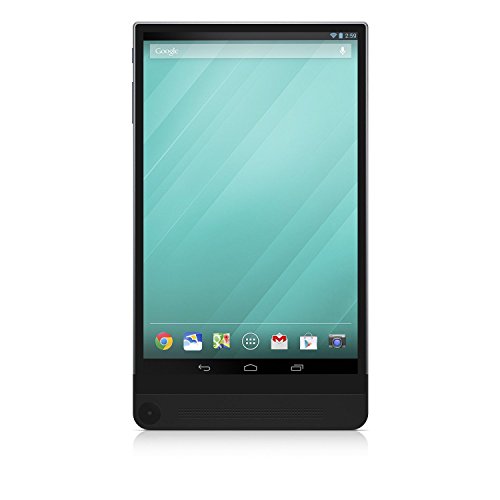
Dell entered the tablet market in 2010 with the Dell Streak series, which used Android. Later, it focused on Windows-based tablets such as the Dell Venue and Dell Latitude 2-in-1 devices, targeted at business and professional users.
Unlike many competitors that outsource all manufacturing, Dell has used both its own production facilities and external partners to build its tablets.
How popular are Dell tablets worldwide?
Dell tablets are a niche player worldwide, with shipments in 2024 estimated at under 1 million units and a global market share below 1 %, so the brand did not rank among the top vendors.
Dell focused mainly on business-oriented 2-in-1 devices such as the Latitude series, which targeted enterprise customers rather than the mass consumer market.
Sales were concentrated in North America and parts of Europe, while in Asia Dell presence stayed minimal.
What are the main Dell tablet series?
The main Dell tablet series are as follows:
- Dell Venue: Focused on compact Windows and Android tablets. These models had sizes from 7 to 11 inches, with higher-end versions like Venue 11 Pro supporting detachable keyboards and stylus input. The series targeted both personal use and business environments.
- Dell Latitude: Built for professional use with a focus on durability and enterprise security. Latitude tablets and 2-in-1 devices came with Intel Core processors, support for Windows Pro editions, and accessories such as docking stations. They were designed for business productivity and IT management.
- Dell XPS 2-in-1: A premium line with high-resolution displays, slim designs, and strong performance. These devices combined tablet and laptop functions, with detachable or 360-degree rotating keyboards. XPS models emphasized build quality and performance for demanding users.
- Dell Streak: One of Dell’s early entries into the tablet market. The Streak 5 had a 5-inch screen and worked as both a smartphone and a tablet, while the Streak 7 was a small Android tablet. These models had limited success but were Dell’s first attempt in the consumer tablet segment.
- Dell Inspiron 2-in-1: Positioned as affordable convertible devices with touchscreen support. They targeted general consumers and students who wanted flexibility between tablet and laptop use. Inspiron models balanced cost and performance with larger availability in mid-range prices.
How much do Dell tablets cost?
Dell tablets cost from around £130 for older models up to £550 for business-focused devices.
Dell no longer develops a wide consumer line of tablets and instead focuses on enterprise and hybrid solutions, so their tablets often target professionals and business environments. Prices vary by model, generation, and specifications such as screen size, processor type, and included accessories.
The Dell Venue series, which was more consumer-oriented, usually stayed in the lower to mid-price range (£130–£340), while the Dell Latitude tablets reached higher prices, often between £340 and £550, as they were designed with enterprise features, security, and compatibility with accessories like keyboards and stylus pens. Some Latitude 2-in-1 tablets with detachable keyboards also pushed prices higher compared to standard Android-based tablets.
The chart below illustrates how prices are distributed across Dell tablets.
[vertical-chart-06384596951670376811120533324484135032251266265894]
What should you consider while choosing the best Dell tablet?
When choosing the best Dell tablet, you should consider the following factors.
- Display: Screen dimensions and quality affect both portability and visual experience. Dell Latitude series features 13-inch displays with 1920x1280 pixels while Venue series comes in smaller 8-inch or 11-inch options. Higher resolution displays like the Latitude 7320 Detachable provide better clarity for detailed work.
- Processor: CPU choice determines speed and multitasking capabilities. Modern Latitude tablets use Intel Core i7 processors that deliver superior performance compared to older Atom processors found in budget Venue models. Core processors handle demanding applications while Atom chips work for basic tasks.
- Battery: Battery capacity varies significantly between models and affects mobility. Latitude tablets achieve up to 19 hours of operation with extended battery configurations while standard options provide 12-13 hours. Some models feature replaceable batteries that extend usage time.
- Durability: Construction quality determines longevity and reliability in different environments. Rugged Extreme tablets meet MIL-STD standards for harsh conditions while standard Latitude models use premium materials for office use. Venue series focuses on lightweight design for casual users.
- Connectivity: Available ports determine compatibility with peripherals and expansion options. Modern Latitude tablets include USB-C ports with Thunderbolt 4 support while older models may have limited connectivity. Port variety affects workflow flexibility and accessory compatibility.
- Keyboard and stylus integration: Input accessories determine productivity potential for different work styles. Latitude series includes detachable keyboards with collaboration features while stylus support varies by model. Pen accuracy and keyboard quality affect user experience for professional tasks.