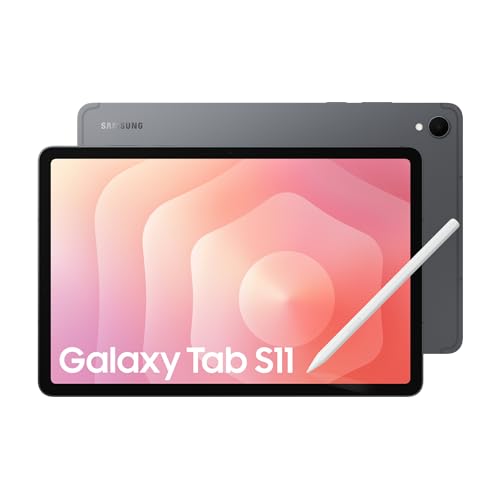
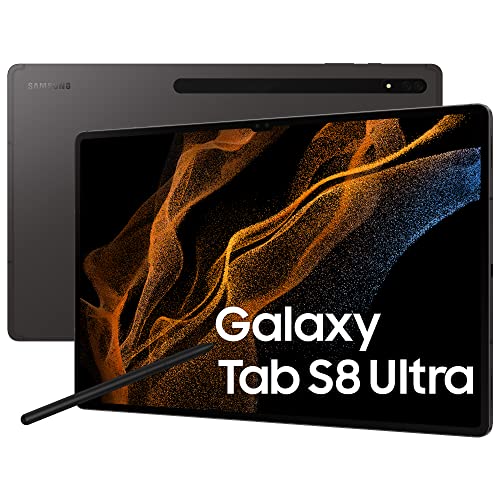
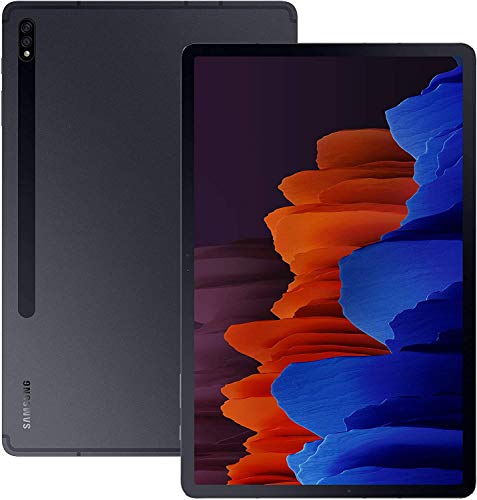
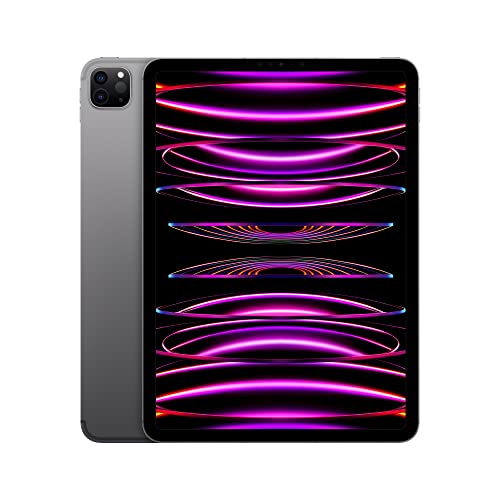
What are 5G tablets and how do they work?
5G tablets are tablets that connect to 5G mobile networks, and they work by using a built-in 5G modem to access faster data speeds compared to 4G.
With a 5G tablet, you can browse the internet, stream videos, and download apps at much higher speeds as long as you have 5G coverage in your area. The connection also gives you lower latency, so your device reacts faster when you use online apps, video calls, or cloud services.
These tablets function in the same way as regular tablets, but they use 5G bands that transmit data at higher frequencies and wider bandwidths. Your tablet communicates with the nearest 5G cell tower, and the modem inside converts the signals into data that powers your apps and internet activities.
If 5G coverage is weak, the tablet automatically switches to 4G or 3G, so you stay connected even outside 5G zones.
Can you use a 4G SIM in a 5G tablet?
Yes, you can use a 4G SIM in a 5G tablet. A 5G tablet is backward compatible with 4G networks, so your device will connect to 4G instead of 5G if you insert a 4G SIM. This means you can still browse the internet, stream videos, and use apps without problems, but you will not reach 5G speeds.
If later you switch to a 5G SIM, your tablet will connect to 5G networks where available, which gives you faster downloads and lower latency.
Which brands make the best 5G tablets?
The best 5G tablet brands are as follows.
- Samsung (Overall score: 8.9 points)
- Apple (Overall score: 8.7 points)
- ZTE (Overall score: 8.4 points)
The chart below ranks 5G tablet brands based on their overall scores.
[horizontal-chart-04643632688827145172033032021069335165683168238296]
How much do 5G tablets cost?
5G tablets cost anywhere from £170 to over £850 depending on the brand, specifications, and display size.
Entry-level models with basic hardware and smaller screens usually fall in the lower price range, while high-end devices from brands like Apple and Samsung sit at the top end because they combine faster processors, larger displays, and advanced 5G connectivity.
In the mid-range, you can expect to pay around £340 to £600 for tablets that balance speed, storage, and screen quality. These devices usually suit most users who want smooth 5G browsing and streaming without spending as much as on a flagship model.
Premium 5G tablets that cost £700 to £1,100 typically come with OLED displays, higher refresh rates, and better cameras, which put them closer to laptop performance.
The following chart shows how prices are distributed across 5G tablets.
[vertical-chart-01357041488549729049045981859562046609294263995921]
What to consider while choosing the best 5G tablet?
When selecting the best 5G tablet, you need to evaluate the following technical specifications:
- Display quality: A 5G tablet should have a bright and sharp screen (IPS or AMOLED) with high resolution for smooth visuals. Larger screens like those in Samsung Galaxy Tab S series improve multitasking and media use.
- Processor and RAM: The processor controls speed and responsiveness while RAM helps with multitasking. Snapdragon 8 Gen chips or Apple M-series chips paired with at least 6 GB RAM keep performance smooth.
- 5G connectivity: A true 5G tablet must support multiple bands (sub-6 GHz and mmWave if possible) to maintain fast and stable internet across regions. Always check supported bands since they vary by model and region.
- Battery capacity: 5G connectivity consumes more power, so a higher battery size (7,000 mAh or more) ensures longer usage without frequent charging. Tablets like Lenovo Tab P12 Pro focus on bigger batteries for mobility.
- Operating system and updates: The OS controls app support and features. iPadOS gives access to Apple’s ecosystem and long updates, while Android tablets from Samsung or Xiaomi focus on customization and multitasking tools.
- Storage capacity: A good 5G tablet should have enough built-in storage for apps, files, and media. Expandable memory with microSD is useful on Android tablets, while iPads rely on larger internal options.
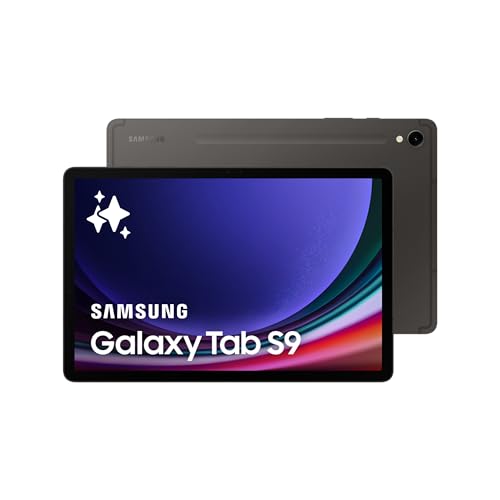
- Camera system: Front cameras matter more than rear ones on tablets since they are used for video calls. Models with 8 MP or higher front cameras (Samsung Galaxy Tab S9, Apple iPad Pro) improve video quality in 5G video calls.
The chart below illustrates how RAM capacity is distributed across 5G tablets.
[vertical-chart-15858741272822217964092868396304811589642561571600]