Scored using Smartwatches Methodology v3.0
Smartwatches Methodology v3.0
Mathematical & Unbiased Scoring
Products in this category are scored under Frontum Smartwatches Methodology v3.0: the technical score from the specifications is the base, and independent expert and video reviews (up to ±0.5 points), owner opinions (up to ±0.3) and best-of lists (up to +0.3) move it up or down.
Explore Smartwatches Methodology v3.0

vivo iQOO Watch GT review: 127 specs compared

Avg. price:~£90Screen size:1.85 inchBattery life:10 daysDisplay type:AMOLED

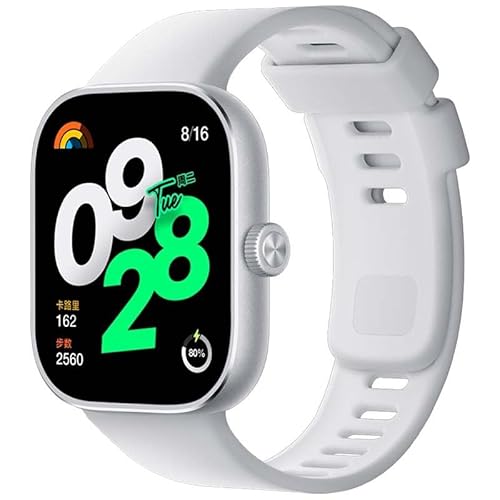
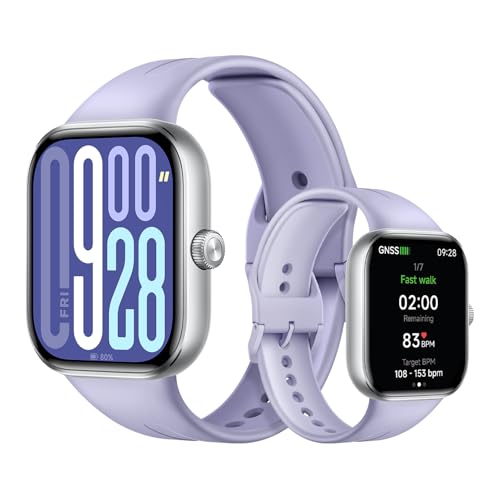
vivo iQOO Watch GT Review: Compare 127 technical specifications to see how this product ranks in the Smartwatches category and whether it is worth buying.
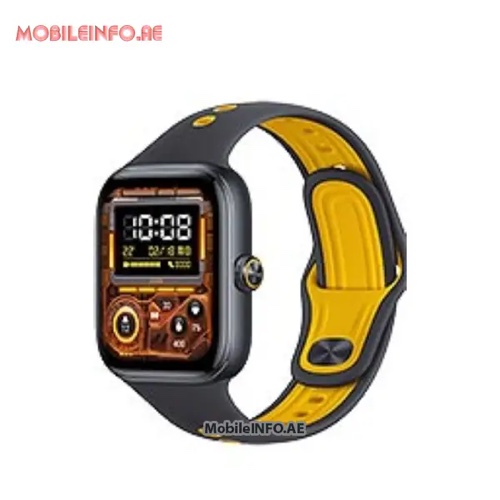
vivo iQOO Watch GT
7.6/10

Overall score

Score
7.6/ 10
✕
What it is
Our main score for this model, 1–10. It combines specs, best-of lists, expert reviews and owners.
How we count it
Parts: Technical score 35%, List score 30%, Reviews score 25%, Sentiment score 10%
Marks: Each part gets a mark out of 10. For reviews, lists and owners, a typical model in this category gets about 8 and the best one gets 10.
No data yet: A part with no data shows "?". It counts as the mark of a weaker model in this category (4 in 5 models with data score higher). This way, models with reviews, lists and owners usually come out ahead.
Score distribution
â–¼
<55-66-77-88-99-10
Score components

35%

7.9

Technical score

30%

?

List scoreNot enough data yet, so we use 7.5, the mark of a weaker model in this category

25%

?

Reviews scoreNot enough data yet, so we use 7.4, the mark of a weaker model in this category

10%

?

Sentiment scoreNot enough data yet, so we use 6.8, the mark of a weaker model in this category

â–²Better than 68% of smartwatches
8.3

Value for money

Value for money
8.3/ 10
✕
What it is
An indicator that combines the smartwatch's overall rating with its cost.
When it matters
When you are looking for a smartwatch with a good balance between quality and price.
Score distribution
â–¼
<55-66-77-88-99-10
Score components

70%

7.6

Overall score

30%

10

Price

â–²Better than 75%
7.9

Technical score

Technical score
7.9/ 10
✕
What it is
How good the specs are compared with the other models in this category, 1–10.
How we count it
Areas: We rate the specs in each area against the other models in this category.
Weighting: The areas that matter most to buyers count more. The shares are shown under Score components.
Share: The technical score is 35% of the overall score.
Score distribution
â–¼
<55-66-77-88-99-10
Score components

24%

7.9

Health

21%

9.2

Fitness

16%

7.4

Battery

14%

6.9

Smart features

12%

8.7

Connectivity

9%

7.3

Display & Design

4%

5.6

Hardware

â–²Better than 81%
?

Reviews score

Reviews score
✕
What it is
Average grade from independent test sites, magazines and video reviewers, 1–10.
How we count it
Grades: Each review's own score is converted to 1–10; without one, we grade the review ourselves. Every review counts the same: written or video, short or full test.
Score: The average grade is 80% of the review mark; the number of reviews is the other 20% (1 review = 5, the typical number in this category = 8, the most-reviewed model = 10).
Enough data: With few reviews, the average grade is pulled toward the typical grade of this category. No reviews yet: 7.4 for now.
Share: Reviews count 25% of the overall score.
Score distribution
â–¼
<55-66-77-88-99-10
Grades by review (0)
We have not found an independent test of this model yet. Until we do, its review part counts as 7.4.
User ratings collected online are not part of this score.
No expert tests yet
?

List score

List score
7.5/ 10
✕
What it is
How often independent test sites, magazines and video reviewers put this model in their best-of lists for this category.
How we count it
Points: The model in the most lists of this category gets 10; the others get 8 to 10 in proportion. In no list yet: 7.5. Lists count 30% of the overall score.
Enough data: Every list counts, even a single one. With fewer than 5 best-of lists in the category, this part is left out.
Lists with this model (0)
Not in any best-of list yet, so this part counts as 7.5. Models in a list get 8 to 10.
Not in any best-of list yet
Loading...
Loading category ranking...

Technical Specifications of smartwatch vivo iQOO Watch GT

Technical score
Technical score
7.9/ 10
✕
What it is
How good the specs are compared with the other models in this category, 1–10.
How we count it
Areas: We rate the specs in each area against the other models in this category.
Weighting: The areas that matter most to buyers count more. The shares are shown under Score components.
Share: The technical score is 35% of the overall score.
Score distribution
â–¼
<55-66-77-88-99-10
Score components:

24%

7.9

Health

21%

9.2

Fitness

16%

7.4

Battery

14%

6.9

Smart features

12%

8.7

Connectivity

9%

7.3

Display & Design

4%

5.6

Hardware

7.9
Reviews score
7.4
List score
?
Value for money
Value for money
8.3/ 10
✕
What it is
An indicator that combines the smartwatch's overall rating with its cost.
When it matters
When you are looking for a smartwatch with a good balance between quality and price.
Score distribution
â–¼
<55-66-77-88-99-10
Score components:

70%

7.6

Overall score

30%

10

Price

8.3
Heart rate monitor
yes
This smartwatch includes a heart rate monitor. 9.5% of smartwatches include a heart rate monitor.
Blood oxygen monitoring
yes
This smartwatch supports blood oxygen monitoring. 30.4% of smartwatches support blood oxygen monitoring.
ECG
no
This smartwatch does not support ECG. 18.2% of smartwatches support ECG.
Irregular heart rate warnings
yes
This smartwatch supports irregular heart rate warnings. 49.5% of smartwatches support irregular heart rate warnings.
Supports abnormal high/low heart-rate alerts (typically after inactivity).
HRV tracking
yes
This smartwatch supports HRV tracking. 54.9% of smartwatches support HRV tracking.
HRV may be estimated from sleep/stress methods and not medical-grade.
Show more
Accelerometer
yes
This smartwatch includes an accelerometer. 0.5% of smartwatches include an accelerometer.
Barometer
yes
This smartwatch includes a barometer. 46.5% of smartwatches include a barometer.
Gyroscope
yes
This smartwatch includes a gyroscope. 28.9% of smartwatches include a gyroscope.
Cadence sensor
yes
This smartwatch includes a cadence sensor. 67.2% of smartwatches include a cadence sensor.
Distance tracking
yes
This smartwatch supports distance tracking. 3.7% of smartwatches support distance tracking.
Show more
Battery life
10 days
This smartwatch lasts 10 days on a charge, which is longer than 59.2% of Smartwatches and the same as 6.6% of Smartwatches.
Battery life in training mode
?
Battery life with GPS on
?
Battery power
505 mAh
This smartwatch has a 505 mAh battery, which is larger than 92.1% of Smartwatches.
Charge time
?
Show more
Operating system
BlueOS
This smartwatch runs BlueOS, which is less advanced than the system in 51.1% of Smartwatches and equal to 0.5% of Smartwatches.
Software update frequency
occasional
This smartwatch has occasional software update support which is more active than that of 54% of smartwatches and equal to that of 40.2% of smartwatches.
Third-party app support
yes
This smartwatch supports third-party apps. 48.5% of smartwatches support third-party apps.
Notifications
yes
This smartwatch supports notifications. 0.3% of smartwatches support notifications.
Voice assistant support
yes
This smartwatch supports voice assistants. 30.8% of smartwatches support voice assistants.
Show more
Cellular module
yes
This smartwatch includes a cellular module. 83.5% of smartwatches include a cellular module.
SIM cards
1
This smartwatch uses 1 for cellular connectivity which is more advanced than that of 2% of smartwatches and the same as that of 98% of smartwatches.
eSIM
GPS
yes
This smartwatch supports GPS. 40.3% of smartwatches support GPS.
Galileo support
yes
This smartwatch supports Galileo navigation. 56.5% of smartwatches support Galileo navigation.
Dual-frequency GPS
?
Show more
Screen size
1.85 inch
This smartwatch has a 1.85 inch screen, which is larger than 90.4% of Smartwatches and the same as 2.2% of Smartwatches.
Display type
AMOLED
This smartwatch uses AMOLED, which is more advanced than the screen in 46.9% of Smartwatches and equal to 53.1% of Smartwatches.
Resolution
390x 450
This smartwatch has a display resolution of 390x450 which is higher than that of 63% of smartwatches and equal to that of 2% of smartwatches.
Pixel density
322 ppi
This smartwatch has a pixel density of 322 ppi, which is lower than 58.3% of Smartwatches and equal to 1.4% of Smartwatches.
Display brightness
600 nits
This smartwatch has a screen brightness of 600 nits, which is lower than 52.5% of Smartwatches and equal to 13.1% of Smartwatches.
Show more
CPU speed
?
Processor model
?
RAM
?
Internal storage
2 GB
This smartwatch has 2 GB of internal storage, which is less than 61.5% of Smartwatches and equal to 1.7% of Smartwatches.
External memory slot
no
This smartwatch does not include an external memory slot. 0.3% of smartwatches include an external memory slot.
Show more

vivo iQOO Watch GT vs the average smartwatch

246810TotalHealthFitnessBatteryConnectivityDisplay & DesignSmart featuresHardware
  • Temperature sensing
    This smartwatch includes a temperature sensor, the average smartwatch does not. 31.9% of smartwatches include a temperature sensor.
  • Built-in cellular module
    This smartwatch includes a cellular module, the average smartwatch does not. 16.6% of smartwatches include a cellular module.
  • Readiness score
    This smartwatch supports readiness scores, the average smartwatch does not. 19.8% of smartwatches support readiness scores.
  • HRV tracking
    This smartwatch supports HRV tracking, the average smartwatch does not. 45.2% of smartwatches support HRV tracking.
    HRV may be estimated from sleep/stress methods and not medical-grade.
  • Maps support
    This smartwatch supports maps, the average smartwatch does not. 34.4% of smartwatches support maps.
  • NFC functionality
    This smartwatch supports NFC, the average smartwatch does not. 45.2% of smartwatches support NFC.
  • More frequent updates
    This smartwatch receives occasional software updates, while the average smartwatch receives ended updates.
    occasional vs ended
  • Cadence tracking
    This smartwatch includes a cadence sensor, the average smartwatch does not. 32.9% of smartwatches include a cadence sensor.
  • Temperature sensing
    This smartwatch includes a temperature sensor, the average smartwatch does not. 31.9% of smartwatches include a temperature sensor.
  • Readiness score
    This smartwatch supports readiness scores, the average smartwatch does not. 19.8% of smartwatches support readiness scores.
  • HRV tracking
    This smartwatch supports HRV tracking, the average smartwatch does not. 45.2% of smartwatches support HRV tracking.
    HRV may be estimated from sleep/stress methods and not medical-grade.
  • Calorie tracking
    This smartwatch supports calorie tracking, the average smartwatch does not. 48.7% of smartwatches support calorie tracking.
  • 3 years newer
    This smartwatch was released more recently than the average smartwatch (2024 vs 2021). The average smartwatch was released in 2021.
    July 2024
    2024 vs 2021
  • Water intake tracking
    This smartwatch tracks water intake, the average smartwatch does not. 44.1% of smartwatches track water intake.
  • Cadence tracking
    This smartwatch includes a cadence sensor, the average smartwatch does not. 32.9% of smartwatches include a cadence sensor.
  • 200 mAh larger battery capacity
    This smartwatch has a larger battery than the average smartwatch (505 mAh vs 305 mAh). The average smartwatch has a 305 mAh battery.
    505 mAh vs 305 mAh
  • 3 days longer battery life
    This smartwatch runs longer per charge than the average smartwatch (10 days vs 7 days). The average smartwatch runs for 7 days on a charge.
    10 days vs 7 days
  • Built-in cellular module
    This smartwatch includes a cellular module, the average smartwatch does not. 16.6% of smartwatches include a cellular module.
  • Maps support
    This smartwatch supports maps, the average smartwatch does not. 34.4% of smartwatches support maps.
  • NFC functionality
    This smartwatch supports NFC, the average smartwatch does not. 45.2% of smartwatches support NFC.
  • Galileo satellite support
    This smartwatch supports Galileo navigation, the average smartwatch does not. 43.6% of smartwatches support Galileo navigation.
  • More current Bluetooth version
    This smartwatch uses a more current Bluetooth version than the average smartwatch (5.3 vs 5).
    5.3 vs 5
  • 0.45 inch larger display
    This smartwatch has a larger screen than the average smartwatch (1.9 inch vs 1.4 inch). The average smartwatch has a 1.4 inch screen.
    1.85 inch vs 1.4 inch
  • 12 g lighter
    This smartwatch is lighter than the average smartwatch (33 g vs 45 g). The average smartwatch weighs 45 g.
    Weight refers to watch case without strap/band.
    33 g vs 45 g
  • Better band material
    This smartwatch uses silicone, nylon for the band material, while the average smartwatch uses silicone.
    silicone, nylon vs silicone
  • More frequent updates
    This smartwatch receives occasional software updates, while the average smartwatch receives ended updates.
    occasional vs ended
  • More advanced operating system
    This smartwatch runs a more advanced operating system than the average smartwatch (BlueOS vs Proprietary OS).
    BlueOS vs Proprietary OS
  • No auto-pause
    This smartwatch does not support auto pause, the average smartwatch does. 62.6% of smartwatches support auto pause.
  • 30 m shallower water rating
    This smartwatch is rated for shallower water than the average smartwatch (20 m vs 50 m). The average smartwatch is rated to 50 m.
    2 ATM class (ISO 22,810 shallow-water rating, not diving certification).
    20 m vs 50 m
  • No smart scale support
    This smartwatch does not support smart scale compatibility, the average smartwatch does. 57.1% of smartwatches support smart scale compatibility.
  • No smart alarm
    This smartwatch does not support a smart alarm, the average smartwatch does. 50.6% of smartwatches support smart alarms.
  • Less practical form
    This smartwatch uses a rectangular form, while the average smartwatch uses round.
    rectangular vs round
  • 150 nits dimmer screen
    This smartwatch has a dimmer screen than the average smartwatch (600 nits vs 750 nits). The average smartwatch peaks at 750 nits.
    600 nits vs 750 nits
  • No smart scale support
    This smartwatch does not support smart scale compatibility, the average smartwatch does. 57.1% of smartwatches support smart scale compatibility.
  • No auto-pause
    This smartwatch does not support auto pause, the average smartwatch does. 62.6% of smartwatches support auto pause.
  • 30 m shallower water rating
    This smartwatch is rated for shallower water than the average smartwatch (20 m vs 50 m). The average smartwatch is rated to 50 m.
    2 ATM class (ISO 22,810 shallow-water rating, not diving certification).
    20 m vs 50 m
  • Less practical form
    This smartwatch uses a rectangular form, while the average smartwatch uses round.
    rectangular vs round
  • 150 nits dimmer screen
    This smartwatch has a dimmer screen than the average smartwatch (600 nits vs 750 nits). The average smartwatch peaks at 750 nits.
    600 nits vs 750 nits
  • No smart alarm
    This smartwatch does not support a smart alarm, the average smartwatch does. 50.6% of smartwatches support smart alarms.

Third-party reviews

What customers like about vivo iQOO Watch GT

  • Excellent battery life, lasting up to 21 days in power-save or standby modes and around 10 days with regular use.
  • Lightweight and comfortable design, weighing approximately 33 grams with a premium aluminum alloy frame.
  • High-quality 1.85-inch AMOLED display that is bright enough for outdoor visibility and offers smooth 60Hz navigation.
  • Comprehensive health and fitness tracking, including 100+ sports modes, 24/7 heart rate monitoring, and blood oxygen tracking.
  • Advanced connectivity features like eSIM support for independent calling and NFC for access cards or payments.
  • Highly responsive user interface with the Blue River OS, showing minimal lag during navigation.

What customers don't like about vivo iQOO Watch GT

  • Poor microphone and speaker quality, with some users reporting distorted or glitchy audio during calls.
  • Limited notification interaction, such as the inability to reply to messages from certain social media apps.
  • Lack of professional-grade sensors like an altimeter or barometer for accurate stair climbing and elevation tracking.
  • Connectivity issues where the watch may occasionally disconnect from the phone and require re-signing into the app.
  • Limited third-party service support and fewer official watch face options compared to more established competitors.
  • High price point for a mid-range device in some markets.

Verdict

The vivo iQOO Watch GT is a lightweight 33g smartwatch featuring a 1.85-inch AMOLED display with a 390x450 resolution and 600 nits peak brightness, housed in a matte aluminum alloy frame. Running on Vivo's Blue OS, it offers over 100 sports modes, AI-powered health monitoring (heart rate, SpO2, and sleep), and integrated GPS, NFC, and eSIM support for standalone calling. Its main pros include an impressive battery life of up to 21 days in Bluetooth mode (roughly 10 days under normal use) and a highly responsive user interface with an AI watch face generator. However, it lacks a barometer and altimeter for accurate elevation tracking, does not support third-party chest strap heart rate monitors, and is only water-resistant up to 2ATM, making it less suitable for high-pressure water sports.

Compare vivo iQOO Watch GT with other Smartwatches

1Product to compare no. 1
VS
2Product to compare no. 2
VS
3Product to compare no. 3 (optional)

Graphic comparison of vivo iQOO Watch GT and other Smartwatches

No results found