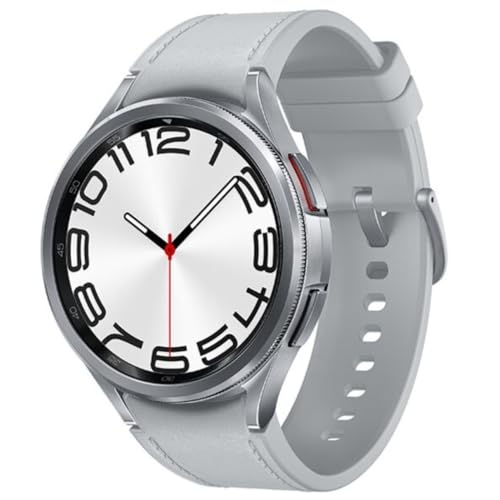
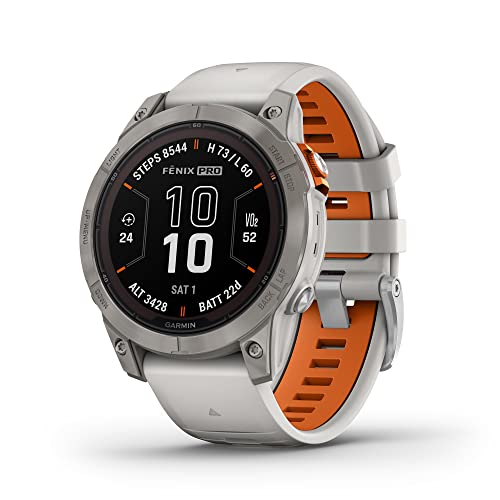
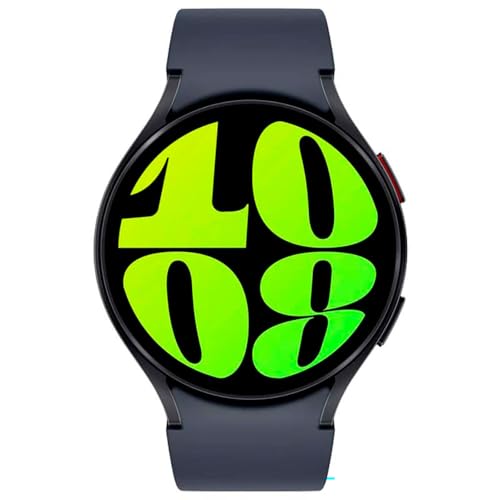
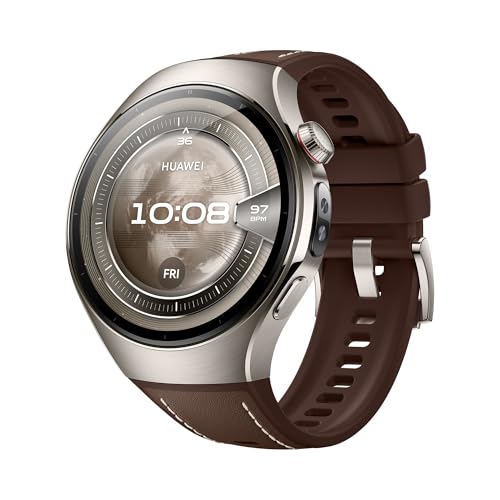
Which brands make the best men's smartwatches for Android?
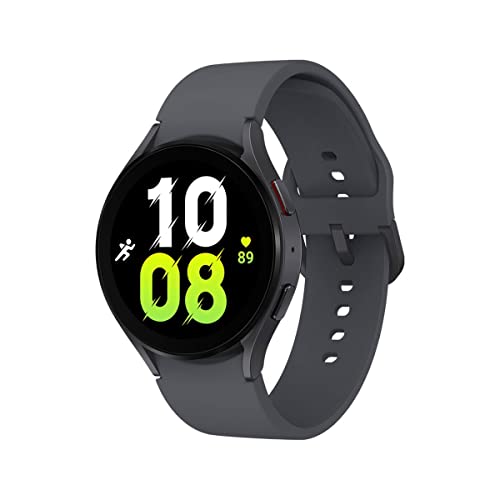
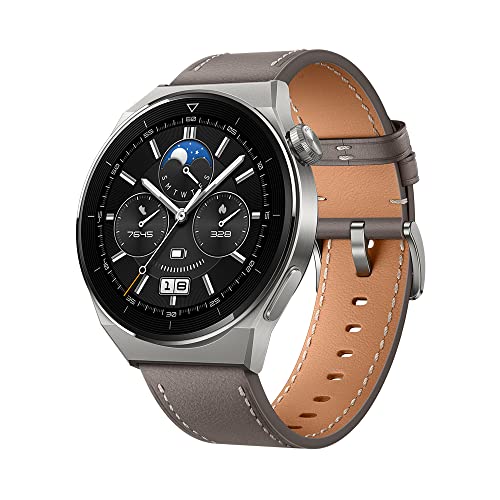
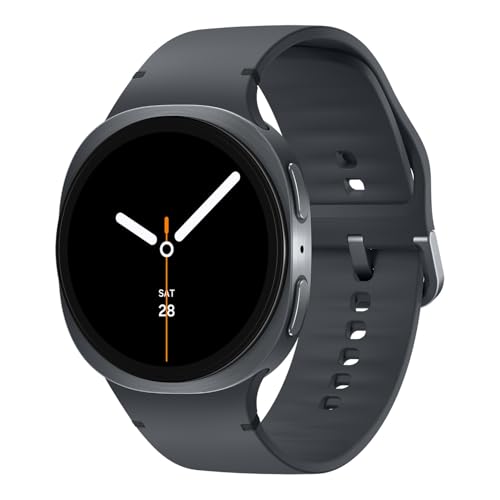
The best men's smartwatch brands for Android are as follows:
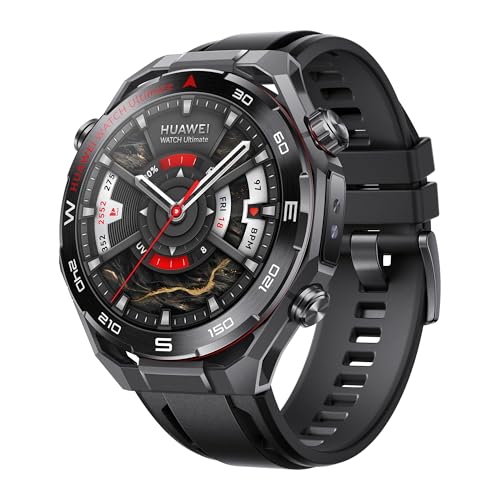
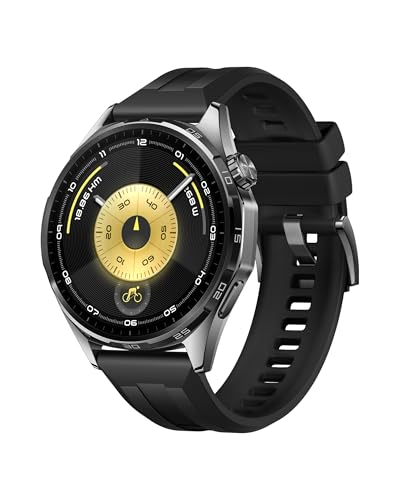
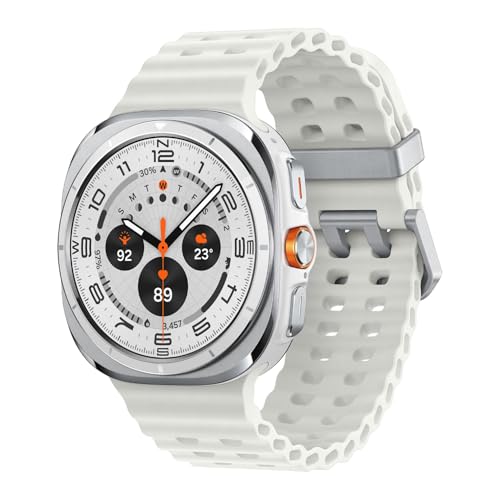
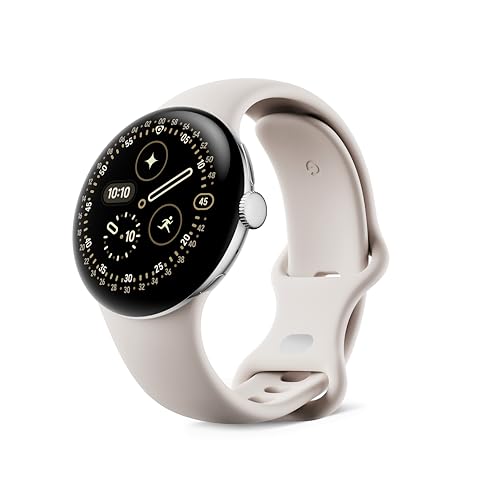
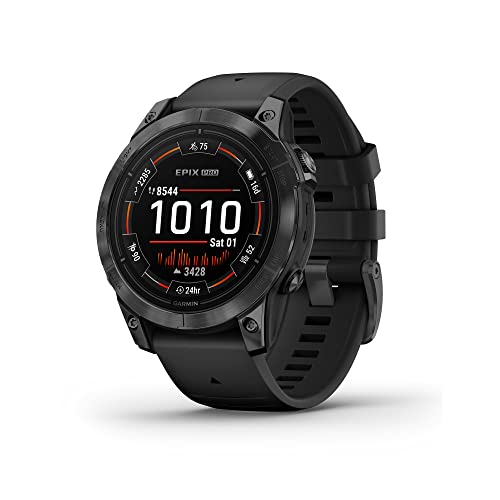
- [shortcode-13558303862175718645078099470233152636782557212598] (Average overall score: [shortcode-14680367689162492737118436150609962220521648171008])
- [shortcode-14108066612010099019075938040291959080932680780814] (Average overall score: [shortcode-04739158804907975525082314740496662454542181086613])
- [shortcode-10167902927990237346039834465052277773141453194118] (Average overall score: [shortcode-04091331748683108554170211197744722852763986138930])
[horizontal-chart-16336767292338918601165703887289446532110860756199]
Are men's Android smartwatches worth buying?
Men's smartwatches for Android are worth buying when you want stronger Android phone integration, a larger screen, and smartwatch features such as notifications, payments, GPS, and health tracking in one device. They make the most sense if you prefer Wear OS or another Android-friendly platform and want a watch that feels substantial on the wrist.
The key trade-off is that this segment is narrower than the full smartwatch market. Once you combine Android compatibility with larger size and men's-style sizing, the shortlist becomes smaller, so feature fit still matters more than brand alone.
How much do the best Android smartwatches for men cost?
The best Android smartwatches for men cost between £170 and £430, depending on design, features, and performance.
Entry-level models with solid build quality and basic tracking usually start near £170, while advanced watches with stainless steel cases, AMOLED displays, and full health monitoring stay closer to 400–£430. At this range, you can expect strong hardware, better battery life, and more accurate sensors.
If you want LTE connectivity or premium materials like sapphire glass and titanium, prices can go even higher, sometimes reaching £550 or more. These watches give you more freedom to use apps, calls, and data without your phone. On the other hand, if you need a reliable watch for daily fitness, sleep tracking, and notifications, you will already find capable models under £260.
What makes a men’s smartwatch for Android different from other smartwatches?
A men’s smartwatch for Android differs from other smartwatches in the following ways:
- Design and size: Men’s smartwatches often have larger cases (usually 44–46 mm) and more robust builds with stainless steel or titanium that suit wider wrists.

- Strap style: These models use leather, metal, or silicone straps that match a masculine look and withstand daily wear.
- Battery life: Men’s smartwatches for Android often include larger batteries that last from two to seven days, depending on display type and features.
- Fitness tracking: They focus on sports and activity functions such as heart rate, SpO2, VO2 max, and GPS, which meet the needs of active users.
- Software compatibility: These watches use Wear OS, proprietary systems like Samsung’s One UI Watch, or hybrid platforms that sync smoothly with Android phones.
- Connectivity: They support Bluetooth, Wi-Fi, and often LTE or NFC, which lets you take calls, use contactless payments, and stay connected without a phone.
- Display type: Most men’s models have AMOLED or high-contrast LCD screens that show more data at once and remain readable in outdoor conditions.
What to consider while choosing the best Android smartwatch for men?
Consider the following factors when choosing the best Android smartwatch for men:
- Operating system compatibility: Your smartwatch must run Wear OS by Google or a manufacturer's custom Android-compatible system. Wear OS provides the best integration with Android phones and supports Google services like Assistant, Maps, and Pay. Samsung's Galaxy Watch series uses Tizen OS but maintains excellent Android compatibility.
- Display technology: AMOLED displays deliver superior brightness, color accuracy, and battery efficiency compared to LCD screens. Look for Gorilla Glass protection and water resistance ratings of at least IP68 or 5ATM. Sapphire crystal displays resist scratches better than standard glass but cost more.
- Battery life: Most Android smartwatches last 1-3 days depending on usage and features enabled. Watches with larger batteries (300mAh+) and efficient processors extend daily usage. Wireless charging pads are convenient, while magnetic chargers charge faster but require specific cables.
- Health and fitness sensors: Modern smartwatches include heart rate monitors, GPS, accelerometers, and gyroscopes for activity tracking. Advanced models add ECG sensors, blood oxygen monitoring, and sleep stage tracking. GPS accuracy varies between brands, with Garmin and Samsung typically performing best.
- Processor performance and storage: Qualcomm Snapdragon Wear chipsets provide smooth performance and app responsiveness. Look for at least 1GB RAM and 8GB storage for app installations and music storage. Faster processors reduce lag when switching between apps or using voice commands.
- Connectivity options: LTE-enabled smartwatches allow calls, messages, and data without your phone nearby. Wi-Fi connectivity enables app updates and notifications when connected to networks. Bluetooth 5.0 or newer maintains stable connections with your Android phone and wireless earbuds.
- Build quality: Stainless steel, titanium, or aluminum cases provide different durability levels and weight characteristics. Interchangeable bands let you switch between sport, leather, or metal options. Case sizes typically range from 40mm to 46mm, with larger sizes suiting bigger wrists better.