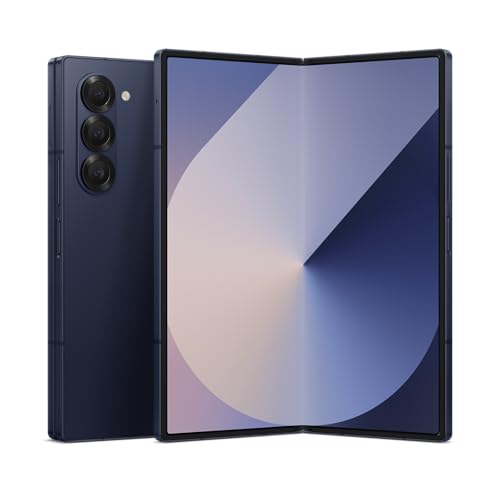
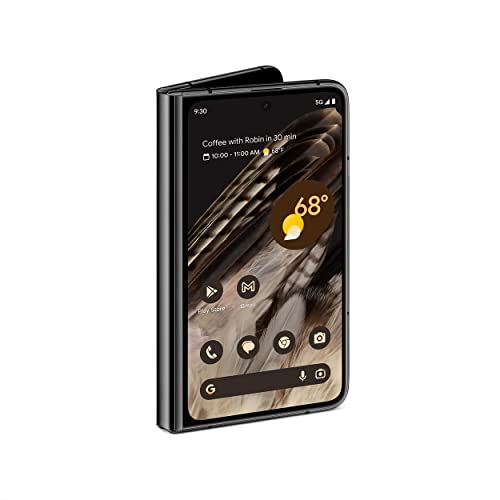
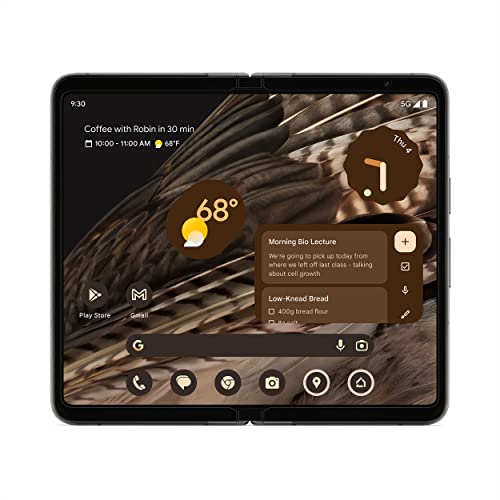
Google Pixel Fold (12GB + 256GB) review. Compare 197 technical specifications and user reviews to see how this product ranks in the Smartphones category and whether it is worth buying.
Overall score
What it is: An overall evaluation of the smartphone's quality, based on technical analyses and user reviews.
When it matters: When you need a quick reference to identify the best smartphones on the market.
Score components:
90.0%
Technical Score
10.0%
User score
Technical Score
What it is: An assessment of the smartphone's technical performance, covering eight key areas: performance & hardware, software, camera, connectivity, display, battery, audio, and design.
When it matters: When you want to compare smartphones based on technical performance and available features.
Score components:
25.0%
Performance & Hardware
18.0%
Camera
15.0%
Display
15.0%
Battery
10.0%
Software
10.0%
Connectivity
4.0%
Audio
3.0%
Design
User score
What it is: A rating that combines user reviews and the total number of reviews received by the smartphone
When it matters: When you want to know how a smartphone handles daily tasks and how reliable it remains over time according to user feedback.
Score components:
70.0%
User reviews
30.0%
Popularity

(Reviews last updated: August 2026)





Available: ranking among products currently available (including other versions of this product).
All: ranking among all products in the database.
#12 in Best Google Phones
#20 in Best Foldable Smartphones
#88 in Best Smartphones for Seniors
#146 in Best Camera Smartphones
#150 in Best Large-Screen Smartphones
#152 in Best Android Smartphones
#165 in Best NFC Smartphones
#165 in Best 5G Smartphones
#167 in Best Smartphones
#167 in Best AI Smartphones
#472 in Best Value Smartphones
#568 in Best Battery Life Smartphones
What it is: An assessment of the smartphone's technical performance, covering eight key areas: performance & hardware, software, camera, connectivity, display, battery, audio, and design.
When it matters: When you want to compare smartphones based on technical performance and available features.
Score components:
25.0%
Performance & Hardware
18.0%
Camera
15.0%
Display
15.0%
Battery
10.0%
Software
10.0%
Connectivity
4.0%
Audio
3.0%
Design
What it is: A rating that combines user reviews and the total number of reviews received by the smartphone
When it matters: When you want to know how a smartphone handles daily tasks and how reliable it remains over time according to user feedback.
Score components:
70.0%
User reviews
30.0%
Popularity
(Reviews last updated: August 2026)
What it is: An indicator that combines the smartphone's overall rating with its cost.
When it matters: When you are looking for a smartphone with a good balance between quality and price.
Score components:
60.0%
Overall score
40.0%
Price
Importance: LOW
Importance: HIGH
Importance: HIGH
Good value: >12 GB
Importance: MEDIUM
Good value: >256 GB
Importance: MEDIUM
Good value: >3.2 GHz
Importance: LOW
Importance: MEDIUM
Good value: >1500
Importance: LOW
Good value: >4000
Importance: LOW
Good value: 8+
Importance: LOW
Importance: LOW
Good value: >950 MHz
Importance: LOW
Good value: >700
Importance: LOW
Good value: >1000
Importance: LOW
Good value: >2500
Importance: MEDIUM
Good value: >6000
Importance: LOW
Good value: >8000
Importance: MEDIUM
Good value: >12000
Importance: LOW
Good value: >5000
Importance: LOW
Good value: >1800
Importance: LOW
Good value: >3200 MHz
Importance: LOW
Good value: 5
Importance: LOW
Good value: > 50 GB/s
Importance: LOW
Good value: 4
Importance: LOW
Good value: >16 GB
Importance: MEDIUM
Good value: <6 nm
Importance: MEDIUM
Good value: >9 W
Importance: LOW
Importance: LOW
Good value: >8192 KB
Importance: LOW
Good value: >2048 KB
Importance: LOW
Good value: >512 KB
Importance: LOW
Good value: >100000 million
Importance: LOW
Good value: 3.3
Importance: LOW
Good value: 3.2
Importance: LOW
Good value: 2.0/3.0
Importance: LOW
Importance: LOW
Importance: LOW
Importance: MEDIUM
Importance: LOW
Importance: LOW
Importance: LOW
Importance: LOW
Importance: LOW
Importance: LOW
Importance: LOW
Importance: LOW
Importance: LOW
Importance: LOW
Importance: LOW
Importance: LOW
Importance: LOW
Importance: LOW
Importance: LOW
Importance: LOW
Importance: LOW
Importance: LOW
Importance: LOW
Importance: LOW
Importance: LOW
Importance: LOW
Importance: LOW
Importance: LOW
Importance: LOW
Importance: LOW
Importance: LOW
Importance: LOW
Importance: LOW
Importance: LOW
Importance: LOW
Importance: LOW
Importance: LOW
Importance: MEDIUM
Good value: >50 MP
Importance: MEDIUM
Importance: HIGH
Good value: >60
Importance: LOW
Good value: ≥1.2 µm
Importance: MEDIUM
Good value: >2.5x
Importance: MEDIUM
Importance: LOW
Importance: LOW
Importance: LOW
Importance: LOW
Good value: ≥2
Importance: LOW
Importance: LOW
Importance: LOW
Importance: LOW
Good value: >16 MP
Importance: LOW
Importance: LOW
Importance: LOW
Importance: LOW
Importance: MEDIUM
Importance: LOW
Importance: LOW
Importance: LOW
Importance: LOW
Importance: LOW
Importance: LOW
Importance: LOW
Importance: LOW
Importance: LOW
Importance: LOW
Importance: LOW
Importance: LOW
Importance: LOW
Importance: LOW
Importance: LOW
Importance: LOW
Importance: LOW
Importance: LOW
Importance: LOW
Importance: LOW
Importance: LOW
Good value: >130
Importance: LOW
Good value: >120
Importance: LOW
Good value: ≥2
Importance: LOW
Importance: LOW
Importance: LOW
Importance: LOW
Importance: LOW
Importance: LOW
Good value: >5.2
Importance: LOW
Importance: LOW
Importance: LOW
Importance: LOW
Good value: 3.1/3.2
Importance: LOW
Importance: LOW
Importance: LOW
Good value: ≥2
Importance: LOW
Importance: LOW
Importance: LOW
Importance: LOW
Importance: LOW
Importance: LOW
Importance: LOW
Importance: LOW
Importance: LOW
Importance: LOW
Importance: LOW
Importance: LOW
Importance: LOW
Importance: LOW
Importance: LOW
Importance: LOW
Good value: ≥6.6 inches
Importance: MEDIUM
Importance: LOW
Good value: >400 ppi
Importance: MEDIUM
Importance: MEDIUM
Good value: ≥120 Hz
Importance: LOW
Importance: LOW
Good value: >300 Hz
Importance: LOW
Good value: >800 nits
Importance: LOW
Good value: >1300 nits
Importance: LOW
Good value: >1000 nits
Importance: LOW
Importance: LOW
Importance: LOW
Importance: LOW
Importance: LOW
Importance: LOW
Importance: LOW
Importance: LOW
Importance: HIGH
Good value: >5000 mAh
Importance: MEDIUM
Good value: >60 W
Importance: LOW
Importance: LOW
Good value: <45 min
Importance: LOW
Importance: LOW
Good value: >40 W
Importance: LOW
Importance: LOW
Good value: >10 W
Importance: LOW
Importance: LOW
Importance: MEDIUM
Importance: LOW
Good value: >800
Importance: LOW
Importance: LOW
Importance: LOW
Importance: LOW
Importance: LOW
Good value: ≥3
Importance: LOW
Importance: LOW
Importance: LOW
Importance: LOW
Importance: LOW
Importance: LOW
Importance: LOW
Good value: <162 mm
Importance: LOW
Good value: <75 mm
Importance: LOW
Good value: <8 mm
Importance: LOW
Good value: <190 g
Importance: LOW
Good value: <98cm³
Importance: LOW
Importance: LOW
Importance: LOW
Importance: LOW
Importance: LOW
Importance: LOW
Good value: ≥1.5 m
Importance: LOW
Importance: LOW
Good value: >8
Importance: LOW
Importance: LOW
Importance: MEDIUM
Good value: >2.5x
Importance: MEDIUM
Importance: LOW
Importance: LOW
Importance: MEDIUM
Importance: LOW
Importance: LOW
Good value: ≥6.6 inches
Importance: HIGH
Good value: >12 GB
Importance: LOW
Importance: LOW
Importance: MEDIUM
Good value: >50 MP
Importance: LOW
Good value: <45 min
Importance: LOW
Good value: >800
Importance: LOW
Importance: LOW
Good value: <190 g
Importance: HIGH
(Reviews last updated: August 2026)
The Google Pixel Fold is a well-polished, $1,799 device featuring a superior 5.8-inch external display with a wider aspect ratio, a 7.6-inch inner screen, and excellent cameras. It offers premium build quality with an IPX8 water resistance rating. However, software productivity is limited, as it lacks advanced multitasking features like app pairs and desktop mode. Furthermore, the battery life is a concern, with the 4,821mAh capacity providing significantly lower runtime in testing compared to competitors.
The Google Pixel Fold is characterized as an approachable first-generation device featuring a superior landscape-oriented 5.8-inch outer display and a durable, gapless hinge design. While the Tensor G2 chip provides solid performance and a highly capable camera system with a 48MP main sensor, the device is notably heavy and requires effort to open completely flat. Despite these strengths, the foldable suffers from a reflective inner screen, large bezels, inconsistent battery life, and less polished multitasking software compared to competitors.
The Google Pixel Fold, after long-term use, stands out for its unique "passport-style" form factor, featuring a wide, usable outer screen and premium build quality that feels like a traditional smartphone when closed. Key advantages include its comfortable, short, and stout design, which offers a superior aspect ratio compared to narrower foldable competitors. However, the device shows its age with a bezel-heavy internal display, an inability to fold completely flat, and persistent thermal issues with the Tensor G2 chip, which can cause performance throttling and slow charging. Despite having a reliable, "classic Pixel" camera system, it lacks the advanced sensors of newer models, and the 21W wired charging is considered slow by modern standards. Ultimately, the review describes the Pixel Fold as a charming, pioneering first attempt that delivers a great software experience, but it is largely overshadowed by the improved design and hardware of the newer Pixel 9 Pro Fold.
The Google Pixel Fold is characterized as a versatile "2-in-1" device featuring a 5.8-inch external display and a 7.6-inch, 120Hz internal screen that successfully bridge the gap between a phone and tablet. The review highlights a polished user experience, particularly noting the utility of the dynamic Taskbar and split-screen multitasking capabilities. Key advantages include premium build quality, the Google Tensor G2 chip, and an impressive camera system utilizing signature AI features. Conversely, the review identifies several, mostly physical, drawbacks, including a high $1,799 USD price tag, a visible inner screen crease, and chunky bezels. The device is described as having a bulky, slightly slippery form factor that does not sit perfectly flat, and the inner screen is noted to accumulate lint. For a full breakdown of the hands-on experience, read the review at Tech Gadgets Canada.
The Google Pixel Fold, reviewed by Science Focus, is a premium-feeling, technically impressive first attempt for Google, noted for its excellent front display and sturdy design. While performance is snappy, the £1,749 device suffers from high temperatures, a prominent screen crease, and, at times, glitchy software. Ultimately, despite its strong camera and multitasking, the device requires further optimization and refinement to compete with more mature foldable alternatives. BBC
The Google Pixel Fold is a successful first-generation foldable featuring a durable, slim design with a 5x telephoto camera and a long-lasting 4,821mAh battery. While the Tensor G2 provides solid performance, the device is heavy when closed and the inner screen is a fingerprint magnet. Optimized software and multitasking capabilities make it a strong contender, though the $1,800 price point is high, according to Mashable.
The Google Pixel Fold is described as a premium, well-designed "mashup" that offers real competition to Samsung, featuring a wider, shorter outside screen that feels like a standard phone. While praised for its thin, gapless design and excellent camera system, the device is notably heavy and lacks dust resistance. Driven by the Tensor G2 chip, the device provides a smooth experience, though it runs warm, and its software lacks the advanced, multi-app multitasking features of Samsung's competitors. The 5x optical zoom camera is a major highlight, producing results near the quality of the Pixel 7 Pro. Despite being a refined foldable, it is hindered by high costs (£1,749/$1,799), fragility, and expensive screen repairs, marking it as a niche, high-end device.
CNET’s review characterizes the Google Pixel Fold as a promising first-generation device featuring a superior, wider cover screen and a "gapless" hinge that allows it to close completely. It boasts a top-notch camera system delivering signature Pixel-quality photos and a satisfying, functional "tabletop mode" for hands-free use. However, the $1,799 device is held back by thick internal bezels, a noticeable crease, and software that often fails to optimize popular third-party apps for the large display. Additionally, the review notes that multitasking features can feel finicky, and the overall value proposition is questioned given the premium price point. Ultimately, while the hardware foundation is strong, the Pixel Fold is deemed a niche product that is "far from perfect" due to its unpolished software experience. It serves as a solid start for Google, but the experience is still maturing in a market that lacks broad appeal.
PetaPixel’s review of the Google Pixel Fold positions the device as a transformative, premium tool that successfully bridges the gap between a smartphone and a tablet, particularly for users prioritizing high-level productivity. The 7.6-inch inner display creates a massive, versatile workspace, while the sturdy, gapless hinge design allows for flexible, durable usage. Key advantages include a top-tier camera system featuring a 5x optical zoom and the ability to use the outer screen for high-quality selfies, making it highly suitable for creative professionals. However, the $1,799 price point and potential long-term fragility regarding dust ingress are significant drawbacks, despite the device holding an IPX8 water-resistance rating. The Tensor G2 processor, while adequate, may cause the device to run warm under heavy, sustained use. Ultimately, the review defines the device as an exceptional, albeit niche, option for early adopters seeking advanced multitasking capabilities.
The Google Pixel Fold is described as a polished first-generation foldable with a practical, wider aspect ratio and sleek hardware. Its camera system is considered a major pro, offering excellent photo quality due to the Tensor G2 chip and computational photography. Software is another highlight, with updated apps effectively utilizing the large inner screen for multitasking. However, the device faces cons in performance and value, with the Tensor G2 struggling with intensive tasks and battery life draining quickly. Hardware quirks like the hinge not fully flattening and large internal bezels are noted as first-generation issues that make the $1,799 price difficult to justify. For more details, visit Android Central.
WIRED reviewed the Google Pixel Fold, highlighting its physical design, calling the external 5.8-inch display "perfect" and praising its "exquisite" multi-alloy steel hinge and thin profile. The internal 7.6-inch display is described as sharp and vibrant with a 120-Hz refresh rate, and the Tensor G2 chip provides lag-free performance with strong camera capabilities, including a 5X optical zoom. However, significant drawbacks include the $1,799 price, the fact that the phone doesn't always unfold completely flat, a lack of app optimization for the inner screen, and limited dust resistance.
Mark Ellis reviewed the Google Pixel Fold, describing it as a "version one" device with excellent ergonomics but limitations in performance and value. He praised its "passport" form factor with a wider outer screen, making it more usable when closed, and the 7.6-inch internal display suitable for multitasking, despite noticeable bezels and a significant crease. While the camera system is a strong point, the Tensor G2 chip faces thermal issues, leading to uncomfortable warmth during intensive tasks and merely "adequate" battery life, often not lasting a full day of heavy use. Ellis concludes that the £1,749 / $1,799 price is high, making it hard to recommend to the average consumer due to fragility concerns and slightly dated hardware compared to newer Pixel models, suggesting potential buyers wait for future versions or a price drop.
Three months with the Google Pixel Fold, bolstered by the Android 14 update, reveals a device with improved thermals, better battery efficiency, and enhanced multitasking capabilities. The review highlights the superior "passport" form factor of the outer screen and praises the device for its excellent camera processing, sturdy hinge design, and immersive speakers, making it a capable "pocketable tablet." Key drawbacks include a high price point, a noticeable crease on the inner display, and a reflective screen coating. Additionally, despite software optimizations, the Tensor G2 chip can still struggle with performance throttling during intensive tasks compared to competitor devices.
Max Weinbach describes the Google Pixel Fold as a "knock-out" debut with a "Correct Foldable Form Factor™", praising its passport-style outer screen and landscape-oriented inner display. Pros include a stable software experience powered by the Tensor G2 chip, the best camera system on a foldable at launch, and premium, water-resistant hardware. Cons include limited two-app multitasking, merely "pretty good" battery life with slow 30W charging, and camera hardware similar to the cheaper Pixel 7a, alongside a lack of dust resistance.
Four months after release, CNET describes the Google Pixel Fold as a "gorgeous" device with a practical "passport-style" design and premium hardware, but its high price and dated components are significant drawbacks. The Tensor G2 chip struggles with even modest gaming and multitasking is limited to two apps on screen simultaneously. While the camera captures photos with good color balance and bokeh effect, zoom and low-light performance are weak, often producing flat or noisy images.
The Tom's Guide review highlights the Google Pixel Fold as a versatile, first-generation foldable featuring a user-friendly 5.8-inch cover screen and a 7.6-inch main display. Key strengths include intuitive software for tablet-like multitasking, robust photography with a 5x optical zoom, and a 10-hour, 21-minute battery life. Despite these advantages, the $1,799 device is held back by thick inner screen bezels, the older Tensor G2 chip, and inconsistent third-party app optimization.
According to a long-term review by The Verge, the Google Pixel Fold validated the foldable concept with its usable outer display and signature Pixel software, exhibiting surprisingly good durability despite its heavy build. However, the device suffered from poor screen brightness in sunlight, performance issues with the Tensor G2 chip, and a high price point for what were considered "mid" quality speakers and camera sensors compared to flagship phones. The review concluded that the first Pixel Fold was a successful experiment and a foundation for future devices, but ultimately felt one generation away from achieving true excellence.
The Google Pixel Fold is a premium, stylish foldable featuring a unique "passport" style design with a practical, wider outer screen. Key pros include excellent camera performance, strong image processing, and a clean Android interface with optimized multitasking. However, significant cons include frequent overheating, a Tensor G2 chip that lags behind rivals, and a hinge that does not lay perfectly flat. Further drawbacks include large, dated internal bezels and limited app optimization for the inner display. BBC
The Google Pixel Fold, as reviewed by Connect.de, is praised for its sturdy construction, robust IPX8 water resistance, and a "passport-like" 5.8-inch outer display that offers a conventional smartphone experience compared to competitors. The device features a high-quality stainless steel hinge supporting various modes, while the Tensor G2 chipset delivers a smooth software experience on the 7.6-inch inner OLED panel. Camera performance is a highlight, with Google’s computational photography excelling in portraits, low-light, and 5x optical zoom capabilities. However, the 283g weight and high price point are significant drawbacks. Technical compromises include a visible inner crease, large bezels, and slow 21W charging speeds. Additionally, the Pixel Fold can become notably warm under heavy processing loads.
RP Online characterizes the Google Pixel Fold as a high-quality, premium device featuring a user-friendly, wider outer screen that acts as a "normal" phone, contrasting with taller, narrower alternatives. While praised for its vibrant 120Hz internal display and excellent, class-leading camera system, the device is noted for being heavy (283g) and having very thick internal screen bezels. Key compromises include a slightly visible crease, the inability to open completely flat without pressure, and an extremely high price point, though its software experience is considered clean and intuitive.
Netzwelt's review of the Google Pixel Fold highlights a robust, compact, first-generation design with a wide 5.8-inch external display and a 7.6-inch inner OLED screen. The device is praised for its thin, 5.8mm unfolded profile and "passport" style hinge that supports versatile usage modes. Key cons include prominent inner screen bezels, a visible crease, and a hinge that requires force to open completely flat. Performance-wise, the Pixel Fold suffers from overheating during intensive tasks and slow charging speeds. While the device excels in multitasking with seamless screen continuity, it is hindered by inconsistent third-party app optimization, frequently displaying black bars. The camera system delivers excellent low-light performance and the signature Pixel look, though it falls short of the Pixel 7 Pro's quality. Ultimately, the Netzwelt review positions the Pixel Fold as a promising, yet expensive, "work in progress" at a high entry price point. Despite its strong software integration, it faces significant competition in the foldable market regarding hardware refinement.
The Google Pixel Fold challenges Samsung's market dominance with a "passport" form factor, featuring a wider, more usable outer screen and a thinner design than rivals. While praised for its superior ergonomics and sturdy hinge, the device is heavy at 283g and features a prominent internal crease that prevents it from unfolding completely flat. The device sets a new standard for foldable photography, incorporating a 5x optical periscope zoom and unique "Tabletop" mode for stable, hands-free shots. Despite this, the camera system lacks some of the pro-level features, such as macro focus, found on other Pixel models. Powered by the Tensor G2 chip, the Pixel Fold offers smooth performance but struggles with thermal management, leading to overheating during demanding tasks and mediocre battery life. Furthermore, the software experience lags behind competitors, lacking advanced multitasking capabilities like saving app pairs or running more than two apps simultaneously.
In his review for Digitec, Jan Johannsen highlights the Google Pixel Fold as a foldable that, despite first-generation flaws, delivers a genuinely practical experience, featuring a superior 5.8-inch external display that is better for one-handed use than competitors. While praising the sturdy, fluid-friction hinge, the review notes a con that the device does not naturally unfold to a full 180 degrees. Additional pros include a high-quality 48MP camera system, though this is balanced by cons like a heavy 283g weight, average battery life, and a Tensor G2 chip prone to heating up.
The Google Pixel Fold features a unique, wide "passport" design with a 5.8-inch external screen, delivering excellent ergonomics, a thin build, and bright 120 Hz OLED displays. While lauded for its hardware design, the 7.6-inch inner screen suffers from thick bezels and a noticeable crease. The Tensor G2 chipset provides smooth performance with AI features like Magic Eraser, but suffers from thermal throttling during intense use. Its camera system is a standout, offering flagship-level quality and versatile shooting modes. Despite IPX8 water resistance, the device faces mixed software optimization and lacks reverse wireless charging. The high $1,799 price tag makes it a difficult recommendation, best suited for those willing to pay for first-generation technology. For more details, visit nextpit.
Introduced in the December 2023 update, the Google Pixel Fold and Tablet now feature an experimental aspect ratio override allowing users to force apps into full-screen mode, eliminating the letterboxed, portrait-only orientation for many apps. By navigating to Settings > Apps > Aspect ratio, users can choose between App default, Full screen, Half screen, or 4:3, with a quick-access display scale icon appearing in the corner of apps. The primary advantage is improved, immersive, edge-to-edge screen usage, which boosts productivity and entertainment. However, the feature is not a true, optimized scaling solution but rather a forced stretch of the UI, which can lead to distorted images or poorly placed elements in some applications. While it effectively utilizes screen real estate, it lacks the enhanced information density or tablet-specific layouts, such as two-pane views, found in properly optimized apps. Additionally, critics note that this solution is less polished than native, full-screen implementations found on competitors like the Samsung Galaxy Z Fold.
In a review for Digitec.ch, the Google Pixel Fold is described as a promising but immature first-generation device, praised for its excellent, usable form factor and high-quality OLED displays. While boasting top-tier camera performance, the device suffers from a "small flaw in the hinge" and only average battery life, with 30W charging and high standby power consumption. Despite these drawbacks and a high price point of 1,899 euros, the device is recommended for its clean software and camera, having successfully showcased the potential of foldable technology.

Compare