Samsung Galaxy Z Fold6 (12GB + 256GB) review. Compare 197 technical specifications and user reviews to see how this product ranks in the Smartphones category and whether it is worth buying.
Overall score
What it is: An overall evaluation of the smartphone's quality, based on technical analyses and user reviews.
When it matters: When you need a quick reference to identify the best smartphones on the market.
Score components:
90.0%
Technical Score
10.0%
User score
Technical Score
What it is: An assessment of the smartphone's technical performance, covering eight key areas: performance & hardware, software, camera, connectivity, display, battery, audio, and design.
When it matters: When you want to compare smartphones based on technical performance and available features.
Score components:
25.0%
Performance & Hardware
18.0%
Camera
15.0%
Display
15.0%
Battery
10.0%
Software
10.0%
Connectivity
4.0%
Audio
3.0%
Design
User score
What it is: A rating that combines user reviews and the total number of reviews received by the smartphone
When it matters: When you want to know how a smartphone handles daily tasks and how reliable it remains over time according to user feedback.
Score components:
70.0%
User reviews
30.0%
Popularity


Available: ranking among products currently available (including other versions of this product).
All: ranking among all products in the database.
#13 in Best Foldable Smartphones
#14 in Best Samsung Phones
#56 in Best Camera Smartphones
#98 in Best Android Smartphones
#107 in Best NFC Smartphones
#108 in Best Smartphones
#108 in Best 5G Smartphones
#108 in Best AI Smartphones
#535 in Best Battery Life Smartphones
#747 in Best Value Smartphones
What it is: An assessment of the smartphone's technical performance, covering eight key areas: performance & hardware, software, camera, connectivity, display, battery, audio, and design.
When it matters: When you want to compare smartphones based on technical performance and available features.
Score components:
25.0%
Performance & Hardware
18.0%
Camera
15.0%
Display
15.0%
Battery
10.0%
Software
10.0%
Connectivity
4.0%
Audio
3.0%
Design
What it is: A rating that combines user reviews and the total number of reviews received by the smartphone
When it matters: When you want to know how a smartphone handles daily tasks and how reliable it remains over time according to user feedback.
Score components:
70.0%
User reviews
30.0%
Popularity
What it is: An indicator that combines the smartphone's overall rating with its cost.
When it matters: When you are looking for a smartphone with a good balance between quality and price.
Score components:
60.0%
Overall score
40.0%
Price
Importance: LOW
Importance: HIGH
Importance: HIGH
Good value: >12 GB
Importance: MEDIUM
Good value: >256 GB
Importance: MEDIUM
Good value: >3.2 GHz
Importance: LOW
Importance: MEDIUM
Good value: >1500
Importance: LOW
Good value: >4000
Importance: LOW
Good value: 8+
Importance: LOW
Importance: LOW
Good value: >950 MHz
Importance: LOW
Good value: >700
Importance: LOW
Good value: >1000
Importance: LOW
Good value: >2500
Importance: MEDIUM
Good value: >6000
Importance: LOW
Good value: >8000
Importance: MEDIUM
Good value: >12000
Importance: LOW
Good value: >5000
Importance: LOW
Good value: >1800
Importance: LOW
Good value: >3200 MHz
Importance: LOW
Good value: 5
Importance: LOW
Good value: > 50 GB/s
Importance: LOW
Good value: 4
Importance: LOW
Good value: >16 GB
Importance: MEDIUM
Good value: <6 nm
Importance: MEDIUM
Good value: >9 W
Importance: LOW
Importance: LOW
Good value: >8192 KB
Importance: LOW
Good value: >2048 KB
Importance: LOW
Good value: >512 KB
Importance: LOW
Good value: >100000 million
Importance: LOW
Good value: 3.3
Importance: LOW
Good value: 3.2
Importance: LOW
Good value: 2.0/3.0
Importance: LOW
Importance: LOW
Importance: LOW
Importance: MEDIUM
Importance: LOW
Importance: LOW
Importance: LOW
Importance: LOW
Importance: LOW
Importance: LOW
Importance: LOW
Importance: LOW
Importance: LOW
Importance: LOW
Importance: LOW
Importance: LOW
Importance: LOW
Importance: LOW
Importance: LOW
Importance: LOW
Importance: LOW
Importance: LOW
Importance: LOW
Importance: LOW
Importance: LOW
Importance: LOW
Importance: LOW
Importance: LOW
Importance: LOW
Importance: LOW
Importance: LOW
Importance: LOW
Importance: LOW
Importance: LOW
Importance: LOW
Importance: LOW
Importance: LOW
Importance: MEDIUM
Good value: >50 MP
Importance: MEDIUM
Importance: HIGH
Good value: >60
Importance: LOW
Good value: ≥1.2 µm
Importance: MEDIUM
Good value: >2.5x
Importance: MEDIUM
Importance: LOW
Importance: LOW
Importance: LOW
Importance: LOW
Good value: ≥2
Importance: LOW
Importance: LOW
Importance: LOW
Importance: LOW
Good value: >16 MP
Importance: LOW
Importance: LOW
Importance: LOW
Importance: LOW
Importance: MEDIUM
Importance: LOW
Importance: LOW
Importance: LOW
Importance: LOW
Importance: LOW
Importance: LOW
Importance: LOW
Importance: LOW
Importance: LOW
Importance: LOW
Importance: LOW
Importance: LOW
Importance: LOW
Importance: LOW
Importance: LOW
Importance: LOW
Importance: LOW
Importance: LOW
Importance: LOW
Importance: LOW
Importance: LOW
Good value: >130
Importance: LOW
Good value: >120
Importance: LOW
Good value: ≥2
Importance: LOW
Importance: LOW
Importance: LOW
Importance: LOW
Importance: LOW
Importance: LOW
Good value: >5.2
Importance: LOW
Importance: LOW
Importance: LOW
Importance: LOW
Good value: 3.1/3.2
Importance: LOW
Importance: LOW
Importance: LOW
Good value: ≥2
Importance: LOW
Importance: LOW
Importance: LOW
Importance: LOW
Importance: LOW
Importance: LOW
Importance: LOW
Importance: LOW
Importance: LOW
Importance: LOW
Importance: LOW
Importance: LOW
Importance: LOW
Importance: LOW
Importance: LOW
Importance: LOW
Good value: ≥6.6 inches
Importance: MEDIUM
Importance: LOW
Good value: >400 ppi
Importance: MEDIUM
Importance: MEDIUM
Good value: ≥120 Hz
Importance: LOW
Importance: LOW
Good value: >300 Hz
Importance: LOW
Good value: >800 nits
Importance: LOW
Good value: >1300 nits
Importance: LOW
Good value: >1000 nits
Importance: LOW
Importance: LOW
Importance: LOW
Importance: LOW
Importance: LOW
Importance: LOW
Importance: LOW
Importance: LOW
Importance: HIGH
Good value: >5000 mAh
Importance: MEDIUM
Good value: >60 W
Importance: LOW
Importance: LOW
Good value: <45 min
Importance: LOW
Importance: LOW
Good value: >40 W
Importance: LOW
Importance: LOW
Good value: >10 W
Importance: LOW
Importance: LOW
Importance: MEDIUM
Importance: LOW
Good value: >800
Importance: LOW
Importance: LOW
Importance: LOW
Importance: LOW
Importance: LOW
Good value: ≥3
Importance: LOW
Importance: LOW
Importance: LOW
Importance: LOW
Importance: LOW
Importance: LOW
Importance: LOW
Good value: <162 mm
Importance: LOW
Good value: <75 mm
Importance: LOW
Good value: <8 mm
Importance: LOW
Good value: <190 g
Importance: LOW
Good value: <98cm³
Importance: LOW
Importance: LOW
Importance: LOW
Importance: LOW
Importance: LOW
Importance: LOW
Good value: ≥1.5 m
Importance: LOW
Importance: LOW
Good value: >8
Importance: LOW
Importance: LOW
Importance: MEDIUM
Good value: >2.5x
Importance: MEDIUM
Importance: MEDIUM
Good value: >6000
Importance: MEDIUM
Good value: >9 W
Importance: LOW
Importance: MEDIUM
Good value: >3.2 GHz
Importance: MEDIUM
Good value: >1500
Importance: MEDIUM
Importance: LOW
Importance: LOW
Importance: HIGH
Good value: >5000 mAh
Importance: LOW
Importance: LOW
Good value: <190 g
Importance: LOW
Good value: >400 ppi
Importance: LOW
Good value: <75 mm
(Reviews last updated: August 2026)
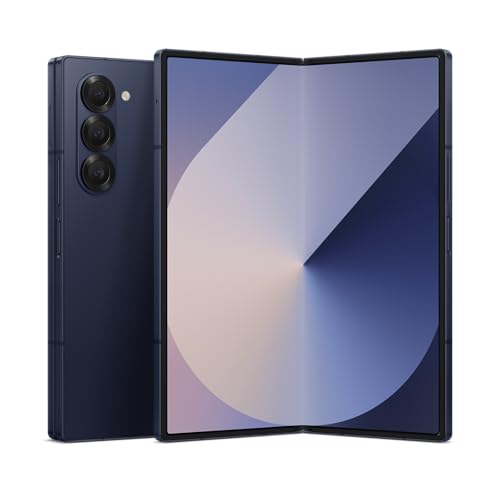
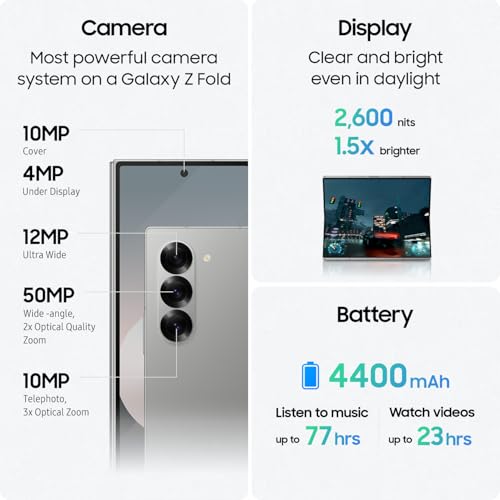
In a review, the Samsung Galaxy Z Fold 6 is described as a "portable supercomputer" that functions as both a smartphone and a tablet, featuring a lighter and thinner design with a durable chassis. Its pros include a 2,600 nits peak brightness display, a powerful Snapdragon 8 Gen 3 for Galaxy processor, Flex Mode, Galaxy AI features, an excellent camera system, and an IP48 rating. Cons noted are a high price, potentially insufficient battery life for heavy users, slow 25W charging, a low-quality under-display camera, and a limited 3x optical zoom compared to competitors.
CrackBerry describes the Samsung Galaxy Z Fold 6 as a significant refinement of the foldable form factor, despite minimal technical changes on paper. Key improvements include a shift to a 22:9 aspect ratio cover display and a lighter, more symmetrical design that enhances the user experience when the device is closed. Pros noted in the review are the blazing performance powered by the Snapdragon 8 Gen 3 for Galaxy, superior build quality, reduced weight, and a mature software experience with a 7-year commitment to updates. Cons include a $100 price increase to $1,899, an aging camera system, slow 25W charging speeds, and a 4,400mAh battery that is outperformed by some competitors. CrackBerry concludes that the device, while "tastefully boring," is likely the most polished and reliable foldable available for most users.
According to a Forbes review, the Samsung Galaxy Z Fold 6 is considered the most complete foldable "package" due to its robust software ecosystem, including features like Samsung DeX and superior multitasking, despite its hardware lagging behind Chinese competitors. Pros include improved ergonomics, a lighter and thinner design with a more usable cover screen, enhanced build quality with a solid hinge allowing for flexible angles, and the addition of an IP48 dust resistance rating. Cons highlighted are stagnant camera sensors that are years old, a more visible main display crease compared to rivals, slow charging speeds, and a high starting price of $1,899.
PhoneArena describes the Samsung Galaxy Z Fold 6 as a refined update with meaningful design and performance enhancements, featuring a lighter and thinner profile, a wider cover screen, and an IP48 dust resistance rating. The device offers strong performance with the Snapdragon 8 Gen 3 for Galaxy chipset, polished software for multitasking, Galaxy AI features, and improved battery life despite the same capacity as its predecessor. However, cons include unchanged camera hardware that doesn't match flagship S24 Ultra quality, slow charging speeds, and a higher starting price of $1,900, which might deter upgrades for existing Z Fold owners.
Wired's review of the Samsung Galaxy Z Fold6 and Z Flip6 describes them as a refinement of previous models, featuring sturdier builds and brighter 2,600-nit displays but also carrying a $100 price increase. The Z Fold6 is noted for its slimmer design and more usable cover screen, though it is criticized for stagnant camera hardware and the lack of a built-in S Pen slot. The Z Flip6 includes upgrades like a 50-megapixel main sensor and 12GB of RAM, and is praised for its hinge quality and Interpreter mode, but its outer screen functionality is considered "stale" compared to competitors. Both phones feature new Galaxy AI capabilities but are seen as expensive with relatively slow 25W charging compared to high-end non-folding phones. Samsung Galaxy Z Fold6£1,599.00& more prices4.6(16.2k)SAMSUNG GALAXY Z FLIP6£699.00& more prices4.5(41.6k)
Kicking off 2 searchesLooking at 79 sitesThinking a little longer CNET's review notes the Samsung Galaxy Z Fold 6 offers physical refinements like a more symmetrical front screen, lighter build, and less noticeable internal display crease, alongside a more powerful processor and improved IP48 durability rating. However, it faces criticism for a $100 price increase, stagnant battery capacity and charging speeds, and a lack of Galaxy AI features specifically tailored to its foldable design. Ultimately, the Z Fold 6 is seen as a modest update, appealing primarily to those seeking the most refined foldable experience despite its high cost and incremental hardware changes compared to competitors.
According to Engadget, the Samsung is a highly refined but incremental update that may not fully justify its $1, price point amid increasing competition. Pros include a significantly lighter chassis, brighter screens (, nits), a wider exterior display for improved typing, and flawless performance chip. However, cons highlighted are a largely unchanged camera system that lags behind competitors, W wired charging, and the continued absence of a built-in S Pen slot. While considered the best large foldable, its lead is diminishing, with Galaxy AI tools seen as "bonus content" rather than essential, suggesting Samsung relies on its brand rather than significant innovation against rivals.
According to The Verge, the Samsung Galaxy Z Fold 6 is the most refined version of Samsung's foldable phone yet, offering design improvements like a thinner, lighter body and a wider cover screen, along with powerful performance and bright displays. However, the review notes that these are incremental updates to an expensive device, with cons including a high price, a largely unchanged camera system, a still-visible screen crease, and slow charging.
In a review for Digitec.ch, the Samsung Galaxy Z Fold 6 is highlighted as a refined, lighter, and more symmetrical device (239g) featuring a wider 6.3-inch cover display and a bright 7.6-inch inner screen. While the design is more ergonomic and holds up better, key cons include the still-visible central screen crease and a camera bump that causes wobbling on flat surfaces. The device excels in productivity through the Snapdragon 8 Gen 3 processor, extensive multitasking capabilities, and a 7-year software update promise, heavily featuring Galaxy AI tools like Note Assist and Sketch to Image. However, the AI features can be inconsistent, and the hardware experiences stagnation compared to its predecessor, resulting in only "mediocre" battery life and slow 25W charging. Camera hardware remains mostly unchanged with a 50MP main sensor, providing reliable, albeit sometimes overly sharp, imaging. While great for multimedia, the device is held back by a low-quality 4MP under-display camera and significant grain when using high digital zoom.
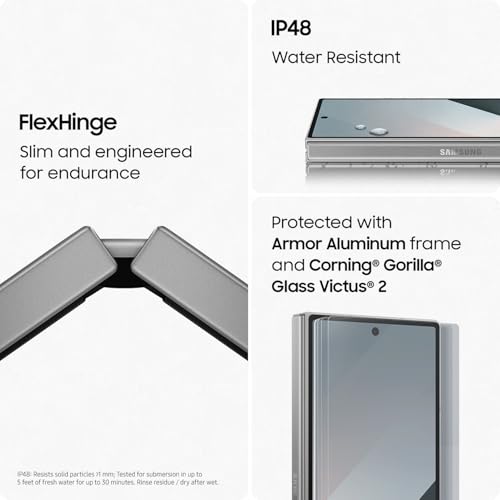
The Samsung Galaxy Z Fold6 focuses on incremental refinements, featuring a lighter, thinner design with a squared-off, S24 Ultra-inspired aesthetic, improved durability with Armor Aluminum and IP48 certification. Powered by the Snapdragon 8 Gen 3 for Galaxy, the device offers top-tier performance, enhanced by 2,600-nit displays and 7 years of software updates, alongside practical AI integrations. However, the review highlights significant drawbacks, including a largely unchanged camera system, "prehistoric" 25W charging, a high price, and no major battery capacity improvements over its predecessor.
The Samsung Galaxy Z Fold 6, labeled a top-tier foldable, boasts a 14g lighter, square-edged design, IP48 protection, and bright 2,600-nit displays, but faces criticism for its nearly €2,000 price point. While the Snapdragon 8 Gen 3 enables strong performance, the device is limited by a 4,400 mAh battery, slow 25W charging, and a noticeable screen crease. The camera system remains largely unchanged, offering solid performance but lacking significant hardware upgrades compared to other flagships.
The NextPit review characterizes the Samsung Galaxy Z Fold 6 as a polished, premium foldable with a refined design, top-tier build quality, and an IP48 rating, though it feels like a minimal evolution. Pros include exceptional software support (seven years of updates), advanced Galaxy AI features, and a more comfortable, symmetrical design with a reduced screen crease. However, the device falls short in value due to unchanged, underwhelming camera hardware—particularly the 4MP inner sensor—and slow 25W charging. Furthermore, the review notes significant drawbacks such as aggressive thermal throttling, rapid battery drain during heavy use, and a high price point that does not justify an upgrade from the Z Fold 5. Ultimately, while it is a productivity tool, it faces stiff competition, and its high cost for minor upgrades makes it a niche offering.
The Samsung Galaxy Z Fold 6, as reviewed by Connect.de, focuses on design refinement, featuring a thinner (12.1mm), lighter (239g) chassis, and a more usable 6.3-inch cover display with a 22:9 aspect ratio. The device, powered by the Snapdragon 8 Gen 3, offers a 7.6-inch inner screen with 2,600 nits brightness and introduces a more durable IP48 rating. However, the review notes stagnant, carryover camera hardware, relatively slow 25W charging for the 4,400mAh battery, and a high entry price.
The Samsung Galaxy Z Fold6 features a refined, boxy design with a durable "Ironflex" hinge and improved IP48 dust/water resistance. Performance is driven by the Snapdragon 8 Gen 3 for Galaxy chipset, paired with bright 2,600-nit displays and extensive AI integration, though the camera system and 25W charging speed remain unchanged from its predecessor. The device is lauded for its seven-year software support, but high pricing, a visible screen crease, and minor upgrades make it a better choice for new users rather than Fold5 owners.
The PCWelt review characterizes the Samsung Galaxy Z Fold 6 as a refined, iterative update that excels as a premium "all-in-one" package, boasting a more durable design with IP48 resistance and a wider, more functional 6.3-inch cover display. Performance is driven by the Snapdragon 8 Gen 3 chipset and 12GB of RAM, ensuring smooth multitasking, while the 7.6-inch main display features 2,600-nit peak brightness and improved Galaxy AI integration. Despite these enhancements, the device faces criticism for its high price point, slow 25W charging, lack of significant camera hardware upgrades, and a 4MP under-display camera that lacks clarity.
The Der Spiegel review of the Samsung Galaxy Z Flip6 and Z Fold6 highlights a shift toward AI integration, with hardware updates considered minor refinements rather than revolutionary changes. Both devices feature more durable designs with an IP48 rating, while the Z Fold6 offers a lighter, thinner profile, yet continues to struggle with a visible crease and a camera system that lags behind the S24 Ultra. The Z Flip6 receives more meaningful upgrades, including a 50MP main camera, a larger 4,000mAh battery, and a vapor cooling chamber, though both devices are hampered by high price points and AI features that often feel like non-essential novelties. SpiegelPros for the Z Flip6 include improved camera resolution, better battery life, and enhanced durability, while its cons are a 60Hz cover screen and slow 25W charging. For the Z Fold6, the lighter design and Snapdragon 8 Gen 3 processor are highlighted as pros, with the steep $1,900 price tag, lack of an S Pen slot, and a prominent screen crease listed as cons. Spiegel
In a long-term review of the Samsung Galaxy Z Fold 6, ZDNet.fr highlights the device's improved, thinner, and lighter design as a key strength, alongside superior multitasking software and seven years of updates. While praised for its refined hardware, the review identifies three primary drawbacks: a cramped cover screen, stagnant camera performance compared to the S24 Ultra, and the lack of an integrated S Pen. Ultimately, the review concludes that the high-priced device is an iterative upgrade needing significant hardware changes—such as better cameras and aspect ratio—to fully mature, citing the slow 25W charging as an additional limitation.
According to Tom's Guide FR, the Samsung Galaxy Z Fold 6 emerges as a refined "king of foldables," focusing on design polish and heavy AI integration rather than drastic hardware changes. The device boasts a lighter, thinner chassis (239g) with a more ergonomic 6.3-inch cover screen and a significantly brighter 7.6-inch internal display. Key pros include the powerful Snapdragon 8 Gen 3 chipset, enhanced Galaxy AI features like "Sketch to Image," and improved durability with an IP48 rating. www.tomsguide.frHowever, the review points out notable cons, primarily the high starting price and the stagnation of camera hardware, which lacks the advanced zoom capabilities of the S24 Ultra. Furthermore, the device retains slow 25W charging speeds, and overall battery life does not show significant improvement over its predecessor. www.tomsguide.fr
The Samsung Galaxy Z Fold 6, analyzed by L'Éclaireur Fnac, represents a refined, iterative update featuring a boxier design, improved durability with an IP48 rating, and a nearly perfect hinge, although the screen crease remains noticeable and the device still requires two hands to open. Technical testing highlights a peak inner screen brightness of 2,600 nits, which significantly boosts outdoor visibility, but notes higher light loss at wider angles compared to the Fold 5. Performance is top-tier with the Snapdragon 8 Gen 3, bolstered by Galaxy AI and a 7-year update guarantee. L'É Conversely, the review identifies "timid" advancements where the Z Fold 6 lags behind competitors, specifically regarding a stagnant camera system with weak ultra-wide performance and a low-quality under-display sensor. The device retains the same 4,400 mAh battery and slow 25W charging as its predecessor, a notable limitation for a premium, high-priced device. Furthermore, the lack of Wi-Fi 7 is highlighted as a downside. For the full lab test results, read the article at L'Éclaireur Fnac. L'É
The Clubic review of the Samsung Galaxy Z Fold 6 highlights a refined, more mature design featuring a lighter 239g weight, flatter edges, and an IP48 rating for improved durability. Powered by the Snapdragon 8 Gen 3, the device offers excellent performance and brighter screens, though it suffers from stagnant camera hardware and a visible screen crease. While boasting seven years of software support and useful Galaxy AI features, the device is held back by slow 25W charging, average battery life, and a high starting price.
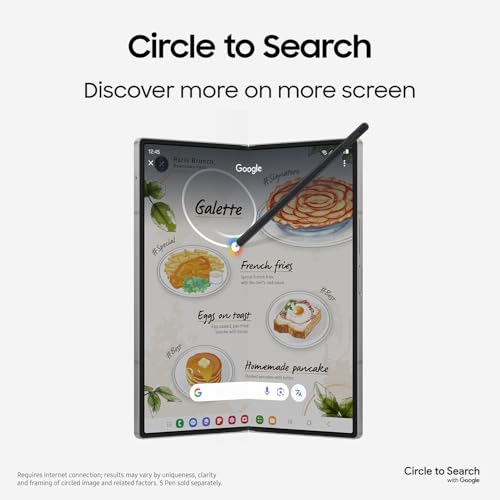
The Samsung Galaxy Z Fold 6 is a premium, iterative update focusing on refined ergonomics, featuring a lighter (239g), thinner (12.1mm), and more squared-off design that improves handling, alongside a wider 6.3-inch cover screen. Key enhancements include the integration of Galaxy AI tools like Circle to Search, a 7.6-inch main display with 2,600-nit peak brightness, and improved durability with an IP48 rating. However, the device faces criticism for its high price tag (€1,999), a camera system carried over from the Fold 5, and stagnated battery/charging speeds. Capital.fr
Frandroid’s review highlights the Samsung Galaxy Z Fold 6 as a refined, premium device with a lighter (239g), thinner (12.1mm) design and improved durability with an IP48 rating. While praising the incredibly bright 2600-nit LTPO screens, the review notes the inner screen crease remains visible, and there is no integrated S Pen slot. Powered by the Snapdragon 8 Gen 3, the device offers top-tier performance and extensive software support, though it throttles under heavy load. Despite good photo quality, the camera hardware lags behind, and the 25W charging is considered outdated for a premium device. Frandroid
The Samsung Galaxy Z Fold 6, as reviewed by Les Numériques, represents a refined, iterative update featuring a lighter, thinner design with a more practical 6.3-inch cover screen. Key improvements include a brighter 7.6-inch inner display with a less visible crease, though the lack of integrated S-Pen storage and Wi-Fi 7 are notable cons. Powered by the Snapdragon 8 Gen 3, the device offers excellent, albeit occasionally overheating, performance alongside seven years of software support and AI features. While the camera system remains largely unchanged and, as noted in the review, falls behind in night-time image processing, the battery life is solid despite the continued use of slow 25W charging. Les Numériques
The Samsung Galaxy Z Fold 6 is described by SmartWorld as a refined foldable featuring a sharper, squared-off design with a matte armor aluminum frame, reduced weight, and a new IP48 dust resistance rating. Performance is top-tier with the Snapdragon 8 Gen 3 for Galaxy, complemented by brighter 2600-nit displays and a seven-year software update commitment. However, the device is noted for using the same camera hardware as its predecessor, along with a "middling" 4,400mAh battery and slow 25W charging.
The Galaxus review of the Samsung Galaxy Z Fold 6 highlights it as a refined, incremental update over its predecessor rather than a total redesign. The device boasts a more symmetrical, "edgier" design with a thinner hinge, while the 7.6-inch inner display offers 2,600 nits of brightness. Key improvements focus on a lighter build and the addition of IP48 dust resistance. AI integration is a significant feature, with the review noting that the interpreter mode and "Sketch to Image" functions are impressive, though occasionally prone to errors. It serves as a strong, specialized tool for productivity and media consumption, particularly with the S Pen and optimized apps. However, the, 4,400 mAh battery capacity and 25W charging speed remain unchanged from the previous generation. Cons noted in the review include the prominent camera bump that causes instability, significant performance throttling under stress, and limited hardware upgrades compared to the Fold 5. Despite these, the device is positioned as a top-tier "multitasking marvel" for users prioritized by software features.
The Samsung Galaxy Z Fold 6 and Z Flip 6, as reviewed by Altroconsumo, represent a significant refinement in foldable technology with enhanced durability, including a new IP48 rating for solid particles. Pros include high-end performance via the Snapdragon 8 Gen 3 for Galaxy, brighter displays reaching 2,600 nits, and design refinements like the Z Fold 6’s lighter weight and the Z Flip 6’s 12GB of RAM and improved 50MP main camera. However, key cons highlighted are a €100 price increase, limited 25W charging, the Z Fold 6’s lack of Wi-Fi 7, and stagnant camera hardware on the Fold.
Wired Italy describes the Samsung Galaxy Z Fold6 as a refined, iterative update featuring a lighter, thinner design with improved ergonomics, a wider 6.3-inch cover screen, and 2,600-nit brightness across panels. Pros include top-tier performance from the Snapdragon 8 Gen 3 chipset, functional Galaxy AI tools like Sketch to Image, and a promised seven years of software support. However, the device retains a noticeable inner screen crease, lacks an internal S Pen slot, and features an unchanged camera system that lags behind traditional flagships. Additionally, battery and charging speeds have not improved, and the high price point makes it a premium, niche offering.
The Samsung Galaxy Z Fold 6 focuses on refinement, featuring a thinner, lighter 239g design with a more durable Armor Aluminum frame and an IP48 rating. Key improvements include a wider 6.3-inch cover screen for better typing and a brighter 2,600-nit main display, all powered by the Snapdragon 8 Gen 3 for Galaxy chip. Additionally, the device heavily emphasizes Galaxy AI features, such as "Sketch to Image," enhanced by a less noticeable central crease. Despite these improvements, the phone carries a high starting price of $1,899 / £1,799, and the camera hardware remains largely unchanged from the previous model. Other drawbacks include the lack of a built-in S Pen slot and slow 25W charging compared to competitors.
According to the DDay.it review, the Samsung is a refined evolution prioritizing ergonomics, featuring a thinner, lighter design ( g) and a more robust hinge that makes it feel "completely revolutionized" in hand despite minimal specification changes. Key hardware, -nit,, less-visible-crease internal display rating for improved durability. While Pros include a smudge-resistant matte frame, superior screen quality, and functional Galaxy AI, Cons focus on the high price, W charging, and carryover camera sensors that lag Ultra. DDay.it +4
The Samsung Galaxy Z Fold6 introduces significant improvements through a more angular design, making it thinner (12.1mm) and lighter (239g) for improved ergonomics. Key updates include IP48 dust and water resistance, along with a more unified, 2,600-nit, 6.3-inch cover and 7.6-inch inner display. Powered by the Snapdragon 8 Gen 3, the device offers excellent productivity through robust Galaxy AI features, such as live translation. However, the camera hardware remains identical to the Z Fold 5, delivering good but not top-tier photo quality. The 4,400 mAh battery struggles under heavy, sustained use, which may require mid-day charging. With a high starting price of €2,099, the review suggests that the Z Fold 5 may offer better value unless the improved ergonomics and 7 years of software support are essential.
Andrea Galeazzi's review highlights the Samsung Galaxy Z Fold 6's refined, lighter (239g), and thinner (12.1mm) design, featuring a more squared-off aesthetic and a slightly wider 6.3-inch external display that enhances usability. A significant hardware upgrade is the IP48 certification, which provides official, improved dust resistance alongside water protection. However, the review points out that the camera hardware is identical to the Fold 5, missing the top-tier performance of the S24 Ultra. Furthermore, while the Snapdragon 8 Gen 3 ensures top performance, the device can heat up under load, affecting the 4,400mAh battery's longevity, and the internal screen crease remains visible. Software shines with superior multitasking and robust Galaxy AI features, described as a "bomba atomica" for productivity. Despite the high €2,099 starting price, which is softened by launch promotions, Galeazzi concludes it is the premier choice for the Samsung ecosystem, representing a solid, albeit iterative, evolution.
Based on the Tweakers community review panel, the Samsung Galaxy Z Flip6 and Z Fold6 received high praise for improved durability, a premium feel, and refined design, with the Flip6 noted for its compact, pocketable form factor and the Fold6 for its multitasking, tablet-like experience. Key pros include significantly improved battery life across both models, brighter screens for outdoor readability, and upgraded 50MP cameras on the Flip6, alongside useful Galaxy AI integrations for enhanced productivity and creativity. However, the panels highlighted cons such as a higher price point, stagnant, slow charging speeds, and a generally iterative design, with the Fold6 remaining bulky and the Flip6’s cover screen retaining limited functionality.
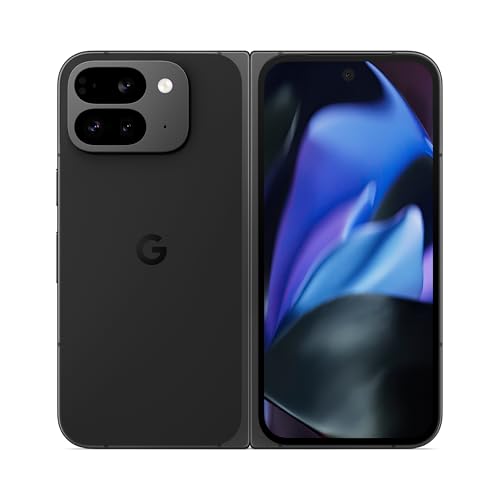
The Tweakers review concludes that the Google Pixel 9 Pro Fold is a formidable challenger, boasting a superior, wider aspect ratio and hinge quality that makes the Galaxy Z Fold 6’s narrow screen feel outdated. While the Pixel offers a brighter, larger, and more functional 8-inch screen, the Galaxy Z Fold 6 counters with better durability (IP48 rating), superior audio, and a more robust, faster processor. Ultimately, the review suggests Samsung must innovate its form factor, as the Pixel offers better ergonomics and more natural, 5x optical zoom photography, despite Samsung’s advantage in multitasking software and faster charging.

Compare