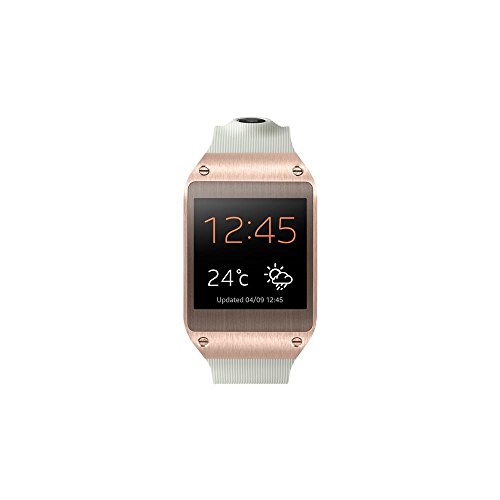
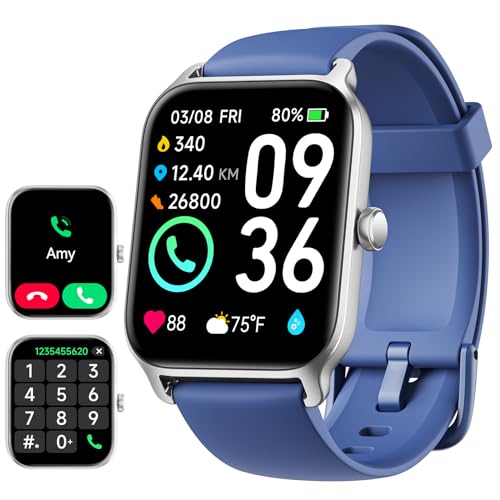
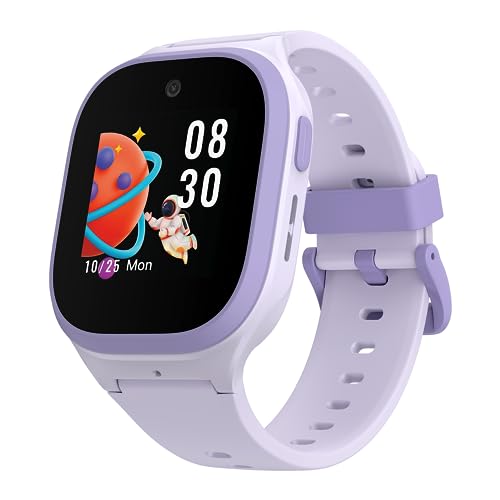
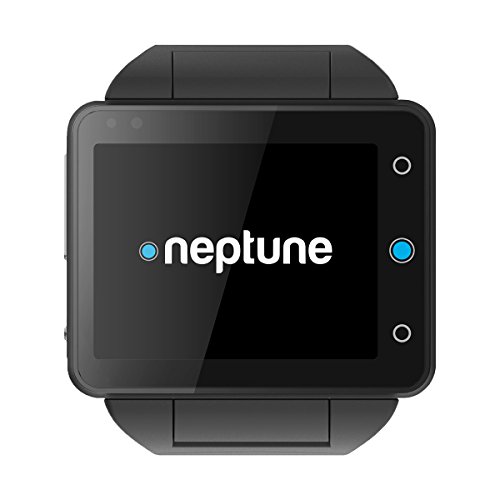
Which brands make the best smartwatches with camera?
The best smartwatch brands with camera are as follows:
- [shortcode-17348865449390939934096138015357988542563961206868] (Average overall score: [shortcode-10997601464984673308162809345527922652493154343274])
- [shortcode-16469077555944807309182131172832844560222759186039] (Average overall score: [shortcode-16693469227479885381168386212779200961601767323988])
[horizontal-chart-14702778982616079650131268296530640430504152237918]
How much do the best smartwatches with camera cost?
The best smartwatches with camera cost between £35 and £340, depending on the brand, build quality, and extra features.
Entry-level models usually stay under £90 and come with basic functions such as video calls, photos, and messaging support. These devices target children and users who want a simple wearable with a front or side camera for casual use.
If you want a more advanced smartwatch with higher resolution cameras, 4G connectivity, and better displays, you should expect to spend between £130 and £260. These models give you faster performance, more apps, and stronger batteries, which helps if you plan to use the camera often. Premium smartwatches with camera can reach £340 and add features like face unlock, larger memory, and better water resistance.
What is a smartwatch with camera?
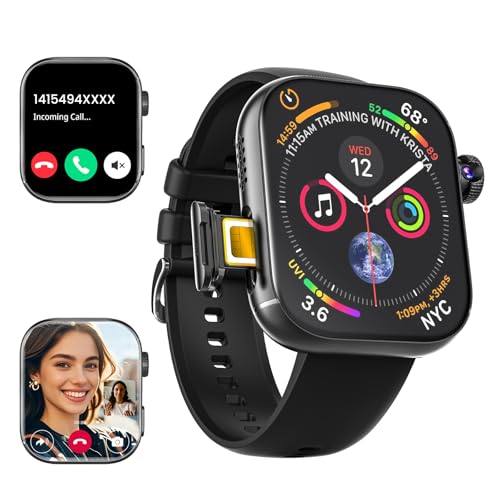
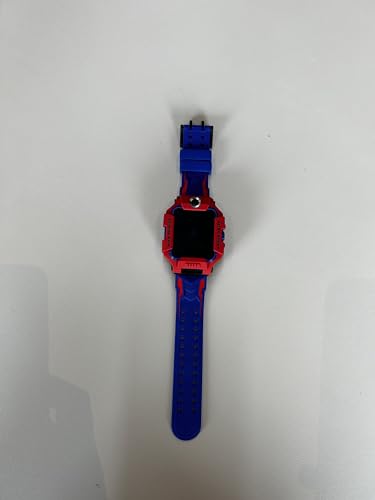
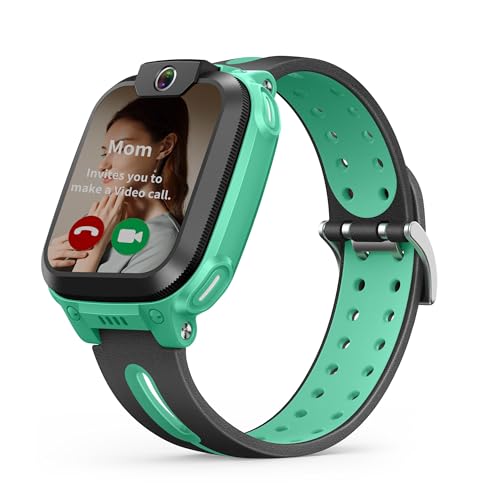
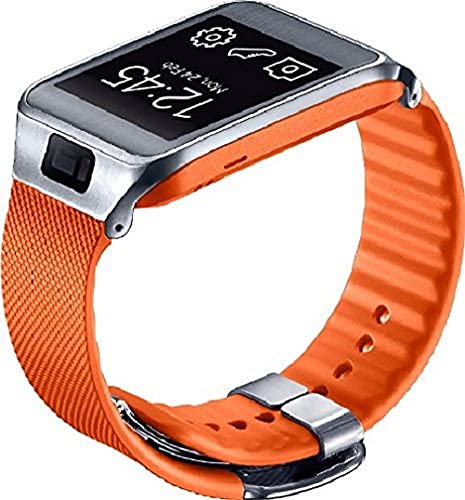
A smartwatch with camera is a wearable device that combines the features of a regular smartwatch with a built-in camera. You can use it to take photos or record videos directly from your wrist, and in some models the camera also supports video calls. The lens can be on the watch face or on the strap, which affects how you use it for selfies, video chats, or quick snapshots.
These watches still include the standard functions you expect, such as fitness tracking, notifications, and app support, but the camera adds a more versatile use. You can capture images when you do not have your phone at hand, or start a call with video directly through the watch if it supports 4G or Wi-Fi.
Built-in cameras remain rare in smartwatches and are mostly limited to a small niche of models.
How good is the photo quality on smartwatches with camera?
The photo quality on smartwatches with camera is generally low compared to smartphones or even basic compact cameras.
Most models use sensors between 1 and 2 megapixels, so you get images that look fine for quick snapshots but lack detail and sharpness. Colors often appear flat and low-light performance is poor, so you should not expect the same results you get from your phone.
You can use a smartwatch camera for casual photos, selfies, or video calls since the camera sits in a convenient position on your wrist. It is practical if you want to capture something quickly without reaching for your phone, but the resolution limits how much you can zoom or crop.
Some higher-end smartwatches reach 5 MP, which improves clarity, yet they still cannot match the quality of even budget smartphones.
Can I record video on a smartwatch with camera?
Yes, you can record video on a smartwatch with camera, but quality and recording endurance are limited.
Most camera watches capture basic clips suitable for quick sharing or call-related use, not for high-detail footage. In real use, small sensors and limited processing cause visible noise in low light and softer details during movement.
Storage and battery are the main constraints: many models have only 8-32 GB total storage, and active recording can cut practical battery life by roughly 30-50% versus normal daily use. For occasional short clips this is fine, but regular video capture is still much better handled by a phone.
What to consider while choosing the best smartwatch with camera?
When choosing the best smartwatch with camera, you should consider the following key technical specifications and features:
- Camera resolution and quality: The image quality determines the value of your photos and videos. Smartwatches typically feature dual camera setups with front cameras ranging from 2MP to 8MP for video calls and selfies, while side cameras capture environmental shots with similar resolution capabilities. Higher megapixel counts translate to sharper images, though the compact sensor size in watches still limits overall photo quality compared to smartphones.
- Battery: Camera functionality drains battery faster than standard smartwatch operations. Most smartwatches with cameras last 1-2 days with moderate use, but video recording and frequent photo capture can reduce this significantly. The display consumes 30-40% of battery power, and camera usage adds substantial drain, so models with larger battery capacities (typically 1000mAh or more) perform better for photography needs.
- Display: The screen affects how you frame shots and review captured content. AMOLED displays offer superior color accuracy and contrast for better image preview, while TFT-LCD screens provide better outdoor visibility but consume more power. Screen size matters for camera operation - larger displays like the 2.4-inch screens found on models like the DM101 make framing easier and photo review more comfortable.
- Operating system compatibility: The OS determines app availability and camera features. Wear OS devices support more camera apps and cloud integration, while proprietary systems like Tizen (Samsung) or watchOS (Apple) offer deeper integration with their respective ecosystems. Some models run Android-based systems that allow installation of additional camera apps and editing tools.
- Storage capacity: Camera watches need sufficient storage for photos and videos. Most models include 4GB to 32GB internal storage, with some supporting microSD expansion up to 32GB. Video recording requires more space than photos, so higher storage capacity becomes critical for regular video capture use.
- Durability: Active photography situations require robust protection. Look for watches with at least 5 ATM (50 meters) water resistance for swimming scenarios, while 10 ATM ratings handle more intensive water activities. MIL-STD-810G certification indicates military-grade durability against drops, temperature extremes, and environmental hazards that protect the camera components during active use.
- Connectivity: 4G LTE capability allows direct photo sharing without phone pairing, while Wi-Fi and Bluetooth enable quick transfers to smartphones or cloud services. GPS functionality adds location data to photos, and some models support real-time streaming capabilities for live video sharing through cellular connections.