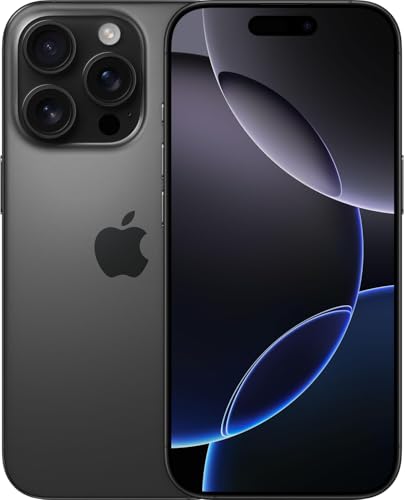
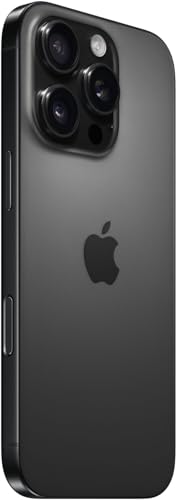
Apple iPhone 16 Pro (256GB) review. Compare 197 technical specifications and user reviews to see how this product ranks in the Smartphones category and whether it is worth buying.
Overall score
What it is: An overall evaluation of the smartphone's quality, based on technical analyses and user reviews.
When it matters: When you need a quick reference to identify the best smartphones on the market.
Score components:
90.0%
Technical Score
10.0%
User score
Technical Score
What it is: An assessment of the smartphone's technical performance, covering eight key areas: performance & hardware, software, camera, connectivity, display, battery, audio, and design.
When it matters: When you want to compare smartphones based on technical performance and available features.
Score components:
25.0%
Performance & Hardware
18.0%
Camera
15.0%
Display
15.0%
Battery
10.0%
Software
10.0%
Connectivity
4.0%
Audio
3.0%
Design
User score
What it is: A rating that combines user reviews and the total number of reviews received by the smartphone
When it matters: When you want to know how a smartphone handles daily tasks and how reliable it remains over time according to user feedback.
Score components:
70.0%
User reviews
30.0%
Popularity
Available: ranking among products currently available (including other versions of this product).
All: ranking among all products in the database.
#6 in Best Apple Smartphones
#14 in Best Camera Smartphones
#88 in Best NFC Smartphones
#89 in Best Smartphones
#89 in Best 5G Smartphones
#89 in Best AI Smartphones
#1039 in Best Value Smartphones
What it is: An assessment of the smartphone's technical performance, covering eight key areas: performance & hardware, software, camera, connectivity, display, battery, audio, and design.
When it matters: When you want to compare smartphones based on technical performance and available features.
Score components:
25.0%
Performance & Hardware
18.0%
Camera
15.0%
Display
15.0%
Battery
10.0%
Software
10.0%
Connectivity
4.0%
Audio
3.0%
Design
What it is: A rating that combines user reviews and the total number of reviews received by the smartphone
When it matters: When you want to know how a smartphone handles daily tasks and how reliable it remains over time according to user feedback.
Score components:
70.0%
User reviews
30.0%
Popularity
What it is: An indicator that combines the smartphone's overall rating with its cost.
When it matters: When you are looking for a smartphone with a good balance between quality and price.
Score components:
60.0%
Overall score
40.0%
Price
Importance: LOW
Importance: HIGH
Importance: HIGH
Good value: >12 GB
Importance: MEDIUM
Good value: >256 GB
Importance: MEDIUM
Good value: >3.2 GHz
Importance: LOW
Importance: MEDIUM
Good value: >1500
Importance: LOW
Good value: >4000
Importance: LOW
Good value: 8+
Importance: LOW
Importance: LOW
Good value: >950 MHz
Importance: LOW
Good value: >700
Importance: LOW
Good value: >1000
Importance: LOW
Good value: >2500
Importance: MEDIUM
Good value: >6000
Importance: LOW
Good value: >8000
Importance: MEDIUM
Good value: >12000
Importance: LOW
Good value: >5000
Importance: LOW
Good value: >1800
Importance: LOW
Good value: >3200 MHz
Importance: LOW
Good value: 5
Importance: LOW
Good value: > 50 GB/s
Importance: LOW
Good value: 4
Importance: LOW
Good value: >16 GB
Importance: MEDIUM
Good value: <6 nm
Importance: MEDIUM
Good value: >9 W
Importance: LOW
Importance: LOW
Good value: >8192 KB
Importance: LOW
Good value: >2048 KB
Importance: LOW
Good value: >512 KB
Importance: LOW
Good value: >100000 million
Importance: LOW
Good value: 3.3
Importance: LOW
Good value: 3.2
Importance: LOW
Good value: 2.0/3.0
Importance: LOW
Importance: LOW
Importance: LOW
Importance: MEDIUM
Importance: LOW
Importance: LOW
Importance: LOW
Importance: LOW
Importance: LOW
Importance: LOW
Importance: LOW
Importance: LOW
Importance: LOW
Importance: LOW
Importance: LOW
Importance: LOW
Importance: LOW
Importance: LOW
Importance: LOW
Importance: LOW
Importance: LOW
Importance: LOW
Importance: LOW
Importance: LOW
Importance: LOW
Importance: LOW
Importance: LOW
Importance: LOW
Importance: LOW
Importance: LOW
Importance: LOW
Importance: LOW
Importance: LOW
Importance: LOW
Importance: LOW
Importance: LOW
Importance: LOW
Importance: MEDIUM
Good value: >50 MP
Importance: MEDIUM
Importance: HIGH
Good value: >60
Importance: LOW
Good value: ≥1.2 µm
Importance: MEDIUM
Good value: >2.5x
Importance: MEDIUM
Importance: LOW
Importance: LOW
Importance: LOW
Importance: LOW
Good value: ≥2
Importance: LOW
Importance: LOW
Importance: LOW
Importance: LOW
Good value: >16 MP
Importance: LOW
Importance: LOW
Importance: LOW
Importance: LOW
Importance: MEDIUM
Importance: LOW
Importance: LOW
Importance: LOW
Importance: LOW
Importance: LOW
Importance: LOW
Importance: LOW
Importance: LOW
Importance: LOW
Importance: LOW
Importance: LOW
Importance: LOW
Importance: LOW
Importance: LOW
Importance: LOW
Importance: LOW
Importance: LOW
Importance: LOW
Importance: LOW
Importance: LOW
Importance: LOW
Good value: >130
Importance: LOW
Good value: >120
Importance: LOW
Good value: ≥2
Importance: LOW
Importance: LOW
Importance: LOW
Importance: LOW
Importance: LOW
Importance: LOW
Good value: >5.2
Importance: LOW
Importance: LOW
Importance: LOW
Importance: LOW
Good value: 3.1/3.2
Importance: LOW
Importance: LOW
Importance: LOW
Good value: ≥2
Importance: LOW
Importance: LOW
Importance: LOW
Importance: LOW
Importance: LOW
Importance: LOW
Importance: LOW
Importance: LOW
Importance: LOW
Importance: LOW
Importance: LOW
Importance: LOW
Importance: LOW
Importance: LOW
Importance: LOW
Importance: LOW
Good value: ≥6.6 inches
Importance: MEDIUM
Importance: LOW
Good value: >400 ppi
Importance: MEDIUM
Importance: MEDIUM
Good value: ≥120 Hz
Importance: LOW
Importance: LOW
Good value: >300 Hz
Importance: LOW
Good value: >800 nits
Importance: LOW
Good value: >1300 nits
Importance: LOW
Good value: >1000 nits
Importance: LOW
Importance: LOW
Importance: LOW
Importance: LOW
Importance: LOW
Importance: LOW
Importance: LOW
Importance: LOW
Importance: HIGH
Good value: >5000 mAh
Importance: MEDIUM
Good value: >60 W
Importance: LOW
Importance: LOW
Good value: <45 min
Importance: LOW
Importance: LOW
Good value: >40 W
Importance: LOW
Importance: LOW
Good value: >10 W
Importance: LOW
Importance: LOW
Importance: MEDIUM
Importance: LOW
Good value: >800
Importance: LOW
Importance: LOW
Importance: LOW
Importance: LOW
Importance: LOW
Good value: ≥3
Importance: LOW
Importance: LOW
Importance: LOW
Importance: LOW
Importance: LOW
Importance: LOW
Importance: LOW
Good value: <162 mm
Importance: LOW
Good value: <75 mm
Importance: LOW
Good value: <8 mm
Importance: LOW
Good value: <190 g
Importance: LOW
Good value: <98cm³
Importance: LOW
Importance: LOW
Importance: LOW
Importance: LOW
Importance: LOW
Importance: LOW
Good value: ≥1.5 m
Importance: LOW
Importance: LOW
Good value: >8
Importance: LOW
Importance: LOW
Importance: MEDIUM
Good value: >2.5x
Importance: HIGH
Good value: >60
Importance: MEDIUM
Importance: MEDIUM
Good value: <6 nm
Importance: MEDIUM
Good value: >3.2 GHz
Importance: MEDIUM
Good value: >1500
Importance: LOW
Importance: LOW
Importance: HIGH
Good value: >5000 mAh
Importance: LOW
Importance: LOW
Good value: ≥6.6 inches
Importance: LOW
Importance: LOW
Importance: LOW
Good value: >16 GB
Importance: LOW
Importance: MEDIUM
Good value: >50 MP
(Reviews last updated: August 2026)
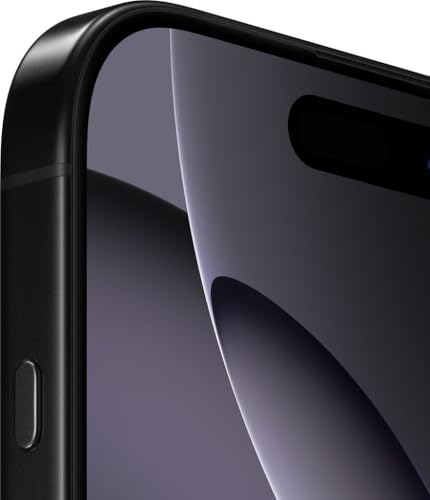
According to a Business Insider review, the iPhone 16 Pro is an impressive device featuring a larger 6.3-inch display, the A18 Pro processor, and an improved camera system with 4K 120fps slow-motion recording. Pros include increased battery life, faster charging, and a superior 120Hz ProMotion display, making it a strong option for users upgrading from older models like the iPhone 13 Pro. However, cons include the headline Apple Intelligence not being fully functional at launch, minimal upgrades compared to the iPhone 15 Pro, and a slightly larger physical size than previous models.
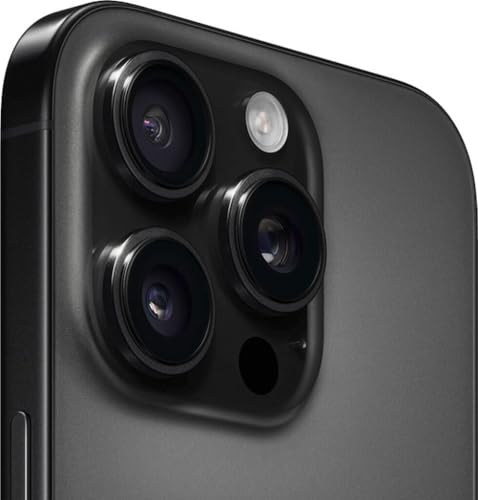
PhoneArena describes the iPhone 16 Pro as "boringly great," offering a refined, high-end experience with minor design changes like a slightly larger 6.3-inch display and thinner bezels. Key upgrades include the A18 Pro chipset for improved performance, a 5x tetraprism zoom lens, a new 48MP ultra-wide camera, and a dedicated Camera Control button, though the button is noted as potentially frustrating to use. Battery life has improved significantly, but wired charging at 20W remains slow compared to competitors, and while 25W MagSafe is a notable speed increase, the overall charging experience is a mixed bag.
The Apple iPhone 16 Pro features a redesigned body with a larger 6.3-inch OLED display and thinner bezels, alongside a new customizable Camera Control button for enhanced photography quick access. While the A18 Pro chip offers leading performance and the camera system includes significant upgrades like the 5x zoom and a 48MP ultrawide sensor, charging speeds are relatively slow, and key Apple Intelligence features were not available at launch. Battery life sees a substantial improvement, lasting over 14 hours in testing, though the display's peak brightness trails some competitors. Tom'
The Six Colors review characterizes the iPhone 16 Pro as a device strong on hardware refinements, including a 5x telephoto lens, larger display, and the A18 Pro chip, but notes a less exciting color palette and that software "Intelligence" features are still largely forthcoming. While praising the new Camera Control button for quick access and one-handed operation, the review finds its advanced touch gestures for adjustments "fussy and frustrating". The iPhone 16 Pro offers improved battery life and 4K 120fps video capability, but the reviewer suggests the standard iPhone 16 might suffice for most users who don't require the Pro's specific advanced features.
The iPhone 16 Pro brings the 6.3-inch model to feature parity with the Pro Max by introducing a 5x optical zoom camera and reduced bezels, offering top-tier performance via the A18 Pro chip. While praised for its, relative, compact design, stellar battery life, and advanced Audio Mix video features, the device is held back by the awkward, often shaky, new Camera Control button and the lack of immediate, on-device Apple Intelligence. The review concludes that by eliminating the compromise between size and capability, the 16 Pro stands as Apple's best all-around smartphone.
According to a Forbes Vetted review, Pro offers notable upgrades, particularly for content creators, featuring a new Camera Control button for easier access to functions and a four-mic array for improved audio recording. Pros Pro chip's smooth performance and all-day battery life, along with the "Fusion Camera" x tetraprism lens for enhanced photography. However, potential cons include a slight increase in physical size despite thinner bezels, the iterative nature of some updates Pro users, and the limited practical due to router availability. Forbes +4
TechRadar describes the iPhone 16 Pro as "pocket-sized brilliance," praising its balance of a larger 6.3-inch display and compact form, stellar A18 Pro performance, 120Hz display, and the addition of a 5x optical zoom lens. However, the review notes drawbacks including unavailable Apple Intelligence features at launch, a "fiddly" Camera Control button, only 128GB base storage, and battery life that lags behind the Pro Max.
CNET reviews the iPhone 16 Pro and Pro Max as compelling year-over-year upgrades, particularly highlighting the new 4K 120fps slow-motion video capability and larger displays with thinner bezels. Pros include the A18 Pro chip's top-tier performance, improved battery life, and the Audio Mix feature for clear voice isolation. Cons mention the lack of Apple Intelligence at launch, insufficient 128GB base storage on the Pro model, and suboptimal placement of the new Camera Control button.
The iPhone 16 Pro is highlighted as a professional-grade production tool featuring 4K 120 fps recording, a 5x tetraprism lens, and an improved A18 Pro chip for enhanced thermal performance. Key advantages for filmmakers include Apple Log, ProRes recording to external SSDs, and a 48MP Ultra Wide camera, though the sensor size constraints can still cause low-light noise. While praised for its battery life and audio tools, the device faces criticism regarding the steep learning curve of the "Camera Control" button and incomplete software features at launch.
The Heise.de review describes the Apple iPhone 16 Pro as a "small but mighty" device featuring a 6.3-inch display with significantly thinner bezels, driven by the exceptional A18 Pro chip. Key pros include the 5x optical tetraprism lens now featured on the smaller model, a high-resolution 48MP Ultra Wide camera, and enhanced battery life, though reviewers noted a slight screen tint at angles and that some Apple Intelligence features were not available at launch. While the new Camera Control button offers versatility, the review suggests owners of the 15 Pro might find the incremental upgrades, such as improved low-light performance and faster charging, less compelling.
In a 10-day, in-depth review, LoKan highlights the iPhone 16 Pro's ergonomic 6.3-inch form factor, praising its snappy A18 Pro performance, 1-nit minimum brightness, and the inclusion of the 5x telephoto lens in a smaller body. However, the Camera Control button is criticized as nearly unusable due to its over-engineered, complex, and un-intuitive haptic, swipe, and click functions. Furthermore, the 48MP Ultra-Wide sensor is labeled disappointing for its lack of dynamic range compared to the main 12MP sensor. Despite improved audio and good battery life, slow charging speeds remain a drawback for this otherwise refined device.
The iPhone 16 Pro and 16 Pro Max are described by Journal du Geek as a refined, "S-year" style iteration rather than a complete overhaul, boasting top-tier performance from the A18 Pro chip, larger screens, and reduced bezels. While the new Camera Control button receives mixed, subjective feedback, the improved battery life—particularly on the Max—and enhanced 48MP ultrawide camera with 4K 120fps capabilities are highlighted as major hardware pros. However, the review notes the devices feel incomplete at launch due to the delayed availability of Apple Intelligence in Europe, rendering them a hard sell for existing 15 Pro users despite being the most powerful iPhones to date.
Here is a three-paragraph summary of the iPhone 16 Pro review: The iPhone 16 Pro is characterized as a "service minimum" update that struggles to distinguish itself from the iPhone 15 Pro, prioritizing maturity and homogeneity over innovation. While the device remains one of the most powerful on the market due to the A18 Pro chip and improved thermal management, it lacks the "wow factor" of competitors. Notable physical changes include a slightly larger screen with thinner bezels and the addition of a dedicated Camera Control button, though the latter is criticized for being finicky and prone to accidental triggers.
The Presse-Citron review of the iPhone 16 Pro highlights its slightly larger 6.3-inch display with thinner bezels and a refined titanium design. A significant addition is the Camera Control button, designed for touch-sensitive adjustments to zoom and exposure, though it requires a learning curve. Performance is driven by the A18 Pro chip, offering improved speeds, along with a 5x optical zoom and 4K 120 fps video recording. Despite improvements, the review notes that key Apple Intelligence features are missing at launch, limiting immediate functionality. Additionally, wired charging speed is limited to 20W, which is considered slow compared to competitors. Other minor criticisms include potential for flat sound at low volumes and an underwhelming "Desert Titanium" color option. Ultimately, the iPhone 16 Pro is praised for its powerful hardware, including the 48 MP ultra-wide sensor, but its immediate appeal is hampered by software delays and slow charging. The device presents a strong, if not fully realized,, option for creators, according to the analysis.
The Apple iPhone 16 Pro is an incremental but highly successful evolution that achieves a near-perfect score for its technical prowess, despite the initial absence of Apple Intelligence in the EU. The device features a slightly larger 6.3-inch LTPO Super Retina XDR OLED display with ultra-thin borders and a remarkably accurate color calibration (Delta E of 1). While the design remains familiar, the build quality is exceptional, utilizing a Grade 5 titanium frame and a new Ceramic Shield that is 50% more resistant than previous versions. In terms of performance and photography, the A18 Pro chip provides massive "firepower" comparable to M1/M2 Mac chips, ensuring smooth operation even in demanding games like Genshin Impact without excessive heating. The camera system has been upgraded to include the 5x periscopic zoom previously exclusive to the Max model, along with a new 48 Mpx ultra-wide-angle sensor that significantly improves sharpness and detail. Video recording is a standout strength, particularly the new 4K at 120 fps mode and "studio quality" microphones that can isolate voices in noisy environments.
The iPhone 16 Pro (128 GB) earns a "Best Choice" rating with an 81% score from Protégez-Vous, highlighted by its high repairability, robust construction, and 6.3-inch display. Technical performance is driven by the A18 Pro chip, while the camera system now includes the 5x optical zoom previously exclusive to the Max model. While offering top-tier performance, drawbacks include a high price point and a sometimes finicky new Camera Control button. Proté
The Xataka review describes the iPhone 16 Pro as a polished device with excellent hardware and improved battery life, but notes it feels iterative and lacks the "wow factor" of previous models. Key hardware pros include the A18 Pro chip, superior thermal management, and upgraded camera capabilities like the 5x zoom and 48MP ultra-wide sensor. Conversely, the review identifies the Camera Control button as gimmicky, cites slow charging speeds, and highlights that the lack of launch-day Apple Intelligence features makes the phone feel like a work in progress.
The iPhone 16 Pro is characterized as a "pocket-sized powerhouse" featuring a 6.3-inch display with slimmer bezels, the A18 Pro chip, and improved thermal design for enhanced performance. Key upgrades include a 5x optical zoom telephoto lens, a 48MP ultra-wide camera, 4K 120fps video recording, and a new tactile Camera Control button. Despite these advancements, the device faces criticism for its 128GB starting storage, slower charging speeds compared to competitors, and the delayed availability of Apple Intelligence features.
The iPhone 16 Pro is characterized by its powerful A18 Pro chip, slightly larger 6.3-inch display with thinner bezels, and the introduction of a new Camera Control button. The camera system receives significant upgrades, including a 48MP ultra-wide sensor and 5x optical zoom, while maintaining top-tier video capabilities like 4K 120fps recording. Key pros include exceptional performance, improved battery life, and superior display quality, though cons highlight slow 20W charging speeds, stiff camera controls, and an outdated 128GB base storage.
The iPhone 16 Pro and 16 Pro Max feature 6.3-inch and 6.9-inch displays with thinner bezels and a titanium design, representing a significant, albeit minor, upgrade for users of newer models. Key advancements include the A18 Pro chip for improved heat management, 4K at 120fps video recording, and vastly superior battery life, especially on the Pro Max model. The camera system receives a major boost with a 48MP Ultra Wide lens and the new Camera Control button, though the latter can be awkward to use.
In his review for Digitec, Samuel Buchmann describes the iPhone 16 Pro as an excellent overall package with a 6.3-inch display, a faster A18 Pro chip, and a 5x optical zoom lens, offering particular freedom to photography enthusiasts through new, non-destructive Photographic Styles. Key advantages highlighted include the 4K at 120 fps video capability, improved battery life, and superior 120Hz display performance. Conversely, the review dismisses the new Camera Control button as a "fiddly" disappointment, and notes that the upgraded 48MP ultra-wide sensor does not provide significantly more detail than its predecessor. For more details, visit Digitec.
The Wired Italia review defines the iPhone 16 Pro by its "polished and powerful" hardware and the promise of Apple Intelligence, which currently feels like a developing feature rather than a finished product. While the 6.3-inch display and refined design are praised, the core experience is overshadowed by the slow rollout of AI capabilities. Key highlights include top-tier performance from the A18 Pro chip, significantly improved battery life, and high-quality microphones with advanced audio mixing for video. However, the new Camera Control button receives mixed feedback due to a steep learning curve and potential for accidental activation. Ultimately, the device is characterized by its 48MP ultra-wide camera and durable build, offset by lackluster color options, a 128GB base storage constraint, and the lack of essential, fully available AI features. The review suggests the phone is a solid upgrade, but its true potential is yet to be realized.
The review from iPhoneItalia characterizes the iPhone 16 Pro as a 'modest evolution,' highlighting the 6.3-inch display with thinner bezels and the powerful A18 Pro chip as key improvements. The introduction of the 'Camera Control' button and a 48MP ultra-wide lens are noted as major, though subtle, functional upgrades for photography and video enthusiasts. Pros identified include the improved 120Hz ProMotion display with better outdoor visibility and 4K 120fps video recording, which offers professional-grade quality. The device boasts enhanced audio capabilities via the 'Audio Mix' feature, solid battery life, and a stable, non-increased price point compared to previous models. Cons include the nearly identical design to the 15 Pro, a 'finicky' Camera Control button, and a 128GB base storage that feels inadequate for a 'Pro' device. The review concludes that while it is a high-performance device, it offers limited incentives for users of the 14 Pro or 15 Pro to upgrade.
Andrea Galeazzi's review highlights the iPhone 16 Pro as a top-tier tool for creators, featuring thinner bezels, a 6.3-inch 120Hz display, and the powerful A18 Pro chip that offers a 30% performance boost. Key highlights include the new Camera Control button and an enhanced ultra-wide camera, delivering exceptional video quality and improved low-light performance. However, he criticizes the lack of a high-speed data cable in the box and notes that battery life is only "good," not exceptional. While the audio capabilities are deemed excellent for professional creators, Galeazzi notes that Apple Intelligence is missing at launch in Europe, and standard calling features feel dated compared to Android. The device is praised for its hardware, but the high price point makes it a better choice for professionals over casual users.
The iPhoned review identifies the iPhone 16 Pro as a top-tier device featuring a slightly larger 6.3-inch display, thinner bezels, and a new Camera Control button for camera adjustments. Performance is driven by the A18 Pro chip, which supports upcoming Apple Intelligence features. The camera system is upgraded with a 5x telephoto lens, a 48MP ultra-wide sensor, and 4K 120 fps video capability, paired with a significantly improved battery life and faster charging. However, the review notes the Camera Control button can feel "finicky" or gimmicky, and the lack of full Apple Intelligence at launch is a major drawback. Other cons include the familiar design and a base storage capacity of 128GB that feels inadequate for a professional device.
The iPhone 16 Pro is highlighted as a powerful, compact flagship featuring a 5x telephoto camera, the A18 Pro chip, and a brighter 6.3-inch 120Hz display. While offering excellent performance and battery life, it faces criticism for its high price, 128GB base storage, and an underperforming new Camera Control button. Overall, it is considered a refined device for enthusiasts, though perhaps an incremental upgrade for owners of recent Pro models.
The FWD review characterizes the iPhone 16 Pro as a premier 2024 smartphone for media creation, highlighting its slightly larger 6.3-inch 120Hz OLED display, faster A18 Pro chip, and refined 48MP camera system. Key advantages include the addition of 5x optical zoom to the smaller model, advanced 4K 120fps video capabilities, and the tactile "Camera Control" button, though the latter possesses a steep learning curve. FWD BeneluxDespite these improvements, the review notes that the increased, heavy design can feel unwieldy, and that slow 20W wired charging lags behind competitors. While praised for its performance, the device is considered an incremental upgrade for those with recent models, with some AI features not available at launch.
The iCulture review characterizes the iPhone 16 Pro as a refined, powerful device featuring a 6.3-inch display with thinner bezels and the addition of 5x optical zoom to the smaller model. Powered by the A18 Pro chip with improved thermal management, it offers superior performance for gaming and, along with a larger battery, provides noticeably better battery life. However, the new Camera Control button is described as a mixed feature due to awkward placement, and the 128GB base storage is considered limited for a pro-level device. Ultimately, while deemed a significant upgrade for users of older models, the lack of fully available Apple Intelligence at launch makes it feel incomplete, and charging speeds still lag behind Android competitors.

Compare