Apple iPhone 17 Pro (12GB + 256GB) review. Compare 197 technical specifications and user reviews to see how this product ranks in the Smartphones category and whether it is worth buying.
Overall score
What it is: An overall evaluation of the smartphone's quality, based on technical analyses and user reviews.
When it matters: When you need a quick reference to identify the best smartphones on the market.
Score components:
90.0%
Technical Score
10.0%
User score
Technical Score
What it is: An assessment of the smartphone's technical performance, covering eight key areas: performance & hardware, software, camera, connectivity, display, battery, audio, and design.
When it matters: When you want to compare smartphones based on technical performance and available features.
Score components:
25.0%
Performance & Hardware
18.0%
Camera
15.0%
Display
15.0%
Battery
10.0%
Software
10.0%
Connectivity
4.0%
Audio
3.0%
Design
User score
What it is: A rating that combines user reviews and the total number of reviews received by the smartphone
When it matters: When you want to know how a smartphone handles daily tasks and how reliable it remains over time according to user feedback.
Score components:
70.0%
User reviews
30.0%
Popularity

Available: ranking among products currently available (including other versions of this product).
All: ranking among all products in the database.
#4 in Best Apple Smartphones
#13 in Best Camera Smartphones
#41 in Best Smartphones
#41 in Best NFC Smartphones
#41 in Best 5G Smartphones
#41 in Best AI Smartphones
#502 in Best Battery Life Smartphones
#1040 in Best Value Smartphones
What it is: An assessment of the smartphone's technical performance, covering eight key areas: performance & hardware, software, camera, connectivity, display, battery, audio, and design.
When it matters: When you want to compare smartphones based on technical performance and available features.
Score components:
25.0%
Performance & Hardware
18.0%
Camera
15.0%
Display
15.0%
Battery
10.0%
Software
10.0%
Connectivity
4.0%
Audio
3.0%
Design
What it is: A rating that combines user reviews and the total number of reviews received by the smartphone
When it matters: When you want to know how a smartphone handles daily tasks and how reliable it remains over time according to user feedback.
Score components:
70.0%
User reviews
30.0%
Popularity
What it is: An indicator that combines the smartphone's overall rating with its cost.
When it matters: When you are looking for a smartphone with a good balance between quality and price.
Score components:
60.0%
Overall score
40.0%
Price
Importance: LOW
Importance: HIGH
Importance: HIGH
Good value: >12 GB
Importance: MEDIUM
Good value: >256 GB
Importance: MEDIUM
Good value: >3.2 GHz
Importance: LOW
Importance: MEDIUM
Good value: >1500
Importance: LOW
Good value: >4000
Importance: LOW
Good value: 8+
Importance: LOW
Importance: LOW
Good value: >950 MHz
Importance: LOW
Good value: >700
Importance: LOW
Good value: >1000
Importance: LOW
Good value: >2500
Importance: MEDIUM
Good value: >6000
Importance: LOW
Good value: >8000
Importance: MEDIUM
Good value: >12000
Importance: LOW
Good value: >5000
Importance: LOW
Good value: >1800
Importance: LOW
Good value: >3200 MHz
Importance: LOW
Good value: 5
Importance: LOW
Good value: > 50 GB/s
Importance: LOW
Good value: 4
Importance: LOW
Good value: >16 GB
Importance: MEDIUM
Good value: <6 nm
Importance: MEDIUM
Good value: >9 W
Importance: LOW
Importance: LOW
Good value: >8192 KB
Importance: LOW
Good value: >2048 KB
Importance: LOW
Good value: >512 KB
Importance: LOW
Good value: >100000 million
Importance: LOW
Good value: 3.3
Importance: LOW
Good value: 3.2
Importance: LOW
Good value: 2.0/3.0
Importance: LOW
Importance: LOW
Importance: LOW
Importance: MEDIUM
Importance: LOW
Importance: LOW
Importance: LOW
Importance: LOW
Importance: LOW
Importance: LOW
Importance: LOW
Importance: LOW
Importance: LOW
Importance: LOW
Importance: LOW
Importance: LOW
Importance: LOW
Importance: LOW
Importance: LOW
Importance: LOW
Importance: LOW
Importance: LOW
Importance: LOW
Importance: LOW
Importance: LOW
Importance: LOW
Importance: LOW
Importance: LOW
Importance: LOW
Importance: LOW
Importance: LOW
Importance: LOW
Importance: LOW
Importance: LOW
Importance: LOW
Importance: LOW
Importance: LOW
Importance: MEDIUM
Good value: >50 MP
Importance: MEDIUM
Importance: HIGH
Good value: >60
Importance: LOW
Good value: ≥1.2 µm
Importance: MEDIUM
Good value: >2.5x
Importance: MEDIUM
Importance: LOW
Importance: LOW
Importance: LOW
Importance: LOW
Good value: ≥2
Importance: LOW
Importance: LOW
Importance: LOW
Importance: LOW
Good value: >16 MP
Importance: LOW
Importance: LOW
Importance: LOW
Importance: LOW
Importance: MEDIUM
Importance: LOW
Importance: LOW
Importance: LOW
Importance: LOW
Importance: LOW
Importance: LOW
Importance: LOW
Importance: LOW
Importance: LOW
Importance: LOW
Importance: LOW
Importance: LOW
Importance: LOW
Importance: LOW
Importance: LOW
Importance: LOW
Importance: LOW
Importance: LOW
Importance: LOW
Importance: LOW
Importance: LOW
Good value: >130
Importance: LOW
Good value: >120
Importance: LOW
Good value: ≥2
Importance: LOW
Importance: LOW
Importance: LOW
Importance: LOW
Importance: LOW
Importance: LOW
Good value: >5.2
Importance: LOW
Importance: LOW
Importance: LOW
Importance: LOW
Good value: 3.1/3.2
Importance: LOW
Importance: LOW
Importance: LOW
Good value: ≥2
Importance: LOW
Importance: LOW
Importance: LOW
Importance: LOW
Importance: LOW
Importance: LOW
Importance: LOW
Importance: LOW
Importance: LOW
Importance: LOW
Importance: LOW
Importance: LOW
Importance: LOW
Importance: LOW
Importance: LOW
Importance: LOW
Good value: ≥6.6 inches
Importance: MEDIUM
Importance: LOW
Good value: >400 ppi
Importance: MEDIUM
Importance: MEDIUM
Good value: ≥120 Hz
Importance: LOW
Importance: LOW
Good value: >300 Hz
Importance: LOW
Good value: >800 nits
Importance: LOW
Good value: >1300 nits
Importance: LOW
Good value: >1000 nits
Importance: LOW
Importance: LOW
Importance: LOW
Importance: LOW
Importance: LOW
Importance: LOW
Importance: LOW
Importance: LOW
Importance: HIGH
Good value: >5000 mAh
Importance: MEDIUM
Good value: >60 W
Importance: LOW
Importance: LOW
Good value: <45 min
Importance: LOW
Importance: LOW
Good value: >40 W
Importance: LOW
Importance: LOW
Good value: >10 W
Importance: LOW
Importance: LOW
Importance: MEDIUM
Importance: LOW
Good value: >800
Importance: LOW
Importance: LOW
Importance: LOW
Importance: LOW
Importance: LOW
Good value: ≥3
Importance: LOW
Importance: LOW
Importance: LOW
Importance: LOW
Importance: LOW
Importance: LOW
Importance: LOW
Good value: <162 mm
Importance: LOW
Good value: <75 mm
Importance: LOW
Good value: <8 mm
Importance: LOW
Good value: <190 g
Importance: LOW
Good value: <98cm³
Importance: LOW
Importance: LOW
Importance: LOW
Importance: LOW
Importance: LOW
Importance: LOW
Good value: ≥1.5 m
Importance: LOW
Importance: LOW
Good value: >8
Importance: LOW
Importance: LOW
Importance: MEDIUM
Good value: >2.5x
Importance: HIGH
Good value: >60
Importance: MEDIUM
Importance: MEDIUM
Good value: >3.2 GHz
Importance: MEDIUM
Good value: <6 nm
Importance: LOW
Importance: HIGH
Importance: LOW
Importance: LOW
Good value: ≥6.6 inches
Importance: HIGH
Good value: >5000 mAh
Importance: LOW
Importance: LOW
Importance: LOW
Good value: >8000
Importance: LOW
Importance: MEDIUM
Good value: >50 MP
Importance: LOW
(Reviews last updated: August 2026)
(Reviews last updated: August 2026)
According to PCMag Middle East, the Apple iPhone 17 Pro is a 6.3-inch "compact dynamo" featuring a redesigned, durable aluminum unibody, a 48MP triple-camera system, and an A19 Pro chip with 12GB of RAM for high-end performance. The device, which introduces a vapor chamber for improved thermals, is praised for its exceptional battery life, high screen brightness, and versatile new selfie camera. However, the review notes drawbacks including a higher starting price (Dh4,699), a slightly heavier build, and AI capabilities that still lag behind competitors.
The iPhone 17 Pro introduces a heat-forged 7000-series aluminum design, abandoning the previous titanium frame for a refreshed, industrial feel that may be more susceptible to scratches. Key advantages include an improved battery lasting roughly 42 hours, alongside a high-performance 120Hz display and a 48-megapixel camera system featuring enhanced 4x/8x telephoto zoom. However, the device faces stiff internal competition as the standard iPhone 17 now matches its 120Hz display, making the advanced camera features its primary differentiator at a high price point.
The iPhone 17 Pro, earning a 7.9/10, prioritizes practical design with a heat-forged 7000 series aluminum unibody that improves thermal management, though it is more susceptible to cosmetic damage. Performance is driven by the A19 Pro chip with 12GB RAM, while the 6.3-inch screen reaches 3,000 nits and battery life shows improvement. The camera system maintains high video quality, but some users may find the $1,100 starting price high given the incremental photo updates and launch bugs.
A four-month review of the iPhone 17 Pro on TechRadar highlights a major shift in usage habits driven by a significant leap in battery efficiency, allowing for up to three days of use on a single charge. The device shines with a versatile triple 48MP camera system, an improved 18MP selfie camera, and a vapor chamber cooling system that eliminates overheating during intense tasks. While technically a "powerhouse," the phone’s increased bulk, slippery design, and controversial full-width camera bump represent notable ergonomic cons.
After four months, the iPhone 17 Pro is viewed as a reliable daily tool featuring a 6.3-inch display, a durable brushed aluminum unibody, and an improved cooling system that prevents overheating. The device excels in performance for creators, boasting a versatile 48MP triple camera array and an 18MP selfie camera that supports landscape, alongside superior video stabilization. However, the aluminum frame is less durable against drops than previous titanium models, the "camera plateau" design is considered polarizing, and some users find the device lacks significant innovation, causing a shift toward other models.
In his review, photographer Austin Mann highlights the iPhone 17 Pro's most significant upgrade as the shift from a 5x to a 4x (100mm) telephoto lens, praising its more natural focal length and the 48MP sensor for immense detail. The new 8x (200mm) telephoto offers impressive reach for isolating distant subjects, and software enhancements like the "Bright" Photographic Style and Center Stage selfie camera are noted as improvements. Cons include the 8x telephoto not supporting 48MP resolution and missed opportunities with features like the AirPods remote trigger, as well as the lack of a pure black color option and desire for 4K ProRes 120 fps recording without an external SSD.
According to Lux.camera, the iPhone 17 Pro camera shifts towards an SLR-like approach, featuring a new 48MP telephoto lens with a 4x focal length praised for natural rendering and high resolution. The Pro Fusion system enables high-resolution 2x and 8x zoom through sensor cropping, and the device features improved color matching across sensors and better heat management due to a new aluminum unibody design. Drawbacks include heavy noise reduction in low light for the telephoto lens, significant iOS 26 software issues like a RAW light band artifact and system freezes, and a "fiddly" Camera Control button.
According to a Tom's Guide review, the iPhone 17 Pro features a redesigned aluminum unibody with a vapor chamber cooling system, a 6.3-inch display with an improved anti-reflective coating, and an A19 Pro chip with 12GB of RAM providing "unbeatable" performance. It also includes an 18MP Center Stage selfie camera and enhanced low-light performance from its triple 48MP rear cameras. However, the review notes cons such as a reduction in optical zoom for the telephoto camera from 5x to 4x and a $100 price increase to $1,099, despite doubling base storage to 256GB. The device is seen as lacking "wow" AI features compared to competitors and is positioned between the standard iPhone 17 and the Pro Max.
The iPhone 17 Pro is described as a successful update that balances size, performance, and features, making it a good upgrade for users of older models. Pros include a unibody design for durability and a seamless look, new liquid cooling that improves sustained performance during heavy use, and an 18MP square-sensor selfie camera that allows landscape portraits and automatic group shot adjustments. The review notes cons such as the telephoto lens struggling in low light and the primary camera lacking a major hardware upgrade this year. While the A19 Pro chip offers smoother performance, occasional stutters were noted, and some users await more impactful Apple Intelligence features. The display is more durable, but a nano-texture finish option is desired. Despite the appeal of the thinner iPhone Air, the iPhone 17 Pro is considered superior due to its camera versatility and thermal management.
The Apple iPhone 17 Pro camera achieved a global score of 168 in the DXOMARK test, placing it third overall, with its video performance receiving a category-leading score of 171. Key strengths include accurate exposure, wide dynamic range, excellent skin tone rendering in portraits, and improved detail from the new 4x telephoto and ultra-wide lenses. Weaknesses include a limited depth of field in group shots, a drop in detail at intermediate zoom levels, and visible luminance noise in complex low-light conditions compared to some competitors. For the full camera test results, visit DXOMARK.
According to Ars Technica, the iPhone 17 Pro is notable for its substantial "camera plateau" and enhanced battery life, which benefits from a larger capacity enabled by the removal of the SIM tray in some models and an aluminum unibody aiding heat dissipation. The device features a versatile camera system with 48MP sensors across all lenses, supporting professional features like Apple Log 2 and ProRes RAW, and includes 12GB of RAM for improved multitasking and gaming. However, the review notes drawbacks such as increased weight, a "utilitarian" industrial design, and minor frustrations with marketing claims and color options.
According to the Spiegel review, the new iPhone 17 series introduces the "Air" model, recognized for its record-breaking 5.6mm thickness and titanium frame, though it compromises with only a single 48MP camera and smaller battery. The Pro and Pro Max models, featuring a new aluminium design and 4x optical zoom, are highlighted for superior performance and exceptional battery longevity. Conversely, the standard iPhone 17 is recommended for its value, offering Pro-level 120Hz displays, while all models benefit from an upgraded 18MP selfie camera and improved Ceramic Shield 2 durability.
The Digitec review characterizes the iPhone 17 Pro as a functional, "no-nonsense" upgrade featuring a new, highly conductive heat-forged 7000 series aluminum unibody that improves thermal management. Key pros include an upgraded 48-megapixel telephoto lens, a 24-megapixel selfie camera, and exceptional battery life driven by the A19 Pro chip. Cons highlighted include a higher price point, increased scratch susceptibility on the new chassis, and a finicky Camera Control button.
The iPhone 17 Pro Max introduces a heat-forged aluminum unibody and a new vapor chamber, boosting thermal management for the A19 Pro chip while increasing weight. The device features a 6.9-inch, 3,000-nit display and, despite its bulk, offers industry-leading battery life, supporting 50% charging in 20 minutes. Camera capabilities include three 48MP sensors and a new 18MP "Center Stage" front camera, though some reviewers noted persistent lens flare. Pros include superior thermals, display brightness, and battery life, while cons involve the, heavy design, high cost for top storage, and lack of a physical SIM tray.
The Sparhandy review highlights the iPhone 17 Pro as a major update featuring the A19 Pro chip, an aluminum unibody design, and a 48MP triple camera system with improved telephoto zoom. While the 3,000-nit display is bright, the review notes it lacks the top-tier brilliance of some competitors, and the shift from titanium back to aluminum may feel less premium to some. Performance is supported by a 4,870 mAh battery offering full-day usage and a new vapor chamber cooling system. A primary disadvantage is the conservative 40W maximum wired charging speed compared to faster alternatives on the market. The iPhone 17 Pro is deemed a future-proof device, particularly for content creators, thanks to an 18MP front camera and a 256GB base storage capacity. Key pros include an "unbeatable" video ecosystem and long-term software stability, though the iterative "plateau" design is cited as a subjective drawback. Sparhandy
The iPhone 17 Pro, as reviewed by Curved.de, is a top-tier flagship focusing on significant battery improvements, increasing to 3988 mAh, and a 6.3-inch display boasting 3,000 nits of peak brightness. Key pros include this enhanced stamina, the ultra-bright display, consistent, high-quality output from the 48MP triple-lens camera system with 4x zoom, and robust performance from the A19 Pro chip with 12GB of RAM. However, the review notes certain drawbacks, including a learning curve for the new iOS 26 camera interface and a high entry price starting around £1,099. The shift to an aluminum unibody design has also introduced concerns regarding the frame being more prone to micro-abrasions, requiring careful handling or a protective case. Despite these, the device is considered a highly capable, premium offering.
According to the review by Heute.at, the iPhone 17 Pro shifts to a heat-forged 7000 series aluminum unibody, improving heat dissipation for gaming and editing. However, this new material is more prone to scratches and results in a thicker, heavier device. The A19 Pro chip and a new vapour chamber drive performance, with the battery supporting up to 33 hours of video playback, although the Dynamic Island remains unchanged. Camera improvements include three 48-megapixel sensors, an upgraded 4x optical zoom, and a 18MP selfie camera with Center Stage. A noted downside is that the macro lens can activate too early, and some AI processing may produce less natural images.
An iGen analysis compares the Apple iPhone 17 Pro and the anticipated iPhone 18 Pro, noting the 17 Pro as a high-performance device with 12GB RAM, a 3,000-nit display, and an A19 Pro chip, but citing durability issues with certain finishes. The upcoming iPhone 18 Pro is expected to introduce a 2nm A20 Pro chip, a smaller Dynamic Island via under-display Face ID, and a variable aperture camera, offering significant performance and design upgrades. While the 17 Pro is recommended for immediate, robust performance, the 18 Pro appeals to those seeking future-proof technology, despite potential,5,011, weight increases in the Pro Max model.
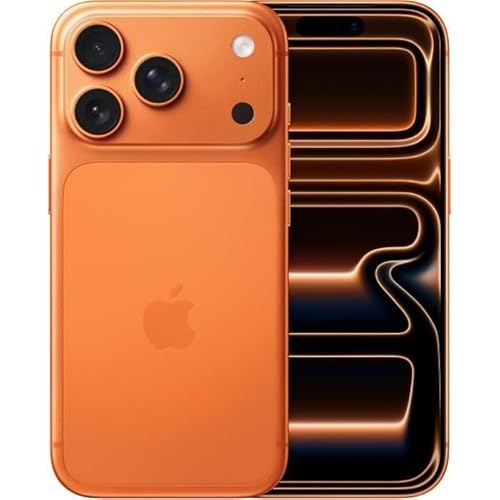
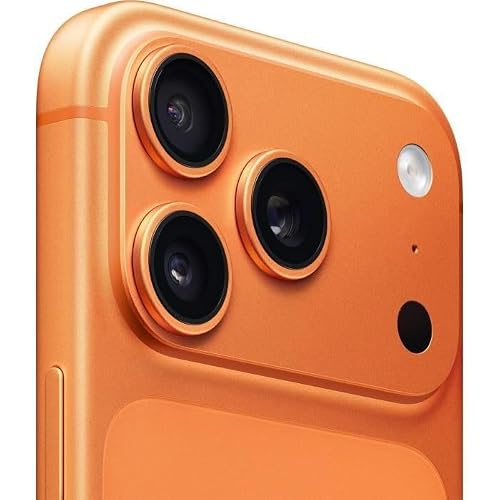
The iPhone 17 Pro is highlighted as a high-end, video-centric device featuring a distinct, full-width rear camera "plateau" and a new, durable "Cosmic Orange" aluminum unibody. It boasts the A19 Pro chip paired with a new vapor chamber cooling system, allowing for sustained, high-performance gaming and intensive video tasks. The camera system stands out with a triple 48MP configuration, including a 4x telephoto lens and enhanced, professional-grade video tools like ProRes RAW and Apple Log 2. Despite these strengths, the review notes the device is notably heavy, exceeding 200g, and comes with a high price tag. The new aluminum finish is reported to be more susceptible to scratches, suggesting that a protective case is necessary for daily use. Furthermore, with the standard iPhone 17 now featuring a 120Hz display, the Pro's premium cost may be harder to justify for users not requiring the advanced telephoto or Pro-level video capabilities.
The iPhone 17 Pro features a highly efficient A19 Pro chip and a 120Hz ProMotion display, offering exceptional speed for gaming and heavy multitasking while introducing a sleeker, thinner design. However, early reports highlight significant overheating during intensive tasks like 4K video recording, leading to thermal throttling, along with iOS 19 software glitches such as unresponsive touch zones. Despite the premium, lightweight titanium chassis, concerns have emerged regarding structural durability, and the high-demand AI features have resulted in rapid battery drain. For more details, visit Cyber-Jay.
The iPhon.fr review presents a highly positive first impression of the iPhone 17 Pro, emphasizing a robust aluminum unibody design with Ceramic Shield 2 on both sides for superior scratch resistance. While slightly thicker and heavier, this allows for a larger battery, complemented by a new anti-reflective display coating and a distinctive "Cosmic Orange" color. Key technical improvements include a vapor chamber cooling system for sustained A19 Pro chip performance, though the increased weight and utilitarian camera plateau design might not suit all users. Key pros include enhanced durability from the dual-sided Ceramic Shield, excellent outdoor visibility, and better thermal management, while cons center on the increased weight, divisive design changes, and the diminished value proposition compared to the now-capable base iPhone 17.
The iPhone 17 Pro secured third place in the DXOMARK camera ranking with 168 points, driven by a 48MP Pro Fusion system across all rear modules. It leads in video (171 points) with improved low-light noise reduction and boasts accurate exposure, wide dynamic range, and high-detail portraits. However, the analysis notes limitations in depth-of-field for group shots and slight texture drops at intermediate zoom settings.
The iPhone 17 Pro shifts to a brushed aluminium design featuring a "camera plateau" and a triple 48MP sensor system powered by the A19 Pro chip and vapor chamber cooling. This configuration delivers 40% better sustained performance, enhanced by a 3,000-nit, anti-reflective display. Notable improvements include superior battery life, 40W charging, and advanced pro camera tools. However, the device faces criticism for a $100 price increase, starting at $1,099 for 256GB, and a polarizing design. While the aluminium structure aids cooling, some users find the aesthetic, particularly the Cosmic Orange, polarizing. Furthermore, high-zoom images may show noise, and the maximum 2TB storage is exclusive to the Pro Max model.
The iPhone 17 Pro is highlighted as a powerful, compact device featuring a new aluminum unibody that enhances cooling for superior sustained performance. Key advantages include the robust A19 Pro chip, an impressive 6.3-inch, 3,000-nit display, and a triple 48MP camera system with 4x optical zoom, all complemented by exceptional battery life. Despite these strengths, the design is considered less premium and more prone to scratches, while the high $1,100 starting price and limited AI innovation present potential downsides.
Frandroid's review of the iPhone 17 Pro highlights a transition to a unibody aluminum design with a prominent "camera plateau," departing from the previous titanium chassis. The device features an upgraded 6.3-inch OLED display reaching 3,000 nits peak brightness and utilizes the A19 Pro chip with a new vapor chamber cooling system for improved, sustained performance. Key strengths include the high-performance camera system, featuring a 48MP array, a 4x telephoto lens, and an innovative 18MP selfie camera. However, the new design, specifically the large camera bump, is described as less premium than its predecessors. While charging speeds have improved to 40W, they still trail many Android competitors. Furthermore, the enhanced features of the standard iPhone 17 make the Pro model’s higher price point harder to justify.
The iPhone 17 Pro, analyzed after a month, is a significant, "fresh" iteration, featuring a new aluminum unibody, A19 Pro chip, and a vapor chamber cooling system that keeps the device cool under heavy use. Key pros include a highly bright, 3,000-nit display with improved anti-reflective coating, a 48MP telephoto lens with 8x "optical quality" zoom, and a 42-hour battery life. However, cons include a heavier, thicker design, the continued "wobble" of the rear camera module, and a lack of advanced AI features in iOS 26.
The TechPrincess review highlights the iPhone 17 Pro as a strategically designed model featuring a striking Cosmic Orange color and a powerful A19 Pro chip. Key pros include an overhauled camera system with a 48-megapixel 4x telephoto lens, along with enhanced battery life providing 7 to 9 hours of screen time. While the Super Retina XDR display offers a premium experience, the review notes that advanced photographic capabilities require expertise to fully utilize. Potential drawbacks include the device's susceptibility to scratches without a case and its high theft appeal, notes the TechPrincess review.
According to a Galaxus review, the iPhone 17 Pro is a "no-nonsense upgrade" prioritizing performance over flashy features, featuring a heat-forged aluminum body that is 0.5mm thicker but improves heat dissipation. The device features a 48-megapixel telephoto sensor with a 56% larger sensor (4x optical zoom) and a new 24-megapixel square selfie camera, complemented by a Ceramic Shield 2 screen with superior scratch resistance. While praised for exceptional battery life exceeding previous Pro Max models and enhanced thermal management, the Pro is hindered by a high price gap relative to the base model and a slightly heavier design.
The DDay.it review highlights the iPhone 17 Pro and Pro Max as an evolutionary step featuring a significant design shift from titanium back to a heat-forged aluminum unibody, complete with a vapor chamber for enhanced thermal management. While the smaller 6.3-inch Pro improves ergonomics, the series gains a triple 48-megapixel camera system with a 4x/8x telephoto lens, supporting 4K/120fps video. Performance is driven by the A19 Pro chip and 12GB of RAM, though the review notes the increased weight and less mature Apple Intelligence features compared to Android rivals. The analysis concludes that for many, the standard iPhone 17 may offer better value than these top-tier models. DDay.it
The SmartWorld review describes the iPhone 17 Pro as a mature flagship, focusing on improved thermal efficiency with a new aluminum unibody and vapor chamber cooling system. It features a 6.3-inch OLED display with 3,000 nits brightness and the A19 Pro chip, paired with 12GB of RAM for high performance. Key camera upgrades include 48MP sensors on all lenses, a 4x optical zoom, and a 18MP front camera, while battery life is bolstered by 40W charging. Pros include exceptional performance, better thermal management, and a versatile camera system, according to the review. However, cons include potential iOS 26 optimization issues, a polarizing design, and an unintuitive Camera Control button. Additionally, the European model lacks the larger battery found in US eSIM versions.
Multiplayer.it’s review of the iPhone 17 Pro highlights a shift to an aluminum unibody with a vapor chamber system for superior thermal management, powering the A19 Pro chip and 12GB of RAM. While praised for performance and design, the "camera plateau" aesthetic is considered divisive. The camera system features a 48MP telephoto lens and an 18MP "Center Stage" front camera, with added ProRAW and Genlock support, though some, like, noted potential image softness. Additionally, the device boasts a 3,000-nit display, improved battery life, and 40W charging, but the high price point makes it harder to justify compared to the standard model.
The iPhone 17 Pro features a "concrete" design, a 6.3-inch, 3,000-nit OLED display, and a vapor chamber-cooled A19 Pro chip with 12 GB of RAM, though it may still heat up. The triple 48-megapixel camera system offers superior photo/video, but the telephoto lens struggles with minimum focus distance. A larger 3,998 mAh battery improves stamina by 15-20%, supporting 50% charge in 20 minutes, yet high prices and the capable standard model make this a power-user choice.
Andrea Galeazzi's review of the iPhone 17 Pro highlights a shift back to an aluminum unibody, praising its improved, more rounded ergonomics and new orange color, though noting the material is more prone to scratches. While powered by the fast A19 Pro chip, the device still faces thermal throttling under heavy load, rendering the new Vapor Chamber system less effective than anticipated. The 3000-nit display is exceptional, yet the updated anti-reflective coating offers only marginal, rather than groundbreaking, improvements. Andrea GaleazziThe camera system is highly rated for creators, particularly for its "genius" square selfie sensor that enables, 16:9 or 9:16 aspect ratios without physical rotation. Despite the enhanced video capabilities and 4x optical zoom, the review concludes that owners of the iPhone 16 Pro will find few reasons to upgrade due to nearly identical battery life and performance in standard usage. Key cons include the more delicate aluminum build and consistent, rather than improved, autonomy.
The iCulture review characterizes the iPhone 17 Pro as a significant refinement focusing on improved thermal management via a new vapor chamber, a faster A19 Pro chip, and enhanced display brightness. Key advantages include a versatile triple 48MP camera system with improved zoom, a 18MP "Center Stage" front camera, and effective Dual Capture functionality. Conversely, the review highlights drawbacks such as a $100 price increase, a shift to a more scratch-prone aluminum design, and AI features that lag behind competitors.
In his review for Bright.nl, Erwin highlights the iPhone 17 Air as a radical, ultra-thin (5.66 mm) design focused on style, though it compromises with only a single rear camera and lower battery capacity. The iPhone 17 Pro is positioned as the functional alternative, featuring a 48MP telephoto lens with 8x optical-quality zoom, vapor chamber cooling for the A19 Pro chip, but reverts to an aluminium unibody, losing some premium feel. Across the lineup, upgrades include a 120Hz ProMotion display and an 18MP "Center Stage" selfie camera, with the standard iPhone 17 offering the best balance for most users.
The ICT Magazine review of the iPhone 17 Pro highlights it as a technically superior device featuring a powerful A19 Pro chip, a 144Hz display, and a 48MP triple-camera system, marking it as a top-tier smartphone. Despite these advancements, the review notes the device suffers from incremental design changes, a high price tag, and non-exclusive AI features, making it a modest upgrade over recent models. Key strengths include exceptional performance and camera quality, while drawbacks involve slow charging and the lack of a major redesign.
The iPhone 17 series introduces a major hardware shift featuring a milled aluminium unibody, the A19 Pro chip, and a new vapor chamber cooling system for improved thermal management. Display advancements include 3,000 nits peak brightness and Ceramic Shield 2, while the camera system boasts three 48-megapixel sensors and a 18MP "Center Stage" selfie camera. Pros highlight unmatched battery life on the Pro Max (up to 39 hours) and a fresh, distinct design. Conversely, the devices are noted for being bulky and heavy, with the Pro Max weighing 233g, causing potential ergonomic issues. The polarising, large rear camera module and high price point are cited as significant drawbacks, particularly with Pro features like ProMotion migrating to the standard model. The review emphasizes that the 17 Pro Max delivers industry-leading performance and endurance, but at the cost of a heavier, less ergonomic design. Overall, it presents a significant, albeit expensive, hardware overhaul for Apple.

Compare