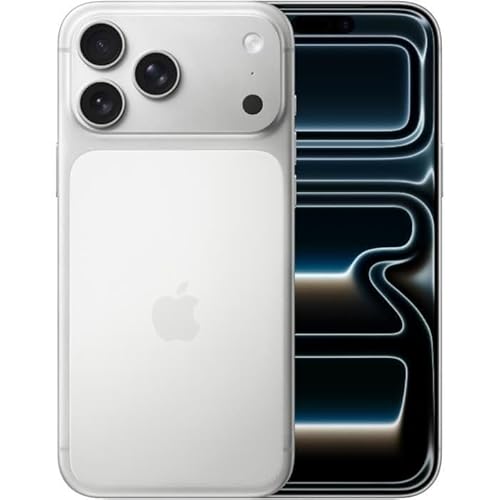
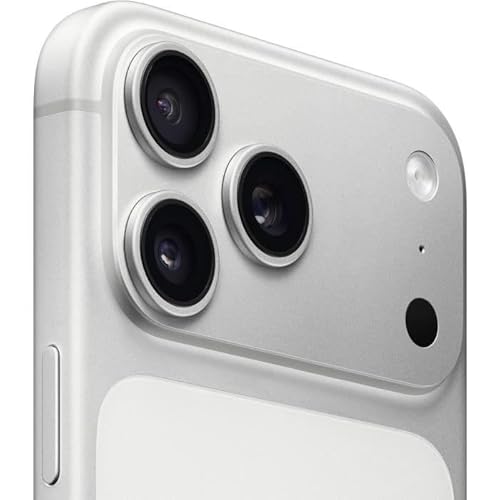
Apple iPhone 17 Pro Max (12GB + 2TB) review. Compare 197 technical specifications and user reviews to see how this product ranks in the Smartphones category and whether it is worth buying.
Overall score
What it is: An overall evaluation of the smartphone's quality, based on technical analyses and user reviews.
When it matters: When you need a quick reference to identify the best smartphones on the market.
Score components:
90.0%
Technical Score
10.0%
User score
Technical Score
What it is: An assessment of the smartphone's technical performance, covering eight key areas: performance & hardware, software, camera, connectivity, display, battery, audio, and design.
When it matters: When you want to compare smartphones based on technical performance and available features.
Score components:
25.0%
Performance & Hardware
18.0%
Camera
15.0%
Display
15.0%
Battery
10.0%
Software
10.0%
Connectivity
4.0%
Audio
3.0%
Design
User score
What it is: A rating that combines user reviews and the total number of reviews received by the smartphone
When it matters: When you want to know how a smartphone handles daily tasks and how reliable it remains over time according to user feedback.
Score components:
70.0%
User reviews
30.0%
Popularity

Available: ranking among products currently available (including other versions of this product).
All: ranking among all products in the database.
#1 in Best Apple Smartphones
#12 in Best 7-Inch Smartphones
#21 in Best Camera Smartphones
#24 in Best Smartphones
#24 in Best NFC Smartphones
#24 in Best 5G Smartphones
#24 in Best AI Smartphones
#461 in Best Battery Life Smartphones
What it is: An assessment of the smartphone's technical performance, covering eight key areas: performance & hardware, software, camera, connectivity, display, battery, audio, and design.
When it matters: When you want to compare smartphones based on technical performance and available features.
Score components:
25.0%
Performance & Hardware
18.0%
Camera
15.0%
Display
15.0%
Battery
10.0%
Software
10.0%
Connectivity
4.0%
Audio
3.0%
Design
What it is: A rating that combines user reviews and the total number of reviews received by the smartphone
When it matters: When you want to know how a smartphone handles daily tasks and how reliable it remains over time according to user feedback.
Score components:
70.0%
User reviews
30.0%
Popularity
What it is: An indicator that combines the smartphone's overall rating with its cost.
When it matters: When you are looking for a smartphone with a good balance between quality and price.
Score components:
60.0%
Overall score
40.0%
Price
Importance: LOW
Importance: HIGH
Importance: HIGH
Good value: >12 GB
Importance: MEDIUM
Good value: >256 GB
Importance: MEDIUM
Good value: >3.2 GHz
Importance: LOW
Importance: MEDIUM
Good value: >1500
Importance: LOW
Good value: >4000
Importance: LOW
Good value: 8+
Importance: LOW
Importance: LOW
Good value: >950 MHz
Importance: LOW
Good value: >700
Importance: LOW
Good value: >1000
Importance: LOW
Good value: >2500
Importance: MEDIUM
Good value: >6000
Importance: LOW
Good value: >8000
Importance: MEDIUM
Good value: >12000
Importance: LOW
Good value: >5000
Importance: LOW
Good value: >1800
Importance: LOW
Good value: >3200 MHz
Importance: LOW
Good value: 5
Importance: LOW
Good value: > 50 GB/s
Importance: LOW
Good value: 4
Importance: LOW
Good value: >16 GB
Importance: MEDIUM
Good value: <6 nm
Importance: MEDIUM
Good value: >9 W
Importance: LOW
Importance: LOW
Good value: >8192 KB
Importance: LOW
Good value: >2048 KB
Importance: LOW
Good value: >512 KB
Importance: LOW
Good value: >100000 million
Importance: LOW
Good value: 3.3
Importance: LOW
Good value: 3.2
Importance: LOW
Good value: 2.0/3.0
Importance: LOW
Importance: LOW
Importance: LOW
Importance: MEDIUM
Importance: LOW
Importance: LOW
Importance: LOW
Importance: LOW
Importance: LOW
Importance: LOW
Importance: LOW
Importance: LOW
Importance: LOW
Importance: LOW
Importance: LOW
Importance: LOW
Importance: LOW
Importance: LOW
Importance: LOW
Importance: LOW
Importance: LOW
Importance: LOW
Importance: LOW
Importance: LOW
Importance: LOW
Importance: LOW
Importance: LOW
Importance: LOW
Importance: LOW
Importance: LOW
Importance: LOW
Importance: LOW
Importance: LOW
Importance: LOW
Importance: LOW
Importance: LOW
Importance: LOW
Importance: MEDIUM
Good value: >50 MP
Importance: MEDIUM
Importance: HIGH
Good value: >60
Importance: LOW
Good value: ≥1.2 µm
Importance: MEDIUM
Good value: >2.5x
Importance: MEDIUM
Importance: LOW
Importance: LOW
Importance: LOW
Importance: LOW
Good value: ≥2
Importance: LOW
Importance: LOW
Importance: LOW
Importance: LOW
Good value: >16 MP
Importance: LOW
Importance: LOW
Importance: LOW
Importance: LOW
Importance: MEDIUM
Importance: LOW
Importance: LOW
Importance: LOW
Importance: LOW
Importance: LOW
Importance: LOW
Importance: LOW
Importance: LOW
Importance: LOW
Importance: LOW
Importance: LOW
Importance: LOW
Importance: LOW
Importance: LOW
Importance: LOW
Importance: LOW
Importance: LOW
Importance: LOW
Importance: LOW
Importance: LOW
Importance: LOW
Good value: >130
Importance: LOW
Good value: >120
Importance: LOW
Good value: ≥2
Importance: LOW
Importance: LOW
Importance: LOW
Importance: LOW
Importance: LOW
Importance: LOW
Good value: >5.2
Importance: LOW
Importance: LOW
Importance: LOW
Importance: LOW
Good value: 3.1/3.2
Importance: LOW
Importance: LOW
Importance: LOW
Good value: ≥2
Importance: LOW
Importance: LOW
Importance: LOW
Importance: LOW
Importance: LOW
Importance: LOW
Importance: LOW
Importance: LOW
Importance: LOW
Importance: LOW
Importance: LOW
Importance: LOW
Importance: LOW
Importance: LOW
Importance: LOW
Importance: LOW
Good value: ≥6.6 inches
Importance: MEDIUM
Importance: LOW
Good value: >400 ppi
Importance: MEDIUM
Importance: MEDIUM
Good value: ≥120 Hz
Importance: LOW
Importance: LOW
Good value: >300 Hz
Importance: LOW
Good value: >800 nits
Importance: LOW
Good value: >1300 nits
Importance: LOW
Good value: >1000 nits
Importance: LOW
Importance: LOW
Importance: LOW
Importance: LOW
Importance: LOW
Importance: LOW
Importance: LOW
Importance: LOW
Importance: HIGH
Good value: >5000 mAh
Importance: MEDIUM
Good value: >60 W
Importance: LOW
Importance: LOW
Good value: <45 min
Importance: LOW
Importance: LOW
Good value: >40 W
Importance: LOW
Importance: LOW
Good value: >10 W
Importance: LOW
Importance: LOW
Importance: MEDIUM
Importance: LOW
Good value: >800
Importance: LOW
Importance: LOW
Importance: LOW
Importance: LOW
Importance: LOW
Good value: ≥3
Importance: LOW
Importance: LOW
Importance: LOW
Importance: LOW
Importance: LOW
Importance: LOW
Importance: LOW
Good value: <162 mm
Importance: LOW
Good value: <75 mm
Importance: LOW
Good value: <8 mm
Importance: LOW
Good value: <190 g
Importance: LOW
Good value: <98cm³
Importance: LOW
Importance: LOW
Importance: LOW
Importance: LOW
Importance: LOW
Importance: LOW
Good value: ≥1.5 m
Importance: LOW
Importance: LOW
Good value: >8
Importance: LOW
Importance: LOW
Importance: MEDIUM
Good value: >2.5x
Importance: MEDIUM
Good value: >256 GB
Importance: HIGH
Good value: >60
Importance: MEDIUM
Importance: MEDIUM
Good value: >1500
Importance: MEDIUM
Good value: >3.2 GHz
Importance: MEDIUM
Good value: <6 nm
Importance: LOW
Importance: LOW
Importance: LOW
Importance: LOW
Importance: MEDIUM
Good value: >50 MP
Importance: LOW
Importance: LOW
Good value: <190 g
Importance: LOW
Good value: 8+
Importance: LOW
Good value: 3.2
(Reviews last updated: August 2026)
(Reviews last updated: August 2026)
(Reviews last updated: August 2026)
(Reviews last updated: August 2026)
PhoneArena rates the iPhone 17 Pro Max 7.9, noting a practical design shift to an aluminum unibody that features a camera plateau eliminating table wobble, but is more scratch-prone than previous titanium. The review highlights performance gains from the A19 Pro chip and 12GB of RAM, aided by a new vapor chamber cooling system that improves sustained gaming performance. While the camera system receives a mixed assessment, praising the improved 18MP selfie and new 48MP 4x telephoto lenses, it notes cons such as the lack of 8K video and lagging behind competitors in extreme zoom and AI features.
Pete Matheson’s review of the iPhone 17 Pro Max highlights a significant design shift, featuring a lighter aluminum alloy frame and a thinner "Slim" profile that manages to maintain battery life. While the lighter, sleeker design is a major pro, it introduces a pronounced camera bump that causes the device to wobble on flat surfaces. The device debuts the A19 Pro chip for improved thermal management and a "Super Retina XDR Pro" display with higher brightness and a smaller, more efficient Dynamic Island. However, a significant drawback is that the base storage remains at 256GB, which may be insufficient for power users. Camera improvements include a new 48MP telephoto lens and dedicated hardware buttons for focus and shutter control, though the review notes that several advertised AI features are still in beta or regionally restricted at launch. For a full, detailed analysis, visit petematheson.com.
In a one-month review of the iPhone 17 Pro Max, standout features include exceptional battery life and a lighter, refined unibody aluminum design. The device is highly praised for performance, utilizing the A19 Pro chip with superior thermal management, along with a 48MP triple camera system and an 18MP front camera. However, the review notes drawbacks regarding a lack of truly impactful AI features and a massive 6.9-inch footprint that may not appeal to all users. Tom'
The iPhone 17 Pro Max introduces a significant design shift to a heat-forged aluminum unibody, featuring improved thermal management through a new vapor chamber cooling system and bold color options like Cosmic Orange. Performance is driven by the A19 Pro chip and a 6.9-inch, 3,000-nit display, while the upgraded camera system includes a triple 48MP array and a new 18MP "Center Stage" front camera. While it boasts industry-leading battery life, drawbacks include the divisive "Liquid Glass" UI, the aluminum chassis being prone to scratches, and a large, heavy form factor that makes one-handed use challenging.
Paul Thurrott’s first impressions of the iPhone 17 Pro Max describe it as a balanced device that is surprisingly not as thick or heavy as expected, feeling lighter than some Android rivals. Key hardware improvements include a transition to an aluminum unibody and a new vapor chamber to address previous thermal issues, alongside a camera "plateau" design that eliminates wobbling on flat surfaces. The device also features a 18MP "Center Stage" selfie camera, a fast A19 Pro chip, faster charging, and a 2TB storage option. Despite these strengths, the review notes cons including limited color options, with the Deep Blue model being a more subtle choice over the "garish" Cosmic Orange. Thurrott highlights frustration with complex, overwhelming camera settings and awaits further testing to see if the thermal system truly resolves past overheating concerns.
The iPhone 17 Pro is presented as a balanced option in the 2025 Apple lineup, featuring a new aluminum unibody with a horizontal camera plateau and an upgraded 6.3-inch Super Retina XDR display with improved durability and brightness. Key advantages include enhanced performance from the A19 Pro chip and a vapor chamber cooling system, a significantly upgraded triple 48MP camera system with a new 18MP front camera, and improved battery life with faster charging. However, notable drawbacks include a higher starting price of $1,099, a heavier build exceeding 200g, and the new aluminum frame's susceptibility to scratches, potentially requiring a case; additionally, the standard iPhone 17 now includes the 120Hz ProMotion display, making the Pro model's price harder to justify without the specific telephoto zoom or advanced video features. Apple iPhone 17 Pro£1,099.00& more prices4.4(8.7k)Apple iPhone 17£799.00& more prices4.6(8.6k)
Macworld describes the iPhone 17 Pro Max as primarily designed for professional creators, featuring a new wide "plateau" camera module and an aluminum unibody for improved thermal management with its A19 Pro chip. Key advantages include an advanced 48MP triple-lens camera system with 8x optical-quality sensor crop and a high-quality 24MP default image output, alongside the longest battery life ever in an iPhone at up to 39 hours. However, the device is thicker and heavier, potentially making it cumbersome, and features like Dual Capture video have a learning curve.
The iPhone 17 Pro Max features a new heat-forged aluminum unibody design and a vapor chamber cooling system that enhances thermal management. This allows the A19 Pro chip and 12GB of RAM to sustain high performance during intensive tasks without significant throttling. The camera system includes three 48MP rear sensors and an 18MP front camera with Center Stage, while the 6.9-inch display now reaches 3,000 nits peak brightness. Drawbacks include the potentially divisive "Liquid Glass" UI in iOS 26, the vapor chamber offering minimal benefit for casual users, and Center Stage struggling with rapid movement. The device is also described as thick and heavy at 233g, though it offers a 39-hour battery life.
The Engadget review details the iPhone 17 Pro and Pro Max's shift to a more durable aluminum unibody with vapor chamber cooling, offering 40% better sustained performance but resulting in a thicker design and larger camera bump. Pros include an upgraded 48MP camera system with 8x optical-quality zoom and a new 18MP Center Stage front camera, while a con is that zoomed images beyond 8x lack sharpness compared to competitors. The devices feature the longest iPhone battery life yet (up to 39 hours video playback) and a 3,000-nit display with Ceramic Shield 2, making them potent phones despite the high starting price. Apple iPhone 17 Pro£1,099.00& more prices4.4(8.7k)Apple iPhone 17 Pro Max£1,399.00& more prices4.2(11.4k)
The CNET review of the Apple iPhone 17 Pro and 17 Pro Max highlights significant battery life and performance gains from the new A19 Pro chip and vapor chamber cooling system, alongside a comprehensive camera upgrade with all three rear lenses featuring 48 megapixels. Potential downsides noted include a minimal design update with a prominent camera bump, Apple Intelligence features feeling unfinished, and a high price point.
According to IMTEST, the standard iPhone 17 represents a significant technical advancement, narrowing the gap with Pro models by introducing a 6.3-inch OLED display with 120Hz ProMotion, Always-on functionality, and increased screen brightness. The device is powered by the A19 chip, supports Apple Intelligence, and enhances durability with Ceramic Shield 2, alongside a base storage capacity of 256GB. Camera upgrades include a 48-megapixel ultrawide sensor and an 18-megapixel "Center Stage" front camera, though the overall design remains largely unchanged from the iPhone 16. Pros include the ProMotion display and improved cameras, while cons are the identical design, lack of a dedicated telephoto lens, and slow USB 2.0 data transfer speeds.
The iPhone 17 series features the new 5.6mm thin "iPhone Air" and universal 120Hz ProMotion displays across the lineup, driven by A19 and A19 Pro chips. While the base iPhone 17 offers improved cameras and battery, the Pro models feature 8x optical zoom and enhanced performance. However, the ultra-thin Air model is limited to a single camera, slower USB 2.0 speeds, and potential heating issues, according to reviews.
The Capital.fr review identifies the iPhone 17 Pro Max as a major redesign, featuring a new aluminum unibody, a wide "photo plateau," and the introduction of a vapor chamber for enhanced A19 Pro chip performance. Photography is bolstered by a 48-megapixel triple camera system with a 4x optical zoom and a 6.9-inch display with 3,000 nits brightness and improved Ceramic Shield 2. Key drawbacks include increased weight and thickness, an eSIM-only limitation in some regions, a high £1,199/$1,199 starting price, and potential, easy-to-spot scratches on the new aluminum frame.
The iPhone 17 Pro and Pro Max feature a heat-forged aluminium unibody with a vapor chamber and A19 Pro chip to improve thermal performance and durability. Both models offer a 3,000-nit, 48-megapixel triple-sensor camera system, with the Pro Max boasting over 32 hours of battery life. Key drawbacks include high starting prices of $1,099 and $1,199, a polarizing design with a large camera "plateau," and increased weight and thickness, with the Pro Max reaching 233g. Additionally, the new aluminum finish is reported to be prone to scuffing.
Frandroid’s review of the iPhone 17 Pro Max highlights a design shift to a heat-forged aluminum unibody with more comfortable, rounded edges, though the camera module is prone to rapid scratching. The A19 Pro chip paired with a new vapor chamber effectively eliminates thermal throttling for superior performance, while the 6.9-inch OLED display achieves impressive 2400-nit peak brightness. While the triple 48-megapixel camera offers a versatile, high-quality experience and the battery life shows clear improvements for all-day use, the "Liquid Glass" interface brings a subjective aesthetic change.
The iPhone 17 Pro Max features the A19 Pro chip with a vapor chamber cooling system for sustained peak performance and delivers industry-leading battery life, often exceeding 30 hours of video playback. It boasts a 6.9-inch display with 3,000 nits peak brightness and introduces a triple 48MP camera array with a new 18MP "Center Stage" selfie camera. However, the device is criticized for its heavier, thicker aluminum design, a divisive camera module, and a high starting price of £1,199. For more details, visit PCMag UK.
According to the Phonandroid review, the iPhone 17 Pro Max shifts to a heat-forged aluminium frame and features a new vapor chamber cooling system for improved thermal management and sustained performance. While the A19 Pro chip and cooling are major pros, the aluminum build is considered less premium and more prone to damage than titanium. The device boasts a 6.9-inch screen with reduced glare, though it remains heavy and uncomfortable for one-handed use. Battery life is a standout feature, offering two-day capacity, supported by faster 40W charging. The camera system, featuring a 48-megapixel sensor, excels in video recording (4K/120fps) and introduces an 8x effective zoom. A notable downside is that low-light still photography performance trails behind competitors. Despite using less expensive materials, the iPhone 17 Pro Max maintains a high starting price of $1,199. The device is highly recommended for its performance and battery, provided users manage its significant weight and bulky form factor.
In a three-month review, Applesfera calls the iPhone 17 Pro Max the best, most balanced device they've used, highlighting a new vapor chamber for superior thermal management. Key pros include a 3,000-nit display and a 48MP camera system with an 8x optical-quality zoom, though the aluminum unibody is noted to be more prone to scratches than titanium. While performance is top-tier, cons include the device's heavy, bulky 6.9-inch form factor, the large camera bump, and Apple Intelligence features that still lag behind competitors.
The iPhone 17 Pro Max marks a design shift from titanium to an aluminum unibody, featuring a 6.9-inch display with 3,000-nit brightness and a vapor chamber cooling system to maximize the A19 Pro chip's performance. Its camera capabilities are enhanced by a triple 48MP system and 4K 120fps recording, supported by significant battery life improvements. However, the device faces criticism for its high price, substantial weight, and a polarizing, less durable design that is prone to scratching.
The iPhone 17 Pro and Pro Max review highlights a shift to an aluminum unibody with a vapor chamber, which improves heat dissipation for professional workloads but introduces a more scratch-prone, delicate chassis. Key pros include enhanced cooling for reduced thermal throttling, alongside a new 18MP selfie camera with a square sensor designed for 9:16 vertical content. However, the device can still get hot during heavy use.
The iPhone 17 Pro Max introduces a major design overhaul featuring a milled aluminum unibody, a "full-width camera plateau," and vibrant new color options like Cosmic Orange. Performance is driven by the A19 Pro chip with 12GB of RAM and a vapor chamber cooling system that eliminates thermal throttling, while the 6.9-inch display now boasts 3,000-nit brightness and a new anti-reflective coating. Key pros include an advanced triple 48MP camera system with 4x optical zoom, an 18MP front camera with Center Stage, and exceptional 30+ hour battery life, though potential drawbacks include a steep €1.489 starting price, an awkward camera bump angle, and an occasionally confusing new iOS 26 camera app.
Andrea Galeazzi defines the iPhone 17 Pro Max as a, high-performance "beast" featuring a 6.9-inch OLED display (3,000 nits) and an aluminium unibody with a new vapour chamber, which improves heat dissipation but increases vulnerability to scratches compared to titanium. Key advancements include an 18MP "Center Stage" front camera for landscape selfies and a 48MP rear system with 8x optical-quality zoom, though the ultra-wide lens shows low-light noise and the anti-reflective coating offers only minor improvements. Performance is driven by the A19 Pro chip and 12GB of RAM, powering an industry-leading battery, yet early iOS 26 software bugs and the device's substantial weight (233g) are notable drawbacks.
The iPhone 17 Pro is characterized as a refined, high-performance device featuring the A19 Pro chip with vapor chamber cooling, which significantly reduces overheating during intense tasks. Key advantages include a superior 48MP telephoto lens with 4x optical zoom and enhanced battery life, often lasting two days with light usage. However, the device faces criticism for its high price, lack of radical innovation, and a new aluminum unibody design that is reportedly prone to scratching. Additionally, the Pro's, now identical, footprint to the standard model makes the premium cost harder to justify for non-power users. Other notable features include the improved 18MP "Center Stage" front-facing camera for better low-light performance. Despite these improvements, a $100 price increase and a lack of certain advanced AI features may deter some users.
The iPhone 17 series represents a significant upgrade, with the base model finally adopting a 120Hz LTPO display with a new anti-reflective coating and improved brightness, making it a competitive flagship. Pro models feature a new vapor chamber cooling system for sustained performance during intensive tasks. Furthermore, the camera system is upgraded with an 18MP Center Stage front camera, and the Pro Max offers 48MP sensors with improved 4x optical zoom and record-breaking battery life exceeding 30 hours. However, the lineup has notable drawbacks, including the absence of a dedicated telephoto lens on the base iPhone 17, increased weight for the Pro Max, and concerns about the aluminum unibody's durability, which is more prone to scratching. Additionally, many Apple Intelligence features are unavailable at launch in several regions.
The iPhone 17 Pro Max serves as a major upgrade featuring a 6.9-inch OLED display with 3,000 nits peak brightness and a new aluminum unibody design with a vapor chamber cooling system for the A19 Pro chip. Pros include an exceptional 39-hour battery life, enhanced Ceramic Shield 2 durability, a new 18MP Center Stage camera, and superior sustained performance. However, the device is notably thicker and heavier, comes with a high price point, offers only incremental improvements to still photography, and has slower charging speeds compared to Android competitors.

Compare