Apple iPhone Air (12GB + 256GB) review. Compare 197 technical specifications and user reviews to see how this product ranks in the Smartphones category and whether it is worth buying.
Overall score
What it is: An overall evaluation of the smartphone's quality, based on technical analyses and user reviews.
When it matters: When you need a quick reference to identify the best smartphones on the market.
Score components:
90.0%
Technical Score
10.0%
User score
Technical Score
What it is: An assessment of the smartphone's technical performance, covering eight key areas: performance & hardware, software, camera, connectivity, display, battery, audio, and design.
When it matters: When you want to compare smartphones based on technical performance and available features.
Score components:
25.0%
Performance & Hardware
18.0%
Camera
15.0%
Display
15.0%
Battery
10.0%
Software
10.0%
Connectivity
4.0%
Audio
3.0%
Design
User score
What it is: A rating that combines user reviews and the total number of reviews received by the smartphone
When it matters: When you want to know how a smartphone handles daily tasks and how reliable it remains over time according to user feedback.
Score components:
70.0%
User reviews
30.0%
Popularity
Available: ranking among products currently available (including other versions of this product).
All: ranking among all products in the database.
#7 in Best Apple Smartphones
#101 in Best Large-Screen Smartphones
#113 in Best NFC Smartphones
#114 in Best Smartphones
#114 in Best 5G Smartphones
#114 in Best AI Smartphones
#177 in Best Camera Smartphones
#1055 in Best Value Smartphones
What it is: An assessment of the smartphone's technical performance, covering eight key areas: performance & hardware, software, camera, connectivity, display, battery, audio, and design.
When it matters: When you want to compare smartphones based on technical performance and available features.
Score components:
25.0%
Performance & Hardware
18.0%
Camera
15.0%
Display
15.0%
Battery
10.0%
Software
10.0%
Connectivity
4.0%
Audio
3.0%
Design
What it is: A rating that combines user reviews and the total number of reviews received by the smartphone
When it matters: When you want to know how a smartphone handles daily tasks and how reliable it remains over time according to user feedback.
Score components:
70.0%
User reviews
30.0%
Popularity
What it is: An indicator that combines the smartphone's overall rating with its cost.
When it matters: When you are looking for a smartphone with a good balance between quality and price.
Score components:
60.0%
Overall score
40.0%
Price
Importance: LOW
Importance: HIGH
Importance: HIGH
Good value: >12 GB
Importance: MEDIUM
Good value: >256 GB
Importance: MEDIUM
Good value: >3.2 GHz
Importance: LOW
Importance: MEDIUM
Good value: >1500
Importance: LOW
Good value: >4000
Importance: LOW
Good value: 8+
Importance: LOW
Importance: LOW
Good value: >950 MHz
Importance: LOW
Good value: >700
Importance: LOW
Good value: >1000
Importance: LOW
Good value: >2500
Importance: MEDIUM
Good value: >6000
Importance: LOW
Good value: >8000
Importance: MEDIUM
Good value: >12000
Importance: LOW
Good value: >5000
Importance: LOW
Good value: >1800
Importance: LOW
Good value: >3200 MHz
Importance: LOW
Good value: 5
Importance: LOW
Good value: > 50 GB/s
Importance: LOW
Good value: 4
Importance: LOW
Good value: >16 GB
Importance: MEDIUM
Good value: <6 nm
Importance: MEDIUM
Good value: >9 W
Importance: LOW
Importance: LOW
Good value: >8192 KB
Importance: LOW
Good value: >2048 KB
Importance: LOW
Good value: >512 KB
Importance: LOW
Good value: >100000 million
Importance: LOW
Good value: 3.3
Importance: LOW
Good value: 3.2
Importance: LOW
Good value: 2.0/3.0
Importance: LOW
Importance: LOW
Importance: LOW
Importance: MEDIUM
Importance: LOW
Importance: LOW
Importance: LOW
Importance: LOW
Importance: LOW
Importance: LOW
Importance: LOW
Importance: LOW
Importance: LOW
Importance: LOW
Importance: LOW
Importance: LOW
Importance: LOW
Importance: LOW
Importance: LOW
Importance: LOW
Importance: LOW
Importance: LOW
Importance: LOW
Importance: LOW
Importance: LOW
Importance: LOW
Importance: LOW
Importance: LOW
Importance: LOW
Importance: LOW
Importance: LOW
Importance: LOW
Importance: LOW
Importance: LOW
Importance: LOW
Importance: LOW
Importance: LOW
Importance: MEDIUM
Good value: >50 MP
Importance: MEDIUM
Importance: HIGH
Good value: >60
Importance: LOW
Good value: ≥1.2 µm
Importance: MEDIUM
Good value: >2.5x
Importance: MEDIUM
Importance: LOW
Importance: LOW
Importance: LOW
Importance: LOW
Good value: ≥2
Importance: LOW
Importance: LOW
Importance: LOW
Importance: LOW
Good value: >16 MP
Importance: LOW
Importance: LOW
Importance: LOW
Importance: LOW
Importance: MEDIUM
Importance: LOW
Importance: LOW
Importance: LOW
Importance: LOW
Importance: LOW
Importance: LOW
Importance: LOW
Importance: LOW
Importance: LOW
Importance: LOW
Importance: LOW
Importance: LOW
Importance: LOW
Importance: LOW
Importance: LOW
Importance: LOW
Importance: LOW
Importance: LOW
Importance: LOW
Importance: LOW
Importance: LOW
Good value: >130
Importance: LOW
Good value: >120
Importance: LOW
Good value: ≥2
Importance: LOW
Importance: LOW
Importance: LOW
Importance: LOW
Importance: LOW
Importance: LOW
Good value: >5.2
Importance: LOW
Importance: LOW
Importance: LOW
Importance: LOW
Good value: 3.1/3.2
Importance: LOW
Importance: LOW
Importance: LOW
Good value: ≥2
Importance: LOW
Importance: LOW
Importance: LOW
Importance: LOW
Importance: LOW
Importance: LOW
Importance: LOW
Importance: LOW
Importance: LOW
Importance: LOW
Importance: LOW
Importance: LOW
Importance: LOW
Importance: LOW
Importance: LOW
Importance: LOW
Good value: ≥6.6 inches
Importance: MEDIUM
Importance: LOW
Good value: >400 ppi
Importance: MEDIUM
Importance: MEDIUM
Good value: ≥120 Hz
Importance: LOW
Importance: LOW
Good value: >300 Hz
Importance: LOW
Good value: >800 nits
Importance: LOW
Good value: >1300 nits
Importance: LOW
Good value: >1000 nits
Importance: LOW
Importance: LOW
Importance: LOW
Importance: LOW
Importance: LOW
Importance: LOW
Importance: LOW
Importance: LOW
Importance: HIGH
Good value: >5000 mAh
Importance: MEDIUM
Good value: >60 W
Importance: LOW
Importance: LOW
Good value: <45 min
Importance: LOW
Importance: LOW
Good value: >40 W
Importance: LOW
Importance: LOW
Good value: >10 W
Importance: LOW
Importance: LOW
Importance: MEDIUM
Importance: LOW
Good value: >800
Importance: LOW
Importance: LOW
Importance: LOW
Importance: LOW
Importance: LOW
Good value: ≥3
Importance: LOW
Importance: LOW
Importance: LOW
Importance: LOW
Importance: LOW
Importance: LOW
Importance: LOW
Good value: <162 mm
Importance: LOW
Good value: <75 mm
Importance: LOW
Good value: <8 mm
Importance: LOW
Good value: <190 g
Importance: LOW
Good value: <98cm³
Importance: LOW
Importance: LOW
Importance: LOW
Importance: LOW
Importance: LOW
Importance: LOW
Good value: ≥1.5 m
Importance: LOW
Importance: LOW
Good value: >8
Importance: LOW
Importance: LOW
Importance: MEDIUM
Importance: MEDIUM
Good value: >1500
Importance: MEDIUM
Good value: >3.2 GHz
Importance: MEDIUM
Good value: <6 nm
Importance: LOW
Importance: HIGH
Importance: LOW
Importance: LOW
Importance: HIGH
Good value: >5000 mAh
Importance: LOW
Importance: LOW
Importance: LOW
Importance: LOW
Importance: MEDIUM
Good value: >50 MP
Importance: LOW
Good value: <45 min
Importance: LOW
Good value: ≥6.6 inches
(Reviews last updated: August 2026)
(Reviews last updated: August 2026)
(Reviews last updated: August 2026)
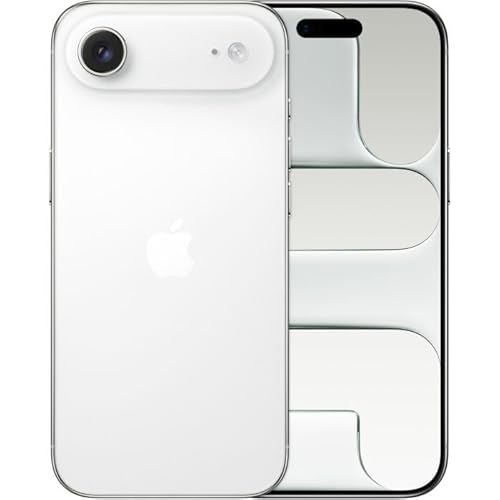
The iPhone Air is defined by its 5.6 mm titanium frame and 165-gram weight, offering an exceptionally thin, premium design with a 6.5-inch 120Hz OLED display. Pros include high performance from the A19 Pro chip, good battery life, and a robust build that resists bending. However, the device forces significant compromises, most notably a downgrade to a mono speaker system that lacks bass and distorts at high volumes. The camera is limited to a single 48MP sensor, lacking the versatility of ultrawide or telephoto lenses, and the high-gloss frame is slippery and prone to fingerprints. DigitecUltimately, while considered a technical feat, the iPhone Air is described as prioritizing style over substance, offering poor value compared to the Pro models due to these functional sacrifices.
According to a Spiegel review, the iPhone 17 series marks a significant shift, with standard models narrowing the gap to "Pro" versions by adopting a 120Hz ProMotion display and 3,000-nit peak brightness. The new 5.6mm iPhone 17 Air is highlighted as a stylish, lightweight option, though it sacrifices versatility with a single 48MP rear lens and offers only average battery life. The iPhone 17 Pro Max is identified as the powerhouse, featuring a 6.9-inch display and a vapor chamber for performance, though it remains heavy at 233g. Pros across the line include the ProMotion displays, high peak brightness, and a new 18MP selfie camera with better, while cons include slow 40W charging compared to competitors and the limited camera capabilities of the Air.
The 20 Minuten review describes the iPhone Air as a remarkably thin (5.64 mm) and lightweight device featuring high-quality titanium construction and a vibrant 120Hz ProMotion display with 3000-nits peak brightness. While powered by a modified A19 Pro chip for fast performance, the device is prone to overheating near the camera during intensive tasks. Ultimately, the review notes that the design compromises, including a single 48MP rear camera and weak mono audio, make it a lifestyle choice over a pro-level device, with a significantly shorter battery life.
The iPhone Air is highlighted as a remarkably slim (5.6mm) and lightweight (165g) device featuring a durable titanium frame and a 6.5-inch Super Retina XDR display with 120Hz ProMotion. Key advantages include its top-tier A19 Pro performance and a highly praised 18MP "Center Stage" front camera, making it a standout for aesthetics and usability. However, compromises include a single 48MP rear camera, shorter battery life compared to other models, and a mono-speaker setup.
The Alza.at review describes the iPhone Air as a exceptionally thin (5.6 mm) and durable device featuring a Grade 5 titanium frame and Ceramic Shield 2 protection. It boasts a 6.5-inch Super Retina XDR display with 3,000 nits peak brightness, paired with the A19 Pro chip for high performance, though some Apple Intelligence features are currently restricted. Key advantages include its lightweight, premium design, and a 120Hz ProMotion screen, while limitations include a single-lens camera, potential overheating during heavy use, and lower battery capacity compared to other models.
The iPhone Air features an exceptionally thin 5.6mm titanium chassis that is highly durable, marking a significant design shift for Apple. The device offers a high-performance 6.5-inch 120Hz OLED display, though it lacks the advanced cooling of Pro models, causing it to run hot. Key compromises for this design include a single 48MP rear camera, lower battery capacity, and limited USB 2.0 speeds.
The iPhone Air is presented as a design-focused "technical marvel," prioritizing an ultra-thin 5.6 mm, 165g titanium profile for superior comfort and media consumption. It features a 6.5-inch Super Retina XDR OLED display with a 120Hz refresh rate, offering a high-quality visual experience despite the device's extreme slimness. While packing an A19 Pro chip with 12GB of RAM for top-tier speed, the device sacrifices camera versatility and audio quality, featuring only a single 48MP camera and a mono speaker. Ultimately, the review suggests this is a niche, "heart-driven" purchase, as the compromises make the Pro models better options for most users.
The iPhone Air features a significant design overhaul, characterized by an ultra-slim 5.64mm titanium frame weighing only 165g, alongside a 6.5-inch 120Hz ProMotion display. Key benefits include top-tier performance from the A19 Pro chip, 12GB of RAM, and high-brightness screen capabilities, though the design is prone to fingerprints. While it introduces the Action Button, the device faces limitations with a single 48MP camera, a mono speaker, shorter 5–8 hour battery life, and a high $999 price point.
Clubic's review highlights the iPhone Air as a design-focused device featuring an ultra-thin 5.6mm, 165g titanium chassis, offering exceptional comfort and durability despite its slim profile. It boasts the powerful A19 Pro chip and a vibrant, high-refresh-rate 6.5-inch OLED display, making it a high-performance, visually impressive device. ClubicHowever, the phone suffers from thermal management issues, with noticeable warming under load due to its thin design. Significant functional compromises include a single 48MP camera lacking versatility, weak mono audio, and disappointing battery life. Clubic
The Frandroid review characterizes the iPhone Air as a stylish, ultra-thin (5.6 mm) device that offers a revolutionary 165g titanium feel, featuring a high-quality 6.5-inch 120Hz ProMotion display. While the design is a major pro, significant compromises include a single 48MP rear camera lacking versatility, a smaller 3,149 mAh battery, and a high $999/£999 price point. Ultimately, the reviewer deems it a "luxury of design" over utility, praising its form factor but cautioning against it due to limited functionality, despite personally enjoying its use.
The iPhone Air is praised for its exceptional 5.6 mm thinness, lightweight design, bright 120 Hz display, and powerful A19 Pro chip. Despite these pros, it is not recommended due to significant cons, including poor battery life, slow 20W charging, and a single speaker system. The device's camera is limited to a single sensor, making it a niche, non-competitive product compared to the iPhone 17. For more details, visit Capital.fr. Capital.fr
The iPhone Air review highlights a 6.4 mm thick device lauded for its ultra-thin, lightweight design and vibrant OLED screen, offering exceptional portability. While praised for aesthetics, the design compromises include a protruding camera, a more fragile chassis, and a battery capacity that barely lasts a full day. Despite strong performance, the slim profile causes thermal management issues, making it a niche, lifestyle-focused device.
The iPhone Air features an exceptionally thin 5.6mm design weighing 165g, with a high-end 6.5-inch 120Hz Super Retina XDR display and the powerful A19 Pro chip with 12GB of RAM. However, the device compromises on battery life, with the 3,149 mAh capacity resulting in low playback times, and features slow 20W charging. Furthermore, the camera system is limited to a single 48MP rear sensor, making it a niche, high-priced option for those prioritizing form over photographic versatility.
The iPhone Air (17 Slim) targets a premium, ultra-thin (5.64mm) aesthetic with a 6.5-inch ProMotion display and an A19 Pro chip with 12GB of RAM, positioning it as a luxury, lightweight device. However, this design compromises performance, as the Air lacks a vapor chamber, leading to thermal throttling, and is limited to a single 48MP rear camera. The standard iPhone 17 offers a more balanced, traditional approach with a 7.95mm frame, superior dual-camera capabilities, and faster wired charging.
RTL.fr identifies the iPhone 17 as the premier choice for 2025, featuring a 6.3-inch 120Hz ProMotion display with Always-On functionality, a 3,000-nit peak brightness, and an A19 chip capable of handling intensive tasks. Key advantages include a new 18MP front camera with Center Stage, an improved 48MP Ultra Wide lens, 256GB base storage, and 40W charging. Limitations include the lack of a dedicated telephoto lens, slower USB 2.0 data transfer speeds, and a design closely resembling previous models. For more details, visit RTL.fr. RTL
The WIRED Spain review highlights the iPhone Air as a remarkably thin (5.6 mm) and light device, featuring a durable titanium frame and a vibrant 120Hz OLED display. A major surprise is the battery life, which exceeded expectations by lasting roughly 12 hours in testing, powered by the efficient A19 Pro chip. However, the device presents drawbacks including a limited single 48MP rear camera, poor speakers, slow USB 2.0 speeds, and a high price point that makes it a niche "blueprint" rather than a practical daily driver. WIRED
According to the Hipertextual review, the iPhone Air is a "spectacular" piece of engineering, prioritising a minimalist 5.6 mm thick, 165-gram design that offers a comfortable, ultra-light experience. The device features a premium titanium frame and a high-quality 6.5-inch 120Hz ProMotion display, mimicking the feel of a flagship Pro model. While the A19 Pro chip ensures exceptional performance for tasks like gaming, the slim profile results in a smaller battery that lags behind the 17 Pro Max in longevity. Major drawbacks include the lack of a telephoto or ultra-wide lens, a single-speaker system, and a high price point that, according to the review, offers poor value compared to the rest of the lineup. Ultimately, the review defines the iPhone Air as a divisive experiment that is a desirable object for design enthusiasts, but not for most users, who would be better served by the 17 or 17 Pro models.
The iPhone Air is praised for its "design-first" approach, featuring a 5.6 mm thin, lightweight build with Grade 5 titanium and Ceramic Shield 2 for improved durability. It boasts a 6.5-inch 120Hz ProMotion display, offering high-end visuals comparable to Pro models. However, its ultra-slim design brings compromises, including a single 48MP rear camera that lacks optical zoom and ultrawide lenses. Furthermore, the device is criticized for having the shortest battery life in the new lineup and a high $999 price point. While offering a premium, lightweight, and fast experience, the consensus indicates the iPhone Air is a niche device that sacrifices versatility for extreme portability.
The rumoured iPhone Air aims to redefine the lineup with a focus on extreme, thin aesthetics, targeting a niche seeking portability over maximum performance. Key innovations include a remarkably slim chassis, ProMotion 120Hz display technology, and a highly efficient A19 chip, which makes it a "green" and stylish alternative to current Pro models. However, this form factor requires compromises, specifically a lower battery capacity and the omission of a dedicated telephoto lens, along with a high price point that may not offer the best value for specifications.
According to Corriere della Sera, the iPhone Air distinguishes itself with a record-breaking 5.6 mm thickness, a 165-gram titanium frame, and a 6.5-inch 120Hz display. While it offers premium performance with the A19 Pro chip and enhanced durability, the design sacrifices versatility, featuring only a single 48MP rear camera and a smaller 3,149 mAh battery. Positioned as a high-end,,,,fashion-focused device, it is recommended for users prioritizing extreme portability and design over battery life and camera versatility.
The Sky TG24 review highlights the iPhone Air as a significant, design-focused shift for Apple, featuring a remarkably thin 5.66 mm titanium frame and a 6.5-inch Super Retina XDR display with ProMotion. Key pros include the exceptionally lightweight and ergonomic feel, improved durability with grade 5 titanium, and a high-quality, bright display. However, the device presents trade-offs, such as a single 48MP rear lens, potential battery limitations, mono audio due to space constraints, and thermal management issues during intense usage.
The upcoming iPhone 17 Air represents a radical shift for Apple, prioritizing an ultra-thin, lightweight design over maximum battery capacity and camera hardware. While featuring a 6.6-inch ProMotion display and high-end A19 performance, the device compromises on photographic versatility by likely using only a single rear camera. Battery endurance is a notable concern, as the slim chassis limits capacity, resulting in expected "all-day" battery life rather than the longevity of Pro Max models. Positioned as a luxury, lifestyle-oriented device, the iPhone Air may carry a price tag higher than the current Pro Max despite its lower hardware specifications. Evosmart positions this device as a bold experiment to see if "thinness" can become a more desirable feature than raw "specs." The primary appeal is the revolutionary form factor, while the main drawback is a challenging price-to-performance ratio for consumers.
The iPhone Air redefines smartphone design with a 5mm-6mm thick, lightweight aluminium chassis, featuring a 6.6-inch 120Hz ProMotion display. Powered by the A19 chip, the device delivers premium performance but features a single-lens 48MP camera system and a smaller battery to accommodate its slim profile. While offering a stunning, portable design, the device has a high price point, positioning it as a lifestyle flagship that sacrifices professional-grade photography for superior aesthetics.
The iPhone Air redefines Apple’s design language with a 5.6mm titanium frame and 165g weight, offering a, ultra-thin, "futuristic" feel compared to Pro models. While featuring a high-end 6.5-inch 120Hz display and powerful A19 Pro chip with Apple Intelligence, the device makes sacrifices, including a single 48MP camera, smaller 3,149 mAh battery, and mono audio. Positioned as a luxury lifestyle device, it offers top-tier performance at the cost of battery longevity and camera versatility. For a detailed look, see the review on Macworld.
Andrea Galeazzi defines the Apple iPhone Air as a design-focused "turning point," featuring a 5.6 mm thin, lightweight titanium body with a 3,000-nit OLED display, high-performance A19 Pro chip, and 12GB of RAM. While praised for its premium build, the device necessitates significant trade-offs, including a single 48MP camera lacking versatile lenses, the removal of the physical SIM tray for a pure eSIM approach, and limited mono audio. Despite these compromises, the 3,149 mAh battery provides surprisingly strong endurance, positioning the €1,239 device as a unique, high-end "design object" rather than a versatile power user tool.
The iPhone Air (2025) introduces a 5.6mm thick design using Grade 5 titanium and Ceramic Shield 2, focusing on extreme portability and durability. It features a 6.5-inch ProMotion display with 3,000 nits peak brightness, powered by the A19 Pro chip, though it is limited by thermal management during intense use. While providing advanced features like Wi-Fi 7, the device is restricted by a single 48MP rear camera and shorter battery life compared to the Pro lineup.
The iPhone Air, as reviewed by ICT Magazine, emphasizes a radical, ultra-thin design and a premium 6.6-inch 120Hz ProMotion display, prioritizing portability and aesthetics. While the device features the capable A19 chip and sustainable, modular construction with recycled materials, its slim profile results in a compromised single-lens camera system and limited battery capacity compared to thicker models. Positioned as a luxury, fashion-forward device rather than a professional-grade flagship, the iPhone Air's appeal lies in its design, though it comes at a higher price point with reduced camera versatility and battery life.
The WANT.nl review highlights the iPhone Air as a design-focused device featuring an ultra-thin 5.6mm Grade 5 titanium frame, aiming for maximum portability. It boasts a 6.5-inch 120Hz ProMotion display and the A19 Pro chip, delivering high-end performance, though its slim chassis leads to thermal management issues. While praising its aesthetics, the review notes compromises including a single 48MP camera, average battery life, and a single speaker setup.
The iPhone Air redefines portability with an ultra-thin 5.6mm, 165-gram design, featuring a 6.5-inch ProMotion OLED screen and a durable titanium frame. While it boasts top-tier performance with the A19 Pro chip, it sacrifices battery life and thermal management for its form factor, with the 3,149 mAh battery struggling under heavy use and the device suffering from, overheating during intensive tasks. Key compromises include a single 48MP camera, slower USB 2.0 data speeds, and the absence of a physical SIM slot. Pros include an exceptionally lightweight, premium design, a bright 3,000-nit display, and fast, modern performance. Cons focus on the limited single-camera system, shorter battery life compared to other models, and significant heat generation.
The Tweakers review of the Apple iPhone Air highlights a focus on an ultra-thin, lightweight design and a premium 6.5-inch 120Hz OLED display with high peak brightness. While the design is praised, compromises include a limited single-camera system, a mono-speaker setup, and significant performance throttling under load due to thermal constraints. Ultimately, the review defines the iPhone Air as a niche, stylish, and portable device that, despite decent battery life, offers fewer features than the iPhone 17 or 17 Pro at a high price point.

Compare