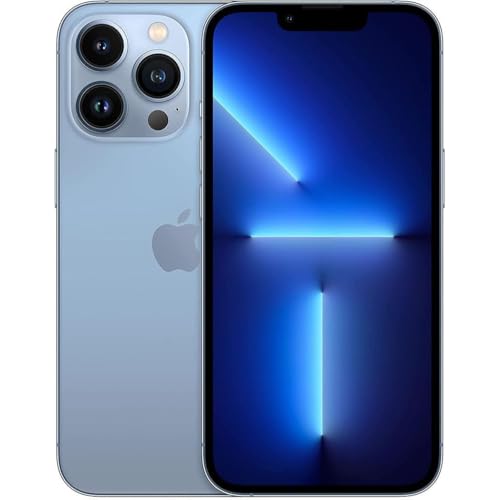
Apple iPhone 13 Pro (128GB) review. Compare 197 technical specifications and user reviews to see how this product ranks in the Smartphones category and whether it is worth buying.
Overall score
What it is: An overall evaluation of the smartphone's quality, based on technical analyses and user reviews.
When it matters: When you need a quick reference to identify the best smartphones on the market.
Score components:
90.0%
Technical Score
10.0%
User score
Technical Score
What it is: An assessment of the smartphone's technical performance, covering eight key areas: performance & hardware, software, camera, connectivity, display, battery, audio, and design.
When it matters: When you want to compare smartphones based on technical performance and available features.
Score components:
25.0%
Performance & Hardware
18.0%
Camera
15.0%
Display
15.0%
Battery
10.0%
Software
10.0%
Connectivity
4.0%
Audio
3.0%
Design
User score
What it is: A rating that combines user reviews and the total number of reviews received by the smartphone
When it matters: When you want to know how a smartphone handles daily tasks and how reliable it remains over time according to user feedback.
Score components:
70.0%
User reviews
30.0%
Popularity
Available: ranking among products currently available (including other versions of this product).
All: ranking among all products in the database.
#9 in Best Compact Smartphones
#12 in Best 6-Inch Smartphones
#14 in Best Apple Smartphones
#65 in Best Camera Smartphones
#227 in Best NFC Smartphones
#232 in Best 5G Smartphones
#234 in Best Smartphones
#234 in Best AI Smartphones
#1068 in Best Value Smartphones
What it is: An assessment of the smartphone's technical performance, covering eight key areas: performance & hardware, software, camera, connectivity, display, battery, audio, and design.
When it matters: When you want to compare smartphones based on technical performance and available features.
Score components:
25.0%
Performance & Hardware
18.0%
Camera
15.0%
Display
15.0%
Battery
10.0%
Software
10.0%
Connectivity
4.0%
Audio
3.0%
Design
What it is: A rating that combines user reviews and the total number of reviews received by the smartphone
When it matters: When you want to know how a smartphone handles daily tasks and how reliable it remains over time according to user feedback.
Score components:
70.0%
User reviews
30.0%
Popularity
What it is: An indicator that combines the smartphone's overall rating with its cost.
When it matters: When you are looking for a smartphone with a good balance between quality and price.
Score components:
60.0%
Overall score
40.0%
Price
Importance: LOW
Importance: HIGH
Importance: HIGH
Good value: >12 GB
Importance: MEDIUM
Good value: >256 GB
Importance: MEDIUM
Good value: >3.2 GHz
Importance: LOW
Importance: MEDIUM
Good value: >1500
Importance: LOW
Good value: >4000
Importance: LOW
Good value: 8+
Importance: LOW
Importance: LOW
Good value: >950 MHz
Importance: LOW
Good value: >700
Importance: LOW
Good value: >1000
Importance: LOW
Good value: >2500
Importance: MEDIUM
Good value: >6000
Importance: LOW
Good value: >8000
Importance: MEDIUM
Good value: >12000
Importance: LOW
Good value: >5000
Importance: LOW
Good value: >1800
Importance: LOW
Good value: >3200 MHz
Importance: LOW
Good value: 5
Importance: LOW
Good value: > 50 GB/s
Importance: LOW
Good value: 4
Importance: LOW
Good value: >16 GB
Importance: MEDIUM
Good value: <6 nm
Importance: MEDIUM
Good value: >9 W
Importance: LOW
Importance: LOW
Good value: >8192 KB
Importance: LOW
Good value: >2048 KB
Importance: LOW
Good value: >512 KB
Importance: LOW
Good value: >100000 million
Importance: LOW
Good value: 3.3
Importance: LOW
Good value: 3.2
Importance: LOW
Good value: 2.0/3.0
Importance: LOW
Importance: LOW
Importance: LOW
Importance: MEDIUM
Importance: LOW
Importance: LOW
Importance: LOW
Importance: LOW
Importance: LOW
Importance: LOW
Importance: LOW
Importance: LOW
Importance: LOW
Importance: LOW
Importance: LOW
Importance: LOW
Importance: LOW
Importance: LOW
Importance: LOW
Importance: LOW
Importance: LOW
Importance: LOW
Importance: LOW
Importance: LOW
Importance: LOW
Importance: LOW
Importance: LOW
Importance: LOW
Importance: LOW
Importance: LOW
Importance: LOW
Importance: LOW
Importance: LOW
Importance: LOW
Importance: LOW
Importance: LOW
Importance: LOW
Importance: MEDIUM
Good value: >50 MP
Importance: MEDIUM
Importance: HIGH
Good value: >60
Importance: LOW
Good value: ≥1.2 µm
Importance: MEDIUM
Good value: >2.5x
Importance: MEDIUM
Importance: LOW
Importance: LOW
Importance: LOW
Importance: LOW
Good value: ≥2
Importance: LOW
Importance: LOW
Importance: LOW
Importance: LOW
Good value: >16 MP
Importance: LOW
Importance: LOW
Importance: LOW
Importance: LOW
Importance: MEDIUM
Importance: LOW
Importance: LOW
Importance: LOW
Importance: LOW
Importance: LOW
Importance: LOW
Importance: LOW
Importance: LOW
Importance: LOW
Importance: LOW
Importance: LOW
Importance: LOW
Importance: LOW
Importance: LOW
Importance: LOW
Importance: LOW
Importance: LOW
Importance: LOW
Importance: LOW
Importance: LOW
Importance: LOW
Good value: >130
Importance: LOW
Good value: >120
Importance: LOW
Good value: ≥2
Importance: LOW
Importance: LOW
Importance: LOW
Importance: LOW
Importance: LOW
Importance: LOW
Good value: >5.2
Importance: LOW
Importance: LOW
Importance: LOW
Importance: LOW
Good value: 3.1/3.2
Importance: LOW
Importance: LOW
Importance: LOW
Good value: ≥2
Importance: LOW
Importance: LOW
Importance: LOW
Importance: LOW
Importance: LOW
Importance: LOW
Importance: LOW
Importance: LOW
Importance: LOW
Importance: LOW
Importance: LOW
Importance: LOW
Importance: LOW
Importance: LOW
Importance: LOW
Importance: LOW
Good value: ≥6.6 inches
Importance: MEDIUM
Importance: LOW
Good value: >400 ppi
Importance: MEDIUM
Importance: MEDIUM
Good value: ≥120 Hz
Importance: LOW
Importance: LOW
Good value: >300 Hz
Importance: LOW
Good value: >800 nits
Importance: LOW
Good value: >1300 nits
Importance: LOW
Good value: >1000 nits
Importance: LOW
Importance: LOW
Importance: LOW
Importance: LOW
Importance: LOW
Importance: LOW
Importance: LOW
Importance: LOW
Importance: HIGH
Good value: >5000 mAh
Importance: MEDIUM
Good value: >60 W
Importance: LOW
Importance: LOW
Good value: <45 min
Importance: LOW
Importance: LOW
Good value: >40 W
Importance: LOW
Importance: LOW
Good value: >10 W
Importance: LOW
Importance: LOW
Importance: MEDIUM
Importance: LOW
Good value: >800
Importance: LOW
Importance: LOW
Importance: LOW
Importance: LOW
Importance: LOW
Good value: ≥3
Importance: LOW
Importance: LOW
Importance: LOW
Importance: LOW
Importance: LOW
Importance: LOW
Importance: LOW
Good value: <162 mm
Importance: LOW
Good value: <75 mm
Importance: LOW
Good value: <8 mm
Importance: LOW
Good value: <190 g
Importance: LOW
Good value: <98cm³
Importance: LOW
Importance: LOW
Importance: LOW
Importance: LOW
Importance: LOW
Importance: LOW
Good value: ≥1.5 m
Importance: LOW
Importance: LOW
Good value: >8
Importance: LOW
Importance: LOW
Importance: MEDIUM
Good value: >2.5x
Importance: MEDIUM
Importance: LOW
Importance: LOW
Good value: ≥1.2 µm
Importance: MEDIUM
Good value: >1500
Importance: LOW
Importance: LOW
Importance: MEDIUM
Good value: >3.2 GHz
Importance: MEDIUM
Good value: >50 MP
Importance: HIGH
Good value: >5000 mAh
Importance: MEDIUM
Good value: >256 GB
Importance: LOW
Good value: ≥6.6 inches
Importance: LOW
Importance: LOW
Good value: >16 GB
Importance: LOW
Importance: LOW
(Reviews last updated: August 2026)
T3 deems the Apple iPhone 13 Pro the "perfect balance" of high-end performance and portability, featuring a 6.1-inch form factor with a 120Hz ProMotion display and durable stainless steel design. The camera system boasts a 3x optical zoom, macro capabilities, and Cinematic Mode, although the latter is restricted to 1080p resolution. While powered by the fast A15 Bionic chip and offering significantly improved battery life, the device still utilizes a Lightning port rather than USB-C.
According to Android Authority, the iPhone 13 Pro excels at refining smartphone fundamentals, notably introducing the 120Hz ProMotion display. Pros include its premium build, a camera system praised for accuracy with Macro and Cinematic modes, and incredible battery life often lasting two days. However, cons include a large camera bump, occasional highlight clipping in photos, frustratingly slow charging via the outdated Lightning port, and the absence of a fingerprint scanner.
The iPhone 13 Pro is considered Apple's most accomplished phone at its release, offering significant upgrades focused on battery and camera features. Key positives include the ProMotion adaptive refresh rate display, the powerful A15 Bionic chip, and an improved camera system with an "addictive" Macro mode, alongside a battery life that consistently lasts a full day. Negatives highlighted in the review are the increased weight, slow 20W wired charging, lack of Touch ID, limited Cinematic Mode resolution, and the fingerprint-prone stainless steel edges.
The Expert Reviews assessment describes the iPhone 13 Pro as an "iterative improvement" that refines core features, making it a strong upgrade for users of the iPhone 11 Pro or older models. The review highlights its exceptional balance of speed, camera quality, and significantly improved battery life, while noting drawbacks such as a stale design, persistent lens flare, a slow Lightning port, and a bulky camera bump.
According to PCMag, the iPhone 13 Pro is an "admirable" flagship offering an excellent triple-camera system with 3x zoom, macro capabilities, and a smooth 120Hz ProMotion display, powered by the A15 Bionic chip. While it provides good battery life, PCMag notes it's a refinement rather than a major leap, facing stiff competition from the standard iPhone 13 (better value for average users) and the 13 Pro Max (superior battery for power users).
In a review, the iPhone 13 Pro is described as a "terrific flagship" with reliable performance, an iconic design, and strong privacy features, avoiding the software glitches found in some competitors. However, specific criticisms include the large notch that reduces screen space, the slow Lightning connector, the lack of a fingerprint sensor, and a lackluster notification system. Despite issues like camera struggles with sun flare and a lack of spam protection, the review concludes it offers the "single best smartphone experience".
According to Tom's Guide, the iPhone 13 Pro is considered one of the best smartphones reviewed due to its balance of power and portability, featuring the A15 Bionic chip, a 120Hz ProMotion display, and significantly improved battery life. The camera system is lauded for "spectacular" results, including a new Macro Mode, Cinematic Mode for video, better low-light performance, and Photographic Styles. However, cons include the absence of Touch ID, slow charging speeds compared to competitors, and an iterative design with a larger camera bump.
The iPhone 13 Pro is described as a powerful evolution with key features including a 120Hz ProMotion display for smoother visuals and an A15 Bionic chip for top performance. It also boasts improved battery life lasting a full day and a versatile camera system with 3x optical zoom and macro mode. However, drawbacks include a protruding camera module, a visible screen notch, and slow 20W wired charging compared to competitors.
According to a CNET review, the iPhone 13 Pro Max introduced highly requested features such as the ProMotion display with an adaptive refresh rate and achieved the longest battery life of any phone CNET had tested at the time. Pros include an improved camera system with macro photography and Cinematic mode, a brighter display, and a 3x optical zoom. Cons noted were its increased weight and thickness, the continued presence of the FaceID notch without a fingerprint reader, and initial issues with lens flare and macro mode control.
The Guardian's review describes the iPhone 13 Pro as a "beefed up" upgrade, featuring a 6.1-inch 120Hz ProMotion display and the high-performance A15 Bionic chip. Key hardware improvements include a 3x optical zoom, a 2cm macro mode, and superior low-light camera performance. Battery life is a major strength, with the phone lasting roughly 42 hours between charges, though it remains heavy and retains the Lighting port. The Guardian
According to a review by Dieter Bohn for The Verge, the Apple iPhone 13 Pro Max offers significant improvements over its predecessor, including exceptional battery life, a 120Hz ProMotion display, and substantial camera upgrades. Key pros include the smooth 120Hz display and a battery described as a "beast" capable of lasting two days, while cons include a design similar to the iPhone 12 Pro Max with a larger camera bump and weight, the continued use of a Lightning port, and slow 20W wired charging speed. The camera system benefits from better low light performance, a 3x optical zoom, and a new macro mode, though the new Cinematic Mode for video is limited to 1080p and can have issues with edge detection.
The iPhone 13 Pro is a refined device featuring a 120Hz ProMotion display, a powerful A15 Bionic chip, and significantly improved battery life. Key camera upgrades include a new macro mode, 3x optical zoom, and Cinematic mode for advanced video recording. However, the device retains a slow 20W wired charging speed, still uses the outdated Lightning port, and the design remains similar to the previous model.
The iPhone 13 Pro review from Profesional Review highlights the device as a performance leader powered by the A15 Bionic chip and featuring a 120Hz ProMotion display. Key advantages include improved battery life, a 3x optical zoom, and specialized camera capabilities like Macro and Cinematic modes. While building on a premium design, the device is notably heavier and retains the Lightning port and a slightly reduced, yet still present, notch.
The iPhone 13 Pro excels by refining fundamentals, featuring a 10Hz-120Hz ProMotion display that enhances fluidity while preserving battery. While the design is similar to the previous model, it features a smaller notch and improved camera capabilities. Pros include an elite camera system with a 1.5 aperture, a specialized Cinematic Mode, a 3x telephoto lens, and the high-performance A15 Bionic chip. Despite these strengths, the device is notably heavier, and it continues to use the slower Lightning port rather than USB-C, lagging behind competitors in charging speed. The Cinematoc Mode is limited to 1080p resolution and, while impressive, can sometimes struggle with edge detection in low-light scenarios. Tom'
The iPhone 13 Pro is a refined, incremental update featuring a superior 120Hz ProMotion display for fluid visuals and the powerful A15 Bionic chip for top-tier performance. Camera advancements are significant, including a new macro mode, cinematic video capabilities, and improved low-light sensors across all lenses. While the device boasts better battery life, it is noticeably heavier due to its larger camera module, which causes it to rest unevenly on surfaces. Other minor drawbacks include slow charging speeds and the persistent, though smaller, display notch.
The iPhone 13 Pro is highlighted as a "no-compromise" device featuring exceptional camera performance, with professional-grade, top-tier photo and video capabilities. It is powered by the A15 Bionic chip with a 5-core GPU and 6GB of RAM, designed to support demanding features like ProRes video and AI, making it ideal for content creators. While the camera system is a major pro, the new Cinematic mode is considered somewhat immature, as it is limited to 1080p and can struggle with focus when multiple subjects are present. The device's high-performance, specialized features, such as macro photography and high-quality video, are its strongest selling points, though they may be excessive for average users. Ultimately, the review positions the iPhone 13 Pro as the ultimate choice for those seeking maximum, professional-tier hardware performance. Bianco e Bruno
The iPhone 13 Pro series offers a refined, "substance-over-style" upgrade, highlighted by a 120Hz ProMotion display and the powerful A15 Bionic chip for demanding tasks like 4K video editing. Key improvements include a versatile camera system featuring a 3x optical zoom and a new macro mode, balanced against the limitations of 1080p-restricted Cinematic Mode. While the increased weight and thickness are noted as minor drawbacks, the device delivers exceptional battery life and serves as a highly capable tool for creators.
The iPhone 13 Pro focuses on refinement, featuring a 120Hz ProMotion display for smoother visuals and significantly improved battery life, powered by the A15 Bionic chip. Camera improvements include a new macro mode for close-up shots and cinematic mode for video, alongside a 3x optical telephoto lens. However, the device is heavier than its predecessor, retains the slow Lightning port for data transfer, and features an auto-switching macro mode that can be inconsistent.
The iPhone 13 Pro marks a significant refinement for Apple, highlighted by a 120Hz ProMotion display, improved battery life, and enhanced camera capabilities. Key pros include the versatile triple-lens system with new Macro mode, the creative Cinematic mode for video, and a premium, durable build. However, cons include a larger, protruding camera module, a still-present notch without extra status info, and the continued use of the Lightning port. The review also notes that 4K ProRes recording requires higher storage configurations.
In his review for AndreaGaleazzi.com, Andrea Galeazzi highlights the iPhone 13 Pro as the most balanced model of its generation, featuring a 120Hz ProMotion display and a slightly smaller notch, though noting a larger camera bump that causes wobbling. The device is praised for the powerful A15 Bionic chip, exceptional battery life lasting through heavy use, and superior video capabilities with the new Cinematic Mode. Despite the praise, drawbacks include a high starting price, the lack of an Always-On display, and zoom capabilities that still trail some competitors.
The iPhone 13 Pro is a refined, top-tier smartphone featuring a 120Hz ProMotion display and the high-performance A15 Bionic chip. Key improvements include significantly better battery life and a camera system enhanced by new Macro and Cinematic modes. However, the design remains heavy and similar to previous models, and the device utilizes a Lightning port rather than USB-C.
The iPhone 13 Pro is highlighted as a "photographer's dream" due to a massive camera overhaul and the introduction of a 120Hz ProMotion display. Key pros include the smooth, adaptive 6.1-inch OLED screen, significantly improved "beast" level battery life, and the versatile Macro and Cinematic shooting modes. Powered by the A15 Bionic chip, the device delivers top-tier performance for gaming and 4K video editing, with a new 1TB storage option for professionals. Conversely, the review notes cons such as the narrowed yet deeper notch, and a largely iterative, "boring" design that requires new cases. Additionally, the new Cinematic mode can struggle with edge detection in low light, and 4K ProRes video recording is restricted to models with 256GB or higher, leaving the 128GB version capped at 1080p.
The iPhone 13 Pro review from FrankWandelt highlights the device's camera system, noting it as a top contender at release with significantly larger sensors for superior low-light performance. Key photography advantages include a 3x optical zoom telephoto lens, an effective macro mode, and professional-grade file formats like ProRAW and ProRes. Beyond imaging, the device excels with its 120Hz ProMotion display and substantial battery life improvements over its predecessor. Despite these strengths, the review identifies limitations, such as the persistent display notch, the reliance on an older Lightning port, and the continued lack of truly fast charging capabilities. Furthermore, while the camera is exceptional for a smartphone, it cannot fully replicate the natural bokeh of a DSLR, and features like Cinematic Mode still exhibit minor, "growing-pain" inaccuracies in edge detection.
The iPhone 13 and 13 Pro introduce a smaller notch and, on Pro models, a 120Hz ProMotion display, offering improved visual fluidity over the 60Hz standard model. While the design remains similar to the previous generation, the displays feature high-quality OLED panels with excellent brightness. The camera systems received significant upgrades, including larger sensors for better low-light performance, a 3x optical zoom, and a macro mode on the Pro, alongside a new Cinematic Mode for video that provides a, at times, inconsistent, yet fun, rack-focus effect. Powered by the A15 Bionic chip, both models offer exceptional performance and substantially improved battery life that lasts through heavy daily use. Despite these improvements, the review characterizes the series as an incremental update, suggesting users of the iPhone 12 might consider skipping this generation due to slow charging speeds and lack of USB-C.
Tweakers characterizes the iPhone 13 series as a "refinement year" that delivers substantial upgrades, most notably in significantly improved battery life, particularly on the Pro Max model. Key advantages include the exceptionally fast A15 Bionic chip and the long-awaited introduction of 120Hz ProMotion displays on the Pro models. Additional enhancements include a smaller screen notch, increased peak brightness for the OLED panels, and improved camera, speed, and consistency. While earning an "Excellent Award," the review highlights several drawbacks, including less impressive selfie and telephoto cameras compared to the main sensor. A major shortcoming is the 60Hz screen refresh rate on non-Pro models, which feels dated, paired with increased weight and a very large camera bump. Persistent inconveniences include relatively slow charging speeds and the continued use of a Lightning port. Overall, the series is considered a worthy, albeit iterative, upgrade focusing on performance and battery efficiency over radical design changes.

Compare