Apple iPhone 16 (128GB) review. Compare 197 technical specifications and user reviews to see how this product ranks in the Smartphones category and whether it is worth buying.
Overall score
What it is: An overall evaluation of the smartphone's quality, based on technical analyses and user reviews.
When it matters: When you need a quick reference to identify the best smartphones on the market.
Score components:
90.0%
Technical Score
10.0%
User score
Technical Score
What it is: An assessment of the smartphone's technical performance, covering eight key areas: performance & hardware, software, camera, connectivity, display, battery, audio, and design.
When it matters: When you want to compare smartphones based on technical performance and available features.
Score components:
25.0%
Performance & Hardware
18.0%
Camera
15.0%
Display
15.0%
Battery
10.0%
Software
10.0%
Connectivity
4.0%
Audio
3.0%
Design
User score
What it is: A rating that combines user reviews and the total number of reviews received by the smartphone
When it matters: When you want to know how a smartphone handles daily tasks and how reliable it remains over time according to user feedback.
Score components:
70.0%
User reviews
30.0%
Popularity
Available: ranking among products currently available (including other versions of this product).
All: ranking among all products in the database.
#5 in Best Compact Smartphones
#6 in Best 6-Inch Smartphones
#12 in Best Apple Smartphones
#98 in Best Camera Smartphones
#177 in Best NFC Smartphones
#177 in Best 5G Smartphones
#179 in Best Smartphones
#179 in Best AI Smartphones
#594 in Best Value Smartphones
What it is: An assessment of the smartphone's technical performance, covering eight key areas: performance & hardware, software, camera, connectivity, display, battery, audio, and design.
When it matters: When you want to compare smartphones based on technical performance and available features.
Score components:
25.0%
Performance & Hardware
18.0%
Camera
15.0%
Display
15.0%
Battery
10.0%
Software
10.0%
Connectivity
4.0%
Audio
3.0%
Design
What it is: A rating that combines user reviews and the total number of reviews received by the smartphone
When it matters: When you want to know how a smartphone handles daily tasks and how reliable it remains over time according to user feedback.
Score components:
70.0%
User reviews
30.0%
Popularity
What it is: An indicator that combines the smartphone's overall rating with its cost.
When it matters: When you are looking for a smartphone with a good balance between quality and price.
Score components:
60.0%
Overall score
40.0%
Price
Importance: LOW
Importance: HIGH
Importance: HIGH
Good value: >12 GB
Importance: MEDIUM
Good value: >256 GB
Importance: MEDIUM
Good value: >3.2 GHz
Importance: LOW
Importance: MEDIUM
Good value: >1500
Importance: LOW
Good value: >4000
Importance: LOW
Good value: 8+
Importance: LOW
Importance: LOW
Good value: >950 MHz
Importance: LOW
Good value: >700
Importance: LOW
Good value: >1000
Importance: LOW
Good value: >2500
Importance: MEDIUM
Good value: >6000
Importance: LOW
Good value: >8000
Importance: MEDIUM
Good value: >12000
Importance: LOW
Good value: >5000
Importance: LOW
Good value: >1800
Importance: LOW
Good value: >3200 MHz
Importance: LOW
Good value: 5
Importance: LOW
Good value: > 50 GB/s
Importance: LOW
Good value: 4
Importance: LOW
Good value: >16 GB
Importance: MEDIUM
Good value: <6 nm
Importance: MEDIUM
Good value: >9 W
Importance: LOW
Importance: LOW
Good value: >8192 KB
Importance: LOW
Good value: >2048 KB
Importance: LOW
Good value: >512 KB
Importance: LOW
Good value: >100000 million
Importance: LOW
Good value: 3.3
Importance: LOW
Good value: 3.2
Importance: LOW
Good value: 2.0/3.0
Importance: LOW
Importance: LOW
Importance: LOW
Importance: MEDIUM
Importance: LOW
Importance: LOW
Importance: LOW
Importance: LOW
Importance: LOW
Importance: LOW
Importance: LOW
Importance: LOW
Importance: LOW
Importance: LOW
Importance: LOW
Importance: LOW
Importance: LOW
Importance: LOW
Importance: LOW
Importance: LOW
Importance: LOW
Importance: LOW
Importance: LOW
Importance: LOW
Importance: LOW
Importance: LOW
Importance: LOW
Importance: LOW
Importance: LOW
Importance: LOW
Importance: LOW
Importance: LOW
Importance: LOW
Importance: LOW
Importance: LOW
Importance: LOW
Importance: LOW
Importance: MEDIUM
Good value: >50 MP
Importance: MEDIUM
Importance: HIGH
Good value: >60
Importance: LOW
Good value: ≥1.2 µm
Importance: MEDIUM
Good value: >2.5x
Importance: MEDIUM
Importance: LOW
Importance: LOW
Importance: LOW
Importance: LOW
Good value: ≥2
Importance: LOW
Importance: LOW
Importance: LOW
Importance: LOW
Good value: >16 MP
Importance: LOW
Importance: LOW
Importance: LOW
Importance: LOW
Importance: MEDIUM
Importance: LOW
Importance: LOW
Importance: LOW
Importance: LOW
Importance: LOW
Importance: LOW
Importance: LOW
Importance: LOW
Importance: LOW
Importance: LOW
Importance: LOW
Importance: LOW
Importance: LOW
Importance: LOW
Importance: LOW
Importance: LOW
Importance: LOW
Importance: LOW
Importance: LOW
Importance: LOW
Importance: LOW
Good value: >130
Importance: LOW
Good value: >120
Importance: LOW
Good value: ≥2
Importance: LOW
Importance: LOW
Importance: LOW
Importance: LOW
Importance: LOW
Importance: LOW
Good value: >5.2
Importance: LOW
Importance: LOW
Importance: LOW
Importance: LOW
Good value: 3.1/3.2
Importance: LOW
Importance: LOW
Importance: LOW
Good value: ≥2
Importance: LOW
Importance: LOW
Importance: LOW
Importance: LOW
Importance: LOW
Importance: LOW
Importance: LOW
Importance: LOW
Importance: LOW
Importance: LOW
Importance: LOW
Importance: LOW
Importance: LOW
Importance: LOW
Importance: LOW
Importance: LOW
Good value: ≥6.6 inches
Importance: MEDIUM
Importance: LOW
Good value: >400 ppi
Importance: MEDIUM
Importance: MEDIUM
Good value: ≥120 Hz
Importance: LOW
Importance: LOW
Good value: >300 Hz
Importance: LOW
Good value: >800 nits
Importance: LOW
Good value: >1300 nits
Importance: LOW
Good value: >1000 nits
Importance: LOW
Importance: LOW
Importance: LOW
Importance: LOW
Importance: LOW
Importance: LOW
Importance: LOW
Importance: LOW
Importance: HIGH
Good value: >5000 mAh
Importance: MEDIUM
Good value: >60 W
Importance: LOW
Importance: LOW
Good value: <45 min
Importance: LOW
Importance: LOW
Good value: >40 W
Importance: LOW
Importance: LOW
Good value: >10 W
Importance: LOW
Importance: LOW
Importance: MEDIUM
Importance: LOW
Good value: >800
Importance: LOW
Importance: LOW
Importance: LOW
Importance: LOW
Importance: LOW
Good value: ≥3
Importance: LOW
Importance: LOW
Importance: LOW
Importance: LOW
Importance: LOW
Importance: LOW
Importance: LOW
Good value: <162 mm
Importance: LOW
Good value: <75 mm
Importance: LOW
Good value: <8 mm
Importance: LOW
Good value: <190 g
Importance: LOW
Good value: <98cm³
Importance: LOW
Importance: LOW
Importance: LOW
Importance: LOW
Importance: LOW
Importance: LOW
Good value: ≥1.5 m
Importance: LOW
Importance: LOW
Good value: >8
Importance: LOW
Importance: LOW
Importance: MEDIUM
Importance: MEDIUM
Good value: <6 nm
Importance: MEDIUM
Good value: >3.2 GHz
Importance: MEDIUM
Good value: >1500
Importance: LOW
Importance: LOW
Importance: MEDIUM
Good value: >2.5x
Importance: LOW
Importance: MEDIUM
Good value: ≥120 Hz
Importance: HIGH
Good value: >5000 mAh
Importance: MEDIUM
Good value: >256 GB
Importance: LOW
Good value: ≥6.6 inches
Importance: LOW
Importance: LOW
Importance: LOW
Importance: LOW
Good value: >16 GB
(Reviews last updated: August 2026)
Tech Advisor's review labels the iPhone 16 a capable but flawed device, hindered by significant software bugs, including random reboots and graphical glitches. While praised for its powerful A18 chip, bright 60Hz display, and functional Action/Camera Control buttons, the phone's experience is currently described as unpolished. Key drawbacks include the absence of promised Apple Intelligence at launch, a stiff Camera Control button, and a lack of a high refresh rate display.
The Man of Many review characterizes the iPhone 16 as a "killer phone without a reason to exist," highlighting that while it is a fantastic piece of hardware, it lacks a definitive "killer app" to justify an immediate upgrade for most. The review praises the physical design as "fantastic," noting its thin and light build, though it acknowledges the aesthetic remains very familiar to previous generations. Key pros include a crisp Super Retina display with deep colors, a clean user interface that rivals Android, and a stellar, refined hardware experience. Conversely, significant cons include a disappointing 60Hz screen, lack of an always-on display, missing telephoto camera, and underwhelming Apple Intelligence features.
The iPhone 16 represents a significant, "Pro-level" upgrade to the base model, highlighted by the addition of a customizable Action Button and a new Camera Control for faster, pressure-sensitive photo adjustments. Performance is driven by the A18 chip, which offers enhanced efficiency and power for upcoming Apple Intelligence features. Furthermore, the camera system is improved with a new autofocusing ultrawide lens for macro photography and a layout enabling spatial video capture. Despite these advancements, BGR identifies notable limitations, including a 60Hz display refresh rate and the lack of an Always-On screen, which fall behind competing Android devices. The camera system lacks a dedicated telephoto lens, restricting users to a 2x digital crop rather than true optical zoom. Additionally, several key Apple Intelligence features were not available at the time of launch. Ultimately, the iPhone 16 is framed as a capable device that bridges the gap between standard and Pro models, though it is held back by display and zoom limitations. The new hardware controls are a major focal point, providing a unique user experience despite requiring a slight learning curve.
The iPhone 16 is described as a "step forward" with a refined design, premium build, and new Action and Camera Control buttons, though its 6.1-inch OLED display remains limited to a 60Hz refresh rate at its $799 price point. It features a significant performance boost from the new A18 chip, supporting AAA games, hardware-accelerated ray tracing, and future Apple Intelligence AI features, aided by improved thermal management that keeps the device cooler. The camera system includes a revamped 12MP ultra-wide lens with Macro Mode and autofocus, and a 48MP main camera for detail and natural colors, but lacks a dedicated telephoto lens and shows room for improvement in low-light conditions.
According to a Business Insider review, the iPhone 16 significantly narrows the gap with Pro models, incorporating premium features like the Action button, macro photography, and Apple Intelligence, making it a "remarkable" device. Pros include the new A18 chip with hardware-accelerated ray tracing, a Camera Control button for precise zoom adjustments, and an improved ultrawide lens, alongside a vertical camera layout for spatial video and a display that dims to 1 nit for night use. However, the review notes several "mood-spoiling" cons, such as the outdated 60Hz display refresh rate, the absence of a telephoto lens, a slightly less powerful A18 chip than the Pro version, and a "finicky" Camera Control button, while Apple Intelligence is seen as promising but still needing refinement.
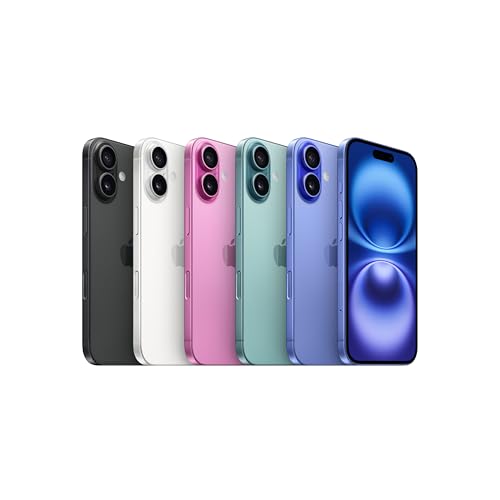
CNN Underscored describes the iPhone 16 as the "best basic iPhone ever," with its A18 chip significantly boosting performance for Apple Intelligence features. Key pros include a 48MP Fusion camera with "virtual" 2x optical-quality zoom, a vertical lens layout for spatial video, up to 22 hours of battery life, a durable Ceramic Shield design, and new color options. However, the review notes several cons, such as an "outdated" 60Hz display, lack of an Always-On display and a dedicated physical zoom lens. Wired charging speeds remain unchanged, and many Apple Intelligence features were not available at launch.
According to Tom's Guide, the Apple iPhone 16 narrows the gap with Pro models by including features like the Action button, a new Camera Control button, and an A18 chip with hardware-accelerated ray tracing. The review praises its 48MP Fusion camera for excellent dynamic range and low-light performance, as well as an updated ultrawide camera with autofocus enabling macro photography. However, the device is criticized for a "dated" 60Hz display and battery life that, while improved to 12 hours and 43 minutes, is the shortest in the 16-series lineup.
The iPhone 16 is described as the "best bet" for most users, featuring a powerful A18 chip, 8GB of RAM, and new hardware like the Action Button and Camera Control sensor. Pros include enhanced performance, improved battery life (nearly 18 hours), faster 25W MagSafe charging, a 48MP camera with macro support, and Wi-Fi 7 connectivity. However, the review notes cons such as a 60Hz display, slow USB 2.0 data transfer speeds, the absence of Apple Intelligence at launch, and camera limitations including the lack of a telephoto lens.
According to a review by The Guardian, the iPhone 16 represents a significant update to Apple's standard model, introducing the Action and Camera Control buttons, an A18 chip for a 30% speed boost, and improved battery life and camera features. However, the review notes drawbacks including a 60Hz display refresh rate, the lack of a telephoto zoom lens, and the absence of an always-on display. The Guardian concludes that while not particularly exciting for enthusiasts, the iPhone 16 is a notable upgrade for users with older models, offering a durable design and good performance despite some outdated features.
According to a Der Spiegel review, the iPhone 16 and 16 Pro Max offer significant battery improvements, with the Pro Max deemed a "beast" for longevity. While the new Camera Control button introduces a steep learning curve, the devices are praised for their A18 chip performance, though the large, heavy design of the Pro Max can be unwieldy. Ultimately, the standard iPhone 16 is recommended for most users due to its value, while the Pro Max is suited for creators needing advanced tools.
The Watson.ch review describes the iPhone 16 and 16 Pro Max as refined, incremental updates powered by efficient A18/A18 Pro chips that deliver significant performance gains, though daily usage feels similar to previous models. Key pros include the new, versatile Camera Control button, notably improved battery life, and the 5x telephoto lens now available on the smaller Pro model. Conversely, cons include the standard model's stuck 60Hz display, the 16 Pro Max’s large and heavy design, and delayed Apple Intelligence features.
The ComputerBase review of the iPhone 16 highlights it as a significant update that narrows the gap with the Pro series by introducing the Action Button, Camera Control, and the powerful A18 chip for improved performance and future Apple Intelligence support. The device impresses with a 48MP "Fusion" camera, a versatile macro-capable ultrawide lens, and a notable boost in battery life alongside faster MagSafe charging. However, critical drawbacks include the outdated 60Hz display refresh rate, lack of an Always-On screen, and missing telephoto lens, making it feel like a calculated effort to maintain distance from the Pro model.
The TechRadar review deems the iPhone 16 a major upgrade for the base model, narrowing the gap with Pro versions through the inclusion of the new A18 chip for superior performance and Apple Intelligence support. Key enhancements include the customizable Action Button, the new Camera Control hardware, and a 48MP Fusion camera with macro photography capability, though the lack of a dedicated telephoto lens remains a limitation. While praised for better battery life, the device is held back by a 60Hz display refresh rate and the unavailability of some AI features at launch.
The Revista GQ analysis positions the iPhone 16 as a significant, Pro-like upgrade for the standard model, narrowing the feature gap with higher-end models via the A18 chip, Action button, and Camera Control sensor. Key advantages include the introduction of macro photography, a more durable second-generation Ceramic Shield, and 8GB of RAM to support upcoming Apple Intelligence features. Conversely, the review notes the display remains limited to a 60Hz refresh rate without an Always-On option, and the device lacks a dedicated telephoto lens.
about upgrading to iPhone 16 Pro? Your top...There's higher zoom, now 5X on both the Pro and Pro Max, faster chips, Camera Control, and the potential to support Apple Intelligence, which...YouTube· iPhone 16 Review | Don't buy it yet - YouTubeIn this comprehensive review, we dive deep into the iPhone 16. From its stunning display and powerful A17 Bionic chip to its innovative...TechRadar· iPhone 16 Pro review: pocket-sized brilliance and no...The screen is slightly larger and still lovely. It packs more power than most people will need in a smartphone and takes beautiful photos.YouTube· 16 Review | Why It's (Actually) Better Than The ProThe iPhone 16 lineup this here is more worth it than ever for the first time in years the standard the base model iPhone truly shines.
DDay.it identifies the iPhone 16 as an ideal upgrade for users of older models (iPhone 12/13), narrowing the gap with Pro models via the A18 chip, 8GB RAM for Apple Intelligence, the Action Button, and Camera Control. Pros include a durable matte glass design, top-tier audio/vibration feedback, advanced connectivity (Wi-Fi 7), and improved battery life. Conversely, the 60Hz display refresh rate, USB 2.0 speeds, and lack of immediate Apple Intelligence features at launch are cited as key disadvantages.
The Altroconsumo review of the iPhone 16 series highlights the introduction of the Action Button and Camera Control sensor across all models, driven by the A18 processor's efficiency. Key advantages include brighter OLED displays, enhanced stereo speakers, and a 5x optical zoom on Pro models. Conversely, the base models are criticized for sticking with a 60Hz screen and slower USB-C speeds, while Apple Intelligence features were not fully available at launch.
The Corriere della Sera review of the iPhone 16 Pro Max and iPhone 16 highlights an evolution focused on refined hardware, particularly the new Camera Control button and enhanced imaging capabilities. Key strengths include exceptional battery life on the Pro Max, robust A18 Pro performance, and a new 48MP Ultra Wide camera. However, the absence of Apple Intelligence at launch, particularly in the EU, makes the device feel incomplete, and the new button has a steep learning curve. Ultimately, the review portrays the devices as powerful, top-tier hardware waiting for promised software features.
Andrea Galeazzi’s review of the Apple iPhone 16 highlights its comfortable, well-built design, powered by the efficient A18 chip and 8GB of RAM for smooth performance. The standard model is modernized with new colors, the Action Button, and Camera Control, making it a functional daily driver. However, significant criticisms include the 60Hz display, deemed inadequate for 2024, and the "anachronistic" 128GB base storage. The camera system, featuring a 48MP main sensor with 2x "optical-quality" zoom and improved macro, is considered a strong point for everyday photography. Despite these strengths, the lack of a 120Hz screen and a high starting price of €979 make it difficult to recommend over competitors or the Pro models. Galeazzi concludes with a score of 8.4/10, balancing the excellent performance against these technical limitations.
The iPhone 16 is a mature, well-rounded device that bridges the gap with the Pro lineup, featuring the powerful A18 chip, 8GB of RAM, and full Apple Intelligence support. The hardware boasts vibrant colors, a new vertical camera layout for Spatial Video, and the inclusion of the Action Button and Camera Control sensor. While the camera system is highly capable with its 48MP main sensor and new macro capabilities, it lacks a dedicated telephoto lens, limiting high-zoom performance. Despite its strengths, the device is limited by a 60Hz refresh rate on its display, which feels outdated compared to 120Hz alternatives, and the USB-C port lacks USB 3.0 speeds. The iPhone 16 is recommended as the ideal, well-rounded choice for most users, provided they can overlook the slower screen refresh rate.
The iPhone 16 brings significant upgrades to Apple's standard model, including a 48MP Fusion camera with macro capabilities, the Action Button, and a tactile Camera Control button. Powered by the A18 chip, it boasts 30% faster performance and enhanced battery life capable of handling heavy usage. Key pros include the integration of Apple Intelligence, a durable design with new colors, and a more versatile camera system. However, the device continues to feature a 60Hz display, which feels less fluid compared to 120Hz ProMotion panels. Additional limitations include the lack of a dedicated telephoto lens and a learning curve for the new Camera Control button, which can sometimes lead to shaky photos. Overall, the review highlights it as a solid, yet restricted, upgrade in the Apple lineup.
The iPhoned.nl review characterizes the iPhone 16 as a "Pro-fication" of the base model, narrowing the gap with high-end features like the A18 chip, Action Button, and new Camera Control. Key advantages include superior performance, improved battery life, and a versatile camera system with a new 12-megapixel ultrawide lens. However, the device is limited by a 60Hz display, a steep learning curve for the camera button, and the lack of a dedicated telephoto lens.
According to the Bright.nl review, the iPhone 16 brings significant upgrades, including the Action button, Camera Control, and A18 chip, making it a compelling choice with improved battery life. However, the base model is limited by a 60Hz display. The 16 Pro offers a 120Hz ProMotion screen, 5x optical zoom, and 4K/120fps video, but has a higher price and a less intuitive Camera Control button. While both models support Apple Intelligence with 8GB of RAM, the base iPhone 16 is noted for better value, with upgrades recommended for users coming from an iPhone 13 or older.
The Technology Insider review characterizes the iPhone 16 as a "lightning-fast but sky-high priced" device, highlighting superior performance driven by the A18 chip. Pros include the new Action Button, Camera Control, and enhanced battery life, though the design remains similar to previous models. Significant cons focus on the high price point and the continued use of a 60Hz display, which falls short of competitor standards.
The ID.nl review suggests the iPhone 16 is a minor update, featuring new colors, an Action Button, and a Camera Control button, but it is held back by a 60Hz display. Conversely, the 16 Pro models offer significant upgrades for power users, including larger displays, faster processors, and enhanced video capabilities, though the new camera button has a steep learning curve. Both models feature improved battery life and Apple Intelligence, with the Pro being the preferred choice for creatives, while the standard model is deemed suitable for general users.
The iPhone 16 series brings standard models closer to the Pro line by introducing the Action Button, Camera Control, and A18 chips. Pros include high-quality displays, solid battery life, and significant hardware parity across the range. However, the base model still features a 60Hz screen, slow charging, and a 128GB starting capacity, which are notable cons. The Pro models offer larger screens and a 48MP ultra-wide camera, but represent refinement rather than a major upgrade for recent iPhone users.
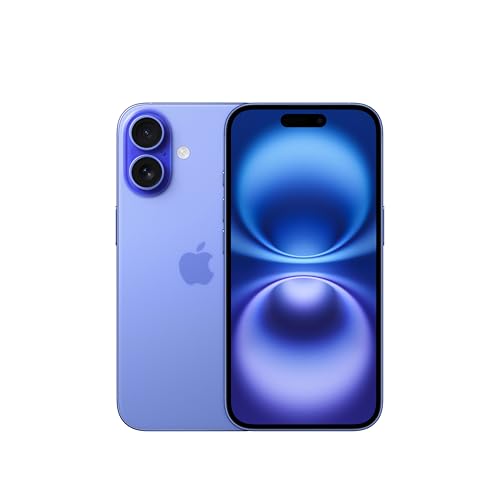
The Apple iPhone 16 (128 GB) is a high-performing 6.1-inch iOS smartphone featuring a durable design and the A18 chipset, which offers significant speed and power efficiency. It introduces the Action Button and Camera Control button, along with a 48-megapixel main camera, while achieving strong battery life in testing. Key pros include exceptional performance, durable construction, and fast charging, although it is limited by a 60Hz display, the absence of a telephoto lens, and slower USB 2.0 data transfer speeds.
The iPhone 16 represents a significant, yet iterative, update that brings the standard model closer to "Pro" features, highlighted by the powerful A18 chipset and new functional hardware like the Action and Camera Control buttons. While the OLED display offers exceptional brightness up to 2000 nits and the 48MP camera includes a useful new macro mode, the continued use of a 60Hz refresh rate feels dated compared to competitors. Battery life is a notable strength, lasting over 17 hours in testing, although this is hindered by slow 20W charging speeds and a 128GB base storage constraint.
The TechRadar review indicates the iPhone 16 bridges the gap with Pro models, offering a new design, A18 chip, and enhanced camera functionality. Key additions include the Action Button, Camera Control, and macro photography capabilities, designed to support future AI features. However, the device is held back by a 60Hz display, slow 20W charging, and the absence of AI features at launch. Pros include the fast A18 chip, useful new physical buttons, and improved camera versatility. Cons are centered on the lack of a 120Hz refresh rate, delayed Apple Intelligence, and 2x limited optical zoom.
The iPhone 16 is a solid, functional device that brings the standard model closer to the "Pro" experience with a powerful A18 chip, 8GB of RAM, and the customizable Action Button. Notable pros include significantly improved battery life and the ability to handle Apple Intelligence features, though these are currently unavailable in the EU due to regulations. However, the new Camera Control button is described as "awkward," with a placement that feels counter-intuitive when holding the phone vertically. Users may find this hybrid button fiddly, leading to accidental settings changes or shaky photos. From a hardware standpoint, a significant con is the 60Hz display, which feels dated compared to 120Hz competitors. While the dual-camera system now supports macro photography, it still lacks a dedicated telephoto lens for optical zoom.
According to iCreate Magazine, the iPhone 16 bridges the gap with Pro models by introducing the Action Button, Camera Control, and a vertical layout for Spatial Video, making the standard version highly capable. Powered by the A18 chip, the device is optimized for Apple Intelligence, featuring a revamped camera system with macro photography, enhanced battery life, and modern connectivity options like Wi-Fi 7. Key drawbacks include a limiting 60Hz screen refresh rate, the lack of immediate, fully released AI features, and somewhat mixed user reception regarding the functionality of the new Camera Control button.
iCulture’s review highlights the iPhone 16 as a highly capable standard model that narrows the gap with the Pro series, featuring the A18 chip, Action Button, and new Camera Control. Key upgrades include a 48MP Ultra Wide lens with macro support, faster 25W MagSafe charging, and improved repairability, though the display remains limited to a 60Hz refresh rate. While the device offers strong battery life and vibrant new colors, the Camera Control button can feel clunky, and the device lacks a dedicated telephoto lens.

Compare