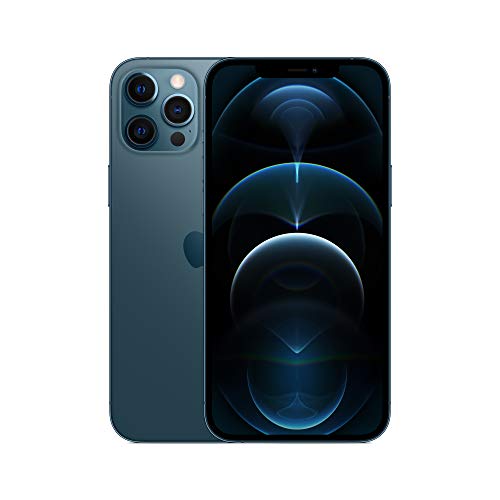
Apple iPhone 12 Pro Max (256GB) review. Compare 197 technical specifications and user reviews to see how this product ranks in the Smartphones category and whether it is worth buying.
Overall score
What it is: An overall evaluation of the smartphone's quality, based on technical analyses and user reviews.
When it matters: When you need a quick reference to identify the best smartphones on the market.
Score components:
90.0%
Technical Score
10.0%
User score
Technical Score
What it is: An assessment of the smartphone's technical performance, covering eight key areas: performance & hardware, software, camera, connectivity, display, battery, audio, and design.
When it matters: When you want to compare smartphones based on technical performance and available features.
Score components:
25.0%
Performance & Hardware
18.0%
Camera
15.0%
Display
15.0%
Battery
10.0%
Software
10.0%
Connectivity
4.0%
Audio
3.0%
Design
User score
What it is: A rating that combines user reviews and the total number of reviews received by the smartphone
When it matters: When you want to know how a smartphone handles daily tasks and how reliable it remains over time according to user feedback.
Score components:
70.0%
User reviews
30.0%
Popularity
Available: ranking among products currently available (including other versions of this product).
All: ranking among all products in the database.
#18 in Best Apple Smartphones
#109 in Best Camera Smartphones
#274 in Best Large-Screen Smartphones
#302 in Best NFC Smartphones
#308 in Best 5G Smartphones
#312 in Best AI Smartphones
#313 in Best Smartphones
#1179 in Best Value Smartphones
What it is: An assessment of the smartphone's technical performance, covering eight key areas: performance & hardware, software, camera, connectivity, display, battery, audio, and design.
When it matters: When you want to compare smartphones based on technical performance and available features.
Score components:
25.0%
Performance & Hardware
18.0%
Camera
15.0%
Display
15.0%
Battery
10.0%
Software
10.0%
Connectivity
4.0%
Audio
3.0%
Design
What it is: A rating that combines user reviews and the total number of reviews received by the smartphone
When it matters: When you want to know how a smartphone handles daily tasks and how reliable it remains over time according to user feedback.
Score components:
70.0%
User reviews
30.0%
Popularity
What it is: An indicator that combines the smartphone's overall rating with its cost.
When it matters: When you are looking for a smartphone with a good balance between quality and price.
Score components:
60.0%
Overall score
40.0%
Price
Importance: LOW
Importance: HIGH
Importance: HIGH
Good value: >12 GB
Importance: MEDIUM
Good value: >256 GB
Importance: MEDIUM
Good value: >3.2 GHz
Importance: LOW
Importance: MEDIUM
Good value: >1500
Importance: LOW
Good value: >4000
Importance: LOW
Good value: 8+
Importance: LOW
Importance: LOW
Good value: >950 MHz
Importance: LOW
Good value: >700
Importance: LOW
Good value: >1000
Importance: LOW
Good value: >2500
Importance: MEDIUM
Good value: >6000
Importance: LOW
Good value: >8000
Importance: MEDIUM
Good value: >12000
Importance: LOW
Good value: >5000
Importance: LOW
Good value: >1800
Importance: LOW
Good value: >3200 MHz
Importance: LOW
Good value: 5
Importance: LOW
Good value: > 50 GB/s
Importance: LOW
Good value: 4
Importance: LOW
Good value: >16 GB
Importance: MEDIUM
Good value: <6 nm
Importance: MEDIUM
Good value: >9 W
Importance: LOW
Importance: LOW
Good value: >8192 KB
Importance: LOW
Good value: >2048 KB
Importance: LOW
Good value: >512 KB
Importance: LOW
Good value: >100000 million
Importance: LOW
Good value: 3.3
Importance: LOW
Good value: 3.2
Importance: LOW
Good value: 2.0/3.0
Importance: LOW
Importance: LOW
Importance: LOW
Importance: MEDIUM
Importance: LOW
Importance: LOW
Importance: LOW
Importance: LOW
Importance: LOW
Importance: LOW
Importance: LOW
Importance: LOW
Importance: LOW
Importance: LOW
Importance: LOW
Importance: LOW
Importance: LOW
Importance: LOW
Importance: LOW
Importance: LOW
Importance: LOW
Importance: LOW
Importance: LOW
Importance: LOW
Importance: LOW
Importance: LOW
Importance: LOW
Importance: LOW
Importance: LOW
Importance: LOW
Importance: LOW
Importance: LOW
Importance: LOW
Importance: LOW
Importance: LOW
Importance: LOW
Importance: LOW
Importance: MEDIUM
Good value: >50 MP
Importance: MEDIUM
Importance: HIGH
Good value: >60
Importance: LOW
Good value: ≥1.2 µm
Importance: MEDIUM
Good value: >2.5x
Importance: MEDIUM
Importance: LOW
Importance: LOW
Importance: LOW
Importance: LOW
Good value: ≥2
Importance: LOW
Importance: LOW
Importance: LOW
Importance: LOW
Good value: >16 MP
Importance: LOW
Importance: LOW
Importance: LOW
Importance: LOW
Importance: MEDIUM
Importance: LOW
Importance: LOW
Importance: LOW
Importance: LOW
Importance: LOW
Importance: LOW
Importance: LOW
Importance: LOW
Importance: LOW
Importance: LOW
Importance: LOW
Importance: LOW
Importance: LOW
Importance: LOW
Importance: LOW
Importance: LOW
Importance: LOW
Importance: LOW
Importance: LOW
Importance: LOW
Importance: LOW
Good value: >130
Importance: LOW
Good value: >120
Importance: LOW
Good value: ≥2
Importance: LOW
Importance: LOW
Importance: LOW
Importance: LOW
Importance: LOW
Importance: LOW
Good value: >5.2
Importance: LOW
Importance: LOW
Importance: LOW
Importance: LOW
Good value: 3.1/3.2
Importance: LOW
Importance: LOW
Importance: LOW
Good value: ≥2
Importance: LOW
Importance: LOW
Importance: LOW
Importance: LOW
Importance: LOW
Importance: LOW
Importance: LOW
Importance: LOW
Importance: LOW
Importance: LOW
Importance: LOW
Importance: LOW
Importance: LOW
Importance: LOW
Importance: LOW
Importance: LOW
Good value: ≥6.6 inches
Importance: MEDIUM
Importance: LOW
Good value: >400 ppi
Importance: MEDIUM
Importance: MEDIUM
Good value: ≥120 Hz
Importance: LOW
Importance: LOW
Good value: >300 Hz
Importance: LOW
Good value: >800 nits
Importance: LOW
Good value: >1300 nits
Importance: LOW
Good value: >1000 nits
Importance: LOW
Importance: LOW
Importance: LOW
Importance: LOW
Importance: LOW
Importance: LOW
Importance: LOW
Importance: LOW
Importance: HIGH
Good value: >5000 mAh
Importance: MEDIUM
Good value: >60 W
Importance: LOW
Importance: LOW
Good value: <45 min
Importance: LOW
Importance: LOW
Good value: >40 W
Importance: LOW
Importance: LOW
Good value: >10 W
Importance: LOW
Importance: LOW
Importance: MEDIUM
Importance: LOW
Good value: >800
Importance: LOW
Importance: LOW
Importance: LOW
Importance: LOW
Importance: LOW
Good value: ≥3
Importance: LOW
Importance: LOW
Importance: LOW
Importance: LOW
Importance: LOW
Importance: LOW
Importance: LOW
Good value: <162 mm
Importance: LOW
Good value: <75 mm
Importance: LOW
Good value: <8 mm
Importance: LOW
Good value: <190 g
Importance: LOW
Good value: <98cm³
Importance: LOW
Importance: LOW
Importance: LOW
Importance: LOW
Importance: LOW
Importance: LOW
Good value: ≥1.5 m
Importance: LOW
Importance: LOW
Good value: >8
Importance: LOW
Importance: LOW
Importance: MEDIUM
Good value: >2.5x
Importance: MEDIUM
Importance: LOW
Importance: LOW
Good value: ≥1.2 µm
Importance: LOW
Importance: MEDIUM
Good value: >1500
Importance: LOW
Importance: MEDIUM
Importance: MEDIUM
Good value: ≥120 Hz
Importance: MEDIUM
Good value: >50 MP
Importance: HIGH
Good value: >5000 mAh
Importance: LOW
Importance: LOW
Good value: >16 GB
Importance: LOW
Importance: LOW
Importance: LOW
(Reviews last updated: August 2026)
(Reviews last updated: August 2026)
The iPhone 12 Pro Max is characterized by iMore as a premier device, boasting a 6.7-inch Super Retina XDR display, superior battery life, and an advanced camera system featuring sensor-shift optical image stabilization and 2.5x optical zoom. Powered by the A14 Bionic chip and 6GB of RAM, it offers top-tier performance for photography and media consumption, housed in a durable stainless steel frame with Ceramic Shield. Key advantages include long-lasting battery performance suitable for heavy users and an improved low-light camera experience compared to the standard 12 Pro. Conversely, the, the device's "gargantuan" size makes it uncomfortable for one-handed use, and it lacks the 120Hz ProMotion display found on competing, smaller, or newer devices. Other considerations include the high price point and the exclusion of a charger in the box. The Guardian
According to a Neowin review, the iPhone 12 Pro Max features a strong design, stunning Super Retina XDR OLED display, powerful A14 Bionic chip, and one of the best camera systems available, including improved low-light performance and Dolby Vision HDR video recording. However, the review's primary criticism is the lack of a fingerprint sensor, making Face ID impractical during the pandemic when masks were common, alongside the persistent 60Hz refresh rate and limited "lossless" zoom compared to competitors. The review concludes that despite its technical excellence, the reliance on Face ID made it a poor purchase choice at the time, advising users to wait for a future model or until mask mandates eased.
According to a PhoneArena review, Pro Max is highlighted as the top model of its generation, -inch display, a premium stainless steel and ceramic build, and a significant camera upgrade with a larger sensor and sensor-shift stabilization for improved low-light performance. While praised for its exceptional build and camera advancements, the review notes drawbacks including sharp edges making it less comfortable to hold, a glossy frame prone to fingerprints, daylight photos similar to other models, the Hz display, W charging, and poor battery D gaming. Despite these cons, Bionic chip provides strong overall performance and good general battery life, hours in web browsing tests.
According to Tom's Guide, the iPhone 12 Pro Max features a 6.7-inch OLED display noted for its color accuracy and an A14 Bionic chip providing top-tier performance, though it lacks a high refresh rate display found in competing flagships. The camera system, a pro with sensor-shift stabilization and a LiDAR scanner for improved low-light performance and faster autofocus, is countered by a 2.5x optical zoom that lags behind rivals like Samsung. While offering the best battery life in the iPhone 12 series and a durable Ceramic Shield design, its large size, weight, and $1,099 starting price are considered cons.
According to a Forbes review, the iPhone 12 Pro Max is considered "the best phone Apple has made" due to its large 6.7-inch display and superior camera system. Pros include the A14 Bionic chip, LiDAR scanner, strong battery life, and enhanced camera features, while cons involve its significant physical size, difficulty with one-handed use, and high price.
The iPhone 12 Pro Max is described as a large device featuring a 6.7-inch Super Retina XDR OLED display and exceptional battery life. Its advanced camera system includes a larger sensor and sensor-shift stabilization, alongside 10-bit Dolby Vision HDR video recording. However, its significant size and weight make one-handed use difficult, it is expensive, and it lacks a 120Hz refresh rate found in competitors.
According to a review on The Verge, the iPhone 12 Pro Max is characterized by its large 6.7-inch display, premium flat-edged design, and superior camera system with a larger main sensor and sensor-shift image stabilization. Key advantages highlighted include excellent battery life and the performance of the A14 Bionic chip. However, the review notes the absence of a 120Hz display and inconsistent 5G coverage at launch as drawbacks. While the size enables a "mini movie theater" experience, it can be difficult to handle and may not fit comfortably in pockets.
The Techzine review deems the iPhone 12 Pro Max the top 2020 model, highlighting the blazing-fast A14 Bionic chip and a 3,687mAh battery that delivers class-leading, two-day endurance. Key camera improvements include a larger 12-megapixel sensor with in-body image stabilization for superior low-light performance. However, a notable drawback is the 60Hz display refresh rate, which feels outdated given the high price point compared to competitors. Physically, the device is criticized for being bulky and heavy, leading to poor ergonomics, while iOS 14 fails to maximize the large screen via lack of multitasking features.
According to TechRadar, the iPhone 12 Pro Max features a large 6.7-inch Super Retina XDR OLED display and a new flat-sided design, though its size and weight can make one-handed use difficult. The camera system benefits from a larger sensor and sensor-shift stabilization for improved low-light performance and supports 4K Dolby Vision HDR video, but the photographic difference compared to the standard 12 Pro is not substantial. Pros include the longest battery life of the lineup and 5G/MagSafe support, while cons include a high price, the absence of a charger and EarPods, and the lack of a 120Hz display.
According to a Macworld review, MacBook Air balances performance, price, and features, making it suitable for a broad audience. chip provides a significant performance boost over previous models, GB storage now uses dual NAND chips, restoring storage speeds. Pros include exceptional battery life ( hours), support for two external displays with the lid closed, improved fingerprint resistance on the Midnight finish, and a silent, fanless design. Cons include potential performance throttling during sustained heavy tasks due to the fanless design, limited connectivity with only two Thunderbolt ports, and the display lacking ProMotion and mini-LED technology. Additionally, storage upgrades are noted as being very expensive.
PCMag describes the iPhone 12 Pro Max as a large device featuring a 6.7-inch Super Retina XDR OLED display and exceptional battery life, lasting over 15 hours in video rundown tests. Key strengths include excellent low-light camera performance with sensor-shift optical image stabilization and 2.5x optical zoom, while cons are its large size, heavy weight, lack of a 120Hz display, and a 2.5x optical zoom that is less than competitors. The A14 Bionic chip and 5G connectivity are pros, but the phone's size makes it difficult for one-handed use, and its $1,099 starting price is a con, ultimately positioning it as a niche device.
According to Expert Reviews, Pro Max was Apple's top phone at the time of review, highlighted by its camera system and large display, despite its size and certain display limitations. The -inch Super Retina XDR OLED display with excellent contrast and color accuracy, Bionic chip provides powerful performance. It also boasts a durable, premium design with water G connectivity. However, the large size makes one-handed use difficult, and the display' Hz refresh rate is a drawback compared to rivals. Battery life is comparable to but Pro Max, and the telephoto lens has less optical zoom than some competitors.
The iPhone 12 Pro Max, reviewed by The Guardian, is characterized as a large "superphone" featuring a superior 6.7-inch OLED display and a durable "Ceramic Shield" design. Key advantages include an industry-leading 48-hour battery life, robust A14 Bionic performance, and a significantly upgraded camera system with a 47% larger main sensor and sensor-shift stabilization. The GuardianHowever, the device presents drawbacks, including its immense size and weight, which limit one-handed usability. Other downsides mentioned are the lack of a power adapter, the absence of USB-C, and a 2.5x optical zoom that, while good, does not lead the market.
CNET's review of the iPhone 12 Pro Max highlights its large 6.7-inch OLED display and extended battery life as key advantages, though its size and weight are noted drawbacks. The camera system, featuring sensor-shift stabilization and a larger main sensor, is praised for low-light performance and the addition of a LiDAR scanner, but the benefits over the standard 12 Pro may not be significant for all users, and the camera bump causes instability on flat surfaces. The review also points out the device's high price and lack of a 120Hz refresh rate as cons, ultimately recommending it for those prioritizing screen, battery, and camera quality if they can manage the larger form factor.
The iPhone 12 Pro Max features a massive 6.7-inch Super Retina XDR OLED display, praised for color accuracy and protected by Ceramic Shield, yet it only offers a 60Hz refresh rate, according to the Inside Digital review. Camera capabilities are a highlight, featuring a 47% larger main sensor, sensor-shift stabilization, and a LiDAR scanner for superior low-light, though the substantial size and 226g weight can make it uncomfortable to hold. While it boasts top-tier A14 Bionic performance and excellent battery life, the device lacks a 120Hz display, a charger in the box, and comes with a premium price tag.
The Stern review highlights the iPhone 12 Pro Max as a "behemoth" offering the most significant upgrades in the 12 series, driven by its 6.7-inch OLED display and top-tier battery life. While praised for its premium, flat-edged stainless steel design, the device is characterized as a two-hand phone due to its weight and size. The camera system stands out with a 47% larger sensor and "Sensor Shift" stabilization, delivering superior low-light performance and steady video, complemented by a 2.5x zoom and LiDAR. However, the lack of a 120Hz display, common in competing Android devices, is cited as a notable drawback. Further criticisms include the device's heavy,, cumbersome form factor and the removal of the power adapter from the box. Despite these, the review concludes that for users seeking the best screen and battery, this is the definitive choice.
The Digitec review of the Apple iPhone 12 Pro Max identifies the device as a durable, high-performance option, highlighting its scratch-resistant stainless steel frame, excellent speaker quality, and superior low-light camera capabilities. Despite these strengths, the review notes significant ergonomic challenges, specifically the large, heavy form factor and awkward one-handed navigation. Ultimately, the review characterizes the iPhone 12 Pro Max as a reliable, premium device where the advanced features and long-lasting battery justify the high cost and difficult handling.
The iPhone 12 Pro Max acts as a photography powerhouse with a 47% larger main sensor and f/1.6 aperture, delivering 87% better low-light performance. Key pros include sensor-shift image stabilization for steadier, sharper shots, along with a 2.5x telephoto zoom and LiDAR-enabled Night Mode portraits. While supporting professional Apple ProRAW, the device suffers from a bulky design and often provides only marginal quality improvements over the 12 Pro in daylight.
ever’s review Pro Max critiques the device’s "unmet promises" regarding its advanced camera hardware. % larger sensor and sensor-shift stabilization, the device shows minimal real-world, daylight image quality advantages over Pro, according to the analysis. Key advantages identified include superior low-light performance with increased detail and reduced noise, x telephoto lens providing better portrait compression. Additionally, -inch display and superior battery life are highlighted as significant benefits. YouTube +1Conversely, the review highlights diminishing returns for the camera, arguing the small gap in photo quality against the regular Pro does not justify the extra cost. Furthermore, the phone's large size, weight, and lack of a high-refresh-rate display are noted as primary disadvantages.
According to the 01net review, the iPhone 12 Pro Max is characterized as a "giant" due to its massive 6.7-inch OLED display, premium design, and immense power from the A14 Bionic chip, though its large footprint makes it a "two-handed" device. A standout feature is the advanced triple-camera system, which boasts superior low-light performance with a LiDAR scanner and 2.5x optical zoom. The device also delivers exceptional, long-lasting battery life that outperforms other models in the lineup. While highly praised, the phone is expensive, lacks a 120Hz refresh rate, and does not include a charger or earphones, with its 226g weight making it less ergonomic for some.
Mac4Ever reviews the iPhone 12 mini and 12 Pro Max, defining them as extreme opposite ends of the lineup, with the mini offering exceptional one-handed usability. Pros for the 12 mini include its compact, ergonomic design and flagship performance, though its primary con is limited battery life. Conversely, the iPhone 12 Pro Max caters to power users with a 6.7-inch display, superior cameras, and the best battery life in the series. Its main cons involve its large, heavy, and sometimes difficult-to-handle form factor, along with a higher price point. The review positions both devices as specialized options, suggesting the standard iPhone 12 is better for average users, while the mini serves those prioritizing portability and the Pro Max serves those requiring top-tier hardware. Ultimately, users must balance the physical constraints of either extreme size against their needs.
The Easy Cash review highlights the iPhone 12 Pro Max as a high-end device featuring a 6.7-inch Super Retina XDR display, a durable stainless steel frame, and immersive Spatial Audio/Dolby Atmos support. Key pros include the A14 Bionic chip's high performance, exceptional battery life lasting up to two days, and an improved camera system with a 47% larger sensor and sensor-shift stabilization for superior low-light,, performance. Conversely, the review notes significant cons such as the device's heavy 228g weight, difficult one-handed usability, a 60Hz display limitation compared to competitors, and the lack of a charger or headphone jack.
The Digitec review of the Apple iPhone 12 Pro Max highlights a device with premium design and durable build, featuring flat edges and a Pacific Blue finish, though it struggles with usability due to its massive 6.7-inch size. Pros include exceptional integrated speakers and high drop resistance, while cons focus on the difficult-to-reach "back" gesture in iOS, screen susceptibility to scratches, and shorter battery life compared to the 11 Pro Max. Despite criticisms regarding 20-watt charging speed and 2.5x zoom, the review concludes these are not major issues in daily use, positioning the phone as a high-performance, albeit large, option. Digitec
The Phototrend review designates the iPhone 12 Pro Max as a "heavyweight" in mobile photography, highlighting that while its 6.7-inch display and flat-edged design offer a premium experience, the 228g weight makes it unwieldy for one-handed use. Key pros include the 47% larger main sensor and sensor-shift stabilization, which deliver superior low-light performance, alongside the versatile 65mm equivalent telephoto lens. However, the cons include the lack of a long-range optical zoom, the absence of a 120Hz screen, and a high price point. The device is ultimately deemed the best choice for photographers within the Apple ecosystem, offering excellent ProRAW editing and long battery life, despite its bulky form factor.
The iPhone 12 Pro Max, as reviewed by CNET France, is characterized by its large 6.7-inch OLED display, flat-edged industrial design, and Ceramic Shield protection. While its size offers an immersive screen experience, it significantly limits one-handed usability. Performance is driven by the A14 Bionic chip, paired with a superior camera system featuring a 47% larger main sensor, sensor-shift stabilization, and a 2.5x telephoto lens. Key pros highlighted include exceptional low-light photography aided by a LiDAR scanner and impressive, long-lasting battery life. The device's premium build quality is also frequently noted. Conversely, cons focus on the device's substantial weight and a pronounced camera bump that hinders stability on flat surfaces. A major shortcoming identified is the reliance on a 60Hz display, which feels dated compared to competitors offering 120Hz. Additionally, the software fails to fully utilize the large screen with optimized multitasking, and the high price point remains a significant factor.
According to the Clubic review, the iPhone 12 Pro Max is a "behemoth" of the 2020 lineup, defined by its 6.7-inch Super Retina XDR display and flat-edged design. The device is highly praised for its excellent battery life and raw power, though the lack of a 120Hz refresh rate and the absence of a charger in the box are noted drawbacks. Its large, heavy form factor is ideal for media consumption but makes one-handed usage challenging for many. The camera system is the main highlight, featuring a 47% larger sensor and sensor-shift stabilization that delivers superior low-light performance. While photo and video quality are top-tier, the review notes that the performance gap between the Max and the smaller 12 Pro is narrow in daylight, and the 2.5x telephoto zoom is only a modest upgrade. Ultimately, the Clubic review concludes that the iPhone 12 Pro Max is best suited for users prioritizing maximum screen space and ultimate camera capability, despite its high price. It stands out as the most accomplished model in the series, offering unrivaled, albeit large, performance.
Les Numériques praises the iPhone 12 Pro Max as a premium, massive 6.7-inch device with an exceptional OLED display, highlighting its superior color calibration, high brightness, and robust design. While the screen provides a top-tier multimedia experience, the display is limited to a 60Hz refresh rate, and the phone's heavy 228g weight can make it cumbersome to handle. Les Numé The camera system is a major strength, featuring a 47% larger main sensor and sensor-shift stabilization that significantly enhances low-light performance. The inclusion of a LiDAR scanner aids in fast autofocus, though the 2.5x telephoto lens is less effective in dark conditions, and the photographic leap over the standard Pro model is considered subtle by the publication. Les Numé Powered by the A14 Bionic chip, the device delivers enduring performance and excellent battery life, standing out as a long-lasting option in the 12-series. However, the review notes drawbacks, including relatively slow 20W charging speeds, the lack of an included charger, and limited accessibility for users preferring one-handed operation. Les Numé
After 30 days, the iPhone 12 Pro Max is deemed a refined, premium device with a massive 6.7-inch display, though its 228g weight and flat edges make it hard to handle for some. The camera system stands out with a 2.5x optical zoom, superior low-light performance via a larger sensor, and 4K Dolby Vision, though it lacks a 120Hz refresh rate. Powered by the A14 Bionic chip, the device delivers excellent performance and exceptional battery life, yet the MagSafe wallet is prone to detaching, and the lack of an in-box charger remains a drawback.
The MuyComputer analysis characterizes the iPhone 12 Pro Max as a premium, massive 6.7-inch device featuring a top-tier A14 Bionic chip, a modern stainless steel design, and a superior Super Retina XDR OLED display. Key pros highlight an advanced camera system with Sensor-Shift stabilization, exceptional low-light performance, LiDAR for faster autofocus, and leading 4K Dolby Vision HDR video recording. Furthermore, the review identifies superior battery life as a major advantage, comfortably lasting over a full day. However, the analysis notes significant cons, focusing on the device's uncomfortable ergonomics due to its heavy, large form factor, and the omission of a 120Hz display refresh rate, sticking to 60Hz. Other drawbacks include the high price, a tendency to attract fingerprints, and a lack of Touch ID for secure unlocking in specific conditions. Overall, it is presented as a high-performance, top-tier, but physically cumbersome option for users.
The Root-Nation review highlights the iPhone 12 Pro Max as a top-tier productivity device, featuring a massive 6.7-inch OLED display, a "Ceramic Shield" for durability, and a premium stainless steel design. Key advantages include its substantial battery life, which lasts over 24 hours, and the convenience of MagSafe charging, while the large, heavy form factor is noted as a drawback. The camera system, boasting a larger sensor and sensor-shift stabilization, provides exceptional, stable, and high-quality images and videos. Despite the powerful A14 Bionic chip, the device’s 60Hz display feels dated, and it is best suited for users prioritizing a large, durable screen with maximum longevity.
The iPhone 12 Pro Max excels in portrait photography, leveraging a 47% larger main sensor and LiDAR scanner to deliver superior low-light performance and accurate depth mapping, with a 65mm telephoto lens providing improved, "DSLR-like" background compression. Key performance benefits include improved, faster autofocus, significantly reduced noise, and the inclusion of Apple ProRAW and sensor-shift stabilization for detailed, editable images. However, the device has limitations, including a 2.5x zoom range that is less versatile than competitors, potential, occasional edge-detection artifacts, and a bulky, ergonomic design.
The Tom’s Hardware Italy review highlights the iPhone 12 Pro Max as a premium, massive device with an excellent OLED display and superior build quality, though its 228g weight and sharp edges make it uncomfortable to hold. While the A14 Bionic and camera system, including sensor-shift stabilization and LiDAR, provide top-tier performance, the 60Hz screen is considered a missed opportunity for a "Pro" model. Ultimately deemed a niche device, its pros include excellent battery life and video quality, while cons focus on the extreme size, high price, and lack of a charger.
The Macitynet review characterizes the iPhone 12 Pro Max as a "superphone" for users prioritizing high-end photography and productivity, highlighting the 6.7-inch Super Retina XDR display, substantial battery longevity, and sustained performance of the A14 Bionic chip. Key camera advantages include a 47% larger main sensor with sensor-shift stabilization, the 65mm telephoto lens, and LiDAR for faster low-light autofocus. While praised for its capabilities in 10-bit HDR Dolby Vision recording, the device's immense size, weight, lack of high-refresh-rate display, and absence of a charger are noted as drawbacks.
The iPhone 12 Pro Max features a 6.7-inch OLED display, a flat-edge design, and the high-performance A14 Bionic chip, positioning it as the pinnacle of Apple's 2020 lineup. Key advantages include superior battery life, 5G connectivity, and a sophisticated camera system with Sensor-Shift stabilization for improved low-light photography. However, the device is criticized for its large size, which makes one-handed use difficult, the high price point, and the lack of a 120Hz refresh rate.
The Macitynet review highlights the iPhone 12 Pro Max as a "gamble on the future," focusing on its 6.7-inch Super Retina XDR display, which offers an immersive experience but poses ergonomic challenges due to its size. Key camera enhancements include a 47% larger main sensor and sensor-shift stabilization, providing superior low-light performance and video quality enhanced by the LiDAR scanner. While boasting excellent battery life and performance, the device is criticized for its cumbersome weight, lack of a 120Hz display, and high price point.
The iPhone 12 Pro Max is a high-performing device with standout durability, featuring a Ceramic Shield and flat-edged design that holds up well against drops, while the Pacific Blue color is aesthetically praised. Performance highlights include exceptional speaker audio quality, a capable camera system, and efficient 20-watt charging, according to the review. However, noted drawbacks include premature display scratches, difficult one-handed software navigation, and inferior battery life compared to the 11 Pro Max due to 5G power demands.
The review from Saggiamente outlines the reasons for returning the iPhone 12 Pro Max, focusing on its uncomfortable, large, and heavy design compared to the smaller 12 Pro. Although the 6.7-inch display is praised, the device's "brick-like" feel and poor ergonomics make it impractical for daily, one-handed use. The author notes the 12 Pro Max's superior battery life, enhanced camera sensor, and sensor-shift stabilization as key advantages, but considers these improvements, along with the 2.5x zoom, to be incremental rather than revolutionary. The marginal improvements in photo quality do not outweigh the physical discomfort of the larger device. Ultimately, the 12 Pro Max is deemed suitable only for power users, as the lack of software optimizations for the large screen makes the 12 Pro a better balanced choice. The review concludes that the Pro Max's size penalties negate its performance benefits for the average user.
The iPhone 12 Pro Max is identified as a premium device with a 6.7-inch Super Retina XDR display, A14 Bionic chip, and a design that prioritizes a large, squared-edge form factor. The camera system stands out for its superior low-light performance due to a larger sensor, while the battery life is noted as the best in the 12-series lineup, making it a strong choice for power users. However, limitations include a heavy, unwieldy size, the lack of a 120Hz refresh rate, a high price point, and the absence of a charger in the box.
The iPhone 12 Pro Max review from Il Fatto Quotidiano highlights the device's massive 6.7-inch display and impressive battery life, which offer an immersive media experience but make the phone difficult to operate with one hand. Key advantages include its top-tier A14 Bionic chip performance, 5G connectivity, and a refined camera system featuring sensor-shift stabilization for improved low-light shots. Conversely, the, steep price, lack of a 120Hz refresh rate, and the ergonomic challenges posed by its sharp, stainless steel edges and size are notable drawbacks.
The iPhone 12 Pro Max, featured in the SmartWorld review, is Apple's 2020 flagship, characterized by its large 6.7-inch Super Retina XDR OLED display and flat-edged design. It distinguishes itself from the smaller Pro model with a 47% larger main camera sensor, advanced sensor-shift optical image stabilization, and superior battery endurance, making it ideal for photography and long-term use. While it boasts the powerful A14 Bionic chip, the device is heavy (228g), lacks a 120Hz refresh rate, still utilizes a Lightning port, and ships without a charger.
Andrea Galeazzi's review of the iPhone 12 Pro Max highlights a premium, durable build with a massive 6.7-inch OLED display, though its 228g weight and large size create significant ergonomic challenges for one-handed use. Performance is driven by the A14 Bionic chip and superior integrated speakers, providing excellent daily battery life, but a key drawback is the lack of a 120Hz high-refresh-rate display. Camera capabilities are a major selling point, featuring a larger main sensor with sensor-shift stabilization and improved low-light zoom, although the high price tag and exclusion of a charger in the box are noted cons.
The iPhone 14 Pro Max (2022) introduces the Dynamic Island, replacing the traditional notch for a more interactive experience, paired with an Always-On Display. Performance is driven by the A16 Bionic chip, supporting a 48-megapixel main camera that offers significant improvements in low-light, alongside best-in-class battery life. However, the device is heavy and bulky, with potential for uncomfortable, one-handed usage, and it lacks a physical SIM tray while maintaining slower 20W charging compared to competitors.
Three months with the iPhone 12 Pro Max reveal a powerful, large-screen device with an exceptionally fast A14 Bionic chip and a 6.7-inch display ideal for media consumption. While the battery easily lasts over a full day, the device lacks an included charger, and its industrial, flat-edged design can feel uncomfortable or sharp in the hand. The triple-camera system is a major highlight, though the lack of a 90Hz or 120Hz refresh rate is a notable drawback for a premium flagship.
The XGN review identifies the iPhone 12 Pro Max as a top-tier flagship, highlighted by its massive 6.7-inch Super Retina XDR OLED display, powerful A14 Bionic chip, and superior battery life. Key advantages include the advanced camera system featuring a 47% larger sensor and sensor-shift stabilization, alongside Apple ProRAW, LiDAR, and 5G support. Conversely, the review notes drawbacks such as its unwieldy, heavy design, the lack of a 120Hz refresh rate, and the high cost, compounded by the exclusion of chargers and headphones.
The AD.nl review labels the iPhone 12 mini a "triumph" for compact phone fans, offering flagship A14 performance, a high-quality OLED screen, and exceptional one-handed portability. While delivering premium specs, the primary drawback is a "physics-defying" battery that often struggles to last through a full, heavy day of use. Conversely, the iPhone 12 Pro Max is deemed a "superphone" for power users, featuring a large 6.7-inch display, improved battery life, and superior camera capabilities, including sensor-shift stabilization. However, its massive, heavy design limits portability and makes one-handed operation difficult, while also carrying a higher price tag. Ultimately, the analysis presents these models as extreme opposites catering to specific needs: the mini for mobility-focused users and the Pro Max for maximum performance. Both models share premium features like 5G, MagSafe, and the robust Ceramic Shield.
After three months, Techzine concludes the iPhone 12 Pro Max excels with superior battery life, a high-quality 6.7-inch OLED display, and powerful A14 Bionic performance, though the 60Hz refresh rate is a notable limitation. The camera system stands out with a larger sensor, sensor-shift stabilization for better low-light performance, and 2.5x zoom capabilities, alongside ProRAW functionality. Despite its strengths, the device is criticized for being heavy and uncomfortable to hold, with iOS 14 failing to fully utilize the large screen, making it a premium choice that may not offer better value than the base model for all users.
The iPhone 12 Pro Max, as reviewed by iPhoned.nl, is a top-tier device boasting the best battery life on an iPhone to date, lasting up to two days with moderate usage. The 6.7-inch OLED display is excellent, and the A14 Bionic chip provides top-tier performance, though the design lacks significant innovation, and the 60Hz screen lags behind competitors. The camera system stands out with superior low-light performance, a larger sensor, and sensor-shift stabilization for professional-grade, steady shots. However, its massive size makes one-handed operation difficult, and the daily photographic advantages over the smaller 12 Pro are often minimal. Ultimately, while technically impressive with features like MagSafe, its high price and gargantuan size make it a better choice for power users rather than the average consumer, according to the review.
The iCulture review characterizes the iPhone 12 Pro Max as a "show-stealer" with its advanced camera system, featuring a 47% larger main sensor and sensor-shift stabilization. It is deemed the ultimate choice for users desiring the best hardware and Apple ProRAW capabilities. Key pros include the 6.7-inch Super Retina XDR display, superior battery life, and the powerful A14 Bionic chip. Despite these advantages, the device is criticized for its immense size, making one-handed operation difficult and reducing pocket portability. Additionally, the display is limited to a 60Hz refresh rate, a notable omission for a flagship device.
The iPhone 12 Pro Max, as reviewed by TechRadar, is characterized by its large 6.7-inch OLED display, flat-edged design, and superior camera capabilities, including a 47% larger main sensor and sensor-shift stabilization. Key advantages include exceptional screen brightness, the addition of ProRAW for creative control, and 4K Dolby Vision recording, though the 60Hz refresh rate is noted as a drawback compared to 120Hz competitors. The device offers top-tier performance via the A14 Bionic chip and the best battery life in the 2020 lineup, yet it is hindered by poor ergonomics due to its size, weight, and a high, premium price point.
Tweakers identifies the iPhone 12 Pro Max and 12 mini as the extremes of Apple’s 2020 lineup, with the mini praised for packing top-tier performance (A14 chip, 5G, OLED) into an ultra-portable design, though it suffers from short battery life. Conversely, the 12 Pro Max offers superior battery life, a 6.7-inch screen, and exclusive camera hardware, including a larger sensor and 2.5x zoom, making it the superior, albeit large and expensive, photographic tool. While both devices suffer from a lack of a charger and a 60Hz screen limitation, they are considered excellent choices for their respective niches: power users (Pro Max) and portability seekers (mini).

Compare