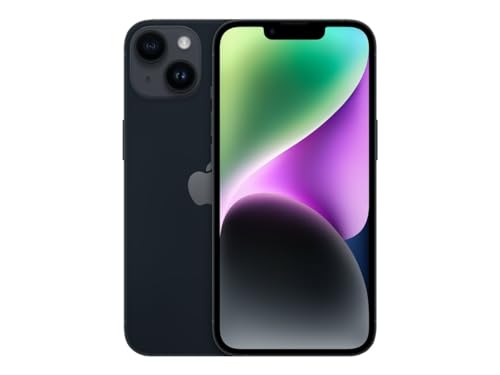
Apple iPhone 13 (128GB) review. Compare 197 technical specifications and user reviews to see how this product ranks in the Smartphones category and whether it is worth buying.
Overall score
What it is: An overall evaluation of the smartphone's quality, based on technical analyses and user reviews.
When it matters: When you need a quick reference to identify the best smartphones on the market.
Score components:
90.0%
Technical Score
10.0%
User score
Technical Score
What it is: An assessment of the smartphone's technical performance, covering eight key areas: performance & hardware, software, camera, connectivity, display, battery, audio, and design.
When it matters: When you want to compare smartphones based on technical performance and available features.
Score components:
25.0%
Performance & Hardware
18.0%
Camera
15.0%
Display
15.0%
Battery
10.0%
Software
10.0%
Connectivity
4.0%
Audio
3.0%
Design
User score
What it is: A rating that combines user reviews and the total number of reviews received by the smartphone
When it matters: When you want to know how a smartphone handles daily tasks and how reliable it remains over time according to user feedback.
Score components:
70.0%
User reviews
30.0%
Popularity
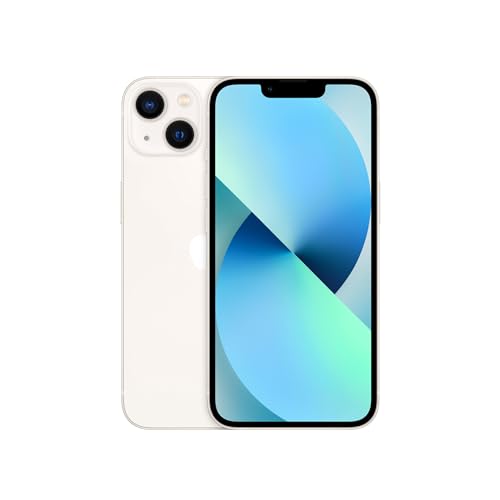
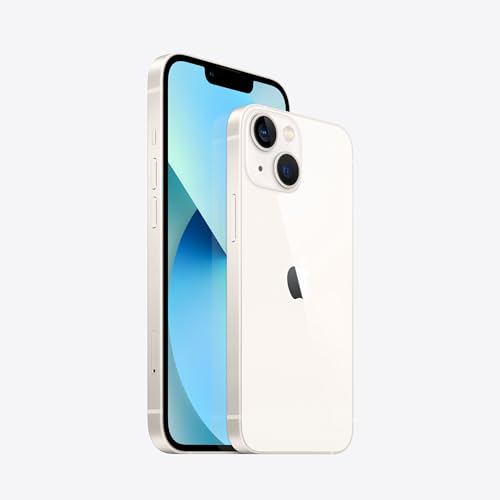
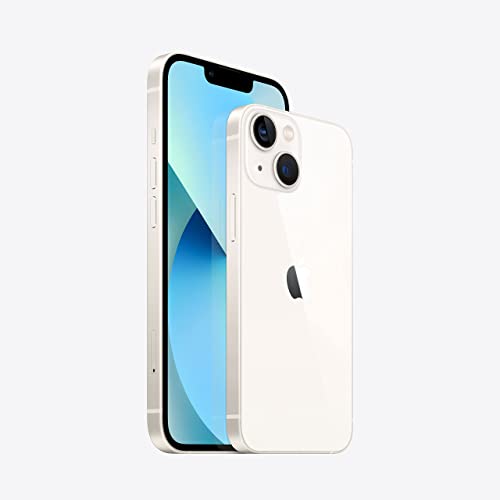
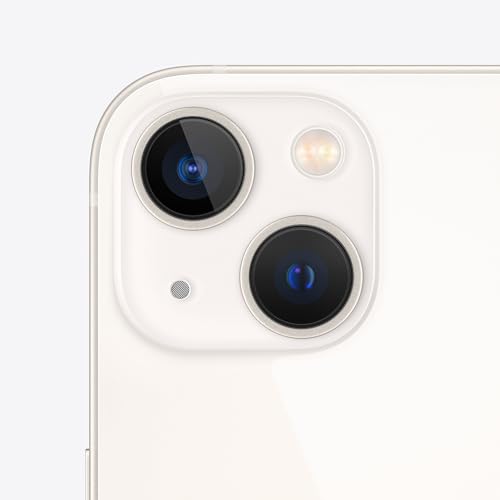
Available: ranking among products currently available (including other versions of this product).
All: ranking among all products in the database.
#18 in Best Compact Smartphones
#21 in Best Apple Smartphones
#23 in Best 6-Inch Smartphones
#168 in Best Mid-Range Smartphones
#230 in Best Smartphones Under £500
#371 in Best NFC Smartphones
#378 in Best 5G Smartphones
#387 in Best AI Smartphones
#388 in Best Smartphones
#559 in Best Value Smartphones
What it is: An assessment of the smartphone's technical performance, covering eight key areas: performance & hardware, software, camera, connectivity, display, battery, audio, and design.
When it matters: When you want to compare smartphones based on technical performance and available features.
Score components:
25.0%
Performance & Hardware
18.0%
Camera
15.0%
Display
15.0%
Battery
10.0%
Software
10.0%
Connectivity
4.0%
Audio
3.0%
Design
What it is: A rating that combines user reviews and the total number of reviews received by the smartphone
When it matters: When you want to know how a smartphone handles daily tasks and how reliable it remains over time according to user feedback.
Score components:
70.0%
User reviews
30.0%
Popularity
What it is: An indicator that combines the smartphone's overall rating with its cost.
When it matters: When you are looking for a smartphone with a good balance between quality and price.
Score components:
60.0%
Overall score
40.0%
Price
Importance: LOW
Importance: HIGH
Importance: HIGH
Good value: >12 GB
Importance: MEDIUM
Good value: >256 GB
Importance: MEDIUM
Good value: >3.2 GHz
Importance: LOW
Importance: MEDIUM
Good value: >1500
Importance: LOW
Good value: >4000
Importance: LOW
Good value: 8+
Importance: LOW
Importance: LOW
Good value: >950 MHz
Importance: LOW
Good value: >700
Importance: LOW
Good value: >1000
Importance: LOW
Good value: >2500
Importance: MEDIUM
Good value: >6000
Importance: LOW
Good value: >8000
Importance: MEDIUM
Good value: >12000
Importance: LOW
Good value: >5000
Importance: LOW
Good value: >1800
Importance: LOW
Good value: >3200 MHz
Importance: LOW
Good value: 5
Importance: LOW
Good value: > 50 GB/s
Importance: LOW
Good value: 4
Importance: LOW
Good value: >16 GB
Importance: MEDIUM
Good value: <6 nm
Importance: MEDIUM
Good value: >9 W
Importance: LOW
Importance: LOW
Good value: >8192 KB
Importance: LOW
Good value: >2048 KB
Importance: LOW
Good value: >512 KB
Importance: LOW
Good value: >100000 million
Importance: LOW
Good value: 3.3
Importance: LOW
Good value: 3.2
Importance: LOW
Good value: 2.0/3.0
Importance: LOW
Importance: LOW
Importance: LOW
Importance: MEDIUM
Importance: LOW
Importance: LOW
Importance: LOW
Importance: LOW
Importance: LOW
Importance: LOW
Importance: LOW
Importance: LOW
Importance: LOW
Importance: LOW
Importance: LOW
Importance: LOW
Importance: LOW
Importance: LOW
Importance: LOW
Importance: LOW
Importance: LOW
Importance: LOW
Importance: LOW
Importance: LOW
Importance: LOW
Importance: LOW
Importance: LOW
Importance: LOW
Importance: LOW
Importance: LOW
Importance: LOW
Importance: LOW
Importance: LOW
Importance: LOW
Importance: LOW
Importance: LOW
Importance: LOW
Importance: MEDIUM
Good value: >50 MP
Importance: MEDIUM
Importance: HIGH
Good value: >60
Importance: LOW
Good value: ≥1.2 µm
Importance: MEDIUM
Good value: >2.5x
Importance: MEDIUM
Importance: LOW
Importance: LOW
Importance: LOW
Importance: LOW
Good value: ≥2
Importance: LOW
Importance: LOW
Importance: LOW
Importance: LOW
Good value: >16 MP
Importance: LOW
Importance: LOW
Importance: LOW
Importance: LOW
Importance: MEDIUM
Importance: LOW
Importance: LOW
Importance: LOW
Importance: LOW
Importance: LOW
Importance: LOW
Importance: LOW
Importance: LOW
Importance: LOW
Importance: LOW
Importance: LOW
Importance: LOW
Importance: LOW
Importance: LOW
Importance: LOW
Importance: LOW
Importance: LOW
Importance: LOW
Importance: LOW
Importance: LOW
Importance: LOW
Good value: >130
Importance: LOW
Good value: >120
Importance: LOW
Good value: ≥2
Importance: LOW
Importance: LOW
Importance: LOW
Importance: LOW
Importance: LOW
Importance: LOW
Good value: >5.2
Importance: LOW
Importance: LOW
Importance: LOW
Importance: LOW
Good value: 3.1/3.2
Importance: LOW
Importance: LOW
Importance: LOW
Good value: ≥2
Importance: LOW
Importance: LOW
Importance: LOW
Importance: LOW
Importance: LOW
Importance: LOW
Importance: LOW
Importance: LOW
Importance: LOW
Importance: LOW
Importance: LOW
Importance: LOW
Importance: LOW
Importance: LOW
Importance: LOW
Importance: LOW
Good value: ≥6.6 inches
Importance: MEDIUM
Importance: LOW
Good value: >400 ppi
Importance: MEDIUM
Importance: MEDIUM
Good value: ≥120 Hz
Importance: LOW
Importance: LOW
Good value: >300 Hz
Importance: LOW
Good value: >800 nits
Importance: LOW
Good value: >1300 nits
Importance: LOW
Good value: >1000 nits
Importance: LOW
Importance: LOW
Importance: LOW
Importance: LOW
Importance: LOW
Importance: LOW
Importance: LOW
Importance: LOW
Importance: HIGH
Good value: >5000 mAh
Importance: MEDIUM
Good value: >60 W
Importance: LOW
Importance: LOW
Good value: <45 min
Importance: LOW
Importance: LOW
Good value: >40 W
Importance: LOW
Importance: LOW
Good value: >10 W
Importance: LOW
Importance: LOW
Importance: MEDIUM
Importance: LOW
Good value: >800
Importance: LOW
Importance: LOW
Importance: LOW
Importance: LOW
Importance: LOW
Good value: ≥3
Importance: LOW
Importance: LOW
Importance: LOW
Importance: LOW
Importance: LOW
Importance: LOW
Importance: LOW
Good value: <162 mm
Importance: LOW
Good value: <75 mm
Importance: LOW
Good value: <8 mm
Importance: LOW
Good value: <190 g
Importance: LOW
Good value: <98cm³
Importance: LOW
Importance: LOW
Importance: LOW
Importance: LOW
Importance: LOW
Importance: LOW
Good value: ≥1.5 m
Importance: LOW
Importance: LOW
Good value: >8
Importance: LOW
Importance: LOW
Importance: MEDIUM
Importance: LOW
Importance: LOW
Good value: ≥1.2 µm
Importance: LOW
Importance: MEDIUM
Good value: >1500
Importance: LOW
Importance: MEDIUM
Good value: >3.2 GHz
Importance: LOW
Good value: >2048 KB
Importance: MEDIUM
Good value: ≥120 Hz
Importance: MEDIUM
Good value: >50 MP
Importance: HIGH
Good value: >5000 mAh
Importance: MEDIUM
Good value: >256 GB
Importance: HIGH
Good value: >12 GB
Importance: LOW
Good value: ≥6.6 inches
Importance: LOW
Importance: LOW
Good value: >16 GB
(Reviews last updated: August 2026)
Consumer Reports rated the Apple iPhone 13 as "Very Good" overall, highlighting its speed, above-average 40-hour battery life, and "Excellent" durability with strong scratch resistance and tumble test results. The device features a 6.1-inch OLED display with high resolution and "Excellent" outdoor readability. Its 12-megapixel rear camera received top marks for still photography, noted for color quality, sharpness, and low-light performance, while a new "Cinematic Mode" offers automatic "rack focus" for video. However, the review noted that call quality was only "Very Good," and the touchscreen, while easy to use, wasn't considered best in class. Cons include the absence of the 120Hz "ProMotion" refresh rate found in Pro models and the lack of a dedicated telephoto lens, limiting zoom capabilities compared to its Pro counterparts.
Macworld characterizes the iPhone 13 as an essential but incremental upgrade, particularly beneficial for users of older models, highlighting its significantly improved battery life and doubled base storage of 128GB as key pros. While the camera system benefits from a larger wide-angle sensor and sensor-shift stabilization, improving low-light performance, daylight photos are similar to the iPhone 12, and new software features like Cinematic Mode are considered niche. Cons include a design nearly identical to its predecessor with minimal functional change from the smaller notch, and notably, the absence of a ProMotion 120Hz display, making the iPhone 13 Pro a more appealing option for those seeking smoother scrolling and additional camera capabilities.
Digital Trends describes the Apple iPhone 13 as the ideal "iPhone for the masses," offering a balance of performance, size, and value with notable pros including improved battery life and the powerful A15 Bionic chip. Key cons highlighted in the review are the 60Hz screen refresh rate and the absence of a telephoto lens, potentially making the device feel like an incremental upgrade for existing iPhone 12 users.
The iPhone 13 offers improved battery life, better cameras with superior low-light performance and a new "Cinematic mode" for video, and is supported by over five years of software updates. However, it retains a 60Hz display, lacks a telephoto lens, still uses a Lightning port instead of USB-C, and represents only minor upgrades from the iPhone 12.
According to a New York Times review, the iPhone 13 is characterized by "ruthless incrementalism," representing one of the smallest year-over-year updates in Apple's history, with marginal improvements like a slightly faster chip. The review highlights improved battery life as a significant pro and notes standout camera features like "Cinematic Mode" for video enthusiasts, while cons include a lack of "game-changing" innovation, the high cost for subtle upgrades, and niche camera modes. The
PCMag awarded the Apple iPhone 13 an Editors' Choice, citing its substantial battery life improvements and refined performance, despite a visual similarity to its predecessor. The review highlighted pros such as exceptional 15-hour battery life, the A15 Bionic chip, and an enhanced dual-camera system with Sensor-Shift OIS and Cinematic Mode. Cons included a 60Hz display, no telephoto lens, and slightly increased weight compared to the iPhone 12, positioning it as a refinement rather than a revolution.
CNET describes the iPhone 13 as a "delightful upgrade" focusing on refining existing features rather than introducing radical changes. Pros highlighted include improved battery life, a brighter display, and increased base storage to 128GB without a price increase. The camera system benefits from Sensor-Shift Optical Image Stabilization for better low-light performance, Cinematic Mode for video, and customizable Photographic Styles. Cons include a design similar to the iPhone 12 with a still-present notch, a 60Hz display refresh rate unlike Pro models, and the lack of an in-screen fingerprint sensor or USB-C port.
In a review, the iPhone 13 and 13 mini are described as models for the general user, distinct from the Pro versions. The standard models feature the A15 Bionic chip and improved battery life, while the new Cinematic Mode is highlighted as a particularly fun feature for regular users despite technical limitations. However, the review notes drawbacks like conservative color options and the absence of a ProMotion display compared to the Pro line. APPLE iPhone 13£279.00& more prices4.6(92.3k)Apple iPhone 13 Mini 5G 128GB/256GB 5.4 in Factory Unlocked Smartphone. Apple. Black. Mobile & Smart Phones. 0194252690826.£309.994.4(12.7k)
T3 describes the Apple iPhone 13 as offering valuable upgrades, including an improved camera system with better low-light performance and sensor-shift stabilization, significantly enhanced battery life, and a brighter 6.1-inch OLED screen powered by the A15 Bionic chip. Pros include the "snazzy" Cinematic Mode for video, while cons are the lack of a telephoto lens, a standard 60Hz display refresh rate, the continued use of the Lightning port, and relatively slow charging speeds compared to rivals.
According to Tom's Guide, the iPhone 13 offers a brighter display, significantly improved battery life, and double the base storage compared to its predecessor. Key advantages include the new Cinematic camera mode and enhanced low-light photography capabilities, powered by the A15 Bionic chip, though it retains a 60Hz display, slow 20W charging, and lacks Touch ID.
The iPhone 13 is characterized by TechRadar as a "low-key great" iteration, offering notable improvements in battery life and camera technology over the iPhone 12. While featuring a similar design, it introduces a 20% smaller notch, Sensor-Shift optical image stabilization, and the A15 Bionic chip for enhanced performance. Key cons identified include the lack of a 120Hz display, limited 20W charging, and the continued use of a Lightning port rather than USB-C.
The Apple iPhone 13 mini is considered the best small phone available, providing a complete iPhone experience in a compact form. Key improvements over its predecessor include enhanced battery life and an upgraded camera system, although its size presents inherent challenges. Pros include its manageable size for single-handed use and pocketability, a vibrant 5.4-inch OLED display, premium construction, a powerful A15 Bionic chip, and a high-quality main camera sensor shared with the larger iPhone 13, excelling in low light. Cons stem from its size, resulting in a smaller battery that may not last a full day for heavy users and a small screen that can make certain tasks cumbersome. Additional drawbacks are the absence of a 120Hz ProMotion display, no telephoto lens, and the continued use of the Lightning port.
The Bild.de review of the iPhone 13 lineup identifies Cinematic Mode as the standout innovation, offering AI-driven focus shifts for a professional "bokeh" effect. While acknowledging the devices are largely iterative, the review highlights significant battery life improvements, better low-light camera performance, and a smaller display notch as key pros. Conversely, the lack of a 120Hz ProMotion display on standard models, the continued use of a Lightning port, and slow charging speeds are noted as primary drawbacks. For more details, visit Bild.de.
According to the Connect.de test, the iPhone 13 mini is highlighted as a masterclass in compact engineering, offering premium, high-end performance in a 5.4-inch form factor with improved one-handed ergonomics. The device boasts a high-density OLED Super Retina XDR display, a powerful A15 Bionic chip, and a camera system enhanced by sensor-shift optical image stabilization and Cinematic Mode, notes the review. Despite these, the review points out that the battery life, while improved over the 12 mini, remains a weak point for heavy users, and the 60Hz display lacks the smoother, high-refresh rate of Pro models.
The Spiegel review describes the Apple iPhone 13 as a "thoughtful evolution" focusing on improved performance, battery life, and camera quality rather than radical design changes. Key enhancements include the A15 Bionic chip, 28% brighter OLED displays, and better low-light photography via larger sensors. While praised for battery longevity, the standard models are constrained by a 60Hz screen refresh rate and lack a dedicated telephoto lens.
The Macerkopf review presents the iPhone 13 as a refined, incremental upgrade, featuring the high-performance A15 Bionic chip and a 20% smaller notch for improved screen space. Key improvements include a noticeably brighter Super Retina XDR display and a camera system that utilizes a larger sensor, resulting in improved low-light performance and the introduction of the versatile Cinematic Mode. A major highlight of the device is its significantly improved battery life, which lasts roughly 2.5 hours longer than the iPhone 12, along with a more practical 128GB base storage capacity. Conversely, the review notes that the display remains limited to a 60Hz refresh rate, lacking the 120Hz ProMotion found on Pro models, and the device still lacks a dedicated telephoto lens. Overall, the review highlights the improved battery and cameras as key pros, while slow charging speeds and the lack of a charger in the box are mentioned as downsides.
According to L'Éclaireur Fnac, the iPhone 13 is a highly balanced, "homogeneous" device that improves on previous generations with a perfect finish, exemplary fluidity, and a comfortable, compact design. Key advancements include significantly better battery life, superior photographic quality, the powerful A15 Bionic chip, and an improved OLED display, making it a more accessible choice than the Pro Max. While offering improved features like Cinematic Mode and sensor-shift stabilization, the device is limited by a 60Hz screen, lack of a telephoto lens, and the absence of an included charger.
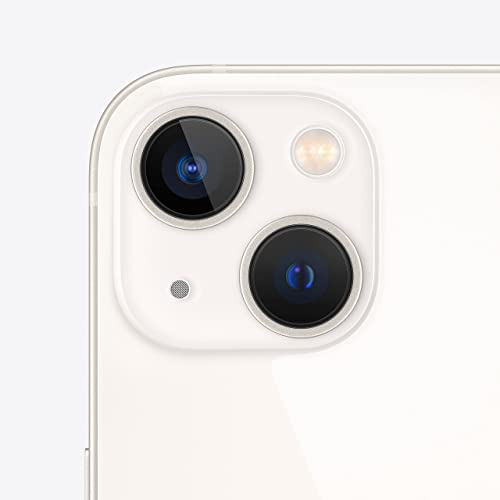
The Frandroid review characterizes the iPhone 13 as a refined "Grade A" update, featuring a 20% smaller notch, a new diagonal camera layout, and a vibrant 6.1-inch Super Retina XDR OLED display that is unfortunately limited to a 60Hz refresh rate. Powered by the A15 Bionic chip, the device offers top-tier performance, while the camera system gains sensor-shift stabilization and improved low-light capabilities, along with the new, albeit imperfect, Cinematic Mode. While notable pros include significantly improved battery life and 128GB base storage, key cons identified are the lack of a 120Hz display, no dedicated telephoto lens, and slow wired charging speeds.
Les Numériques' review highlights the iPhone 13 as a refined, incremental update driven by the powerful A15 Bionic chip, which offers superior performance and, paired with a larger battery, delivers significantly improved battery life. The device features a brighter 800-nit Super Retina XDR OLED display, though it maintains a 60Hz refresh rate rather than adopting the 120Hz ProMotion tech found on higher-end models. The camera system is a major highlight, boasting a larger sensor that captures 47% more light for better low-light photography, alongside Sensor-Shift image stabilization and the new Cinematic Mode for video. Additionally, the base storage capacity is doubled to 128GB, addressing a common complaint from previous generations. Key drawbacks noted in the review include the lack of a high refresh rate screen, the persistence of a 60Hz display, and relatively slow 20W charging speeds compared to industry competitors. Furthermore, while the front-facing notch is smaller, it offers limited functional benefits, and the lack of a dedicated telephoto lens limits zoom capabilities. For more details, visit Les Numériques.
According to the Clubic review, the iPhone 13 and 13 mini are refined, iterative upgrades featuring a 20% smaller notch, improved display brightness (~825 nits), and significantly better battery life. The camera system is a highlight, adopting the 12 Pro Max's main sensor for exceptional low-light performance and introducing Cinematic Mode, though the latter can struggle in dim conditions. While performance via the A15 Bionic chip is top-tier, the review notes cons including the continued use of a 60Hz display instead of 120Hz, the persistent Lightning port, and the fact that the reduced notch does not offer extra screen utility.
The iPhone 13 review from 20 Minutes highlights a refined device featuring the high-performance A15 Bionic chip and significantly improved battery life. Key display enhancements include a 20% smaller notch and higher brightness, though the design remains similar to its predecessor. The upgraded dual-camera system is a major focus, featuring larger sensors, sensor-shift stabilization, and new, versatile capabilities like Cinematic mode and Photographic Styles for improved video and photo quality. However, the 60Hz screen refresh rate feels outdated, and the lack of a telephoto lens and significant design changes makes it a more minor upgrade for iPhone 12 owners.
The Journal du Geek review identifies the iPhone 13 as a "gentle evolution" of the iPhone 12, featuring a 20% smaller notch, slightly shifted physical buttons, and a significantly brighter (800 nits) OLED display. Key performance upgrades include the A15 Bionic chip, double the base storage (128GB), and substantial improvements to battery longevity. While camera performance sees a boost from larger sensors and the new Cinematic Mode, the device lacks a 120Hz display, still uses a Lightning port, and ships without a charger.
The TechRadar review identifies the iPhone 13 as a refined, iterative update featuring significantly improved battery life and the powerful A15 Bionic chip. Key hardware upgrades include Sensor-Shift OIS for better low-light photography and the addition of Cinematic Mode for advanced video, alongside a increased base storage of 128GB. Despite these improvements, the device lacks a 120Hz ProMotion display, maintains relatively slow 20W charging, and retains a design very similar to its predecessor.
The iPhone 13 remains a high-performance, sustainable choice in 2025, driven by the powerful A15 Bionic chip and a bright 6.1-inch Super Retina XDR display, according to Reepeat. Key advantages include a significantly improved battery life lasting over a full day, an advanced camera system featuring Cinematic Mode, and long-term iOS support expected until 2028. Despite these strengths, the review notes drawbacks such as the reliance on a Lightning port, a 60Hz screen refresh rate, and a lack of a telephoto lens.
The Numerama review presents the iPhone 13 and 13 mini as refined updates to the iPhone 12, featuring a smaller notch and a brighter 800-nit OLED display, though it lacks a 120Hz ProMotion screen. A major highlight is the improved battery life and the A15 Bionic chip's performance, which finally provides "worry-free" endurance, particularly addressing previous, faster-draining models. Camera capabilities are enhanced with sensor-shift stabilization and the "Cinematic Mode," though the lack of a dedicated telephoto lens is a noted limitation. While considered a "boring" upgrade for iPhone 12 users, it is deemed a near-perfect choice for those upgrading from older devices.
According to Tom's Guide, the iPhone 13 offers a superior, longer-lasting battery (10+ hours) and faster performance via the A15 Bionic chip compared to the iPhone 12, while upgrading to 128GB base storage. The device improves photography with sensor-shift stabilization and introduces Cinematic Mode, alongside a 28% brighter OLED display. However, both models lack a 120Hz display, feature stagnant 20W charging speeds, and the 13 is slightly heavier than the 12. For the full, detailed comparison, read the article at Tom's Guide. Tom'
The iPhone 13 features a refined design with a smaller notch and the powerful A15 Bionic chip, offering top-tier performance, though it lacks a 120Hz refresh rate, staying at 60Hz. While the new diagonal camera layout introduces a 47% larger sensor for better low-light shots, the device still relies on the Lightning port and lacks a dedicated telephoto lens. Notably, the phone delivers significantly improved battery life and introduces Cinematic Mode, which enables automatic, editable rack-focusing for video, despite occasional edge-detection issues.
The Tom’s Hardware Italy review highlights that while the iPhone 13 appears similar to its predecessor, it introduces critical, fundamental upgrades including a 20% smaller notch and a brighter 6.1-inch Super Retina XDR OLED display. Driven by the A15 Bionic chip, the device offers improved performance, with base storage doubled to 128GB, and a superior camera system featuring Sensor-Shift stabilization. Furthermore, battery life is improved by roughly 2.5 hours over the iPhone 12, and new features like Cinematic Mode and Photographic Styles enhance video and photo capabilities. Despite these improvements, the review notes that the standard iPhone 13 lacks a 120Hz ProMotion display, remaining at 60Hz, and it still falls short in fast-charging speeds compared to competitors. Additionally, the lack of a dedicated telephoto lens for optical zoom is mentioned as a limitation for power users. Nevertheless, the review concludes that the iPhone 13 offers the best price-to-quality ratio in Apple's lineup for the average consumer.
According to the Saggiamente review, the iPhone 13 and 13 mini focus on incremental refinement, featuring a mature, squared-edge design, improved battery life, and doubled base storage. Key advantages include significant camera upgrades with sensor-shift stabilization and the addition of Cinematic Mode, although the lack of a high-refresh-rate display (60Hz) is a notable limitation. Despite being slightly thicker, the devices offer a polished user experience, making them ideal for users upgrading from older models.
The Sky TG24 review identifies the iPhone 13 as a balanced, incremental update focusing on enhanced usability and better value rather than radical, new design changes. Key improvements include the powerful A15 Bionic chip, significantly better battery life compared to the iPhone 12, and an OLED display that is 28% brighter, although it lacks the 120Hz refresh rate of Pro models. Photographic capabilities are enhanced by larger sensors and the new Cinematic Mode for video, while the move to a 128GB base storage is considered a major benefit. While the 20% smaller notch is a positive, the phone's overall design remains nearly identical to its predecessor, which may disappoint some users. Cons include the lack of a telephoto lens, the continued use of a 60Hz display, and the absence of a charger, though the device is deemed the best choice for most users. Read the original review at Sky TG24.
The Macitynet review characterizes the iPhone 13 as a refined, "mature" upgrade featuring a 20% smaller notch, a new diagonal camera layout, and the powerful A15 Bionic chip. Key advantages include significantly improved battery life, a brighter 800-nit OLED display, Cinematic Mode for video, and a doubled base storage of 128GB without a price increase. Conversely, the standard model lacks a 120Hz ProMotion screen, telephoto lens, and fast charging capabilities, while launching at a €939 price point.
The iPhone 13 features the A15 Bionic chip for top-tier performance, a 20% smaller notch, and a brighter Super Retina XDR display, though it lacks a 120Hz refresh rate. Camera upgrades include the larger sensor from the iPhone 12 Pro Max with sensor-shift stabilization and the introduction of Cinematic Mode, which is limited to 1080p resolution. Key advantages include significantly improved battery life, while drawbacks include slow charging speeds and the lack of a telephoto lens or 120Hz display.
Andrea Galeazzi defines the iPhone 13 as a balanced, evolutionary upgrade featuring a new diagonal camera layout, a 20% smaller notch, and a brighter 800-nit Super Retina XDR display. Powered by the A15 Bionic chip, the device boasts improved performance and standout battery life, alongside camera enhancements like sensor-shift stabilization and Cinematic Mode. While it remains a top "buy of the year," downsides include a 60Hz refresh rate, a limited 100-entry call log, and high screen scratch vulnerability, making it less compelling for iPhone 12 owners.
The iPhone 13 is characterized by iPhoned.nl as a refined, incremental upgrade featuring the high-performance A15 Bionic chip and significantly improved battery life. Key improvements include a smaller notch, a brighter OLED screen, and an enhanced camera system with sensor-shift stabilization and Cinematic Mode. However, a major drawback is the continued use of a 60Hz screen rather than a 120Hz display, which feels outdated at this price point. Additional cons include the lack of a telephoto lens, slow 20W charging speeds, and no charger in the box. Ultimately, the review deems it a balanced, reliable, and powerful choice for users upgrading from older models, such as the iPhone 11. For more details, visit iPhoned.nl.
The iPhone 13 128GB is a refined, reliable successor to the iPhone 12, featuring the fast A15 Bionic chip and a bright Super Retina XDR OLED display. It offers significant improvements in battery life, lasting over two hours longer than the previous model. Key upgrades include a superior camera system with sensor-shift stabilization for better low-light photos and a new Cinematic Mode for video. However, the device lacks the 120Hz ProMotion screen found in Pro models, resulting in a 60Hz display that feels less fluid, and it lacks a dedicated telephoto lens for zoom. Its design remains very similar to the iPhone 12, making it an incremental update for existing users. Despite these minor drawbacks, the iPhone 13 provides a strong combination of performance, battery longevity, and photographic capability. Pros & Cons Pros: Powerful A15 Bionic performance, enhanced battery life, superior camera capabilities, bright OLED display.Cons: 60Hz refresh rate, no optical zoom lens, incremental design changes from the previous model. For more details, visit Consumentenbond Consumentenbond.
The iPhone 13 and 13 Pro are characterized as refined, incremental updates rather than revolutionary shifts, with improved battery life and a new diagonal camera layout for the base model, though the screen lacks high refresh rates. While the iPhone 13 Pro stands out with its 120Hz ProMotion display, improved cameras, and powerful A15 chip, the devices are heavier with larger camera bumps and still rely on the Lightning port with slower charging speeds. Ultimately, the review suggests that while upgrades are recommended for users with an iPhone 11 or older, the lack of a major "wow" factor makes it a generation that iPhone 12 owners could likely skip.
The Hardware Info review indicates that the iPhone 13 series delivers top-tier performance via the A15 Bionic chip but carries a high price point. While the Pro Max benefits from an extra GPU core for graphical tasks, the review highlights thermal issues that can lead to performance dips under stress. The 13 mini is praised for its compact size, excellent handling, and strong camera, though it suffers from limited battery life and lacks the 120Hz display found on the Pro models. Conversely, the 13 Pro Max is noted for exceptional battery life and a superior 120Hz display, but its large, heavy, and expensive design can be a drawback for some users.
The iCulture review characterizes the iPhone 13 as a reliable, iterative upgrade featuring a familiar design with a smaller notch, the powerful A15 Bionic chip, and a doubled base storage of 128GB. Key improvements include enhanced low-light camera performance, the addition of Cinematic Mode, and significantly improved battery life compared to the iPhone 12. Drawbacks highlighted include the absence of a 120Hz ProMotion display, lack of a telephoto lens, and minimal "wow-factor" for iPhone 12 users, though it remains a strong choice for those upgrading from older models.
The iPhone 13 series is characterized as an evolutionary upgrade, offering significant improvements in battery life and performance via the A15 Bionic chip. The Pro models introduce a 120Hz ProMotion display, while all models feature improved OLED screens, better low-light photography, and, in some cases, doubled base storage. Pros include exceptional battery longevity, particularly on the Pro Max, and a new "Cinematic Mode" for video, although the Pro's secondary lenses are less impressive than the main sensor. Significant cons include the lack of a 120Hz display on standard models, increased weight, a larger camera bump, and continued reliance on the Lightning port. The reduced, yet taller, screen notch offers limited functional improvement, and the overall design changes make previous cases incompatible.

Compare