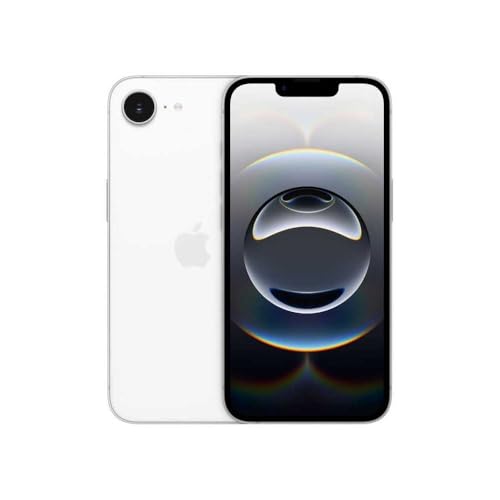
Apple iPhone 16e (128GB) review. Compare 197 technical specifications and user reviews to see how this product ranks in the Smartphones category and whether it is worth buying.
Overall score
What it is: An overall evaluation of the smartphone's quality, based on technical analyses and user reviews.
When it matters: When you need a quick reference to identify the best smartphones on the market.
Score components:
90.0%
Technical Score
10.0%
User score
Technical Score
What it is: An assessment of the smartphone's technical performance, covering eight key areas: performance & hardware, software, camera, connectivity, display, battery, audio, and design.
When it matters: When you want to compare smartphones based on technical performance and available features.
Score components:
25.0%
Performance & Hardware
18.0%
Camera
15.0%
Display
15.0%
Battery
10.0%
Software
10.0%
Connectivity
4.0%
Audio
3.0%
Design
User score
What it is: A rating that combines user reviews and the total number of reviews received by the smartphone
When it matters: When you want to know how a smartphone handles daily tasks and how reliable it remains over time according to user feedback.
Score components:
70.0%
User reviews
30.0%
Popularity
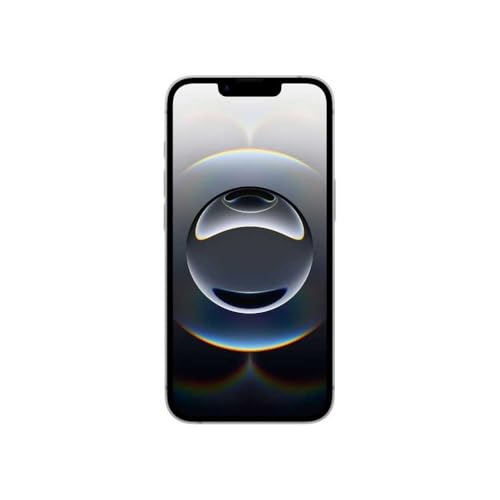
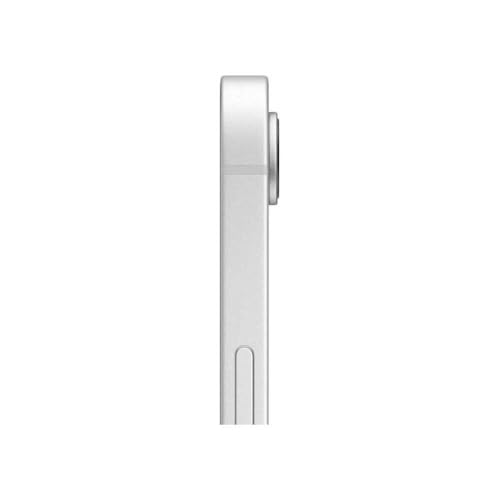
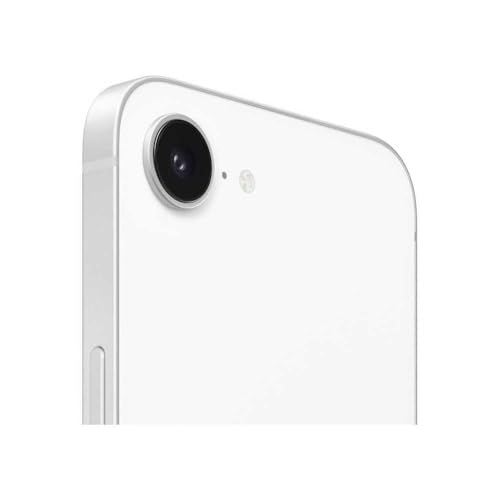
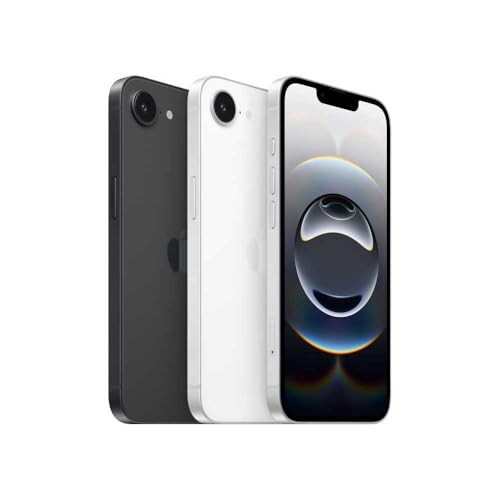
Available: ranking among products currently available (including other versions of this product).
All: ranking among all products in the database.
#13 in Best Compact Smartphones
#17 in Best Apple Smartphones
#18 in Best 6-Inch Smartphones
#298 in Best NFC Smartphones
#304 in Best 5G Smartphones
#308 in Best AI Smartphones
#309 in Best Smartphones
#685 in Best Value Smartphones
What it is: An assessment of the smartphone's technical performance, covering eight key areas: performance & hardware, software, camera, connectivity, display, battery, audio, and design.
When it matters: When you want to compare smartphones based on technical performance and available features.
Score components:
25.0%
Performance & Hardware
18.0%
Camera
15.0%
Display
15.0%
Battery
10.0%
Software
10.0%
Connectivity
4.0%
Audio
3.0%
Design
What it is: A rating that combines user reviews and the total number of reviews received by the smartphone
When it matters: When you want to know how a smartphone handles daily tasks and how reliable it remains over time according to user feedback.
Score components:
70.0%
User reviews
30.0%
Popularity
What it is: An indicator that combines the smartphone's overall rating with its cost.
When it matters: When you are looking for a smartphone with a good balance between quality and price.
Score components:
60.0%
Overall score
40.0%
Price
Importance: LOW
Importance: HIGH
Importance: HIGH
Good value: >12 GB
Importance: MEDIUM
Good value: >256 GB
Importance: MEDIUM
Good value: >3.2 GHz
Importance: LOW
Importance: MEDIUM
Good value: >1500
Importance: LOW
Good value: >4000
Importance: LOW
Good value: 8+
Importance: LOW
Importance: LOW
Good value: >950 MHz
Importance: LOW
Good value: >700
Importance: LOW
Good value: >1000
Importance: LOW
Good value: >2500
Importance: MEDIUM
Good value: >6000
Importance: LOW
Good value: >8000
Importance: MEDIUM
Good value: >12000
Importance: LOW
Good value: >5000
Importance: LOW
Good value: >1800
Importance: LOW
Good value: >3200 MHz
Importance: LOW
Good value: 5
Importance: LOW
Good value: > 50 GB/s
Importance: LOW
Good value: 4
Importance: LOW
Good value: >16 GB
Importance: MEDIUM
Good value: <6 nm
Importance: MEDIUM
Good value: >9 W
Importance: LOW
Importance: LOW
Good value: >8192 KB
Importance: LOW
Good value: >2048 KB
Importance: LOW
Good value: >512 KB
Importance: LOW
Good value: >100000 million
Importance: LOW
Good value: 3.3
Importance: LOW
Good value: 3.2
Importance: LOW
Good value: 2.0/3.0
Importance: LOW
Importance: LOW
Importance: LOW
Importance: MEDIUM
Importance: LOW
Importance: LOW
Importance: LOW
Importance: LOW
Importance: LOW
Importance: LOW
Importance: LOW
Importance: LOW
Importance: LOW
Importance: LOW
Importance: LOW
Importance: LOW
Importance: LOW
Importance: LOW
Importance: LOW
Importance: LOW
Importance: LOW
Importance: LOW
Importance: LOW
Importance: LOW
Importance: LOW
Importance: LOW
Importance: LOW
Importance: LOW
Importance: LOW
Importance: LOW
Importance: LOW
Importance: LOW
Importance: LOW
Importance: LOW
Importance: LOW
Importance: LOW
Importance: LOW
Importance: MEDIUM
Good value: >50 MP
Importance: MEDIUM
Importance: HIGH
Good value: >60
Importance: LOW
Good value: ≥1.2 µm
Importance: MEDIUM
Good value: >2.5x
Importance: MEDIUM
Importance: LOW
Importance: LOW
Importance: LOW
Importance: LOW
Good value: ≥2
Importance: LOW
Importance: LOW
Importance: LOW
Importance: LOW
Good value: >16 MP
Importance: LOW
Importance: LOW
Importance: LOW
Importance: LOW
Importance: MEDIUM
Importance: LOW
Importance: LOW
Importance: LOW
Importance: LOW
Importance: LOW
Importance: LOW
Importance: LOW
Importance: LOW
Importance: LOW
Importance: LOW
Importance: LOW
Importance: LOW
Importance: LOW
Importance: LOW
Importance: LOW
Importance: LOW
Importance: LOW
Importance: LOW
Importance: LOW
Importance: LOW
Importance: LOW
Good value: >130
Importance: LOW
Good value: >120
Importance: LOW
Good value: ≥2
Importance: LOW
Importance: LOW
Importance: LOW
Importance: LOW
Importance: LOW
Importance: LOW
Good value: >5.2
Importance: LOW
Importance: LOW
Importance: LOW
Importance: LOW
Good value: 3.1/3.2
Importance: LOW
Importance: LOW
Importance: LOW
Good value: ≥2
Importance: LOW
Importance: LOW
Importance: LOW
Importance: LOW
Importance: LOW
Importance: LOW
Importance: LOW
Importance: LOW
Importance: LOW
Importance: LOW
Importance: LOW
Importance: LOW
Importance: LOW
Importance: LOW
Importance: LOW
Importance: LOW
Good value: ≥6.6 inches
Importance: MEDIUM
Importance: LOW
Good value: >400 ppi
Importance: MEDIUM
Importance: MEDIUM
Good value: ≥120 Hz
Importance: LOW
Importance: LOW
Good value: >300 Hz
Importance: LOW
Good value: >800 nits
Importance: LOW
Good value: >1300 nits
Importance: LOW
Good value: >1000 nits
Importance: LOW
Importance: LOW
Importance: LOW
Importance: LOW
Importance: LOW
Importance: LOW
Importance: LOW
Importance: LOW
Importance: HIGH
Good value: >5000 mAh
Importance: MEDIUM
Good value: >60 W
Importance: LOW
Importance: LOW
Good value: <45 min
Importance: LOW
Importance: LOW
Good value: >40 W
Importance: LOW
Importance: LOW
Good value: >10 W
Importance: LOW
Importance: LOW
Importance: MEDIUM
Importance: LOW
Good value: >800
Importance: LOW
Importance: LOW
Importance: LOW
Importance: LOW
Importance: LOW
Good value: ≥3
Importance: LOW
Importance: LOW
Importance: LOW
Importance: LOW
Importance: LOW
Importance: LOW
Importance: LOW
Good value: <162 mm
Importance: LOW
Good value: <75 mm
Importance: LOW
Good value: <8 mm
Importance: LOW
Good value: <190 g
Importance: LOW
Good value: <98cm³
Importance: LOW
Importance: LOW
Importance: LOW
Importance: LOW
Importance: LOW
Importance: LOW
Good value: ≥1.5 m
Importance: LOW
Importance: LOW
Good value: >8
Importance: LOW
Importance: LOW
Importance: MEDIUM
Importance: MEDIUM
Good value: <6 nm
Importance: MEDIUM
Good value: >3.2 GHz
Importance: LOW
Importance: LOW
Importance: LOW
Importance: LOW
Importance: HIGH
Importance: MEDIUM
Good value: ≥120 Hz
Importance: MEDIUM
Good value: >256 GB
Importance: HIGH
Good value: >5000 mAh
Importance: LOW
Good value: ≥6.6 inches
Importance: LOW
Importance: LOW
Importance: LOW
Importance: LOW
(Reviews last updated: August 2026)
Consumer Reports describes the iPhone 16e as a high-performing "budget" option bridging older SE models and flagship series, earning an "Excellent" rating for performance due to the A18 chip and C1 modem, and praising its 37.5-hour battery life and durable build. However, trade-offs for its $600 price include a single-lens 48-megapixel camera lacking versatility, the absence of MagSafe technology, slower Qi wireless charging, retention of the older "notch" design, and no dedicated Camera Control button. While a solid upgrade for users with older iPhones, those prioritizing advanced photography or the MagSafe ecosystem might prefer the standard iPhone 16.
Macworld describes the iPhone 16e as an "astonishingly good" but "lopsided" device, offering the speed of the A18 chip and Apple Intelligence features in a lightweight, attractive design. However, it has significant drawbacks including the lack of MagSafe, only a single 48MP rear camera, a 60Hz display with a notch, and underperforming battery life in benchmarks despite using an efficient C1 modem. Macworld struggles to recommend it over the standard iPhone 16 unless cost and basic AI are the highest priorities.
The iPhone 16e serves as Apple’s new "stripped back" entry-level model, replacing the iPhone SE and removing the home button. Key pros include performance from a binned A18 chip enabling Apple Intelligence, and an exceptional 52-hour battery life. Conversely, notable cons include the lack of MagSafe charging, omission of a dedicated Camera Control button, and a single-lens camera system. The device lacks features like the Dynamic Island and ultra-wideband, while its £599 price point makes it a tough recommendation compared to refurbished or Android alternatives.
Mashable’s review positions the iPhone 16e as a "battery life king" that updates Apple’s entry-level lineup, offering two-day battery life with heavy use. Key pros include the efficient A18 chip with Apple Intelligence support, a 6.1-inch OLED display, and a lightweight design. However, cons include a $599 starting price, the omission of MagSafe, and a single-lens 48MP camera lacking an ultrawide option. While featuring an Action Button and USB-C, the 16e retains a 60Hz refresh rate and a notch rather than Dynamic Island.
According to PCMag, the Apple iPhone 16e serves as a new $599 entry-level option, offering performance comparable to the standard iPhone 16 with its A18 chip and excellent battery life due to a new C1 modem. However, it makes compromises including a dimmer 6.1-inch 60Hz OLED display with a notch instead of the Dynamic Island, a single 48MP camera, and lacks MagSafe, mmWave 5G, UWB, and Wi-Fi 7. PCMag considers it a good starter iPhone but recommends the standard iPhone 16 for better overall value.
According to TechRadar, the iPhone 16e bridges the gap between Apple's entry-level and flagship phones, featuring a powerful A18 chipset with Apple Intelligence support and an in-house C1 modem for enhanced 5G efficiency and extended battery life. Despite its quality 6.1-inch Super Retina XDR OLED display, it retains a 60Hz refresh rate and the older notch, lacking the Dynamic Island and a second camera lens for ultra-wide or macro photography. TechRadar finds the device a "frustrating conundrum" partly due to its $599 starting price, which is considerably higher than previous SE models and lacks features like MagSafe and the new Camera Control button.
The iPhone 16e serves as a modern, entry-level successor to the SE line, combining a traditional, lightweight design with the fast A18 Bionic processor for high-end performance. It features a 48-megapixel main camera and supports Apple Intelligence, offering a future-proofed experience for users upgrading from older models. While boasting excellent battery life, the device sacrifices some features to maintain a lower price point, specifically omitting MagSafe/Qi2 charging, an ultra-wide camera, and a high-refresh-rate display.
The iPhone 16e acts as an accessible, A18-powered entry point into the Apple ecosystem, featuring Apple Intelligence support but retaining an older, non-Dynamic Island design. Key advantages include exceptional battery life, high-quality speakers, and the addition of the Action Button, alongside notable drawbacks like the omission of MagSafe, a 60Hz display, and a simplified single-lens camera. While suitable for casual users, some critics suggest the price-to-performance ratio makes older, refurbished Pro models a better value proposition.
The Stern.de review of the iPhone 16e highlights a major technical overhaul with the A18 chip, delivering performance on par with standard models, though it is marketed as a "budget" option. Pros include high-speed everyday performance and strong battery life, while cons feature an outdated 60Hz display, the absence of the Dynamic Island, and the lack of a dedicated Camera Control button. Ultimately, the review questions the device's value proposition due to its limited single-lens camera system and price point compared to the standard iPhone 16.
The iPhone 16e bridges the gap between the SE and 16 series with a modern 6.1-inch OLED design, featuring the powerful A18 chip for top-tier performance and Apple Intelligence support. Key advantages include exceptional battery life, bolstered by an efficient in-house C1 modem. Conversely, the device lacks an ultrawide camera, the Camera Control button, and, crucially, MagSafe, while retaining a 60Hz display with a traditional notch. Positioned as a functional, entry-level option, the $599 starting price is considered high given its limited features compared to the standard iPhone 16, making it best suited for users prioritizing battery and performance.
The Macwelt review identifies the iPhone 16e as a powerful, pocketable, and future-proof entry into Apple’s modern ecosystem, combining a high-performance A18 chip with a 6.1-inch OLED screen and Action button in a $599 package. Key advantages include exceptional, long-lasting battery performance driven by a new C1 modem and a high-quality 48MP main camera with 2x zoom, which is suitable for most users. However, the device cuts costs by omitting MagSafe, limiting the display to 60Hz with a traditional notch, and lacking an ultrawide lens and the dedicated Camera Control button.
According to the Spiegel review, the iPhone 16e acts as a modern, lower-cost alternative in the lineup, featuring the Action Button and a design reminiscent of the standard model. However, the device incorporates significant trade-offs, including a 60Hz screen with a notch instead of Dynamic Island and lower peak brightness. While supporting Apple Intelligence with the A18 chip, it sacrifices premium features like MagSafe, ultra-wide camera, and Wi-Fi 7 to maintain a $599 price point. Despite these cuts, the device delivers strong performance and top-tier battery life.
According to the Computer Hoy review, the iPhone 16e bridges the gap between budget and flagship, featuring a lightweight aluminum build and the powerful A18 chip for Apple Intelligence support. Pros include exceptional battery life—potentially the best on a 6.1-inch iPhone—alongside the Action Button and a vibrant Super Retina XDR display. However, notable cons include the lack of an ultra-wide lens, MagSafe, and a 60Hz display with a "notch" rather than Dynamic Island. Additionally, the €700+ European price point makes it a difficult sell compared to older, high-end models, despite its high-performance capabilities.
According to HWUpgrade, the iPhone 16e serves as a durable, "no-nonsense" entry point into the Apple ecosystem, featuring the A18 chip for strong performance and Apple Intelligence support. Key advantages include exceptional battery life lasting up to two days and a capable 48MP main camera, though it lacks an ultrawide lens and advanced shooting modes. Notable compromises include a 60Hz display, the older Face ID notch, and the absence of MagSafe, making it a performance-focused rather than feature-rich option.
The Spider-Mac review defines the iPhone 16e as a modern "spiritual successor" to the SE, featuring a 6.1-inch OLED display, the A18 chip, and support for Apple Intelligence via the new Action button. Key pros include exceptional battery life from the custom C1 5G modem, a high-quality 48MP Fusion camera, and the inclusion of a USB-C port. However, the device sacrifices features for cost, notably omitting MagSafe for slow 7.5W wireless charging, utilizing a 60Hz display with a notch, and lacking an ultra-wide camera.
According to a Corriere della Sera review, the Apple iPhone 16e offers flagship-level performance via the A18 chip and excellent battery life, but it is hindered by a high €729 starting price, the return of the screen notch, and the lack of an ultra-wide camera. The device boasts superior efficiency thanks to a new in-house C1 modem and includes the Action Button, yet it omits the Camera Control key and MagSafe compatibility. While the 48MP camera provides strong, basic photo quality, the review concludes that the high cost makes it difficult to recommend over superior, similarly priced models.
The iPhone 16e serves as an affordable entry into the Apple ecosystem, featuring a compact design, an OLED display, and the A18 chip for Apple Intelligence support. Key advantages include its lightweight handling, solid battery life, and the inclusion of the 48MP main camera with the new Camera Control button. Limitations highlighted in the review include a 60Hz refresh rate, a 128GB base storage option, and the absence of a dedicated telephoto lens.
The iPhone 16e acts as an entry-level, modernized alternative to the SE series, featuring a design similar to the iPhone 14. Key advantages include the powerful A18 chip, which enables full Apple Intelligence features and provides performance nearly identical to the standard iPhone 16. Furthermore, it introduces Apple’s custom C1 modem, delivering exceptional battery life that can surpass the base iPhone 16. Conversely, the device faces limitations with no MagSafe support, capping wireless charging at 7.5W, and a camera system restricted to a single 48MP Fusion lens. The 6.1-inch OLED screen retains a traditional notch rather than a Dynamic Island and is limited to a 60Hz refresh rate. Despite these compromises, it serves as an accessible entry point to Apple's AI ecosystem. At a starting price of roughly $599/€600, the 16e faces a "lopsided" value proposition, costing significantly more than the previous SE, report sources like Tom's Guide. While it offers unmatched battery life for its price point, it faces stiff competition from the standard iPhone 16 or similarly priced Android alternatives with better screens.
According to Altroconsumo, the iPhone 16e acts as a budget-friendly Apple option, pairing an efficient A18 chip and support for Apple Intelligence with a 4,005 mAh battery that offers superior longevity, even with a standard 60Hz screen. Pros include high build quality with IP68 resistance and a 6.1-inch Super Retina XDR display, alongside excellent audio and USB-C functionality. Conversely, the device faces cons due to significant hardware cuts, including the absence of MagSafe, the Action Button, and Camera Control, along with the return of the older display notch. The camera system is limited to a single 48MP rear lens, lacking the versatility of additional lenses found on higher-end models. Ultimately, Altroconsumo positions the 16e as a specialized, capable device for users prioritizing core performance over premium features, though its value depends on accepting these compromises.
The Macitynet review positions the iPhone 16e as a strategic blend of the SE line and flagship performance, featuring the A18 chip for Apple Intelligence support and the new C1 modem for enhanced efficiency. Pros include a compact design with an Action Button, a high-quality 48MP main camera, and improved battery life, while 60Hz display limitations, lack of MagSafe, and a single-lens setup are listed as notable cons. Starting around $599/€699, it acts as a "no-frills" entry into the Apple ecosystem. For more details, visit Macitynet.
In his review, Andrea Galeazzi describes the iPhone 16e as a modern "SE" iteration blending an iPhone 14 chassis with current internals, boasting excellent 167g ergonomics, a USB-C port, and the Action Button. The device features a powerful A18 chip with Apple Intelligence support, though it is held back by a 60Hz display, an older notch design, and a lack of MagSafe support. Despite the absence of an ultra-wide camera, the 48MP main sensor provides high-quality photos, and the device offers impressive battery life, making it a compelling yet compromised "basic" iPhone.
The iCreate Magazine review characterizes the iPhone 16e as a modern successor to the iPhone SE, abandoning the home button for a 6.1-inch design, USB-C, and the Action Button, though at a higher price point. Key advantages include the powerful A18 chip with Apple Intelligence support, exceptional battery life, and a significant upgrade to a sharp OLED display. However, the device lacks MagSafe, retains a notched screen without Dynamic Island, limits users to a 60Hz refresh rate, and features a single 48MP camera, according to the review.
The Tweakers review characterizes the iPhone 16e as an overpriced, confusing addition to Apple's lineup, arguing that a significant number of missing features makes its €719 launch price difficult to justify. While offering the powerful A18 chip, Apple Intelligence support, and excellent battery life, the device feels dated compared to the standard iPhone 16, note the reviewers. Substantial drawbacks include a 60Hz display with a notch, the absence of MagSafe, a lack of an Ultra Wide camera, and no Wi-Fi 7 or Ultra Wideband support.
According to HLN, e serves as a modern successor to the iPhone SE, replacing the home button with Face -inch display. While featuring chip and Apple Intelligence support, the $ starting price raises questions regarding its value compared to previous budget models. Key advantages include excellent battery life, -megapixel camera, the Action button, and USB-C, though it notably lacks MagSafe, Hz display with a notch, and has only a single rear lens. YouTube +6
The iCulture review positions the iPhone 16e as a modern, budget-friendly "outlier" featuring a 6.1-inch OLED display, the A18 chip, and support for Apple Intelligence. Key advantages include superior battery life driven by an efficient C1 modem, the addition of the customizable Action Button, and high-performance, sharp photography from the 48-megapixel main camera. Limitations include the absence of MagSafe, a single rear camera system lacking an ultrawide lens, a 60Hz display with a traditional notch, and no Camera Control button.
The ID.nl review highlights the iPhone 16e as a solid, practical choice for users upgrading from older models, featuring exceptional battery life enabled by the A18 chip and a new, efficient C1 modem. While not a revolutionary device, it provides a modern, fast 6.1-inch OLED experience for those upgrading from older SE models. Key pros include the inclusion of USB-C, the Action Button, and high-quality photo performance, despite having only a single 48MP camera. However, the review points out several constraints, specifically the lack of MagSafe support, the omission of an ultrawide camera, and a 60Hz display with the older notch design. Furthermore, while it offers a new Apple device experience, its price point makes it primarily sensible for loyal users on a budget rather than those seeking the highest-end features. Ultimately, it is defined as a dependable, if unexciting, entry point into the current iPhone lineup.
The iPhone 16e is highlighted as a compelling, budget-friendly entry into the modern Apple ecosystem, boasting exceptional battery life from its 4,005 mAh cell and capable performance via the A18 chip with Apple Intelligence support. Key advantages include its 6.1-inch OLED screen, though it is limited to a 60Hz refresh rate and lower peak brightness (1,200 nits) compared to higher-end models. Photography is driven by a single 48-megapixel main camera that delivers solid results, but the device lacks an ultra-wide lens, MagSafe charging, and the Dynamic Island feature.

Compare