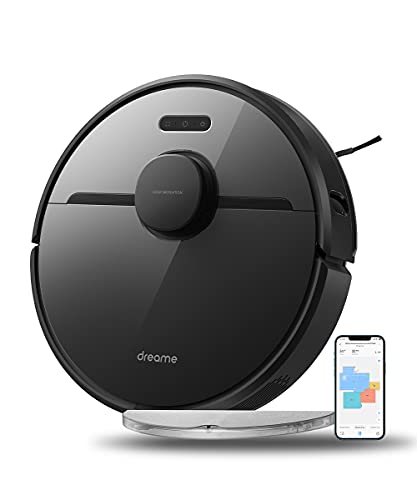
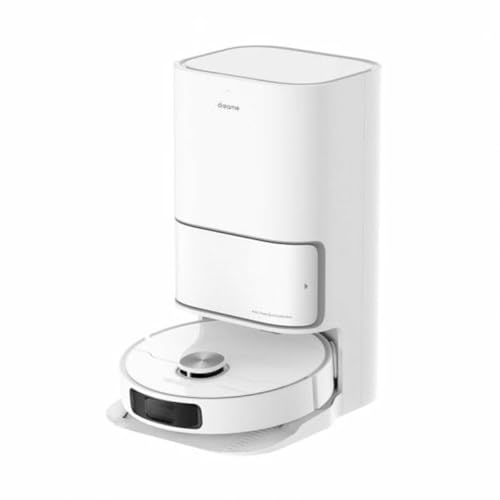
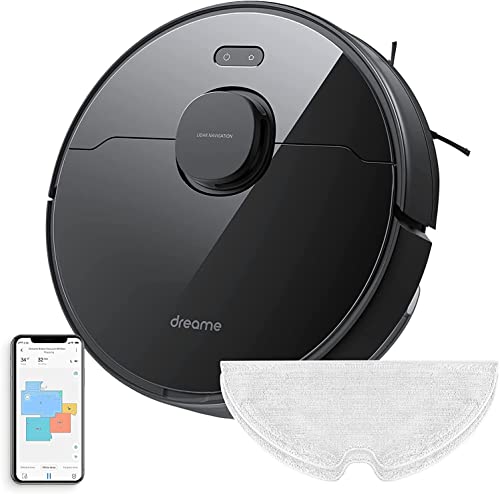
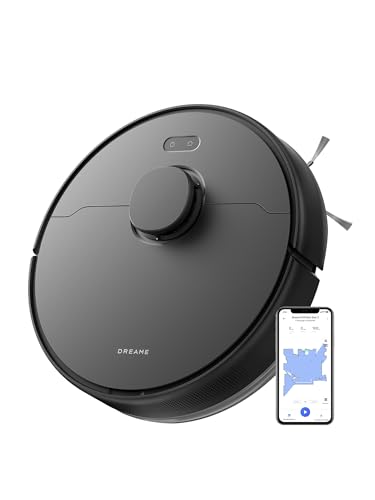
Are Dreame robot vacuums good?
Dreame robot vacuums have an average overall score of 8.6, ranking #1 among comparable robot vacuum brands.
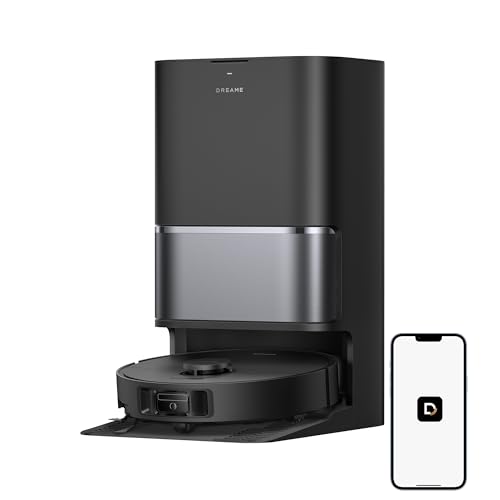
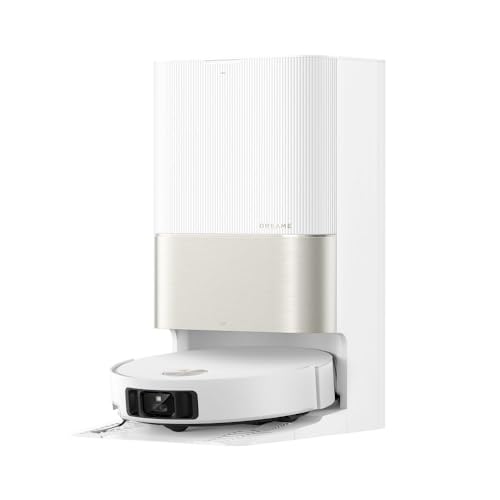
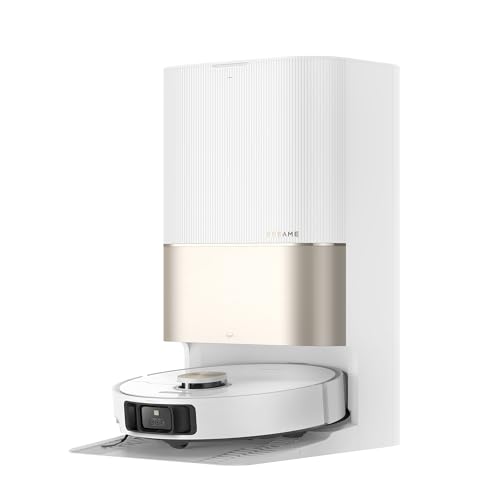
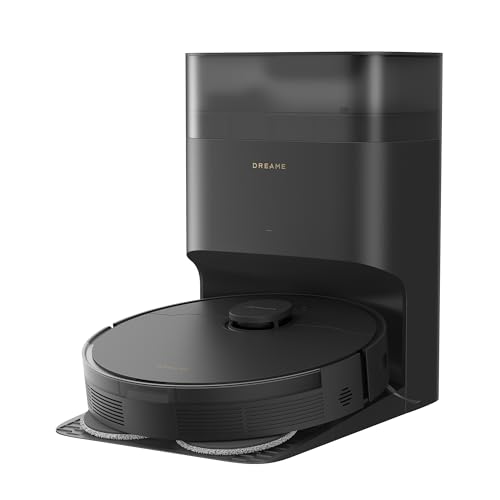
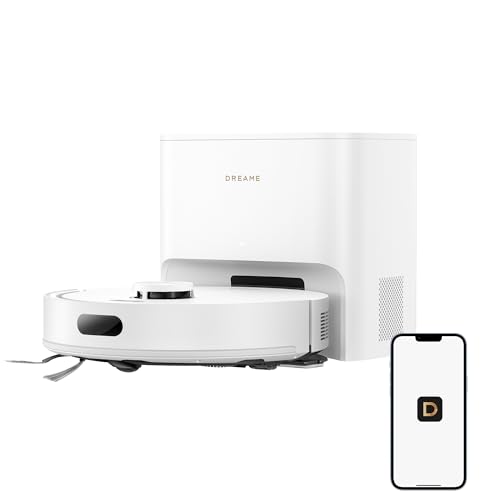
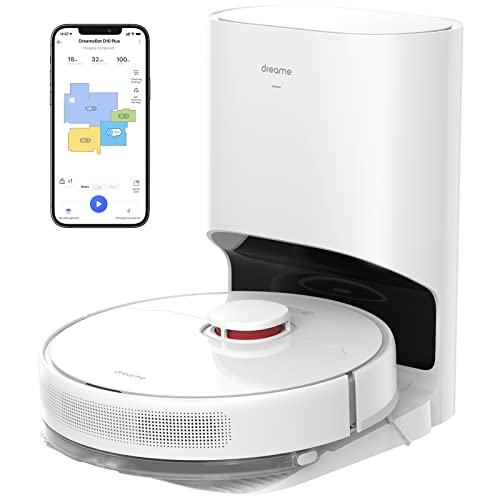
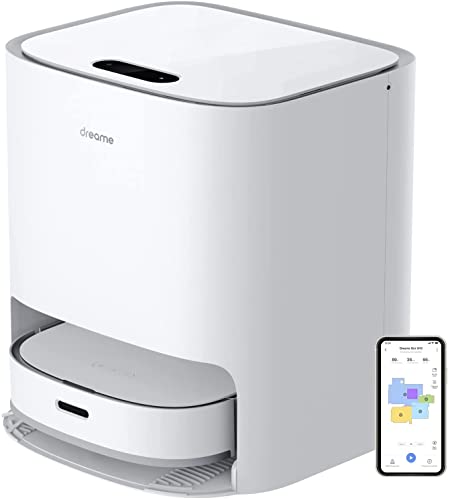
Dreame robot vacuums are very good for buyers who want advanced navigation, strong mixed-floor cleaning and automated mopping rather than the lowest possible price.
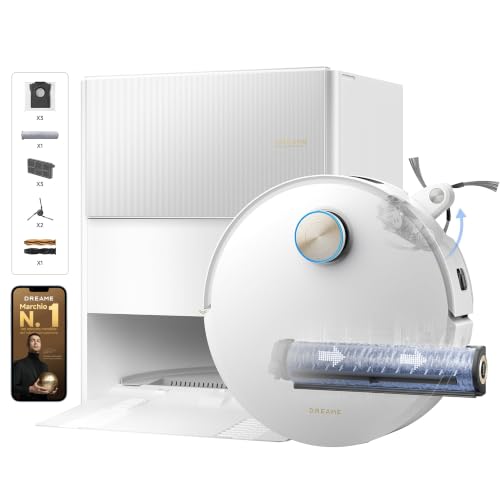
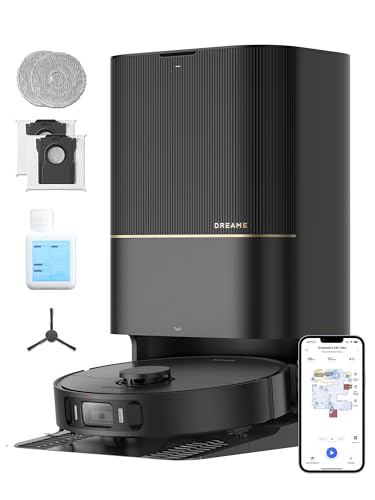
Dreame robot vacuums combine LiDAR maps and detailed app control across the range; upper L, X, Aqua and Matrix models add structured-light or camera avoidance, extendable edge tools, high-output suction and multifunction docks. They are especially compelling for pets, large layouts and homes with both carpet and hard floors.
Dreame robot vacuums can be expensive and unusually complex. Features and dock functions change by suffix, while entry D models and older DreameBot machines may lack mop lifting, object recognition or self-washing. Choose by the exact generation and station package, not by the family name alone.
The chart below compares robot vacuum brands by average overall score.
[horizontal-chart-15406096130061009453140888914513010987580044587466]
What are the main advantages of Dreame robot vacuums?
The main advantages of Dreame robot vacuums are as follows:
- Advanced navigation and coverage: LiDAR mapping, room control and virtual boundaries extend well into the value and midrange lines, while selected premium models add structured-light or camera-assisted object recognition. Higher ranges also use extendable brushes, mops and low-clearance navigation to reach edges, corners and awkward spaces more deliberately.
- Strong vacuuming and hair control: Current D, L and X generations span from capable everyday suction to very high published pressure figures, with carpet boost on suitable models. Anti-tangle rubber or dual-roller systems on newer machines reduce hair wrap more effectively than the mixed bristle rollers used on older generations.
- Several genuinely different mopping systems: Basic D and F products use a static damp pad, L and X models commonly use two rotating pads, and Aqua machines clean with a continuously refreshed roller. This lets buyers match occasional wiping, active scrubbing or hard-floor stain removal to the home instead of paying for one universal design.
- Broad carpet-management tools: Selected L, X and Aqua robots can detect carpet, raise or remove their mops, boost suction and clean carpet before wet areas. MopExtend, SideReach and Dual Flex Arm systems also improve edge coverage without making repeated manual passes around skirting boards.
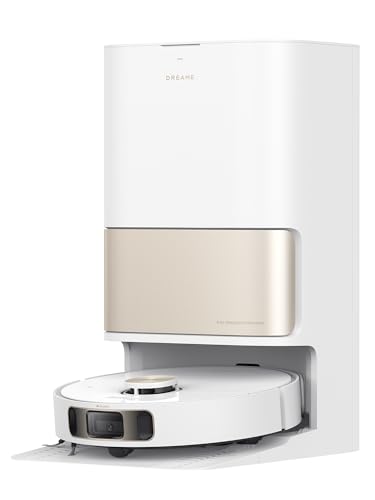
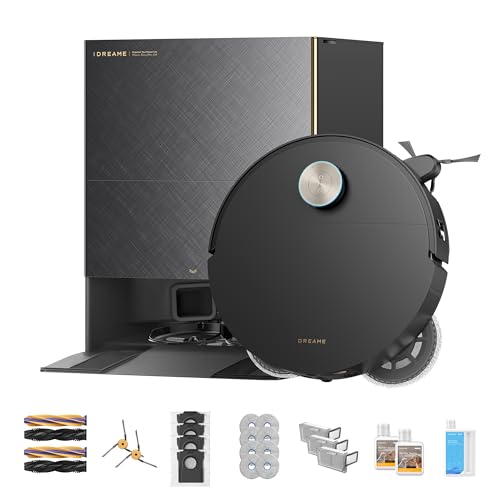
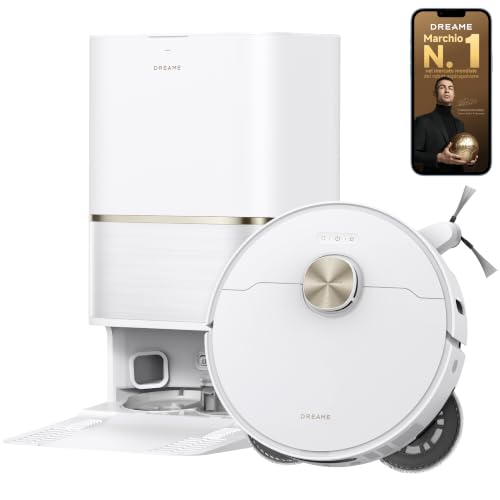
- Highly automated dock options: Dreame offers everything from charging-only and auto-empty bases to stations that wash and dry mops, refill water and dispense cleaning solution. Premium docks add hot-water washing or improved self-cleaning washboards, reducing daily handling when their tanks and trays are maintained properly.
What are the main disadvantages of Dreame robot vacuums?
The main disadvantages of Dreame robot vacuums are as follows:
- Crowded model names and bundles: D10, D10s, L10s, Gen 2, Plus, Pro, Ultra, Heat and Complete labels can change navigation, mop hardware, dock functions or merely the included consumables. A familiar family name therefore does not guarantee the same robot or station across regions and retailers.
- High prices and large premium docks: Dreame reaches far beyond budget robot-vacuum pricing, and the most automated Aqua, Matrix, L and X packages require substantial floor and vertical space. Their value depends on using the mop washing, drying and water-handling functions regularly rather than treating the dock as an oversized charger.
- Uneven features at the lower end: Entry D models, the M1 and older F machines may have static pads, no mop lifting and simpler infrared or sensor-based obstacle handling even when they support mapping. Loose cables, pet toys and deep carpet can therefore demand more preparation than on an upper L or X model with object recognition.
- More maintenance than the hands-free language suggests: Self-empty bags, mop pads or rollers, side brushes, filters and cleaning solution remain recurring supplies. Washing stations also need their dirty-water tanks, ramps, washboards and seals cleaned so that odor and residue do not undermine the automation.
- App and connectivity dependence: Room selection, no-go zones, carpet strategies and many dock settings are easiest to manage through Dreamehome, and several models support only 2.4 GHz Wi-Fi. Camera-equipped robots also require a deliberate privacy decision if remote viewing, pet-finding or cloud-connected features are enabled.
Who makes Dreame robot vacuums?
Dreame robot vacuums are made by Dreame Technology, whose main operating company is Dreame Innovation Technology (Suzhou) Co., Ltd. The company is headquartered in Suzhou, Jiangsu, China, and identifies Yu Hao as founder and chief executive.
Dreame was formally established in 2017, after its founding team began work on high-speed digital motors in 2015. Its engineering background spans fluid dynamics, motor design, motion control, SLAM mapping and machine vision, technologies that directly shape its cleaning products.
At the end of 2017, Dreame joined the Xiaomi Ecological Chain. Dreame robot vacuums are nevertheless sold and supported under the Dreame name, with Dreamehome app control, regional service channels and brand-specific accessories rather than Xiaomi product naming.
The company established a smart factory in Suzhou in 2020 and now sells robot vacuums alongside cordless, wet-and-dry and other smart-home appliances. Within robot cleaning, it designs everything from basic vacuum-and-mop models to AI-guided robots with automated washing and water-management docks.
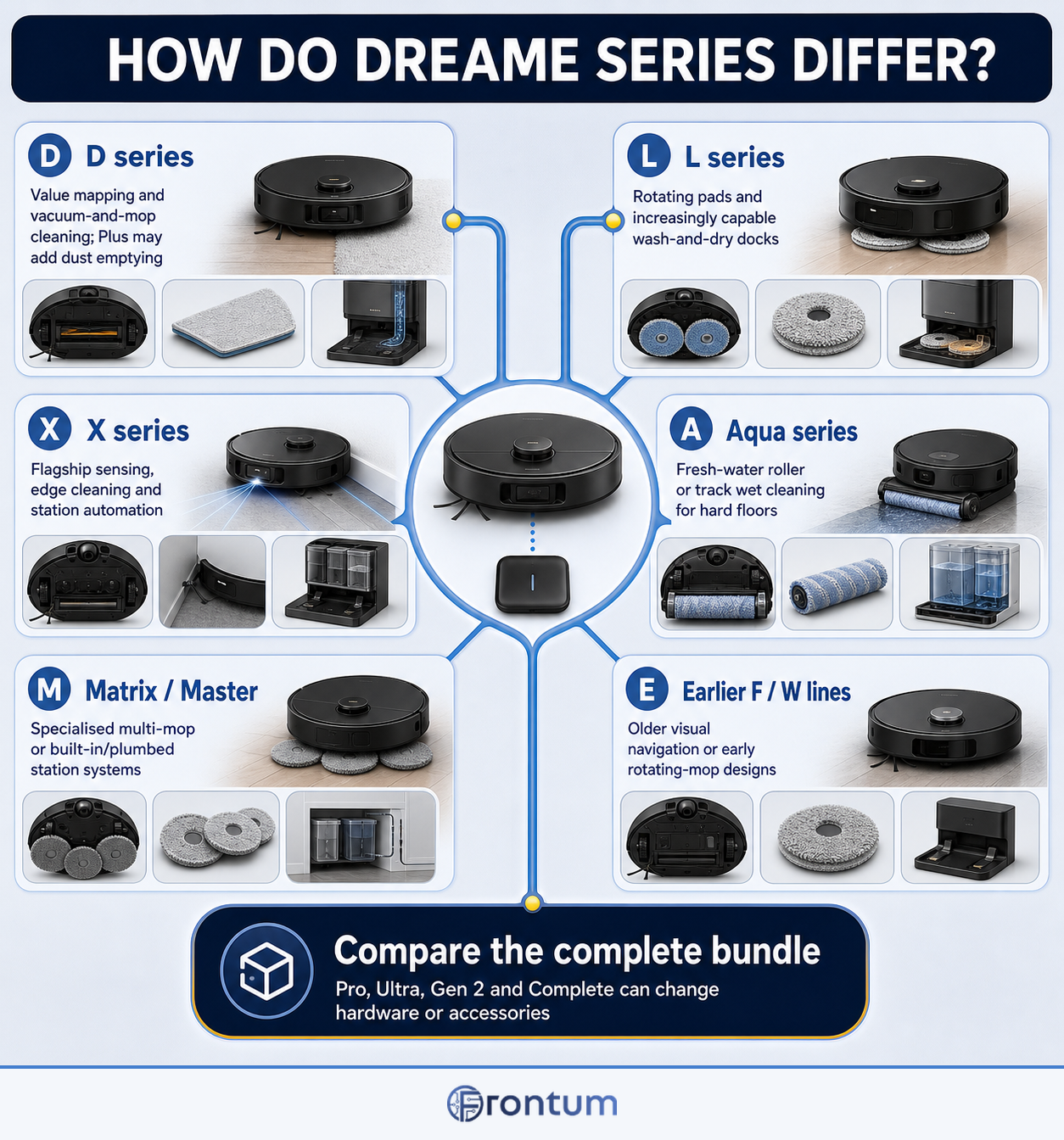
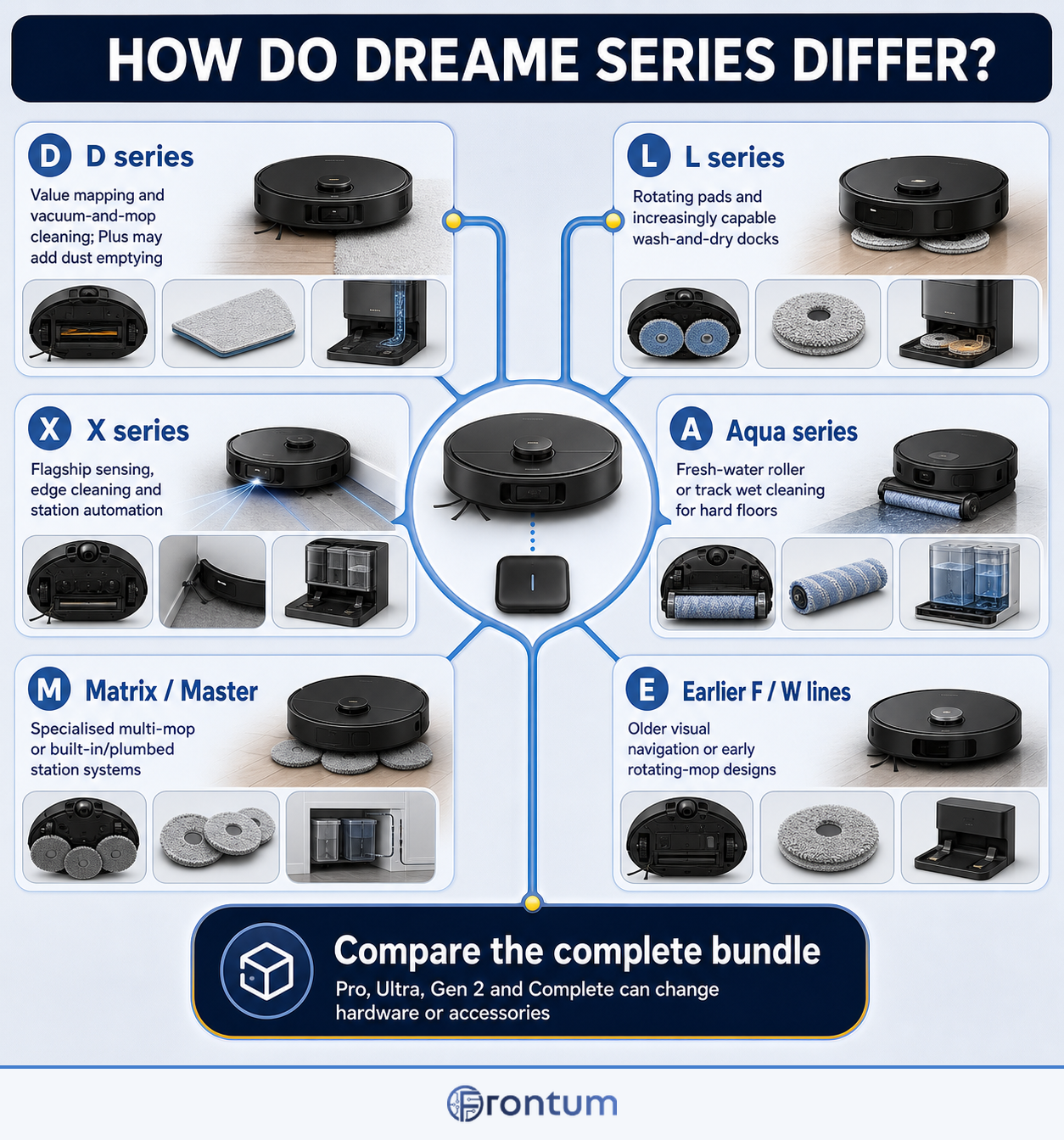
What are the main Dreame robot vacuum series?
The main Dreame robot vacuum families are as follows:
- D series: D9, D10, D20 and newer D-series models form the value side of the range, combining mapping and vacuum-and-mop cleaning without every premium dock function. Plus variants usually add auto-emptying, while Pro, s and Gen 2 suffixes can change suction, obstacle handling or brush hardware.
- L series: L10 and L10s models cover a wide middle ground, from standalone rotating-mop robots to Ultra stations that empty dust, wash pads, dry them and refill water. L20, L30 and the newer L40–L60 tiers move upward with stronger avoidance, edge-extension systems, anti-tangle brushes and more capable docks.
- X series: X30, X40, X50 and X60 machines are the conventional flagships, prioritizing the newest navigation, object recognition, edge cleaning and station automation. X50 introduced VersaLift low-clearance navigation and ProLeap threshold hardware, while later X models raise suction and sensing specifications further.
- Aqua series: Aqua10 Roller and Track variants replace the usual twin pads with a fresh-water roller or track-style wet-cleaning system. They suit hard-floor stain removal and frequent mopping, but their carpet guards, larger water docks and specialized consumables make them a distinct choice rather than a simple X-series upgrade.
- Matrix and Master systems: Matrix10 Ultra emphasizes a multi-mop switching dock and several cleaning-solution options for highly automated floor care. Master models pair advanced robots with a compact built-in or plumbed station, fitting buyers who can plan cabinetry and water connections around the installation.
- Earlier F and W lines: F9 models are low-profile, lower-cost robots using visual navigation and static-pad mopping, while W10 was an early Dreame rotating-mop machine with a washing base. They can still be useful at the right price, but current app support, replacement parts and dock accessories deserve closer checking than for active D, L or X generations.
How much do Dreame robot vacuums cost?
Dreame robot vacuums generally cost about £100-£1,400, with M1, F9, D9 and D10-family models commonly around £100-£300. At this level, LiDAR or visual mapping, app control and basic vacuum-and-mop cleaning are realistic; Plus packages may add auto-emptying, but static pads and simpler obstacle sensing remain common.
L10 and L20 models broadly occupy the £300-£800 middle, while newer L40–L60, X, Aqua and Matrix machines run from roughly £430 to £1,400. Higher prices buy rotating or roller mops, edge-extension hardware, anti-tangle brushes, better object avoidance and fuller washing, drying and refill docks; a Complete suffix may primarily add consumables, so compare the bundle contents.
The chart below shows the price distribution of Dreame robot vacuums.
[vertical-chart-15943783801551152578180545791995151300310176404536]
What should you consider when choosing a Dreame robot vacuum?
Use the following checks to match a Dreame robot vacuum to your floors and layout:
- Series: Dreame D models form the more affordable vacuum-and-mop range, L models move into stronger obstacle avoidance and increasingly automated docks, and X models are the flagship line. Aqua versions use a continuously refreshed roller mop, while Plus and Ultra usually distinguish dust-emptying from fuller mop and water care.
- Obstacle avoidance: D9 and basic D10 models provide dependable LiDAR maps but relatively simple obstacle handling, while L10s, L20 and higher L models add structured-light or camera-assisted recognition. X30, X40, X50 and X60 are the stronger choices for cluttered floors, with X50 also adding VersaLift sensing for low spaces; camera-equipped versions bring extra privacy settings.
- Carpets and hair: Entry D9 and D10 variants use simpler brush systems, while later L40–L60 and X-series models add stronger carpet strategies and more effective anti-tangle or dual-brush hardware. These upper families are the better comparison for shedding pets; their brush contact and hair release can matter more than whether the headline rises from roughly 10,000 Pa to above 20,000 Pa.
- Mopping: F9 and basic D models use a static pad, L10s through L60 and conventional X models use twin rotating pads, and Aqua10 Roller or Track models use a continuously refreshed wet-cleaning system. Higher L and X stations can remove or lift their pads for carpet, while Aqua models use their own roller-protection strategy.
- Dock: D10 Plus and similar Plus packages mainly add dust emptying, L10s Ultra and higher L models add mop washing, drying and water refilling, and X or Matrix Ultra systems bring hotter washing or more specialised automation. Master versions suit planned built-in or plumbed installations, while Aqua stations require their own roller and dirty-water maintenance.
- Clearance: Conventional D and L robots keep a fixed LiDAR turret, while X50 and selected later flagships use VersaLift to lower the sensor assembly beneath furniture. ProLeap on X50-class models can tackle specified obstacles near 6 cm, but that claim does not apply to every X model or every threshold shape.
- App and parts: D-series owners mainly use Dreamehome for maps and normal schedules, while L and X models expose more carpet, camera, edge-cleaning and dock controls. Aqua, Matrix and Master systems also use specialised rollers, mop sets or installation parts, making regional app support and generation-specific consumables more important at the top of the range.