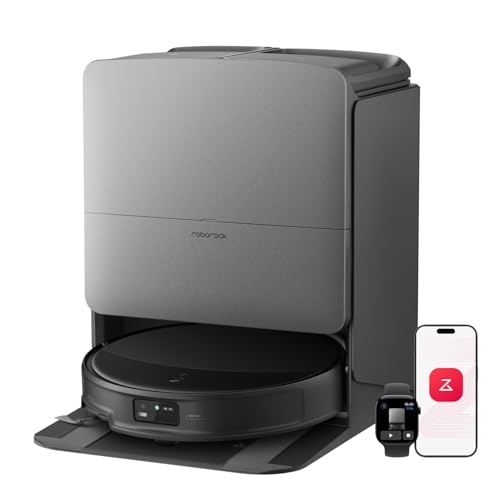
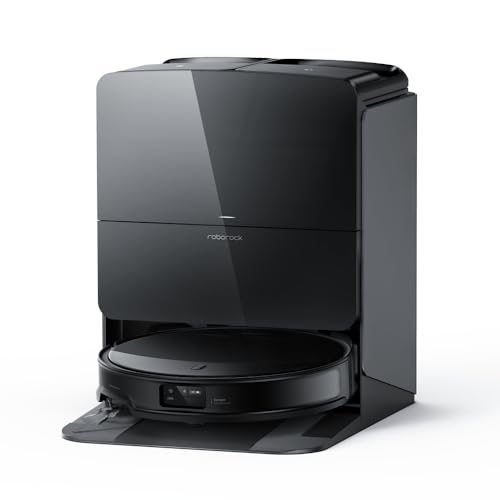
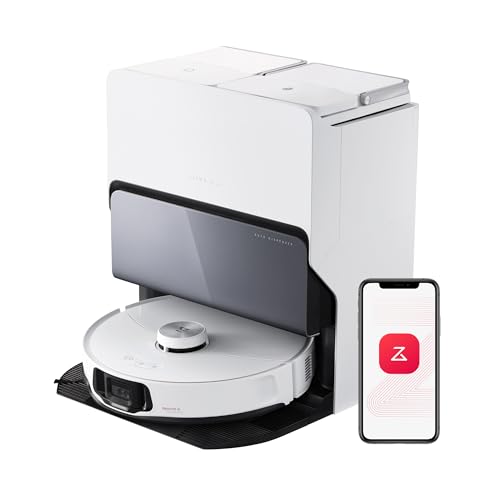
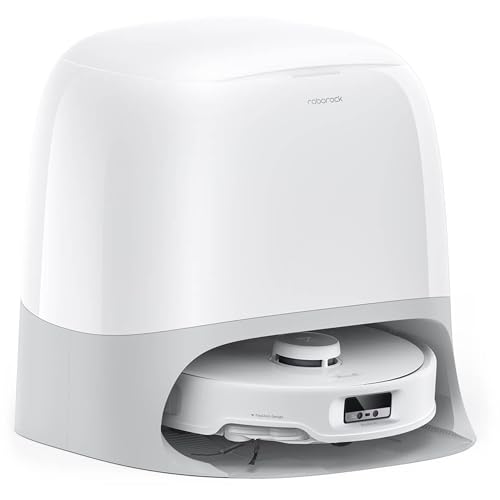
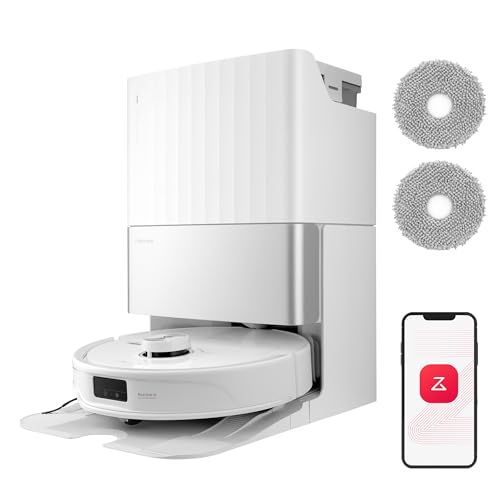
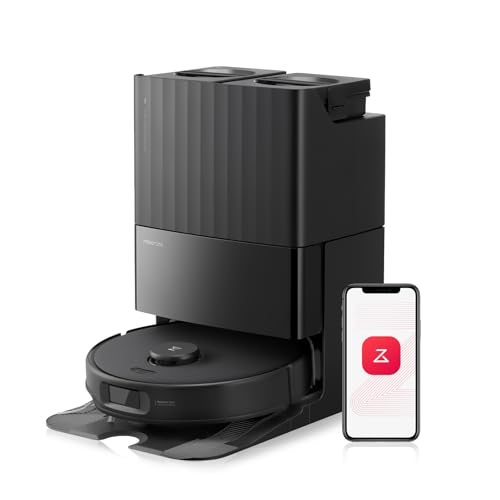
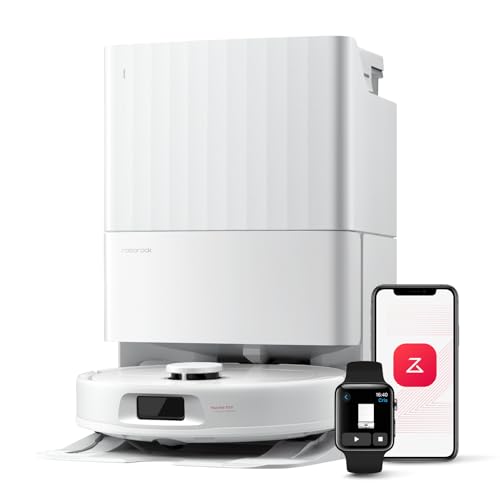
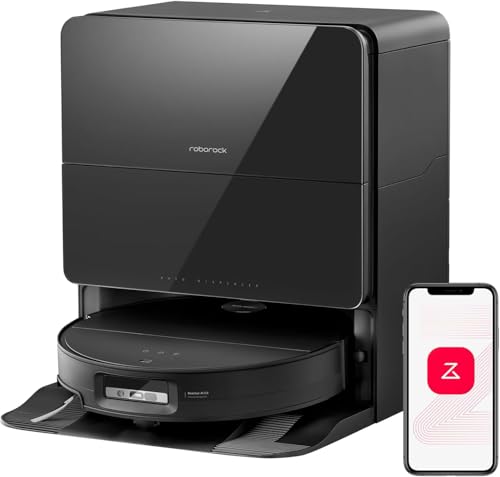
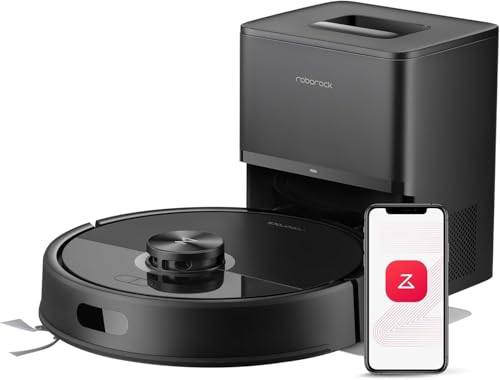
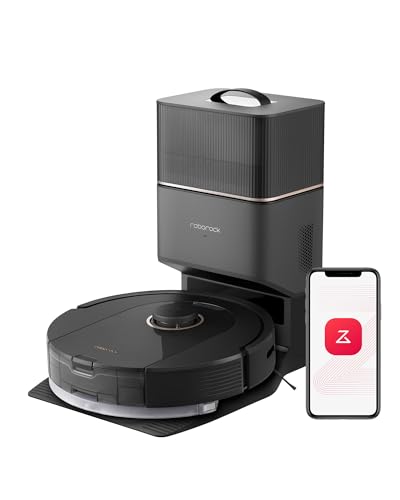
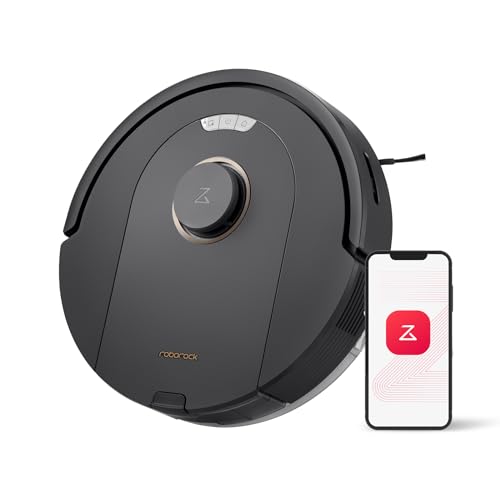
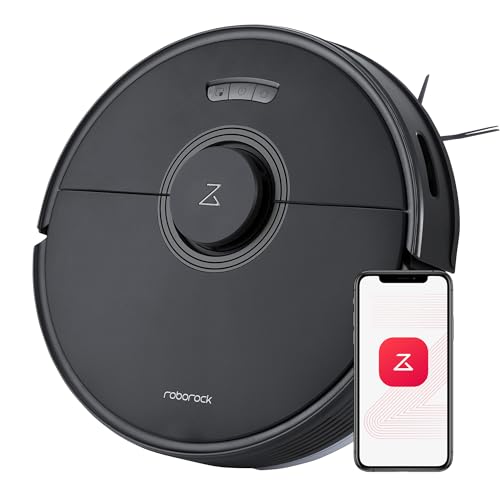
Are Roborock robot vacuums good?
Roborock robot vacuums have an average overall score of 8.5, ranking #3 among comparable robot vacuum brands.
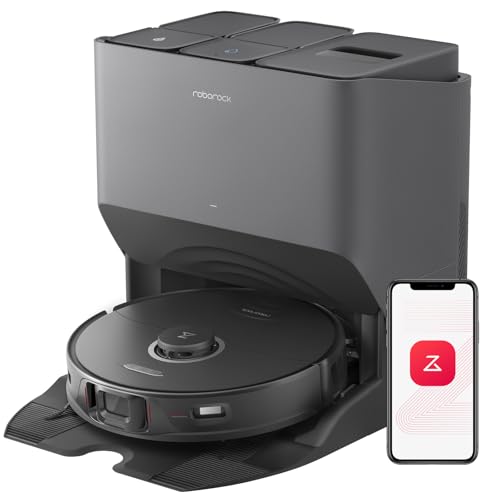
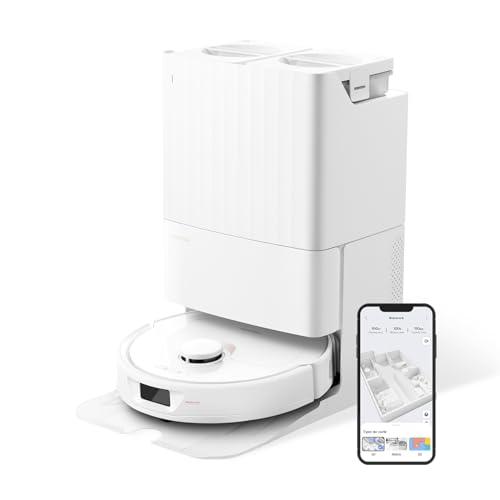
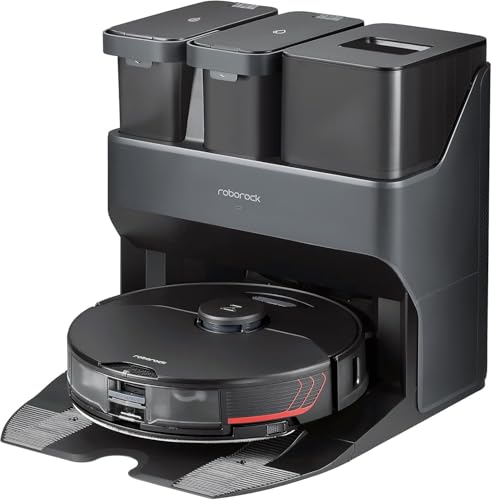
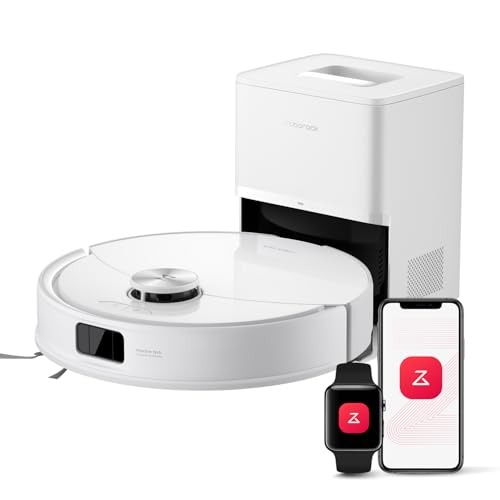
Roborock robot vacuums are especially strong for buyers who want precise maps, deep app controls and genuinely useful mopping rather than a vacuum-only machine. The range moves from Q-series value models to Qrevo, S and Saros hardware without leaving the same map-and-routine ecosystem.
Roborock robot vacuums become harder to compare at the top end because dock functions, obstacle sensing and carpet handling change by suffix as well as series. The premium for hot-water washing, mop removal or adaptive chassis lifting is worthwhile only when your home will use those functions.
The chart below compares robot vacuum brands by average overall score.
[horizontal-chart-15406096130061009453140888914513010987580044587466]
What are the main advantages of Roborock robot vacuums?
The main advantages of Roborock robot vacuums are as follows:
- Precise mapping and app control: Most Roborock families use LiDAR-based navigation with saved rooms, multi-floor maps, no-go zones and room-specific schedules. The app also supports custom routines, carpet behavior and cleaning direction, so advanced controls remain useful after the first map is built.
- Mature mopping choices: Roborock offers static pads, VibraRise vibrating systems and Qrevo-style rotating pads rather than treating mopping as one token feature. Selected S and Saros models lift or detach the mop for carpets, while edge-extending mechanisms reach closer to walls.
- Broad dock automation: A Plus package can add dust emptying, while Qrevo, Ultra and RockDock packages can wash and dry mops, refill the robot, dose detergent and rewash dirty areas. Refill-and-drainage versions go further by connecting water service where regional installation allows it.
- Navigation for difficult homes: Reactive obstacle systems range from structured light to camera-assisted hybrid sensing, and newer StarSight hardware can recognize small objects without a raised LiDAR turret. AdaptiLift-equipped Qrevo and Saros models also handle taller transitions and thick carpet more deliberately than fixed-chassis generations.
- Strong current cleaning hardware: Newer Q, Qrevo and Saros models pair high HyperForce suction with all-rubber, DuoRoller or DuoDivide brushes and anti-tangle side brushes. FlexiArm extensions improve edge pickup, while automatic carpet boost and liftable cleaning parts keep vacuuming and mopping tasks separated.
What are the main disadvantages of Roborock robot vacuums?
The main disadvantages of Roborock robot vacuums are as follows:
- Overlapping names and packages: Q, Qrevo, S and Saros sit beside Max, MaxV, Pro, Master, Plus and Ultra suffixes that do not mean one universal feature set. A similarly named robot can therefore use a different mop, obstacle system, brush or dock in another generation or region.
- High prices for complete automation: Basic Q models can be competitive, but self-washing Ultra, advanced Qrevo and Saros packages rise steeply in price. Paying more often buys dock care, edge mechanisms and obstacle hardware rather than a proportional increase in everyday pickup on uncluttered hard floors.
- Multifunction docks still need maintenance: Automatic emptying, mop washing and drying reduce daily handling but leave dirty-water tanks, wash trays, filters, bags and detergent systems to service. The largest docks also need substantial floor space, overhead access and sometimes suitable plumbing for refill-and-drainage variants.
- Obstacle avoidance is not infallible: PreciSense LiDAR maps rooms accurately, but cable and small-object recognition depends on separate Reactive, MaxV or StarSight hardware. Dark, reflective, low or unusually shaped hazards can still be missed, so cluttered floors need preparation even with a camera-equipped flagship.
- Carpet behavior varies by mopping system: Older static pads may need no-mop zones or manual removal, VibraRise models lift by a limited amount, and rotating-pad machines differ in lift height or automatic detachment. Thick rugs and high thresholds therefore require exact model checks rather than relying on a general wet-and-dry claim.
Who makes Roborock robot vacuums?
Roborock robot vacuums are made by Beijing Roborock Technology Co., Ltd., a smart-cleaning company founded in July 2014 and headquartered in Beijing. It maintains research and branch offices in Shanghai and Shenzhen, while its Hong Kong office supports international operations.
Xiaomi invested in Roborock in September 2014, and the first Mi Home robot vacuum followed in 2016. Roborock launched its first vacuum under its own name in 2017, then expanded from precise mapping into controlled mopping, camera-assisted obstacle avoidance and increasingly automated docks.
Roborock is not merely a Xiaomi product label: it operates as its own public company and is listed on the Shanghai Stock Exchange STAR Market under code 688169. Its corporate reporting covers the Roborock brand and overseas subsidiaries, while Xiaomi remains part of the company’s early ecological-chain history.
The company brings algorithm, electronics, mechanical-design and manufacturing teams into product development and testing. That background is visible in its range progression from LiDAR-guided S and Q robots to VibraRise mopping, Qrevo rotating pads, Saros low-profile sensing and refill-and-drainage dock options.
What are the main Roborock robot vacuum series?
The main Roborock robot vacuum families and package labels are as follows:
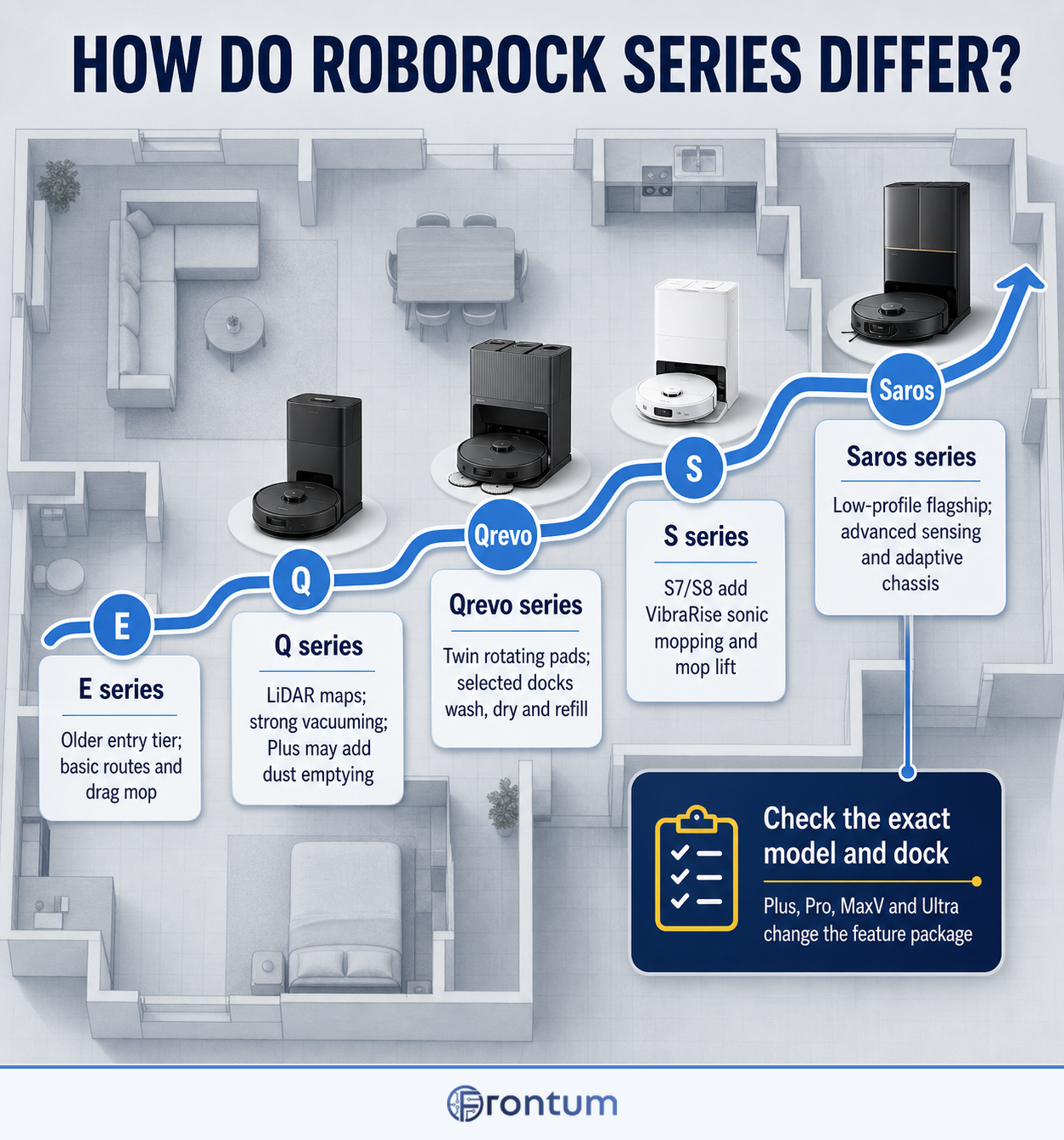
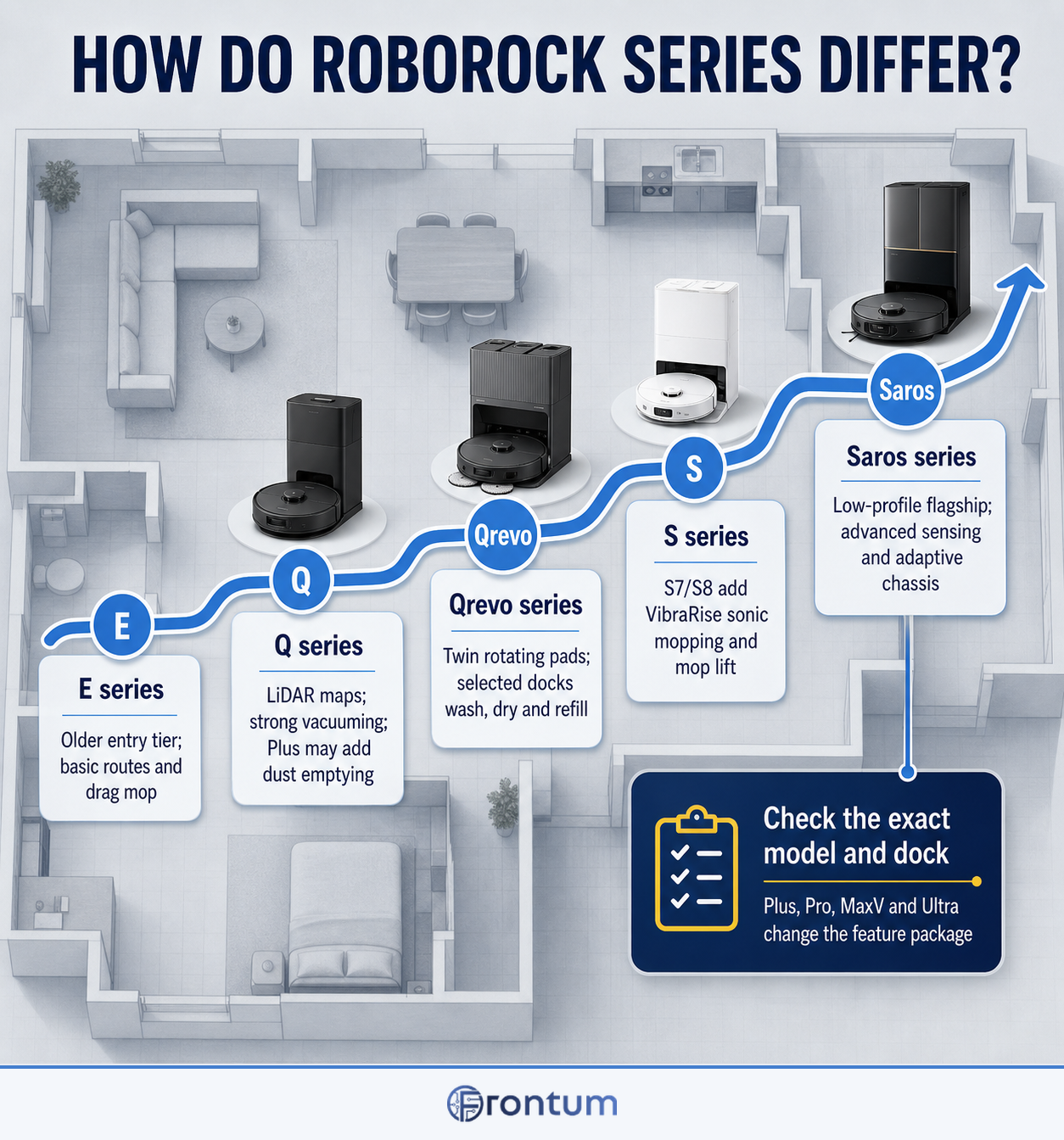
- E series: E models such as the E5 represent Roborock’s older entry tier, with basic inertial or sensor-led navigation and a simple drag mop. They remain straightforward for smaller floors, but lack the saved-map precision, obstacle hardware and dock ecosystem of newer Q models.
- Q series: Q5, Q7 and Q8 generations made LiDAR mapping, strong vacuuming and optional Plus self-empty docks available below the flagship tier. Current Q10 variants add higher suction, anti-tangle brushing, ReactiveTech avoidance and either simpler or VibraRise-style mopping depending on the exact model.
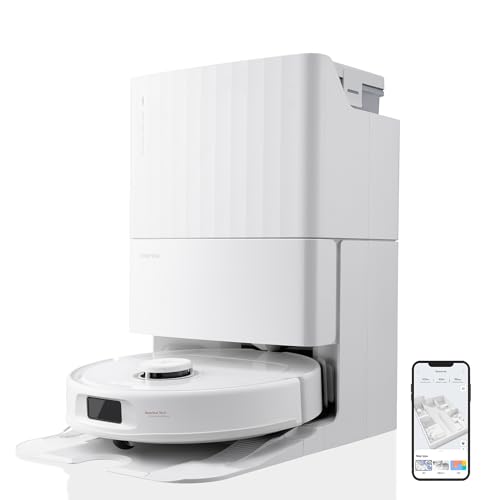
- Qrevo series: Qrevo machines use dual rotating mop pads and are normally paired with a multifunction dock that washes, refills and dries them. Pro, Master, Slim, Edge and Curv versions progressively add FlexiArm edge cleaning, hotter washing, stronger sensing, anti-tangle brushes or AdaptiLift chassis movement.
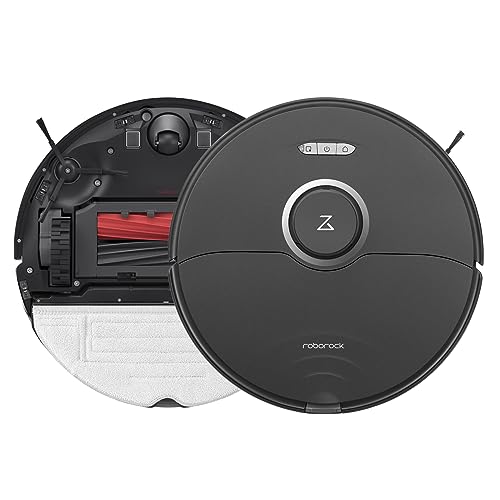
- S5 and S6 generations: S5 and S6 established Roborock’s early premium formula of systematic LiDAR routes, app maps and combined vacuuming and mopping. Max and MaxV versions added better water control or camera-assisted obstacle recognition, but their static pads and older docks require more manual care than newer ranges.
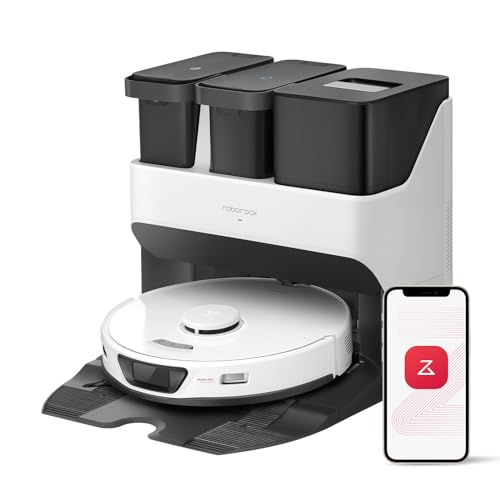
- S7 and S8 generations: S7 introduced ultrasonic VibraRise mopping that scrubs and lifts the pad, while S8 moved to DuoRoller brushes and stronger obstacle systems. Plus denotes a self-empty package; Pro Ultra, Max Ultra and MaxV Ultra versions add progressively broader wash, dry, refill and edge-cleaning functions.
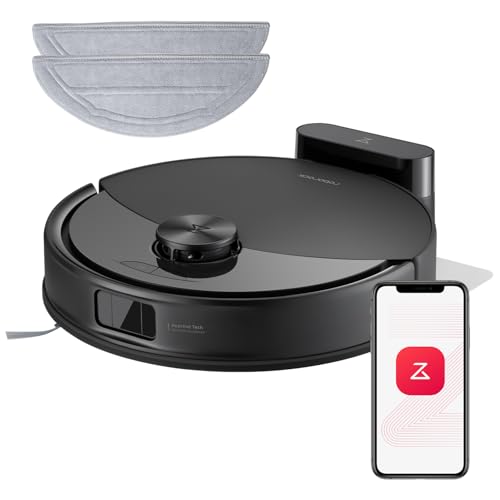
- Saros series: Saros is the low-profile flagship line, combining advanced ReactiveAI or StarSight sensing with liftable cleaning parts and an adaptive chassis. Saros 10 and 10R are 7.98 cm designs with different navigation and mop systems, while Saros 20 raises suction, obstacle recognition and two-stage threshold handling.
- Suffixes and dock packages: Plus, Max, MaxV, Pro, Master and Ultra are capability or bundle labels rather than stable series tiers. Refill-and-drainage versions automate clean and dirty water through installed connections, so availability, dock dimensions and plumbing requirements must be checked in the intended market.
How much do Roborock robot vacuums cost?
Roborock robot vacuums generally cost about £200-£1,300, with E and basic Q models often around £170-£390. These lower tiers can still include LiDAR mapping, app routines and mopping, but a plain model normally lacks the full maintenance dock and may use simpler obstacle sensing or carpet handling.
Qrevo and upper S models broadly occupy £400-£900, while premium Ultra, MaxV and Saros packages run about £700-£1,300. The extra spend funds stronger object recognition, anti-tangle hardware, liftable or detachable mops, adaptive threshold handling and docks that empty dust, wash and dry pads, refill water or dose detergent; regional refill-and-drainage versions can also require plumbing.
The chart below shows the price distribution of Roborock robot vacuums.
[vertical-chart-12848064104745931679080316081220358740922651364273]
What should you consider when choosing a Roborock robot vacuum?
Before choosing a Roborock, compare the following details:
- Series: Roborock Q models cover the more affordable LiDAR range, Qrevo models pair rotating mops with increasingly automated docks, and S models use the VibraRise sonic-mop platform. Saros is the low-profile flagship line; Plus usually means self-emptying, while Ultra and refill-and-drainage packages add fuller dock automation.
- Mapping: LiDAR is the practical baseline for saved rooms, multi-floor maps and reliable cleaning in the dark. Add ReactiveTech, ReactiveAI or StarSight when cables, toys or pet bowls are common; the low-profile sensing on Saros models also helps them fit below furniture around 8 cm high.
- Carpet and hair: Q5 and older S generations use simpler single-roller hardware, Q8 and S8 move to DuoRoller brushes, and Qrevo Curv or Edge adds more extensive anti-tangle hardware. Saros models use the newer DuoDivide approach, making Qrevo Curv, upper S8 and Saros the stronger comparisons for carpet or shedding pets than suction figures alone suggest.
- Mopping: E and lower Q models use a basic static pad, S7 and S8 families use VibraRise sonic mopping with lift, and Qrevo models use twin rotating pads. Saros 10 keeps the sonic approach, while Saros 10R and later Saros variants use different rotating or divided systems; upper docks may also remove the mops before carpet cleaning.
- Dock functions: Plus docks mainly empty dust, while Qrevo, Ultra and RockDock packages may also wash and dry the mop, refill water, dose detergent or repeat dirty areas. Check the exact functions, measure the tank-access space and remember that refill-and-drainage versions need suitable plumbing.
- Height and thresholds: Q, S and standard Qrevo models use a fixed turret and commonly handle thresholds around 19–20 mm, while Qrevo Curv or Edge adds AdaptiLift for higher transitions under stated conditions. Saros 10 and 10R are about 7.98 cm high for low furniture, and Saros 20 combines a similarly low body with more advanced two-stage threshold handling.
- Runtime and parts: Standalone Q models generally offer the simplest battery-and-charger setup, while Qrevo, S Ultra and Saros packages pair long low-power runtimes with recharge-and-resume and dock servicing for large floors. Their real runs fall with hot-water mop cycles, maximum suction or repeated cleaning, and Qrevo, VibraRise and Saros parts are not interchangeable across generations.