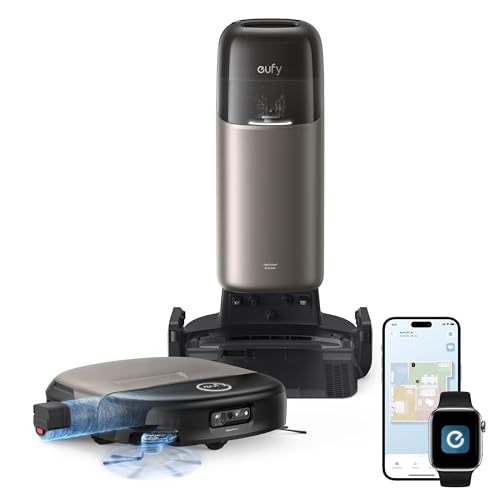
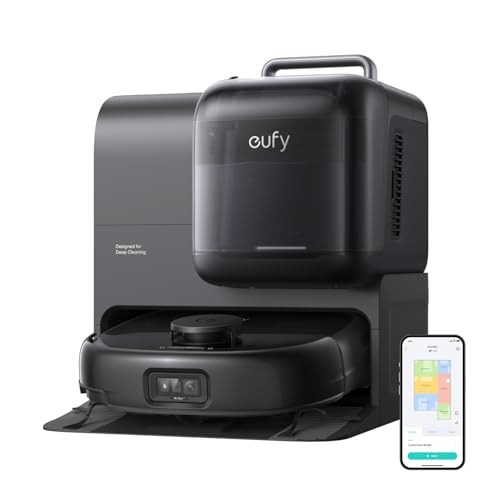
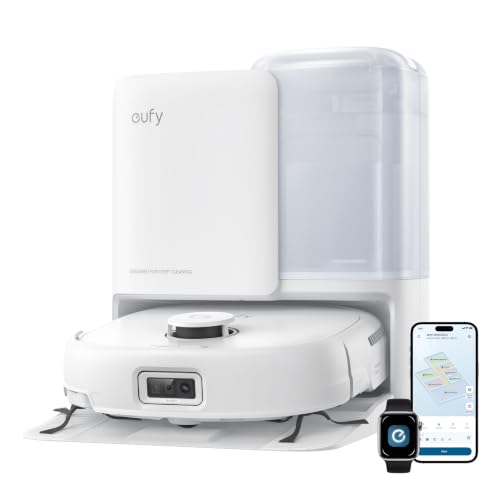
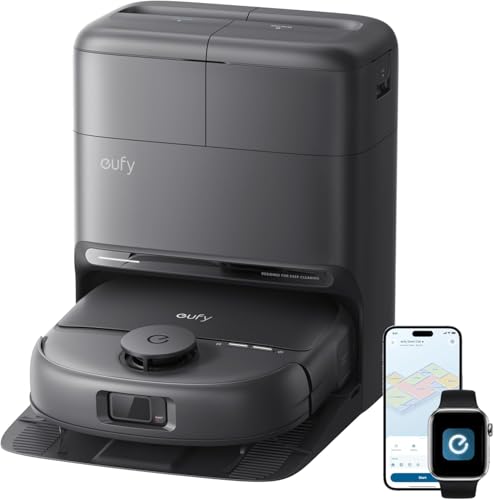
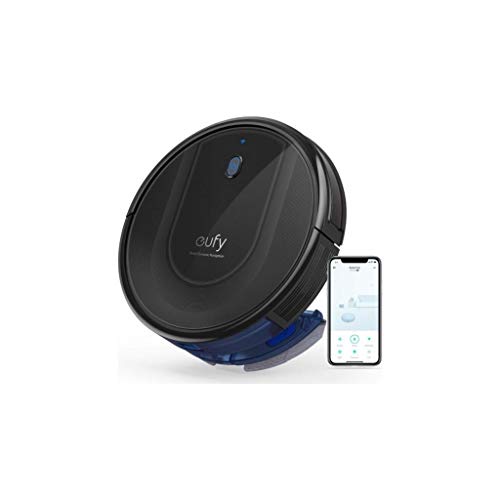
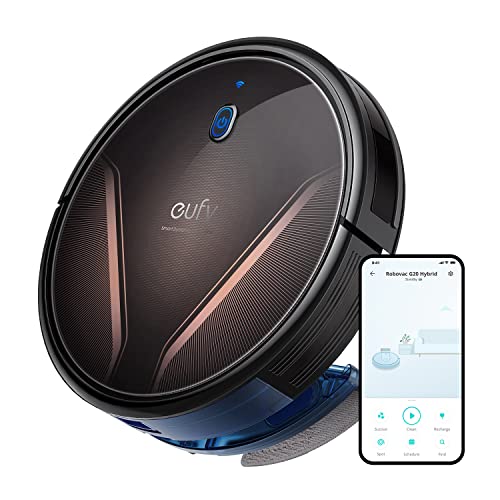
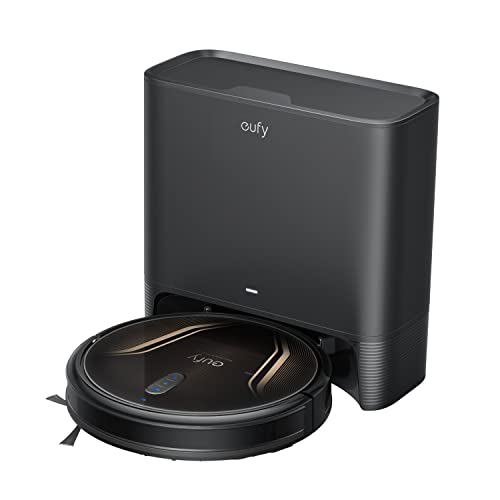
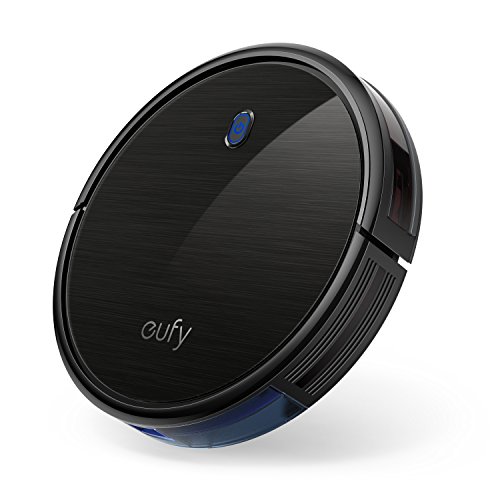
Are Eufy robot vacuums good?
Eufy robot vacuums have an average overall score of 7.7, ranking #7 among comparable robot vacuum brands.
Eufy robot vacuums are strongest for buyers who want a clear path from slim, affordable floor maintenance to LiDAR mapping, active hair detangling and nearly hands-free Omni stations. Current L, C, X, E and S machines cover increasingly active mopping and obstacle recognition.
Eufy robot vacuums differ sharply by generation: classic RoboVac models may use bounce or gyroscope routing and lack mopping, while newer camera-equipped models and large water stations demand more space, upkeep and privacy consideration. Choose by navigation, brush, mop and dock, not name alone.
The chart below compares robot vacuum brands by average overall score.
[horizontal-chart-15406096130061009453140888914513010987580044587466]
What are the main advantages of Eufy robot vacuums?
The main advantages of Eufy robot vacuums are as follows:
- Broad range without one compulsory platform: Eufy spans classic low-profile RoboVacs, LiDAR-guided L models, self-emptying C machines and full Omni systems. Buyers can prioritise simple vacuuming, active mopping or station automation instead of paying for every feature at once.
- Strong mapping on current models: L60, X, C, E and S families use LiDAR, structured light or camera-assisted navigation to build efficient routes and saved maps. Compatible AI.Map controls add room selection, no-go zones, multi-floor layouts and recharge-and-resume for more predictable coverage.
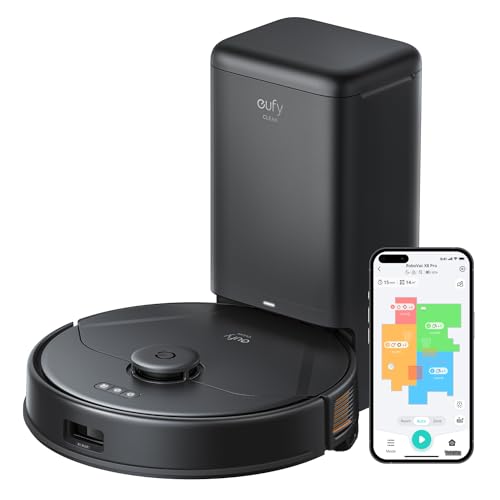
- Practical hair-management hardware: BoostIQ raises suction on carpet, while newer Pro-Detangle, Active Detangling and DuoSpiral systems reduce wrapped hair around the roller. L60 SES even cuts hair at the station, and X8 Pro combines twin turbines with an actively detangling brush for pet-heavy carpet cleaning.
- Several useful mopping levels: Hybrid models provide basic flat-pad wiping, X10 Pro Omni and C20 use rotating pads, and C28, E25, E28 and S models move to self-washing roller mops. Premium stations can empty dust, refill water, wash the mop and dry it, greatly reducing post-run handling.
- Good low-clearance choices: Classic 11S models and the 7.2 cm C10 can reach under furniture that blocks taller LiDAR turrets, while the 8.5 cm C20 brings rotating mops and an Omni station to a relatively slim body. This gives buyers meaningful options when furniture clearance is a primary constraint.
What are the main disadvantages of Eufy robot vacuums?
The main disadvantages of Eufy robot vacuums are as follows:
- Large generation gaps: The Eufy name covers bounce-navigation RoboVacs, gyroscope-guided G models, LiDAR cleaners and camera-equipped Omni flagships. App maps, object avoidance, mopping and station automation cannot be inferred from the brand or even from a familiar suffix such as Hybrid.
- Obstacle avoidance varies: L60 uses laser mapping but relies on relatively basic obstacle sensing and can miss cables, socks, glass or very small objects. AI.See, 3D MatrixEye and other active recognition systems are limited to selected higher models, so cluttered floors still need the correct sensor package.
- Wet cleaning is not standard: Classic RoboVac, G, C10, L60 and X8 Pro variants may be vacuum-only or use a simple static pad, while active mop lifting and self-washing appear much higher in the range. A Hybrid label confirms some wet cleaning, not scrub pressure, carpet protection or an automated water system.
- Omni stations need space and consumables: Full docks store clean and dirty water, dust bags and mop-care hardware, making them much larger than a charging base or slim auto-empty station. Bags, filters, cleaning solution and rollers add ongoing cost, while tanks and wash trays still need regular attention.
- Premium features raise both price and complexity: E25, E28 and S2 combine cameras, roller mops, detangling brushes and multi-function docks, but more moving parts also mean more maintenance points. Buyers who only need daily vacuuming may get better value from L60, C10 or X8 Pro rather than paying for floor-washing automation.
Who makes Eufy robot vacuums?
Eufy robot vacuums are developed and marketed by Eufy, the smart-home brand of Anker Innovations. Eufy Clean is the part of that brand focused on robotic floor cleaners and related home-care products, while the wider Eufy range also includes security, baby-care and personal-health devices.
Anker says it launched Eufy in 2016. The parent company itself was founded in 2011 by Steven Yang, who remains its chief executive, and is headquartered in Changsha, Hunan, China.
Anker Innovations describes itself as a global smart-hardware technology company and lists Eufy among its principal brands. Its research capabilities include multimodal algorithms, sensor technology, batteries, motor and motion control, all directly relevant to navigation, obstacle recognition, suction systems and dock automation.
That corporate structure means Eufy models share an app, support network and product-development organisation, but not one robot platform. Classic RoboVac, Eufy Clean and Omni generations use very different chassis, brushes, sensors and stations, so service parts and accessories should always be matched to the complete model number.
What are the main Eufy robot vacuum series?
The main Eufy robot vacuum series and families are as follows:
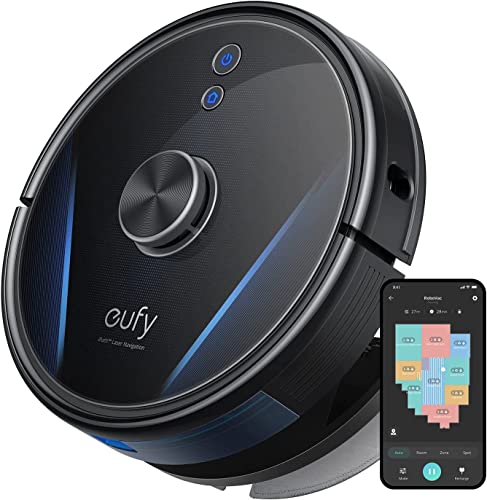
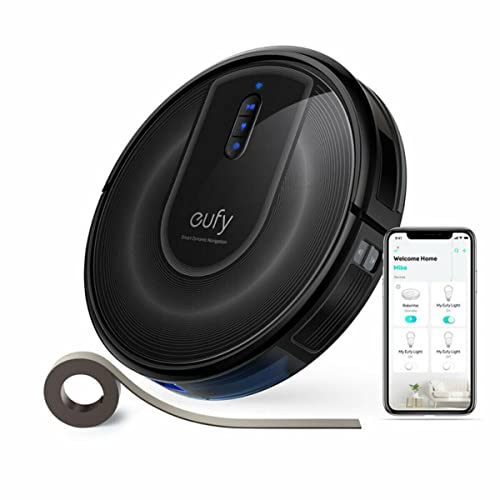
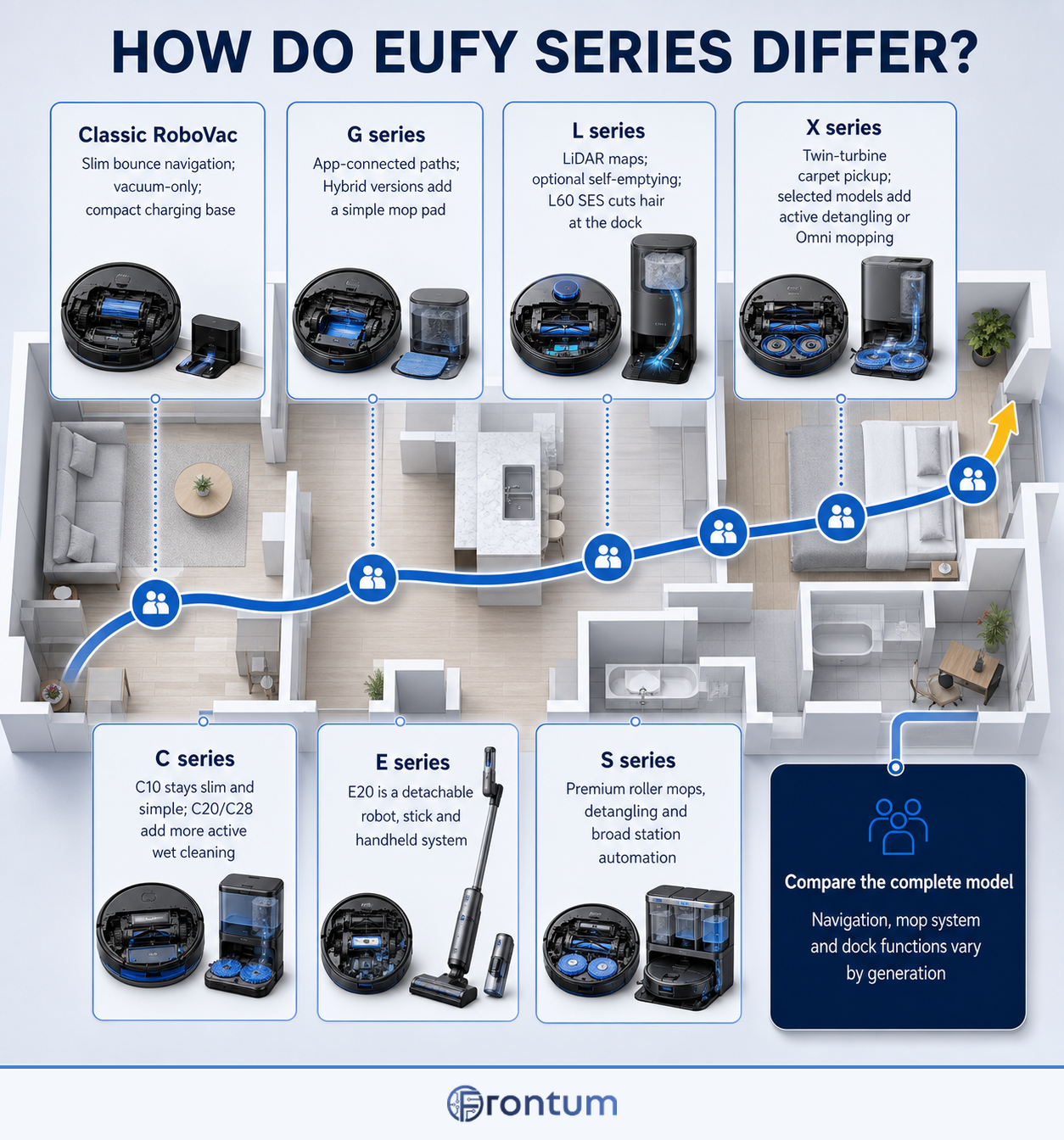
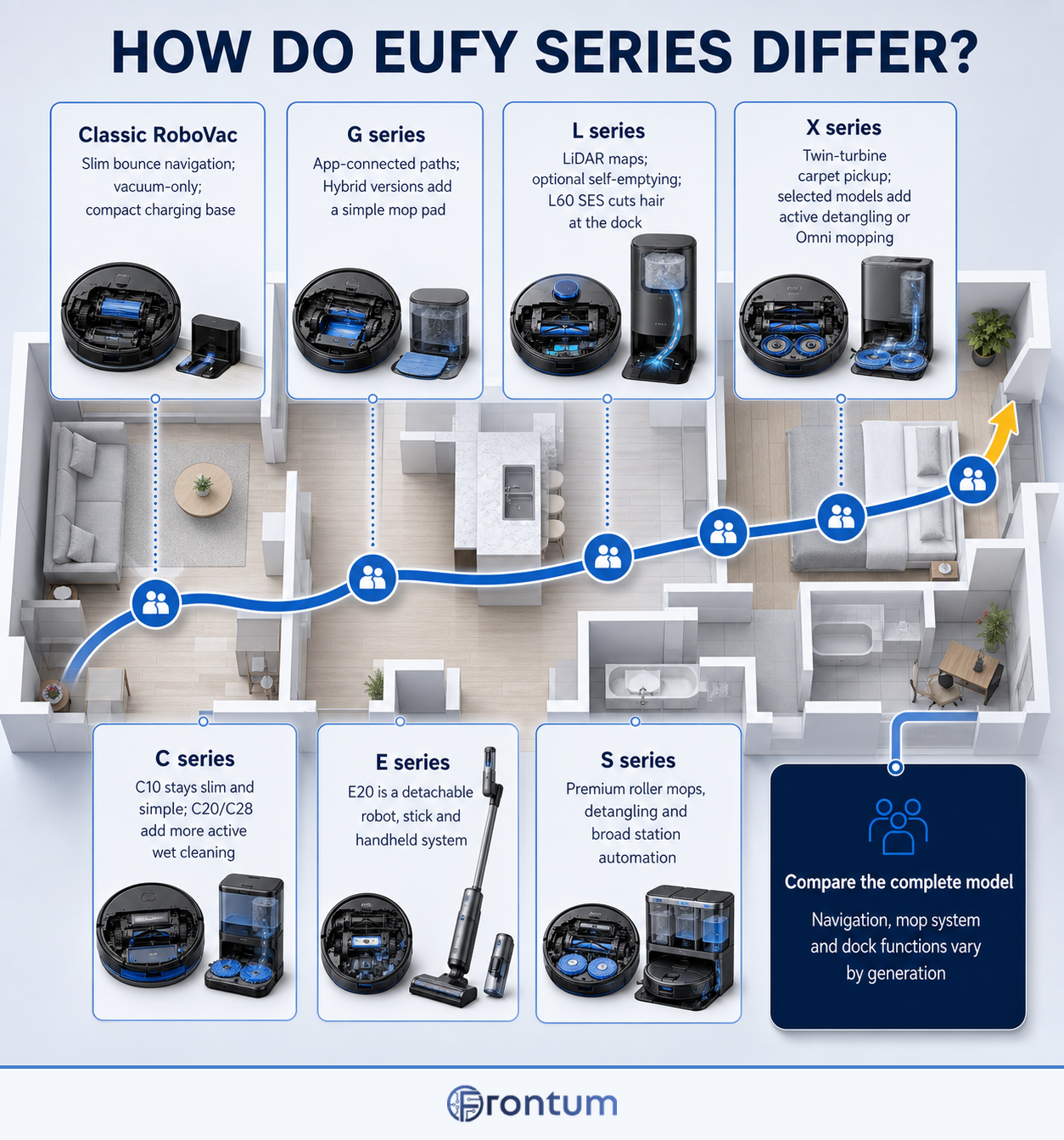
- Classic RoboVac and Bounce models: The 11S, 11S Max, 15C and 30C represent Eufy’s original slim, vacuum-only approach, using bounce or sensor-led routing rather than saved LiDAR maps. They suit uncomplicated floors and low furniture when basic pickup and a compact charging base matter more than room control or mopping.
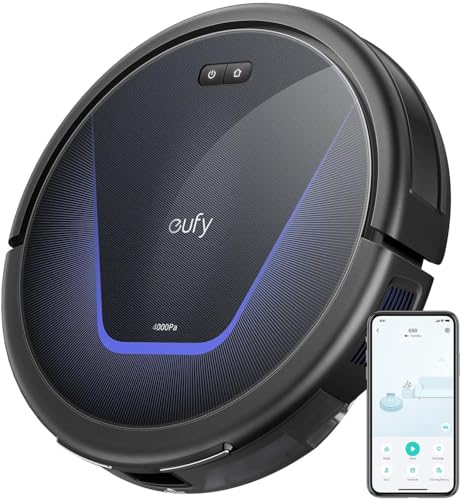
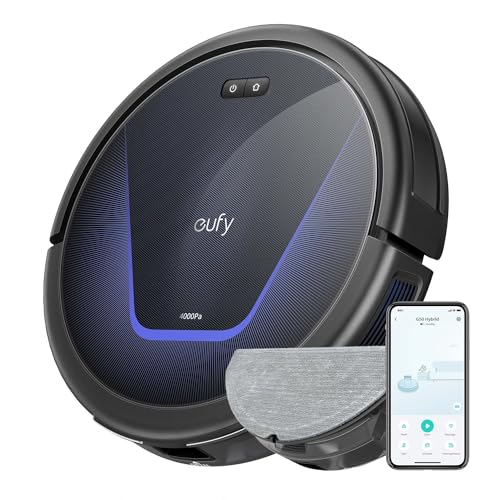
- G series: G10, G20, G30, G40 and G50 models form the affordable app-connected tier, with gyroscope or path-planning navigation and Hybrid versions adding a simple mop pad. Plus packages can include self-emptying, but persistent maps, active obstacle recognition and mop lifting vary by generation.
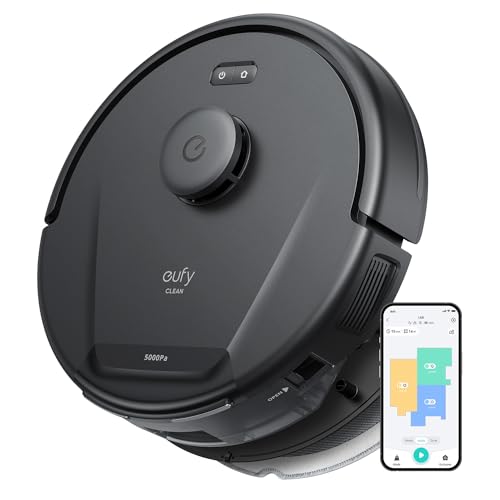
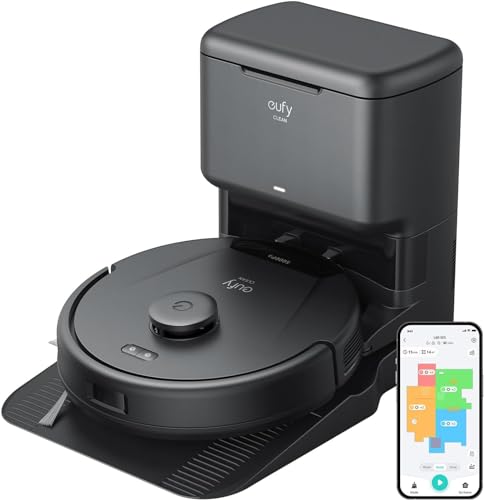
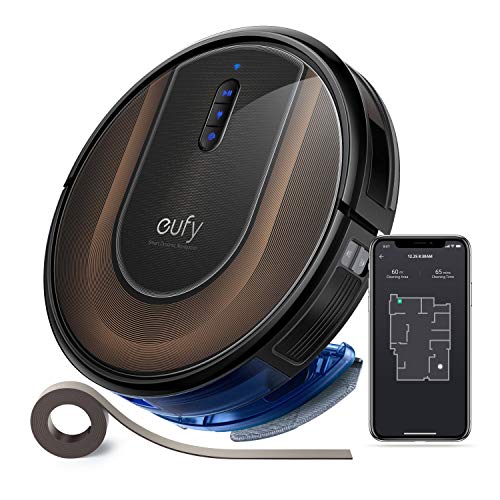
- L series: L60 and L60 Hybrid move into iPath LiDAR navigation, AI.Map 2.0 room controls and 5,000 Pa suction, with optional self-empty stations. The L60 SES version adds a hair-cutting mechanism at the dock, making this family particularly relevant to pet owners who want mapping without an Omni water station.
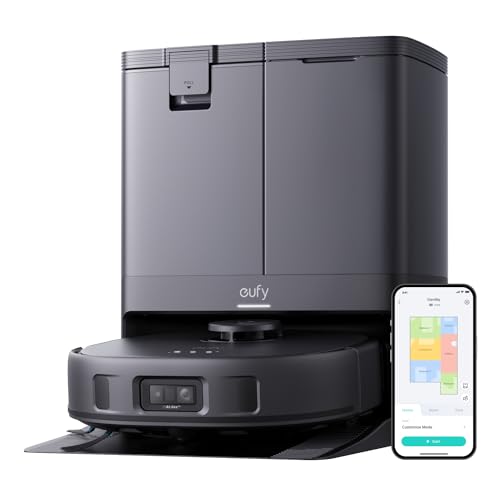
- X series: X8 and X8 Pro emphasise twin-turbine carpet pickup and later active brush detangling, while X9 Pro and X10 Pro Omni add active mopping and more complete stations. X10 combines 8,000 Pa suction, camera-assisted obstacle avoidance, 12 mm mop lifting and dual rotating pads for mixed floors.
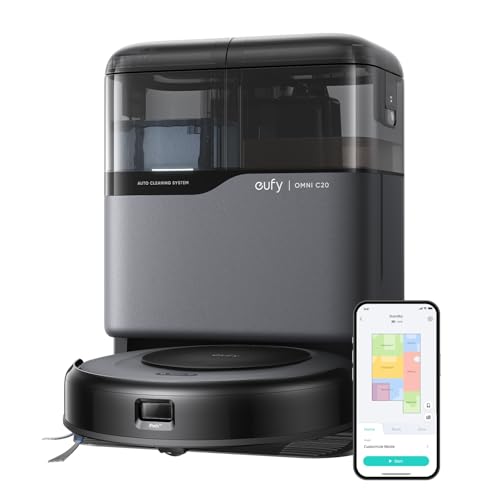
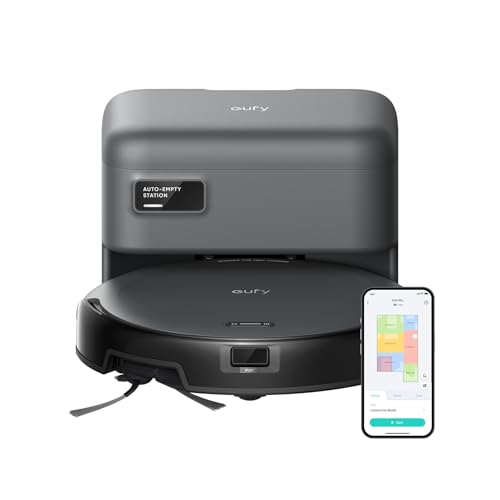
- C series: C10 is a 7.2 cm vacuum-only auto-empty model for low furniture, while C20 adds rotating pads and a compact all-in-one station. C28 moves the family toward premium wet cleaning with a self-washing HydroJet roller mop, 15,000 Pa suction and more advanced hair control.
- E series: E20 is an unusual detachable robot, stick and handheld vacuum in one system, whereas E25 and E28 are 20,000 Pa HydroJet roller-mop Omni robots. E28 adds a removable portable deep cleaner, so the shared letter does not imply a single chassis or cleaning purpose.
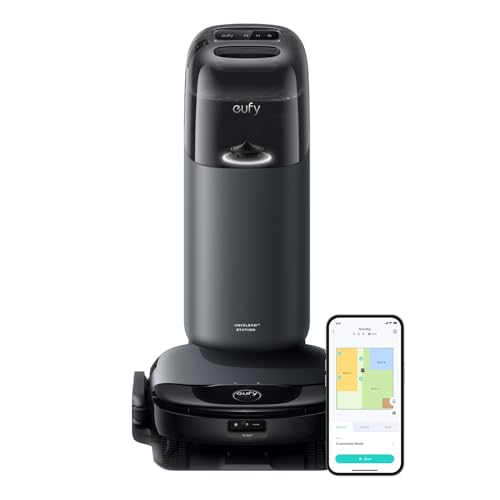
- S series: S1 Pro introduced Eufy’s Always Clean roller-mop flagship, and S2 advances the concept with 30,000 Pa suction, CleanMind AI, DuoSpiral detangling and a 12-in-1 UniClean station. These are the premium choices for buyers who prioritise active hard-floor washing and broad automation over a small dock or low price.
How much do Eufy robot vacuums cost?
Current Eufy robot vacuums generally cost about £220-£1,300 new. L60 robot-only models begin around £220, while L60 self-empty packages and the slim C10 sit near £300-£340. Midrange choices such as the detachable E20, C28 and C20 occupy roughly £470-£600, adding auto-emptying, active mopping or a more complete station depending on the model.
X10 Pro Omni costs about £690, E25 and E28 HydroJet systems about £800-£900, and the S2 flagship reaches roughly £1,300. The premium buys stronger object recognition, roller or rotating mops, automatic washing, water refilling and hot-air drying rather than suction alone. Budget separately for dust bags, filters, brushes, mop rollers and approved cleaning solution, and compare current promotions without mixing robot-only and dock bundles.
The chart below shows the price distribution of Eufy robot vacuums.
[vertical-chart-12581193367784084519114188902580686174640351833480]
What should you consider when choosing a Eufy robot vacuum?
The following Eufy model comparisons matter most before buying:
- Range: Classic 11S and G-series models are the simpler choices for routine vacuuming, while L60 and C10 add mapped cleaning or self-emptying without a large water station. X10 Pro Omni and C20 move into active rotating-pad mopping, and C28, E25, E28, S1 and S2 are the fuller floor-washing systems with roller mops and more automated docks.
- Navigation: The 11S and 15C use basic sensor-led coverage, while G30 and G40 models follow more orderly paths without offering the full control of current LiDAR machines. L60 and C10 suit buyers who mainly want reliable room maps; X10 Pro Omni, E25, E28 and S2 add stronger object recognition for homes where toys, bowls or cables are harder to clear.
- Pet hair: L60 SES is the practical mapped option for shedding pets because its station cuts hair from the roller, while X8 Pro combines twin turbines with active brush detangling for carpet. E25, E28 and S2 move to newer DuoSpiral-style hair control; classic RoboVac and G models use more conventional rollers that need manual cleaning more often.
- Mopping: G Hybrid and L Hybrid models use a flat pad for light wiping, whereas C20 and X10 Pro Omni use rotating pads for more active scrubbing. C28, E25 and E28 use a self-washing HydroJet roller, while S1 and S2 use the Always Clean roller system; these roller-mop families suit hard floors better but bring a larger, more maintenance-intensive station.
- Runtime: Classic 11S and G models are generally rated for about 100–120 minutes, with L60 and C10 also around 120 minutes. X8 Pro reaches roughly 180 minutes, X10 Pro Omni about 210 minutes, E25 and E28 about 218 minutes, and S1 or S2 roughly 260–277 minutes in low-demand tests; active mopping and maximum suction shorten those figures.
- Height: The 7.2 cm 11S and C10 fit under furniture that blocks the 10.4 cm L60, 11.1 cm E25 or E28, and 11.35 cm X10 Pro Omni. C20 is a useful middle ground at about 8.5 cm, while S1 and S2 stay below 10 cm despite their premium mopping hardware; the accompanying Omni stations still require substantial tank-access space.
- Dock and upkeep: Classic RoboVac and most G models use a compact charging base, C10 and L60 SES add dry auto-emptying, and C20 or X10 Pro Omni add mop washing and water handling. C28, E25, E28, S1 and S2 have the most complete wet-care stations, but they also require more space plus model-specific bags, rollers, filters and cleaning solution.