Are Xiaomi robot vacuums good?
Xiaomi robot vacuums have an average overall score of 7.4, ranking #8 among comparable robot vacuum brands, and a user rating of 9, placing them at #2 based on user reviews.
Xiaomi robot vacuums are strongest when you want LiDAR mapping, detailed Xiaomi Home controls and a broad choice from compact entry machines to rotating-mop and automated-dock systems. Their upper ranges combine room cleaning, carpet logic and hands-free maintenance at competitive prices.
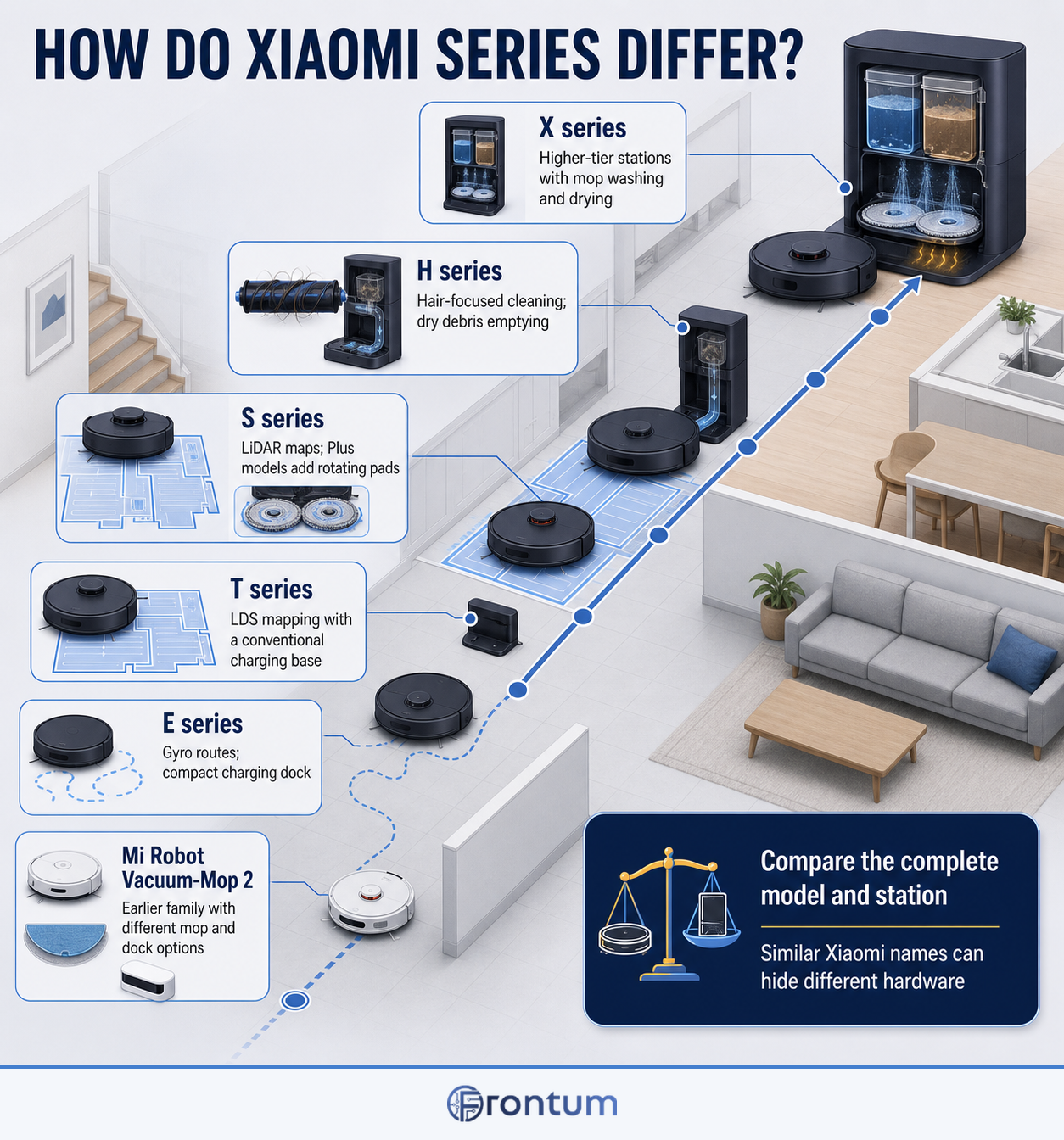
Xiaomi robot vacuums vary sharply by family: E models use simpler gyro routing, while S, X and H machines differ in mop action, obstacle sensing and dock automation. Model names and bundles also vary by region, so the exact suffix and station specification matter more than the Xiaomi badge alone.
The chart below compares robot vacuum brands by average overall score.
[horizontal-chart-15406096130061009453140888914513010987580044587466]
What are the main advantages of Xiaomi robot vacuums?
The main advantages of Xiaomi robot vacuums are as follows:
- Broad range structure: The E, S, X and H families cover basic gyro-guided cleaners, LiDAR models, rotating-mop machines and automated stations. This makes it possible to keep Xiaomi Home controls while choosing a very different level of cleaning and maintenance.
- Strong mapping on midrange models: S, X and H machines commonly use LDS or LiDAR to save rooms, plan orderly routes and support zones or multi-floor maps. These controls are especially useful in larger homes where random navigation wastes battery.
- Graduated mopping hardware: Entry models provide controlled maintenance wiping, while selected S and X machines use rotating pads, carpet sensing and mop lifting. Premium X stations can also wash, refill and dry pads instead of leaving every wet-cleaning task to the owner.
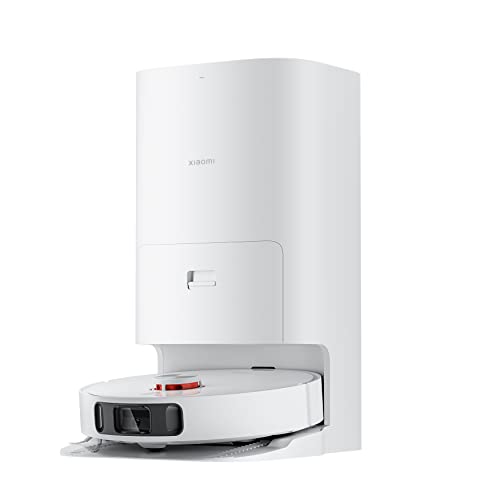
- Useful dock choices: Xiaomi sells simple charging bases, auto-empty stations such as the H40 dock and fuller X-series stations with dust and water handling. Buyers can pay for the automation they will use rather than accepting one dock design across the range.
- Integrated app controls: Xiaomi Home brings schedules, room selection, suction and water settings, restricted zones, cleaning history and firmware updates into one interface. Alexa and Google Assistant support on many models adds convenient start and stop commands.
What are the main disadvantages of Xiaomi robot vacuums?
The main disadvantages of Xiaomi robot vacuums are as follows:
- Overlapping names and regional variants: Mi Robot Vacuum-Mop, Xiaomi Robot Vacuum, E, S, X, H and T labels coexist, while a plus sign may indicate different upgrades in different generations. A review, replacement part or accessory can be wrong even when the family name looks similar.
- Uneven entry-level navigation: E-series gyro routing is orderly but does not provide the same reusable room map, zone control or obstacle precision as LiDAR models. Infrared sensors and bumpers can still miss cables, socks, dark objects and low clutter.
- Inconsistent carpet and mop behaviour: Many Xiaomi models use a fixed static pad and cannot lift it over rugs. Even a 7 mm lift on selected premium machines is intended for low pile; thick carpet, tassels and raised edges may still require an avoidance zone.
- Dock functions vary independently: An auto-empty Xiaomi station may not wash or dry mops, while an all-in-one X station adds clean-water, dirty-water and wash-tray maintenance. The dock name alone therefore does not reveal the work left for the owner.
- App and parts dependence: Advanced room controls require Xiaomi Home, compatible Wi-Fi and the correct regional device profile. Dust bags, pads, brushes and filters are model-specific enough that availability should be checked before choosing an imported or older generation.
Who makes Xiaomi robot vacuums?
Xiaomi robot vacuums are Xiaomi-branded smart-home products from Xiaomi Corporation, a consumer-electronics and smart-manufacturing company founded in Beijing in April 2010. Co-founded by Lei Jun, Xiaomi remains headquartered in Beijing and has been listed on the Main Board of the Hong Kong Stock Exchange since July 2018.
Xiaomi places robot vacuums inside its wider smart-hardware strategy, connecting schedules, maps and device controls through the Xiaomi Home or Mi Home IoT platform. Xiaomi Corporation defines the consumer brand and software experience, while group companies such as Xiaomi Communications Co., Ltd. appear in product and regulatory documents.
Individual robot-vacuum programs can involve different engineering and manufacturing partners. Official E10 material attributes performance testing to Shanchuan Laboratory, while X10+ material cites Dreame Laboratory, showing that the hardware lineage can differ even when the products share Xiaomi branding and app integration.
This partner structure makes the complete model and regional station code important when buying filters, brushes, mop pads or a dock. Xiaomi buyers should confirm compatibility for the exact family rather than assuming that parts or behaviour transfer across E, S, X, H and older Vacuum-Mop generations.
What are the main Xiaomi robot vacuum series?
The main Xiaomi robot vacuum series are as follows:
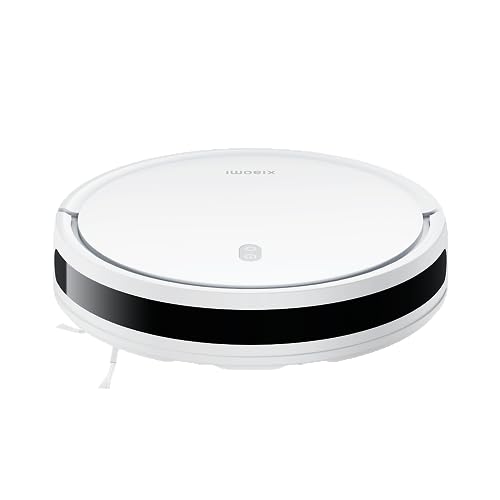
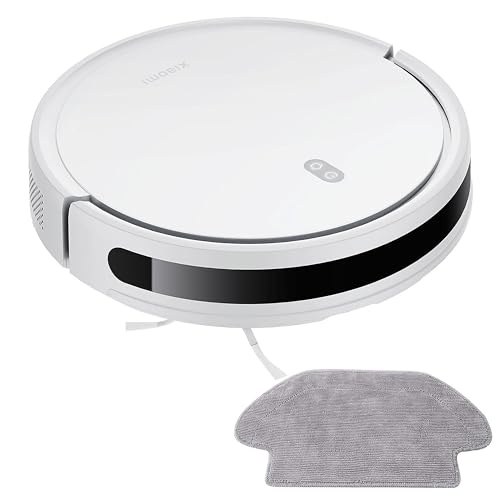
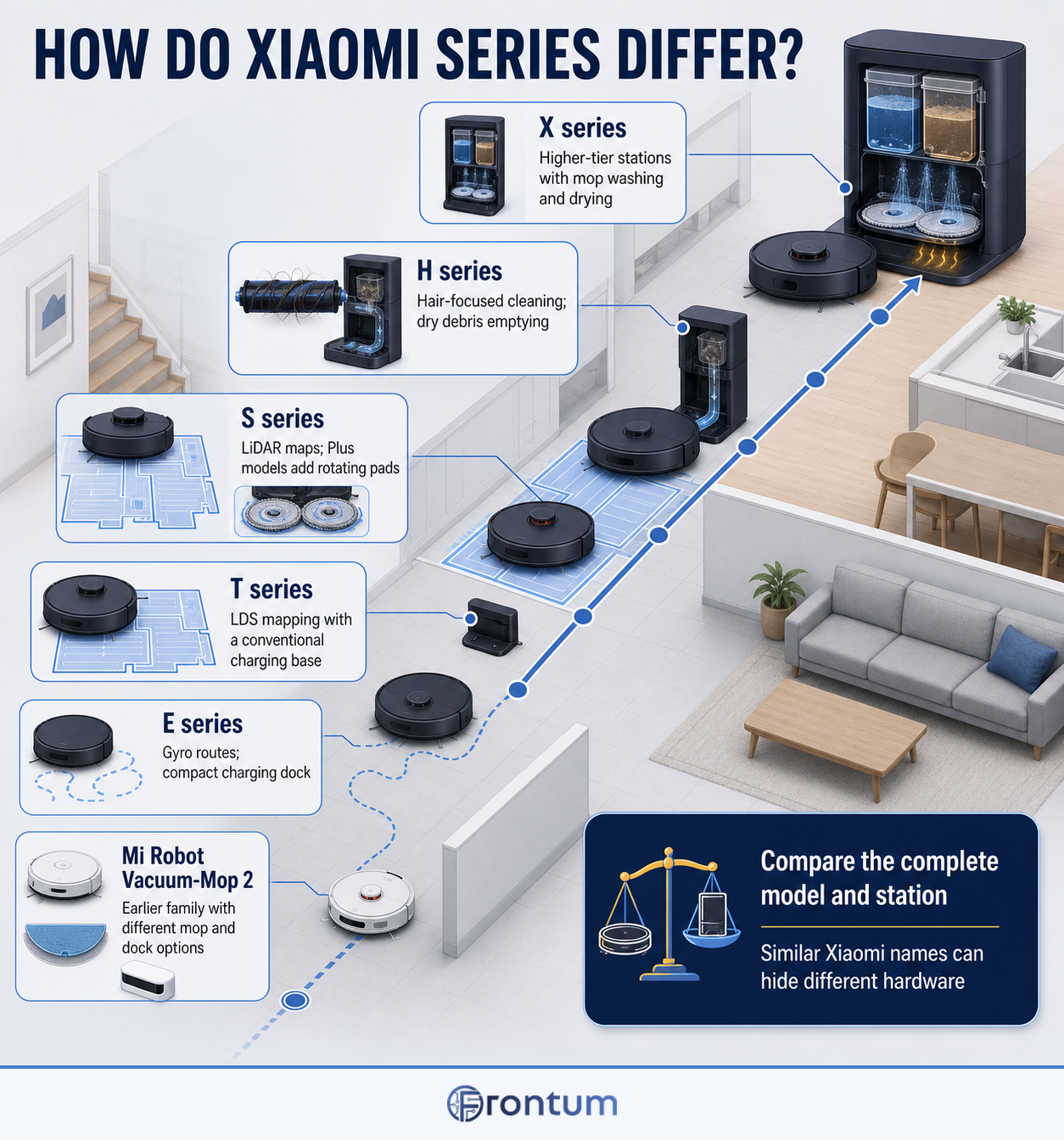
- E series: E5, E10 and E12 models form the entry tier, using gyro-guided zigzag routes, compact charging docks and vacuum-and-mop hardware. E5 offers a simpler 2,000 Pa system, while E10 and E12 move to 4,000 Pa; their roughly 110-minute standard runtimes suit smaller and medium floors.
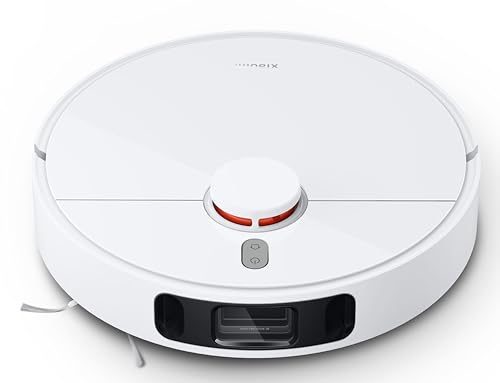
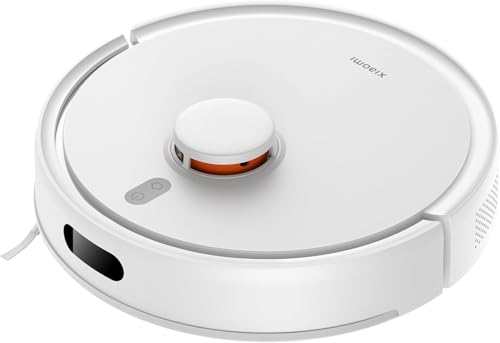
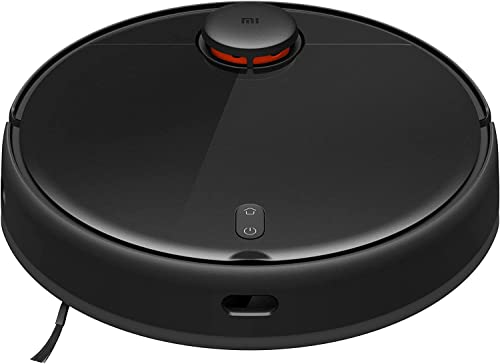
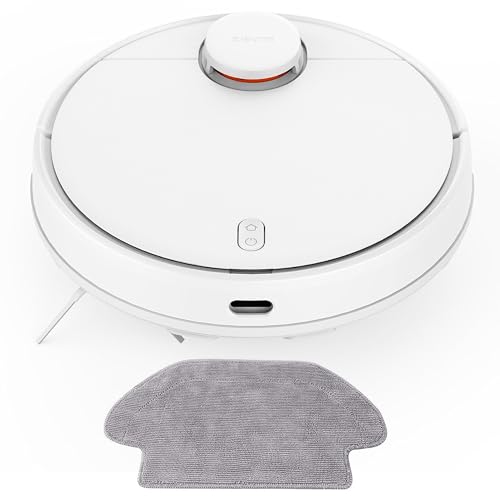
- S series: S10, S10+, S12, S20 and S20+ models make up the central LiDAR-mapping family. Plain versions tend to use simpler mop plates, while plus models can add rotating pads, carpet sensing and lift functions; check the suffix because the hardware changes between generations.
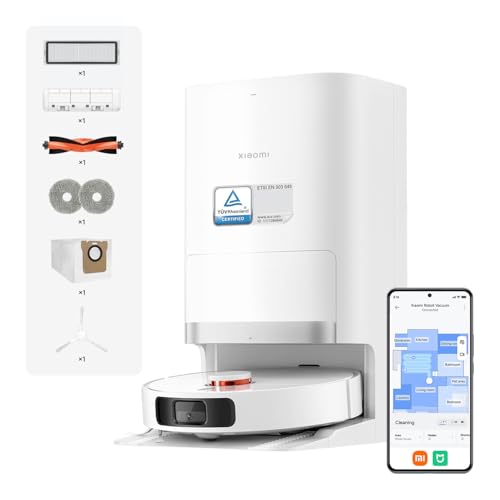
- X series: X10 and X20 generations sit higher in the range, with plus and max versions adding progressively fuller stations and better obstacle sensing. X10+ combines pad washing, dust collection, hot-air drying and water refilling, while X20+ raises suction and uses structured-light avoidance with an all-in-one dock.
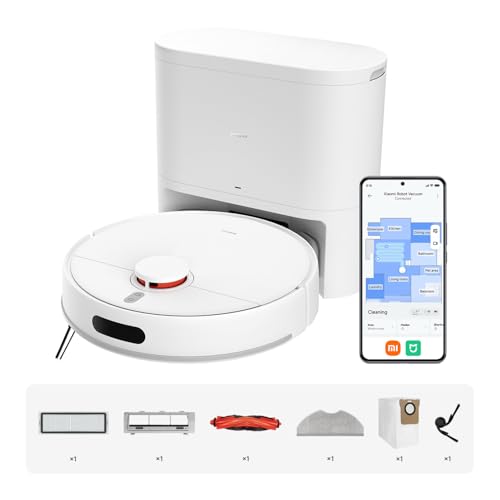
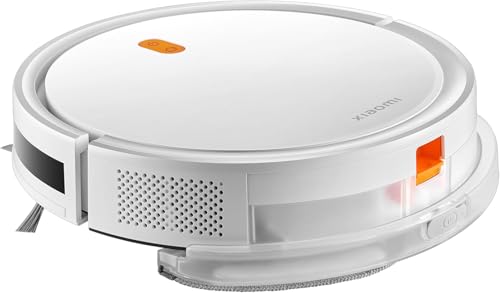
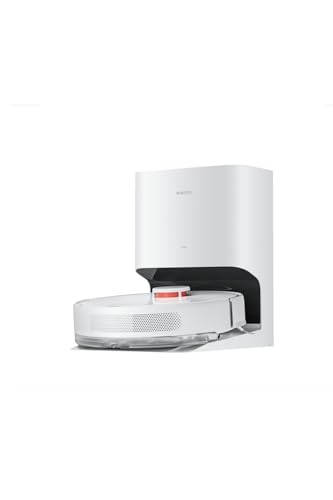
- H series: H40 is a hair-focused vacuum-and-mop branch with a 10,000 Pa headline figure, anti-tangle brushes, 180-minute rated runtime and a large auto-empty bag. Its station handles dry debris but is not the same water-service dock supplied with premium X models.
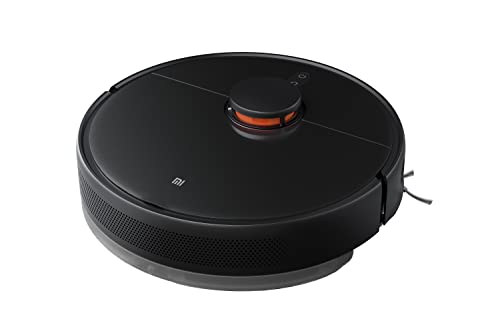
- T series: T12 is a standalone LDS-guided vacuum-and-mop line with app maps and a conventional charging base. It is better understood as a mapping model without the all-in-one station structure of X-series plus machines.
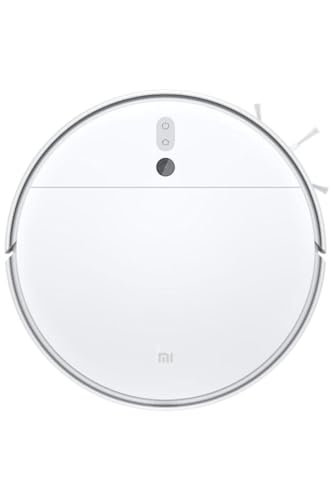
- Mi Robot Vacuum-Mop 2 family: Vacuum-Mop 2, 2S, 2 Pro and 2 Ultra belong to Xiaomi's earlier naming generation. They span static and vibrating mops, different suction levels and optional dust-collection bundles, so parts and capabilities should be matched to the complete model name.
How much do Xiaomi robot vacuums cost?
Xiaomi robot vacuums cost about £100-£500 new, with entry E models commonly around £90-£130 and LiDAR-equipped S models beginning around £170. Midrange machines around £170-£300 can add saved maps, longer runtime, stronger mop hardware or an auto-empty dock.
X and premium regional models generally occupy the £300-£500 band, where rotating pads, carpet sensing, better obstacle avoidance and water-service stations become available. Allow for replacement pads, filters and dust bags as well: a lower robot price may not mean lower ownership cost if its dock uses proprietary consumables or the bundle omits spare parts.
The chart below shows the price distribution of Xiaomi robot vacuums.
[vertical-chart-14195922072866402463095335782967020722652452871245]
What should you consider when choosing a Xiaomi robot vacuum?
Focus on the following differences when comparing Xiaomi models:
- Series: Xiaomi does not use E, S, X, H, T and Vacuum-Mop as one tidy performance ladder, and similar names can belong to different generations. E and older Vacuum-Mop models are generally simpler, while current S, H and X packages add LiDAR, stronger mopping or more automated stations; the complete code identifies the actual combination.
- Mapping: Choose an E-series gyro model only for a simple floor. For several rooms or storeys, move to an LDS or LiDAR model that saves multiple maps and supports room cleaning, restricted zones and recharge-and-resume in Xiaomi Home.
- Pet hair: For long hair or pets, look for Xiaomi's anti-tangle main and side brushes, as used on H40; most older rollers still need hair cut away by hand. Compare suction claims only within similar modes, because brush contact and carpet agitation can matter more.
- Mopping: A static pad is enough for light wiping; selected S Plus and X models use rotating pads for dried marks. If you have rugs, verify carpet sensing and mop lift: Xiaomi's 7 mm lift suits low pile, while thick carpet still needs an avoidance zone.
- Dock: Decide whether you want charging only, auto-emptying or full water service. H40's station handles dry debris but not mop washing; premium X docks may empty dust, wash and dry pads and refill water, so compare the jobs each dock performs.
- Runtime: E5, E10 and E12 models are rated for roughly 110 minutes and suit smaller or medium floors, while H40 reaches about 180 minutes and is the stronger choice for a larger level. S and X runtimes vary by generation and fall with rotating mops or high suction, so their recharge-and-resume behaviour matters more than comparing one eco-mode maximum.
- App and parts: Older Vacuum-Mop models, the standalone T12, the dry-emptying H40 and water-servicing X stations use different pads, filters, bags and dock parts even when they share Xiaomi Home. Regional S and X packages can also expose different app functions, making the market code and local consumable supply part of the model comparison.