Which brands make the best cheap robot vacuums in 2026?
The best cheap robot vacuum brands (with the highest overall score) are as follows:
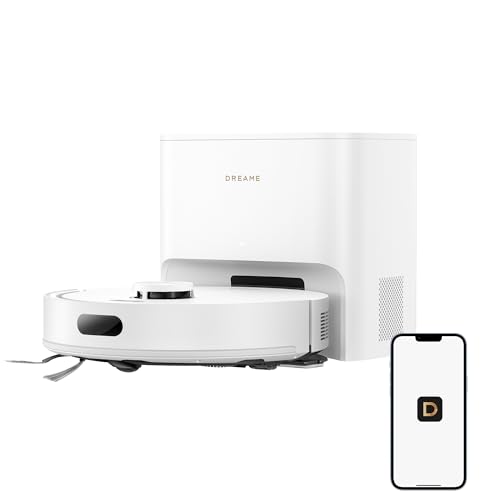
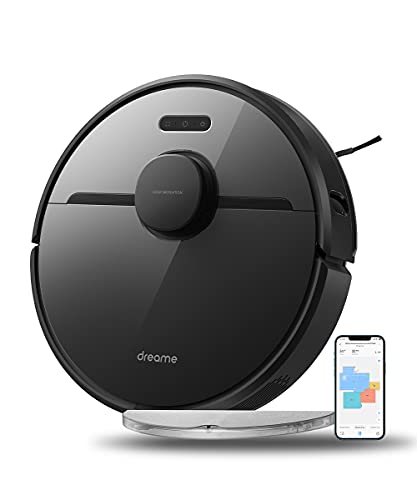
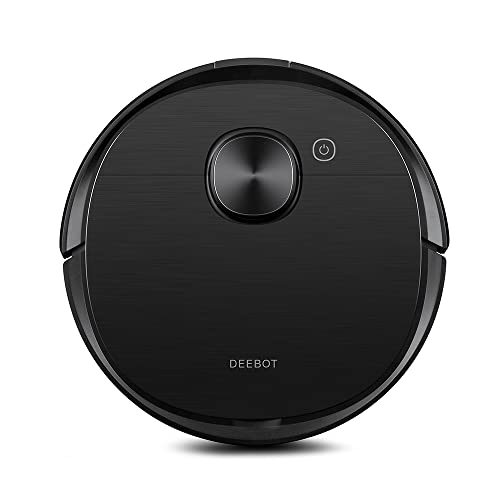
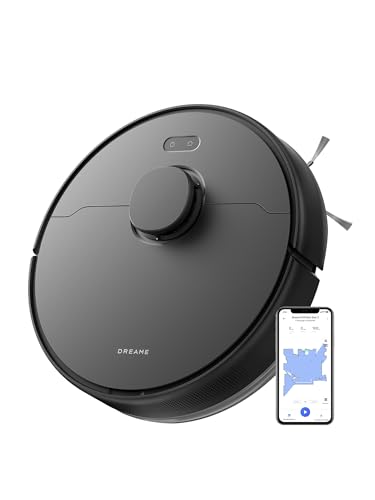
- DreameBot (Average overall score: 7.4)
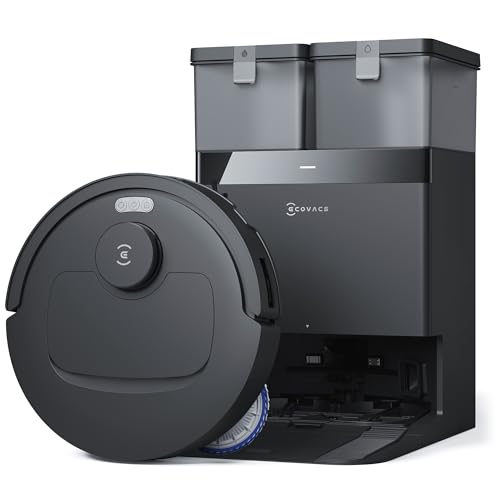
- ECOVACS (Average overall score: 7.3)
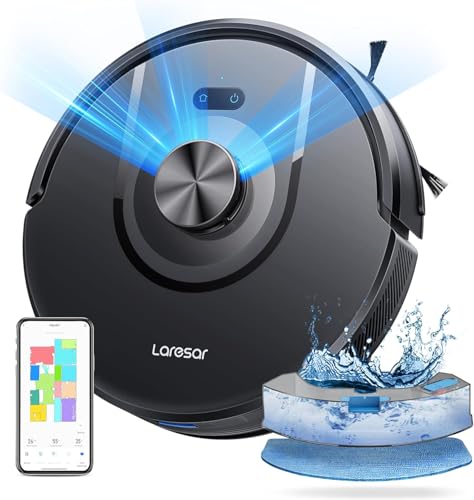
- Laresar (Average overall score: 6.8)
The chart below ranks cheap robot vacuum brands by average overall score, considering only brands with at least five models priced up to £170.
[horizontal-chart-08600521831416231577029462061806472242001430609275]
What is considered a cheap robot vacuum?
A cheap robot vacuum generally costs £170 or less. In practice, worthwhile entry-level models usually start at around £90, while the very cheapest options make the biggest compromises.
Below £90, expect basic sensor navigation, limited app functions and more frequent intervention. From about £90-£140, orderly gyro-based routing, scheduling, a washable filter and simple mopping become realistic.
At roughly £140-£170, LiDAR mapping, recharge-and-resume and larger dustbins begin to appear, but self-emptying docks and advanced object recognition remain exceptions. Price should therefore be judged alongside navigation, brush design and battery mode rather than on the robot alone.
The chart below shows the price distribution of cheap robot vacuums.
[vertical-chart-13239584263846173697142451171762650302763273217799]
Are cheap robot vacuums worth buying?
Cheap robot vacuums are worth buying for routine dust, crumbs and hair on an uncluttered small or medium floor. A model with systematic routing, app scheduling and around two hours of standard-mode runtime can maintain visible cleanliness between manual deep cleans, which is the job an entry robot does best.
They are less convincing for thick carpet, scattered cables, complex thresholds or hands-free ownership. Budget models more often need the floor prepared, their bins emptied and brushes detangled after short intervals, while basic mops mainly wipe fresh marks. Paying more is worthwhile when reliable room selection, object recognition, automatic emptying or stronger carpet pickup will save regular work.
What cleaning compromises are common on cheap robot vacuums?
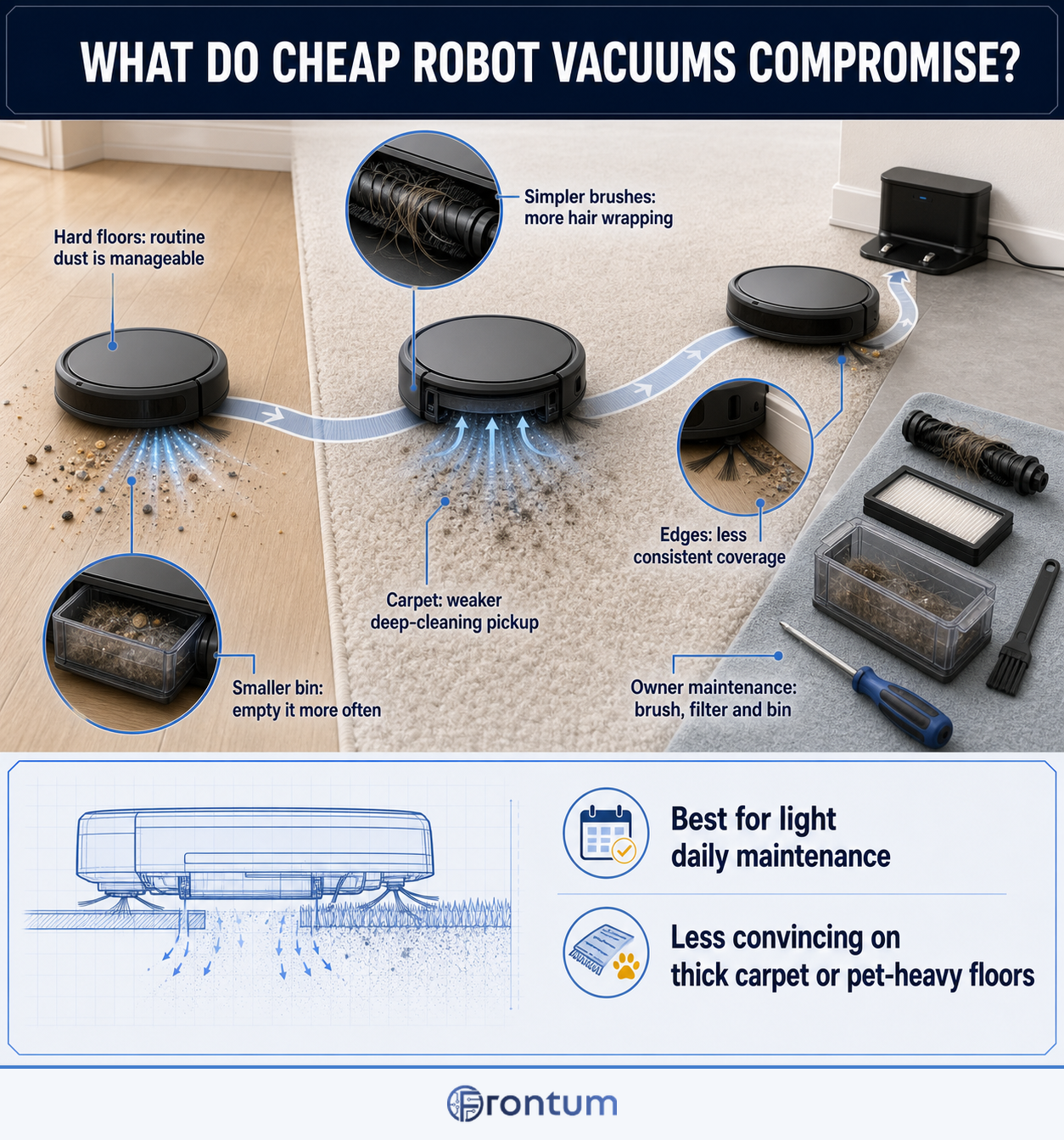
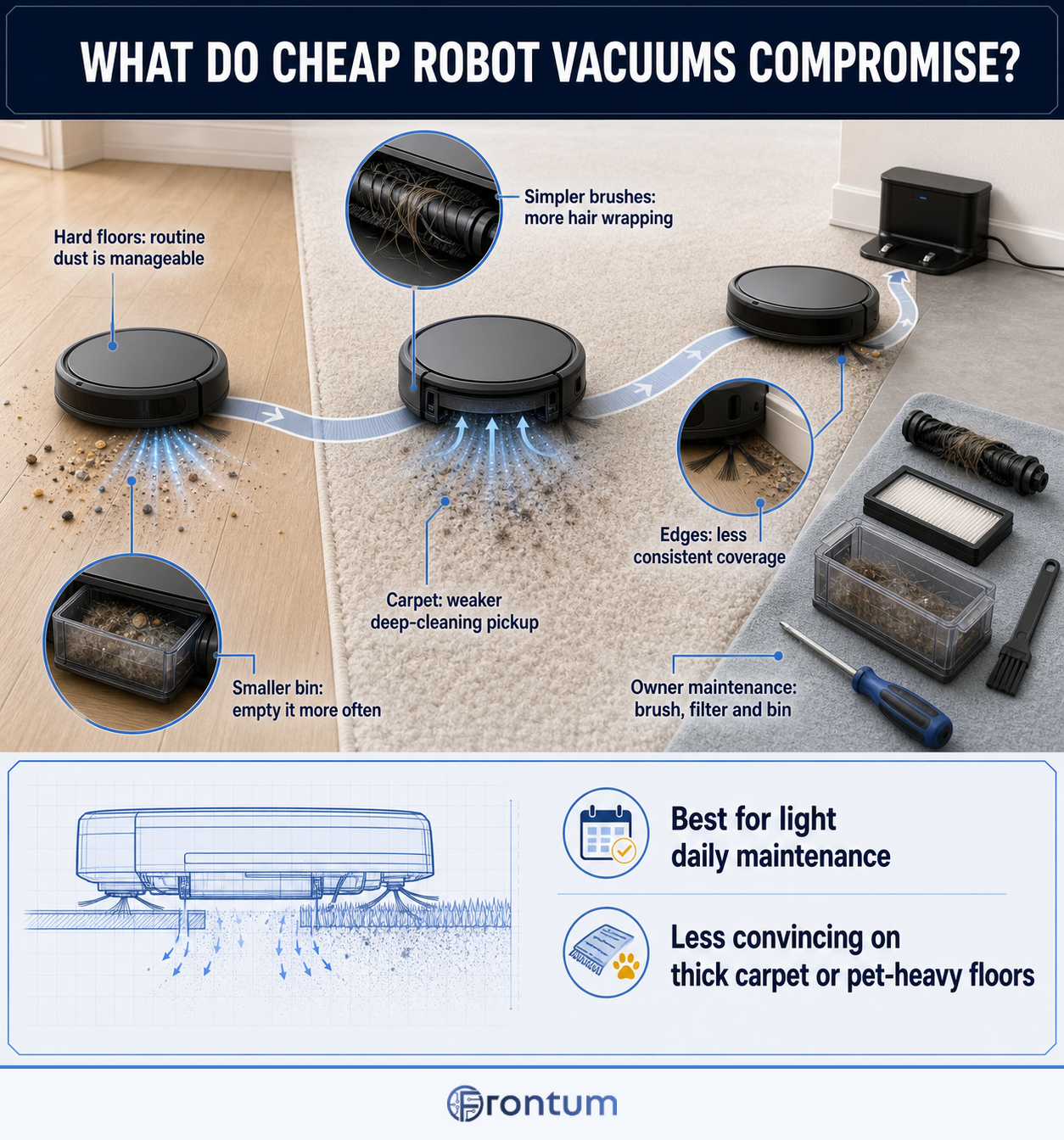
The common cleaning compromises on cheap robot vacuums are weaker deep-carpet pickup, simpler brush systems, less consistent edge cleaning and more hands-on maintenance.
On hard floors, even an inexpensive robot can collect surface dust well if its main brush and side brush keep debris in the airflow. On carpet, sealing, brush agitation and airflow matter as much as the advertised pressure figure, so a large pascal claim does not guarantee better embedded-hair removal.
Low-cost rollers are also more likely to wrap long hair, and basic side-brush control can scatter light crumbs before the robot returns for them. Small or awkward dust ports may clog sooner, while a compact bin needs emptying often enough to preserve suction and filter airflow.
Most cheap robots return only to a charging base, leaving the owner to empty the bin, wash the filter and cut hair from the brush. These are acceptable compromises for light daily maintenance, but they become tiring in a large, carpeted or pet-heavy home.
What navigation and mapping features can cheap robot vacuums offer?
Cheap robot vacuums can offer orderly zigzag navigation, an app map and, near the top of the budget range, LiDAR-based room mapping, but those features are not equivalent.
Gyroscope-guided models estimate their direction and cover the floor in rows, which is more efficient than random bouncing but may not save a reusable map. A genuine saved map should support room selection, editable boundaries or targeted zones; LiDAR generally measures walls more reliably and works without room lighting, while camera navigation depends more on the environment.
Obstacle avoidance remains a separate capability. Infrared and bumper sensors can slow the robot near furniture but may miss cables, socks, low objects, dark surfaces or glass. Even a cheap robot with LiDAR still benefits from a prepared floor unless it explicitly adds object-recognition hardware and software.
The chart below shows how mapping capability is distributed among cheap robot vacuums costing up to £170.
[pie-chart-11425641338016434882128159658052530376823797546118]
Can a cheap robot vacuum mop effectively?
A cheap robot vacuum can mop effectively enough for routine dust, light footprints and fresh marks on sealed hard floors, but it usually cannot scrub like an active rotating, vibrating or roller system. Entry models commonly drag a damp static pad and may use passive water flow, so even coverage depends on filling the tank correctly and cleaning the cloth frequently.
Expect to remove or avoid rugs, wash and air-dry the pad by hand, and make a second pass over dirtier rooms. Adjustable electronic flow, carpet detection and saved no-mop zones are valuable upgrades; automatic pad lifting, dock washing and warm-air drying are uncommon at this price. Use only water or a cleaning solution specifically approved for the model.
Which features matter most in a cheap robot vacuum?
Check the following essentials before buying a cheap robot vacuum:
- Navigation: Prefer an orderly zigzag route over random bouncing. If you need room cleaning, make sure the app saves an editable map with room selection and boundaries rather than showing only a temporary trail.
- Brush design: Look for a floating main brush, accessible roller ends and adjustable power modes. Do not choose a budget model by its peak pascal figure alone, because sealing, airflow and brush contact often matter more on carpet.
- Battery life: Aim for at least 120 minutes in normal mode, not only in the quietest setting. Recharge-and-resume helps on a larger floor, while a four- to six-hour charge can make a second full run impractical.
- Bin and filter: A 400–500 ml bin is a useful target for routine cleaning and should come out without spilling debris. A washable filter saves money, but it must dry completely before refitting or it can restrict airflow.
- Pet hair: For pets or long hair, prioritise an anti-tangle roller that comes out without tools and is easy to clear at both ends. Carpet sensing and automatic boost help, but cheap models still struggle more with hair embedded in thick pile.
- Mopping: Adjustable water flow, a removable tank and app-based no-mop zones are worthwhile if you have rugs. Most cheap robots drag a static pad, which is suitable for light wiping but not dried stains and still needs washing after every run.
- App and parts: Confirm the Wi-Fi requirement, scheduling controls, privacy settings and recent firmware support before buying. Brushes, filters and mop pads should be easy to find locally, because a low purchase price is poor value if routine parts disappear.