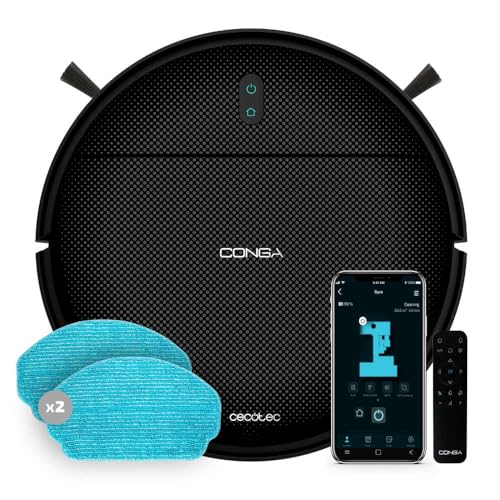
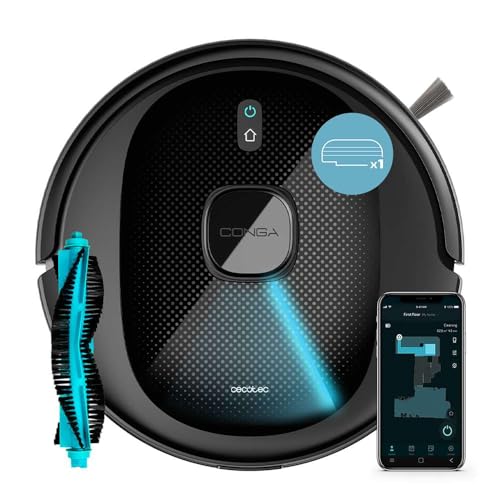
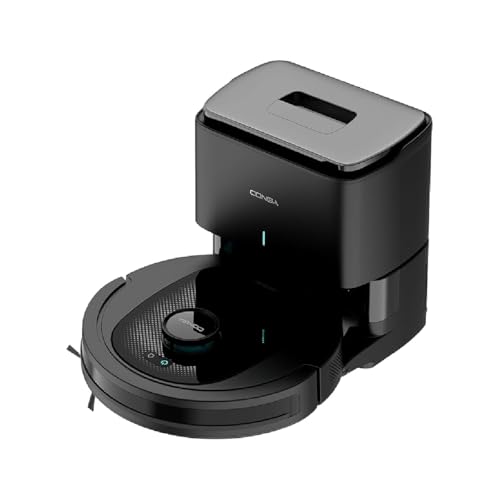
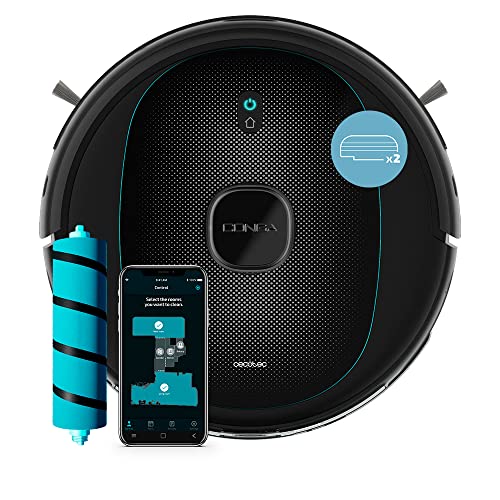
Are Cecotec robot vacuums good?
Cecotec robot vacuums have an average overall score of 6.9, ranking #15 among comparable robot vacuum brands.
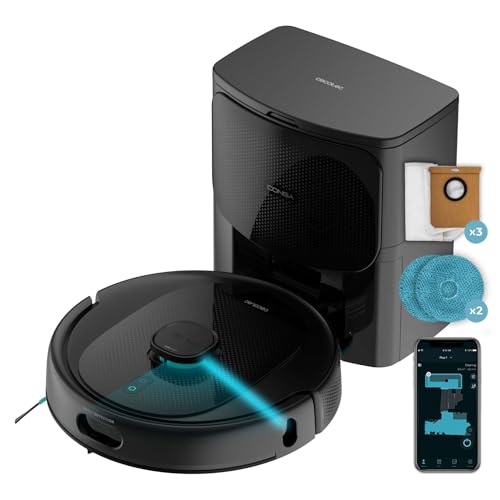
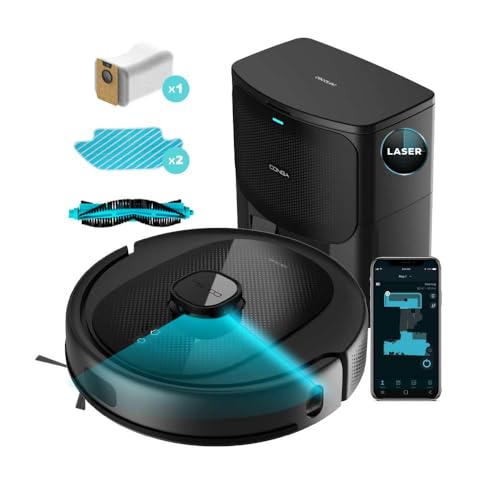
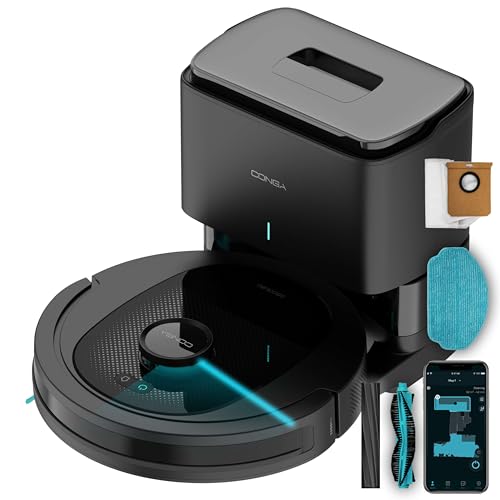
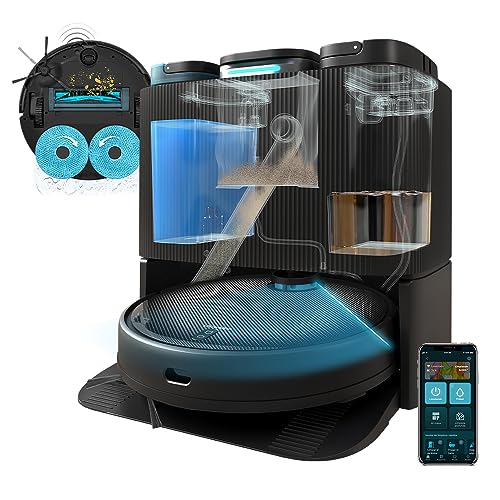
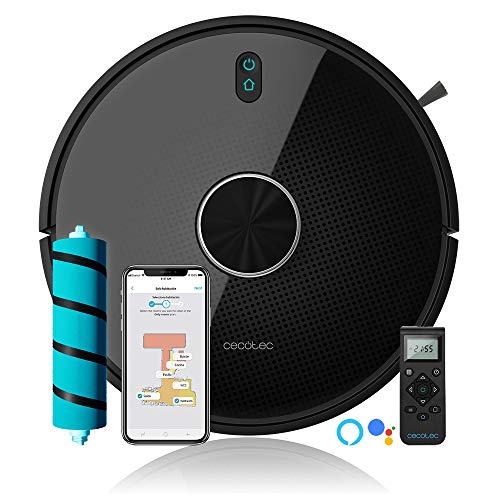
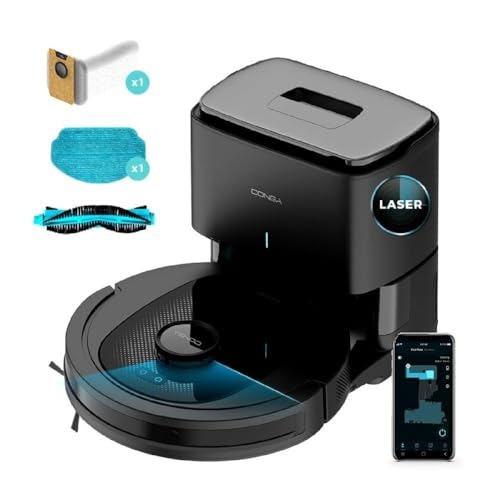
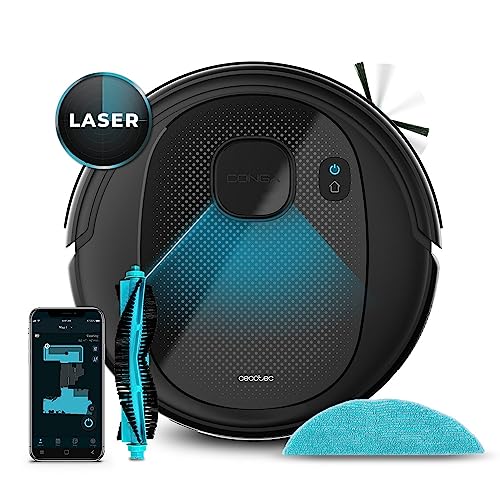
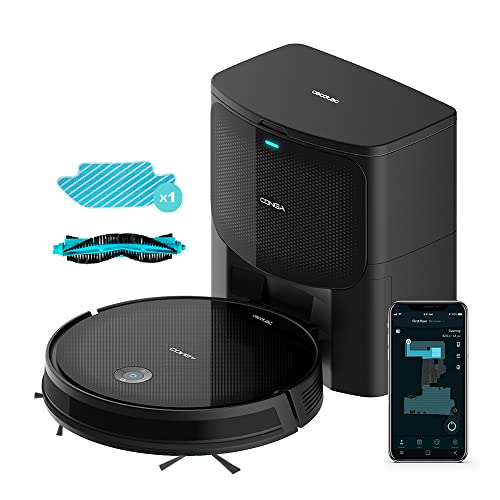
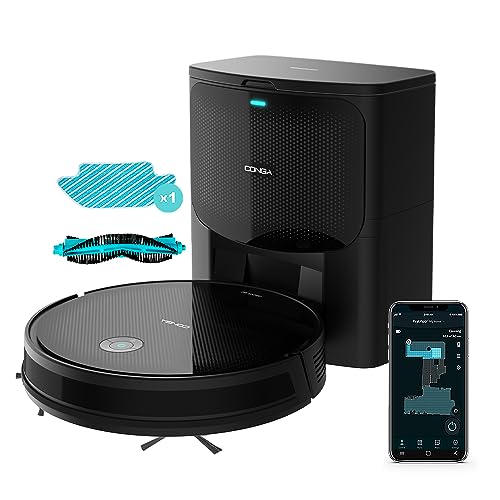
Cecotec robot vacuums are strongest for buyers who want a wide choice from low-cost gyro or LiDAR cleaners to AI navigation, rotating mops and fully automated stations. Current M and Y models cover simpler routines, while X and Z machines add more active floor washing and dock care.
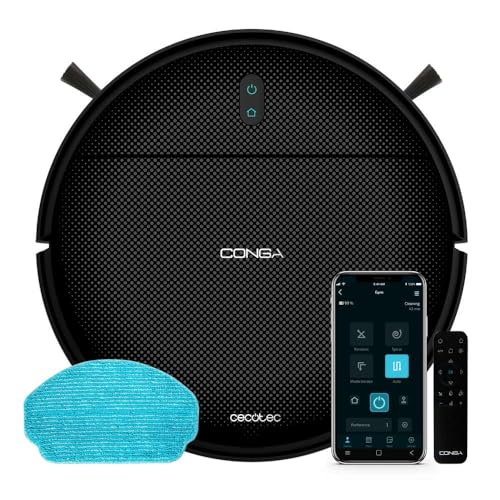
Cecotec robot vacuums vary sharply by generation: older Conga numbers may use reactive or gyro navigation, static pads and manual emptying, whereas current family names describe different platforms. Check the exact navigation, brush, mop lifting, Wi-Fi band and station contents, not just the Conga badge.
The chart below compares robot vacuum brands by average overall score.
[horizontal-chart-15406096130061009453140888914513010987580044587466]
What are the main advantages of Cecotec robot vacuums?
The main advantages of Cecotec robot vacuums are as follows:
- Wide price and automation ladder: Cecotec ranges from inexpensive gyro or laser robots to AI-equipped machines with dust, water and mop-care stations. Buyers can choose the convenience level they need without treating a premium dock as the only route into the range.
- Strong mapping on the right models: Current LiDAR and laser-plus-AI machines can map rooms for selected-area cleaning, schedules and restricted zones. Higher models add object recognition, while simpler Conga generations remain available for uncluttered floors where precise maps are less important.
- Several levels of wet cleaning: Basic M and older Conga robots use a flat pad for maintenance wiping, whereas M100, X and selected premium machines use rotating, lifting or extending mop systems. X and Z stations can also manage water and pad care, reducing the manual work after each run.
- Useful pet and carpet hardware: Silicone or mixed-material central brushes on many recent models resist hair wrapping better than dense bristle rollers and are easier to clean. Selected robots add ultrasonic carpet detection, automatic suction boost or carpet avoidance during mopping.
- Long-run and hands-free options: Upper current models advertise roughly 220–280 minutes in their least demanding modes and can recharge before resuming an unfinished map. Y, X and Z packages can add auto-emptying or more complete station automation for larger homes and frequent cleaning.
What are the main disadvantages of Cecotec robot vacuums?
The main disadvantages of Cecotec robot vacuums are as follows:
- Confusing names and generations: The Conga catalogue includes current lettered families, older four- and five-digit names and suffixes such as Genesis, Ultra Home or Spin Revolution. Two similarly named products can have different navigation, brushes, Wi-Fi support and station contents, so the full reference must be checked.
- Mapping is not universal: Entry and legacy robots may use reactive sensors, infrared or gyroscope routing rather than persistent LiDAR maps. They can maintain simple open floors, but room selection, precise no-go zones and reliable multi-room coverage require a compatible mapped model.
- Mopping quality varies widely: A static damp pad is suited to light wiping and should not be confused with rotating or extending mops that apply more mechanical action. Many older models cannot lift the pad on carpet, while washing and drying are limited to specific full-station packages.
- Dock convenience adds upkeep: Auto-empty and total-care bases occupy more floor space and require the correct bags, filters, clean water and waste-water maintenance. A robot-only version may share most of its name with a dock bundle, making price comparisons easy to misread.
- Headline specifications need context: Suction and runtime claims have risen sharply across Conga generations and may be quoted in different power or eco modes. Cleaning results still depend on brush contact, airflow, floor type, carpet boost and obstacle clutter, so the largest Pa or minute figure is not a complete comparison.
Who makes Cecotec robot vacuums?
The company behind Cecotec robot vacuums is Cecotec Innovaciones S.L.U., the Valencia-based Spanish technology and appliance business whose registered office is in Alfafar. Cecotec is the company name; Conga is the house name it uses for robotic floor cleaners and several related cleaning products.
The company says the Orts brothers founded it in 2006. It initially sold small appliances through newspaper loyalty programmes, stopped producing for third parties in 2013 to commercialise products under the Cecotec name, and launched the first Conga robot vacuum in 2016, a milestone that helped expand the brand through major retailers and marketplaces.
Cecotec describes its role as developing and commercialising technology products across a catalogue of more than 7,000 references and over 50 countries. For robot-vacuum buyers, that broad product strategy explains the unusually wide spread from simple Conga cleaners to AI navigation and total-care stations, but it also makes exact model identification, regional app support, spare parts and service terms important.
What are the main Cecotec robot vacuum series?
The main Cecotec robot vacuum series are as follows:
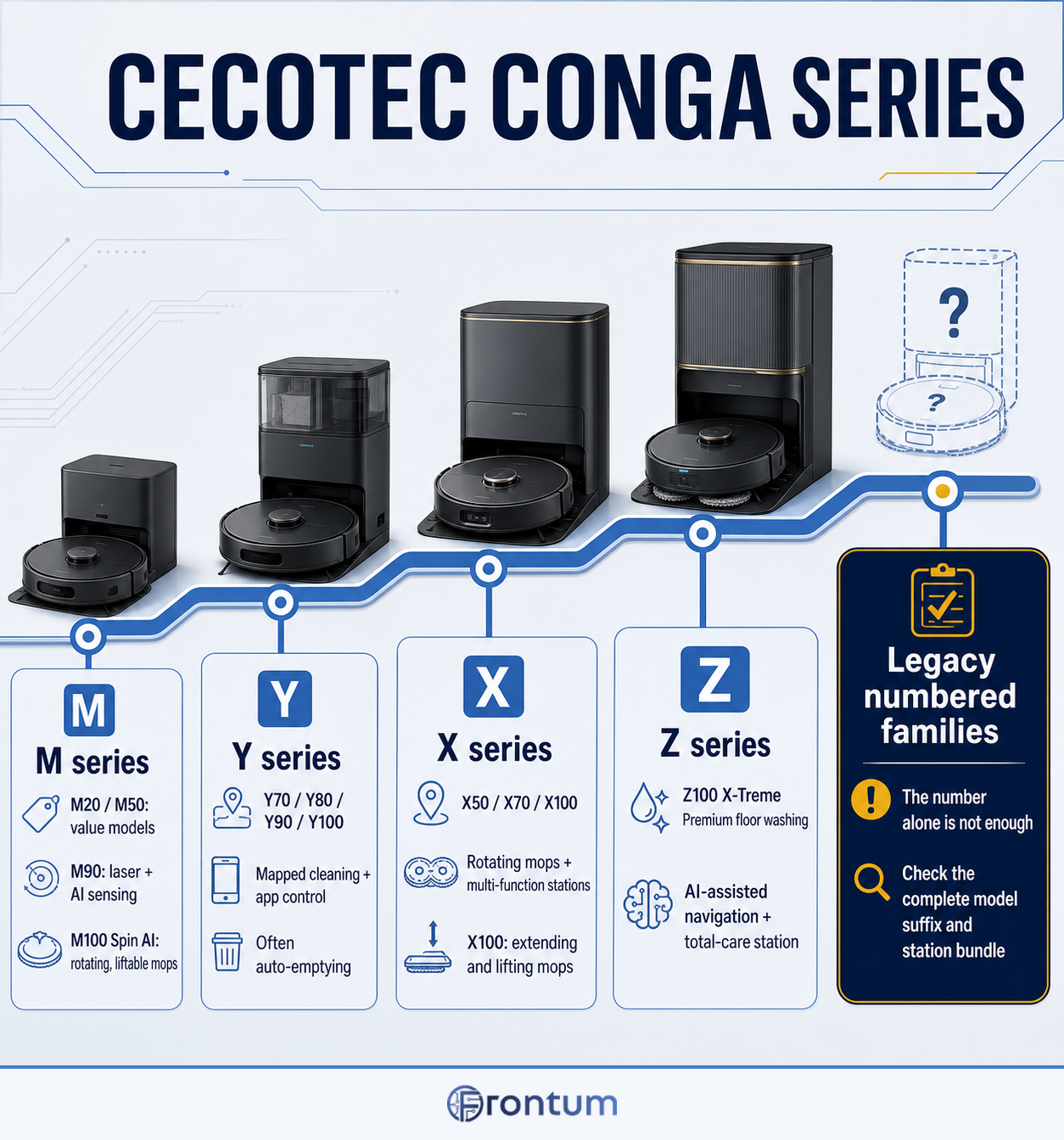
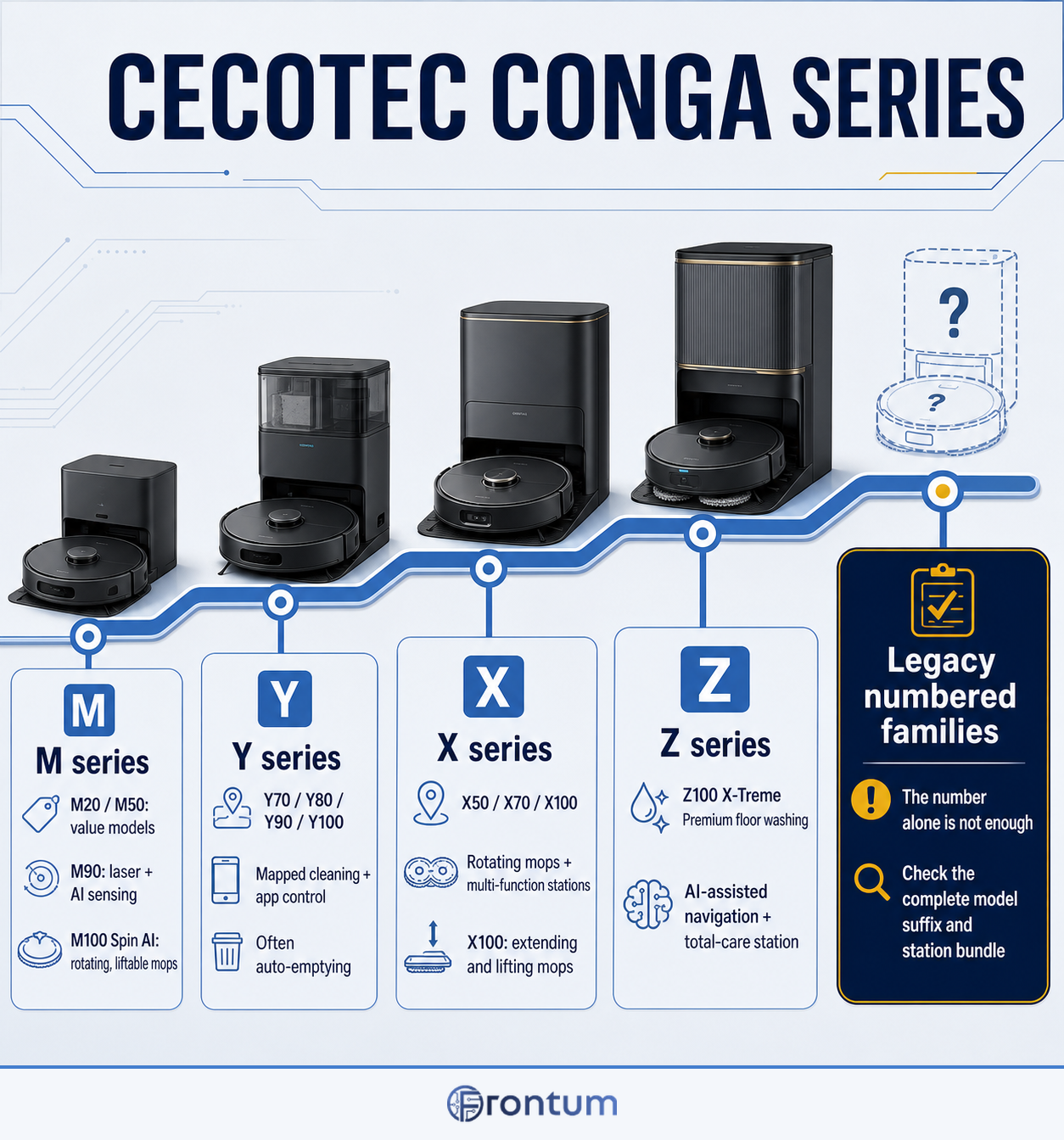
- Conga M series: M20 and M50 are value-focused robots with gyroscope or LiDAR navigation, while M90 adds laser-plus-AI sensing and M100 Spin AI adds rotating, liftable mops. The family suits buyers who want the robot itself to provide the main technology without paying for a large automated station.
- Conga Y series: Y70, Y80, Y90 and Y100 occupy the middle of the current range, combining LiDAR or AI navigation with stronger app control and, on many packages, automatic dust emptying. They fit buyers who want mapped vacuuming and reduced bin handling but do not need the fullest mop-washing dock.
- Conga X series: X50, X70 and X100 pair rotating mop systems with increasingly advanced object recognition and multi-function stations. X100 sits at the top of the family with extending and lifting mops plus hot-water station care, while X50 and X70 offer much of the automated-cleaning concept for less.
- Conga Z series: Z100 X-Treme is a premium floor-washing line built around a large bi-material mop, AI-assisted navigation and a total-care station for dust, water and mop maintenance. It is aimed at buyers who prioritise active hard-floor scrubbing and automation over a compact dock.
- Legacy numbered Conga families: Names such as 999, 2299, 7490, 8290, 9990 and 11090 cover several older hardware generations and bundles. The number alone does not guarantee LiDAR, AI, rotating mops or self-emptying, so the complete Genesis, Ultra Home, Immortal or Spin Revolution suffix is essential.
How much do Cecotec robot vacuums cost?
Current Cecotec robot vacuums generally cost about £100-£400 new. Entry M20, M50 and M70 models sit around £90-£130, typically with gyroscope or LiDAR navigation, a basic charging dock and flat-pad mopping. Better-equipped M90 and Y models commonly occupy roughly £130-£220, where AI-assisted navigation, stronger headline suction and self-emptying become more common.
X-series robots usually cost about £260-£390, while the Z100 is positioned around £300-£400 before temporary discounts. At this level, the extra money should buy rotating, lifting or extending mops, better object detection and a station that handles more than charging or dust emptying. Budget for replacement filters, brushes, mop pads and compatible dust bags, and compare the complete bundle because a robot-only package and a total-care station can have similar names.
The chart below shows the price distribution of Cecotec robot vacuums.
[vertical-chart-16929766811133214274014712672526397549423199899021]
What should you consider when choosing a Cecotec robot vacuum?
Before choosing a Cecotec Conga, compare the following details:
- Series: Cecotec sells Conga robots under M, Y, X, Z and numbered families, but those names do not form one simple performance ladder. Genesis, Home, Ultra and Spin packages can change the navigation, mop and station, so similarly named Conga models may offer very different levels of automation.
- Mapping: M20 and older numbered Conga models use simpler gyro or reactive routing, while M50 and Y models move into LiDAR mapping with saved rooms and restricted zones. M90, M100 Spin AI, X and Z families add AI-assisted sensing for homes where obstacle recognition matters as much as orderly coverage.
- Pet hair: Value M and legacy numbered Conga models vary between bristle, silicone and mixed-material rollers, so their pet-hair maintenance depends heavily on the exact bundle. M100 Spin AI and upper X or Z models combine newer brush hardware with carpet strategies and lifting mop systems, making them the stronger comparison for shedding pets on mixed floors.
- Mopping: A flat pad is enough for light wiping, while M100 Spin, X and Z models offer more active rotating, lifting or extending systems. Check the station separately because some Conga docks only empty dust, whereas others refill water, wash the mops and dry them.
- Runtime: M20, M50 and many legacy numbered Conga models sit nearer the roughly 120-minute class, while higher Y, X and Z packages extend toward claimed low-demand runtimes of about 220–280 minutes. Rotating or extending mops and maximum suction shorten those figures, so the upper families still depend on recharge-and-resume across very large floors.
- Size: Simpler M and older numbered Conga robots usually have the smallest charging setup, while LiDAR-equipped M50, Y and X models commonly place the robot near the 10 cm class. X and Z total-care stations require much more floor and lid clearance than M or Y charging and dry-emptying packages.
- App and parts: Legacy numbered Conga models and current M, Y, X or Z families can use different app functions, Wi-Fi support and consumables despite similar suffixes. X and Z stations add bags, mop hardware and water-system parts that simpler M models do not need, while selected newer models accept 5 GHz in addition to the 2.4 GHz connection common across the range.