Scored using Robot Vacuums Methodology v1.0
Robot Vacuums Methodology v1.0
Mathematical & Unbiased Scoring
Products in this category are scored under Frontum Robot Vacuums Methodology v1.0: technical specifications plus authentic consumer ratings, with 0% commercial bias.
Explore Robot Vacuums Methodology v1.0

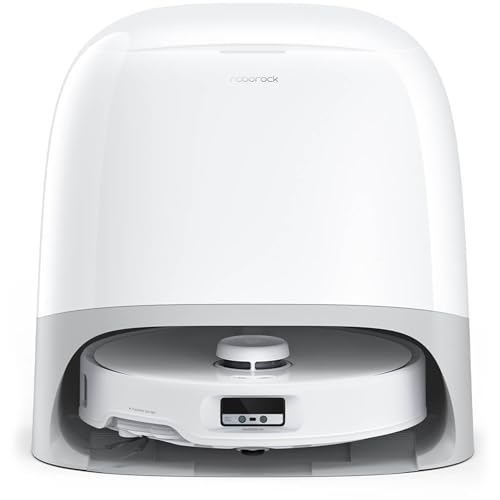
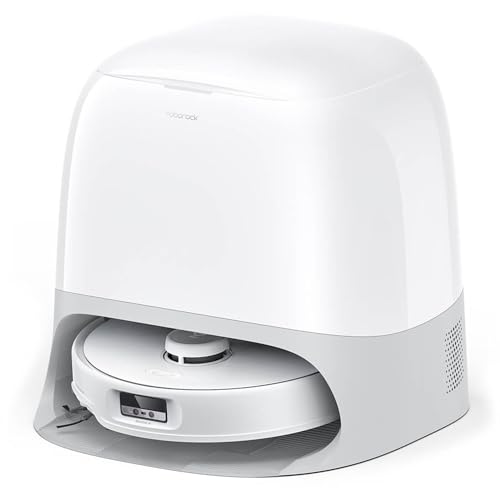
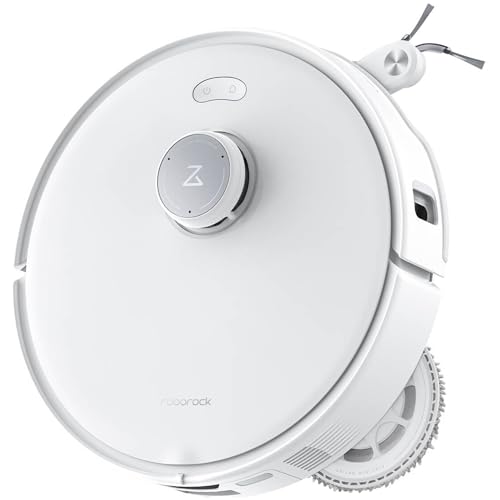
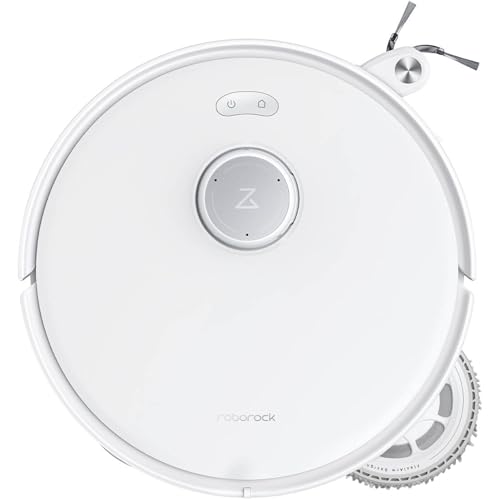
Roborock Qrevo Curv review: 118 specs compared

Avg. price:~£500Max suction power:18500 PaRuntime:240 minDustbin capacity:325 mLMax threshold height:40 mm

Roborock Qrevo Curv Review: Compare 118 technical specifications and user reviews to see how this product ranks in the Robot Vacuums category and whether it is worth buying.
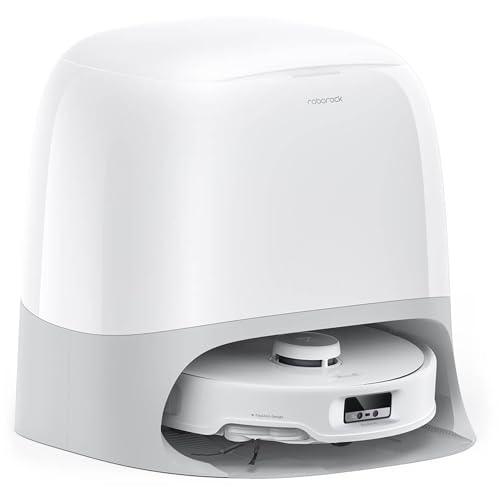
Roborock Qrevo Curv
8.6/10

Overall score

Score
8.6/ 10
✕
What it is
An overall evaluation of the robot vacuum's quality, based on technical analyses and user reviews.
When it matters
When you need a quick reference to identify the best robot vacuums on the market.
Score distribution
▼
<55-66-77-88-99-10
Score components

80%

8.7

Technical score

20%

8.3

User score

★Better than 95% of robot vacuums
8.4

Value for money

Value for money
8.4/ 10
✕
What it is
An indicator that combines the robot vacuum's overall rating with its cost.
When it matters
When you are looking for a robot vacuum with a good balance between quality and price.
Score distribution
▼
<55-66-77-88-99-10
Score components

70%

8.6

Overall score

30%

7.9

Price

★Better than 91%
8.7

Technical score

Technical score
8.7/ 10
✕
What it is
An assessment of robot-vacuum performance across cleaning, navigation, mopping, battery life, filtration, brush design, smart features, and dimensions.
When it matters
When you want to compare robot vacuums based on technical performance and available features.
Score distribution
▼
<55-66-77-88-99-10
Score components

30%

8.8

Cleaning

23%

9.2

Navigation

18%

8.9

Mopping

12%

9.0

Battery

10%

8.9

Smart Features

7%

5.7

Design

★Better than 94%
8.3

User score

User score
8.3/ 10
✕
What it is
A rating that combines user reviews and the total number of reviews received by the robot vacuum
When it matters
When you want to know how a robot vacuum handles daily tasks and how reliable it remains over time according to user feedback.
Score distribution
▼
<55-66-77-88-99-10
Score components

70%

8.1

User ratings

30%

8.6

Number of reviews

Based on ratings from across the web.
▲Better than 76%
  • roborock-qrevo-curv
  • roborock-qrevo-curv
  • roborock-qrevo-curv
  • roborock-qrevo-curv
  • roborock-qrevo-curv
  • roborock-qrevo-curv
  • roborock-qrevo-curv
  • roborock-qrevo-curv
roborock-qrevo-curv
roborock-qrevo-curv
roborock-qrevo-curv
roborock-qrevo-curv
roborock-qrevo-curv
roborock-qrevo-curv
roborock-qrevo-curv
roborock-qrevo-curv
Where to buy
*As an Amazon Associate, we earn from qualifying purchases.
Loading...
Loading category ranking...

Technical Specifications of robot vacuum Roborock Qrevo Curv

Technical score
Technical score
8.7/ 10
✕
What it is
An assessment of robot-vacuum performance across cleaning, navigation, mopping, battery life, filtration, brush design, smart features, and dimensions.
When it matters
When you want to compare robot vacuums based on technical performance and available features.
Score distribution
▼
<55-66-77-88-99-10
Score components:

30%

8.8

Cleaning

23%

9.2

Navigation

18%

8.9

Mopping

12%

9.0

Battery

10%

8.9

Smart Features

7%

5.7

Design

8.7
User score
User score
8.3/ 10
✕
What it is
A rating that combines user reviews and the total number of reviews received by the robot vacuum
When it matters
When you want to know how a robot vacuum handles daily tasks and how reliable it remains over time according to user feedback.
Score distribution
▼
<55-66-77-88-99-10
Score components

70%

8.1

User ratings

30%

8.6

Number of reviews

Based on ratings from across the web.
8.3
Popularity
Popularity
8.6/ 10
✕
What it is
An indicator based on the number of reviews received by the robot vacuum.
When it matters
When you prefer to purchase a product chosen and reviewed by many other consumers.
Score distribution
▼
<55-66-77-88-99-10
Popularity:
Roborock Qrevo Curv has a popularity index of 8.6, higher than that of 76.8% of robot vacuums and equal to that of 0.6% of robot vacuums.
8.6
Value for money
Value for money
8.4/ 10
✕
What it is
An indicator that combines the robot vacuum's overall rating with its cost.
When it matters
When you are looking for a robot vacuum with a good balance between quality and price.
Score distribution
▼
<55-66-77-88-99-10
Score components:

70%

8.6

Overall score

30%

7.9

Price

8.4
Max suction power
18,500 Pa
This robot vacuum has a maximum suction pressure of 18,500 Pa, which is higher than 93.2% of robot vacuums and equal to 0.2% of robot vacuums.
N. of suction power levels
5
This robot vacuum has 5 suction power levels, which is more than 93.7% of robot vacuums offer and the same number as 6.1% of robot vacuums offer.
Motor type
brushless
This robot vacuum uses a brushless motor, a type that is generally more efficient than those used by 2.7% of robot vacuums and also used by 97.3% of robot vacuums.
Power
?
Cleaning modes
4
This robot vacuum offers 4 cleaning modes, which is more than 38.2% of robot vacuums offer and the same number as 47.5% of robot vacuums offer.
Show more
Mopping capability
yes
This robot vacuum can mop floors. 78.8% of robot vacuums offer this feature.
Mopping system type
rotating pads
This robot vacuum uses rotating pads for mopping. This system is more effective than those on 79.6% of robot vacuums and as effective as those on 16% of robot vacuums.
Mop pad type
circular
Mop pad material
microfiber
Mop pressure
?
Show more
Primary navigation technology
LiDAR
This robot vacuum uses LiDAR as its primary navigation system, which is more capable than the systems in 34.7% of robot vacuums and matched by 60.4% of robot vacuums.
Mapping capability
yes
This robot vacuum maps the floor. 74% of robot vacuums offer this feature.
Real-time mapping
yes
This robot vacuum updates its map in real time. 68.5% of robot vacuums offer this feature.
Multiple map storage
yes
This robot vacuum stores multiple maps. 56.4% of robot vacuums offer this feature.
Map editing
yes
This robot vacuum lets you edit maps. 63.8% of robot vacuums offer this feature.
Show more
App control
yes
This robot vacuum supports app control. 5.5% of robot vacuums support app control.
App name
Roborock
Wi-Fi connectivity
yes
This robot vacuum supports Wi-Fi connectivity. 6.3% of robot vacuums support Wi-Fi connectivity.
Supported Wi-Fi bands
2.4 GHz
Bluetooth connectivity
yes
This robot vacuum supports Bluetooth connectivity. 35.5% of robot vacuums support Bluetooth connectivity.
Show more
Battery capacity
6,400 mAh
This robot vacuum has a battery capacity of 6,400 mAh, which is higher than 94.5% of robot vacuums and equal to 5.5% of robot vacuums.
Battery type
Li-ion
Battery voltage
14.4 V
Runtime
240 min
This robot vacuum runs for 240 min per charge, which is longer than 88.1% of robot vacuums and equal to 3.2% of robot vacuums.
Recharge and resume
yes
This robot vacuum resumes cleaning after charging. 83.1% of robot vacuums offer this feature.
Show more
Shape
round
Height
103 mm
Width
351.7 mm
Length
352 mm
Weight
3.9 kg
This robot vacuum weighs 3.9 kg, making it heavier than 67.4% of robot vacuums and the same weight as 2.1% of robot vacuums.
Show more

Roborock Qrevo Curv vs the average robot vacuum

246810TotalBatteryDesignSmart FeaturesNavigationCleaningMopping
  • 14,500 Pa stronger maximum suction
    This robot vacuum has stronger maximum suction than the average robot vacuum (18,500 Pa vs 4,000 Pa). The average robot vacuum has a maximum suction pressure of 4,000 Pa.
    18,500 Pa vs 4,000 Pa
  • Has anti-tangle technology
    This robot vacuum has anti-tangle technology, while the average robot vacuum does not. 42.8% of robot vacuums offer this feature.
  • Lifts its mop over carpets
    This robot vacuum lifts its mop over carpets, while the average robot vacuum does not lift its mop automatically.
  • Better mopping system
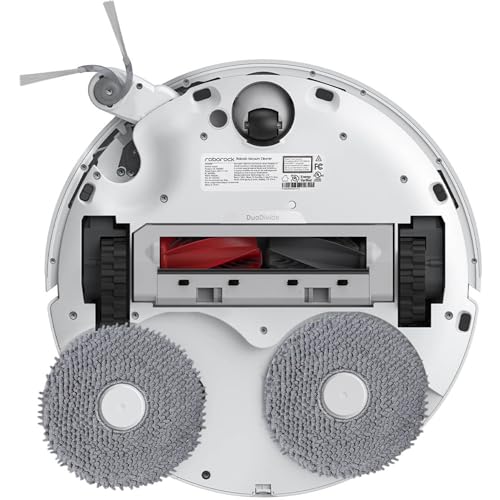
    This robot vacuum uses rotating pads for mopping, while the average robot vacuum uses static pad.
    rotating pads vs static pad
  • 3,200 mAh greater battery capacity
    This robot vacuum has a greater battery capacity than the average robot vacuum (6,400 mAh vs 3,200 mAh). The average robot vacuum has a battery capacity of 3,200 mAh.
    6,400 mAh vs 3,200 mAh
  • 90 min longer runtime
    This robot vacuum runs longer per charge than the average robot vacuum (240 min vs 150 min). The average robot vacuum runs for 150 min.
    240 min vs 150 min
  • 220 m² larger cleaning area
    This robot vacuum has a larger maximum cleaning area than the average robot vacuum (400 m² vs 180 m²). The average robot vacuum has a maximum cleaning area of 180 m².
    400 m² vs 180 m²
  • Empties its dustbin automatically
    This robot vacuum empties its dustbin automatically, while the average robot vacuum requires manual dustbin emptying.
  • 10.8% better value for money
    Roborock Qrevo Curv has better value for money than the average robot vacuum (8.4 vs 7.6).
    8.4 vs 7.59
  • 3,200 mAh greater battery capacity
    This robot vacuum has a greater battery capacity than the average robot vacuum (6,400 mAh vs 3,200 mAh). The average robot vacuum has a battery capacity of 3,200 mAh.
    6,400 mAh vs 3,200 mAh
  • 90 min longer runtime
    This robot vacuum runs longer per charge than the average robot vacuum (240 min vs 150 min). The average robot vacuum runs for 150 min.
    240 min vs 150 min
  • 220 m² larger cleaning area
    This robot vacuum has a larger maximum cleaning area than the average robot vacuum (400 m² vs 180 m²). The average robot vacuum has a maximum cleaning area of 180 m².
    400 m² vs 180 m²
  • Supports fast charging
    This robot vacuum supports fast charging, while the average robot vacuum does not support fast charging.
  • Supports off-peak charging
    This robot vacuum supports off-peak charging, while the average robot vacuum does not support off-peak charging.
  • 0.5 h shorter charging time
    This robot vacuum takes less time to recharge fully than the average robot vacuum (4 h vs 4.5 h). The average robot vacuum takes 4.5 h.
    4 h vs 4.5 h
  • 0.1 W lower standby power consumption
    This robot vacuum draws less power in standby than the average robot vacuum (1.9 W vs 2 W). The average robot vacuum draws 2 W in standby.
    1.9 W vs 2 W
  • Newer model
    This robot vacuum was released in 2024, later than the average robot vacuum in 2023. The average release year for robot vacuums is 2023.
    2024 vs 2023
  • Supports remote camera monitoring
    This robot vacuum supports remote camera monitoring, while the average robot vacuum does not. 13.4% of robot vacuums support this.
  • Has a child lock
    This robot vacuum has a child lock, while the average robot vacuum does not. 44.9% of robot vacuums offer this.
  • 13 more languages supported
    This robot vacuum supports more languages than the average robot vacuum (30 vs 17). The average robot vacuum supports 17 languages.
    30 vs 17
  • 62 more object types recognised
    This robot vacuum recognises more object types than the average robot vacuum (62 vs 0). The average robot vacuum recognises 0 object types.
    62 vs 0
  • 20 mm higher threshold clearance
    This robot vacuum can cross higher thresholds than the average robot vacuum (40 mm vs 20 mm). The average robot vacuum can cross thresholds up to 20 mm high.
    40 mm vs 20 mm
  • 14,500 Pa stronger maximum suction
    This robot vacuum has stronger maximum suction than the average robot vacuum (18,500 Pa vs 4,000 Pa). The average robot vacuum has a maximum suction pressure of 4,000 Pa.
    18,500 Pa vs 4,000 Pa
  • Has anti-tangle technology
    This robot vacuum has anti-tangle technology, while the average robot vacuum does not. 42.8% of robot vacuums offer this feature.
  • Empties its dustbin automatically
    This robot vacuum empties its dustbin automatically, while the average robot vacuum requires manual dustbin emptying.
  • Detects dirtier areas
    This robot vacuum detects dirtier areas, while the average robot vacuum does not detect dirtier areas.
  • Adjusts its cleaning height automatically
    This robot vacuum adjusts its cleaning height automatically, while the average robot vacuum uses a fixed cleaning height.
  • 1 more suction power levels
    This robot vacuum offers more suction power levels than the average robot vacuum (5 vs 4). The average robot vacuum offers 4 suction power levels.
    5 vs 4
  • Lifts its mop over carpets
    This robot vacuum lifts its mop over carpets, while the average robot vacuum does not lift its mop automatically.
  • Better mopping system
    This robot vacuum uses rotating pads for mopping, while the average robot vacuum uses static pad.
    rotating pads vs static pad
  • Cleans its mop automatically at the dock
    This robot vacuum cleans its mop automatically at the dock, while the average robot vacuum does not clean its mop automatically at the dock.
  • 20 rpm faster mop rotation
    This robot vacuum spins its mop pads faster than the average robot vacuum (200 rpm vs 180 rpm). The average mop rotation speed among robot vacuums with spinning mops is 180 rpm.
    200 rpm vs 180 rpm
  • Refills its water tank automatically
    This robot vacuum refills its water tank automatically, while the average robot vacuum requires manual water refilling.
  • Washes the mop with hot water
    This robot vacuum washes its mop with hot water at the base station, while the average robot vacuum does not. 13.4% of robot vacuums offer this.
  • 27 more water flow levels
    This robot vacuum offers more water flow levels than the average robot vacuum (30 vs 3). The average number of water flow levels is 3.
    30 vs 3
  • Supports cleaning solution
    This robot vacuum supports cleaning solution for mopping, while the average robot vacuum does not. 44.8% of robot vacuums support this.
  • 4 % lower filter efficiency
    This robot vacuum has lower filter efficiency than the average robot vacuum (95 % vs 99 %). The average robot vacuum has a filter efficiency of 99 %.
    95 % vs 99 %
  • 160 mL less onboard water capacity
    This robot vacuum has a smaller onboard water tank than the average robot vacuum (80 mL vs 240 mL). The average robot vacuum's onboard water tank holds 240 mL.
    80 mL vs 240 mL
  • No cleaning reports
    This robot vacuum does not provide cleaning reports, while the average robot vacuum does. 87.4% of robot vacuums offer these.
  • 13 dB louder
    This robot vacuum has a higher reported cleaning noise level than the average robot vacuum (78 dB vs 65 dB). The average robot vacuum has a reported noise level of 65 dB.
    78 dB vs 65 dB
  • Does not include a cleaning tool
    This robot vacuum does not include a cleaning tool, while the average robot vacuum includes a cleaning tool.
  • 13 mm narrower main brush
    This robot vacuum has a narrower main brush than the average robot vacuum (165 mm vs 178 mm). The average robot vacuum has a main brush 178 mm wide.
    165 mm vs 178 mm
  • 75 mL smaller dustbin
    This robot vacuum has a smaller onboard dustbin than the average robot vacuum (325 mL vs 400 mL). The average robot vacuum has a dustbin capacity of 400 mL.
    325 mL vs 400 mL
  • 0.3 L smaller auto-empty dust bag
    This robot vacuum has a smaller auto-empty dust bag than the average robot vacuum (2.7 L vs 3 L). The average auto-empty dust bag capacity is 3 L.
    2.7 L vs 3 L
  • 92.3% more expensive
    Roborock Qrevo Curv is more expensive than the average robot vacuum (£500 vs £260).
    £500 vs £260
  • 13 dB louder
    This robot vacuum has a higher reported cleaning noise level than the average robot vacuum (78 dB vs 65 dB). The average robot vacuum has a reported noise level of 65 dB.
    78 dB vs 65 dB
  • 9.2% heavier
    This robot vacuum is heavier than the average robot vacuum (3.9 kg vs 3.57 kg). The average robot vacuum weighs 3.57 kg.
    3.9 kg vs 3.57 kg
  • 4.58 kg heavier base station
    This robot vacuum has a heavier base station than the average robot vacuum (8.9 kg vs 4.3 kg). The average robot vacuum's base station weighs 4.3 kg.
    8.88 kg vs 4.3 kg
  • No cleaning reports
    This robot vacuum does not provide cleaning reports, while the average robot vacuum does. 87.4% of robot vacuums offer these.
  • 4 % lower filter efficiency
    This robot vacuum has lower filter efficiency than the average robot vacuum (95 % vs 99 %). The average robot vacuum has a filter efficiency of 99 %.
    95 % vs 99 %
  • Does not include a cleaning tool
    This robot vacuum does not include a cleaning tool, while the average robot vacuum includes a cleaning tool.
  • 13 mm narrower main brush
    This robot vacuum has a narrower main brush than the average robot vacuum (165 mm vs 178 mm). The average robot vacuum has a main brush 178 mm wide.
    165 mm vs 178 mm
  • 75 mL smaller dustbin
    This robot vacuum has a smaller onboard dustbin than the average robot vacuum (325 mL vs 400 mL). The average robot vacuum has a dustbin capacity of 400 mL.
    325 mL vs 400 mL
  • 0.3 L smaller auto-empty dust bag
    This robot vacuum has a smaller auto-empty dust bag than the average robot vacuum (2.7 L vs 3 L). The average auto-empty dust bag capacity is 3 L.
    2.7 L vs 3 L
  • 160 mL less onboard water capacity
    This robot vacuum has a smaller onboard water tank than the average robot vacuum (80 mL vs 240 mL). The average robot vacuum's onboard water tank holds 240 mL.
    80 mL vs 240 mL
  • 500 mL less dirty water capacity
    This robot vacuum has a smaller base station dirty water tank than the average robot vacuum (3,000 mL vs 3,500 mL). The average base station dirty water tank holds 3,500 mL.
    3,000 mL vs 3,500 mL

Video reviews

Hands-on testing, unboxing, and real-world video evaluations

Expert reviews

In-depth analysis and verdict from leading tech publications

R
rtings.com
06/01/2025
Summary of the review
U
uk.pcmag.com
06/12/2024
Summary of the review
T
techradar.com
17/11/2024
Summary of the review
T
techadvisor.com
22/01/2025
Summary of the review
R
robotobzor.com
01/04/2025
Summary of the review
V
vacuumwars.com
04/11/2024
Summary of the review
P
pcmag.com
06/12/2024
Summary of the review
J
justadadapproved.com
09/07/2026
Summary of the review
S
stern.de
25/09/2024
Summary of the review
C
chip.de
26/09/2024
Summary of the review
G
galaxus.ch
11/12/2024
Summary of the review
S
smarthomeassistent.de
08/05/2026
Summary of the review
H
heise.de
05/09/2024
Summary of the review
A
andreagaleazzi.com
23/11/2024
Summary of the review
S
smartworld.it
18/09/2024
Summary of the review
C
corriere.it
20/11/2024
Summary of the review
G
galaxus.ch
11/12/2024
Summary of the review
T
techprincess.it
15/10/2024
Summary of the review
G
gqitalia.it
25/12/2024
Summary of the review
T
tech.everyeye.it
28/11/2024
Summary of the review

Third-party reviews

Based on ratings from across the web.
Reviews last updated: July 2026 · How we calculate this

What customers like about Roborock Qrevo Curv

  • Outstanding hard floor cleaning performance
  • Excellent edge and corner cleaning with extendable side brush and mops
  • Advanced multifunction dock for automated cleaning, refilling, and hot water washing
  • Superior stain-cleaning capability
  • Good at handling larger debris on carpets
  • Ability to navigate over higher obstacles
  • Useful built-in voice assistant and security camera features

What customers don't like about Roborock Qrevo Curv

  • Poor obstacle avoidance and inconsistent maneuvering
  • Struggles to pick up fine material and pet hair on carpets
  • High price point
  • Lacks an automatic detergent dispenser
  • Potential for mops to drag over carpets in certain scenarios
  • Reports of reliability issues with heating components

Verdict

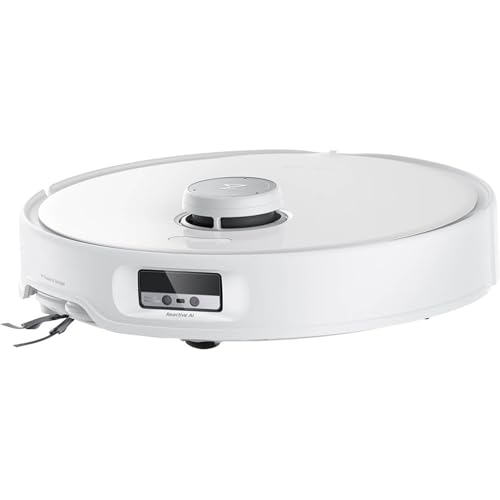
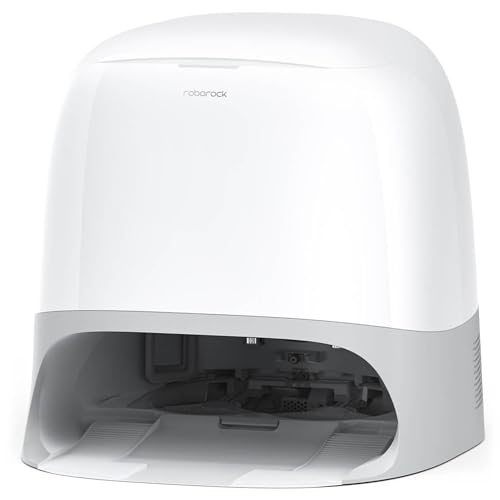
The Roborock Qrevo Curv is a premium hybrid robot vacuum and mop featuring an industry-leading 18,500Pa HyperForce suction power and an innovative AdaptiLift chassis capable of traversing thresholds up to 4cm high. Its main characteristics include PreciSense LiDAR navigation, an anti-tangle DuoDivide main brush system, and a visual-striking 3.0 Multifunctional Dock that automatically washes mops at 75°C, dries them with 45°C warm air, and empties dust for up to 7 weeks. Major advantages include unparalleled zero-tangling performance on hair, excellent edge coverage via a flexible extending side brush and mop, and a generous 5,200mAh battery that delivers up to 240 minutes of runtime. However, its notable drawbacks include inconsistent obstacle avoidance around smaller items like power cords or socks, occasional struggles extracting fine embedded debris from low-pile carpets, and the lack of a built-in detergent dispenser in its curved-top dock.

Compare Roborock Qrevo Curv with other robot vacuums

1Product to compare no. 1
VS
2Product to compare no. 2
VS
3Product to compare no. 3 (optional)

Graphic comparison of Roborock Qrevo Curv and other robot vacuums

No results found