What are the best pet-hair robot vacuum brands of 2026?
The best robot-vacuum brands for pet hair in 2026 are ranked below:
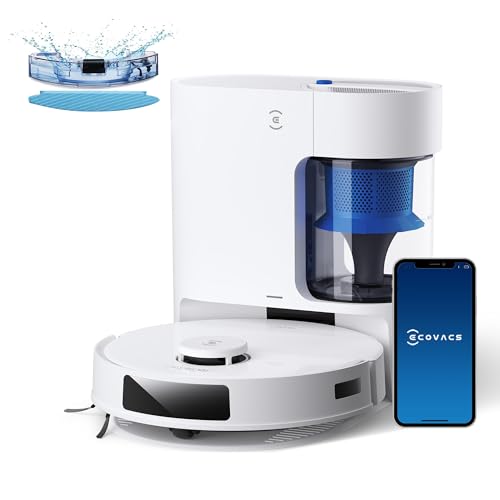
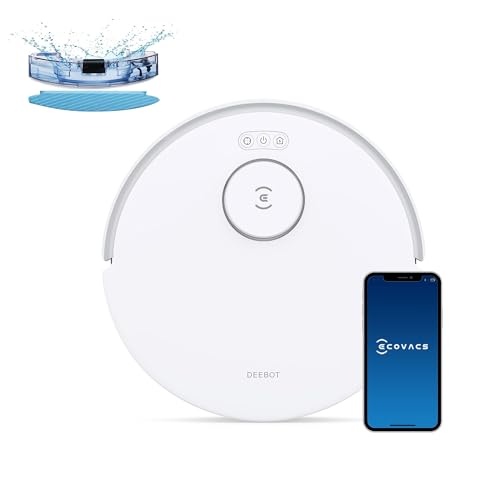
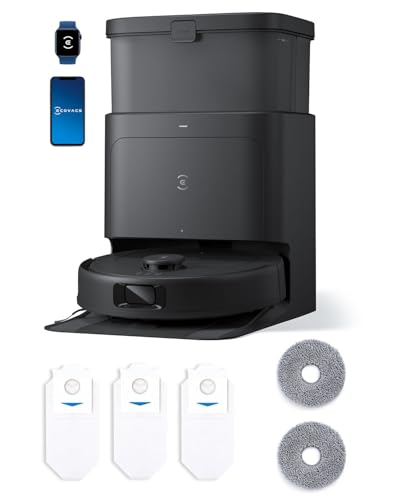
- ECOVACS (Average overall score: 8.6)
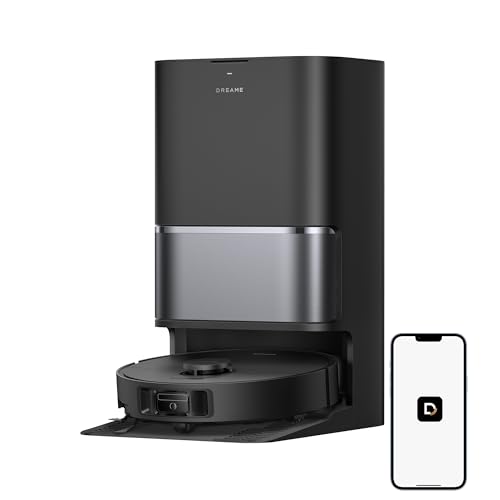
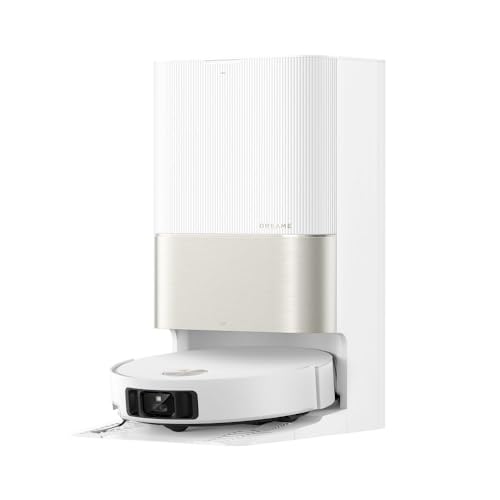
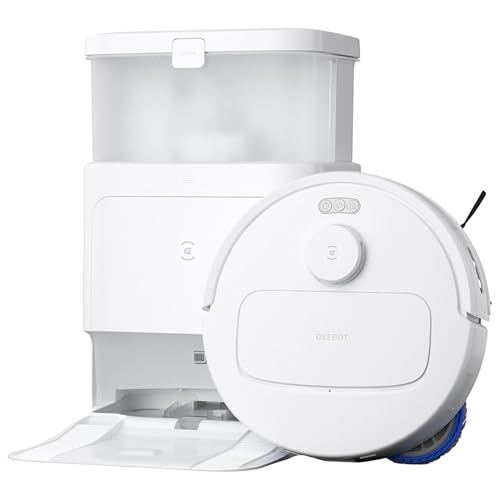
- DREAME (Average overall score: 8.6)
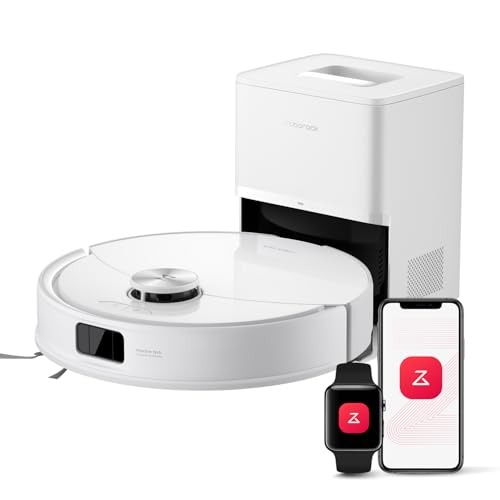
- Roborock (Average overall score: 8.5)
- EUREKA (Average overall score: 7.9)
- EZVIZ (Average overall score: 7.8)
The chart below compares established robot-vacuum brands by average overall score.
[horizontal-chart-15406096130061009453140888914513010987580044587466]
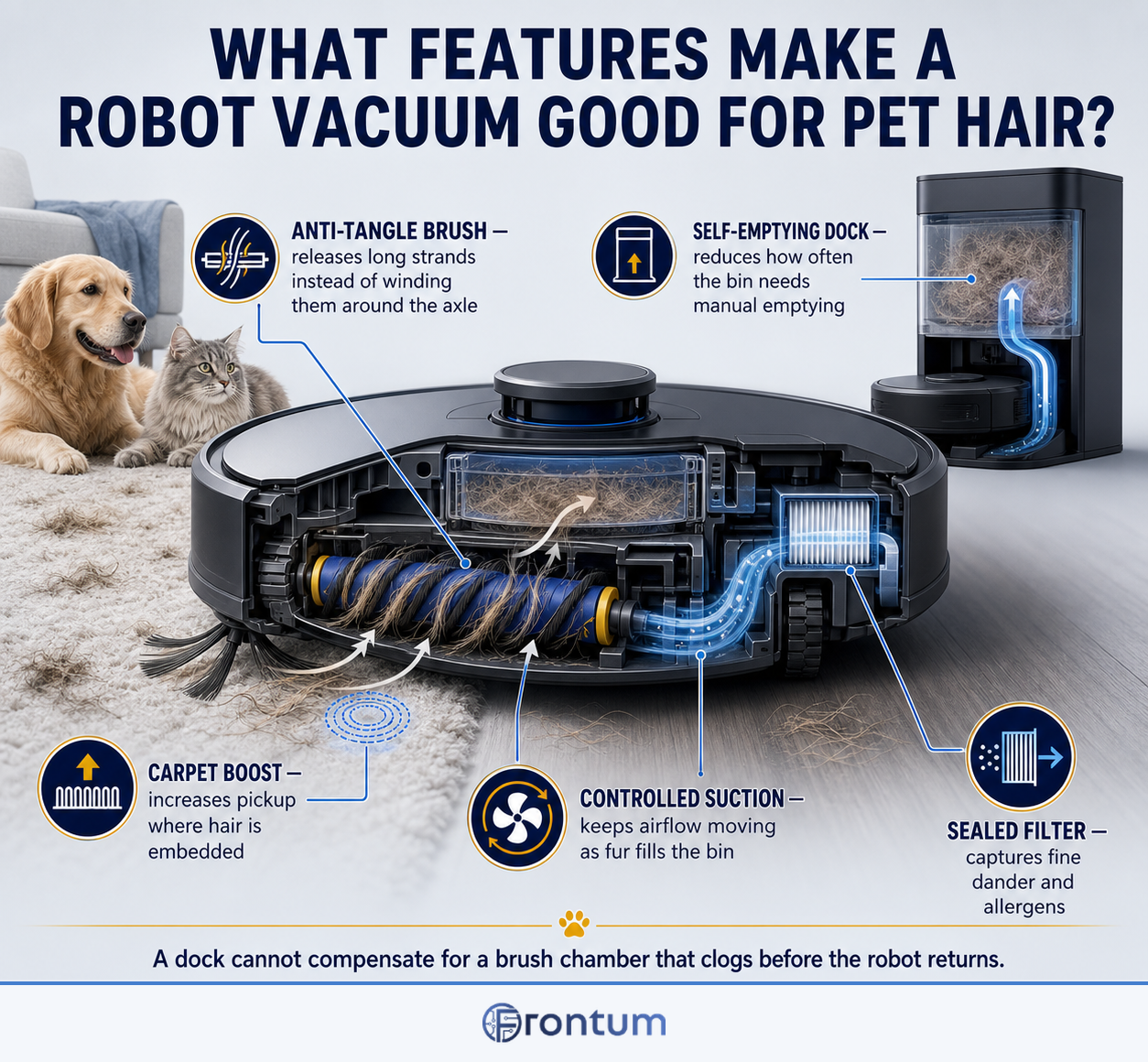
What features make a robot vacuum good for pet hair?
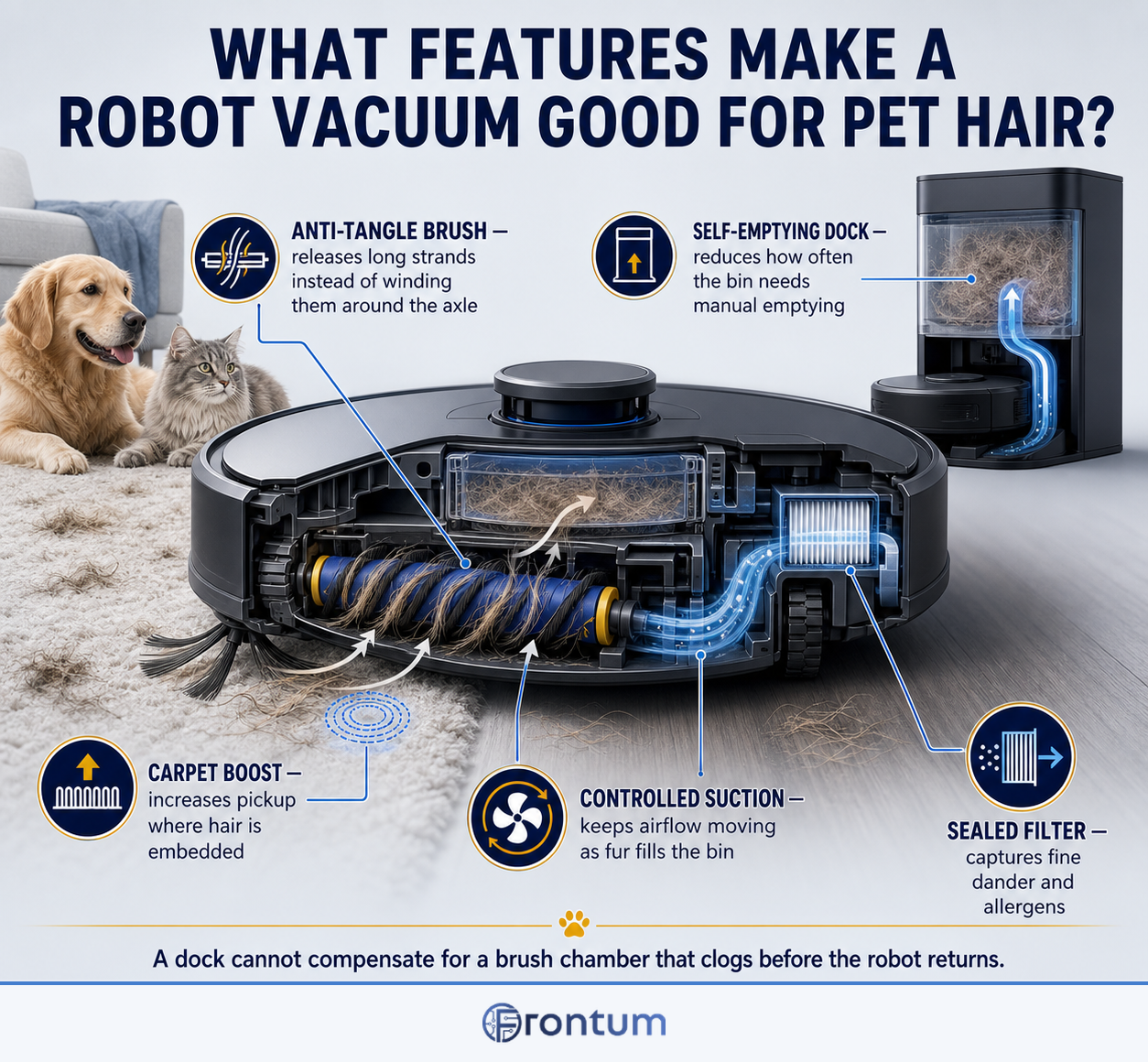
An anti-tangle main brush, well-managed suction, carpet detection with automatic boost and a bin that maintains airflow as fur accumulates are the most important features for pet hair. The roller must stay in contact with the floor, loosen embedded fibres and release long strands instead of winding them tightly around an axle.
Navigation also affects cleaning performance. Reliable mapping and complete lane coverage give the robot repeated contact with shedding zones, while obstacle recognition can reduce collisions with pet bowls and toys. A floating brush assembly helps over floor transitions, and a controlled side brush is less likely to scatter loose fur across hard flooring.
Maintenance features determine whether that performance lasts. Look for a removable roller, accessible end caps and airway, a washable bin, a sealed high-efficiency filter and enough onboard capacity for a full run. A self-emptying dock is useful in heavily shedding homes, but it cannot compensate for a brush chamber that clogs before the robot reaches the station.
The chart below shows how commonly robot vacuums include anti-tangle technology.
[pie-chart-09555834635126786718037897737736401569961132971925]
How do brush designs prevent pet-hair tangles?
All-rubber or dual-rubber rollers with hair-shedding ribs and fixed combs generally resist pet-hair tangles best. Their continuous surface grips fur without giving individual strands as many bristles to knot around, while a split roller or open end cap makes trapped hair easier to slide off. A floating roller housing is also valuable because it keeps the brush in contact with uneven hard floors and carpet.
Bristle-and-rubber hybrids can agitate carpet more aggressively and may lift embedded fur better, but long hair often needs to be cut away more frequently. Whatever the material, check whether the roller removes without tools and whether both end bearings are accessible; an anti-tangle label is less useful if hair can still pack behind a sealed end cap.
How much suction power is needed for pet hair?
Around 4,000–6,000 Pa is a sensible starting range for regular pet-hair cleaning when suction figures are measured comparably. Homes with thick carpet, several shedding pets or frequent fine litter generally benefit from 8,000–12,000 Pa of advertised headroom, although a higher number alone does not guarantee better pickup.
Pascals describe static pressure, not the complete airflow through the cleaner head. Test methods, modes and sealing differ between brands, so 10,000 Pa from one robot cannot be assumed to outperform 8,000 Pa from another. Brush contact, airway design and how quickly the filter loads with fur can change the result more than a small difference in the headline figure.
Carpet detection and automatic boost matter because embedded fibres require both agitation and sustained airflow. The robot should raise power only after it reaches carpet and keep the main roller turning without stalling; otherwise high peak suction mainly shortens runtime and increases noise.
On hard floors, lower power can collect loose fur efficiently if the brush and intake are well sealed. Multiple suction levels are therefore more useful than maximum power alone: use a quiet or standard mode for daily passes, then reserve the highest setting for rugs, carpeted shedding zones and concentrated debris.
How do filtration systems help control pet dander and allergens?
A sealed filtration system helps control pet dander and allergens by forcing exhaust air through the filter instead of allowing fine dust to leak around the bin, fan housing or seals. It does not remove allergens already suspended throughout the room, but frequent automated cleaning can reduce the fur and dust that would otherwise be disturbed from floors.
For allergy-sensitive households, prefer a clearly specified high-efficiency or HEPA-grade filter inside a sealed air path. A genuine HEPA filter is commonly rated to capture 99.97% of particles at 0.3 micrometres, but the filtration label is only one part of the system: poor gaskets or a dusty exhaust path can bypass an excellent filter.
Maintenance is equally important. Empty the bin before compacted fur blocks its screen, clean the pre-filter as directed and let every washable element dry fully before refitting it. A bagged self-emptying dock can reduce contact with dander, provided the bag seals when removed and replacement bags and filters remain readily available.
How do self-emptying docks help in homes with pets?
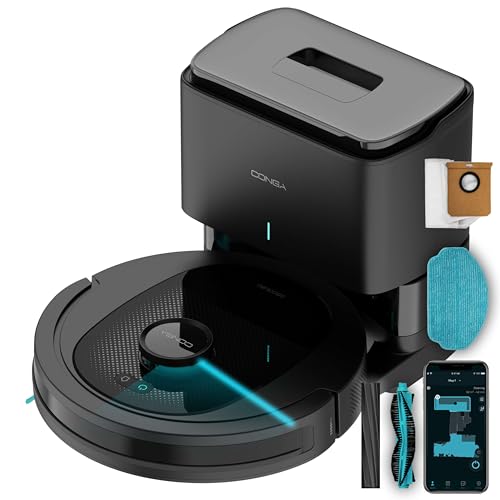
A self-emptying dock is worth it in many homes with pets because it prevents a small onboard bin from filling with fur during daily cleaning. It is especially useful with several animals, long-haired breeds or a large floor area, and a 2.5–4 L bag can usually hold many robot-bin loads before replacement.
The dock also makes scheduled cleaning more dependable. When the robot returns, a high-powered transfer motor pulls debris into the base so the next run starts with an empty bin; that matters because a packed screen and filter restrict airflow before the container looks completely full.
There are trade-offs. The emptying cycle is loud, long strands can bridge across a narrow dock inlet, and ongoing bags and filters add to ownership cost. Check that the robot's brush chamber and bin flap are easy to clear, because the dock cannot remove hair that has wrapped around the roller or jammed before reaching the bin.
A conventional charging dock remains sensible for a small home or a lightly shedding pet if you do not mind emptying a roughly 300–500 ml bin after each run. For allergy-sensitive users, a bagged dock with a closing collar is generally preferable to shaking loose debris from a bagless container.
How much do robot vacuums for pet hair cost?
Robot vacuums capable of handling pet hair typically cost about £130-£770, although basic models can start near £90 and premium dock systems can exceed £860. Below roughly £220, expect a conventional charging base, a smaller bin and more manual brush cleaning; anti-tangle features and carpet boost need to be checked model by model.
From about £220 to £430, stronger suction, better navigation and more effective hair-shedding rollers become easier to find. The £400-£800 tier commonly adds self-emptying, stronger obstacle avoidance or a more complete carpet system, while prices above £860 should bring a genuinely capable wash-and-dry dock or other useful automation rather than only a higher advertised suction figure.
The chart below shows the price distribution of robot vacuums for pet hair.
[vertical-chart-03158618074749785792101244844032021994632462433807]