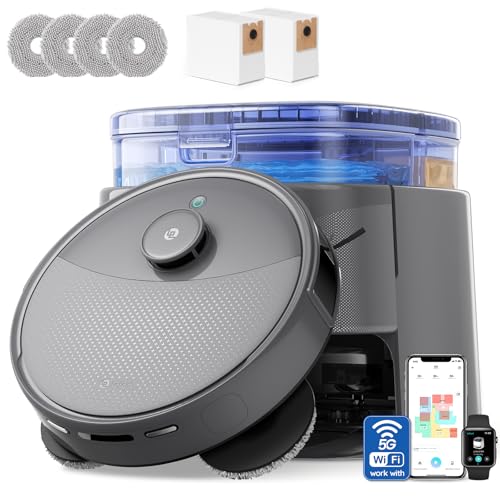
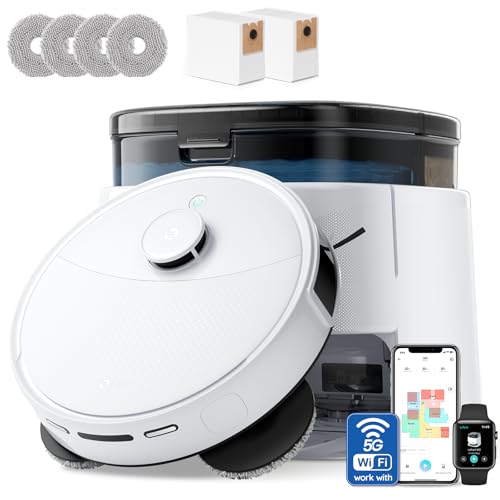
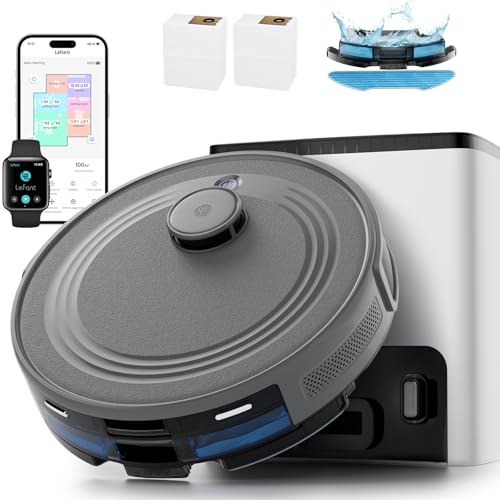
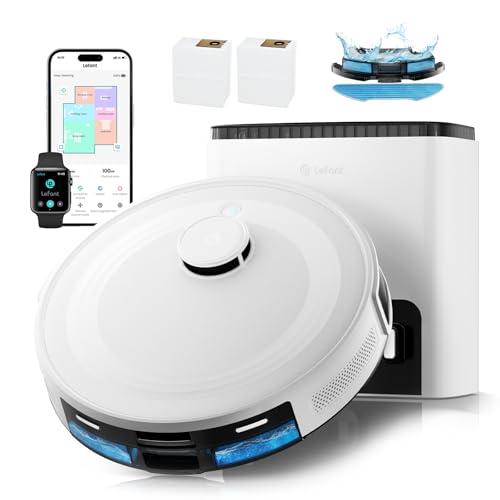
Are Lefant robot vacuums good?
Lefant robot vacuums have an average overall score of 7, ranking #14 among comparable robot vacuum brands.
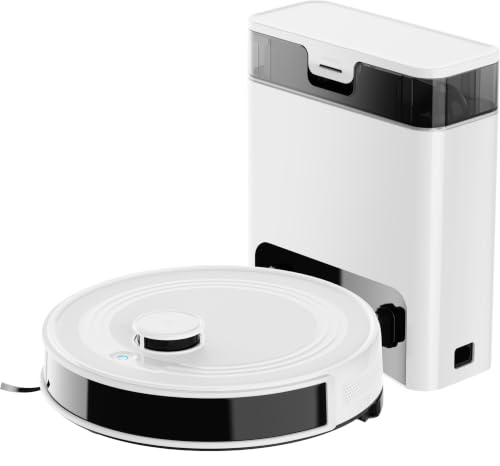
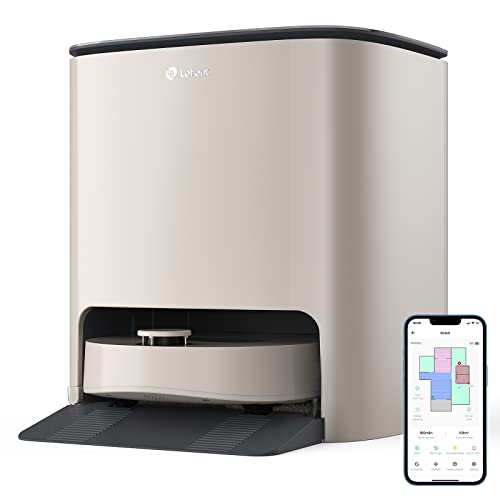
Lefant robot vacuums are a good value when a compact body, direct-suction hair pickup and long routine runtime matter more than premium obstacle recognition. The range also offers clear steps into LiDAR mapping, mopping and self-emptying without abandoning lower-cost floor-cleaning models.
Lefant robot vacuums vary sharply by suffix and generation: entry units may use gyro or infrared navigation, while Pro, Plus and Max packages can add entirely different brushes or docks. Carpet agitation, map editing and replacement consumables therefore need to be checked on the exact model.
The chart below compares robot vacuum brands by average overall score.
[horizontal-chart-15406096130061009453140888914513010987580044587466]
What are the main advantages of Lefant robot vacuums?
The main advantages of Lefant robot vacuums are as follows:
- Compact-body options: The M210, M310 and M330 families include narrow 280 mm-class designs, and several models are roughly 70–80 mm tall. That footprint reaches between chair legs and beneath lower furniture more easily than a large robot with a raised sensor tower.
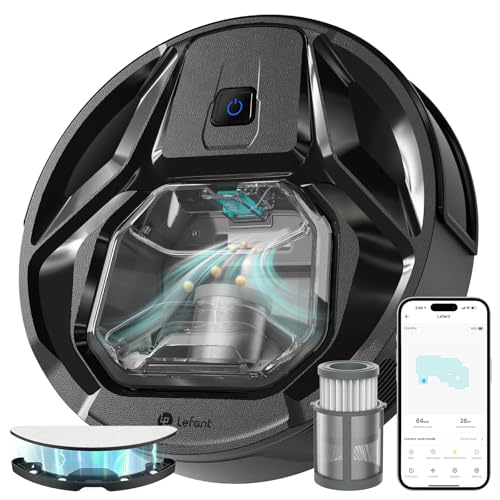
- Hair-friendly direct suction: Many compact Lefant models omit a central roller and draw debris through an open intake, so long hair has fewer brush fibres and end caps to wrap around. This design is convenient on hard floors, where loose fur and crumbs do not require strong carpet agitation.
- Useful runtime and capacity for the price: Entry and midrange models commonly advertise about 100–180 minutes, while selected larger variants reach roughly 200–250 minutes. Dustbins around 500–800 ml are also available, reducing interruptions in homes that do not use an emptying dock.
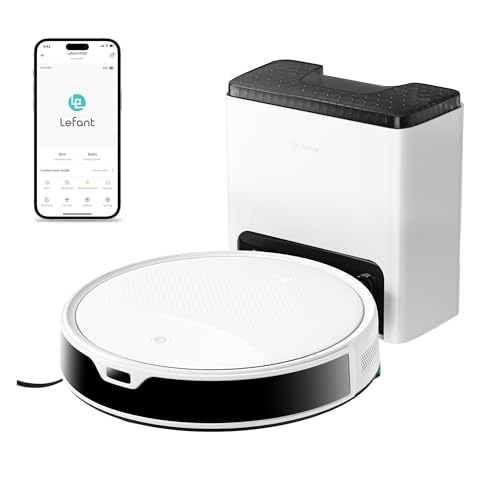
- Broad automation ladder: Buyers can move from simple gyro navigation to LiDAR mapping, room control, mopping and self-emptying within the same brand. M2, N3, M3 and M350 variants cover increasingly automated mixed-floor cleaning rather than forcing every buyer into a premium dock.
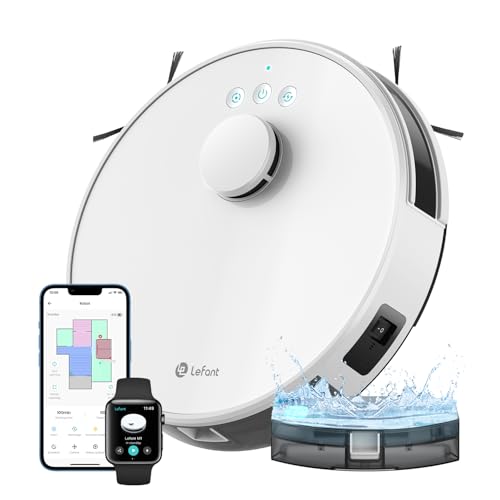
- App and voice control across many models: Wi-Fi scheduling, suction adjustment and remote start are widely available, with selected products supporting Alexa or Google voice commands. Lefant also provides its own app, manuals, accessories and regional support channels.
What are the main disadvantages of Lefant robot vacuums?
The main disadvantages of Lefant robot vacuums are as follows:
- Confusing model names: M210, M210P, M210 Pro, M210 Pro+ and M210 Pro OMNI are not minor colour variations; their navigation, suction, mop and station hardware can differ substantially. Similar Plus, Pro, S and Max suffixes elsewhere in the range also require exact package checking.
- Limited carpet agitation on brushless models: A direct-suction inlet avoids hair wrapping but cannot lift embedded grit from carpet as effectively as a well-designed powered roller. Homes with rugs or wall-to-wall carpet should choose a roller-equipped M1, M2, N3, M3 or M350 variant and verify carpet boost.
- Uneven navigation sophistication: Budget models can rely on gyroscope, infrared or basic FreeMove sensing rather than LiDAR and an editable saved map. They may clean in orderly patterns, but room selection, virtual boundaries and repeatable multi-floor control are not guaranteed.
- Mopping and dock features vary widely: A static cloth, vibrating pad, rotating discs and roller mop deliver very different results, while some Plus or Pro packages include self-emptying and others do not. Product photos and family names are not enough to confirm water handling, carpet avoidance or dock washing.
- Regional support and consumables need checking: App version, plug type, included accessories and availability of bags, filters, rollers or mop pads can vary by market. Older F, N and T models may remain in retailer listings after official attention has shifted to newer M-series products.
Who makes Lefant robot vacuums?
Lefant robot vacuums are made and marketed under the Lefant brand by LeFun Robotics GmbH. Official company pages identify LeFun Robotics as the business behind the products, list a contact address in Laatzen, Germany, and describe a high-tech operation integrating robot research and development, manufacturing and marketing. The company says its cleaning-robot work uses the supply-chain and intelligent-manufacturing base around Shenzhen while serving online and offline markets internationally.
LeFun Robotics develops the Lefant app and sells branded robots, replacement parts and support materials within the same ecosystem. Its range extends from compact 280 mm M-series cleaners to larger mapping, mopping and docking models, making Lefant a dedicated floor-care robotics brand rather than a retailer label. Buyers should still use the correct regional support channel and full model code when checking warranties, app compatibility and replacement parts.
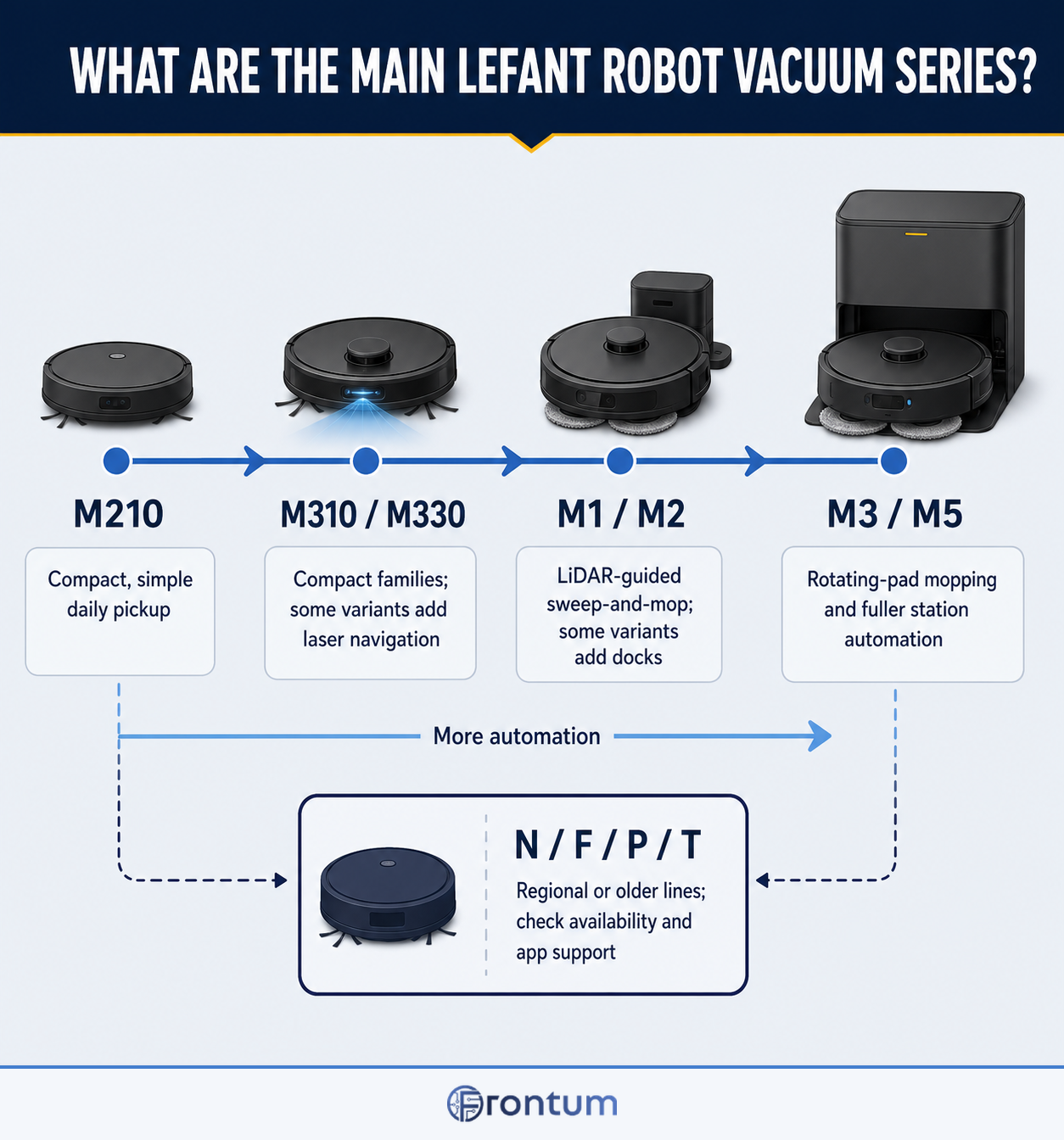
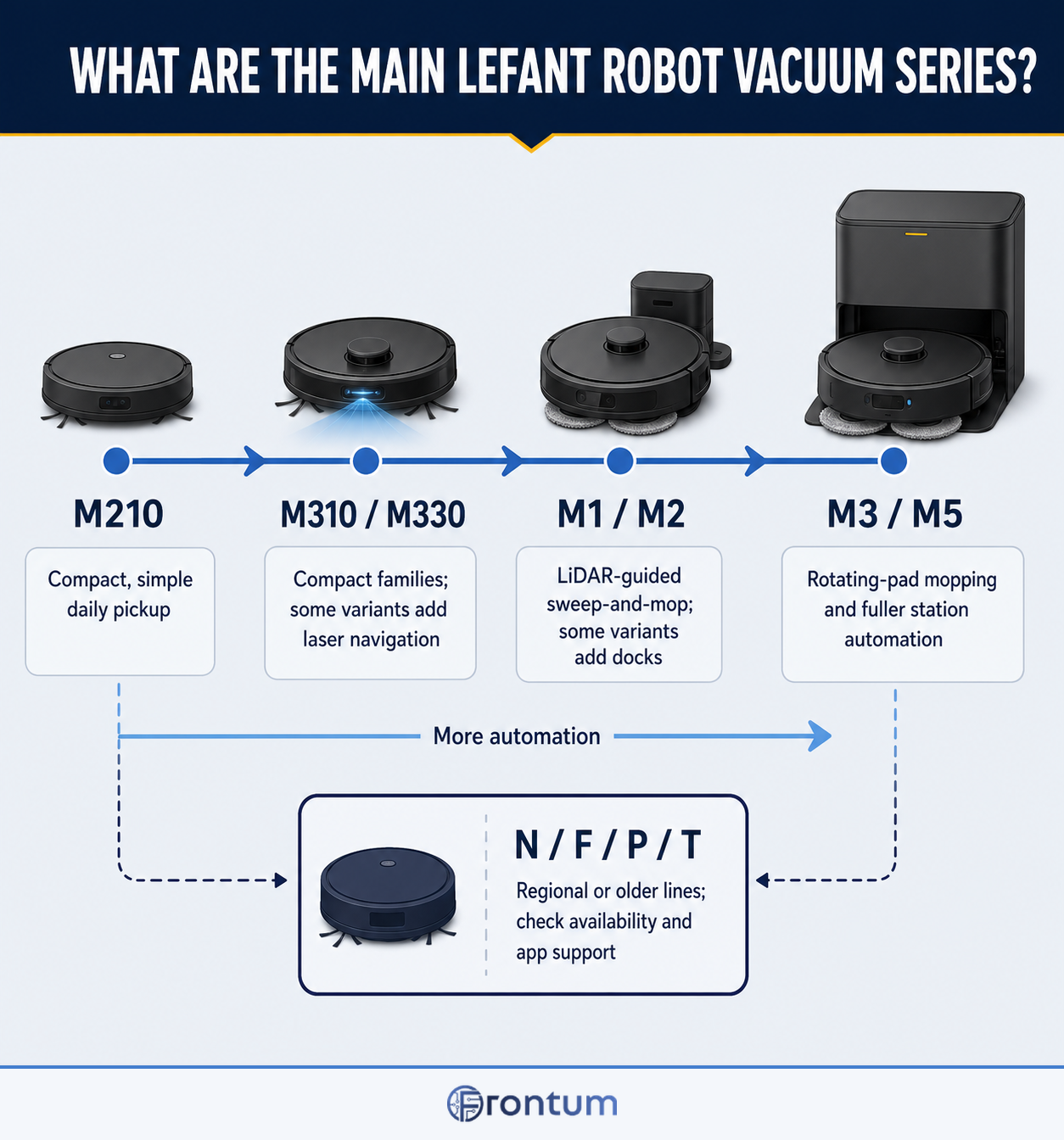
What are the main Lefant robot vacuum series?
The main Lefant robot vacuum series are as follows:
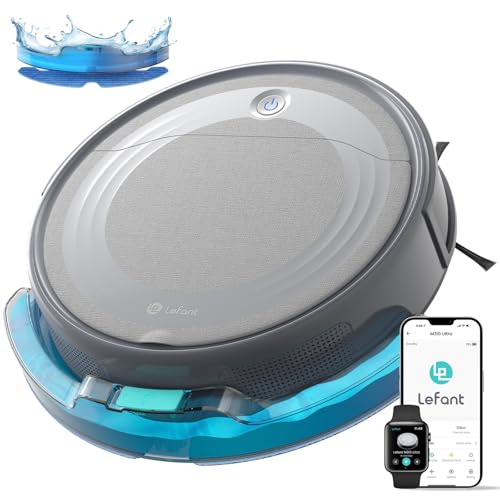
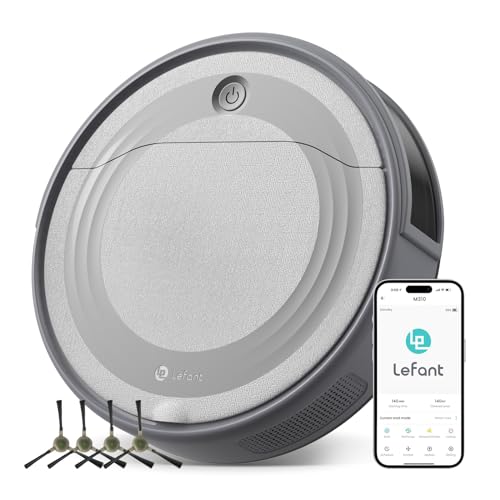
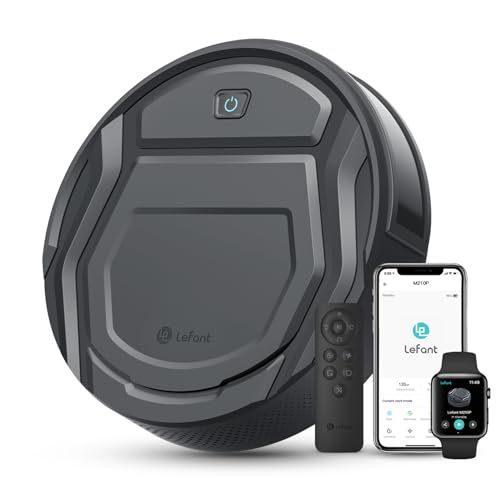
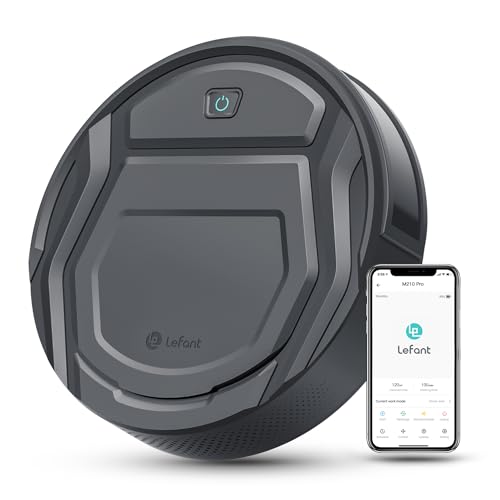
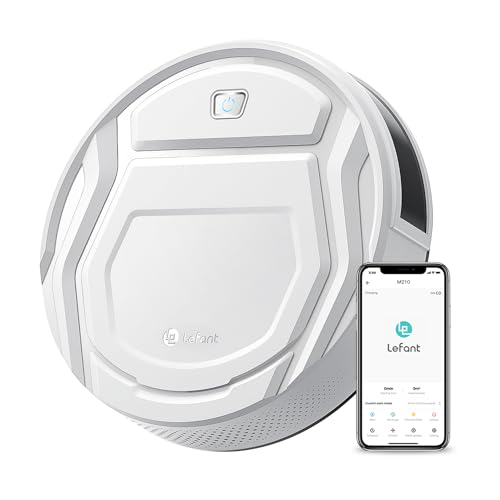
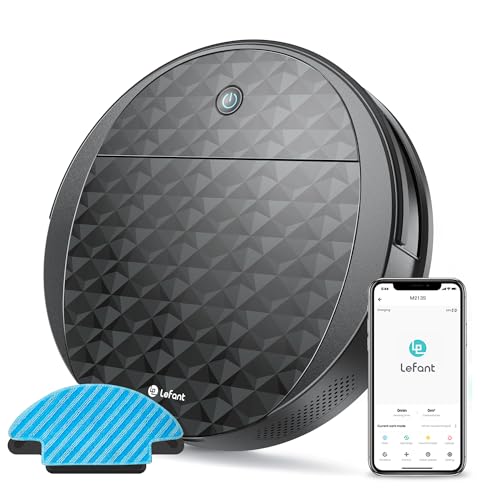
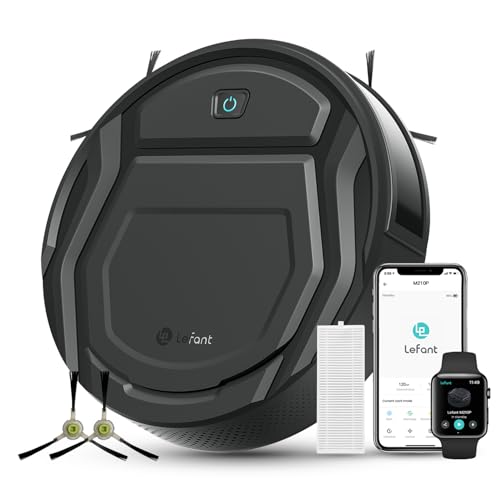
- M210 compact family: M210, M210P, M210 Pro and M210 Pro+ are small direct-suction robots aimed mainly at hard floors, hair and routine daily pickup. Their low bodies and simple navigation keep prices down, but mapping, mop support and suction claims differ across the suffixes.
- M310, M320 and M330 compact family: These models extend the compact 280 mm concept with higher-output variants and, on M310 Ultra or M330 Pro products, laser-navigation options. M320 emphasizes a large bin and long runtime, while M310 and M330 packages must be separated carefully into basic, Ultra, S, Pro and Plus versions.
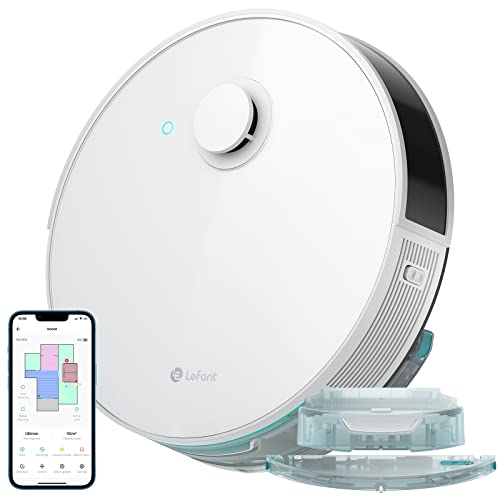
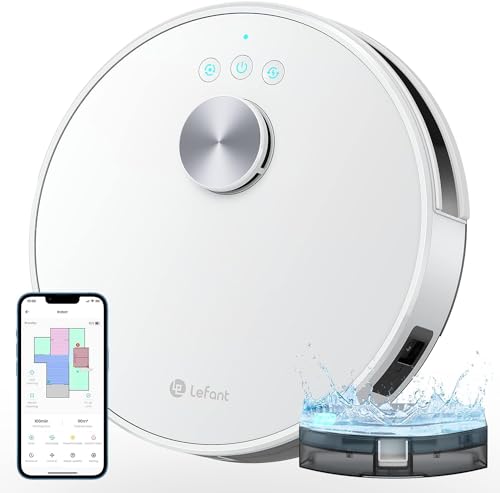
- M1 and M2 standard family: M1 introduced a larger LiDAR-guided sweep-and-mop layout, while M2 variants move toward stronger suction, roller brushes and optional emptying docks. M2 Plus, M2S Plus and M2 Pro names describe different station and cleaning packages rather than one simple generation.
- M3, M5 and advanced mop family: M3 and M3 Max use rotating-pad mopping with more powerful cleaning and fuller station automation, while M5 is positioned as the fresh-water flagship with a fully automatic base. M210 Pro OMNI and M350 also belong in this automation tier, using roller or rotating-pad approaches in more compact bodies.
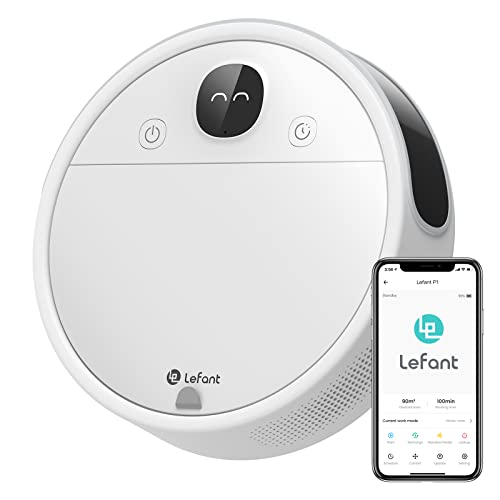
- N, F, P and T regional or older families: N1 and LiDAR-equipped N3 cover larger navigation-focused models, with N3 adding sonic mopping and carpet detection. F1/F1 Pro prioritize a very low body and long runtime, while P1 and T1 appear in selected markets; availability and app support should be verified before choosing these less central lines.
How much do Lefant robot vacuums cost?
Lefant robot vacuums generally cost about £100-£400, with compact M210, M310 and M320 variants concentrated around £90-£130. These lower tiers cover basic app control, direct-suction or simple brush systems and gyro, infrared or entry-level navigation; LiDAR mapping and a bundled dock should be confirmed rather than assumed.
From about £170 to £260, F1, N3, M1 and M2 variants add longer runtime, mapping, mopping or self-emptying in different combinations. M3, M350 and fuller dock packages sit around £300-£430 or slightly higher, where rotating pads, stronger obstacle sensing and station automation should provide the reason for the price increase.
The chart below shows the price distribution of Lefant robot vacuums.
[vertical-chart-12498032353677411276156561762898388930772944457923]
What should you consider when choosing a Lefant robot vacuum?
Before choosing a Lefant robot vacuum, compare the following details:
- Series: The compact M210 family favours simple navigation and an easy-maintenance suction inlet, while roller-equipped M1, M2, N3, M3 and M350 models are better suited to rugs and mixed floors. Plus, Pro and OMNI versions add different levels of emptying or mop care rather than merely changing the accessory bundle.
- Height and maps: M210 and F1-family robots keep the compact, roughly 70–80 mm profile that suits low furniture, whereas LiDAR-equipped M1, M2, N3, M3 and M350 variants are generally taller. The compact models fit simpler open floors; the turret models trade clearance for editable rooms, no-go zones and more dependable multi-room coverage.
- Brush: A direct-suction inlet is easy to maintain on hard floors and with long hair. For rugs or carpet, choose a roller-equipped M1, M2, N3, M3 or M350 version and confirm that it includes carpet boost and the anti-tangle hardware you expect.
- Suction: M210-family models in the roughly 2,000–3,200 Pa class are aimed mainly at routine hard-floor pickup, while newer M2 and M3 variants in the 4,000–6,000 Pa class provide more headroom on rugs. M5 and other flagship packages move higher again, but their roller or fresh-water cleaning system matters more than the peak suction number alone.
- Runtime and bin: M210-family models generally occupy the 100–150-minute range, whereas long-running M320, F1 and selected advanced models extend toward roughly 180–250 minutes. M320 also emphasises a larger onboard bin, while M2 Plus, M3 and OMNI packages rely more on their emptying stations to prevent interruptions.
- Mop and dock: M210 and M1-style systems provide basic pad wiping, N3 adds sonic mopping, M3 models move to rotating pads, and M5 uses a fresh-water cleaning approach. M2 Plus may mainly empty dust, while M3, M210 Pro OMNI and M350 packages add different combinations of mop washing, drying and water service.
- App and parts: Confirm that the exact model works with the current Lefant app, your Wi-Fi band and the map or voice features you want. Before buying an imported or older model, check local stock of its filters, side brushes, rollers, bags and mop pads.