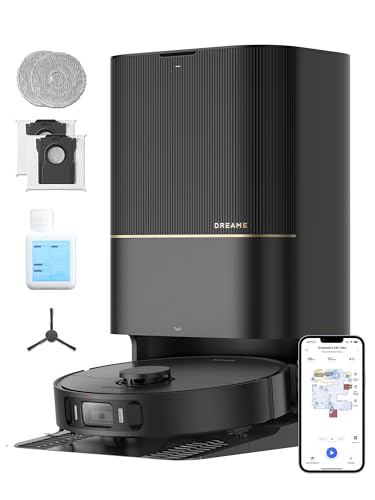
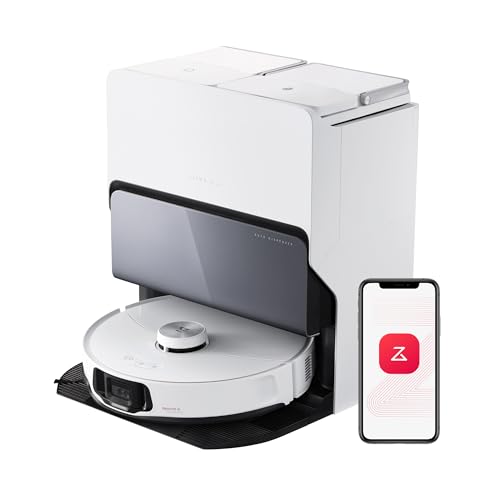
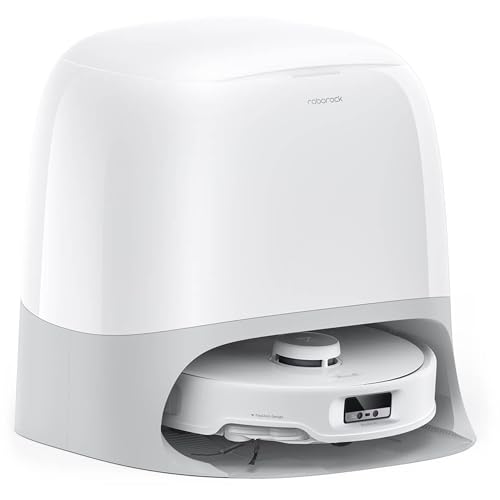
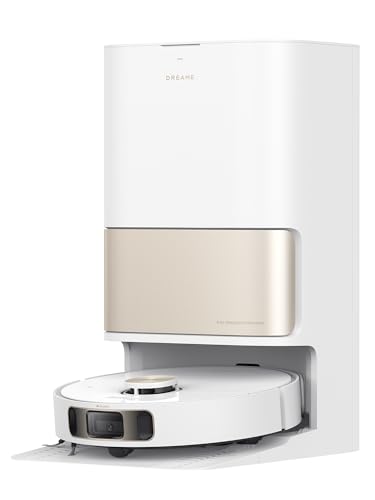
Which brands make the best self-emptying robot vacuums in 2026?
The best self-emptying robot vacuum brands of 2026 are ranked below:
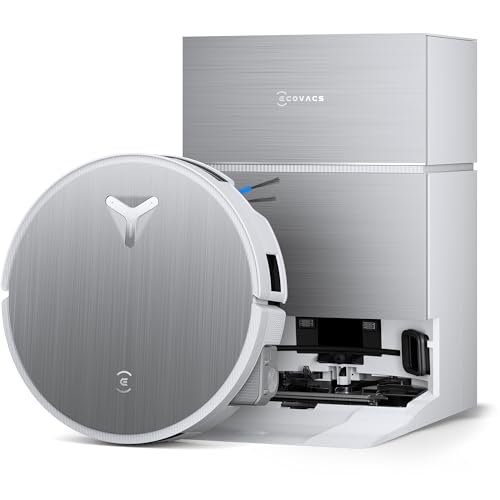
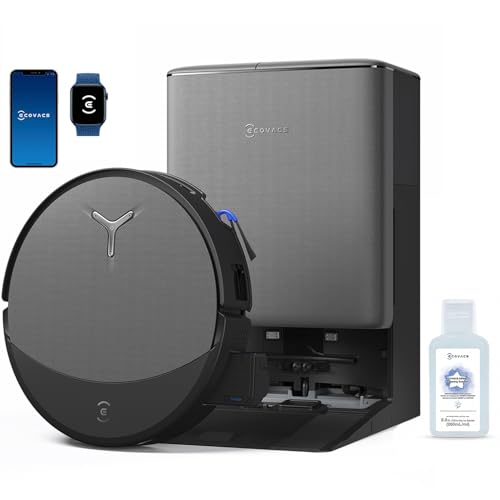
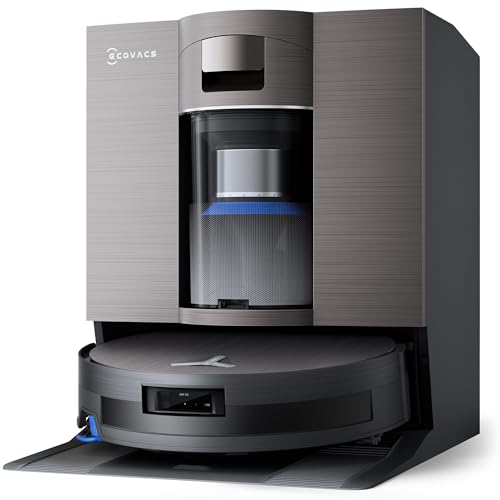
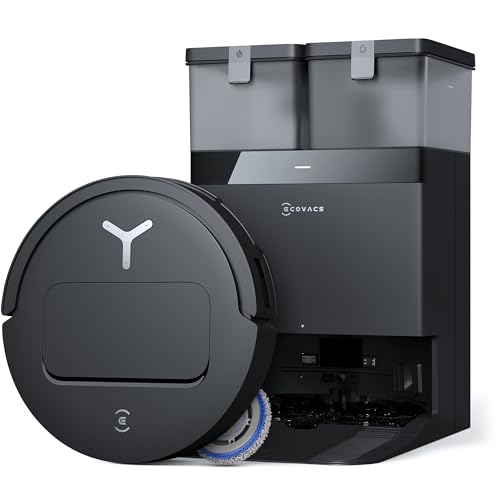
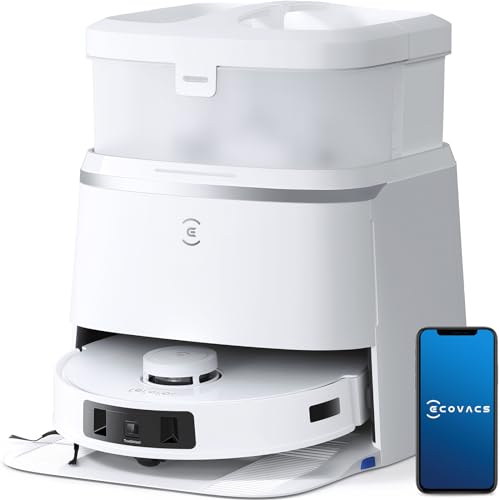
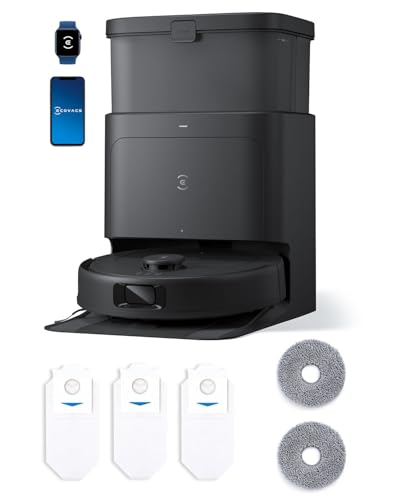
- ECOVACS (Average overall score: 8.6)
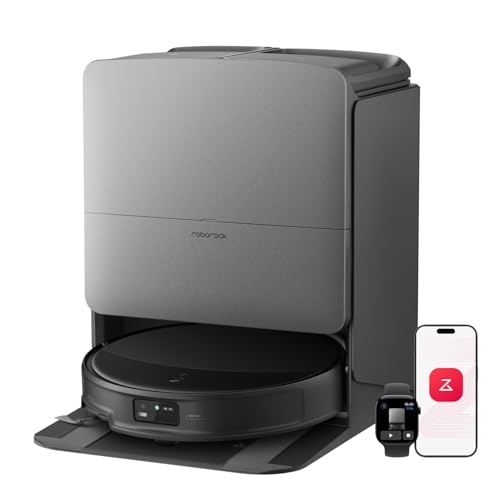
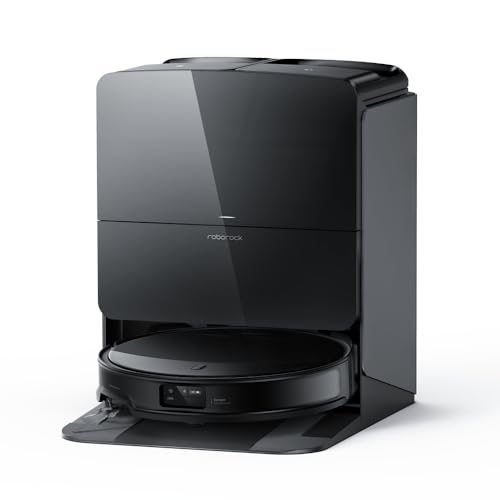
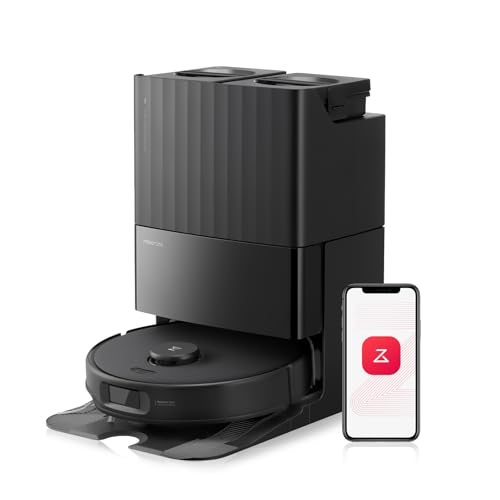
- Roborock (Average overall score: 8.5)
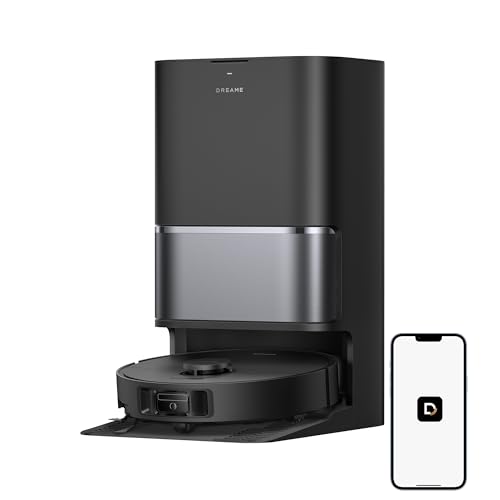
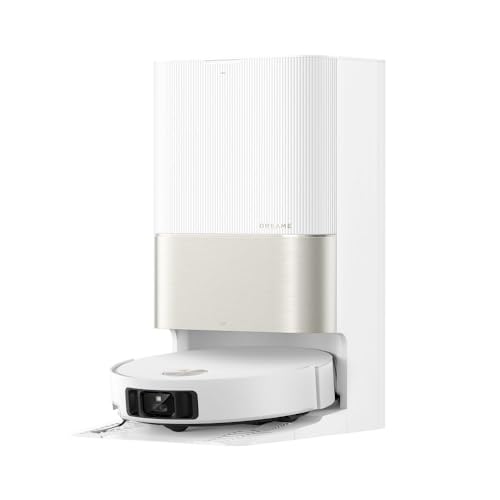
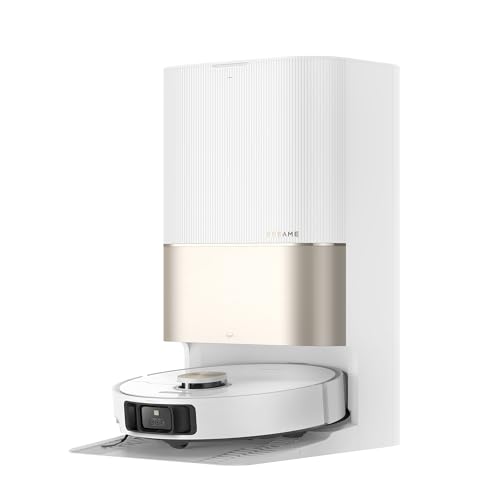
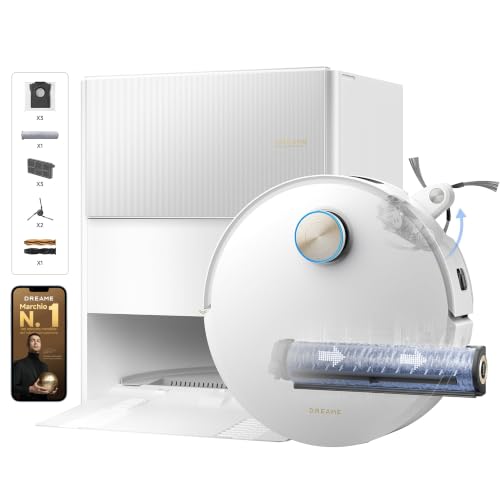
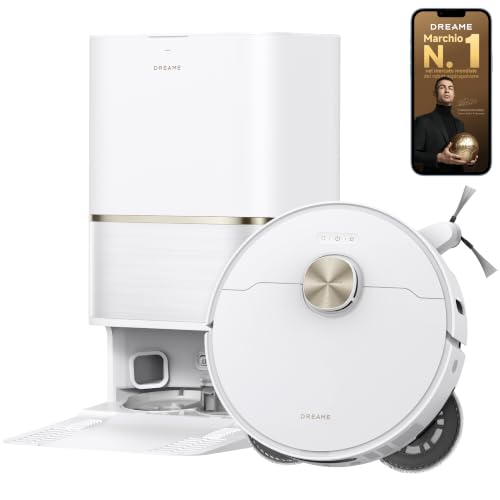
- DREAME (Average overall score: 8.5)
- eufy (Average overall score: 7.8)
- LEFANT (Average overall score: 7.5)
The chart below ranks self-emptying robot vacuum brands by average overall score.
[horizontal-chart-08390322555675878402107145906517621264630565836362]
How does a self-emptying robot vacuum work?
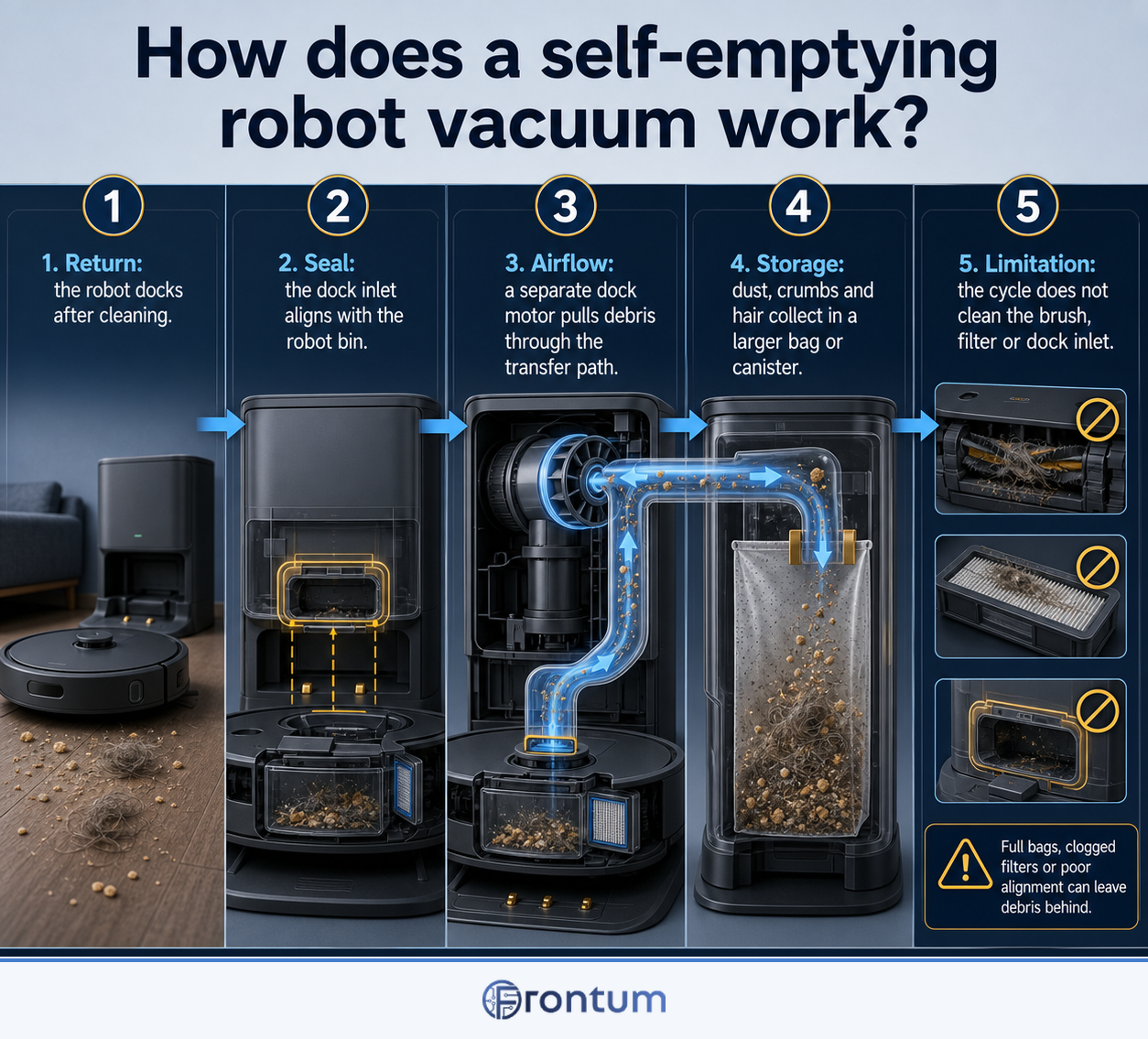
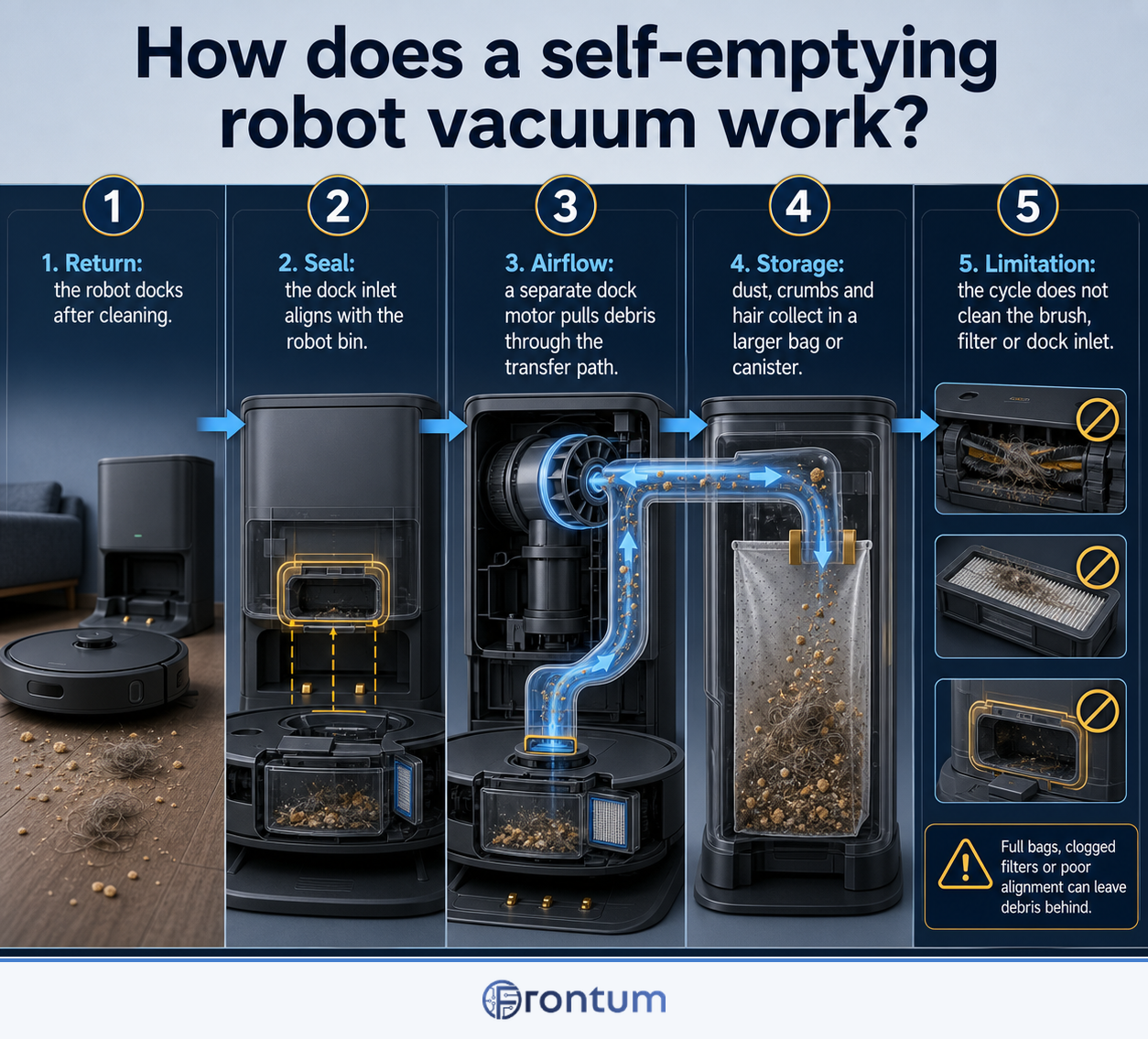
A self-emptying robot vacuum returns to its dock after cleaning, and the dock uses a separate high-airflow motor to pull debris from the robot's small dustbin into a larger bag or canister. The transfer normally runs for several seconds through an inlet aligned with a flap or port on the robot.
During the cycle, the dock must overcome the resistance of the robot's filter and move dust, crumbs, and hair through a narrow air path. Good seals and a straight transfer channel improve performance; a badly seated robot, full bag, clogged filter, or compacted hair can leave part of the bin behind.
After emptying, the robot can begin its next scheduled run without manual bin handling. This automation does not clean the main brush, side brush, filter, or dock inlet, and all-in-one stations add separate water and mop-care systems that still need routine attention.
How reliably does the dock empty the robot vacuum's dustbin?
A good self-emptying dock removes most loose dust and debris consistently, but long hair, damp particles, and tightly packed fluff can remain in the robot's bin. Reliability depends on accurate docking, a sealed inlet, adequate airflow, a clear transfer tube, and a bag or canister that is not already full.
Pet owners should inspect the robot bin during the first few weeks to learn where hair gathers around the filter screen or outlet. Anti-tangle rollers reduce large clumps before they reach the bin, while a removable air path and accessible dock inlet make occasional blockages much easier to clear.
How often does a self-emptying dock need to be emptied?
A bagged self-emptying dock commonly needs attention about every 30–60 days, although heavy pet hair, large homes, and daily schedules can shorten that interval. Many useful dock bags hold roughly 2.5–3.2 L, while compact and high-capacity designs extend below and above that range.
A bagless dock may need emptying more often because its reusable canister is usually handled before debris reaches the maximum line. Emptying early also protects airflow and prevents fine dust from becoming packed around the cyclone or filter.
Treat an app reminder as guidance rather than proof that the container still has space. Some systems estimate fullness from elapsed cleaning cycles, whereas a true pressure or airflow sensor can respond more directly to a blocked path or loaded bag.
All-in-one docks have separate maintenance intervals: dirty-water tanks may need emptying after only a few mopping sessions even when the dust bag is far from full. Check both waste systems independently so odours or reduced mop washing do not become the first warning.
The chart below shows the distribution of auto-empty dust-bag capacity among self-emptying robot vacuums.
[vertical-chart-05243885555639523600166802286713186952642168065799]
Are bagged or bagless self-emptying docks better?
Bagged self-emptying docks are usually better for clean disposal and allergy-sensitive homes, while bagless docks are better for avoiding replacement-bag costs and waste. Cleaning performance at the floor can be similar because the choice mainly changes how debris is stored after it leaves the robot.
A sealed disposable bag contains fine dust when removed and often holds around 2.5–3.2 L, allowing longer intervals between changes. The disadvantages are recurring cost, dependence on compatible bags, and the risk that an unavailable proprietary size makes the dock less convenient.
A bagless canister can be emptied and reused, but pouring it into a bin may release dust and hair back into the air. Its filter, cyclone, and seals also need periodic cleaning, so it suits buyers who accept more hands-on maintenance in exchange for fewer consumables.
What maintenance and recurring costs come with a self-emptying robot vacuum?
The main maintenance tasks and recurring costs are as follows:
- Dust bags or reusable canisters: Replace a sealed bag when it reaches the fill line or airflow weakens; common 2.5–3.2 L bags often last several weeks. Multipacks commonly cost about £15-£40, while bagless canisters avoid that purchase but require more frequent washing and dust exposure.
- Filters and transfer air paths: Clean the robot filter, dock inlet, and transfer tube regularly, because restricted airflow leaves debris in the robot bin and makes the dock motor work harder. Replacement filter packs typically cost about £10-£30, depending on whether the design uses proprietary parts.
- Main brushes and side brushes: Cut away wrapped hair and inspect end caps so debris reaches the bin instead of compacting around the roller. A yearly allowance of roughly £20-£50 for brushes and rollers is reasonable in a pet home, although wear varies greatly with floor area and hair length.
- Dock seals and sensors: Wipe the docking contacts, alignment sensors, inlet gasket, and bag-compartment seal rather than waiting for failed emptying cycles. These parts usually add labour rather than routine cost, but a damaged seal or blocked tube can make an otherwise powerful dock ineffective.
- Mop-station consumables: On an all-in-one dock, empty dirty water, rinse the wash tray, dry removable parts, and use only compatible cleaning solution. Pads, solution, and descaling or cleaning products can add another £20-£50 per year when mopping is frequent.
How much do self-emptying robot vacuums cost?
Self-emptying robot vacuums generally cost about £220-£1,300, with many capable systems concentrated around £260-£560. At the lower end, the dock normally handles dust only; mapping, obstacle avoidance, brush design, and app quality can still vary substantially between robots with similarly simple bases.
From roughly £300-£600, stronger navigation and better carpet or mopping features become more common. Prices above about £690 increasingly pay for all-in-one stations that wash and dry mop pads, refill clean water, and store dirty water, so compare the value of those functions with the dock's size and the ongoing cost of bags, filters, pads, and solution.
The chart below shows the price distribution of self-emptying robot vacuums.
[vertical-chart-08654033385772763792143390953261055937890664224329]
A self-emptying robot vacuum is worth the extra cost when you clean frequently, have shedding pets, manage a larger home, or want less contact with dust. Removing the need to empty a small robot bin after most runs makes scheduled cleaning more dependable and is especially useful for users with limited dexterity or dust sensitivity.
It is less compelling in a small, low-debris home where the robot runs only occasionally. Compare the price premium, dock footprint, bag availability, and emptying noise with the time saved; pay more for mop washing, drying, and water refill only if those functions match how often you actually mop.