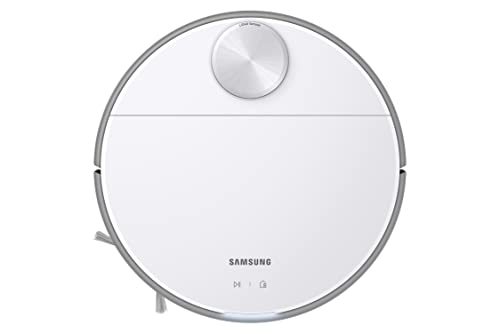
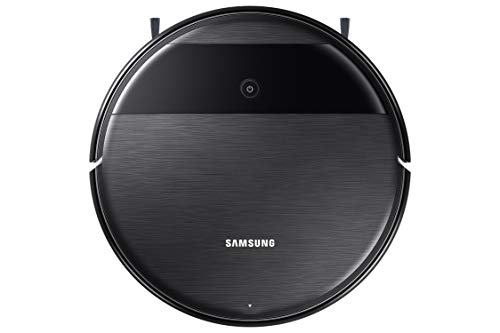
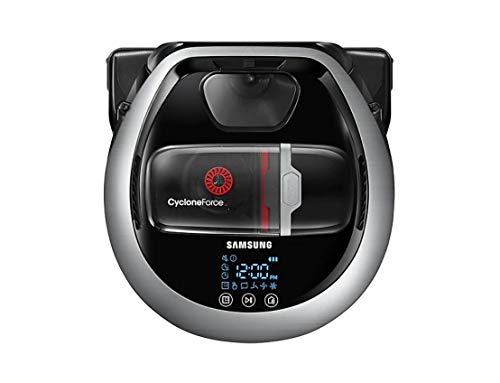


Are Samsung robot vacuums good?
Samsung robot vacuums have an average overall score of 6.8, ranking #19 among comparable robot vacuum brands.
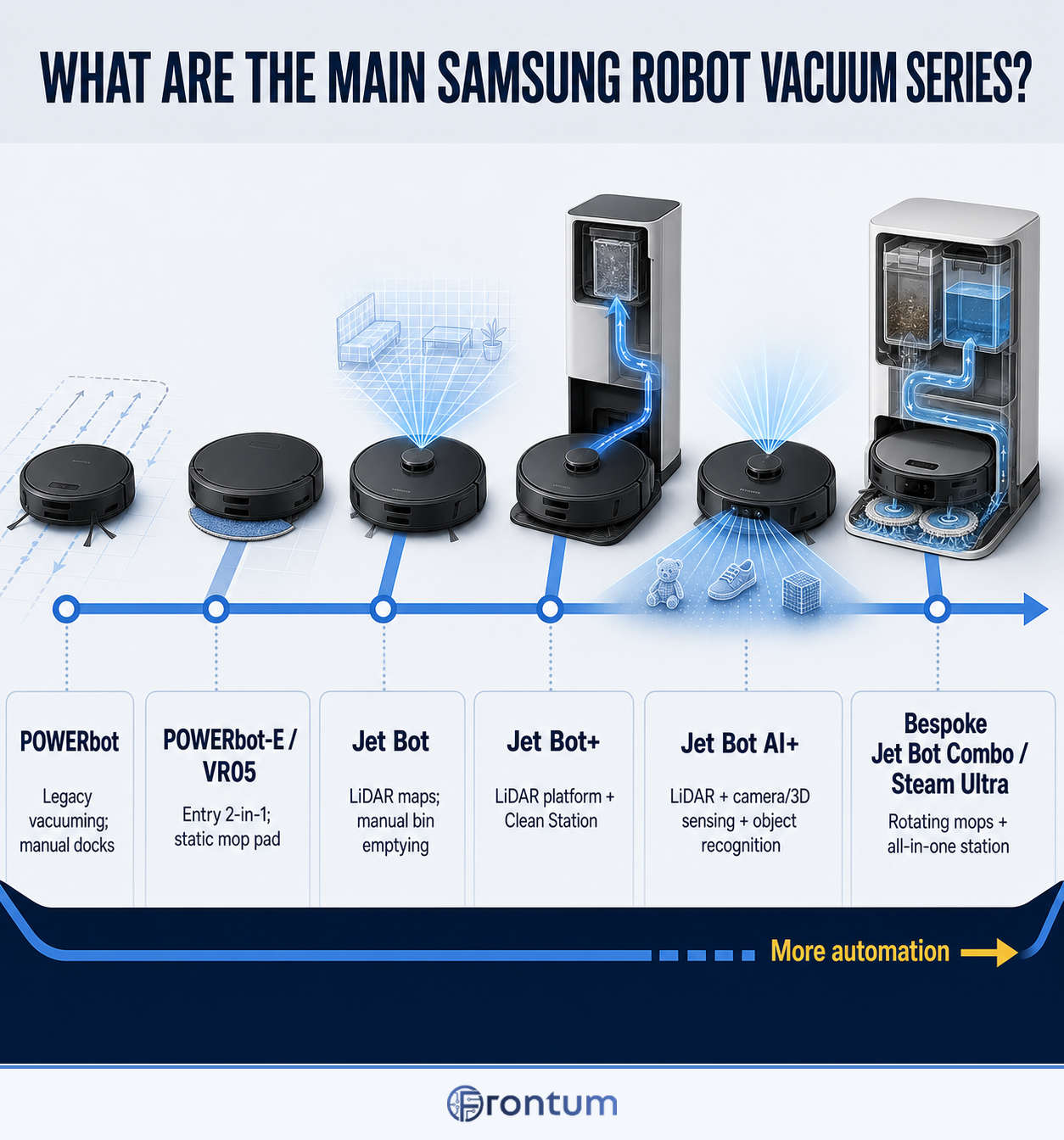
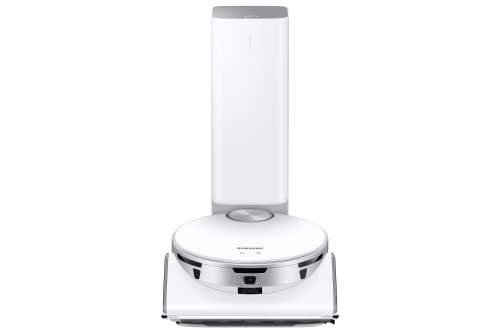
Samsung robot vacuums are strongest for SmartThings households that value LiDAR maps, room controls and tightly integrated dock automation. Jet Bot AI+ adds camera-and-3D obstacle recognition, while Bespoke Combo models extend the system to active mopping and automated pad care.
Samsung robot vacuums are less consistent across the whole range because older POWERbot models, standard Jet Bots and current Bespoke machines differ markedly in mapping, mopping and self-emptying. Premium models are also bulky and expensive, so the exact sensor package, station and regional model code matter more than the Samsung badge alone.
The chart below compares robot vacuum brands by average overall score.
[horizontal-chart-15406096130061009453140888914513010987580044587466]What are the main advantages of Samsung robot vacuums?
The main advantages of Samsung robot vacuums are as follows:
- Detailed SmartThings controls: Compatible Jet Bot and Bespoke models can save maps, divide or rename rooms, schedule cleaning and define no-go areas through SmartThings. This is especially useful in multi-room homes where targeted cleaning matters more than a simple start button.
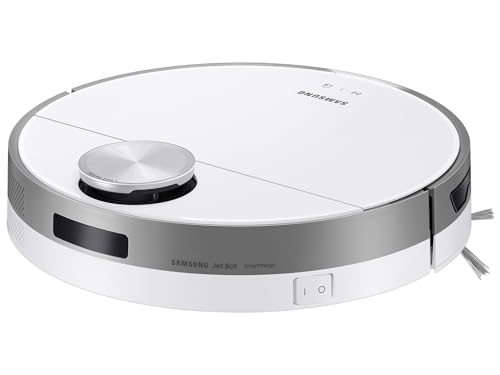
- Advanced navigation on upper models: Jet Bot uses LiDAR for systematic mapping, while Jet Bot AI+ and premium Bespoke models add camera or 3D sensing for finer object recognition. Samsung's newest Steam Ultra generation can also identify small obstacles and transparent liquids, although recognition still depends on the model and environment.
- Useful mixed-floor automation: Intelligent Power Control raises cleaning power when the robot detects carpet, and premium Combo models can lift their mop pads by 10 mm on suitable rugs. The All-in-One station can detach the pads for longer-pile carpet, reducing the risk of dragging wet cloth across soft flooring.
- Well-developed cleaning stations: Jet Bot+ and AI+ Clean Stations automatically empty dry debris, while Bespoke Combo stations add water refill, pad washing, steam sanitisation and hot-air drying. This reduces daily handling and makes Samsung's premium systems more genuinely hands-off than a robot paired with a basic charging dock.
- Hair and filtration features: The soft woven roller and self-cleaning grinder used on Jet Bot models are designed to reduce hair tangling around the brush. Washable dustbins and multi-layer filtration simplify routine care, while docked versions contain dust in a bag during automatic emptying.
What are the main disadvantages of Samsung robot vacuums?
The main disadvantages of Samsung robot vacuums are as follows:
- Features vary sharply by generation: POWERbot, POWERbot-E, Jet Bot, Jet Bot AI+ and Bespoke Combo models use different navigation, brush, mop and dock systems. The Samsung name therefore says little about whether a specific robot has saved maps, object recognition or automatic emptying.
- Mopping choices are uneven: Many Jet Bot models are vacuum-only, while entry two-in-one POWERbot designs use a basic static pad and the most automated mopping is reserved for expensive Bespoke Combo machines. Buyers have relatively little middle ground between simple wiping and a full washing station.
- Flagship systems are expensive: AI object recognition, active mopping and an All-in-One Clean Station push Samsung robots into the premium price tier. Replacement bags, filters, mop pads and cleaning-station maintenance add recurring cost after the initial purchase.
- Robots and stations can be bulky: LiDAR turrets, front sensor hardware and camera-equipped bodies may be too tall for some low furniture, while the full Combo station needs considerably more floor and vertical space than a charger. Measure both the robot clearance and the dock location before buying.
- Connected functions carry dependencies: Advanced maps, remote monitoring and some AI functions rely on SmartThings, a Samsung account and a stable Wi-Fi connection. Model availability, voice-assistant support and replacement consumables vary by country, so importing a different regional suffix can complicate service and warranty coverage.