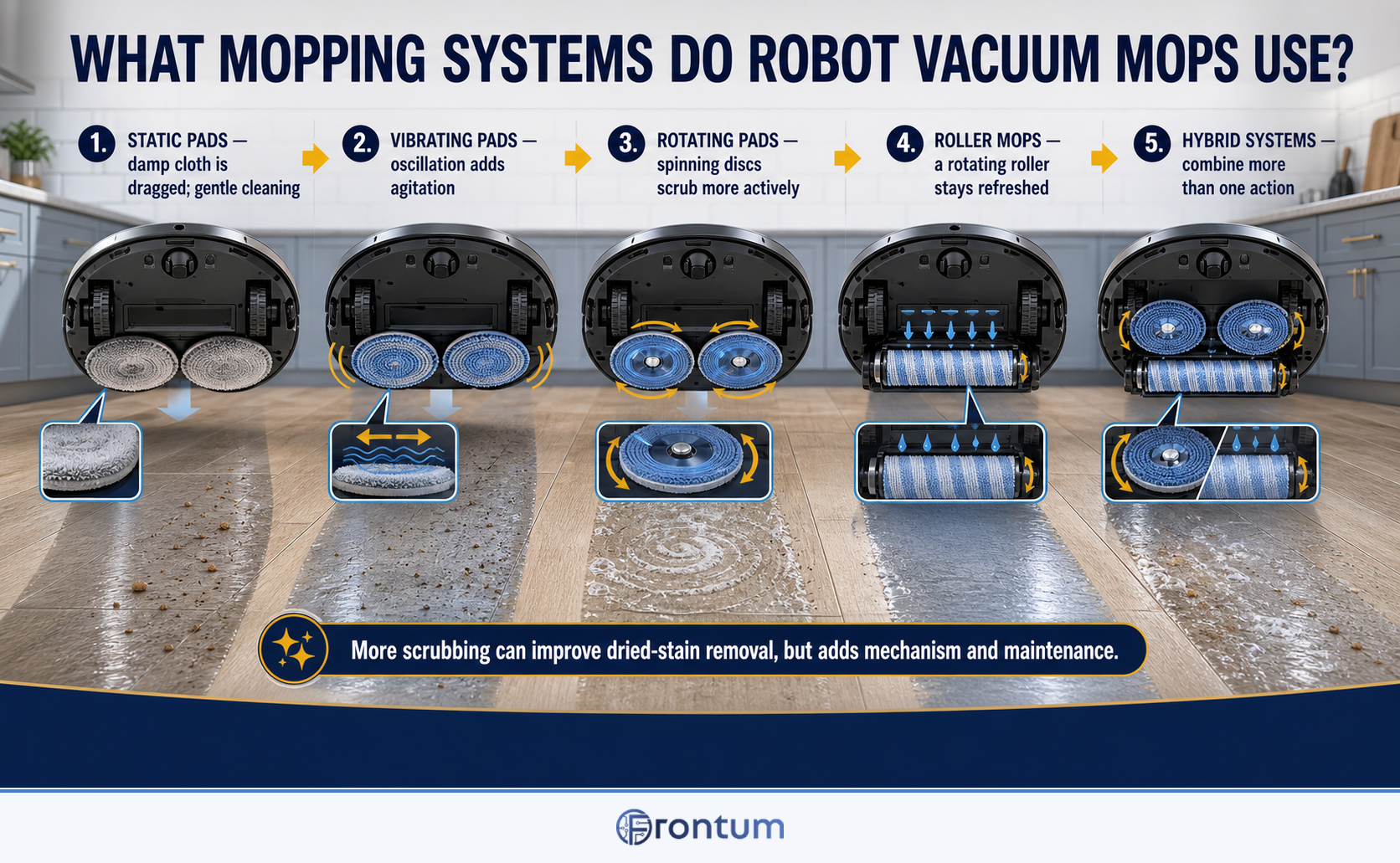
What are the best robot vacuum mop brands of 2026?
The best robot vacuum mop brands (with the highest overall score) are as follows:
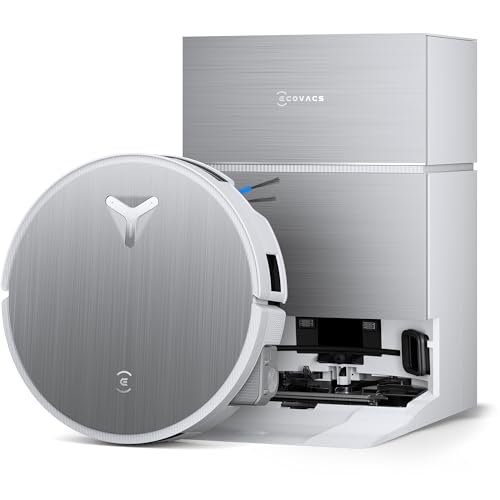
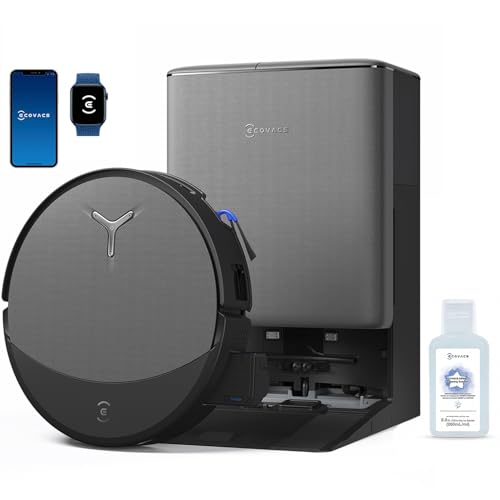
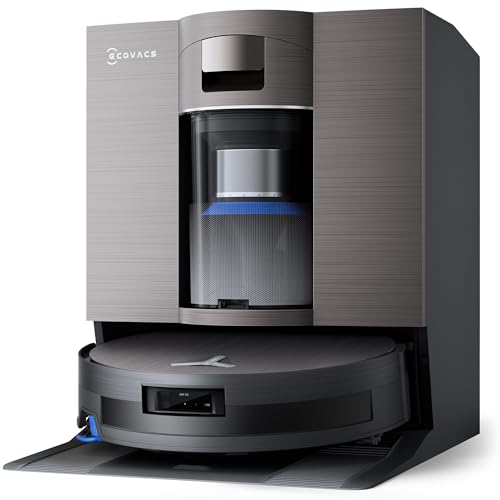
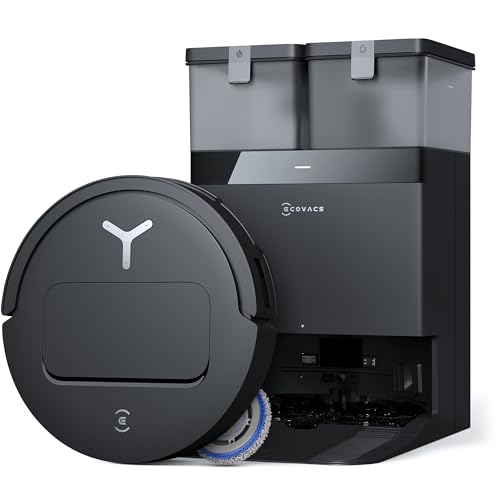
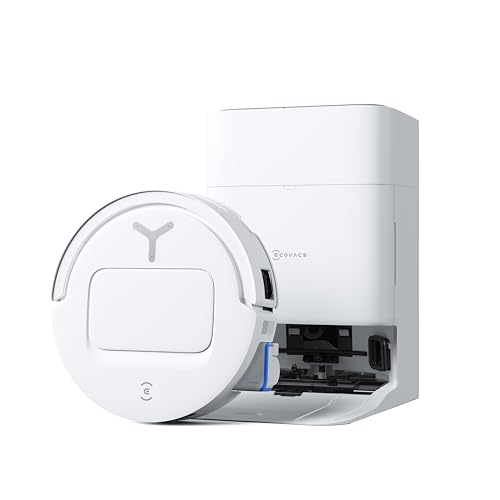
- ECOVACS (Average overall score: 8.6)
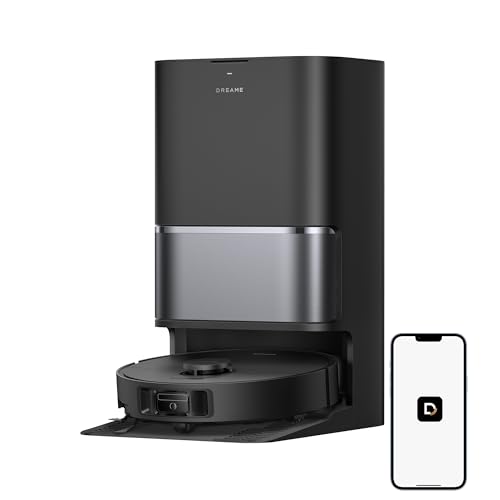
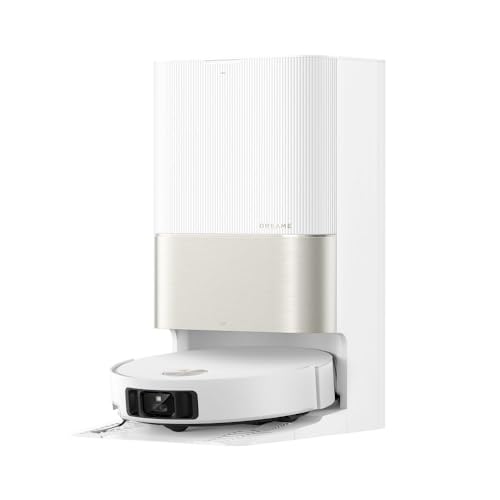
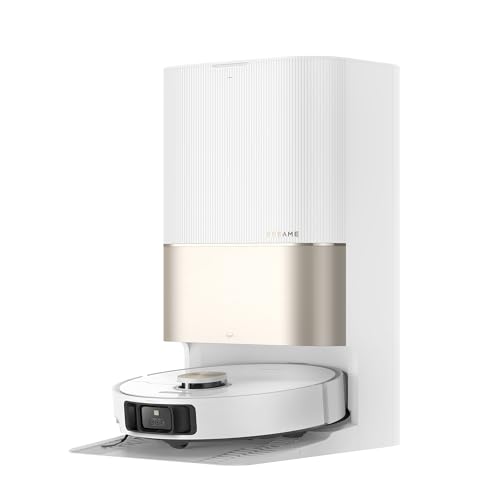
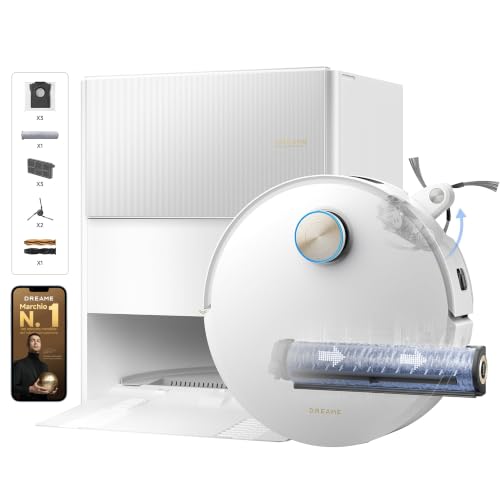
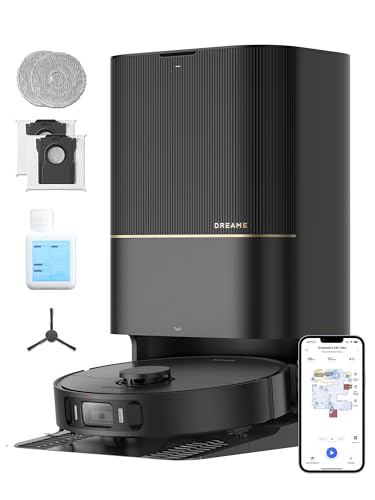
- DREAME (Average overall score: 8.6)
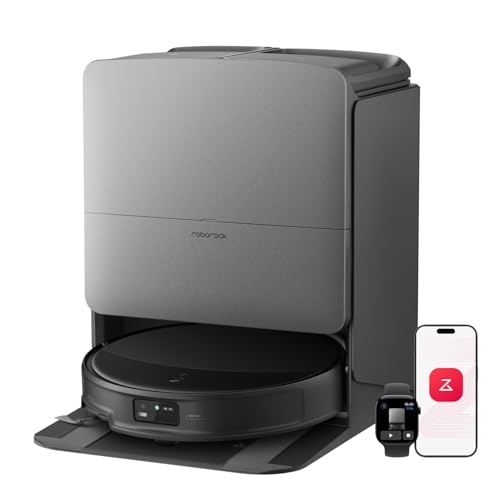
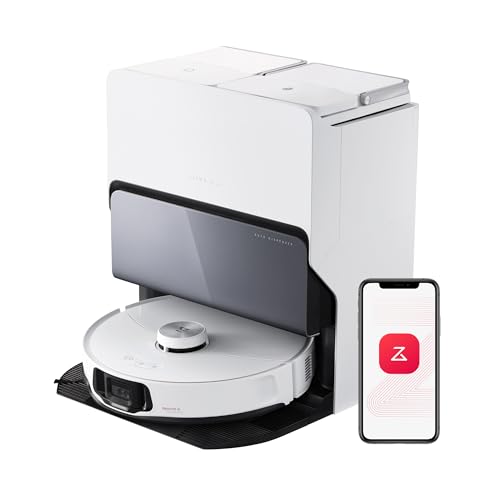
- Roborock (Average overall score: 8.5)
The chart below ranks robot vacuum mop brands by average overall score, considering only brands with at least five matching models.
[horizontal-chart-08024766384640379787050963226483659208421217838923]
What mopping systems do robot vacuum mops use?
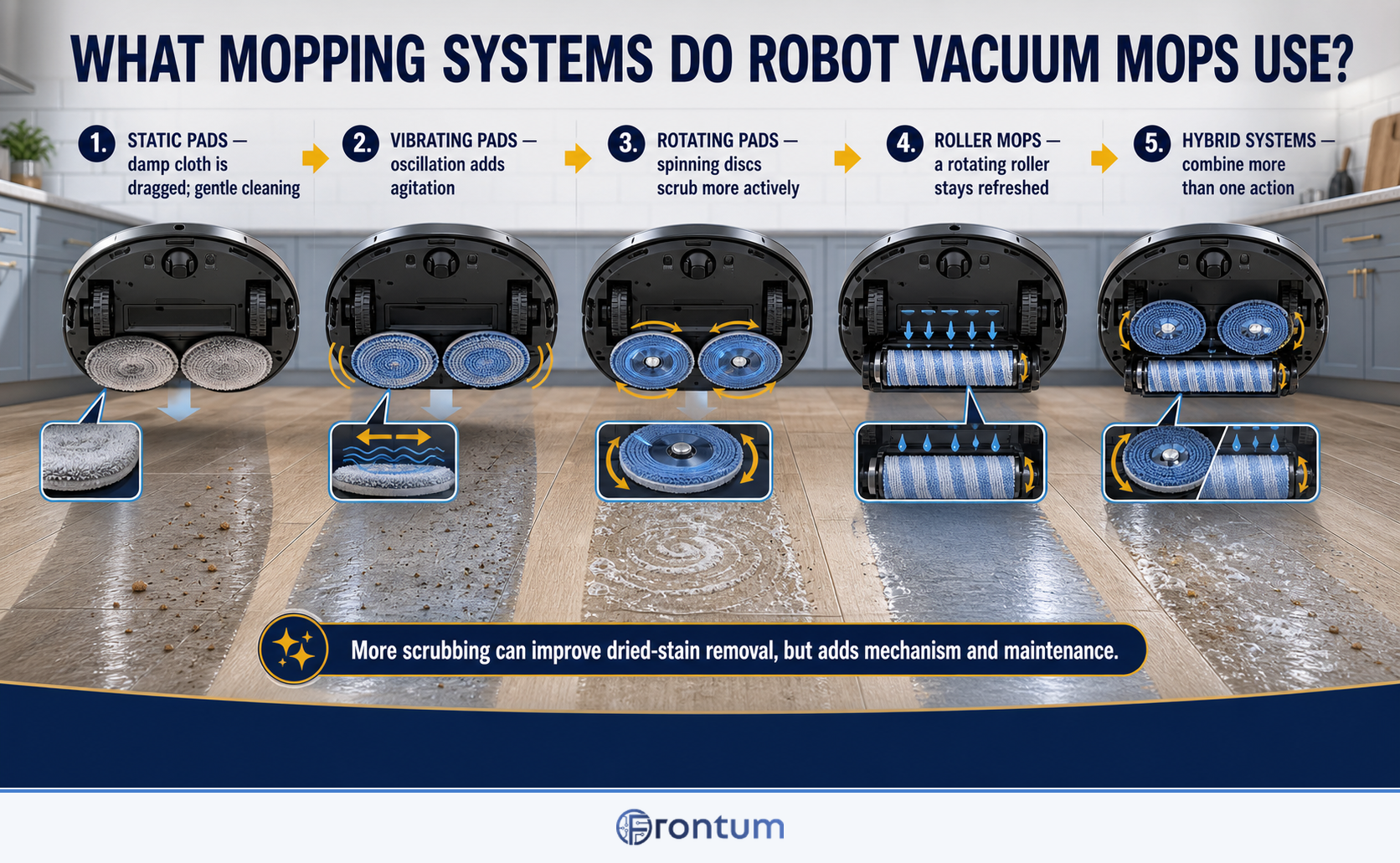
The main robot-vacuum mopping systems are as follows:
- Static pads: A damp microfibre cloth is dragged behind the robot. This is adequate for dust and fresh footprints, but it provides little scrubbing action on dried residue.
- Vibrating pads: A motor oscillates part or all of the pad while the robot moves. The extra agitation improves contact with light dried marks without requiring two large rotating discs.
- Rotating pads: Two round pads spin against the floor, often with selectable water and cleaning-intensity settings. They scrub more actively than a static cloth, although the pads need regular rinsing to avoid spreading dirty water.
- Roller mops: A cylindrical mop rotates continuously and, on advanced designs, is rinsed or scraped as it works. A refreshed roller can handle sticky tracks well, but the mechanism and dock are usually more complex.
- Hybrid systems: Some robots combine more than one action, such as vibration with liftable or extendable pads. Judge the actual movement, pressure and water control rather than the hybrid label alone.
The chart below shows the distribution of mopping-system types among robot vacuum mops.
[pie-chart-08996197493698489732057420434646250835770291794458]
How do robot vacuum mops control water flow?
Robot vacuum mops control water flow with either an electronically regulated pump or a simpler passive feed from the onboard tank. Electronic systems can meter water by room or cleaning mode, pause the feed when the robot stops and offer several app-selectable levels; gravity-fed pads tend to become wetter near the tank and less consistent as it empties.
A 200–300 ml onboard tank is a practical target for routine cleaning, while a refill dock is more useful for large areas than an oversized tank carried by the robot. Start with low flow on sealed wood or laminate and raise it on water-tolerant tile only when needed. Use plain water or a solution explicitly approved for the model, because ordinary detergent can foam, clog narrow channels or damage seals.
How well do robot vacuum mops remove dried stains?
Robot vacuum mops can loosen light, recently dried marks, but most are not a substitute for manual scrubbing on old grease or thick sticky spills.
A static pad mainly wipes, whereas vibrating pads, rotating discs and continuously refreshed rollers add the agitation needed to break a stain's bond with the floor. Pressure, pad texture and repeated contact matter more than a high suction figure once the loose debris has been collected.
Results improve when the robot vacuums first, wets the pad evenly and makes a second cross-directional pass over the affected room. A dedicated deep-mop or back-and-forth scrub mode is more useful than simply selecting the highest water level, which can leave streaks without adding enough mechanical action.
Remove heavy residue manually and use only floor-safe liquids approved by both the flooring maker and robot manufacturer. This protects seals and water channels while avoiding excess moisture on timber joints or laminate edges.
How do robot vacuum mops protect carpets?
Robot vacuum mops protect carpets by detecting soft flooring and then lifting, retracting or stowing the wet pad, or by avoiding the area through a mapped no-mop zone. The strongest systems combine automatic carpet recognition with editable boundaries, so a missed rug can be corrected in the app.
Mop lift is not a universal pass over every rug. A small lift can clear low-pile carpet yet still let a damp pad brush thick pile, fringes or an uneven threshold; those areas should remain no-mop zones. Robots with fixed pads must avoid carpets completely during mopping or have the pad removed for a vacuum-only run.
For mixed-floor homes, check whether the robot changes to vacuum-only mode on carpet, keeps suction active and returns to the dock without dragging the pad across a rug. Reliable behaviour at room borders matters as much as detection, particularly when several mats sit close to hard-floor cleaning zones.
How do docks wash and dry robot vacuum mop pads?
Full-service docks wash mop pads by pumping clean water into a tray and rubbing, spinning or rolling the pads against a textured washboard; the contaminated water is then drawn into a separate dirty-water tank. Better docks can call the robot back during a long job, rinse the pad, refill its onboard tank and send it out again, reducing the amount of dirt carried from one room to another.
Drying uses unheated airflow or warm air to remove residual moisture after washing, helping limit stale odours and mildew during storage. Hot-water washing can improve grease removal at the dock, but it is a separate feature from drying and must not be imitated by pouring hot water into the robot. Even an automated dock still needs its dirty tank emptied, clean tank refilled and wash tray or filter cleaned regularly.
Robot vacuum mops perform differently on the following floor types:
- Ceramic and porcelain tile: Tile is generally the easiest surface because it tolerates controlled moisture and active scrubbing. Lower the water setting if grout is damaged or unsealed.
- Sealed hardwood and laminate: These floors suit light maintenance mopping with low, even water flow. Avoid repeated wet passes and follow the flooring manufacturer's moisture guidance, especially around joints and edges.
- Vinyl and luxury vinyl tile: Smooth vinyl cleans well with a damp pad, but excess liquid can collect along seams. Use a gentle setting and only an approved, non-foaming solution if the model permits one.
- Sealed stone: A robot can remove surface dust and footprints from flat, sealed stone. Choose a pad and pH-neutral liquid compatible with the stone, since acidic products can damage marble and other sensitive finishes.
- Rugs and carpets: The robot should vacuum these areas without a wet pad touching them. Automatic lift or retraction works best on low pile; deep pile, fringes and small movable rugs are safer behind no-mop zones.
Which mopping features matter most in a robot vacuum?
Use the following checks to choose a robot vacuum that can mop properly:
- Mop action: A static pad is enough for dust and fresh footprints, while rotating pads, vibration or a refreshed roller are better for frequent dried marks. Compare the real pad movement, floor contact and cleaning pattern rather than trusting labels such as sonic or hybrid.
- Water control: Prefer an electronic pump with room-by-room flow settings, and use 200–300 ml as a practical starting point for an onboard tank. For a large floor, automatic refilling at the dock is usually more useful than making the robot carry a much larger tank.
- Carpet safety: Look for carpet detection plus mop lifting, retraction or automatic pad removal, with editable no-mop zones as a backup. Check the lift height against your rug pile because a raised damp pad can still touch thick carpet or fringes.
- Maps: Choose room recognition and editable maps if you want different water levels or repeat passes in kitchens, halls and living areas. A multi-storey home also needs several saved maps, while a fixed-pad robot depends especially heavily on accurate no-mop boundaries.
- Dock: Decide separately whether you need mid-clean pad rinsing, water refilling, warm-air drying or hot-water washing; one function does not guarantee the others. Check tank access and wash-tray cleaning too, as even a self-cleaning dock needs regular attention.
- Runtime: For a larger floor, aim for about 120 minutes or more in the normal mixed-cleaning mode plus recharge-and-resume. Maximum claims often use lower suction or water settings, so compare the same mode and allow for several hours of charging.
- Upkeep: Price washable pads, rollers, dock filters, bags and approved cleaning solution before buying. Ordinary detergent can foam or damage narrow water paths, and reusable pads still need machine washing and eventual replacement.