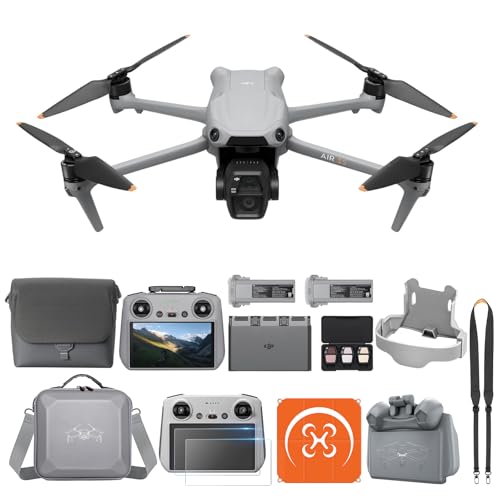

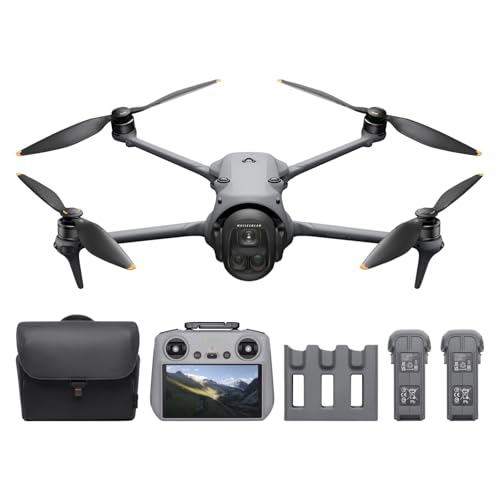
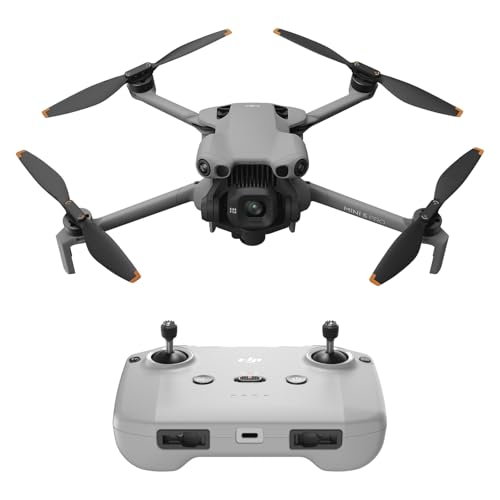
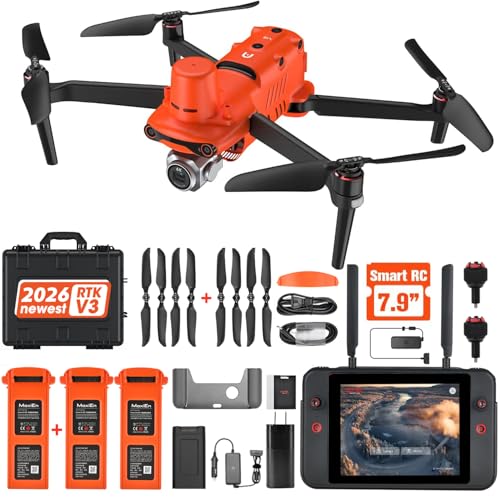
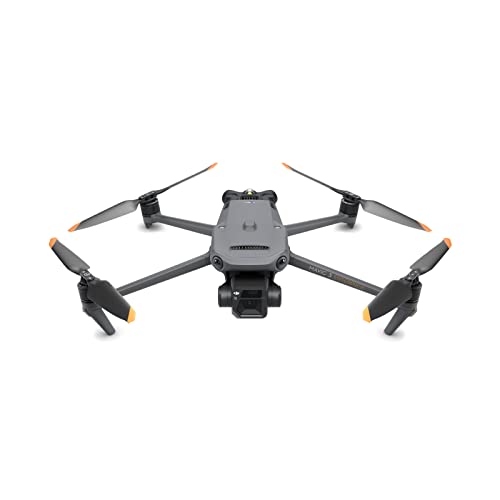
Which brands make the best drones with 4K camera?
The best drone brands with 4K camera are as follows:
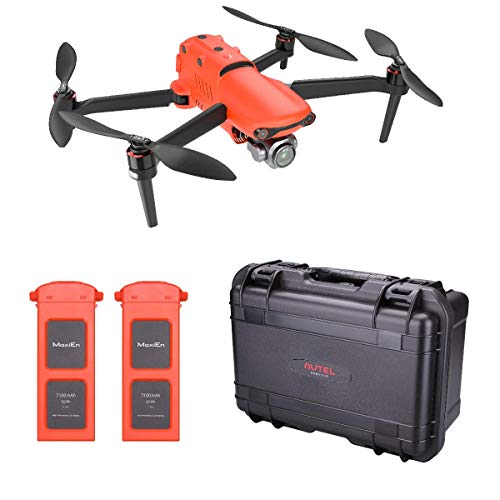
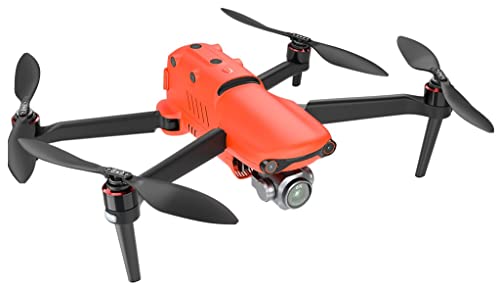
- Autel (Average overall score: 8.2)
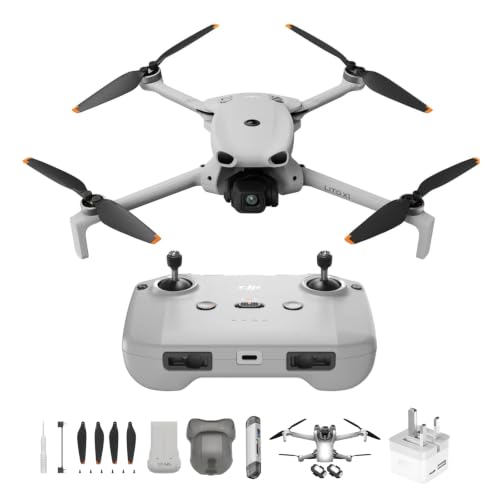
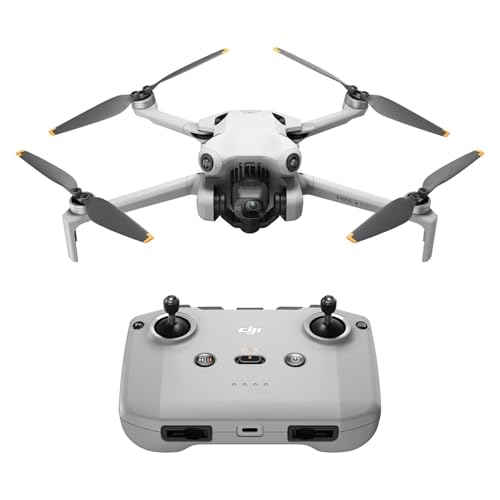
- DJI (Average overall score: 7.8)
- Fimi (Average overall score: 7.2)
The chart below ranks 4K camera drone brands by average overall score.
[horizontal-chart-02995081428303698314147206058821059578863724047196]
Which 4K camera drone brands have the highest user ratings?
The 4K camera drone brands with the highest user ratings are as follows:
- DJI (Average users rating: 9.4)
- Potensic (Average users rating: 9.2)
- Holy (Average users rating: 8.8)
4K camera drone brands and their average users rating are presented in the chart below.
[horizontal-chart-04787387441802620495032368182882267380552089140689]


Who should consider buying a drone with 4K camera?
A drone with 4K camera is best for buyers who want visibly sharper footage, better cropping flexibility, and more usable material for editing than 1080p-class options.
Content creators and travel users benefit most when they need detail retention in landscape, city, and action clips. The quality gain is most noticeable on larger displays and in post-production where reframing is common.
4K drones are also useful for inspections and documentation tasks where scene detail matters. Better models combine 4K capture with stable hover and dependable transmission, so footage remains usable instead of only looking good on a spec sheet.
Casual indoor users or first-time pilots with a very low budget may not need 4K immediately. In those cases, control stability and safety features should come before resolution claims.
How much do good drones with 4K camera cost?
The best drones with 4K camera cost about 50-£6,000.
Typical prices are about 50-£260 for basic entry options, 300-£1,300 for stronger all-round consumer performance, 1500-£2,600 for advanced creator systems, and 3000-£6,000 for premium enterprise platforms.
Price differences mainly come from stabilization quality, transmission reliability, obstacle sensing coverage, and sensor/codec capability. Higher tiers also hold 4K quality more consistently in wind and motion-heavy scenes.
What does 4K mean on a camera drone?
On a camera drone, 4K means the video frame has roughly 123by 123pixels of detail, which is about four times the pixel count of 1080p.
4K capability on drones matters through the following technical points:
- Resolution output: 4K provides more image detail for wide scenes and textured surfaces. This is useful for reframing and post-edit crop flexibility.
- Compression profile: Real quality depends on bitrate and codec behavior, not only on resolution. Weak encoding can make 4K look soft in motion.
- Stabilization quality: A steady capture path is essential for usable 4K footage. Without good stabilization, higher resolution mainly records sharper shake.
- Sensor and optics: Lens quality and sensor size strongly influence noise and dynamic range. Better hardware keeps 4K detail cleaner in mixed light.
- Workflow load: 4K files are larger and heavier to edit. Buyers should plan storage and editing hardware before long shoots.
How good is real video quality on 4K drones?
Real video quality on 4K drones can be very good, but it depends on stabilization, compression, and sensor behavior more than on resolution alone.
Many drones can record 4K, yet real-world output differs widely between entry and advanced models. Better platforms keep detail and motion cleaner under wind, fast pans, and contrast-heavy scenes.
Real 4K quality is mainly defined by the following factors:
- Bitrate and codec: Stronger encoding keeps texture and edge detail cleaner in movement. Lower-quality encoding can smear foliage, water, and fine architecture.
- Stabilization path: 3-axis gimbal control usually produces much smoother footage than basic electronic correction. Stable capture is essential for professional-looking 4K.
- Light handling: Larger sensors and better optics preserve shadows and highlights more naturally. This reduces noise and banding in sunrise, sunset, and mixed-light scenes.
- Flight control: Smooth pilot inputs and stable link performance improve footage consistency. Aggressive control inputs can degrade perceived quality even on high-end cameras.
What stabilization features matter most on 4K drones?
The stabilization features that matter most on 4K drones are 3-axis gimbal control, stable hover behavior, and predictable motion smoothing under wind.
Stabilization quality on 4K drones depends on the following checks:
- Gimbal axes: A 3-axis gimbal is the practical baseline for smooth cinematic 4K. In this guide scope, roughly seven in ten models use 3-axis stabilization.
- Image stabilization type: Electronic correction can help, but it cannot replace true mechanical stabilization in difficult movement. Mechanical and electronic systems combined usually perform better.
- Hover precision: Stable position hold reduces micro-drift during static shots and slow pans. Better hover behavior protects fine detail in 4K footage.
- Wind tolerance: Stronger drones hold frame stability better as wind rises. Models closer to the 10-17.5 m/s class generally keep smoother footage outdoors.
- Tracking smoothness: Subject tracking quality affects jerkiness and framing continuity. Controlled tracking speed produces cleaner motion than aggressive follow profiles.
- Pilot control response: Smoother acceleration and braking reduce abrupt camera corrections. This helps maintain professional-looking movement in 4K clips.
How long can drones with 4K camera fly?
Drones with 4K camera can typically fly for about 12-50 minutes per battery cycle, with stronger all-round options usually landing in the 25-45 minute range.
Flight endurance in 4K models depends on battery size, drone weight, wind conditions, and speed profile. Recording in higher quality itself is not the main limit, but heavier camera and stabilization systems can reduce practical airtime.
Reliable 4K shooting usually needs planned battery rotation and conservative return margins. A consistent 25-40 minute real mission window is often more useful than chasing the highest single-flight claim.