
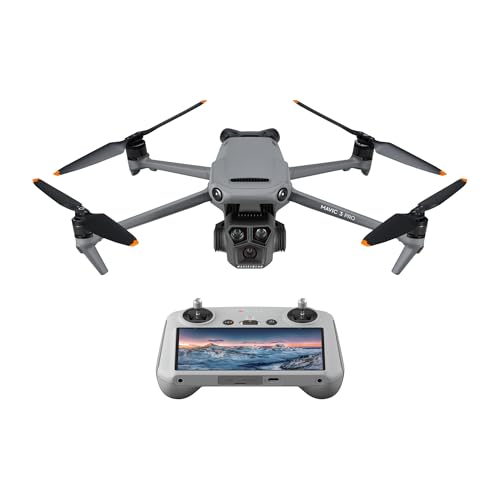
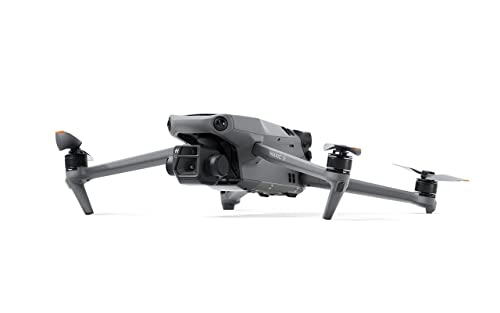
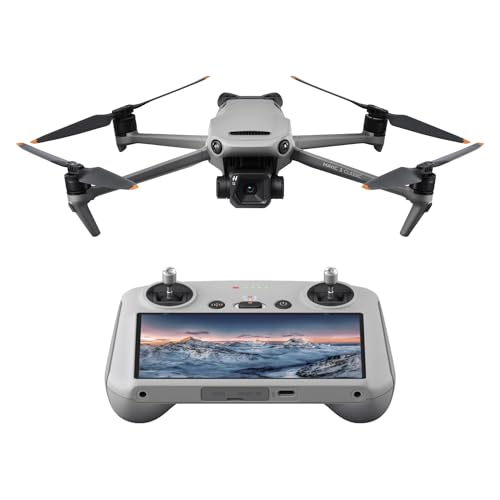
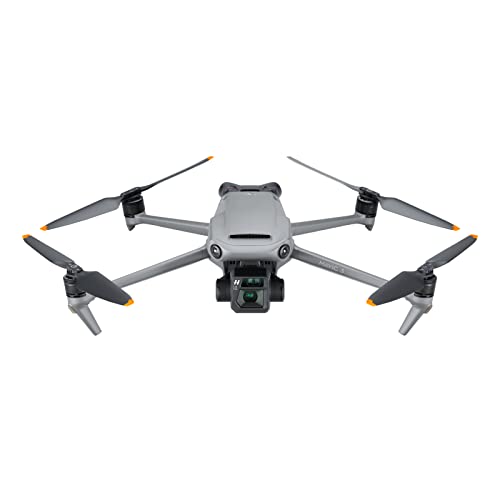
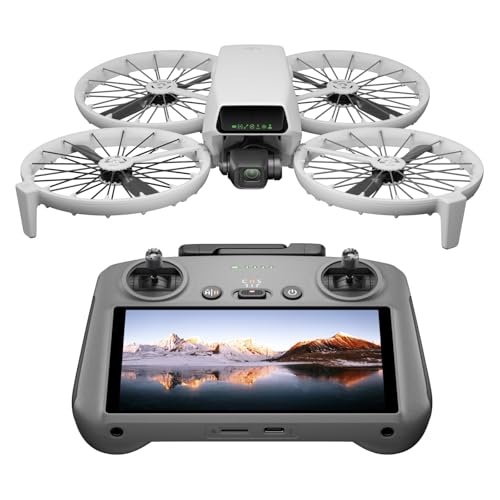
Are DJI drones good?
DJI drones are good overall: they average 7.7 in overall score (rank #2 among major drone brands) and 9.4 in user ratings (rank #1).
DJI models are usually strongest in GPS stability, Return to Home coverage, obstacle sensing, and more advanced camera systems. About four in five DJI drones include obstacle detection, and almost all of them include GPS and Return to Home, which is a deeper safety stack than lower-cost drone brands usually offer.
Main trade-offs are higher pricing and a wide spread between lightweight entry models and enterprise platforms. DJI is usually the right choice for buyers who want stronger flight automation, more dependable filming tools, and better long-range control than budget-focused drone brands.
The chart below compares DJI with major drone brands by average overall score.
[horizontal-chart-02357880987341839465015086409514297105510428597726]
What are the main advantages of DJI drones?
The main advantages of DJI drones are stronger flight automation, broader safety coverage, and a deeper lineup from travel drones to enterprise platforms.
- Flight control: DJI usually combines GPS, Return to Home, and steadier positioning better than most lower-cost drone brands. That gives the lineup a more predictable feel in hovering, route recovery, and long-distance filming.
- Safety stack: Almost all DJI drones include GPS and Return to Home, and about four in five also include obstacle detection. This is one of DJI's clearest advantages over cheaper brands, where obstacle sensing is often absent or much more limited.
- Camera range: DJI covers a wide span from compact 4K travel drones to higher-end pro and enterprise cameras. That makes it easier to stay inside one ecosystem as your needs move from casual travel clips to more serious aerial work.
- Range and endurance: DJI models span roughly 16-50 minutes of stated flight time and about 2-30 km of transmission range. The stronger Air, Mavic, and Matrice lines especially stand out when distance and mission time matter.
- Lineup depth: DJI covers very light 249 g-class Mini drones, FPV-focused Avata models, and heavy professional platforms above 1.2 kg. Few drone brands cover that many use cases with one connected product family.
- Software ecosystem: DJI's apps, intelligent flight modes, accessories, and spare-part availability are usually broader than what smaller brands offer. That makes setup, updates, and long-term use more straightforward for many buyers.
What are the main disadvantages of DJI drones?
The main disadvantages of DJI drones are higher pricing, bigger gaps between entry and pro lines, and extra cost once batteries and accessories are added.
Price: DJI starts around £170 but quickly climbs into the 500-£2,200 range for stronger consumer models and above £3,300 for Matrice platforms. That makes the brand harder to justify if you only need occasional basic flying.
Entry-line limits: DJI's lighter and cheaper models are easier to carry, but they usually have less complete obstacle coverage than the stronger Air, Mavic, and Matrice lines. Buyers sometimes expect flagship safety behavior from entry DJI models and end up overestimating what those drones can actually do.
Accessory cost: Spare batteries, charging hubs, ND filters, and official controllers are rarely cheap in the DJI ecosystem. The drone body price is often only part of the real cost of ownership.
Weight and regulation: DJI covers everything from 249 g Mini drones to heavy platforms above 1.2 kg. Once you move into larger DJI models, transport, insurance, and flight-rule obligations become more important.
Lineup overlap: Older Mavic, Phantom, and Mini variants can overlap in price with newer models, but their camera systems, safety coverage, and software support are not equal. That can make DJI shopping less simple than it looks from the brand name alone.
Closed ecosystem: DJI's strongest experience comes when you stay inside its own apps, batteries, and accessory workflow. That is convenient for some buyers, but less flexible for users who prefer open or low-cost third-party ecosystems.
Who makes DJI drones?
DJI drones are made by SZ DJI Technology Co., Ltd., a Chinese company headquartered in Shenzhen. DJI was founded in 2006 by Frank Wang and grew from stabilization and flight-control technology into the world's most influential consumer-drone brand.
DJI operates across consumer, prosumer, and enterprise segments, which is why the lineup includes light travel drones, FPV models, cinema-oriented platforms, and industrial systems. Manufacturing and hardware integration are centered in China, while the company sells globally through retail, specialist drone channels, and enterprise partners.
DJI's market position comes from pairing flight software, imaging hardware, gimbals, controllers, batteries, and apps inside one tightly integrated ecosystem. That vertical approach is a major reason why DJI remains strong in both consumer aerial photography and professional drone workflows.
What are the main DJI drone series?
The main DJI drone series are Mini, Air/Mavic, Avata, Matrice, Phantom, and the lighter Neo/Spark branch.
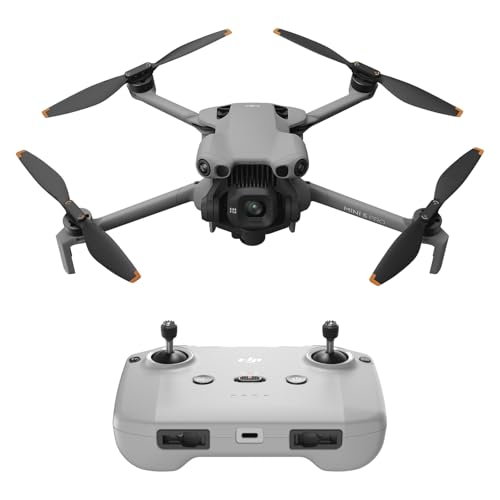
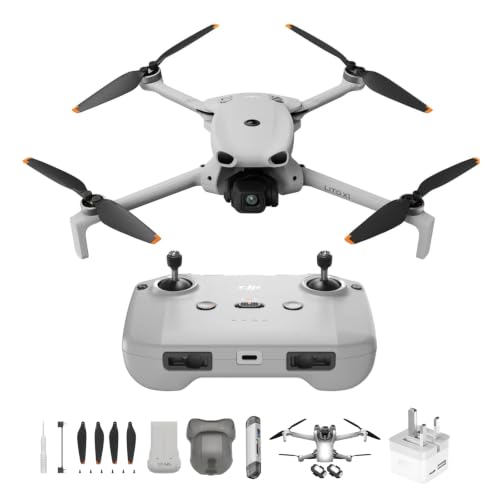
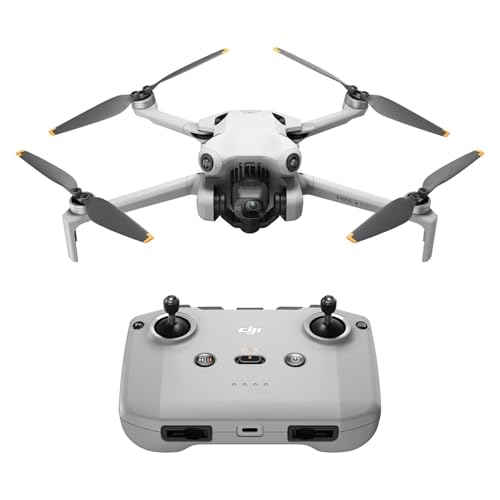
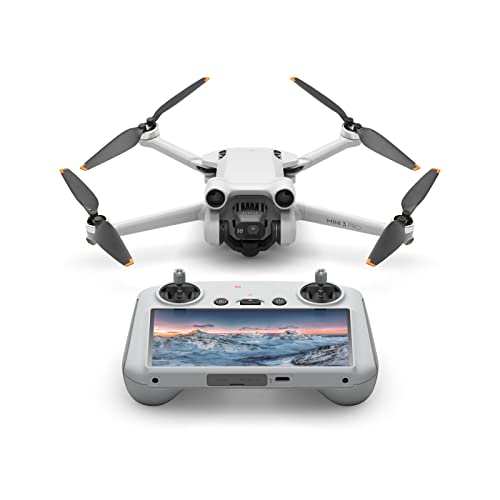
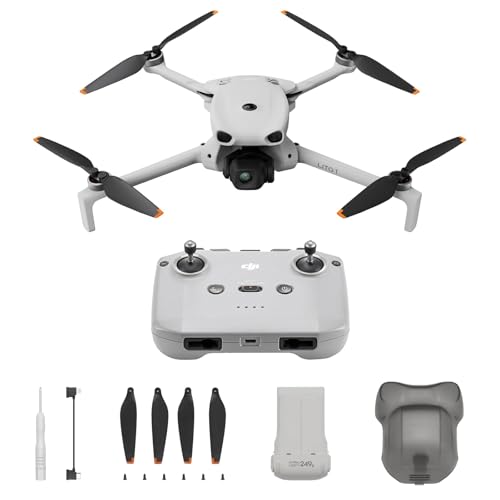
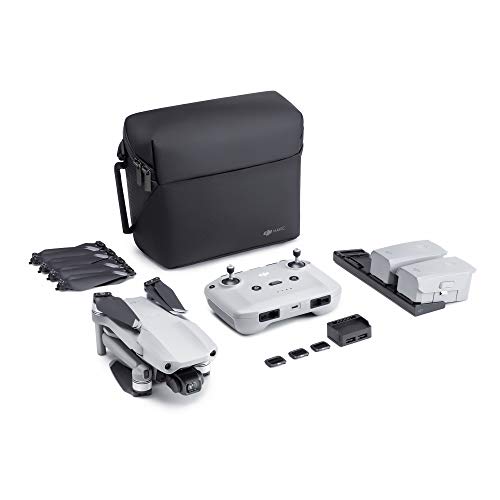
Mini: DJI Mini drones are the travel-first line, usually around 242-249 g and roughly 300-£650. They are built for portability, easier regulation, and lighter day-to-day carrying, while still covering the core DJI camera-drone experience.
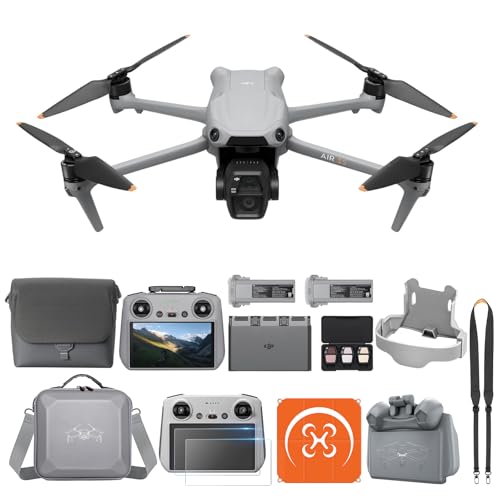
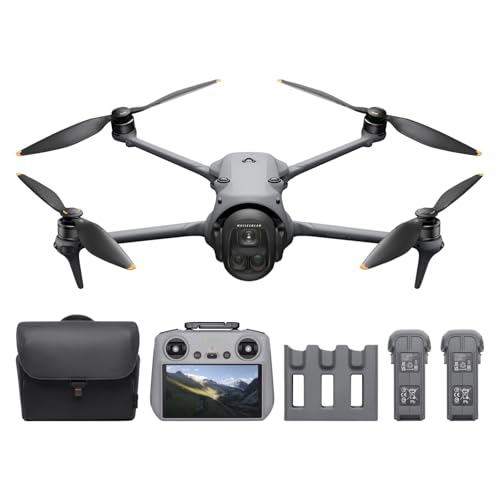
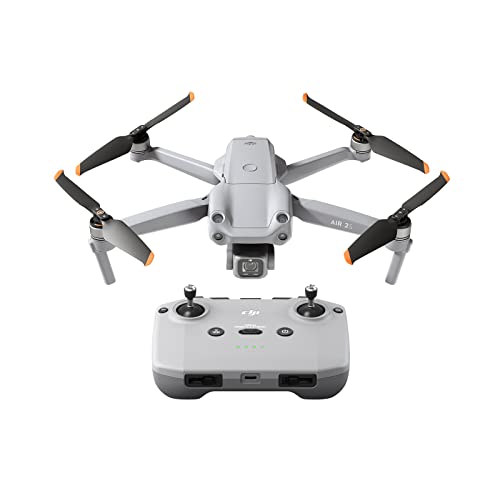
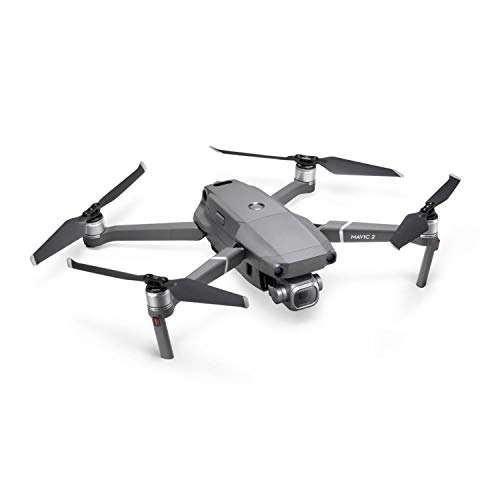
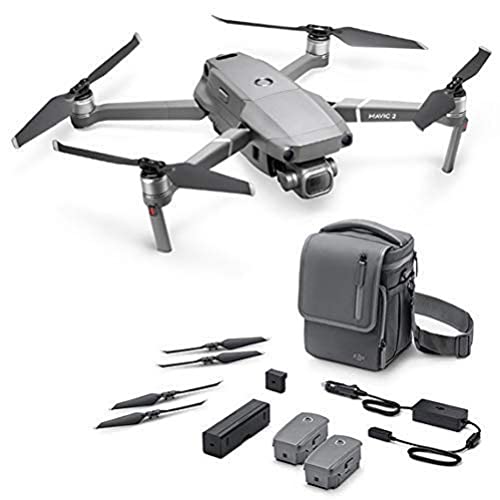
Air/Mavic: Air and Mavic models are DJI's main all-round camera-drone family, spanning about 430-958 g and roughly 500-£2,200. This is the line that most clearly balances camera quality, range, flight time, and stronger safety tools for enthusiast and prosumer buyers.
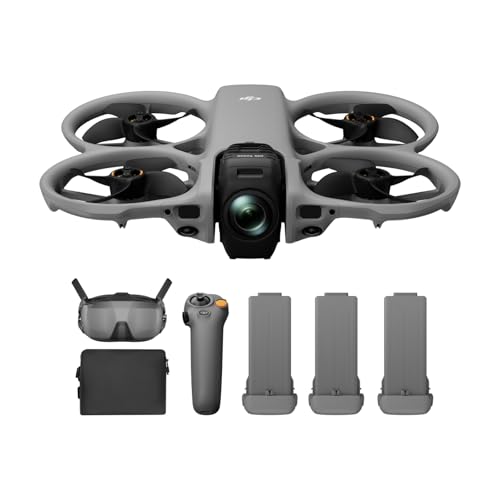
Avata: Avata models are DJI's FPV-oriented branch, around 377-410 g and roughly 410-£500 in the current lineup. They are aimed at immersive flying and faster motion capture rather than classic cinematic hovering.
Matrice: Matrice is DJI's enterprise and industrial platform, sitting around 1.2 kg and roughly 3800-£5,800. This line is built for inspection, thermal workflows, mapping, and other professional missions where payloads, sensors, and reliability matter more than easy portability.
Phantom: Phantom models are older but still important in DJI's history, usually around 1.2-1.4 kg and roughly 600-£2,200 in the currently listed range. They were central to DJI's rise in aerial photography and still make sense mainly when comparing legacy pro-camera platforms.
Neo and Spark: Neo and Spark sit at the very light and lower-cost end, around 135-300 g and about 200-£260. They are the simplest DJI options for very casual use, but they are less complete than Mini, Air, or Mavic lines when camera quality and safety stack matter more.
How much do DJI drones cost?
The best DJI drones cost about 300-£2,200, while the full DJI price ladder runs from about £170 to £5,800. The lower end mostly covers Neo, Spark, Mini, older Mavic variants, and Avata entry models, while the middle of the lineup is where DJI's strongest consumer value usually sits.
Around 300-£600 you mainly get lighter travel drones and older consumer models. About 700-£1,800 is the main DJI sweet spot for buyers who want stronger camera quality, better range, and a more complete safety stack without moving into enterprise pricing.
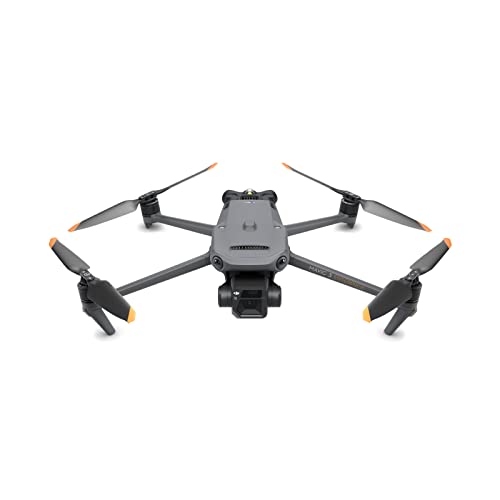
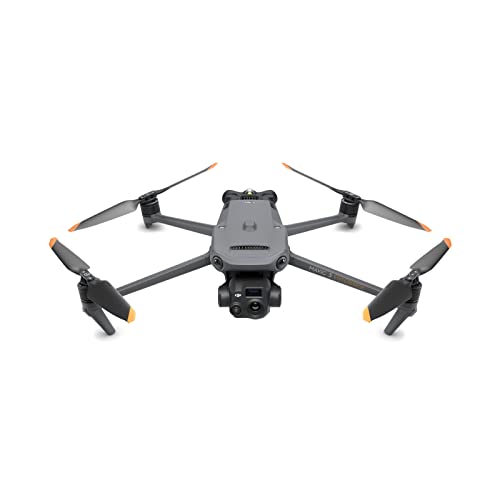
Above roughly £3,300, DJI pricing becomes much more enterprise-driven, with Matrice and specialized Mavic 3 Enterprise lines built for inspection, thermal work, and commercial missions. For most buyers, value is usually strongest in the Mini, Air, and mainstream Mavic branches rather than in DJI's industrial platforms.
What should you consider while choosing the best DJI drone?
When choosing the best DJI drone, you should compare use case, weight class, flight time, safety stack, camera system, transmission range, and price inside the DJI lineup.
- Use case: DJI Mini models are usually best when portability and easier regulation matter, Air and Mavic lines are the main all-round camera drones, Avata is the FPV branch, and Matrice is built for enterprise work. Choosing the right DJI family first usually saves more time than comparing unrelated models spec by spec.
- Weight: DJI spans from about 135 g in Neo and about 242-249 g in Mini to roughly 430-958 g in Air and Mavic, then above 1.2 kg in Phantom and Matrice. Lighter DJI drones are easier to carry and usually easier to manage under stricter rules, while heavier lines are steadier in wind and better suited to pro work.
- Flight time: DJI's stated flight-time range runs about 16-50 minutes overall, but the useful pattern is more important than the raw maximum. Mini drones average about 32 minutes, Air and Mavic about 39 minutes, and Matrice about 49 minutes, while Avata sits closer to 21 minutes because FPV flying uses power differently.
- Safety: GPS and Return to Home are basically standard across DJI, but obstacle detection is not equally strong in every line. About four in five DJI drones include obstacle detection overall, with stronger coverage in Air, Mavic, Phantom, and Matrice lines than in the lighter entry models.
- Camera: Mini models are usually enough for travel clips and lighter social video, typically in the 300-£600 tier. Air and Mavic lines are usually the stronger choice for more serious imaging, with better sensors, higher video bitrates, and stronger control range in the roughly 700-£1,800 zone. Matrice lines generally start around £3,300 and make sense mainly for specialized payloads, thermal workflows, and industrial inspection missions.
- Range: DJI's listed transmission distances run from about 2 km to 30 km, but the main buying question is how much margin you want for interference, terrain, and safer control. Higher DJI tiers usually justify their price more through better control confidence and safer long-distance operation than through raw headline speed alone.
- Price: DJI starts around £170, but the main consumer value zone is roughly 300-£2,200, where Mini, Air, Mavic, and Avata cover most real buyer needs. Once you move above about £3,300, pricing is usually enterprise-driven, so those models only make sense if the job really needs that extra hardware.