
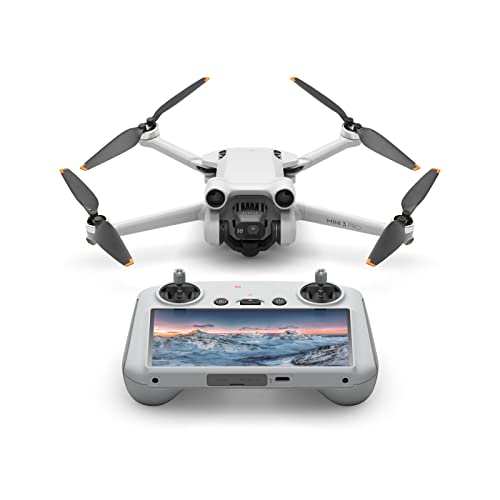
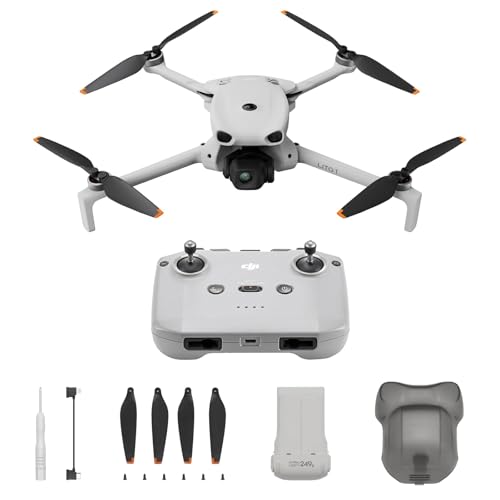
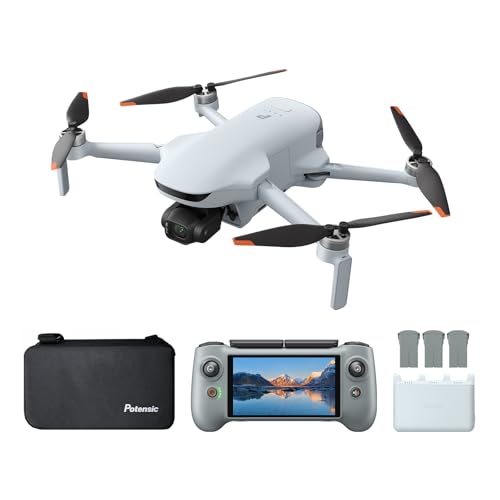
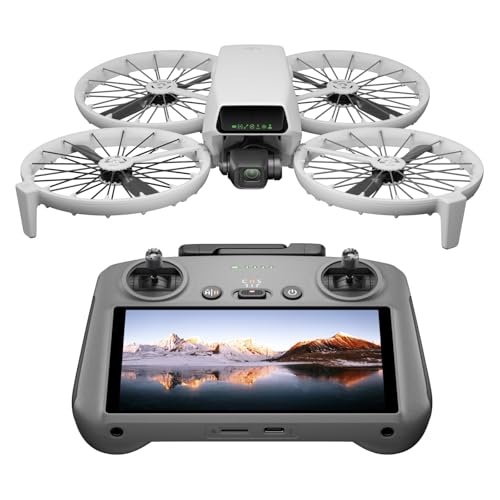
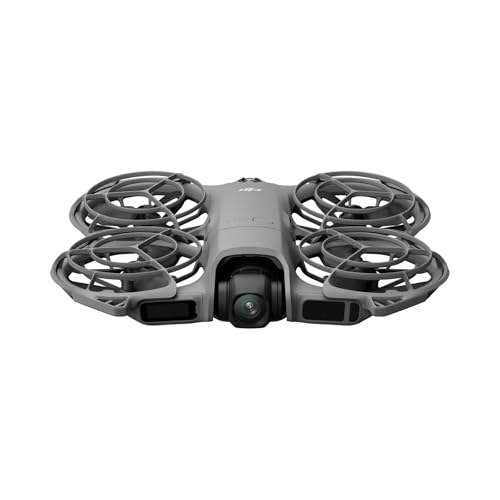
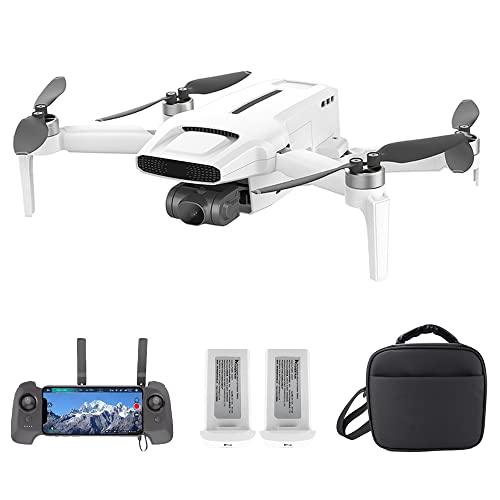
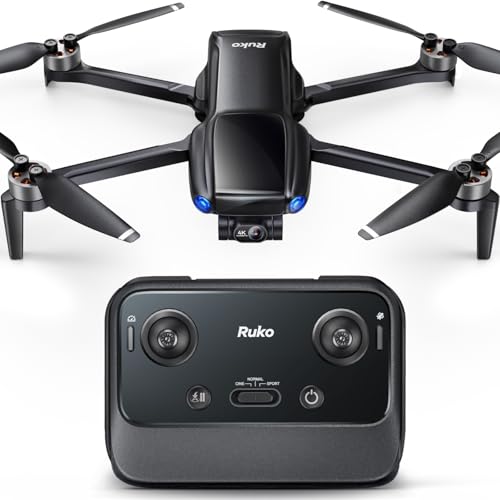
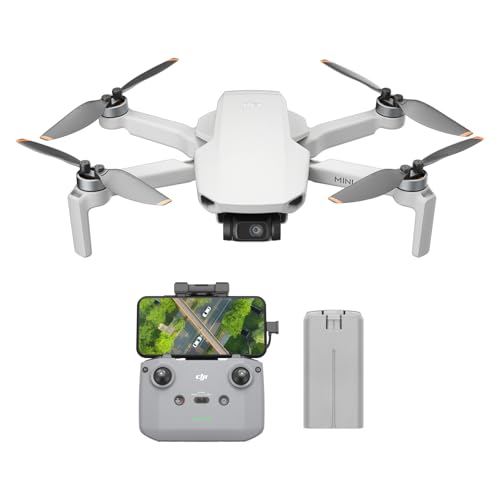
Which brands make the best drones under 250g?
The best drone brands under 250g are as follows:
- Fimi (Average overall score: 7.2)
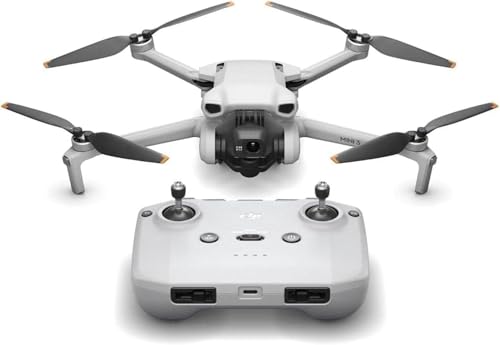
- DJI (Average overall score: 6.8)
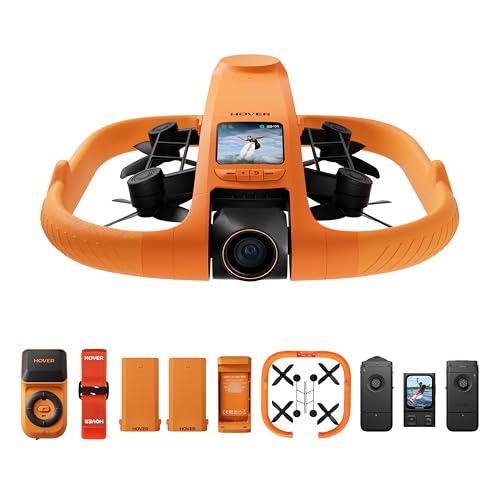
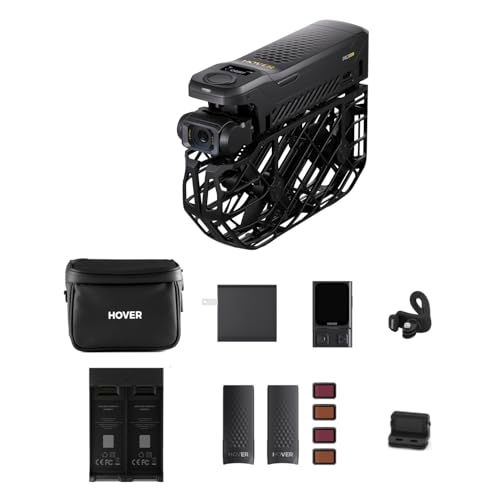
- Hoverair (Average overall score: 6.5)
The chart below ranks under-250g drone brands by average overall score.
[horizontal-chart-11571013554696432174044132157707949141162319805553]
Which sub-250g drone brands have the highest user ratings?
The under-250g drone brands with the highest user ratings are as follows:
- DJI (Average users rating: 9.4)
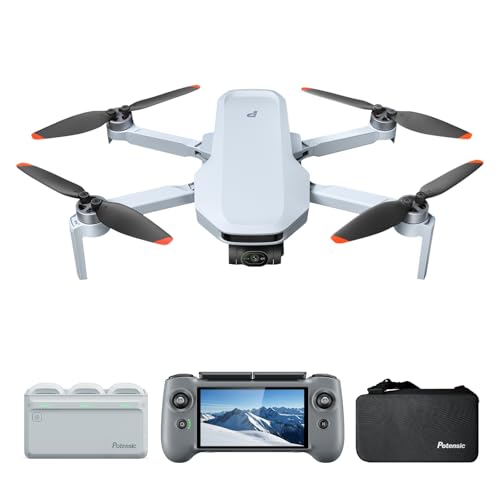
- Potensic (Average users rating: 9.2)
- Hoverair (Average users rating: 9)
Under-250g drone brands are compared in the chart below by average users rating.
[horizontal-chart-08146045573739693856168923266834390931951060705397]


Who should consider buying a drone under 250g?
Drones under 250g are a strong fit for beginners, travel users, and hobby pilots who want lighter carry weight with less setup friction. They also suit people who fly short sessions often and value fast launch plus easy packability over maximum payload capacity.
Beginner buyers get better results when the drone includes GPS and Return to Home rather than only basic optical hovering. Lightweight models without reliable positioning can feel less predictable, even when the class looks beginner-friendly on paper.
Travel-focused users should prioritize around 20-30 minutes of practical runtime, stable video modes, and dependable wind behavior instead of raw top-speed claims. Drones under 250g can capture strong holiday footage, but stabilization quality still determines how usable that footage looks.
How much do good drones under 250g cost?
The best drones under 250g cost about 170-£650, while the full under-250g ladder starts around £45. Models in the 50-£130 range mostly focus on basic flying and simpler camera output, while the 170-£260 band is where feature balance improves for casual users.
Pricing above £260 is linked to stronger camera stabilization, better transmission systems, cleaner control logic, and safer recovery features such as GPS and Return to Home. The extra spend often buys consistency rather than only one headline specification.
Drones under 250g tend to deliver the best value in the middle band when buyers prioritize stable control and usable footage over pure speed claims. Higher-end lightweight models can be worth it, but mainly when stronger imaging and safer long-range behavior are the priority.
Why does the 250g limit matter?
The 250g limit matters because many regulators separate this class from heavier drones and apply lighter requirements in some use cases. Drones under 250g can be easier to carry and lower-risk in accidental contact, which is why this threshold is widely used in consumer drone rules.
The practical effects are as follows:
- Rule impact: Sub-250g classification can reduce administrative burden in some regions, but it does not remove flight restrictions. Airspace limits and no-fly zones still apply.
- Travel convenience: Lighter kits are easier to transport and quicker to deploy for short sessions. This matters for users who fly often in changing locations.
- Safety margin: Lower mass can reduce potential impact severity, which supports broader hobby adoption. This does not replace safe piloting behavior or pre-flight checks.
- Product design: Manufacturers optimize this class for portability, so buyers often get compact foldable designs and simpler setup flow. The trade-off is less payload headroom than heavier platforms.
How good are camera quality and stability under 250g?
Camera quality and stability under 250g can be strong for casual and travel video, but quality still depends heavily on stabilization type. Drones under 250g often advertise 4K modes, yet real footage quality is shaped more by gimbal behavior and flight steadiness than by resolution alone.
The main camera and stability factors are as follows:
- Resolution tier: 4K/30 is common in stronger models, while 1080p classes still appear in lower tiers. Higher resolution helps only when motion is controlled well.
- Stabilization type: 3-axis mechanical stabilization delivers the smoothest and most repeatable footage in this class. EIS-only and fixed-camera setups are more sensitive to vibration and abrupt movement.
- Wind response: Better models in this class handle roughly 10-11 m/s winds, but lighter drones can still drift in gusts. Drift directly affects framing consistency and video smoothness.
- Processing quality: Bitrate handling and tuning choices can change sharpness and artifact levels significantly. Two drones with similar listed resolution can produce very different real-world output.
Drones under 250g can produce very usable content, but consistently smooth results come from models with stronger stabilization and steadier control logic.
How long can drones under 250g fly?
Drones under 250g fly about 20-30 minutes in strong real-world options, while the wider listed spread is around 8-38 minutes. In this class, flight-time distribution is broad: about one third of models are under 15 minutes, about one third are between 15 and 25 minutes, and about one third exceed 25 minutes.
Battery behavior in this class depends on efficiency, control tuning, and wind correction load, not only on battery capacity. Once wind rises toward the 10-11 m/s limit seen in stronger sub-250g models, repeated corrections and speed changes can trim practical airtime by roughly 3-8 minutes versus calm cruising.
Drones under 250g are easier to plan when pilots target around 20-25 reliable minutes per battery instead of chasing the maximum listed figure. For most buyers, repeatable mid-session endurance is more useful than a peak claim that appears only in ideal test conditions.