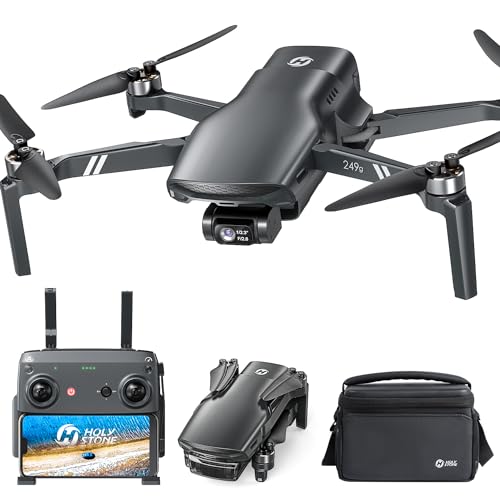

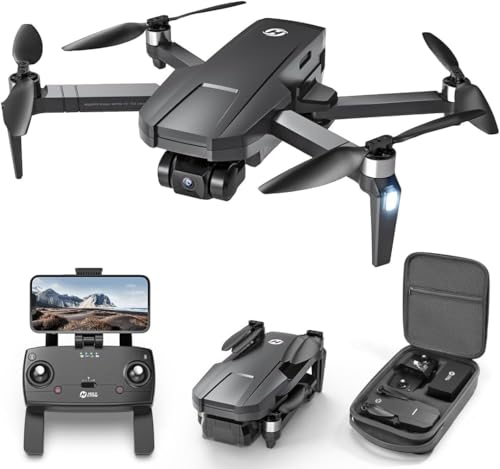
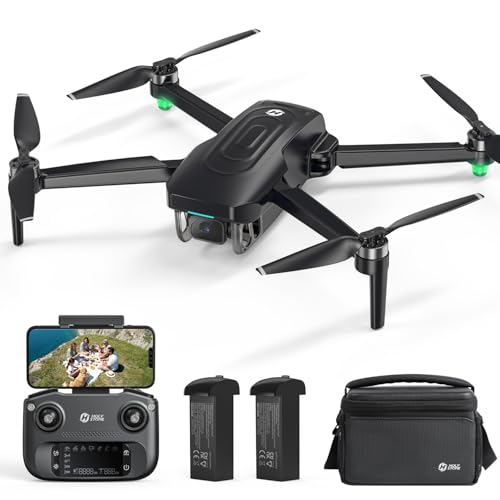
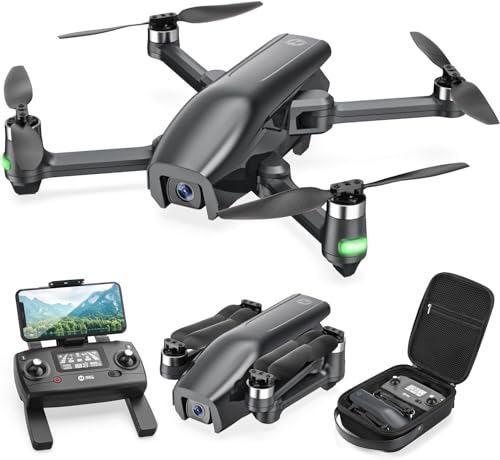
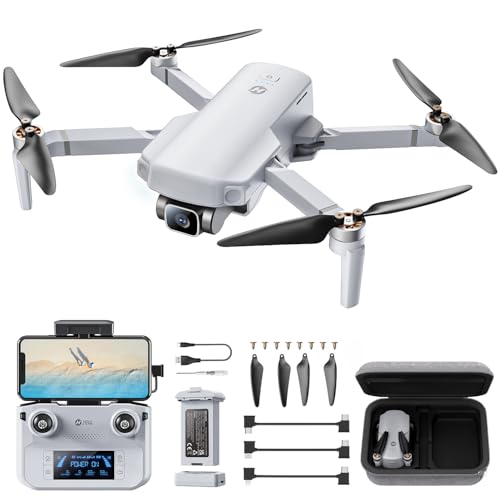
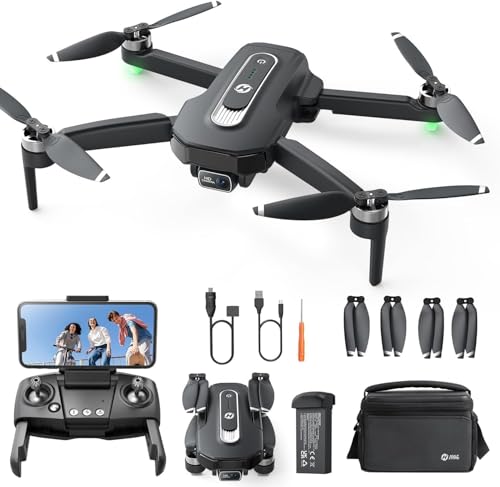
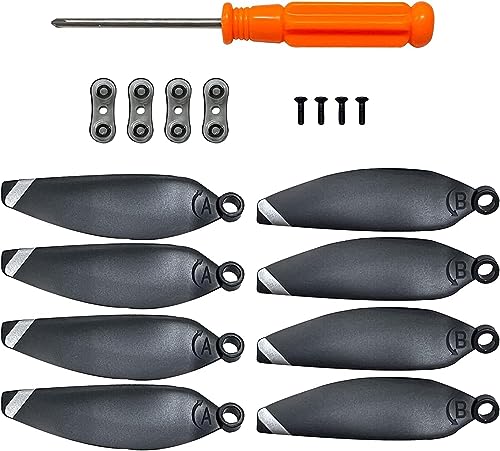
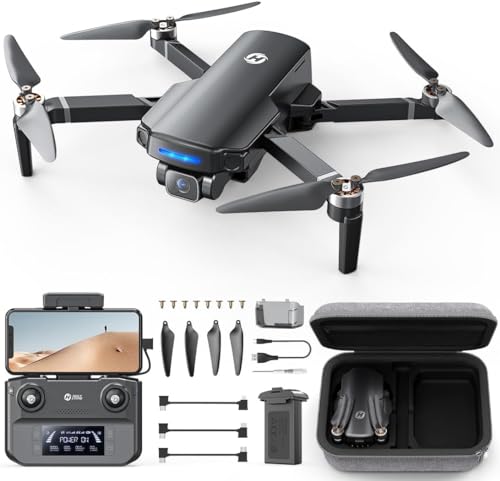
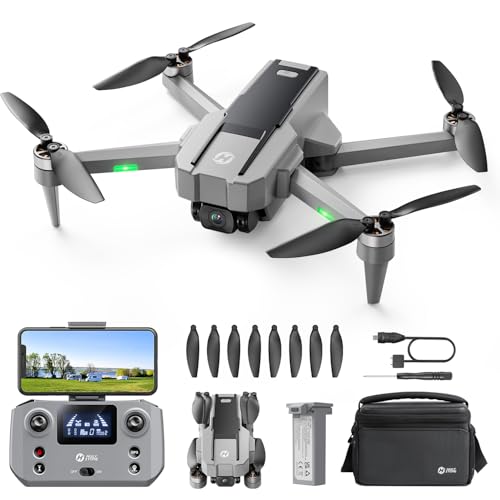
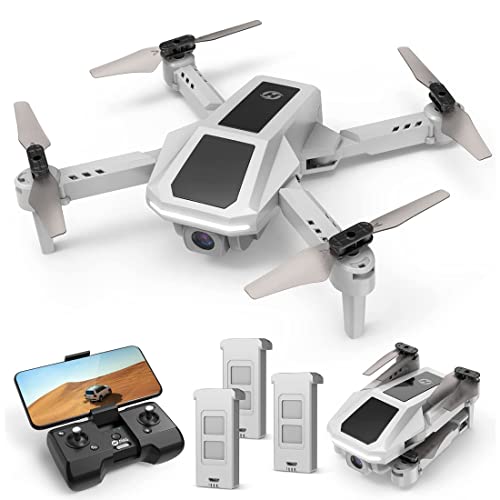
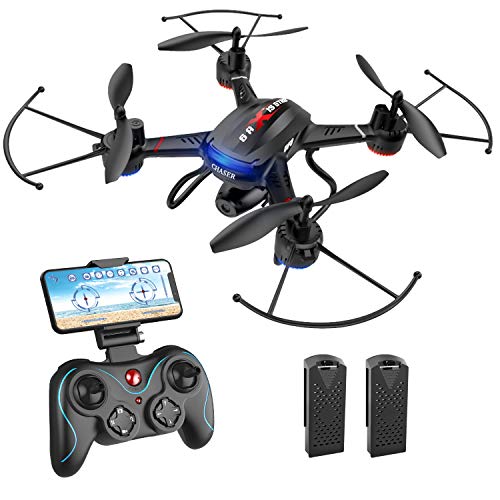
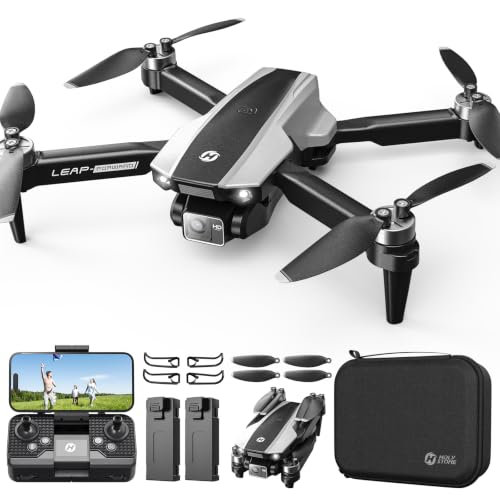
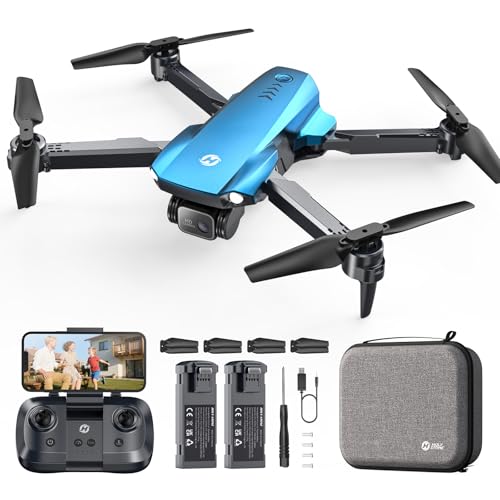
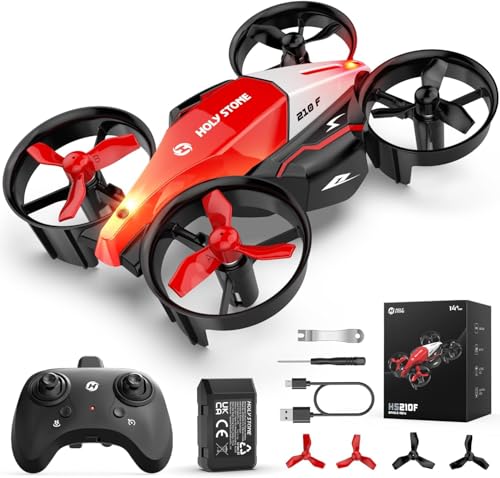
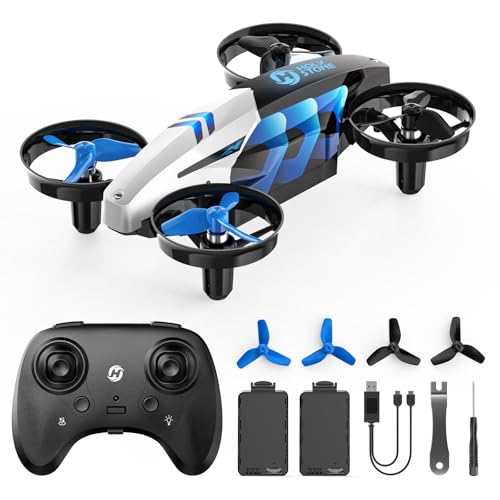
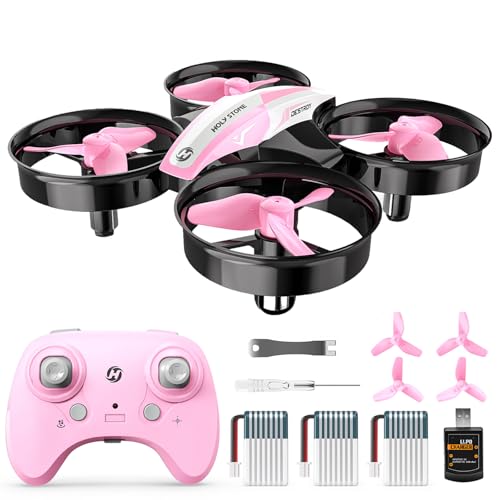
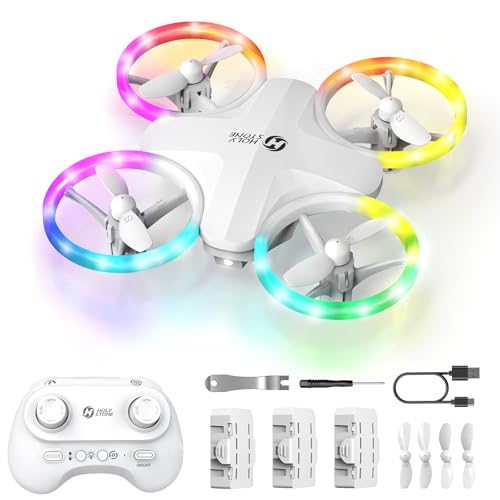
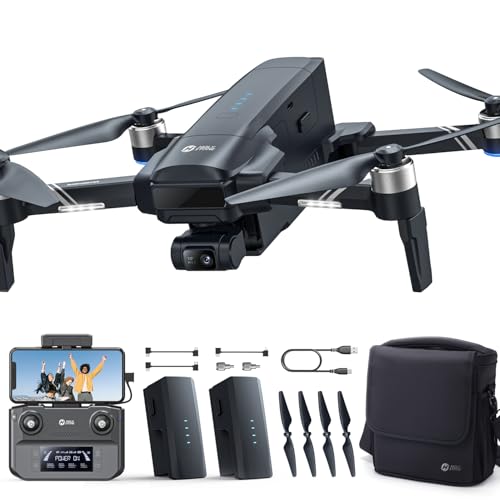
Are Holy Stone drones good?
Holy Stone drones are good for entry-level buyers: they average 5.3 in overall score (rank #10 among 11 major drone brands) and 8.9 in user ratings (rank #4).
Holy Stone models are usually strongest on affordability, easy controls, and beginner-friendly setups. The better lines add GPS and Return to Home, while keeping weight and price lower than most premium drone brands.
Main limits are shorter transmission distance, lower wind resistance, and fewer advanced safety systems than higher-end competitors. Obstacle detection is generally missing, and camera consistency varies more across the range.
Holy Stone drones are best for casual flying, first drone ownership, and buyers who want practical camera features without moving into premium price tiers.
The chart below ranks major drone brands by average overall score.
[horizontal-chart-02357880987341839465015086409514297105510428597726]
What are the main advantages of Holy Stone drones?
The main advantages of Holy Stone drones are strong entry pricing, simple controls, and practical feature depth on selected models:
- Price: Most Holy Stone models sit in the 50-£300 range, with many choices below £170. That makes the brand accessible for first-time pilots and light recreational use.
- Ease of use: Holy Stone drones are generally easier to set up and fly than advanced professional platforms. Stable beginner modes and straightforward controls reduce the initial learning curve.
- GPS options: The stronger Holy Stone lines include GPS and Return to Home, which improve route recovery and basic flight safety. These features are especially useful when training outdoors.
- Portable formats: A large part of the lineup uses compact foldable or lightweight designs. This makes transport easier for travel and weekend flying.
- Value step-up: Holy Stone has clear progression from low-cost toy-style models to better 4K GPS options. Buyers can move up in capability without a major jump in budget.
What are the main disadvantages of Holy Stone drones?
The main disadvantages of Holy Stone drones are shorter range, lower wind tolerance, and bigger consistency gaps between entry and stronger models:
- Range limits: Many lower-cost Holy Stone drones run in roughly the 0.03-0.3 km transmission class. Only the stronger models reach around 1-3 km, so long-distance filming options are limited.
- Wind performance: Typical wind resistance is around 5-7 m/s, which is workable but lower than many premium brands. Footage and control stability drop faster in exposed gusty conditions.
- Safety depth: GPS and Return to Home are not universal across the full lineup, and obstacle detection is generally absent. That reduces safety margin during autonomous or complex flights.
- Camera consistency: Video quality differs significantly across models, from basic 720p/1080p options to selected 4K models. Low-cost options can show weaker stabilization and lower detail retention.
- Upgrade ceiling: Holy Stone improves value in the entry and lower mid range, but it has less coverage in pro-level camera and advanced sensing tiers. Buyers with demanding cinematic workflows often outgrow the lineup.

Who makes Holy Stone drones?
Holy Stone drones are made by Holy Stone Technology, a China-based consumer drone and RC electronics company with operations centered in Shenzhen.
Holy Stone is generally positioned as a privately held mass-market brand focused on affordable quadcopters for beginners and recreational users. The product strategy has moved from basic toy-style indoor models toward more capable GPS camera drones in the HS series.
Holy Stone market growth has mainly come through global e-commerce channels, especially in North America and Europe. Manufacturing and hardware sourcing are centered in China, while the public-facing brand focuses on easy setup, lower pricing, and broad beginner availability.
What are the main Holy Stone drone series?
The main Holy Stone drone series are HS7, HS1, HS2, HS3, and HS4/HS6 lines.
- HS7 series: HS7 models are Holy Stone's strongest consumer camera line, typically around 100-£300. They usually offer better flight time, stronger GPS support, and higher camera quality than entry lines.
- HS1 series: HS1 models are the broadest value family, usually around 60-£220. They cover indoor and light outdoor use with mixed camera and transmission performance.
- HS2 series: HS2 models are mostly entry-level options, typically around 50-£170. They prioritize ease of use and lower cost over advanced safety and long-range capability.
- HS3 series: HS3 models are compact mid-entry options around £120. They generally target simple travel use with moderate camera and range capability.
- HS4/HS6 lines: HS4 and HS6 models sit in the low-to-mid bracket, often around 70-£110. They work as budget step-up choices when buyers want more than toy-class control without paying HS7 prices.
How much do Holy Stone drones cost?
Holy Stone drones in general cost about 50-£300, while the better Holy Stone models usually sit in the 150-£300 range.
Around 50-£110 you mostly get entry and toy-style models with short range and simpler camera output. Around 120-£170 is the main value band for balanced beginner use, and around 200-£300 covers the strongest Holy Stone options with better GPS support, longer flight time, and more capable camera performance.
Price differences are driven mainly by transmission range, GPS and Return to Home support, battery endurance, and camera quality tier rather than by one single spec.
How do Holy Stone drones compare with DJI models?
Holy Stone drones are cheaper but less advanced than DJI models: Holy averages 5.3 in overall score and 8.9 in user ratings, while DJI averages 7.7 and 9.4.
Holy pricing is mostly in the 50-£300 range, while DJI spans roughly 200-£5,800. Holy flight time is usually around 8-26 minutes with up to about 3 km transmission distance, while DJI commonly reaches around 16-51 minutes and up to about 30 km on stronger models.
Holy is oriented to beginner value and lighter recreational use, while DJI covers a wider safety and camera stack with stronger wind handling, broader obstacle sensing, and more pro-level video workflows.
Holy Stone is usually the better fit when budget and learning simplicity are the priority, while DJI is stronger for demanding camera consistency, range stability, and long-term upgrade headroom.
What should you consider while choosing the best Holy Stone drone?
You should choose the best Holy Stone drone by matching camera level, battery endurance, range, and safety features to your real use case.
- Camera: Compare camera class first because Holy ranges from 720p/1080p entry models to 4K HS7 and HS360-type options. If you want cleaner detail for travel videos, aim for the 4K lines instead of basic indoor-focused models.
- Battery: Holy battery life spans roughly 8-26 minutes depending on line family. HS7 models are usually in the upper part of that range, while many HS1 and HS2 models sit lower, so mission length changes a lot between series.
- Range: Transmission distance is one of the biggest practical differences across the lineup. Many HS1 and HS2 entries stay around 0.03-0.3 km, while stronger HS7 and HS360 lines can reach about 1-3 km for more reliable outdoor framing.
- GPS/RTH: For outdoor flying, prioritize models with both GPS and Return to Home rather than camera specs alone. Those two features improve route recovery and reduce stress when signal quality drops.
- Wind: Check max wind resistance before buying if you fly in open parks or coastal areas. Holy models are generally around 5-7 m/s, so staying near the upper end gives better stability and more usable footage.
- Weight: Weight affects both portability and flight behavior, so choose this early. Lighter models around 75-250 g are easier to carry, while heavier options around 400-750 g usually feel steadier in wind.
- Budget: A practical split is about 50-£110 for entry practice, 120-£170 for balanced beginner value, and 200-£300 for the strongest Holy Stone camera and GPS options.