
Are Potensic drones good?
Potensic drones are good for value-focused buyers: they average 5.6 in overall score (rank #8 among 11 major drone brands) and 9.1 in user ratings (rank #2).
Potensic models are strongest in affordable GPS flying, with Return to Home available across the current lineup and strong camera value in the Atom series. The better models combine 4K video with longer practical range than typical entry toy drones.
Main tradeoffs are a narrower premium ceiling and fewer advanced safety layers than top-tier brands. Obstacle detection is generally absent, and professional camera workflow options are more limited than high-end alternatives.
Potensic drones are best for beginners, casual creators, and buyers who want dependable GPS camera features without entering premium price bands.
The following chart ranks major drone brands by average overall score.
[horizontal-chart-02357880987341839465015086409514297105510428597726]
What are the main advantages of Potensic drones?
The main advantages of Potensic drones are practical GPS reliability, strong value in newer lines, and easier progression from beginner models to better camera drones:
- GPS reliability: Potensic models in this guide consistently include GPS and Return to Home. That gives beginners a stronger safety baseline than many low-cost toy drones.
- Camera value: The Atom line delivers 4K video in roughly the 250-£400 range, while older D and T lines sit closer to 1080p or 2K around 150-£170. This creates clear camera tiers without a huge jump in price.
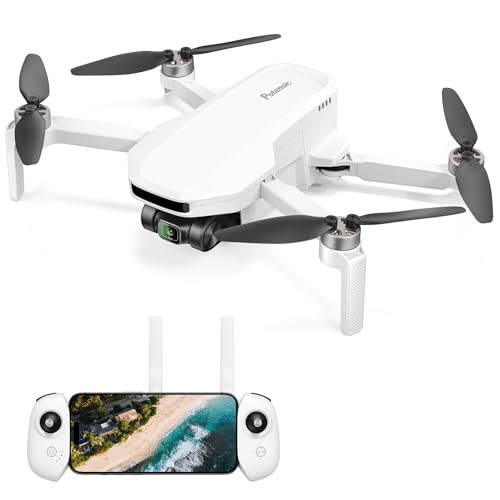
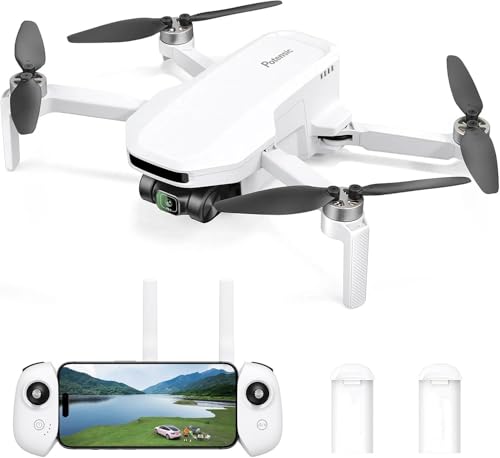
- Portable options: Atom and Atom SE sit around 180-250 g with foldable travel-friendly design. They are easier to carry than heavier legacy platforms like Dreamer Pro.
- Range upgrade path: D and T lines are typically short-range around 0.3 km, while Atom models move into about 4-10 km class transmission systems. Buyers can step up range performance inside one brand.
- Learning curve: Potensic controls and app flow are usually straightforward for first-time users. This lowers setup friction for recreational flights and basic filming.
What are the main disadvantages of Potensic drones?
The main disadvantages of Potensic drones are limited high-end safety systems, uneven range outside newer lines, and less pro-level camera depth:
- Safety depth: Potensic models usually do not include obstacle detection in this scope. That means pilots must rely more on manual path planning around trees, wires, and buildings.
- Range spread: New Atom drones reach around 4-10 km, but older D and T lines are often near 0.3 km. Real performance varies a lot by series, so buyers need to check transmission specs carefully.
- Camera ceiling: Potensic offers good value 4K, but it has fewer advanced video workflow options than premium brands. Color depth, codec flexibility, and high-bitrate headroom are generally more limited.
- Wind handling: Practical wind resistance is solid around 10 m/s on paper, yet stabilization consistency still depends on model weight and class. Lighter travel drones can show more jitter in exposed gusts than heavier platforms.
- Accessory ecosystem: Potensic has less third-party accessory depth and pro support than larger premium ecosystems. Long-term expansion options are more constrained for demanding creators.

Who makes Potensic drones?
Potensic drones are made by Potensic, a China-based consumer drone company with operations centered in Shenzhen.
Potensic is generally positioned as a privately held mass-market brand focused on affordable GPS camera drones for beginners and hobby users. The lineup evolved from older D and T entry models toward the Atom generation, which brought stronger transmission range and better 4K value in lighter airframes.
Potensic production and supply chain operations are centered in China, while its sales presence is built through international e-commerce channels. The brand strategy focuses on accessible pricing, simple setup, and practical feature sets rather than enterprise-grade drone systems.
What are the main Potensic drone series?
The main Potensic drone series are Atom, D, T, and Dreamer lines.
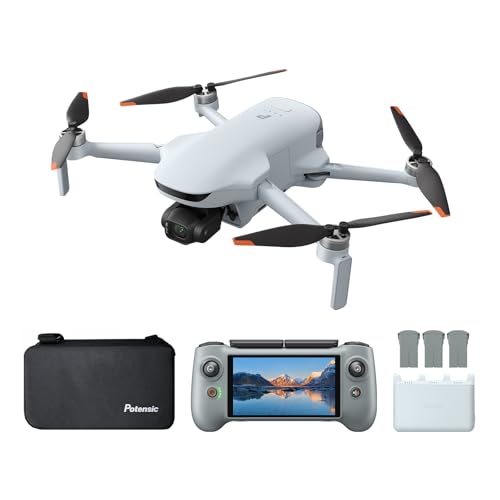
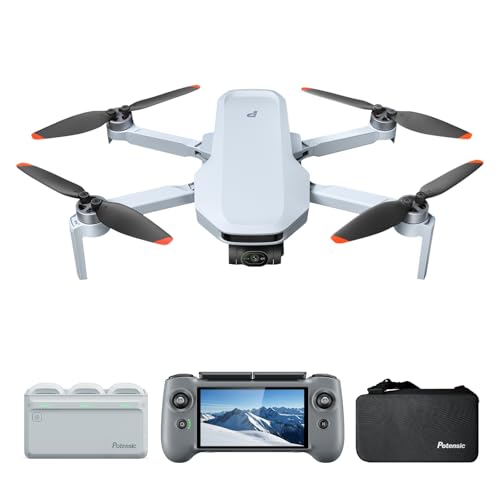
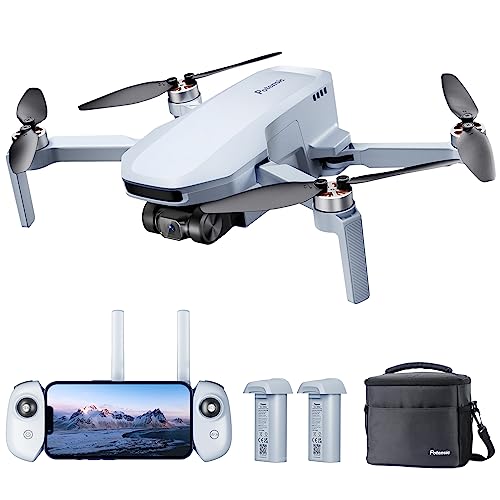
- Atom series: Atom, Atom SE, and Atom 2 are Potensic's modern travel-camera family, usually around 250-£400. They combine 4K video, longer transmission systems, and stronger all-round value for outdoor filming.
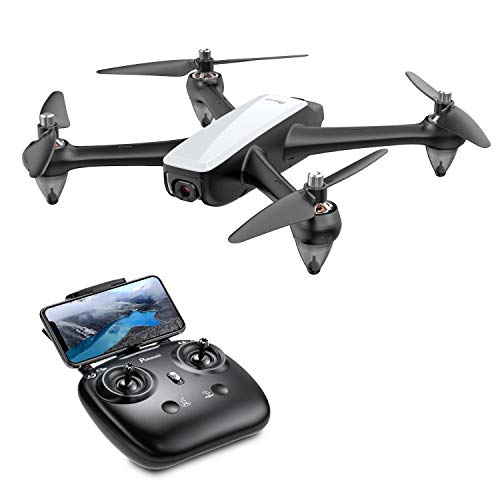
- D series: D50, D60, and D80 are older value camera drones, mostly around 150-£170. They target basic GPS camera use with simpler range and lower overall imaging headroom than Atom models.
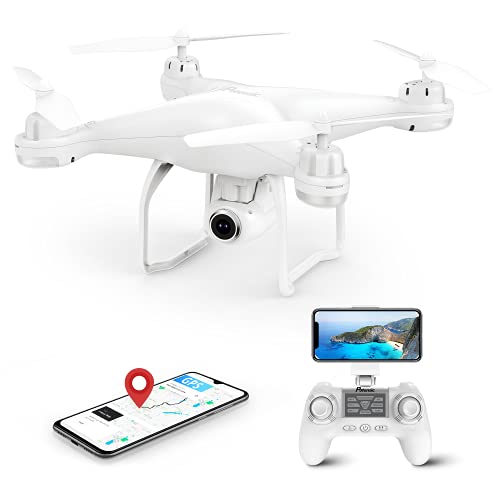
- T series: T18, T25, and T35 are beginner-focused GPS lines, usually around £130. They are positioned for easy control and casual flight rather than long-range filming.
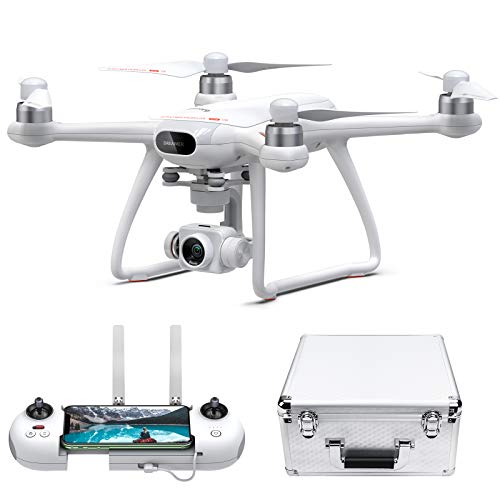
- Dreamer line: Dreamer Pro is the heavier platform in this set, around £390. It emphasizes stability and larger-frame flight behavior, but it is less portable than Atom-class models.
How much do Potensic drones cost?
The best Potensic drones cost about 200-£400, while the full Potensic range in this guide runs from about £130 to £400.
Around 150-£170 you mostly get D and T series entry-to-mid models with basic to moderate camera capability and shorter practical transmission distance. Around 250-£400 covers the Atom generation and Dreamer-class options, where 4K video, longer range, and stronger overall flight consistency become more common.
Price differences are driven mainly by transmission system class, camera tier, airframe design, and battery endurance rather than by one spec alone.
How do Potensic drones compare with DJI models?
Potensic drones are cheaper and more entry-focused than DJI models: Potensic averages 5.6 in overall score and 9.1 in user ratings, while DJI averages 7.7 and 9.4.
Potensic pricing is mostly around 150-£400, while DJI spans roughly 200-£5,800 across consumer and enterprise lines. Potensic delivers about 10-32 minutes of max flight time and up to around 10 km range on Atom 2, while DJI reaches about 16-51 minutes and up to around 30 km on stronger models.
Potensic is better suited to budget-aware buyers who want practical GPS camera features with simpler purchasing decisions. DJI is stronger for advanced safety systems, broader pro camera workflows, and longer-term performance scaling.
The right choice depends on priority: choose Potensic for value and easier entry, or choose DJI for deeper feature headroom and higher-end mission reliability.
What should you consider while choosing the best Potensic drone?
You should choose the best Potensic drone by matching camera tier, flight profile, and budget to how you actually fly.
- Camera tier: Potensic camera performance splits clearly by family, so compare line families before anything else. Atom models in about the 250-£400 band deliver 4K output and stronger modern imaging, while D and T families around 150-£170 are usually 1080p to 2K with lower capture headroom.
- Flight time: Potensic max flight time spans roughly 10-32 minutes. Atom and Atom 2 sit near the top of that range, while older entry models tend to run shorter sessions, which changes how often you need battery swaps.
- Transmission: Transmission distance varies by series more than by price alone. D and T models often stay around 0.3 km, while Atom SE and Atom 2 move into about 4-10 km class systems for more stable outdoor framing.
- GPS/RTH: Confirm both GPS and Return to Home as non-negotiable baseline features for outdoor use. Potensic is strong here across this guide, and those features materially reduce recovery risk when signal conditions worsen.
- Wind behavior: Check wind handling against where you fly most often. Potensic models are generally rated around 10 m/s, but lighter drones around 180-250 g still need conservative control in gusty open areas.
- Weight class: Weight changes both portability and shot stability. Lighter Atom-style models are easier for travel, while Dreamer-class weight around 700-800 g can hold steadier framing when conditions are less calm.
- Budget: A practical Potensic split is about 150-£170 for entry value models and about 250-£400 for stronger Atom or Dreamer options with better camera and transmission capability.