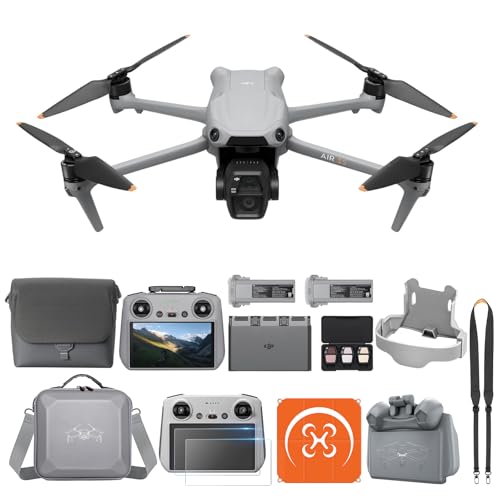
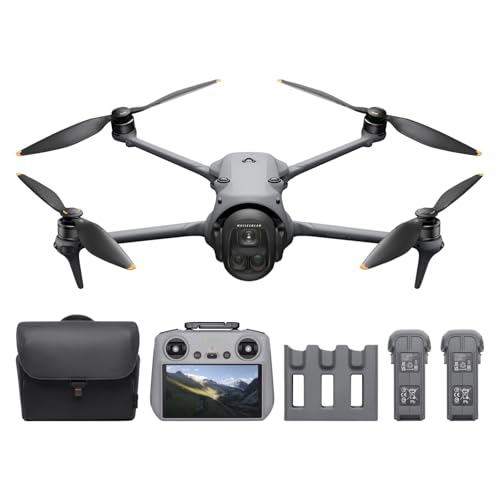
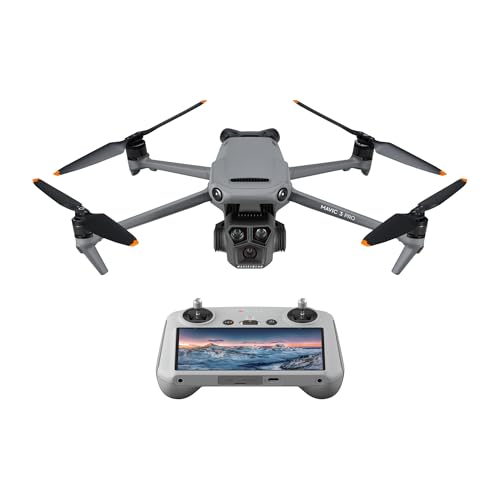
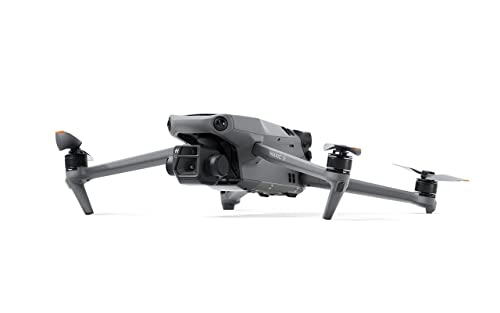
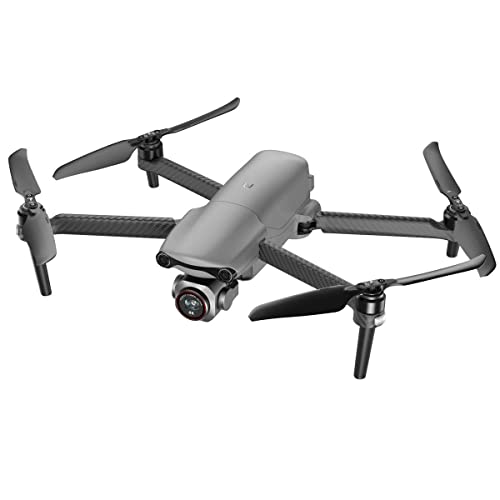
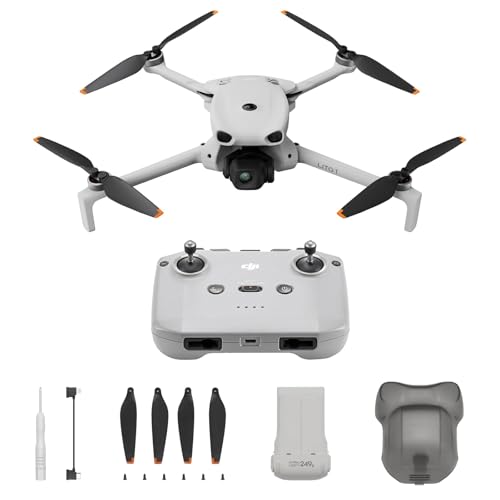
GPS on a drone provides location-based stabilization, navigation reference, and automated recovery support for safer and more predictable flights.
GPS functions on drones are the following:
- Position hold: GPS helps the drone maintain a fixed point when pilot input is neutral. This reduces drift and makes hovering easier for framing and inspection work.
- Return to Home: GPS enables automatic return logic when signal is lost, battery is low, or the pilot triggers it manually. This is one of the most useful safety functions in real outdoor use.
- Route consistency: GPS supports waypoint-based route repeatability on compatible systems. Repeated passes are useful for surveying, inspections, and controlled content capture.
- Tracking support: GPS contributes to steadier subject-follow behavior when tracking features are active. It helps maintain direction and smoother path correction in motion.
- Location metadata: GPS data can be tied to media or flight records in many ecosystems. This improves workflow traceability for professional and technical use cases.
How accurate is GPS positioning on drones?
GPS positioning on drones is usually accurate enough for stable hover control and reliable return behavior, but precision still depends on signal quality, environment, and sensor fusion.
GPS drone accuracy is typically strongest in open sky conditions, where many models hold horizontal position close to the 0.1-0.3 m class when specifications are available. Real-world accuracy degrades near buildings, trees, and reflective surfaces, so practical position error can widen during complex urban flying.
Professional and advanced models improve consistency by combining GNSS support, inertial sensing, and onboard control logic. Pilots should treat GPS as a stability tool rather than centimeter-level precision unless the platform includes dedicated high-precision positioning workflows.
What safety features do GPS drones support?
GPS drones support stronger safety coverage than basic non-GPS models because navigation data enables automated recovery logic and more stable control behavior.
Key safety features on GPS drones are the following:
- Return to Home: GPS-enabled models commonly include automatic return behavior on signal loss, low battery, or manual trigger. This is the core safety layer for reducing flyaway risk.
- Stable hover: Position hold reduces unplanned drift during pauses and framing corrections. Better hover stability gives pilots more time to react to unexpected obstacles.
- Geofencing support: Many ecosystems apply location limits and airspace warnings tied to GPS position. This helps reduce accidental flights in restricted zones.
- Obstacle detection: About four in ten GPS drones in this scope also include obstacle detection, usually in front-facing or multi-direction setups. This adds a second safety layer beyond pure navigation.
- Tracking control: GPS-assisted tracking can keep more predictable subject-follow routes. Safer tracking still requires clear airspace and conservative speed settings.
- Emergency handling: GPS data improves post-event traceability and can simplify recovery decisions after link instability. It is useful for both casual pilots and professional teams.