
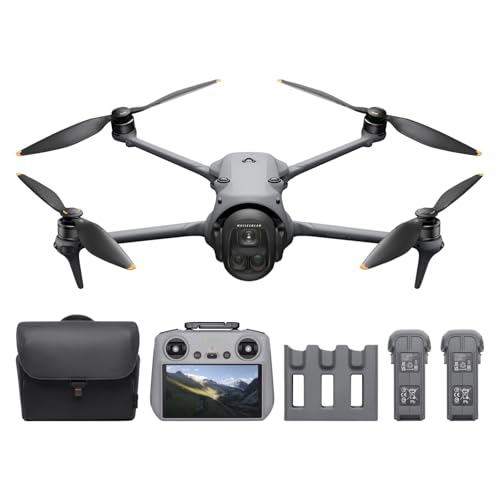
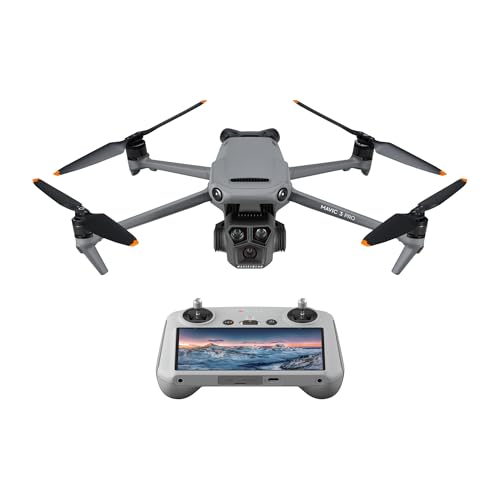
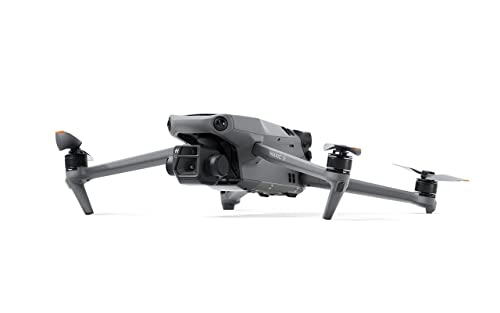
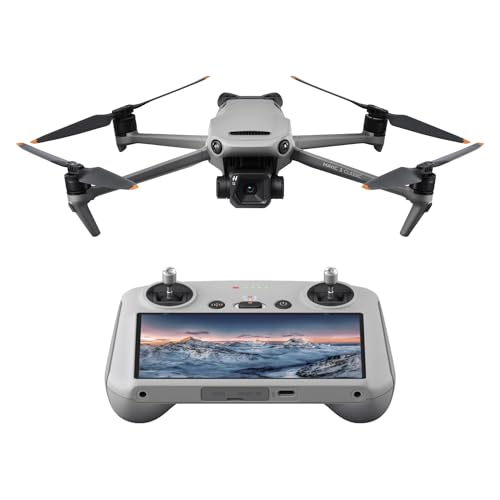
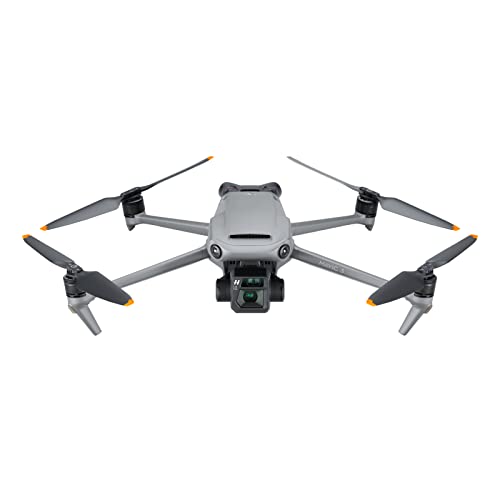
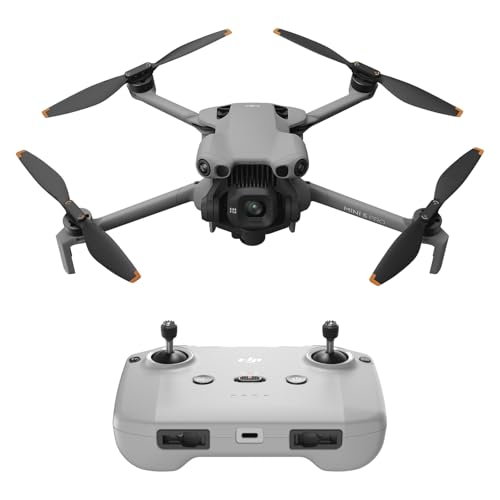
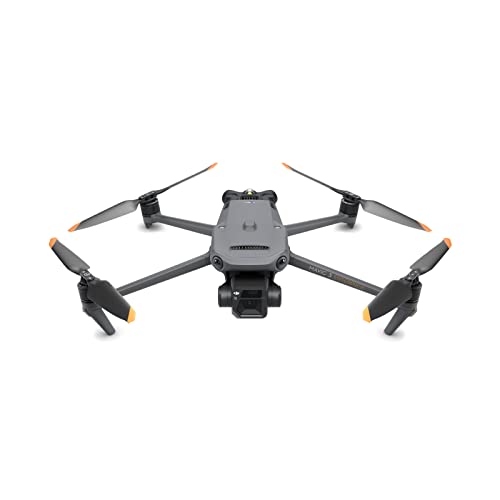
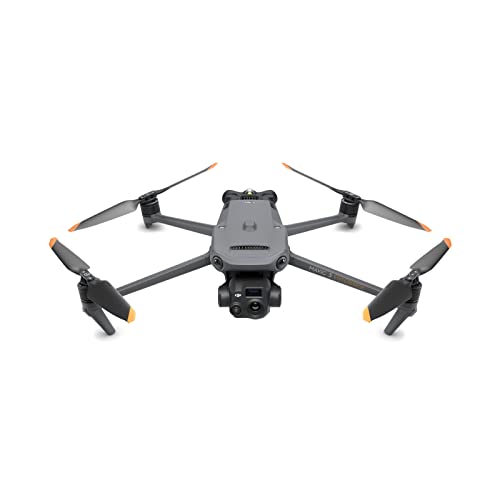
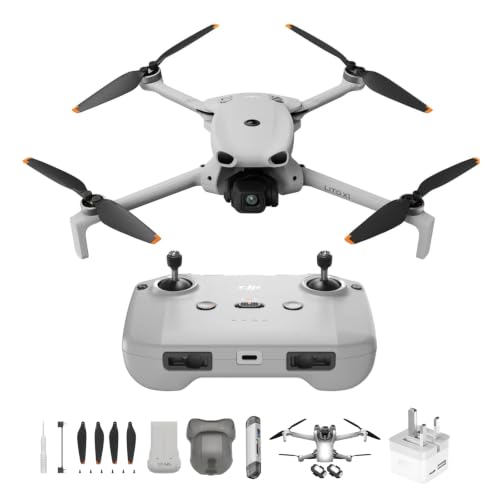
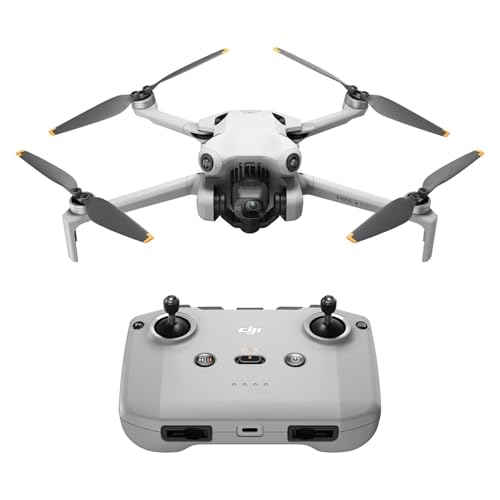
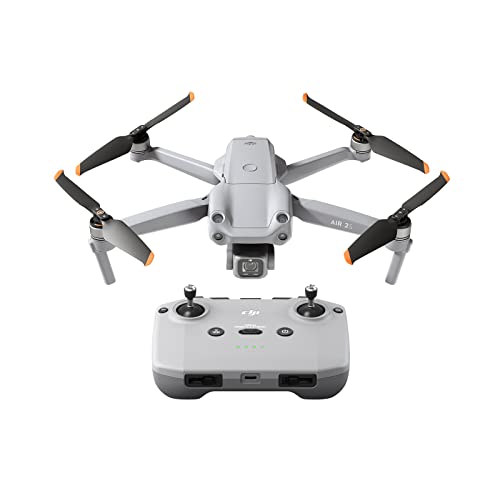
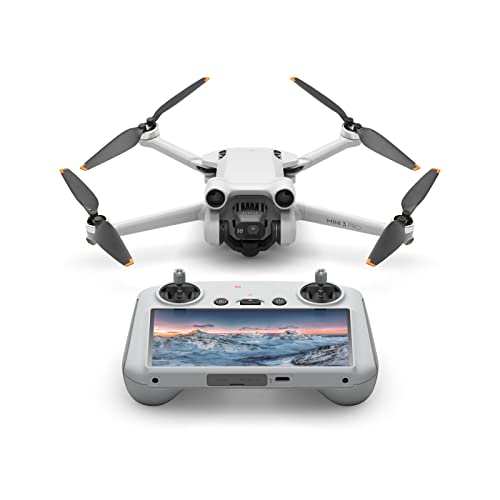
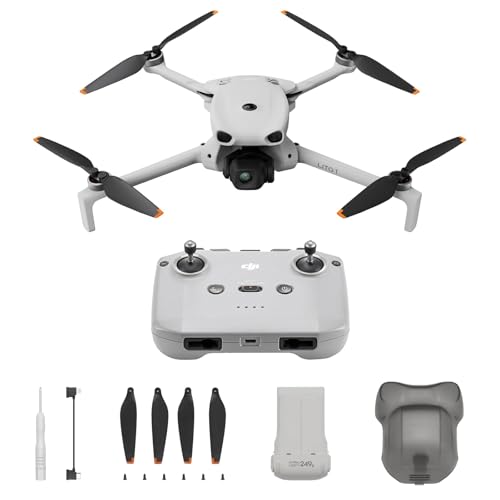
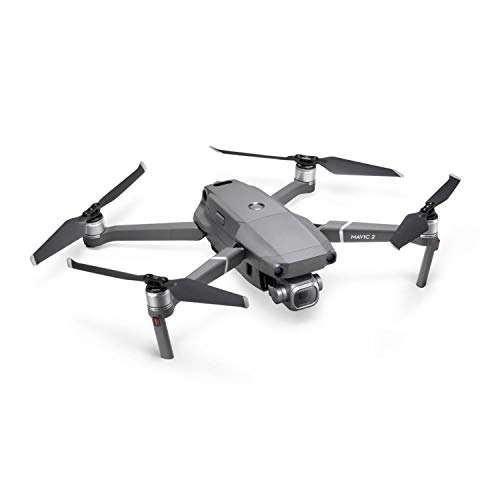
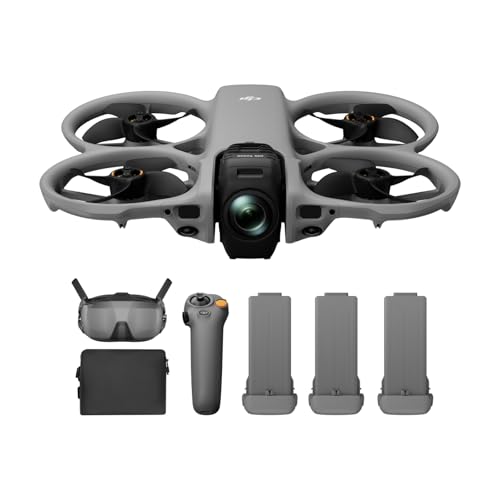
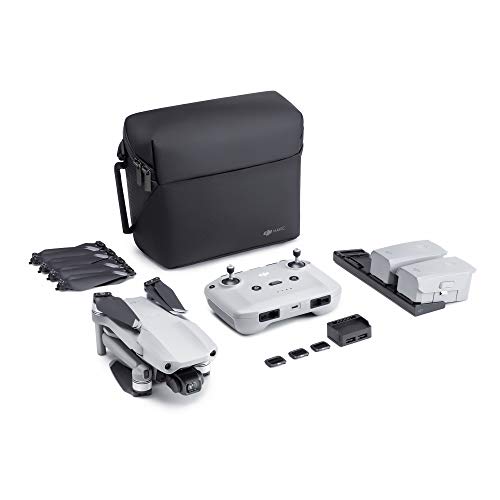
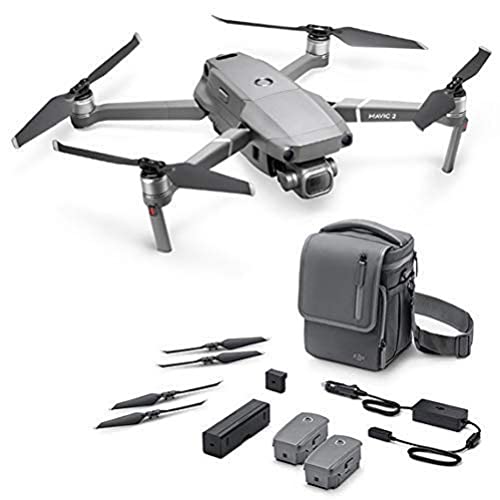
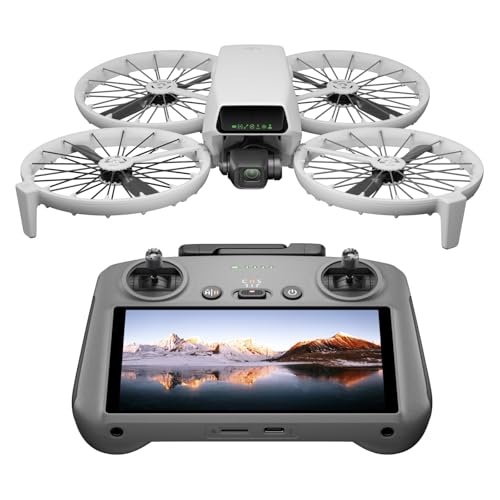
Are DJI drones with camera good?
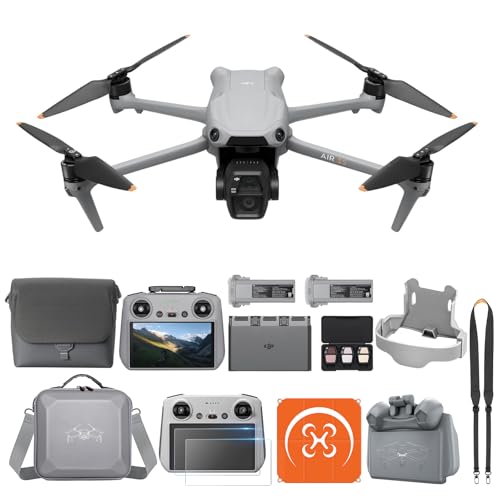
DJI drones with camera are good overall: they average 7.7 in overall score (rank #2 among 9 major drone brands with camera) and 9.4 in user ratings (rank #1).
DJI models with camera are usually strongest in flight stability, video consistency, and safety automation. Nearly all current options include GPS and Return to Home, and over three quarters include obstacle detection, which improves route recovery and reduces avoidable crash risk during filming.
Main tradeoffs are price spread and platform complexity. Entry models start around 200-£430, but high-end options climb well above £2,200, and heavier cinema or enterprise lines are not as practical for casual travel use.
DJI drones with camera are best for buyers who prioritize stable footage, dependable safety functions, and a broader upgrade path from travel drones to professional platforms.
The chart below ranks major drone brands with camera by average overall score.
[horizontal-chart-05716065715543413849120572647932710249010776778457]
What are the main advantages of DJI drones with camera?
The main advantages of DJI drones with camera are stronger image consistency, safer flight automation, and a broader feature stack across price levels:
- Video stability: Most DJI camera drones use 3-axis stabilization, which keeps footage smoother during turns, braking, and moderate wind. This improves clip usability without heavy post-processing.
- Safety systems: GPS and Return to Home are standard on almost all models, and obstacle detection is available on most mid-range and premium lines. That combination reduces navigation errors and helps protect the drone during automated shots.
- Camera range: The lineup runs from practical 4K travel models up to higher-end 5K or 6K options with higher bitrate profiles. Buyers can scale image quality without leaving the same ecosystem.
- Transmission quality: Many stronger DJI models offer about 10-30 km maximum transmission distance. This gives more reliable signal behavior in open environments than entry-level short-range systems.
- Ecosystem maturity: DJI has a deep accessory, battery, controller, and app stack across generations. That lowers friction when upgrading or adding backup gear.
What are the main disadvantages of DJI drones with camera?
The main disadvantages of DJI drones with camera are higher pricing, bigger gaps between entry and pro models, and extra system cost after purchase:
- Price ladder: DJI starts around £170, but many well-equipped camera models are in the 700-£2,200 range and premium lines go much higher. That makes occasional-use buying harder to justify.
- Accessory cost: Real usage usually requires extra batteries, ND filters, and often a better controller or storage media. Total ownership cost can rise quickly beyond the base drone price.
- Weight tradeoffs: Ultra-portable options exist, but higher-end camera platforms are often much heavier. Added weight affects travel convenience and can tighten legal and operational limits.
- Complexity: Advanced modes, transmission options, and safety settings are powerful but can feel dense for first-time pilots. New users often need setup time before they get consistent filming results.
- Repair risk: Camera gimbals and obstacle systems add precision but also increase replacement cost after hard impacts. Insurance or care plans become more relevant on expensive models.
What camera quality can you expect from DJI drones?
The camera quality you can expect from DJI drones is generally high, with solid stabilization and a clear step-up from entry travel models to creator and enterprise lines.
Most DJI camera drones deliver 4K capture, with upper tiers moving into 5K or 6K modes and higher bitrate recording for heavier post-production. Main camera resolution in this scope spans roughly 12-100 MP, so final image quality depends more on sensor, lens, and processing than on megapixels alone.
Camera quality differences are driven by the following factors:
- Stabilization: 3-axis gimbals are the main reason DJI footage stays usable during directional changes and moderate gusts. Lighter single-axis or electronic-only setups are less consistent for cinematic motion.
- Video pipeline: Better models combine higher bitrate recording with stronger codecs and wider color profiles. This preserves detail and grading headroom in complex scenes such as water, foliage, or sunset contrast.
- Sensor and optics: Sensor size and lens quality control dynamic range, low-light behavior, and edge sharpness more than headline megapixel count. A balanced sensor-lens pair usually beats high MP alone.
- Flight control support: Reliable hover, smooth braking, and accurate GPS positioning improve framing consistency before editing. Strong control behavior directly raises practical camera output quality.
How much do DJI drones with camera cost?
The best DJI drones with camera cost about 300-£2,200, while the wider DJI camera range runs from about £170 to £5,800.
Around 200-£600 you mainly get lighter travel models with 2.7K to 4K output and simpler sensor stacks. Around 700-£1,800 is the strongest value band for buyers who want better stabilization, stronger transmission, and more dependable obstacle support. Above £2,200, pricing is usually tied to larger airframes, higher-end camera pipelines, and professional workflow features.
Price differences are driven most by camera system depth, transmission reliability, wind handling, and safety coverage rather than by megapixels alone. The best value strategy is to set your filming goal first, then buy in the lowest price band that reliably meets that target.
What should you consider while choosing DJI drones with camera?
You should choose a DJI drone with camera by matching camera goals, flight limits, safety stack, and budget to your real filming workflow.
- Camera level: Start by setting a minimum video target such as stable 4K, then decide if you really need 5K or 6K capture. Main camera options in this scope span roughly 12-100 MP, but sensor and bitrate quality usually matter more than raw MP for grading and detail retention.
- Flight time: Look for at least about 30-40 minutes of advertised max flight time if you want practical sessions with fewer battery swaps. In real filming, usable time is lower than headline specs, so extra runtime improves shot planning and safety margin.
- Transmission range: For open-area filming, models in roughly the 10-20 km class usually give a stronger reliability buffer than short-range systems. Longer-range platforms up to around 30 km are useful when local rules and terrain demand more stable signal headroom.
- Wind handling: For outdoor consistency, prioritize models rated around 10-12 m/s max wind resistance. Stronger wind tolerance reduces gimbal correction load and keeps framing more predictable in exposed locations.
- Safety stack: Confirm GPS and Return to Home as baseline, then check obstacle detection coverage if you film near structures or trees. In this DJI camera scope, obstacle detection is present on over three quarters of models, so it is a practical differentiator.
- Weight class: Weight affects both travel convenience and operational constraints, so choose this before comparing fine specs. Sub-250 g models are easier to carry, while larger platforms can deliver stronger camera and wind performance at the cost of portability.
- Budget: A realistic split is about 200-£600 for entry travel use, 700-£1,800 for stronger all-round value, and 2100-£5,800 for high-end camera and enterprise capabilities. Set the budget last after technical needs are clear, so you avoid paying for features you will not use.