Scored using Drones Methodology v2.0
Drones Methodology v2.0
Mathematical & Unbiased Scoring
Products in this category are scored under Frontumo Drones Methodology v2.0: technical specifications plus grades from 1,110 independent expert reviews and 2,622 video reviews, with 0% commercial bias.
Explore Drones Methodology v2.0

DJI Lito X1 Review | 97 Data compared

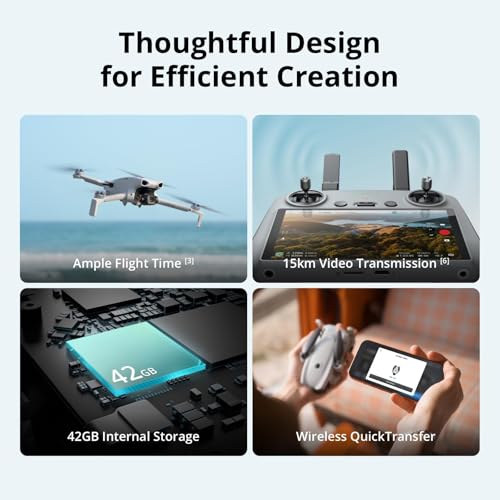
Avg. price:~£370Max flight time:36 minVideo resolution:4K/100 fpsMax transmission distance:15 km

DJI Lito X1 Review: Compare 97 technical specifications and 38 expert and video reviews to see how this product ranks in the Drones category and whether it is worth buying.

8.3

Overall score

Score
8.3/ 10
✕
What it is
An overall evaluation of the drone's quality, based on technical analyses and grades from independent expert reviews.
When it matters
When you need a quick reference to identify the best drones on the market.
Score distribution
▼
<55-66-77-88-99-10
Score components

75%

8.4

Technical Score

25%

8.1

Review score ( 8 · 30)

Based on 8 expert reviews and 30 video reviews
Experts count the full 25% of the overall score, because this model has at least 3 full tests. The technical score makes up the other 75%. A video review counts half as much as a written full test.
★Better than 91% of drones
8.4

Technical Score

Technical score
8.4/ 10
✕
What it is
An assessment of the drone's technical performance, covering key areas such as flight performance, camera quality, transmission, safety features, battery life, and design.
When it matters
When you want to compare drones based on technical performance and available features.
Score distribution
▼
<55-66-77-88-99-10
Score components

26%

9.2

Flight

24%

8.0

Camera

20%

8.3

Safety

16%

8.8

Connectivity

14%

7.5

Battery & Design

★Better than 91% of drones
8.1

Review score

Review score
8.1/ 10
✕
What it is
Average grade from independent test sites, magazines and video reviewers, 1–10.
How we count it
Grades: Each review's own score is converted to 1–10; without one, we grade the review ourselves.
Weighting: Big test sites count more, first looks half as much as full tests. A video review counts half.
Share: The review score is 25% of the overall score with 3+ full tests, less with fewer.
Score distribution
▼
<55-66-77-88-99-10
Grades by review (38)
8 reviews: 5 with a printed score, 3 estimated from the review. 30 video reviews, each counting half as much as a written test. Share in this model’s overall score: 25%.
Text reviews 2
✓ explicit
2
Video reviews 10
estimated from the review
Shop star ratings are not part of this score.
▲Better than 89% of drones
  • dji-lito-x1
  • dji-lito-x1
  • dji-lito-x1
  • dji-lito-x1
  • dji-lito-x1
  • dji-lito-x1
  • dji-lito-x1
  • dji-lito-x1
  • dji-lito-x1
dji-lito-x1
dji-lito-x1
dji-lito-x1
dji-lito-x1
dji-lito-x1
dji-lito-x1
dji-lito-x1
dji-lito-x1
dji-lito-x1

Best prices

*As an Amazon Associate, we earn from qualifying purchases.
Loading...
Loading category ranking...

Technical Specifications of drone DJI Lito X1

Technical Score
Technical score
8.4/ 10
✕
What it is
An assessment of the drone's technical performance, covering key areas such as flight performance, camera quality, transmission, safety features, battery life, and design.
When it matters
When you want to compare drones based on technical performance and available features.
Score distribution
▼
<55-66-77-88-99-10
Score components:

26%

9.2

Flight

24%

8.0

Camera

20%

8.3

Safety

16%

8.8

Connectivity

14%

7.5

Battery & Design

8.4
Review score
Review score
8.1/ 10
✕
What it is
Average grade from independent test sites, magazines and video reviewers, 1–10.
How we count it
Grades: Each review's own score is converted to 1–10; without one, we grade the review ourselves.
Weighting: Big test sites count more, first looks half as much as full tests. A video review counts half.
Share: The review score is 25% of the overall score with 3+ full tests, less with fewer.
Score distribution
▼
<55-66-77-88-99-10
Grades by review (38)
8 reviews: 5 with a printed score, 3 estimated from the review. 30 video reviews, each counting half as much as a written test. Share in this model’s overall score: 25%.
Text reviews 2
✓ explicit
2
Video reviews 10
estimated from the review
Shop star ratings are not part of this score.
8.1
Popularity
Popularity
9.3/ 10
✕
What it is
An indicator based on the number of reviews received by the drone.
When it matters
When you prefer to choose a drone reviewed and selected by many other buyers.
Score distribution
▼
<55-66-77-88-99-10
Popularity:
DJI Lito X1 has a popularity score of 9.3 points, which is higher than that of 79.7% of products in this category.
9.3
Ratio quality/price
Value for money
8.4/ 10
✕
What it is
An indicator that combines the drone's overall rating with its cost.
When it matters
When you are looking for a drone with a good balance between flight quality, camera features, and price.
Score distribution
▼
<55-66-77-88-99-10
Score components:

60%

8.3

Overall score

40%

8.6

Price

8.4
Max flight time
36 min
Max flight time
36 min
This drone has a max flight time of 36 min, longer than 83.5% of drones and equal to 1% of drones.
Max flight distance
21 km
Max flight distance
21 km
This drone has a max flight distance of 21 km, farther than 88.4% of drones and equal to 0.6% of drones.
Max flight speed
18 m/s
Max flight speed
18 m/s
This drone has a max flight speed of 18 m/s, faster than 68.4% of drones and equal to 8.2% of drones.
Max wind resistance
10.7 m/s
Max wind resistance
10.7 m/s
This drone has max wind resistance of 10.7 m/s, higher than 48.9% of drones and equal to 23.7% of drones.
Max service ceiling (ASL)
4,500 m
Max service ceiling (ASL)
4,500 m
This drone has a max service ceiling of 4,500 m, higher than 64.9% of drones and equal to 2.2% of drones.
Show more
Video resolution
4K/100 fps
Video resolution
4K/100 fps
This drone records video at 4K/100 fps, higher than 86.1% of drones and equal to 3.5% of drones.
4K camera
yes
4K camera
yes
This drone supports 4K video. 46% of drones support 4K video.
Sensor size
1/1.3"
Sensor size
1/1.3"
This drone has a sensor size of 1/1.3", larger than 67.6% of drones and equal to 10.2% of drones.
Main camera megapixels
48 MP
Main camera megapixels
48 MP
This drone has a main camera resolution of 48 MP, higher than 76% of drones and equal to 18% of drones.
Max movie bitrate
130 Mbps
Max movie bitrate
130 Mbps
This drone has a max movie bitrate of 130 Mbps, higher than 73.7% of drones and equal to 6.6% of drones.
Show more
Obstacle detection
yes
Obstacle detection
yes
This drone supports obstacle detection. 69.5% of drones support obstacle detection.
Return to Home (RTH)
yes
Return to Home (RTH)
yes
This drone supports Return-to-Home (RTH). 33% of drones support Return-to-Home (RTH).
GPS
yes
GPS
yes
This drone supports GPS. 35.3% of drones support GPS.
GNSS systems supported
GPS, Galileo, BeiDou
GNSS systems supported
GPS, Galileo, BeiDou
This drone supports GPS, Galileo, BeiDou GNSS systems, which are more comprehensive than those of 73.4% and the same as those of 8.5%.
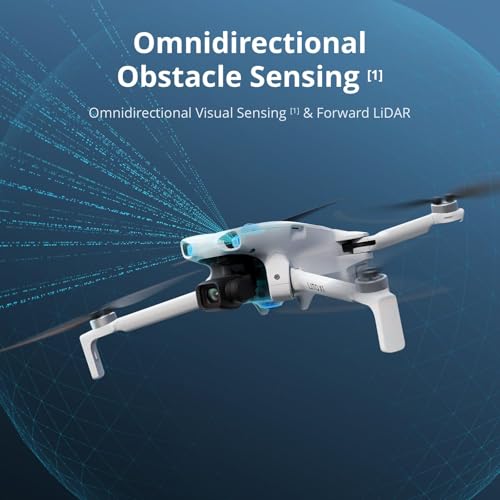
Obstacle sensing directions
omnidirectional
Obstacle sensing directions
omnidirectional
This drone senses obstacles in omnidirectional directions, which is more comprehensive than that of 83.4% and the same as that of 16.6%.
Show more
Max transmission distance
15 km
Max transmission distance
15 km
This drone has a max transmission distance of 15 km, farther than 89.3% of drones and equal to 5.6% of drones.
Transmission latency
120 ms
Transmission latency
120 ms
This drone has transmission latency of 120 ms, lower than 59.2% of drones and equal to 28.2% of drones.
Video transmission system
O4
Video transmission system
O4
This drone uses O4 for video transmission, which is more advanced than the system used by 92.3% and the same as that used by 6.7%.
Live view quality
1080p@60 fps
Live view quality
1080p@60 fps
This drone offers live view quality of 1080p@60 fps, higher-quality than 80.2% of drones and equal to 12.5% of drones.
Remote control
yes
Remote control
yes
This drone has a handheld remote controller. 5% of drones offer this.
Show more
Battery capacity
2,590 mAh
Battery capacity
2,590 mAh
This drone has a battery capacity of 2,590 mAh, larger than 65.3% of drones and equal to 1% of drones.
Battery energy
18.96 Wh
Battery energy
18.96 Wh
This drone has battery energy of 18.96 Wh, higher than 57.7% of drones and equal to 1.2% of drones.
Charging time
73 min
Charging time
73 min
This drone charges in 73 min, faster than 73.1% of drones and equal to 0.6% of drones.
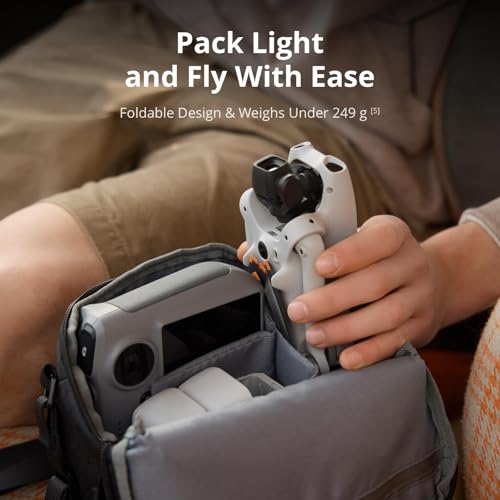
Weight
249 g
Weight
249 g
This drone weighs 249 g, heavier than 51% of drones and equal to 11.3% of drones.
Removable battery
yes
Removable battery
yes
This drone has a removable battery. 0.5% of drones have a removable battery.
Show more

DJI Lito X1 vs the average drone

246810TotalFlightCameraSafetyConnectivityBattery & Design
  • 20 km longer flight distance
    Max flight distance
    21 km
    This drone has a longer max flight distance than the average drone (21 km vs 1 km). The average drone can fly up to 1 km.
    21 km vs 1 km
  • 16 min longer flight time
    Max flight time
    36 min
    This drone offers longer max flight time than the average drone (36 min vs 20 min). The average drone offers 20 min of max flight time.
    36 min vs 20 min
  • 14 km longer transmission range
    Max transmission distance
    15 km
    This drone has a longer max transmission distance than the average drone (15 km vs 1 km). The average drone reaches 1 km of transmission distance.
    15 km vs 1 km
  • Supports obstacle detection
    Obstacle detection
    yes
    This drone supports obstacle detection, while the average drone does not.
  • 3 more gimbal axes
    Gimbal axes
    3
    This drone has more gimbal axes than the average drone (3 vs 0). The average drone has 0 gimbal axes.
    3 vs 0
  • Supports low-light mode
    Low light mode
    yes
    This drone supports low-light mode, while the average drone does not.
  • Larger sensor size
    Sensor size
    1/1.3"
    This drone has a larger sensor than the average drone (1/1.3" vs 1/2.3"). The average drone uses a sensor of 1/2.3".
    1/1.3" vs 1/2.3"
  • More color profile options
    Color profiles
    Normal, D-Log M
    This drone supports Normal, D-Log M color profiles, while the average drone supports Normal.
    Normal, D-Log M vs Normal
  • 19.7% better value for money
    DJI Lito X1 has better value for money than the average drone (8.41 vs 7).
    8.41 vs 7.03
  • 20 km longer flight distance
    Max flight distance
    21 km
    This drone has a longer max flight distance than the average drone (21 km vs 1 km). The average drone can fly up to 1 km.
    21 km vs 1 km
  • 16 min longer flight time
    Max flight time
    36 min
    This drone offers longer max flight time than the average drone (36 min vs 20 min). The average drone offers 20 min of max flight time.
    36 min vs 20 min
  • 3 m/s faster flight speed
    Max flight speed
    18 m/s
    This drone reaches a higher max flight speed than the average drone (18 m/s vs 15 m/s). The average drone reaches 15 m/s.
    18 m/s vs 15 m/s
  • 3 m/s faster descent speed
    Max descent speed
    7 m/s
    This drone descends faster than the average drone (7 m/s vs 4 m/s). The average drone descends at 4 m/s.
    7 m/s vs 4 m/s
  • 2 m/s faster ascent speed
    Max ascent speed
    7 m/s
    This drone climbs faster than the average drone (7 m/s vs 5 m/s). The average drone climbs at 5 m/s.
    7 m/s vs 5 m/s
  • 3 years newer release date
    Release date
    2026
    This drone is newer than the average drone (2026 vs 2023). The average drone was released in 2023.
    2026 vs 2023
  • 1,000 m higher service ceiling
    Max service ceiling (ASL)
    4,500 m
    This drone can fly at a higher max service ceiling than the average drone (4500 m vs 3500 m). The average drone reaches 3500 m.
    4,500 m vs 3,500 m
  • 3 more gimbal axes
    Gimbal axes
    3
    This drone has more gimbal axes than the average drone (3 vs 0). The average drone has 0 gimbal axes.
    3 vs 0
  • Supports low-light mode
    Low light mode
    yes
    This drone supports low-light mode, while the average drone does not.
  • Larger sensor size
    Sensor size
    1/1.3"
    This drone has a larger sensor than the average drone (1/1.3" vs 1/2.3"). The average drone uses a sensor of 1/2.3".
    1/1.3" vs 1/2.3"
  • More color profile options
    Color profiles
    Normal, D-Log M
    This drone supports Normal, D-Log M color profiles, while the average drone supports Normal.
    Normal, D-Log M vs Normal
  • More video codec options
    Video codecs supported
    H.264/AVC, H.265/HEVC
    This drone supports H.264/AVC, H.265/HEVC video codecs, while the average drone supports H.264/AVC.
    H.264/AVC, H.265/HEVC vs H.264/AVC
  • 30 Mbps higher video bitrate
    Max movie bitrate
    130 Mbps
    This drone supports a higher maximum video bitrate than the average drone (130 Mbps vs 100 Mbps). The average drone supports a maximum video bitrate of 100 Mbps.
    130 Mbps vs 100 Mbps
  • Captures RAW photos
    RAW photo capture
    yes
    This drone can capture RAW photos, while the average drone cannot.
  • More advanced stabilization
    Image stabilization type
    3-Axis Mechanical
    This drone uses 3-Axis Mechanical image stabilization, while the average drone uses EIS (Digital).
    3-Axis Mechanical vs EIS (Digital)
  • Richer manual controls
    Manual camera controls
    full
    This drone offers full manual camera controls, while the average drone offers no.
    full vs no
  • 42 GB more internal storage
    Internal storage
    42 GB
    This drone has more internal storage than the average drone (42 GB vs 0 GB). The average drone has 0 GB of internal storage.
    42 GB vs 0 GB
  • Supports slow-motion mode
    Slow-motion mode
    yes
    This drone supports slow-motion mode, while the average drone does not.
  • 36 MP more camera resolution
    Main camera megapixels
    48 MP
    This drone has more main camera megapixels than the average drone (48 MP vs 12 MP). The average drone has 12 MP on the main camera.
    48 MP vs 12 MP
  • Wider aperture
    Aperture
    f/1.7
    This drone has a wider aperture than the average drone (f/1.7 vs f/2). The average drone uses an aperture of f/2.
    f/1.7 vs f/2
  • Supports HDR mode
    HDR mode
    yes
    This drone supports HDR mode, while the average drone does not.
  • More capable focus system
    Focus system
    autofocus
    This drone uses autofocus for focusing, while the average drone uses fixed focus.
    autofocus vs fixed focus
  • Higher photo resolution
    Photo resolution
    8064 x 6048 px
    This drone offers higher photo resolution than the average drone (8064x6048 px vs 4096x3072 px). The average drone offers a photo resolution of 4096x3072 px.
    8064x6048 px vs 4096x3072 px
  • Supports burst mode
    Burst mode
    yes
    This drone supports burst mode, while the average drone does not.
  • Wider tilt range
    Camera tilt range
    -90 to 40 °
    This drone has a wider tilt range than the average drone (-90 to 40 ° vs -90 to 20 °).
    -90 to 40 ° vs -90 to 20 °
  • Supports panorama mode
    Panorama mode
    yes
    This drone supports panorama mode, while the average drone does not.
  • 872 GB higher memory card limit
    Max external memory supported
    1,000 GB
    This drone supports more external storage than the average drone (1000 GB vs 128 GB). The average drone supports up to 128 GB of external storage.
    1,000 GB vs 128 GB
  • 6,400 ISO higher max ISO
    Max ISO
    12,800 ISO
    This drone reaches a higher max ISO than the average drone (12800 ISO vs 6400 ISO). The average drone reaches 6400 ISO.
    12,800 ISO vs 6,400 ISO
  • Supports obstacle detection
    Obstacle detection
    yes
    This drone supports obstacle detection, while the average drone does not.
  • Supports QuickShots
    QuickShots
    yes
    This drone supports QuickShots, while the average drone does not.
  • Remote ID
    Remote ID
    yes
    This drone supports Remote ID, while the average drone does not.
  • Less restrictive EU class
    EU class marking
    C0
    This drone is rated as C0 under the EU drone class system, while the average drone is rated as None.
    C0 vs None
  • 2 more flight modes
    N. of intelligent flight modes
    6
    This drone offers more intelligent flight modes than the average drone (6 vs 4). The average drone offers 4 intelligent flight modes.
    6 vs 4
  • 0.4 m tighter hover accuracy
    Hover accuracy (horizontal)
    0.1 m
    This drone has better vertical hover accuracy than the average drone (0.1 m vs 0.5 m). The average drone has vertical hover accuracy of 0.5 m.
    0.1 m vs 0.5 m
  • 14 km longer transmission range
    Max transmission distance
    15 km
    This drone has a longer max transmission distance than the average drone (15 km vs 1 km). The average drone reaches 1 km of transmission distance.
    15 km vs 1 km
  • More polished companion app
    Companion app
    DJI Fly
    This drone uses the DJI Fly companion app, while the average drone uses HS FPV.
    DJI Fly vs HS FPV
  • More frequency bands
    Operating frequency bands
    2.4 GHz, 5.2 GHz, 5.8 GHz
    This drone supports 2.4 GHz, 5.2 GHz, 5.8 GHz operating frequency bands, while the average drone supports 2.4 GHz, 5.8 GHz.
    2.4 GHz, 5.2 GHz, 5.8 GHz vs 2.4 GHz, 5.8 GHz
  • Better live view quality
    Live view quality
    1080p@60 fps
    This drone has better live view quality than the average drone (1080p@60 fps vs 1080p@25 fps). The average drone offers live view quality of 1080p@25 fps.
    1080p@60 fps vs 1080p@25 fps
  • More capable transmission system
    Video transmission system
    O4
    This drone uses O4 for video transmission, while the average drone uses SkyLink 2.0.
    O4 vs SkyLink 2.0
  • 10 ms lower latency
    Transmission latency
    120 ms
    This drone has lower transmission latency than the average drone (120 ms vs 130 ms). The average drone has transmission latency of 130 ms.
    120 ms vs 130 ms
  • More modern charging port
    Charging interface
    USB-C
    This drone uses USB-C for charging, while the average drone uses micro-USB.
    USB-C vs micro-USB
  • 17 min shorter charging time
    Charging time
    73 min
    This drone charges faster than the average drone (73 min vs 90 min). The average drone charges in 90 min.
    73 min vs 90 min
  • 92 mm shorter body length
    Length
    183 mm
    This drone is shorter than the average drone (183 mm vs 275 mm). The average drone is 275 mm long.
    183 mm vs 275 mm
  • 390 mAh more battery capacity
    Battery capacity
    2,590 mAh
    This drone has a larger battery capacity than the average drone (2590 mAh vs 2200 mAh). The average drone battery has a capacity of 2200 mAh.
    2,590 mAh vs 2,200 mAh
  • Fewer GNSS systems
    GNSS systems supported
    GPS, Galileo, BeiDou
    This drone supports GPS, Galileo, BeiDou GNSS systems, while the average drone supports GPS, GLONASS, Galileo, BeiDou.
    GPS, Galileo, BeiDou vs GPS, GLONASS, Galileo, BeiDou
  • No headless mode
    Headless mode
    no
    This drone does not support headless mode, while the average drone does.
  • 1.2% higher weight
    Weight
    249 g
    This drone is heavier than the average drone (249 g vs 246 g). The average drone weighs 246 g.
    249 g vs 246 g
  • 16.5 mm taller body height
    Height
    79 mm
    This drone is taller than the average drone (79 mm vs 62.5 mm). The average drone is 62.5 mm tall.
    79 mm vs 62.5 mm
  • 7.9 ° narrower field of view
    Field of view
    82.1 °
    This drone has a narrower field of view than the average drone (82.1 ° vs 90 °). The average drone has a field of view of 90 °.
    82.1 ° vs 90 °
  • 85% more expensive
    DJI Lito X1 is more expensive than the average drone (£370 vs £200).
    £370 vs £200
  • 0.5 m/s slower tracking speed
    Max subject tracking speed
    12 m/s
    This drone can track subjects at a lower speed than the average drone (12 m/s vs 12.5 m/s). The average drone tracks subjects at 12.5 m/s.
    12 m/s vs 12.5 m/s
  • More basic controller
    Controller model
    RC-N3
    This drone uses the RC-N3 controller, while the average drone uses LiteRadio 4 SE.
    RC-N3 vs LiteRadio 4 SE
  • 85% more expensive
    DJI Lito X1 is more expensive than the average drone (£370 vs £200).
    £370 vs £200
  • 7.9 ° narrower field of view
    Field of view
    82.1 °
    This drone has a narrower field of view than the average drone (82.1 ° vs 90 °). The average drone has a field of view of 90 °.
    82.1 ° vs 90 °
  • Fewer GNSS systems
    GNSS systems supported
    GPS, Galileo, BeiDou
    This drone supports GPS, Galileo, BeiDou GNSS systems, while the average drone supports GPS, GLONASS, Galileo, BeiDou.
    GPS, Galileo, BeiDou vs GPS, GLONASS, Galileo, BeiDou
  • No headless mode
    Headless mode
    no
    This drone does not support headless mode, while the average drone does.
  • 0.5 m/s slower tracking speed
    Max subject tracking speed
    12 m/s
    This drone can track subjects at a lower speed than the average drone (12 m/s vs 12.5 m/s). The average drone tracks subjects at 12.5 m/s.
    12 m/s vs 12.5 m/s
  • More basic controller
    Controller model
    RC-N3
    This drone uses the RC-N3 controller, while the average drone uses LiteRadio 4 SE.
    RC-N3 vs LiteRadio 4 SE
  • 1.2% higher weight
    Weight
    249 g
    This drone is heavier than the average drone (249 g vs 246 g). The average drone weighs 246 g.
    249 g vs 246 g
  • 16.5 mm taller body height
    Height
    79 mm
    This drone is taller than the average drone (79 mm vs 62.5 mm). The average drone is 62.5 mm tall.
    79 mm vs 62.5 mm

Video reviews

Hands-on testing, unboxing, and real-world video evaluations

8.0
Stewart and Alina
≈ estimated
05/05/2026
Hands-on review · camera, flight performance and value
Verdict
DJI Lito X1 has few drawbacks for the price, but it is skittish in strong wind and lacks true vertical shooting.
8.0
MW Technology
≈ estimated
26/04/2026
Hands-on tracking test · person, bike and car following
Verdict
DJI Lito X1 is a capable tracker with strong obstacle avoidance, and it is safe to fly.
8.0
Justin Bainbridge
≈ estimated
23/04/2026
Hands-on review · Lito 1 and X1 for beginners
Verdict
DJI Lito X1 is a good beginner drone with solid flight and video, and the X1 is the better pick for its camera and LiDAR.
8.0
CAPTAIN DRONE
≈ estimated
23/04/2026
Hands-on review · December flights and beta firmware issues
Verdict
DJI Lito X1 is a very good quad, nearly market-ready, though beta firmware caused connection problems.
8.0
YugaTech
≈ estimated
10/08/2026
Hands-on review · Lito 1 and X1 compared for beginners
Verdict
DJI Lito X1 suits beginners well, and the X1 is the better pick for night flying, LiDAR and image quality.
8.0
James Afante
≈ estimated
02/06/2026
First impressions · unboxing and feature overview
Verdict
The DJI Lito X1 suits beginners and pros and packs strong features into a small body, likely making it a top seller.
9.0
MrBlack
≈ estimated
11/05/2026
Comparison with Lito 1 · verdict on the X1 for beginners
Verdict
DJI Lito X1 is a strong first drone, especially in the bundle, unless your budget is tight.
8.0
Kai W
≈ estimated
23/04/2026
First look · features and suitability for beginners
Verdict
DJI Lito X1 is a clear step up for beginners wanting better footage, and this tiny drone won't disappoint.
8.0
Mihail Svilenov
≈ estimated
23/04/2026
Feature overview · flight modes and camera explained
Verdict
DJI Lito X1 is a strong beginner drone and a strong drone overall, and most new flyers won't need more.
9.0
GAVINHR
≈ estimated
23/04/2026
Hands-on review · wind, low-light and tracking tests
Verdict
The DJI Lito X1 offers good value and excellent footage, though its LiDAR sensor over-reacts.

Expert reviews

In-depth analysis and verdict from leading tech publications

10
amateurphotographer.com
✓ explicit
22/07/2026
Hands-on test · First drone
Verdict
The DJI Lito X1 is an excellent first drone with sharp 4K footage and room to grow, though real flights ran about 25 minutes.
10
trustedreviews.com
✓ explicit
23/04/2026
Field test · Beginner drone
Verdict
The DJI Lito X1 is the better of the two Lito beginner drones, with a bigger sensor and LiDAR, but vertical video and zoom are weak.
8.6
chip.de
✓ explicit
02/06/2026
Lab test · Field comparison
Verdict
The DJI Lito X1 gives sharp, low-noise images in daylight and dim light, but flight time is short and vertical clips are only 2.7K.
8.0
drohnen.de
≈ estimated
Not Dated
Overview · Feature rundown
Verdict
The DJI Lito X1 suits beginners who want better images in tricky light and extra safety, while staying below the Mini Pro and Air models.
8.0
outdoormonster.de
✓ explicit
16/05/2026
Field test · C0-class drone
Verdict
The DJI Lito X1 brings D-Log M and LiDAR to the C0 class, though it flies 28 real minutes and lacks native vertical 4K.
9.0
smartworld.it
≈ estimated
24/04/2026
Field test · Obstacle avoidance
Verdict
The DJI Lito X1 is very hard to crash thanks to its forward LiDAR, which steered it around every branch in testing.
8.3
giulianodipaolo.com
✓ explicit
23/07/2026
Hands-on test · Compact drone
Verdict
The DJI Lito X1 is a pocket-sized drone whose LiDAR makes flying near trees and buildings safer, though vertical video loses much detail.

Third-party reviews

What we like about DJI Lito X1

  • Larger 1/1.3-inch 48 MP sensor with f/1.7 lens for cleaner low-light footage than the Lito 1
  • D-Log M colour profile and HDR video give real room for colour grading
  • 42 GB of internal storage as a backup when no microSD card is inserted
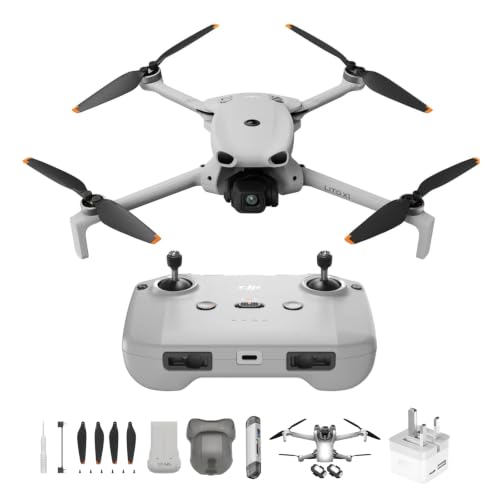
  • Omnidirectional obstacle sensing and ActiveTrack in a 249 g C0-class body
  • O4 transmission up to 15 km and up to 36 minutes of flight per battery
  • 4K video at up to 100 fps and 130 Mbps on a three-axis gimbal

What we don't like about DJI Lito X1

  • Clearly more expensive than the Lito 1 for the same body and flight performance
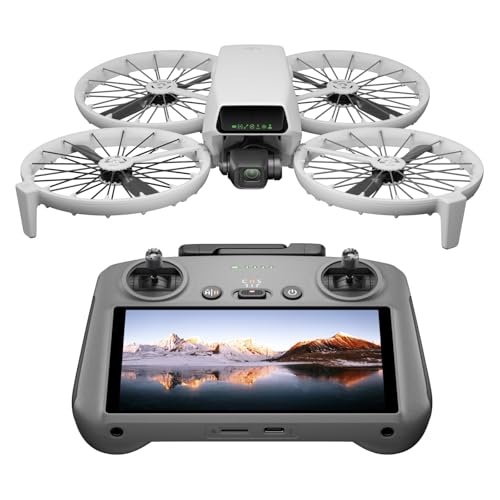
  • The basic RC-N3 controller has no built-in screen
  • No waypoint missions for planned, repeatable flight paths
  • Bitrate stays at 130 Mbps, below the 150 Mbps of DJI's Mini 4 Pro

Verdict

The DJI Lito X1 is the better-equipped sibling of the Lito 1, aimed at beginners who want room to grow. It keeps the 249 g C0 body, omnidirectional obstacle sensing, ActiveTrack and O4 transmission with up to 15 km range. The difference is the camera: a larger 1/1.3-inch 48 MP sensor with an f/1.7 lens captures cleaner low-light footage, and 4K at up to 100 fps can be recorded in the flat D-Log M profile for grading. DJI also adds 42 GB of internal storage, so a forgotten microSD card no longer ends the day. Flight time reaches 36 minutes per battery and it handles winds up to 10.7 m/s. It costs noticeably more than the Lito 1, and the RC-N3 controller still needs a phone. For hobbyists who care about image quality, the extra money is well spent.

Compare DJI Lito X1 with other drones

1Product to compare no. 1
VS
2Product to compare no. 2
VS
3Product to compare no. 3 (optional)

Graphic comparison of DJI Lito X1 and other drones

No results found