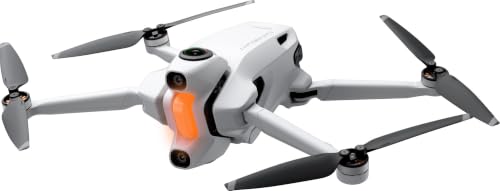
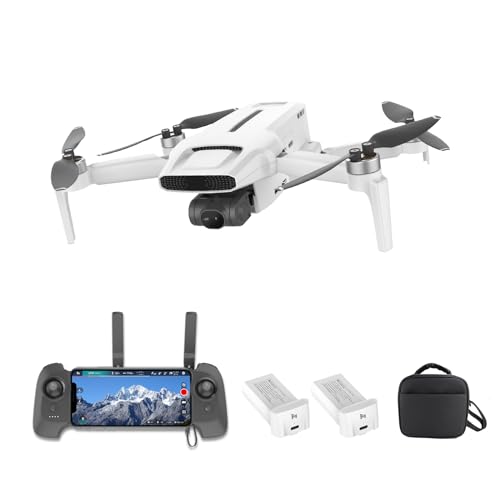
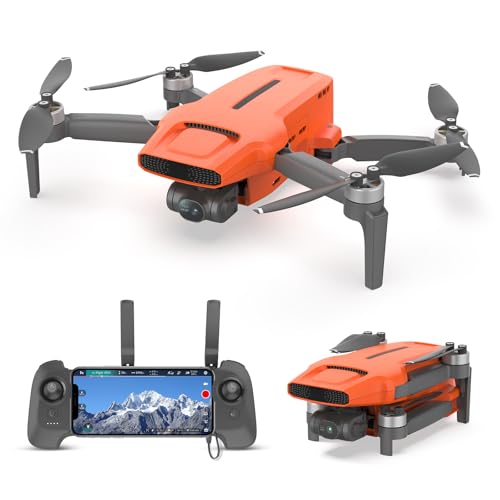
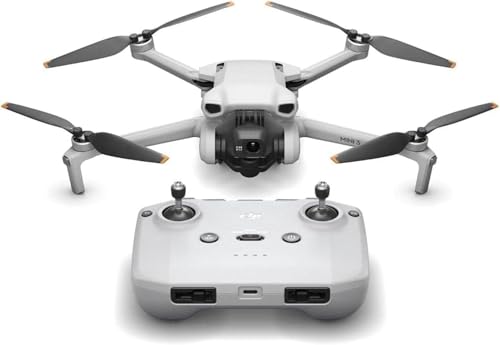
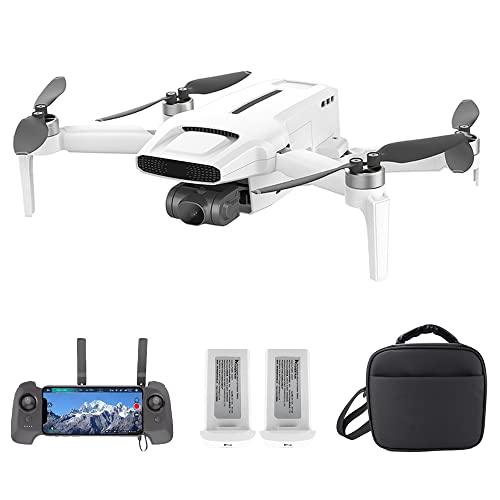
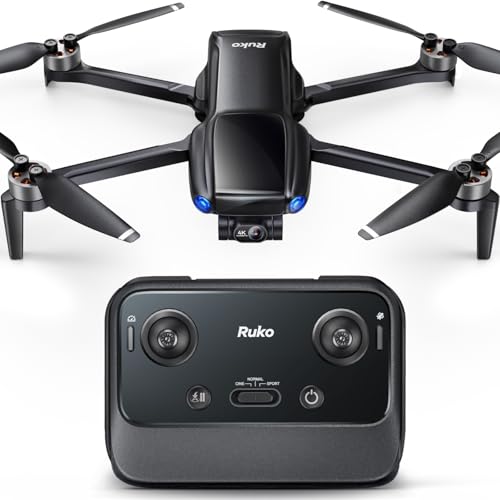
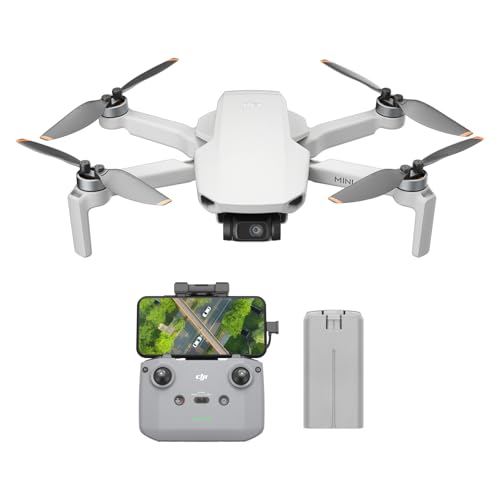
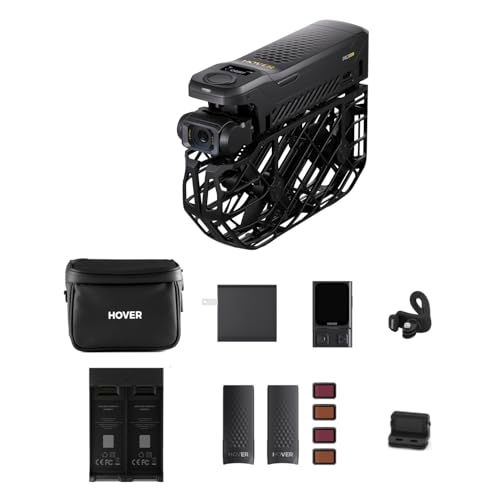
Which brands make the best mini drones?
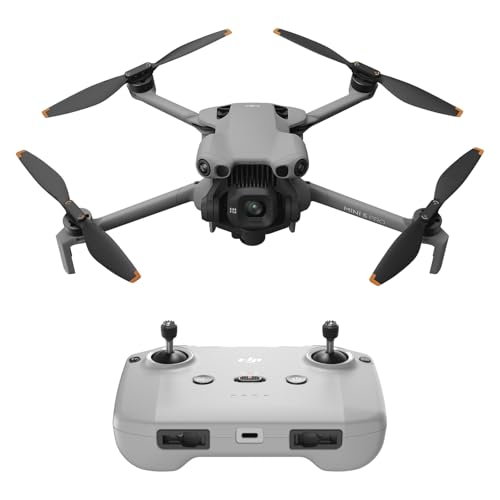
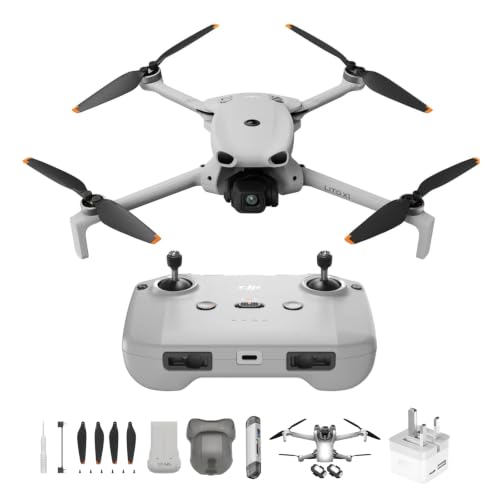
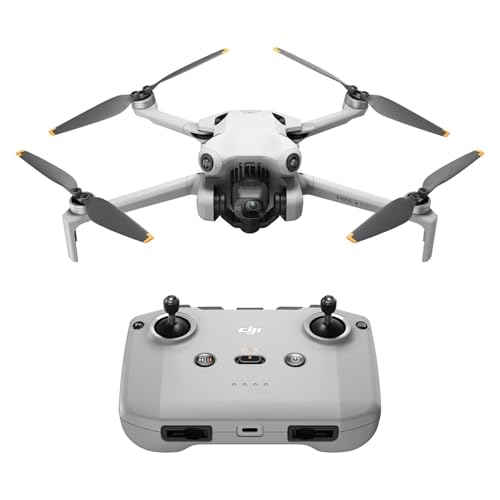
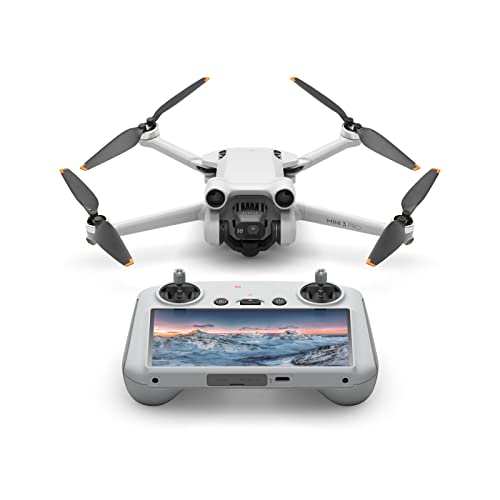
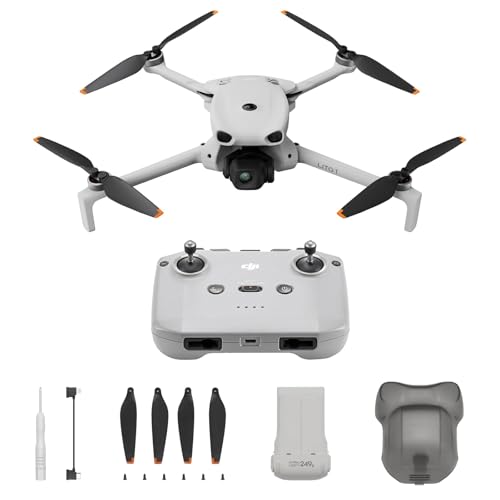
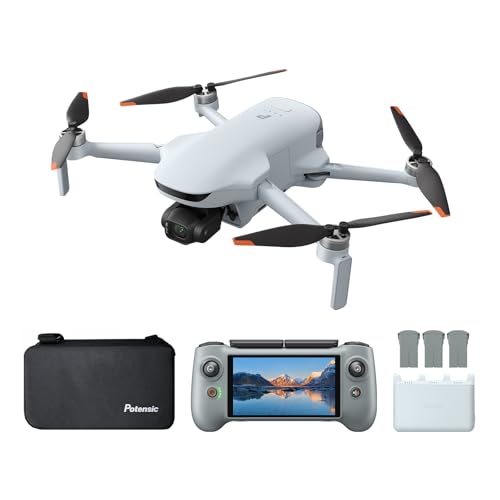
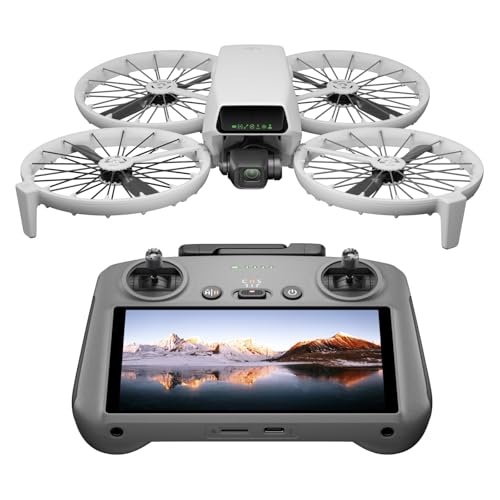
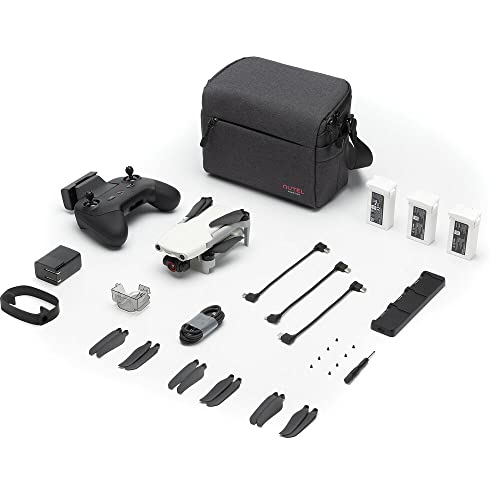
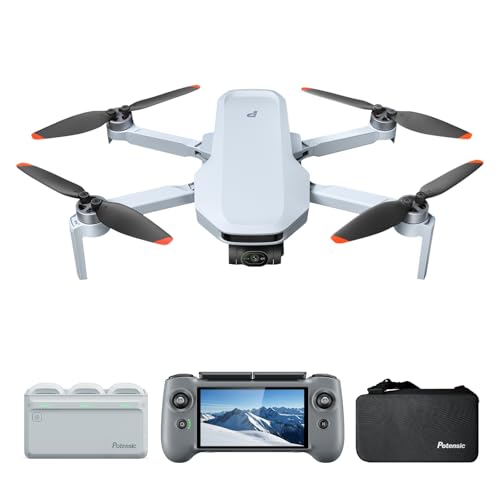
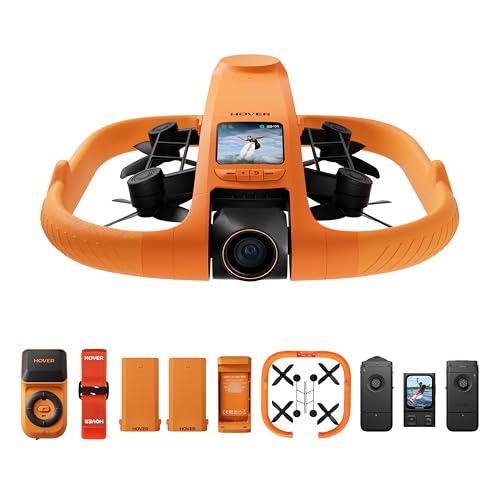
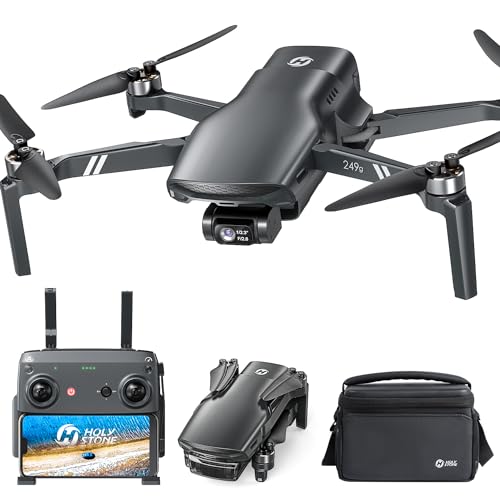
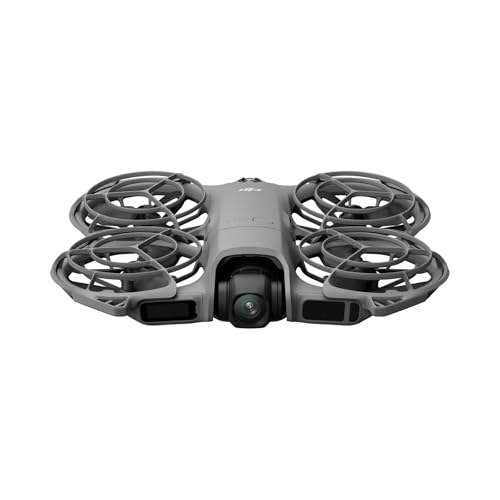
The best mini drone brands are as follows:
- Fimi (Average overall score: 7.2)
- DJI (Average overall score: 6.8)
- Hoverair (Average overall score: 6.5)
Mini drone brands are ranked in the chart below by average overall score.
[horizontal-chart-02209755558999135530006868215915684209103588938724]
Who is a mini/small drone best for?
Mini/small drones are best for beginners, travelers, and hobby users who want a compact drone that is quick to carry, launch, and recover.
They fit buyers who value portability and predictable control more than raw power. In practice, this class works well for short-to-medium sessions, travel clips, and routine outdoor flights with low setup effort.
They are less suitable for heavy wind, payload work, or professional long-distance operations. If you need consistently high-end cinematic stability in difficult conditions, larger higher-tier drones are usually a better match.
What flight time and control range do mini drones have?
Mini drones typically advertise about 8 to 38 minutes of max flight time and up to about 20 km of max transmission distance, although most models stay below top-end range claims.
In practical use, effective distance depends heavily on interference, line of sight, and terrain obstacles. Real flight time also drops with stronger wind, higher speed, and more aggressive maneuvering.
Flight time and control range vary mainly for the following reasons:
- Battery size and efficiency: In this sub-250 g set, models below 1200 mAh average about 11.5 minutes of stated max flight time, 1200-1799 mAh models about 17.5 minutes, and 1800+ mAh models about 27.9 minutes. Capacity matters a lot here, but motor and prop efficiency still determine real endurance.
- Radio system and frequency conditions: In this set, 33 models use dual-band 2.4+5.8 GHz and 15 use 2.4-only links. Even with stronger radio systems, practical stable range in urban/suburban conditions is often around 30% to 60% lower than the headline maximum.
- Wind and flight style: Fast directional changes, climbs, and gusty weather reduce both endurance and control consistency. As a practical estimate, wind plus aggressive flying can cut usable airtime by about 15% to 40% and stable control distance by about 20% to 50% compared with calm, smooth flight.
Max flight time distribution for mini drones is shown in the chart below.
[vertical-chart-12658227262370100723073948704432404502760974172416]
How good are mini drone cameras?
Mini drone cameras range from basic 720p/1080p recording to stronger 4K options, with the best models in this class giving clearly better motion stability.
Camera quality differences are mainly driven by the following factors:
- Video resolution and frame rate: Higher resolution/frame-rate combinations preserve detail and motion clarity better. In practice, stable 1080p/30 or 4K/30 footage is more useful than unstable higher-spec output.
- Image stabilization type: Mechanical gimbal systems are usually steadier than digital-only stabilization during movement. EIS can still be very useful in lighter, lower-cost models.
- Sensor and low-light behavior: Better-tuned sensors keep more usable detail in darker scenes and reduce noise growth. Weaker sensors lose detail quickly as lighting drops.
- Bitrate and codec handling: Higher effective bitrate and cleaner codec processing reduce compression artifacts in complex scenes. This matters most in fast pans and textured environments.
- Lens and field-of-view balance: Wider lenses capture more context, while better optics keep edges cleaner. Good lens behavior helps footage stay usable across different shooting angles.
The chart below shows video resolution distribution across mini drones.
[pie-chart-12180073185919864445126505082845750587370605666396]
What should you consider when choosing a mini drone?
When choosing a mini drone, the most important checks are as follows:
- Weight and legal class: Staying under 250 g often simplifies transport and can reduce regulatory burden in many regions. This also makes mini drones easier to carry for travel and quick flights.
- Flight time: Max flight time gives a baseline for how often batteries must be swapped during a session. Compare realistic airtime in mixed conditions, not only the headline number.
- Control link quality: Strong transmission performance matters for stable control and reliable live view. Focus on consistency in real interference conditions, not only peak advertised distance.
- Camera system: Check resolution, stabilization type, and low-light behavior together rather than judging by megapixels alone. Stable footage quality is usually more valuable than a higher nominal spec.
- Wind resistance and stability: Wind behavior strongly affects safety and footage usability in open areas. If you often fly outdoors, prioritize steadier hover and better gust handling.
- Safety features: Return to Home and related safety tools reduce recovery risk when orientation is lost or signal quality drops. These features are especially useful for less experienced pilots.
- Battery and charging workflow: In this sub-250 g set, battery capacity is roughly 500-2590 mAh (average about 1628 mAh), and charging time is about 30-180 minutes (average about 107 minutes). Two moderate batteries with shorter recharge delays are often more practical than one larger pack with long downtime. Plan sessions around total cycle time (fly + charge), not only one max-flight headline figure.