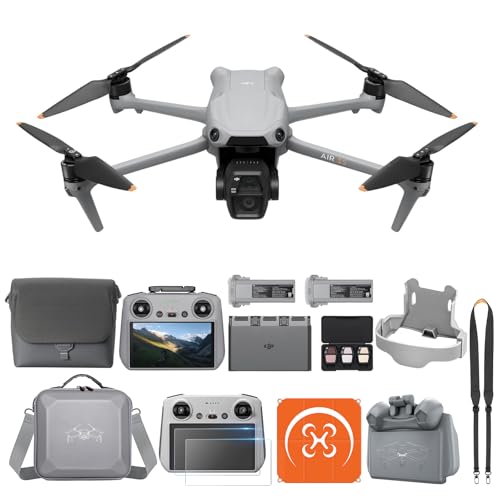

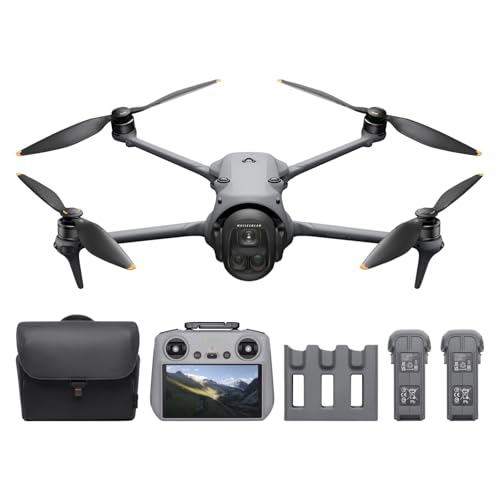
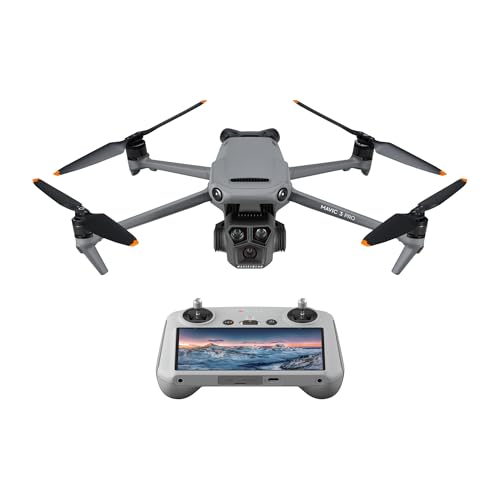
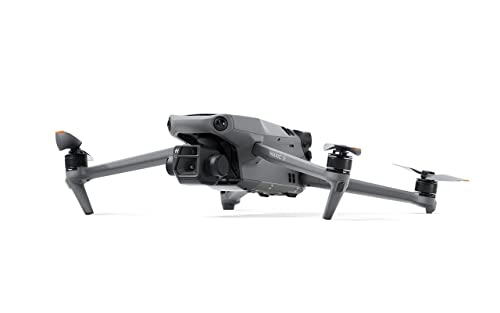
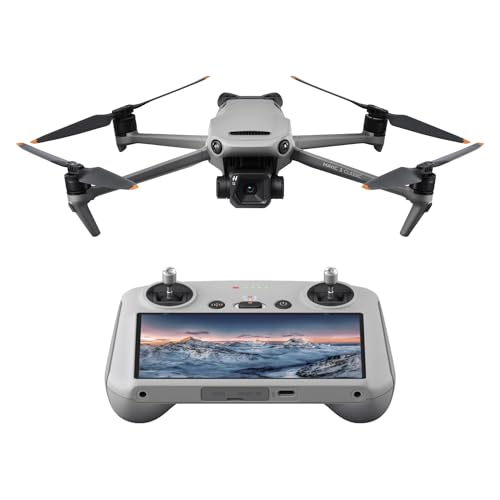
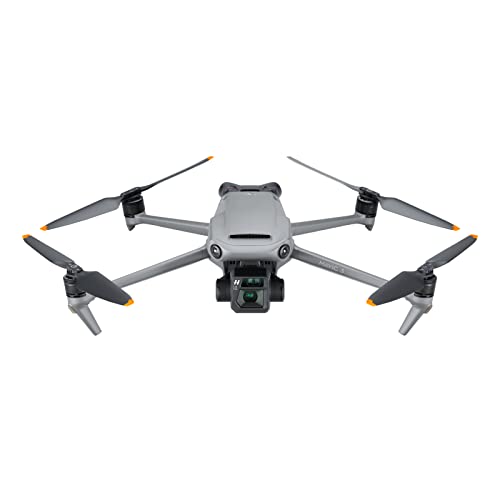
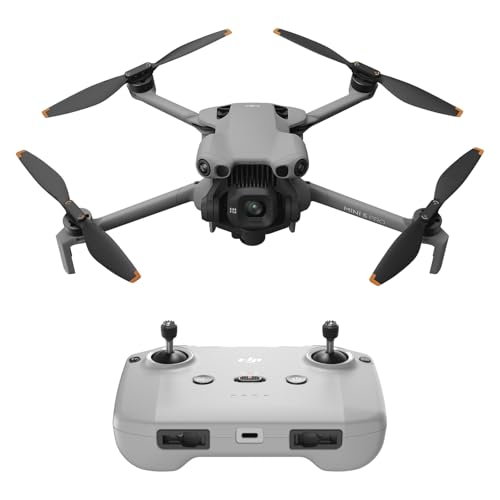
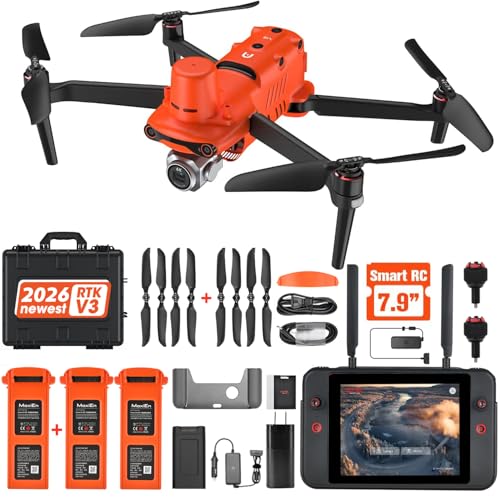
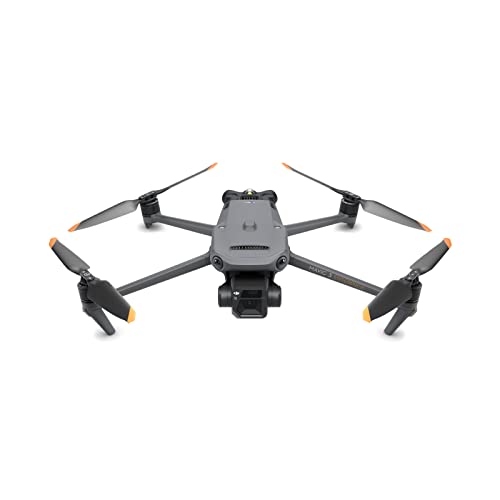
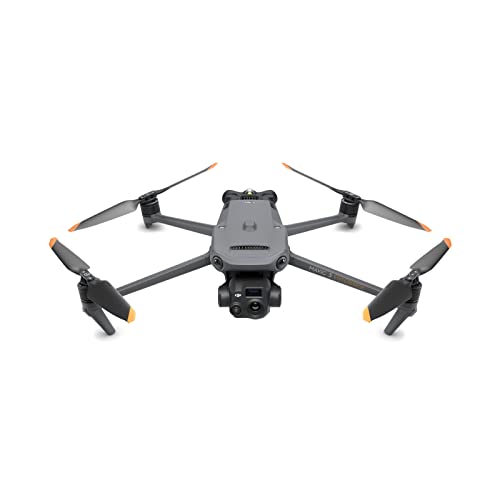
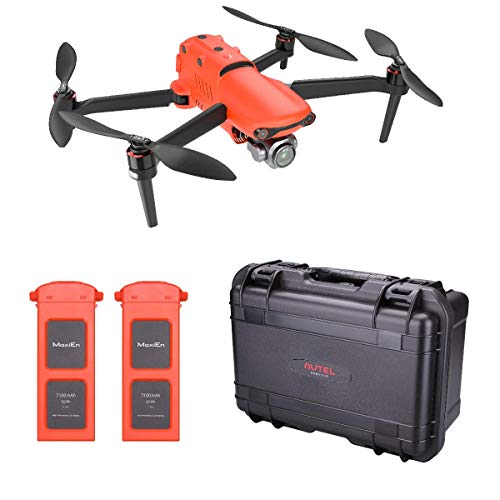
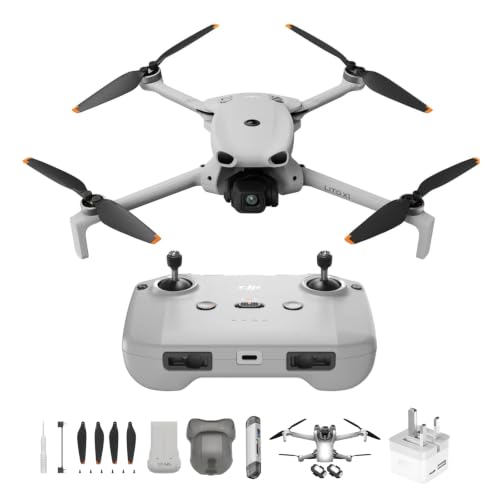
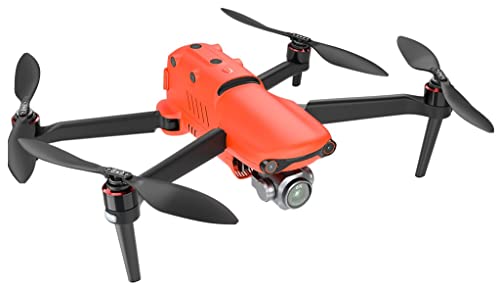
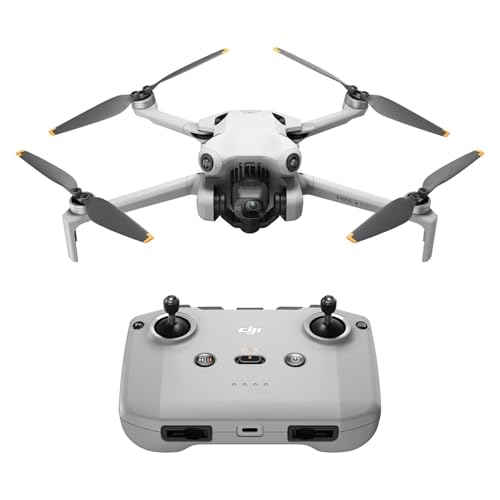
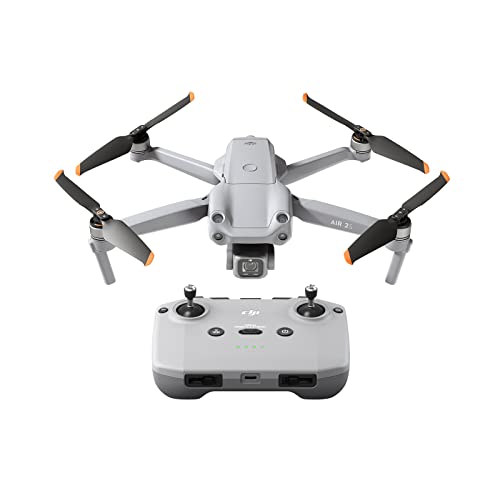
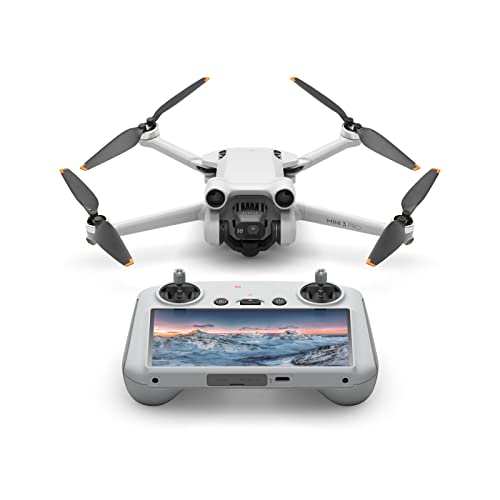
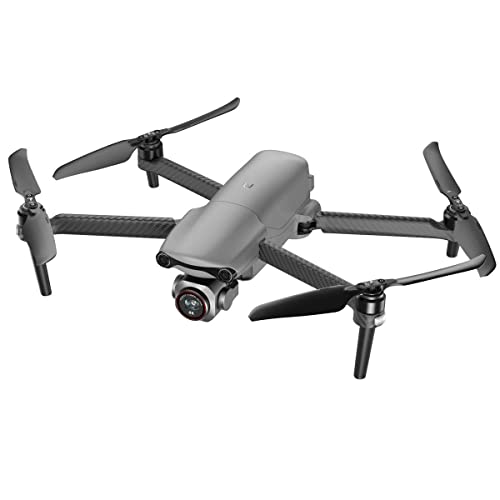
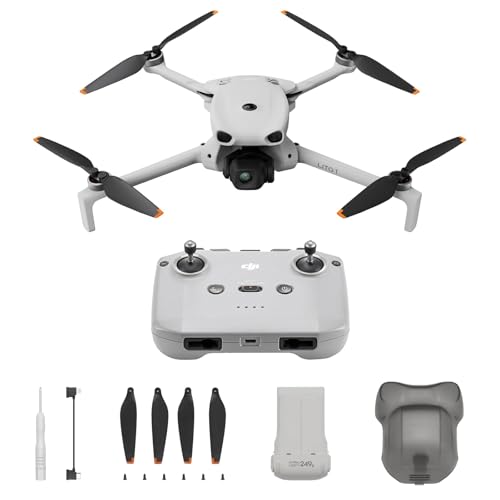
Which brands make the best drones with camera?
The best drone brands with camera are as follows:
- Autel (Average overall score: 8.1)
- DJI (Average overall score: 7.7)
- Fimi (Average overall score: 7.2)
The chart below ranks camera drone brands by average overall score.
[horizontal-chart-09405036763993262384034207290766152702773141221318]
Which camera drone brands have the highest user ratings?
The camera drone brands with the highest user ratings are as follows:
- DJI (Average users rating: 9.4)
- Potensic (Average users rating: 9.2)
- Hoverair (Average users rating: 9)
Camera drone brands and their average users rating are presented in the chart below.
[horizontal-chart-08602476082888565882129230771135124914534099968463]
Who should consider buying a drone with camera?
A drone with camera is best for buyers who want both flight capability and practical photo or video capture in one device.
Travel users and content creators benefit most when they need stabilized footage, higher detail than action cams, and flexible framing from an aerial view. Better camera drones make this easier through steady hover and smoother control response.
Inspection and documentation users also gain value when scene detail and route repeatability matter. In these use cases, camera quality should be paired with reliable transmission and safety features, not evaluated in isolation.
Casual first-time pilots on tight budgets may still start with simpler models, but they should prioritize stability and return behavior before chasing headline camera specs.
How much do the best drones with camera cost?
The best drones with camera usually cost about 400-£6,000.
Typical prices are around 400-£850 for strong travel and enthusiast models, roughly 1000-£2,200 for the main consumer sweet spot, about 2500-£3,900 for advanced creator systems, and around 4500-£6,000 for premium professional platforms.
Price differences mainly come from sensor and stabilization quality, transmission system strength, obstacle sensing coverage, and payload/build robustness. Higher tiers keep camera output more consistent in wind and fast movement.
What camera quality can you expect from drones with camera?
Camera quality on drones with camera ranges from basic social-ready output to high-end professional capture, depending on stabilization, sensor class, and encoding strength.
Megapixel values from 2 to 100 exist in this scope, but real image quality is mostly determined by sensor size, optics, gimbal behavior, and compression pipeline. Better camera drones keep detail cleaner during motion and preserve highlights more naturally in difficult light.
Camera quality on drones with camera depends on the following factors:
- Sensor and optics: Strong sensor and lens combinations improve low-light behavior and dynamic range. This directly affects usable footage quality.
- Stabilization method: 3-axis gimbal systems usually provide smoother output than basic electronic correction. Stable capture is essential for consistent video.
- Encoding behavior: Higher bitrate and efficient codec processing preserve texture in fast movement. Weak encoding can make high-resolution footage look soft.
- Flight stability: Predictable hover and smooth control response support cleaner framing. Even strong cameras lose quality when the airframe is unstable.
What stabilization features matter most on camera drones?
The stabilization features that matter most on camera drones are 3-axis gimbal control, stable hover behavior, and predictable motion smoothing in wind.
Stabilization quality on camera drones depends on the following checks:
- Gimbal axes: A 3-axis gimbal is the practical baseline for smooth cinematic footage. In this scope, about seven in ten models use 3-axis stabilization.
- Image stabilization type: Electronic correction can assist, but mechanical stabilization remains the core layer for serious video quality. Combined systems usually perform better than either alone.
- Hover precision: Stable position hold reduces micro-drift during static shots and slow pans. Better hover behavior protects fine detail and framing consistency.
- Wind handling: Models closer to the 10-17.5 m/s class usually keep smoother output outdoors. Weaker wind performance often introduces visible jitter and drift.
- Tracking smoothness: Subject tracking control affects jerkiness and framing continuity. Conservative tracking profiles usually produce cleaner footage than aggressive follow settings.
- Control response: Smooth acceleration and braking reduce abrupt camera corrections. Better control tuning keeps motion more natural in real shooting scenarios.
How long can drones with camera fly?
Drones with camera can typically fly for about 8-50 minutes per battery cycle, while stronger all-round options usually deliver around 25-45 minutes in practical use.
Flight time depends on battery size, airframe weight, wind load, speed profile, and camera stabilization overhead. Aggressive flight and heavy wind can reduce usable airtime significantly compared with headline values.
Reliable camera sessions usually depend on battery rotation and conservative return margins. A consistent 25-40 minute real mission window is often more useful than a single maximum-flight claim.