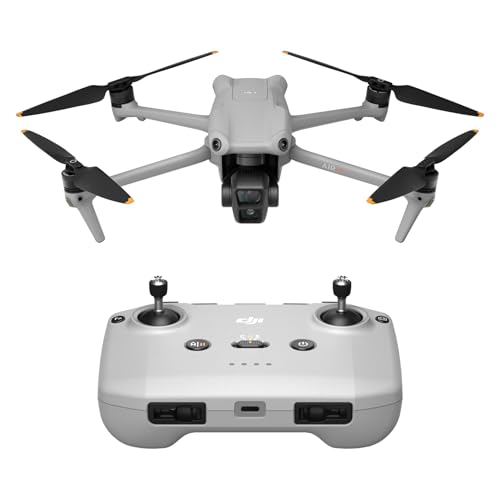
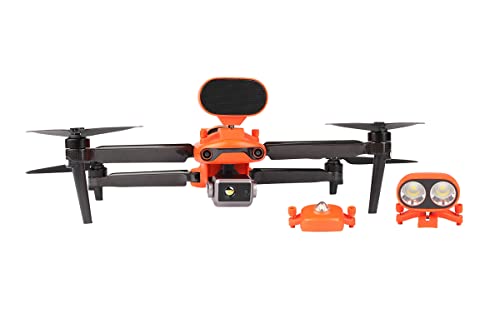
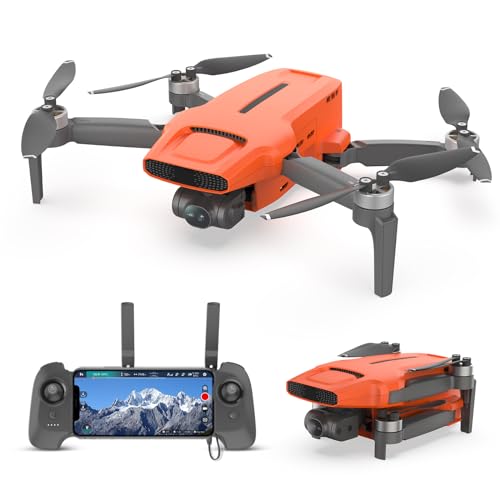
Which brands make the best professional drones?
The best professional drone brands are as follows:
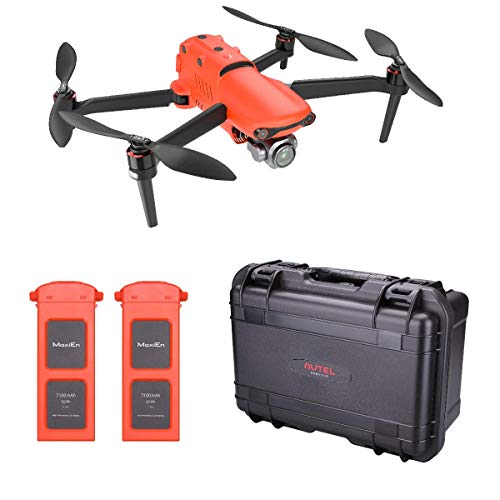
- Autel (Average overall score: 8.4)
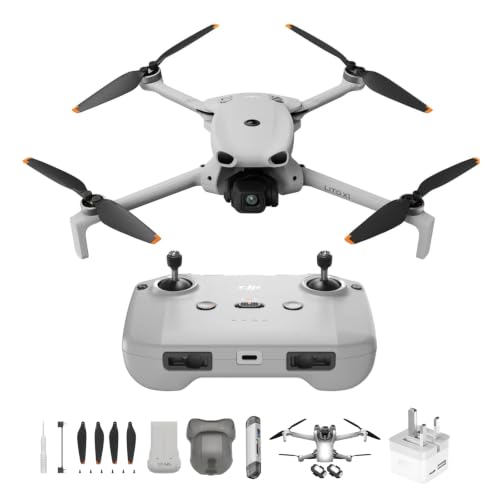
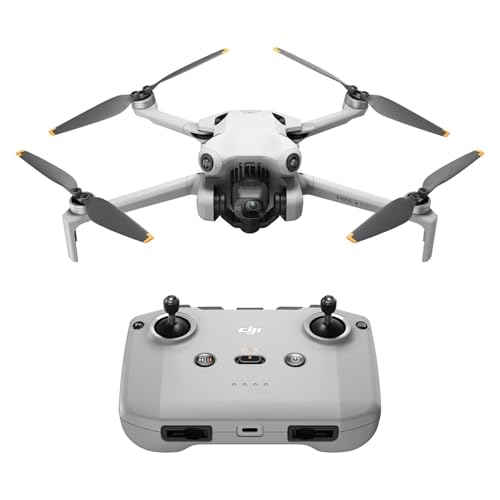
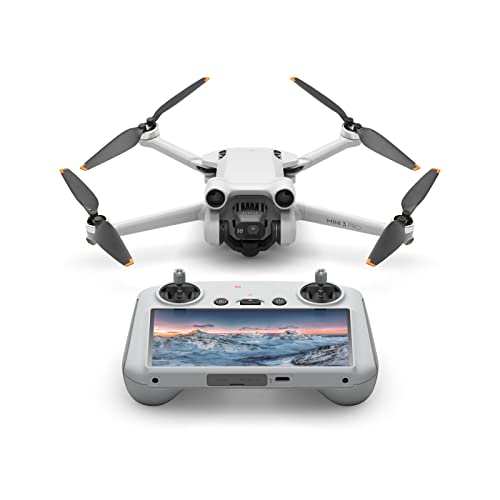
- DJI (Average overall score: 8.4)
The chart below ranks professional drone brands by average overall score.
[horizontal-chart-17807700482611478210065736755656577057421239525002]
Who should consider buying a professional drone?
Professional drones are best for users who need repeatable commercial-grade results, not just casual aerial footage.
Commercial creators, survey teams, and inspection operators benefit most when jobs require 4K-class capture, stable long-range control, and enough endurance for full route execution. In this guide scope, strong models usually start around 30 minutes of flight time and 6 km class transmission performance.
Professional drone ownership is also justified when teams depend on waypoint missions, dependable Return to Home behavior, and obstacle sensing in complex environments. Buyers should expect higher setup discipline, stricter pre-flight checks, and more structured battery planning than with consumer-only models.
How much do professional drones cost?
Professional drones in general cost about 800-£6,000.
Professional pricing usually splits into clearer bands: roughly 800-£1,600 for lighter creator and entry commercial work, around 1800-£3,000 for stronger all-round production platforms, and about 3500-£6,000 for enterprise systems with heavier payload support and broader safety stacks.
Price differences mainly come from camera system depth, transmission stability at distance, obstacle sensing coverage, and mission software capability. Higher tiers also add better wind tolerance, higher build robustness, and more consistent output under demanding field conditions.
What makes a drone professional?
A drone is professional when it combines dependable flight safety, high-end imaging, and workflow tools that support repeatable commercial results.
Professional drone capability is defined by the following core factors:
- Camera pipeline: Professional models use higher bitrate capture, stronger sensors, and cleaner color handling for grading. This keeps detail and dynamic range usable in paid production work.
- Stabilization: A 3-axis gimbal is the practical baseline for smooth footage in wind and directional changes. It also improves shot repeatability on scripted movements.
- Safety stack: Reliable Return to Home, GPS-based control, and obstacle detection reduce mission risk. These systems matter more when flights happen near assets, people, or tight deadlines.
- Link quality: Long, stable transmission supports safer framing and control at distance. Better links also reduce signal drops in complex environments.
- Control depth: Waypoints, custom profiles, and structured mission planning improve consistency. Professional jobs usually require repeat passes, not one-off manual flying.
- Build and payload: Stronger frames and higher takeoff limits handle pro accessories and tougher weather. This expands use cases beyond casual video capture.
What camera quality can you expect from professional drones?
Professional drones can deliver very high camera quality, with footage suitable for commercial editing, color work, and technical documentation.
Professional camera performance in this guide is typically tied to 4K-class or higher capture, stable 3-axis gimbal control, and flight platforms that hold framing accuracy across longer missions. Higher tiers also improve low-light consistency and highlight handling through stronger sensor and optics combinations.
Camera output quality in professional drones depends on the following practical factors:
- Sensor and optics: Larger sensors and better lens design improve low-light behavior and highlight control. This gives more usable footage in complex lighting.
- Capture format: Higher-resolution capture and stronger encoding profiles preserve detail in motion-heavy scenes. This is critical for inspection, landscape, and architectural work.
- Stabilization and tracking: Strong gimbal control and reliable subject tracking keep shots smooth under wind and directional changes. Stable capture reduces salvage work in post.
The flight performance that matters most on professional drones is stable mission execution under wind, distance, and payload pressure.
Professional flight performance should be evaluated through the following checks:
- Wind handling: Target around 10-17.5 m/s wind resistance for reliable outdoor operation. Better wind capacity keeps framing stable and reduces aborted flights.
- Endurance floor: Strong professional options in this scope usually start around 30 minutes and extend to about 50 minutes. This allows complete route segments without rushed landings.
- Transmission stability: Practical range commonly runs around 6-30 km on these models. In real jobs, consistent link quality matters more than peak-distance claims.
- Speed control: Typical maximum speed is about 16-25 m/s, but controlled low-speed precision is equally important for capture quality. Smooth throttle behavior improves repeatability.
- Safety systems: Return to Home is a baseline, while obstacle detection coverage adds operational margin near structures. This reduces risk during complex routes and close passes.
- Position repeatability: GPS-supported hover and route consistency are essential for mapping and retakes. Reliable positioning saves time across multi-flight projects.
What software and control features matter most for professional work?
The software and control features that matter most for professional work are mission automation, reliable failsafes, and consistent cross-team workflow support.
Professional control and software priorities are the following:
- Mission planning: Waypoint planning and repeatable route execution are essential for mapping, inspections, and retakes. They improve consistency across multiple operators and days.
- Failsafes: Return to Home behavior, low-battery logic, and signal-loss handling must be predictable. Reliable failsafes reduce both safety incidents and schedule delays.
- Obstacle logic: Obstacle sensing and route protection settings help operations near structures. Clear operator control over sensitivity prevents unnecessary interruptions.
- Data workflow: Fast media transfer and stable file formats simplify handoff to editing and analysis teams. Workflow speed matters when projects run on tight delivery windows.
- Live monitoring: Strong live view quality and low latency improve framing confidence and crew coordination. Better live feedback reduces re-shoot risk.
- Profile control: Custom flight and camera profiles help match different job types. Saved presets cut setup time and reduce operator error between missions.
How long can professional drones fly?
Professional drones can typically fly for about 30-50 minutes per battery cycle in this guide scope.
Professional flight endurance depends on payload mass, wind exposure, cruise speed, and temperature. Heavier sensor setups, aggressive throttle use, and sustained headwind can cut practical airtime below the published maximum.
Professional operations usually rely on battery rotation plans and segmented mission design to maintain output consistency. Planned endurance management is more important for job completion than chasing a single headline flight-time number.