
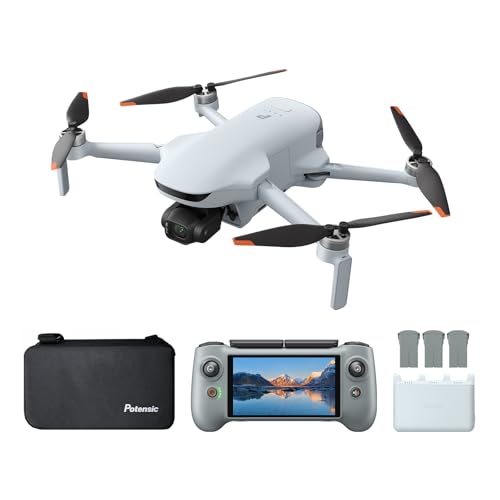
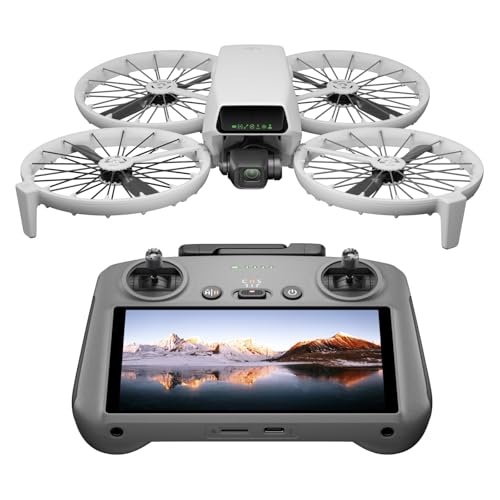
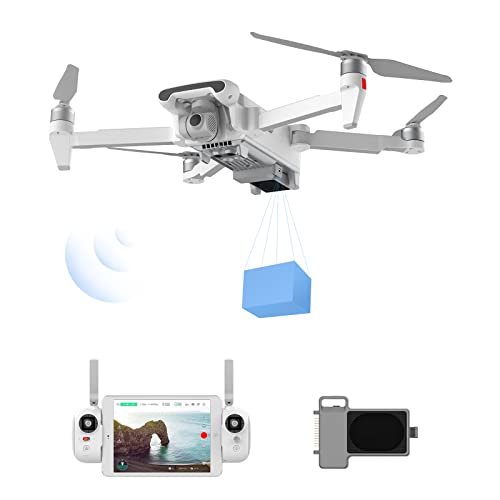
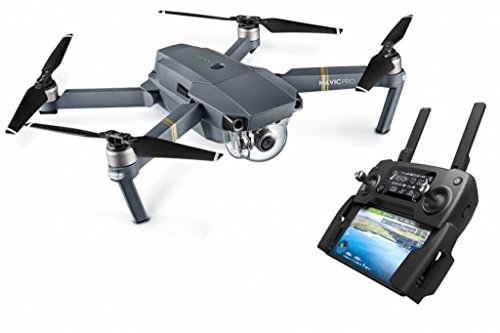
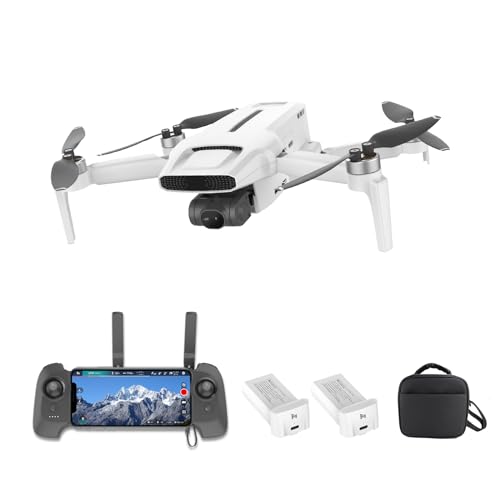
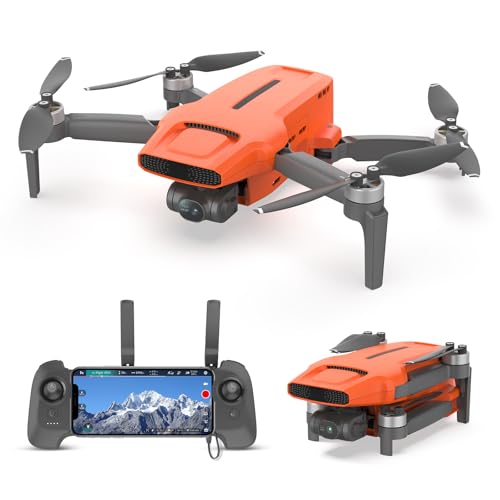
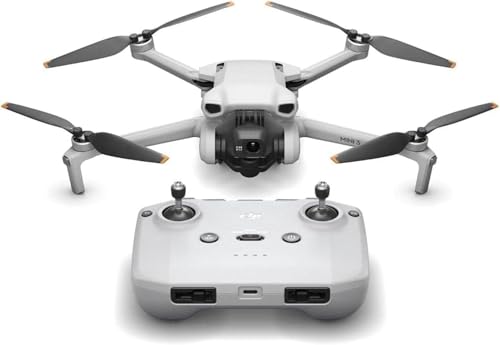
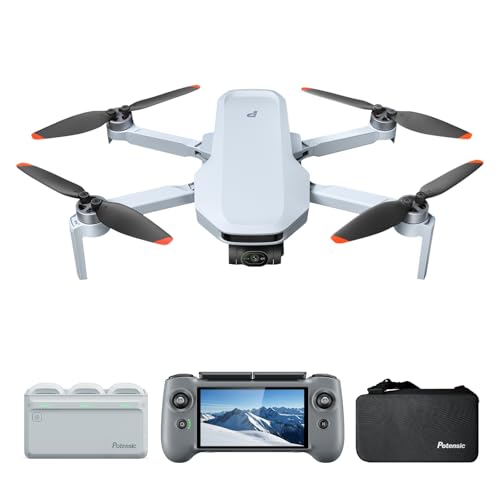
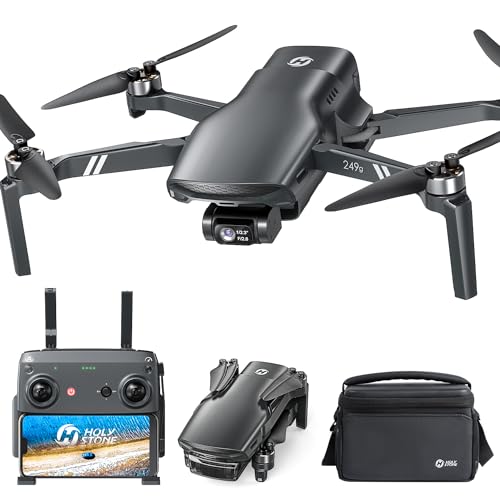
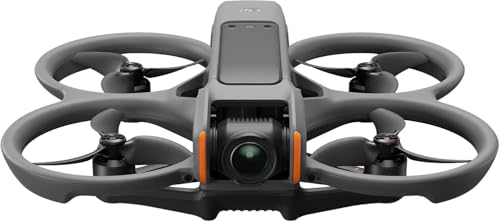
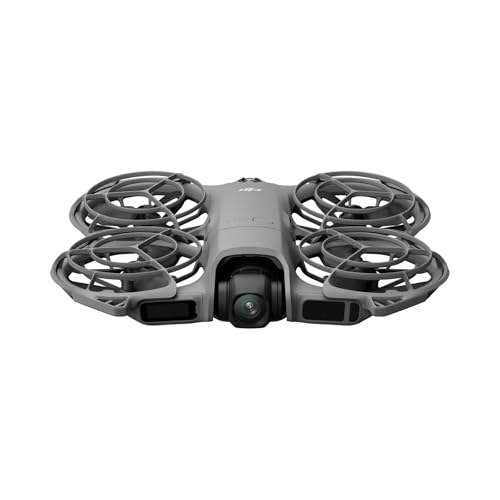
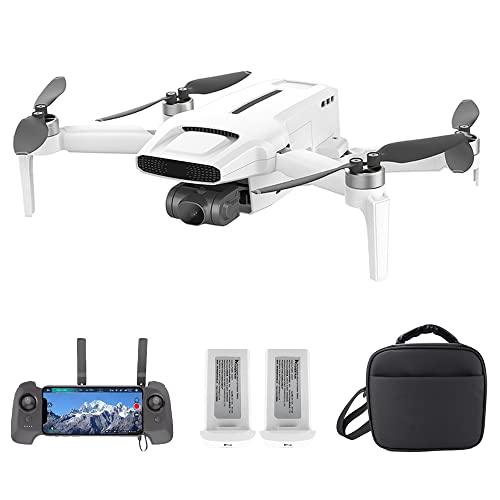
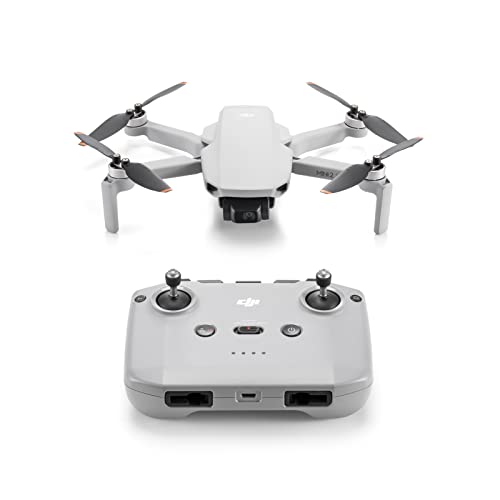
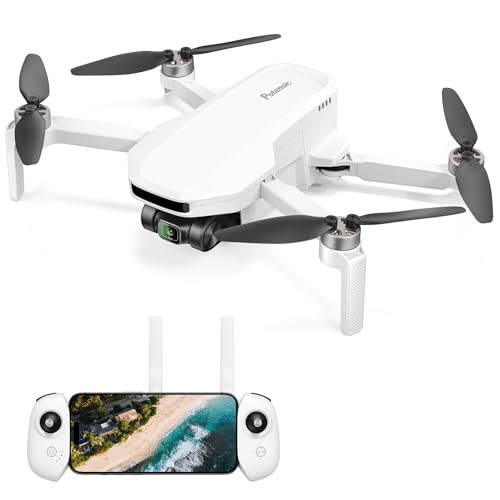
Which brands make the best drones for beginners?
The best beginner drone brands are as follows:
- Autel (Average overall score: 8.2)
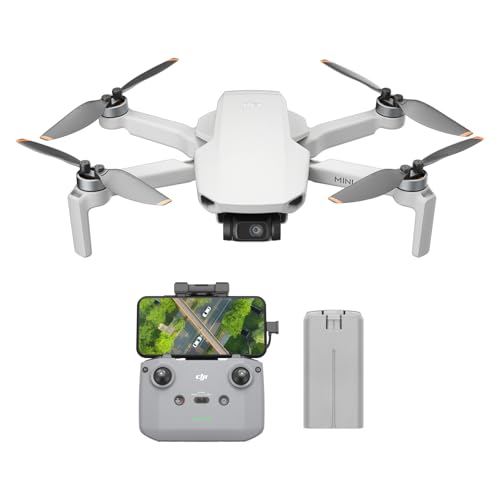
- DJI (Average overall score: 7.7)
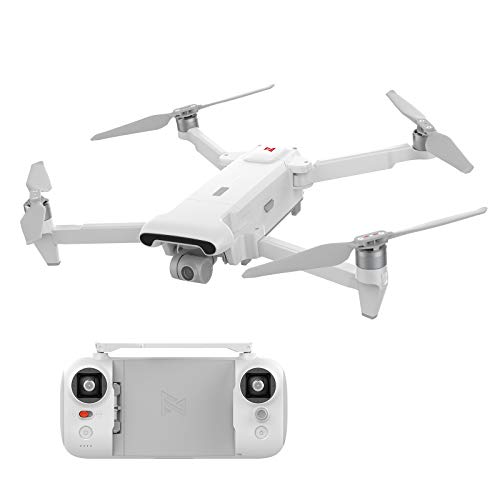
- Fimi (Average overall score: 7.2)
The chart below ranks beginner drone brands by average overall score.
[horizontal-chart-09699035328009179287057336288915255214580860610144]
Which beginner drone brands have the highest user ratings?
The beginner drone brands with the highest user ratings are as follows:
- DJI (Average users rating: 9.4)
- Potensic (Average users rating: 9.1)
- Holy (Average users rating: 8.8)
Beginner drone brands are compared in the chart below by average users rating.
[horizontal-chart-07372632149326172318026408659133789421374118983423]


Who should consider buying a beginner drone?
Beginner drones are best for first-time pilots, casual hobby users, and travelers who want stable flight tools without a steep setup process. Beginner drones also fit users moving up from toy drones, because GPS hold and Return to Home reduce common early mistakes.
New pilots benefit most when the drone has predictable control response and clear in-app guidance. That combination lowers crash risk during takeoff, landing, and orientation changes.
Content-focused beginners should prioritize models that pair stable hovering with usable camera stabilization. This makes practice footage more watchable and helps build confidence faster than speed-oriented models.
How much should a good beginner drone cost?
A good beginner drone should cost about 300-£800, while the full beginner-scope price ladder runs from about £45 to £1,200. Entry options around 50-£260 can work for practice, but they more often trade away control consistency, camera quality, or safety coverage.
The 300-£800 band is where many beginners find the best balance of GPS reliability, Return to Home behavior, practical flight time, and better stabilization. In this range, setup friction is lower and control behavior is more predictable for learning flights.
Prices above about £1,200 are often tied to enterprise or specialist camera workflows. For most beginners, that extra spend is rarely necessary unless there is a clear professional use case from day one.
What makes a drone beginner-friendly?
A drone is beginner-friendly when control response is predictable, safety recovery is reliable, and setup steps are easy to repeat. Beginner-friendly models reduce the number of things a new pilot must manage at once.
The main beginner-friendly factors are as follows:
- Stable hover: Strong position hold reduces drift and lowers stress during orientation changes. This helps beginners focus on framing and control basics.
- Return to Home: Reliable Return to Home recovers from signal issues and navigation mistakes. It is one of the most important confidence features for new pilots.
- Clear app guidance: Good in-app prompts and mode explanations shorten the learning curve. Pilots make fewer setup errors when controls are explained clearly.
- Forgiving speed profile: Lower default speed and smoother stick response make training safer. This is especially important in smaller spaces and light wind.
- Simple maintenance: Easy propeller replacement, clear battery status, and consistent charging behavior keep beginners flying more and troubleshooting less.
Beginner-friendly does not mean weak performance, because many current models still deliver strong camera and range capabilities while keeping control behavior approachable.
How easy are beginner drones to fly and control?
Beginner drones are much easier to fly than older entry models because most now combine GPS stabilization with automated recovery tools. Beginner drones with solid control tuning let new pilots focus on orientation and framing instead of constant manual correction.
In this beginner scope, practical ease of control is supported by wide safety coverage: GPS appears on about nine in ten models and Return to Home is present by definition in this guide. That baseline strongly improves launch, hover, and landing consistency.
Flight complexity still depends on wind, environment, and training pace. New pilots progress fastest by starting in open spaces, using slower flight modes first, and treating automated tools as support rather than a full replacement for manual control skills.
What safety features matter most on beginner drones?
The safety features that matter most on beginner drones are as follows:
- GPS lock: Stable positioning reduces drift and keeps control behavior predictable. This is the base layer for safer beginner flight.
- Return to Home: Automatic return logic helps recover from disorientation, signal drops, and low-battery events. It is the most practical emergency feature for new pilots.
- Obstacle detection: Obstacle sensing adds margin when framing and spatial awareness are still developing. Coverage is not universal in this scope, so beginners should verify sensing directions before buying.
- Battery safeguards: Accurate low-battery alerts and stable power behavior prevent rushed landings. This feature becomes critical in wind and longer practice sessions.
- Geofencing and alerts: Airspace warnings reduce accidental rule violations. They also help beginners build safer location habits from the start.
A safer beginner drone is not the one with the longest feature list, but the one where core recovery tools work reliably in everyday flight conditions.
How good are camera quality and battery life on beginner drones?
Camera quality and battery life on beginner drones are good enough for strong casual content when the model has stable hover behavior and proper stabilization. Beginner drones in stronger tiers often combine 4K video with 3-axis stabilization and practical endurance that supports full learning sessions.
Video quality varies by stabilization class more than by resolution label. In this beginner scope, 4K/30 is common and 3-axis mechanical stabilization appears in over half of models, while fixed or digital-only setups are less consistent in motion.
Battery behavior spans roughly 10-50 minutes by spec, with many stronger beginner choices clustering around the 20-35 minute range. For first-time pilots, repeatable mid-session endurance is usually more useful than one maximum figure reached only in ideal conditions.