Which brands make the best FPV drones?
The best FPV drone brands are as follows:
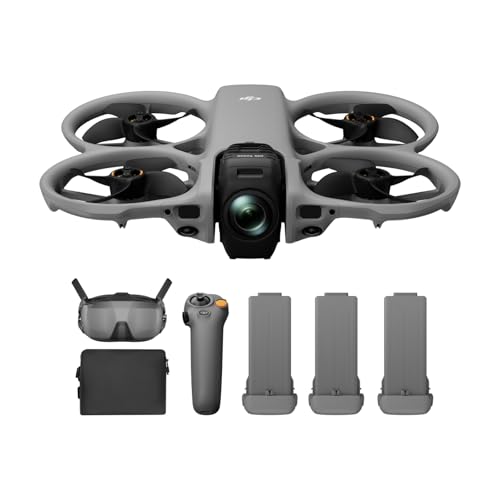
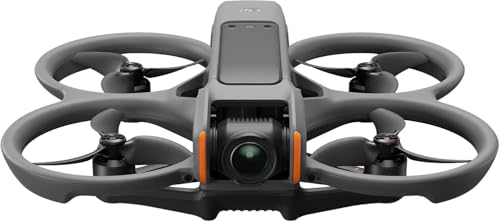
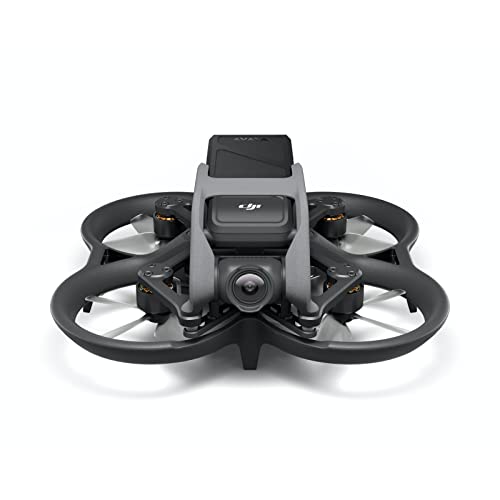
- DJI (Average overall score: 6.9)
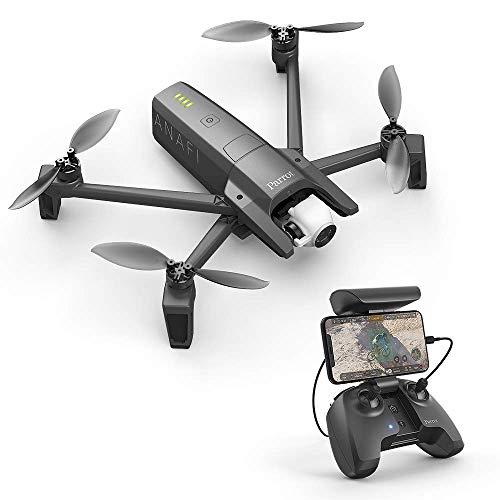
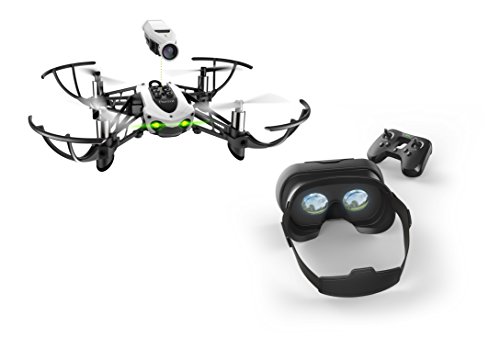
- Parrot (Average overall score: 6.2)
- (?) (Average overall score: (?))
The chart below ranks FPV drone brands by average overall score.
[horizontal-chart-14129360368766584248061022220692564426192402199278]
Which FPV drone brands have the highest user ratings?
The FPV drone brands with the highest user ratings are as follows:
- Parrot (Average users rating: 8.4)
- (?) (Average users rating: (?))
FPV drone brands are compared in the chart below by average users rating.
[horizontal-chart-08691637305185587511020036332440611857500444596974]
What is an FPV drone?
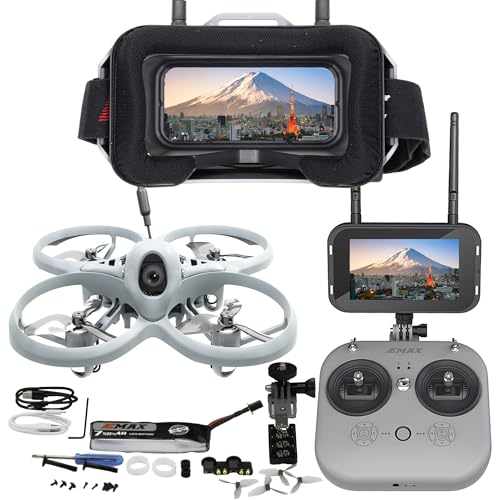
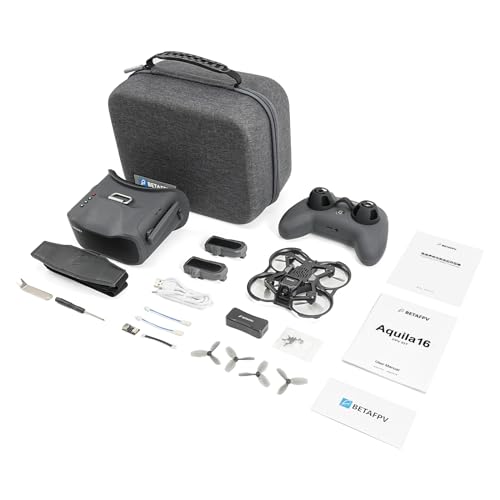
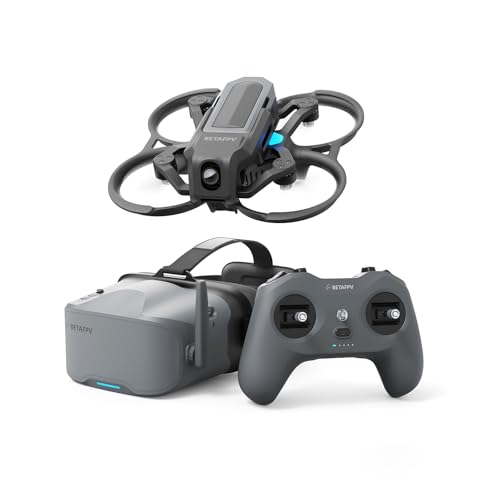
An FPV drone is a drone designed for first-person-view flying, where the pilot sees the flight perspective from the drone camera in real time. FPV flight emphasizes pilot input, route planning, and motion control more than standard hover-first photography workflows.
The main FPV characteristics are as follows:
- First-person feed: Pilots fly from a live camera perspective instead of only line-of-sight framing. This creates a stronger sense of speed and direction.
- More dynamic control: FPV setups are tuned for responsive movement and tighter trajectory control. That makes them suitable for cinematic chase shots and freestyle routes.
- Higher skill demand: FPV rewards practice in throttle, yaw, and orientation management. Pilots progress faster when they build skills step by step in open spaces.
- Safety dependence: Recovery features such as GPS and Return to Home matter even more when flight paths are complex. Strong FPV models combine dynamic control with dependable fail-safe behavior.
FPV does not mean one single product type, because the segment includes both beginner-oriented hybrids and more advanced performance-focused platforms.
Who should consider buying an FPV drone?
FPV drones are best for pilots who want immersive first-person control, faster directional response, and a stronger sense of motion than standard camera drones. FPV drones also suit users who already understand basic drone orientation and want to progress into dynamic cinematic shots or freestyle-style flight.
New buyers can still enter FPV, but they benefit most from models that include GPS stabilization and reliable Return to Home support. That safety layer lowers early crash risk while pilots learn throttle discipline, orientation, and line planning.
Traditional camera-drone users who mainly need stable hover photography may find FPV less practical as a first choice. FPV rewards active piloting, so the best fit is a user who enjoys manual control practice rather than mostly automated flight.
How much do good FPV drones cost?
Good FPV drones cost about 300-£2,200, while the full FPV range in this scope runs from about £45 to £6,000. Lower tiers around 50-£260 are often fun for basic practice but more limited in control consistency, camera quality, and safety depth.
Pricing in the 300-£1,300 band is where many pilots find the best balance of reliable control, usable camera output, and practical feature set. Around £1,300 and above, pricing is more frequently tied to advanced camera systems, stronger transmission performance, and specialist workflows.
For most users, value depends less on maximum speed and more on how repeatable control behavior stays across real sessions. A stable mid-tier model often delivers better progression than a cheaper unit that feels inconsistent in wind or latency.
How good are video quality and latency on FPV drones?
Video quality and latency on FPV drones can be strong, but performance depends on both transmission quality and stabilization, not only on resolution labels. FPV drones in this scope include many 4K/30-class models, and higher frame-rate variants appear in selected tiers.
Latency spread is wide, with listed values reaching up to around 300 ms and average values in the mid range of the category. Lower-latency links support more confident line control, while higher-latency behavior can make fast adjustments less precise.
Image consistency during motion depends on stabilization quality and bitrate handling. Pilots who prioritize clean dynamic footage should evaluate transmission stability and motion smoothing together rather than chasing resolution alone.
What flight control features matter most on FPV drones?
The flight control features that matter most on FPV drones are predictable response tuning, reliable recovery logic, and stable control links under motion load. FPV drones become easier to trust when control features support both dynamic moves and safe correction behavior.
The key flight-control features are as follows:
- Response profile: Smooth stick mapping and consistent throttle response help pilots hold cleaner lines. This is critical for both freestyle and cinematic FPV routes.
- GPS hold: Stable positioning provides a safety baseline when pilots need to reset orientation quickly. It is especially helpful for mixed-skill users.
- Return to Home: Dependable automatic recovery reduces risk after signal drops or disorientation. It is one of the most important safety tools in fast-moving FPV sessions.
- Link stability: Strong transmission behavior keeps control predictable when direction changes are frequent. This affects confidence more than raw range claims alone.
- Flight modes: Well-separated beginner, normal, and advanced control modes help pilots progress safely. Good mode structure shortens the learning curve without locking out performance.
How long can FPV drones fly?
FPV drones can fly about 20-35 minutes in stronger real-world options, while the broader listed spread runs from about 8 to 49 minutes. Lower-end models can lose practical airtime quickly in aggressive routes and repeated acceleration.
Battery drain in FPV is heavily tied to maneuver style and control corrections. Fast direction changes, climbs, and wind compensation can reduce useful session time more than calm straight-line cruising.
For planning, pilots should target repeatable mission windows rather than headline maximums. Stable mid-session endurance is usually more useful for progression than occasional peak values reached only in ideal conditions.
What should you check before buying an FPV drone?
Before buying an FPV drone, you should compare control behavior, recovery features, link quality, endurance, and total cost in one shortlist.
Control tuning: Look for predictable stick response and clean throttle behavior in beginner or normal modes before moving to advanced profiles. This makes early FPV progression safer and faster.
Safety stack: Prioritize GPS and reliable Return to Home first, then verify obstacle sensing where available. Strong recovery logic is critical when FPV routes get more dynamic.
Latency and link: Review transmission latency and practical link stability, not only maximum range claims. Lower and more consistent latency improves precision during quick line corrections.
Flight time: Plan around a realistic 20-35 minute class for stronger options rather than headline peaks. Consistent usable airtime supports better session planning and safer battery margins.
Camera behavior: Check stabilization type and bitrate consistency together with resolution. For FPV footage, smooth motion handling often matters more than raw pixel count.
Maintenance: Confirm battery, propeller, and charging ecosystem availability before purchase. Easy spares reduce downtime and support faster learning.
Price: For most buyers, the practical value zone is around 300-£1,300, while lower tiers are more limited and higher tiers are often specialist purchases. Keep total budget realistic by including accessories and replacement parts, not only the drone body price.