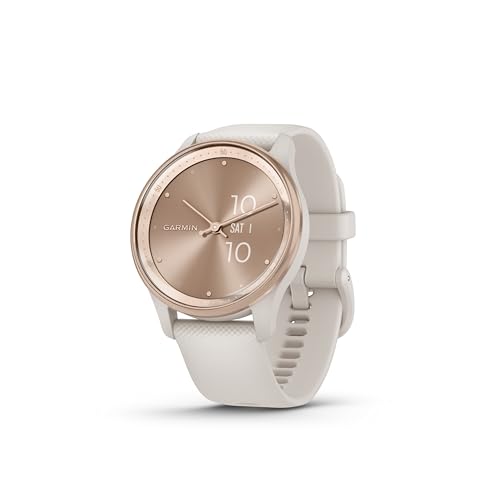
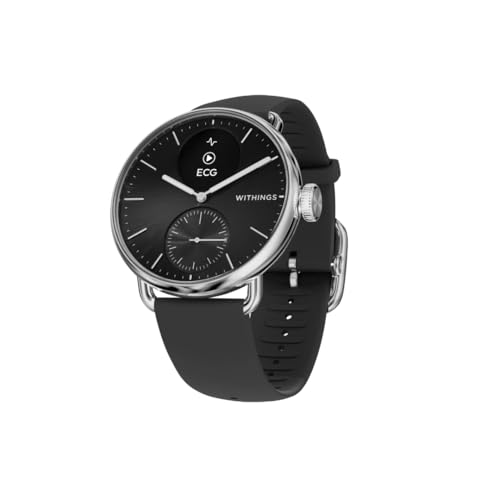
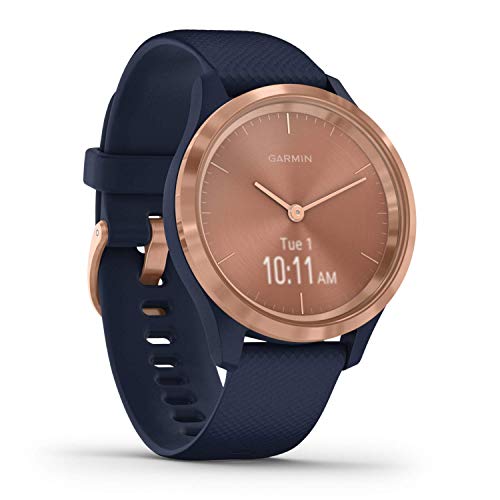
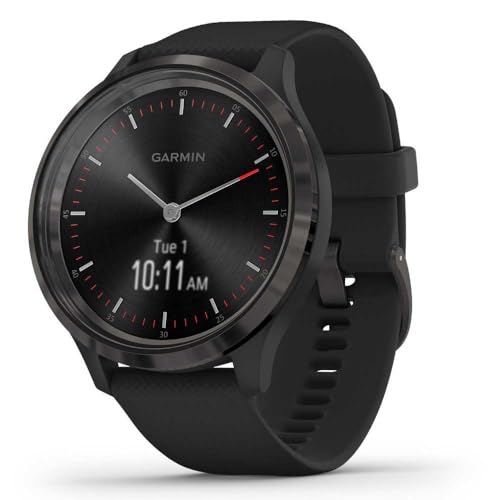
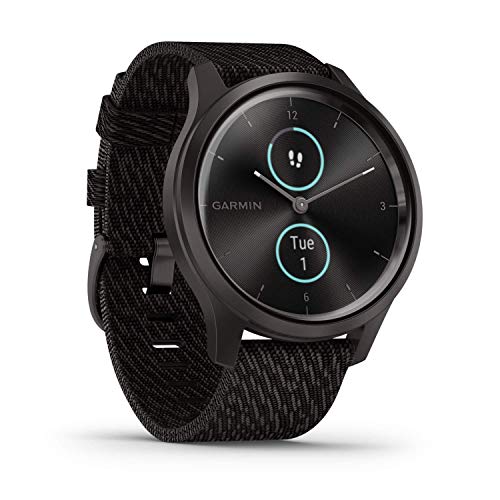
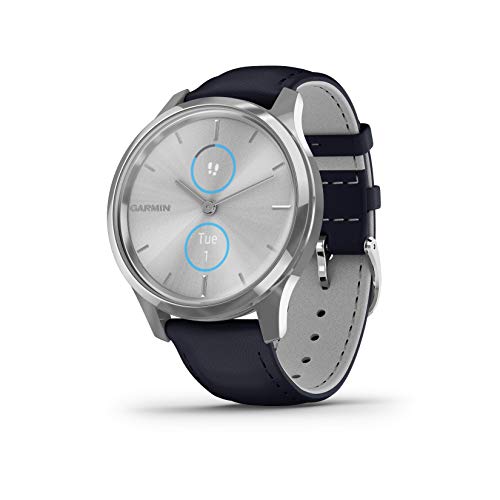
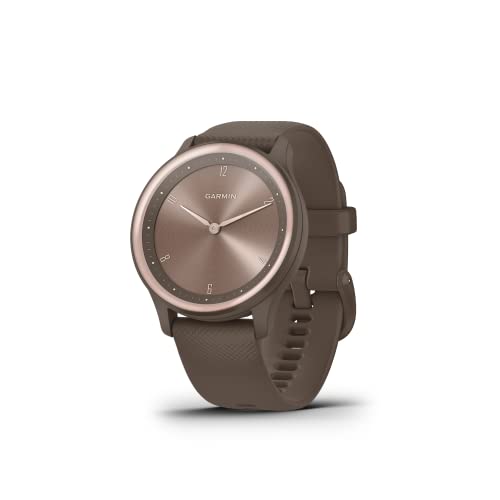
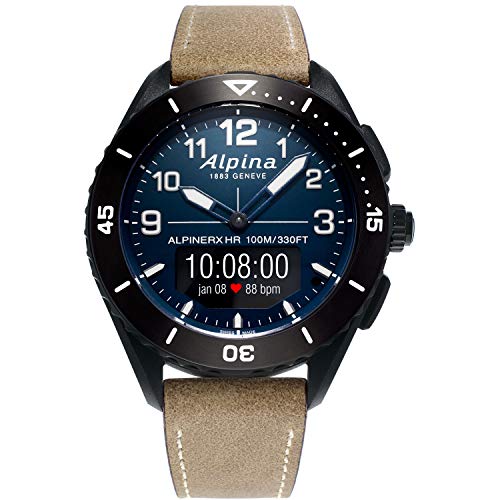
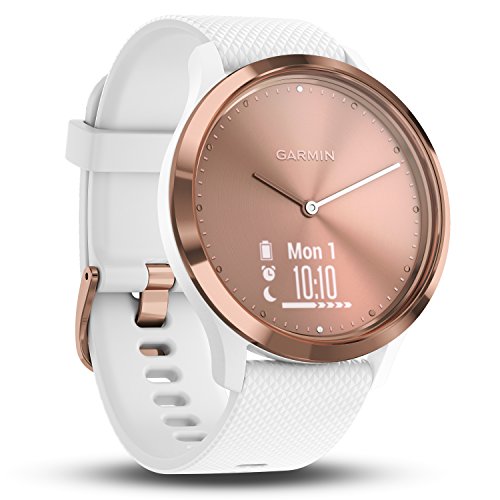
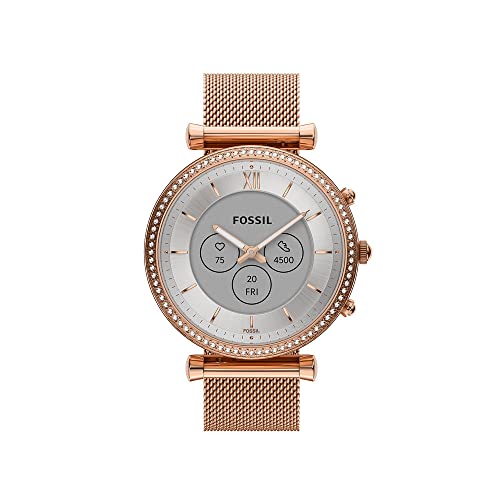
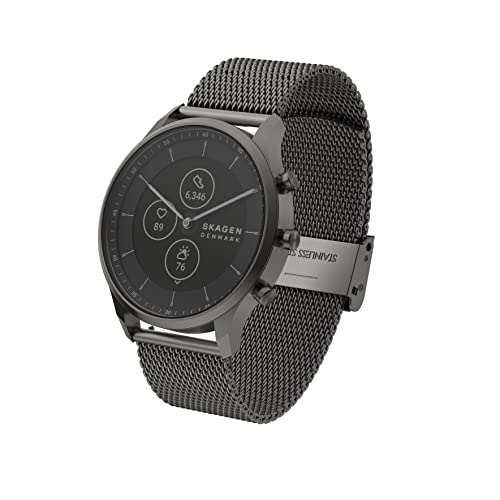
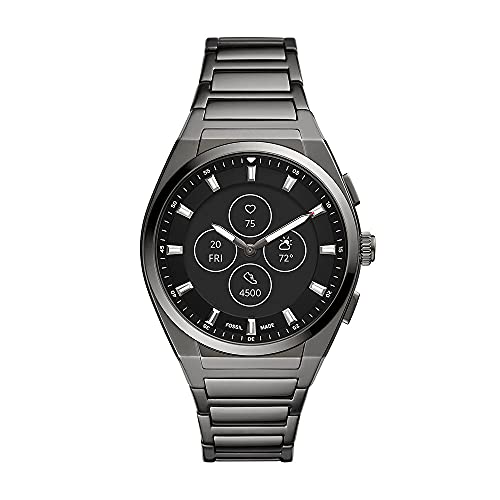
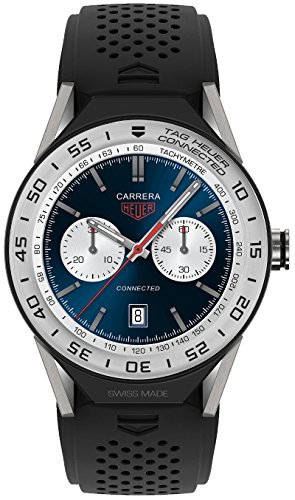
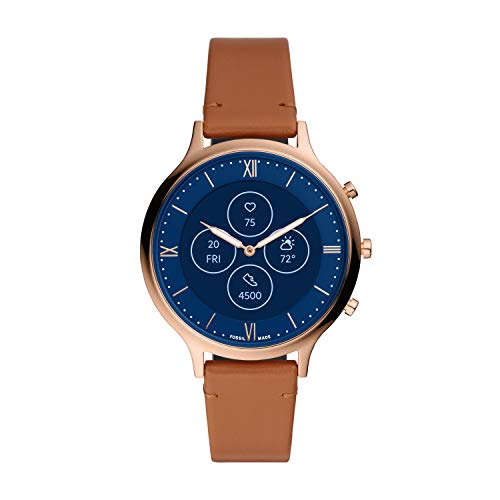
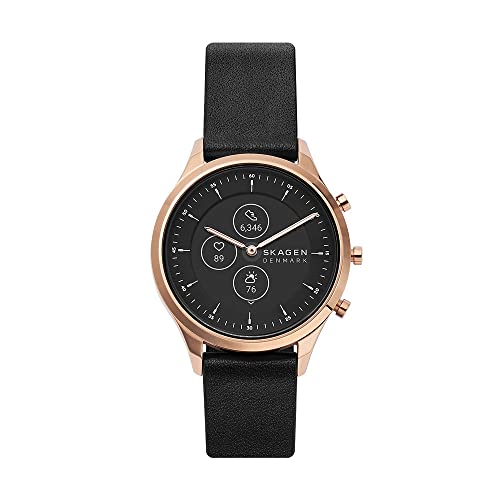
Which brands make the best hybrid smartwatches?
The best hybrid smartwatch brands are as follows:
- [shortcode-06698111330200026838051390074675468433851434436901] (Average overall score: [shortcode-09554826441811629828140944093996350527564003014953])
- [shortcode-13548327183820272195013511663081980332274001345804] (Average overall score: [shortcode-09446712239670200475083907044010446220393361246571])
- [shortcode-11591956001864018409151621429038484377723187871453] (Average overall score: [shortcode-15102908765990793087139757712008807911904212742544])
[horizontal-chart-08224546996522521152025023549836564629013117383829]
How much do the best hybrid smartwatches cost?
The best hybrid smartwatches cost between £130 and £430 depending on the brand, design, and features.
Entry-level models from brands like Withings or Garmin start around £130 to £220, which includes basic fitness tracking, long battery life, and traditional analog watch hands. Mid-range models with premium materials, advanced sensors, and better app integration usually range from £220 to £300.
High-end hybrid smartwatches reach £340 to £430 and include luxury designs, stainless steel or sapphire glass, and extended health tracking functions. Brands such as Garmin and Withings produce models in this category, which combine mechanical style with advanced smartwatch features like heart rate monitoring, sleep analysis, and connected GPS.
What is a hybrid smartwatch?
A hybrid smartwatch is a smartwatch that combines traditional analog watch hands with smart features. It looks like a classic watch with physical hands and a traditional dial, but it integrates sensors and connectivity functions. These watches usually pair with a smartphone via Bluetooth, so they can track health data, show notifications, or control basic phone functions.
Most hybrid smartwatches focus on fitness and daily activity tracking, such as steps, calories, heart rate, and sleep patterns. Some models also include vibration alerts for calls, messages, or calendar events, which appear through small displays, moving hands, or LED indicators. Battery life is longer than in full touchscreen smartwatches (often lasting weeks or even months), because the analog design consumes less power.
Hybrid models represent a smaller niche of the smartwatch market, aimed mainly at buyers who prefer classic watch styling and long battery life.
Which health metrics can a hybrid smartwatch track?
Hybrid smartwatches can track the following health metrics:
- Heart rate: Ongoing heart-rate tracking supports daily wellness and workout context.
- Sleep: Sleep tracking usually covers duration and stage trends for recovery awareness.
- Steps: Daily step counting gives a simple activity baseline for movement goals.
- Calories: Calorie estimates combine motion and heart data for rough energy tracking.
- Distance: Distance estimates support walking and running summaries, often with connected GPS support.
- Stress: Some models infer stress trends from heart-rate variability signals.
- Blood oxygen: Selected models include SpO2 for additional recovery and wellness context.
- Respiration: Breathing-rate trends are available in some hybrid ecosystems.
How long does the battery last on a hybrid smartwatch?
The battery on a hybrid smartwatch lasts much longer than on a full smartwatch. You can expect most models to run from two weeks up to one month on a single charge, and some reach six months or even close to a full year if they use a coin-cell battery. This happens because hybrid smartwatches combine analog hands with limited smart features, so they do not drain energy like touchscreens or apps do.
You will usually find two types of power systems. Some hybrid smartwatches use rechargeable batteries that need charging every few weeks (similar to fitness trackers but with better endurance), while others use standard coin-cell batteries that you replace after several months. The choice depends on whether you want the convenience of recharging or the freedom of rarely thinking about power at all.
Are hybrid smartwatches waterproof?
Yes, many hybrid smartwatches are water-resistant, but safe use depends on the rating level.
Common ratings include 3 ATM for splash and rain exposure and 5 ATM for shallow swimming support. Higher ratings can support tougher water activity, but depth limits and use cases vary by model.
Always verify the exact rating and manufacturer guidance before using a hybrid watch in pool or open-water conditions.
What to consider while choosing the best hybrid smartwatch?
When choosing the best hybrid smartwatch, you need to consider several key factors as follows:
- Battery life: Hybrid smartwatches excel with extended battery performance that can last from 30 days to several weeks on a single charge. Analog displays consume less power than full digital screens, but usage of health tracking features like continuous heart rate monitoring or GPS will drain the battery faster. Quick charging capabilities become valuable if you lead a busy lifestyle and need your watch ready quickly.
- Health monitoring: Look for models with 24/7 heart rate monitoring that alert you to high or low heart rate events. Advanced models track respiratory health including blood oxygen saturation and overnight breathing assessments. Sleep tracking features analyze sleep stages and provide Sleep Quality Score to improve your sleep health, while some models recognize over 40 different activities for personalized fitness insights.
- Device compatibility: Most hybrid smartwatches work with both Android and iOS devices, but you should verify compatibility with your smartphone's operating system version. Check that the companion app is available for your platform and that Bluetooth connectivity supports notifications and health data syncing. Some models may have geofencing restrictions that limit app accessibility in certain regions.
- Design and build quality: Hybrid smartwatches blend classic analog aesthetics with digital functionality, typically featuring 40mm cases weighing between 1.5 to 3.8 ounces. Premium materials like stainless steel and sapphire glass resist scratches and impacts, while many models pass military-grade durability tests. Customizable watch faces let you personalize appearance to match your style preferences.
- Water resistance rating: Look for models with 5 ATM water resistance or higher, which handle swimming and wet conditions. This rating becomes essential if you lead an active outdoor lifestyle or frequently expose the watch to moisture during activities.

- Sensor accuracy and responsiveness: The watch should respond quickly to user inputs and provide accurate step counts and heart rate monitoring. Proper fit affects sensor performance - straps that are too loose or tight can interfere with the watch's ability to track health metrics accurately.