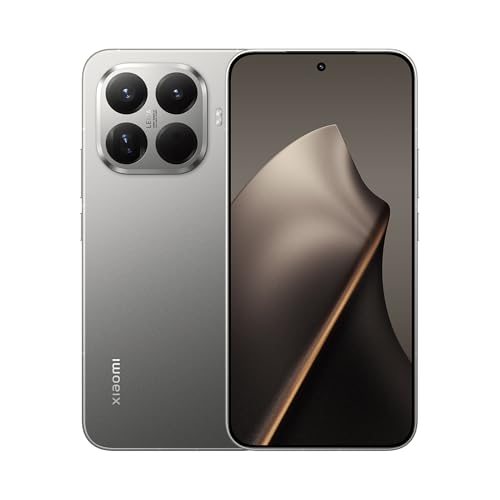
Xiaomi 14T Pro (12GB + 512GB) review. Compare 197 technical specifications and user reviews to see how this product ranks in the Smartphones category and whether it is worth buying.
Overall score
What it is: An overall evaluation of the smartphone's quality, based on technical analyses and user reviews.
When it matters: When you need a quick reference to identify the best smartphones on the market.
Score components:
90.0%
Technical Score
10.0%
User score
Technical Score
What it is: An assessment of the smartphone's technical performance, covering eight key areas: performance & hardware, software, camera, connectivity, display, battery, audio, and design.
When it matters: When you want to compare smartphones based on technical performance and available features.
Score components:
25.0%
Performance & Hardware
18.0%
Camera
15.0%
Display
15.0%
Battery
10.0%
Software
10.0%
Connectivity
4.0%
Audio
3.0%
Design
User score
What it is: A rating that combines user reviews and the total number of reviews received by the smartphone
When it matters: When you want to know how a smartphone handles daily tasks and how reliable it remains over time according to user feedback.
Score components:
70.0%
User reviews
30.0%
Popularity
Available: ranking among products currently available (including other versions of this product).
All: ranking among all products in the database.
#8 in Best Xiaomi Phones
#15 in Best Smartphones for Seniors
#21 in Best Value Smartphones
#22 in Best Chinese Smartphones
#24 in Best Camera Smartphones
#26 in Best Gaming Smartphones
#28 in Best Android Smartphones
#32 in Best Smartphones
#32 in Best NFC Smartphones
#32 in Best 5G Smartphones
#32 in Best AI Smartphones
What it is: An assessment of the smartphone's technical performance, covering eight key areas: performance & hardware, software, camera, connectivity, display, battery, audio, and design.
When it matters: When you want to compare smartphones based on technical performance and available features.
Score components:
25.0%
Performance & Hardware
18.0%
Camera
15.0%
Display
15.0%
Battery
10.0%
Software
10.0%
Connectivity
4.0%
Audio
3.0%
Design
What it is: A rating that combines user reviews and the total number of reviews received by the smartphone
When it matters: When you want to know how a smartphone handles daily tasks and how reliable it remains over time according to user feedback.
Score components:
70.0%
User reviews
30.0%
Popularity
What it is: An indicator that combines the smartphone's overall rating with its cost.
When it matters: When you are looking for a smartphone with a good balance between quality and price.
Score components:
60.0%
Overall score
40.0%
Price
Importance: LOW
Importance: HIGH
Importance: HIGH
Good value: >12 GB
Importance: MEDIUM
Good value: >256 GB
Importance: MEDIUM
Good value: >3.2 GHz
Importance: LOW
Importance: MEDIUM
Good value: >1500
Importance: LOW
Good value: >4000
Importance: LOW
Good value: 8+
Importance: LOW
Importance: LOW
Good value: >950 MHz
Importance: LOW
Good value: >700
Importance: LOW
Good value: >1000
Importance: LOW
Good value: >2500
Importance: MEDIUM
Good value: >6000
Importance: LOW
Good value: >8000
Importance: MEDIUM
Good value: >12000
Importance: LOW
Good value: >5000
Importance: LOW
Good value: >1800
Importance: LOW
Good value: >3200 MHz
Importance: LOW
Good value: 5
Importance: LOW
Good value: > 50 GB/s
Importance: LOW
Good value: 4
Importance: LOW
Good value: >16 GB
Importance: MEDIUM
Good value: <6 nm
Importance: MEDIUM
Good value: >9 W
Importance: LOW
Importance: LOW
Good value: >8192 KB
Importance: LOW
Good value: >2048 KB
Importance: LOW
Good value: >512 KB
Importance: LOW
Good value: >100000 million
Importance: LOW
Good value: 3.3
Importance: LOW
Good value: 3.2
Importance: LOW
Good value: 2.0/3.0
Importance: LOW
Importance: LOW
Importance: LOW
Importance: MEDIUM
Importance: LOW
Importance: LOW
Importance: LOW
Importance: LOW
Importance: LOW
Importance: LOW
Importance: LOW
Importance: LOW
Importance: LOW
Importance: LOW
Importance: LOW
Importance: LOW
Importance: LOW
Importance: LOW
Importance: LOW
Importance: LOW
Importance: LOW
Importance: LOW
Importance: LOW
Importance: LOW
Importance: LOW
Importance: LOW
Importance: LOW
Importance: LOW
Importance: LOW
Importance: LOW
Importance: LOW
Importance: LOW
Importance: LOW
Importance: LOW
Importance: LOW
Importance: LOW
Importance: LOW
Importance: MEDIUM
Good value: >50 MP
Importance: MEDIUM
Importance: HIGH
Good value: >60
Importance: LOW
Good value: ≥1.2 µm
Importance: MEDIUM
Good value: >2.5x
Importance: MEDIUM
Importance: LOW
Importance: LOW
Importance: LOW
Importance: LOW
Good value: ≥2
Importance: LOW
Importance: LOW
Importance: LOW
Importance: LOW
Good value: >16 MP
Importance: LOW
Importance: LOW
Importance: LOW
Importance: LOW
Importance: MEDIUM
Importance: LOW
Importance: LOW
Importance: LOW
Importance: LOW
Importance: LOW
Importance: LOW
Importance: LOW
Importance: LOW
Importance: LOW
Importance: LOW
Importance: LOW
Importance: LOW
Importance: LOW
Importance: LOW
Importance: LOW
Importance: LOW
Importance: LOW
Importance: LOW
Importance: LOW
Importance: LOW
Importance: LOW
Good value: >130
Importance: LOW
Good value: >120
Importance: LOW
Good value: ≥2
Importance: LOW
Importance: LOW
Importance: LOW
Importance: LOW
Importance: LOW
Importance: LOW
Good value: >5.2
Importance: LOW
Importance: LOW
Importance: LOW
Importance: LOW
Good value: 3.1/3.2
Importance: LOW
Importance: LOW
Importance: LOW
Good value: ≥2
Importance: LOW
Importance: LOW
Importance: LOW
Importance: LOW
Importance: LOW
Importance: LOW
Importance: LOW
Importance: LOW
Importance: LOW
Importance: LOW
Importance: LOW
Importance: LOW
Importance: LOW
Importance: LOW
Importance: LOW
Importance: LOW
Good value: ≥6.6 inches
Importance: MEDIUM
Importance: LOW
Good value: >400 ppi
Importance: MEDIUM
Importance: MEDIUM
Good value: ≥120 Hz
Importance: LOW
Importance: LOW
Good value: >300 Hz
Importance: LOW
Good value: >800 nits
Importance: LOW
Good value: >1300 nits
Importance: LOW
Good value: >1000 nits
Importance: LOW
Importance: LOW
Importance: LOW
Importance: LOW
Importance: LOW
Importance: LOW
Importance: LOW
Importance: LOW
Importance: HIGH
Good value: >5000 mAh
Importance: MEDIUM
Good value: >60 W
Importance: LOW
Importance: LOW
Good value: <45 min
Importance: LOW
Importance: LOW
Good value: >40 W
Importance: LOW
Importance: LOW
Good value: >10 W
Importance: LOW
Importance: LOW
Importance: MEDIUM
Importance: LOW
Good value: >800
Importance: LOW
Importance: LOW
Importance: LOW
Importance: LOW
Importance: LOW
Good value: ≥3
Importance: LOW
Importance: LOW
Importance: LOW
Importance: LOW
Importance: LOW
Importance: LOW
Importance: LOW
Good value: <162 mm
Importance: LOW
Good value: <75 mm
Importance: LOW
Good value: <8 mm
Importance: LOW
Good value: <190 g
Importance: LOW
Good value: <98cm³
Importance: LOW
Importance: LOW
Importance: LOW
Importance: LOW
Importance: LOW
Importance: LOW
Good value: ≥1.5 m
Importance: LOW
Importance: LOW
Good value: >8
Importance: LOW
Importance: LOW
Importance: HIGH
Good value: >60
Importance: MEDIUM
Good value: >2.5x
Importance: MEDIUM
Good value: >60 W
Importance: MEDIUM
Importance: MEDIUM
Good value: >6000
Importance: LOW
Importance: MEDIUM
Good value: >3.2 GHz
Importance: MEDIUM
Good value: >256 GB
Importance: LOW
Importance: LOW
Importance: LOW
Importance: LOW
Importance: LOW
Importance: LOW
Good value: <190 g
(Reviews last updated: August 2026)
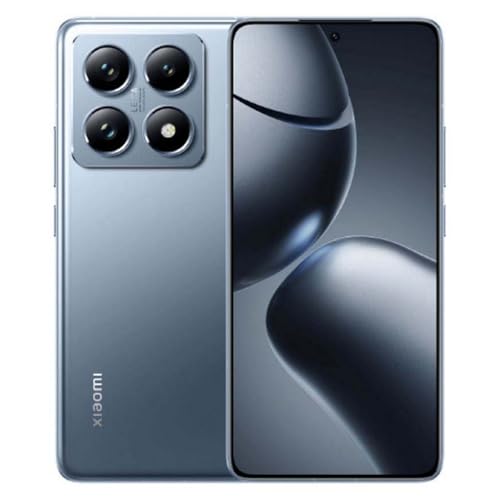
The Xiaomi 14T Pro is a high-performance "sub-flagship" powered by a MediaTek Dimensity 9300+ chipset, delivering rapid performance, great gaming capabilities, and strong all-day battery life. Featuring a 6.67-inch 144Hz OLED display with 4000 nits peak brightness, the device also debuts 50W wireless charging alongside 120W wired charging. The Leica-engineered triple-camera system provides excellent, detailed, and natural-looking images. However, the 14T Pro lacks a charging brick in the box and its design is considered quite generic. Additionally, the HyperOS software comes with significant pre-installed bloatware, and the four-year update promise is less competitive than top-tier rivals. www.stuff.tv
The Xiaomi 14T Pro is positioned as a high-performance "flagship alternative" featuring a premium matte aluminum frame, a significantly reduced, color-matched camera bump, and a 6.67-inch AMOLED display with a 144Hz refresh rate and 4,000 nits peak brightness. Performance is driven by the MediaTek Dimensity 9300+ chipset, which provides top-tier, sometimes "outlandish" benchmark results and intense gaming capability, although the device can run warm. The phone includes a 5,000mAh battery supporting 120W wired and 50W wireless charging, though battery life is only considered "so-so," often requiring daily charging. The Leica-co-engineered camera system is highlighted by an excellent 50MP main sensor for low-light photography, offering "Authentic" and "Vibrant" color profiles. However, the 12MP ultrawide and 50MP telephoto lenses are considered less impressive, exhibiting inconsistency in detail at high zoom levels. While the hardware is competitive, the HyperOS software is cited for significant bloatware and a cluttered user interface.
The Xiaomi 14T Pro is presented as a high-performance device, featuring the MediaTek Dimensity 9300+ processor and a 6.67-inch 144Hz AMOLED display for smooth performance and excellent visuals. Pros include exceptional battery life, a fast fingerprint scanner, loud speakers, and a Leica-tuned camera system that captures fine details. Cons identified are an unambitious design, the HyperOS software's iOS-like notification split, and the exclusion of a charger in the box.
According to DXOMARK's review, T Pro camera performs well in bright conditions with accurate exposure and natural skin tones, but suffers from a lack of fine detail and limited dynamic range. The ultra-wide and telephoto lenses are decent but inconsistent, particularly struggling with detail and artifacts in various conditions, and overall performance diminishes in low light with texture loss and noise. While video benefits from smooth autofocus and stabilization, along with good HDR dynamic range, it shows desaturated colors in daylight and lacks fine detail compared to rivals. More details are available on the DXOMARK website.
The Xiaomi 14T Pro is presented as a high-performing "mid-generation all-star" featuring the MediaTek Dimensity 9300+ chipset and a 6.67-inch 144Hz AMOLED display, offering flagship-level performance and high-end charging capabilities. Its Leica-engineered triple-camera system delivers high-quality images and video, including impressive Night Mode performance, although low-light processing can occasionally produce unnatural textures or white balancing. Pros include top gaming performance, excellent display, versatile camera modes, and rapid charging, while cons point to a high launch price close to the Xiaomi 14 Ultra and a lack of expandable storage.
PetaPixel describes the Xiaomi 14T Pro as a bridge device offering value beyond its price, with the standout feature being its Leica-tuned triple-camera system featuring the Light Fusion 900 sensor. Pros include the exceptional main camera, high-end performance from the MediaTek Dimensity 9300+ chipset, ultra-fast 120W wired and 50W wireless charging, and a high-quality 144Hz AMOLED display. Cons involve dynamic range issues with lens flare, limitations in the 2.6x telephoto and ultrawide lenses, pre-installed software bloat, and the exclusion of the 120W charger in some regions.
The Xiaomi 14T Pro is presented as a mid-range device with flagship-level features, including a 144Hz AMOLED display and a powerful MediaTek Dimensity 9300+ chipset. It introduces 50W wireless charging and retains 120W wired charging. Its key strength is the Leica-tuned triple-camera system, particularly strong in low-light conditions, offering detailed 50MP shots and support for 8K video recording and Director Mode. However, the device is criticised for HyperOS bloatware, sometimes artificial AI camera processing, a non-premium design, and the significant drawback of not including a charger in the box.
According to a ViserMark review, the Xiaomi 14T Pro is a high-performance device featuring a MediaTek Dimensity 9300+ chipset, up to 16GB RAM, and a 6.67-inch 144Hz AMOLED display. Pros include its 5,000mAh battery lasting up to two days and 120W HyperCharge, while cons include a 1-leaf battery efficiency rating due to high power consumption and the absence of autofocus on the ultra-wide camera lens.
According to a PhoneArena review, the Xiaomi 14T Pro is described as a high-performance "flagship alternative" that effectively bridges the gap between mid-range and top-tier devices. It features a premium design and a 6.67-inch AMOLED display with a 144Hz refresh rate and a peak brightness of up to 4,000 nits. Powered by the MediaTek Dimensity 9300+ chipset, the phone offers strong performance and battery life, supported by 120W wired and 50W wireless charging. The Leica-engineered camera system produces good daylight photos, particularly with its 50MP main sensor and 2.6x telephoto lens. However, the review notes several drawbacks, including a mediocre 12MP ultrawide lens and a 32MP selfie camera lacking autofocus. Software concerns include the complexity of the HyperOS interface and the control center's lack of icon labeling. Additional cons mentioned are the exclusion of a charger in some regions and a precise but weak vibration motor.
The Xiaomi 14T Pro delivers high-end performance, featuring the MediaTek Dimensity 9300+ chipset and strong battery life at a competitive price point. While the Leica-engineered, Light Fusion 900-based main and telephoto cameras provide excellent results, the 12MP ultra-wide camera produces subpar, blurry, and pale images. Key drawbacks include significant bloatware, unfinished AI features, and a mediocre selfie camera, notes a review on Galaxus.
The Xiaomi 14T Pro is positioned as a high-performance "sub-flagship" offering premium features—including a bright 144Hz AMOLED display and the powerful MediaTek Dimensity 9300+ chipset—at a competitive price point. While the Leica-engineered camera system performs well in low light with the main sensor, the ultrawide camera, along with a somewhat generic design and heavy pre-installed software (HyperOS), are noted drawbacks. Despite the lack of a charger in the box, the device boasts impressive 120W wired and 50W wireless charging, though it faces limited availability in some markets. WIRED
The Xiaomi 14T Pro operates as a high-end "flagship killer," featuring a premium matte aluminium chassis, an IP68 rating, and a 6.67-inch 144Hz AMOLED display that hits 4,000 nits. While delivering top-tier performance via the MediaTek Dimensity 9300+ chipset and rapid 120W/50W charging, the device lacks an in-box charger and misses an LTPO panel for variable refresh rates. The Leica-engineered 50MP camera excels in low light, though the software experience is marred by heavy bloatware in HyperOS.
The PC-WELT review identifies the Xiaomi 14T Pro as a premium "flagship killer" offering high-end hardware, including a powerful MediaTek Dimensity 9300+ processor and a bright 6.67-inch, 144Hz AMOLED display. The Leica-engineered camera system boasts a 1/1.31-inch main sensor for detailed, high-dynamic-range photography, although the 12MP ultra-wide lens underperforms in comparison and extreme zoom results in over-sharpened, artificial-looking images. Battery longevity is solid, with a 5,000mAh cell supporting rapid 120W wired charging that reaches full capacity in under 25 minutes, complemented by 50W wireless charging. Notable drawbacks include the presence of pre-installed bloatware within the HyperOS software, potential UI irregularities, and the exclusion of a charger in the box.
The Xiaomi 14T Pro is a powerful "flagship-lite" device featuring a premium aluminium frame, frosted glass back, and a vibrant 6.67-inch AMOLED display with a 144Hz refresh rate and 4,000 nits peak brightness. Powered by the MediaTek Dimensity 9300+ chipset, it handles intensive tasks well, though it can generate heat under prolonged, heavy use. The Leica-engineered triple-camera system, particularly the 50MP main sensor, excels in low-light photography, though the 12MP ultra-wide lacks autofocus and the HyperOS software includes notable bloatware. Equipped with a 5,000mAh battery, the device offers strong endurance, lasting up to two days with moderate use. While it supports 120W wired and 50W wireless charging, the 120W charger is no longer included in the box, a key drawback highlighted in the Sparhandy review.
The Xiaomi 14T Pro emerges as a high-performance "flagship killer," offering a robust aluminum alloy frame, a bright 6.67-inch 144Hz AMOLED display, and the powerful MediaTek Dimensity 9300+ chipset. Its Leica-engineered camera system delivers detailed, high-contrast images, complemented by rapid 120W wired and 50W wireless charging capabilities. However, the device is hindered by excessive bloatware in the HyperOS software, a mediocre ultra-wide camera lens, and the absence of a charger in the box.
The Xiaomi 14T Pro merges premium performance with mid-range pricing, featuring a refined design with flat edges and a high-quality 6.67-inch, 144Hz AMOLED display. Powered by the MediaTek Dimensity 9300+ chipset, the device delivers flagship-level speed, complemented by a Leica-engineered 50MP main camera that excels in varied lighting conditions. Despite fast charging capabilities, the device is criticized for excluding a charger and featuring excessive software bloatware. For more details, visit futurezone.at.
The Digitec review highlights the Xiaomi 14T Pro as a return to value-for-money, featuring high-end performance, a durable aluminum frame, and a strong Leica-engineered camera system with the Light Fusion 900 sensor. The device boasts a bright 144 Hz AMOLED display, impressive battery life that outperforms the 14 Ultra in testing, and fast 120W/50W charging. However, key drawbacks include significant pre-installed bloatware in HyperOS, an inferior ultra-wide camera, and the lack of a charger in the box.
The Xiaomi 14T Pro outperforms the standard 14T in a 6:2 camera comparison, driven by its superior Light Hunter 900 main sensor, which provides better sharpness and dynamic range in daylight. While the 14T Pro excels in telephoto (60mm vs 50mm) and edge-corrected ultra-wide shots, the standard 14T surprisingly produces brighter, warmer night photos. A critical finding is that the 14T Pro captures superior, more vibrant selfies and offers 8K video recording, whereas the 14T is hindered by a significant focus bug during movement. For more details, visit Smartzone.de.
The Xiaomi 14T Pro, as tested by ChinaMobileMag, is a durable flagship-killer featuring a robust metal frame, IP68 rating, and a 6.67-inch, 144Hz, 4,000-nit AMOLED display. Driven by the MediaTek Dimensity 9300+, the device offers high-end performance, maintaining stable frame rates in demanding games while managing heat effectively. ChinaMobileMagThe Leica-co-engineered camera system shines with a 50MP Light Fusion 900 main sensor that delivers excellent low-light performance and natural colors. However, the 50MP telephoto lens lacks optical image stabilization (OIS), and the 12MP ultrawide camera is fixed-focus, limiting versatility. ChinaMobileMagThe device supports 120W wired and 50W wireless charging, though the charger is excluded from the European box, and the software contains significant pre-installed bloatware. Additionally, the USB 2.0 port is slow, and there is no microSD slot for storage expansion. For more details, visit ChinaMobileMag. ChinaMobileMag
The Fnac Leclaireur Lab awards the Xiaomi 14T Pro a 4-star rating, highlighting it as a high-performance "flagship killer" with exceptional CPU/GPU power via the MediaTek Dimensity 9300+, despite noting that the device can heat up during intense gaming. The 6.67-inch AMOLED screen and solid 11-hour 45-minute battery life, coupled with 120W wired charging (40-minute charge time) and 50W wireless charging, are standout features, though the charger is no longer included. While the Leica-tuned camera system offers great sharpness on the main and selfie sensors, the ultra-wide lens lacks autofocus and the zoom quality degrades quickly. L'Éclaireur Fnac
The Digitec review highlights the Xiaomi 14T Pro as a strong value-for-money, near-flagship device powered by the MediaTek Dimensity 9300+ chipset and featuring a high-quality 6.67-inch, 144Hz AMOLED display. Its Leica-engineered camera system is a key pro, specifically the Light Fusion 900 sensor which delivers excellent, contrast-heavy images across all three rear sensors, especially in low-light conditions. While performance is top-tier and battery life is strong, the review notes the device lacks a power adapter in the box and that the HyperOS software suffers from significant, unwanted pre-installed apps. For more details, visit Digitec.
The Xiaomi 14T Pro is positioned as a "flagship-killer" offering high-end hardware, including a MediaTek Dimensity 9300+ chipset and a 6.67-inch 144Hz AMOLED display with 4,000 nits peak brightness. Key strengths highlighted include rapid 120W wired and 50W wireless charging, alongside a Leica-engineered 50MP camera optimized for low-light performance. However, the device features significant pre-installed bloatware in HyperOS, a generic design, and lacks an included 120W charger in the box.
The Xiaomi 14T Pro emerges as a high-performance "flagship killer," featuring the MediaTek Dimensity 9300+ chipset and a 6.67-inch, 144Hz AMOLED display capable of 4,000 nits peak brightness. Its Leica-engineered triple-camera system shines in night photography and portraiture, complemented by robust construction with a metal frame and IP68 rating. Pros include exceptionally fast 120W wired and 50W wireless charging, alongside strong raw performance. Conversely, the device faces criticism for its cluttered HyperOS software, which includes significant bloatware, and a mediocre, fixed-focus ultra-wide lens. Other cons include potential heating during intense gaming and the exclusion of a charger from the box.
The Xiaomi 14T Pro is a high-performance smartphone designed to bridge the gap between mid-range and premium flagship devices. It features a 6.67-inch 144 Hz Amoled display with excellent brightness (1299 cd/m²) and a powerful MediaTek Dimensity 9300+ processor that rivals the Snapdragon 8 Gen 3 in daily tasks and multitasking. The design is functional and sturdy, boasting an IP68 rating for water and dust resistance, though the phone is notably massive at 209g. In terms of photography, the collaboration with Leica results in a versatile triple-camera system. The 50 MP main sensor excels in color accuracy and night photography, while the 2.6x telephoto lens performs better than competitors in low light. However, the ultra-wide-angle lens is a weak point, showing significant blur at the edges and a disappointing orange tint in low-light conditions. Additionally, while the device supports incredibly fast 120 W wired and 50 W wireless charging, the battery life itself is average, lasting about 15 hours and 48 minutes in mixed usage tests.
The Xiaomi 14T Pro, as reviewed by Frandroid, is a high-performance device featuring a 6.67-inch 144Hz AMOLED display, a titanium-edged design, and the powerful MediaTek Dimensity 9300+ chipset. While the phone delivers excellent gaming performance and camera quality tuned by Leica, it suffers from significant overheating issues during intense use, and the software (HyperOS) is reported to have excessive bloatware. Battery capabilities are strong with 120W wired and 50W wireless charging, but the, packaging notably omits both the charger and protective cover.
The Xiaomi 14T Pro excels as a powerful "affordable flagship," featuring a 6.67-inch 144Hz AMOLED display with 4,000 nits peak brightness and a high-performance MediaTek Dimensity 9300+ processor. The device boasts a Leica-engineered 50MP main camera capable of excellent low-light performance and, along with 120W wired and 50W wireless charging, delivers strong, fast-charging battery life. However, the design feels uninspired, the 12MP ultra-wide sensor lacks detail compared to the main camera, and user experience is marred by pre-installed bloatware.
The Xiaomi 14T Pro is a high-performance "almost-flagship" featuring a refined aluminum design, the powerful MediaTek Dimensity 9300+ chipset, and 120W wired charging. Its 6.67-inch 144Hz AMOLED display offers 4,000 nits peak brightness, complemented by a Leica-engineered 50MP main camera that delivers excellent low-light performance. However, the device suffers from a cluttered, bloatware-heavy HyperOS interface and lacks a charger in the box, while secondary cameras fail to match the main sensor's quality.
The Xiaomi 14T Pro is highlighted as a high-performance "almost-flagship" that delivers top-tier specifications, including the MediaTek Dimensity 9300+ chipset and a 144Hz, 4,000-nit AMOLED display, at a competitive price. Its design features a premium aluminum frame and a robust, curved glass construction that significantly upgrades over its predecessor. Key advantages include extremely fast 120W wired and 50W wireless charging, alongside a Leica-co-engineered camera system that excels in low-light photography. However, the device faces drawbacks, most notably the lack of a charger included in the box, which is required to achieve maximum charging speeds. While the 5,000mAh battery provides a full day of use, it is described as "respectable but not excellent" compared to rivals. Additionally, the HyperOS software is marred by significant bloatware, and the phone can experience noticeable heating during intensive, prolonged gaming sessions.
The Xiaomi 14T Pro represents a strong return to value, offering near-flagship performance, a bright 144Hz AMOLED display, and rapid 120W charging at a competitive price point. While the Leica-engineered main camera produces high-quality, detailed images, the ultra-wide lens underperforms and the software is heavily burdened with pre-installed apps. Despite these drawbacks, the device delivers an excellent overall package for the price, though it lacks an in-box charger and features incomplete AI tools. For more details, visit Galaxus.
The Xiaomi 14T Pro is positioned as a high-value "flagship killer" featuring the powerful MediaTek Dimensity 9300+ chipset and a vibrant 6.67-inch, 144Hz AMOLED display with 4,000 nits peak brightness. Co-engineered with Leica, the triple-camera system provides excellent detail with its 50MP main sensor, though the 12MP ultrawide is deemed merely average and low-light performance can lack the precision of top-tier, more expensive competitors. While the 5000mAh battery supports 120W wired and 50W wireless charging, the omission of a charger in the box and pre-installed bloatware within HyperOS are noted downsides.
The Xiaomi 14T Pro, as reviewed by TuttoAndroid, positions itself as a high-end device bridging the gap between standard flagships and Ultra models, powered by the MediaTek Dimensity 9300+ processor. It features a 6.67-inch 1.5K 144Hz AMOLED display with 4,000 nits peak brightness and a Leica-co-engineered camera system using the Light Fusion 900 sensor. Key pros include rapid 120W wired and 50W wireless charging, alongside strong, consistent performance. The camera system excels in detail, though the review notes some limitations in "point-and-shoot" software compared to RAW mode. The device maintains a solid, IP68-rated build, but the satin glass finish is prone to fingerprints. TuttoAndroidCons include a lack of autofocus on the ultra-wide camera and inconsistent selfie performance. Furthermore, while functional, the HyperOS interface is described as somewhat monotonous.
The Xiaomi 14T Pro, reviewed by Andrea Galeazzi, is positioned as a high-performance alternative to premium flagships, featuring a robust aluminum frame, satin-finish glass, and the powerful MediaTek Dimensity 9300+ chipset. It excels in performance, offering superior multitasking and gaming capabilities while improving on previous models with a less fingerprint-prone design, though the device can be slippery to hold. The 6.67-inch AMOLED display delivers a 144Hz refresh rate and high brightness, complementing a Leica-engineered camera system that produces excellent, high-detail photos with a distinct, natural style. However, the 12MP ultra-wide sensor is noted as a weakness, lacking autofocus and falling short in detail compared to the impressive main and telephoto lenses. Battery life, supported by 120W wired and 50W wireless charging, is described as adequate rather than exceptional, typically yielding 6–7 hours of screen-on time. Key drawbacks include the removal of the charger from the box in Europe and the need for further refinement in the HyperOS software to eliminate minor bugs and inconsistent battery drain, despite its overall smooth performance.
The Xiaomi 14T Pro is a high-performance "flagship killer" featuring a 6.67-inch 144Hz AMOLED display with 4,000 nits peak brightness and the MediaTek Dimensity 9300+ chipset. Co-engineered with Leica, the 50MP main camera excels in both day and night conditions, offering distinct Authentic and Vibrant color styles, although the 2.6x telephoto and 12MP ultra-wide lenses show some limitations. Key advantages include 120W wired charging (0-100% in 25 mins) and 50W wireless, alongside an IP68 rating, while drawbacks include significant HyperOS bloatware and the omission of a charger in the box.
The Xiaomi 14T Pro 5G is a high-performance "affordable flagship" featuring a MediaTek Dimensity 9300+ chipset and a 6.67-inch, 144Hz AMOLED screen with 4,000 nits peak brightness. The device boasts a premium aluminum design with an IP68 rating, 120W wired charging, and, for the first time in the T-series, 50W wireless charging. While the Leica-engineered camera excels in low-light, the ultra-wide sensor is average and high-zoom shots can appear over-processed, coupled with a cluttered HyperOS software experience.
The Xiaomi 14T Pro is highlighted as a high-performance "flagship killer" featuring a capable triple-camera system co-engineered with Leica, which produces images with rich depth and character. Key pros include the MediaTek Dimensity 9300+ chipset for excellent performance, a bright 144Hz AMOLED display, and fast 120W wired charging. However, cons include aggressive AI post-processing, a somewhat generic design, and the presence of pre-installed software. ITdaily.
The Xiaomi 14T Pro, priced around €700, is a "flagship killer" featuring an aluminum alloy frame and a 6.67-inch, 144Hz AMOLED display with 4,000-nit peak brightness. Powered by the MediaTek Dimensity 9300+ chipset and 12GB of RAM, the device delivers top-tier performance, complemented by a versatile, Leica-engineered camera system that excels in various lighting conditions. While offering impressive, fast 120W wired and 50W wireless charging, the device does not include a charger in the European box, and its 5,000mAh battery lacks a, LTPO panel for fully dynamic refresh rates. Furthermore, the review highlights significant bloatware within HyperOS and notes that the ultrawide camera is less impressive than the main sensor. Pros include exceptional performance, a bright display, strong Leica camera, and fast charging, while cons include excessive pre-installed apps, no in-box charger, and a slippery, hard-to-grip design.

Compare