Xiaomi 13 Pro (12GB + 512GB) review. Compare 197 technical specifications and user reviews to see how this product ranks in the Smartphones category and whether it is worth buying.
Overall score
What it is: An overall evaluation of the smartphone's quality, based on technical analyses and user reviews.
When it matters: When you need a quick reference to identify the best smartphones on the market.
Score components:
90.0%
Technical Score
10.0%
User score
Technical Score
What it is: An assessment of the smartphone's technical performance, covering eight key areas: performance & hardware, software, camera, connectivity, display, battery, audio, and design.
When it matters: When you want to compare smartphones based on technical performance and available features.
Score components:
25.0%
Performance & Hardware
18.0%
Camera
15.0%
Display
15.0%
Battery
10.0%
Software
10.0%
Connectivity
4.0%
Audio
3.0%
Design
User score
What it is: A rating that combines user reviews and the total number of reviews received by the smartphone
When it matters: When you want to know how a smartphone handles daily tasks and how reliable it remains over time according to user feedback.
Score components:
70.0%
User reviews
30.0%
Popularity
Available: ranking among products currently available (including other versions of this product).
All: ranking among all products in the database.
#9 in Best Xiaomi Phones
#16 in Best Camera Smartphones
#17 in Best Smartphones for Seniors
#23 in Best Chinese Smartphones
#30 in Best Android Smartphones
#34 in Best Smartphones
#34 in Best NFC Smartphones
#34 in Best 5G Smartphones
#34 in Best AI Smartphones
#40 in Best Value Smartphones
#498 in Best Battery Life Smartphones
What it is: An assessment of the smartphone's technical performance, covering eight key areas: performance & hardware, software, camera, connectivity, display, battery, audio, and design.
When it matters: When you want to compare smartphones based on technical performance and available features.
Score components:
25.0%
Performance & Hardware
18.0%
Camera
15.0%
Display
15.0%
Battery
10.0%
Software
10.0%
Connectivity
4.0%
Audio
3.0%
Design
What it is: A rating that combines user reviews and the total number of reviews received by the smartphone
When it matters: When you want to know how a smartphone handles daily tasks and how reliable it remains over time according to user feedback.
Score components:
70.0%
User reviews
30.0%
Popularity
What it is: An indicator that combines the smartphone's overall rating with its cost.
When it matters: When you are looking for a smartphone with a good balance between quality and price.
Score components:
60.0%
Overall score
40.0%
Price
Importance: LOW
Importance: HIGH
Importance: HIGH
Good value: >12 GB
Importance: MEDIUM
Good value: >256 GB
Importance: MEDIUM
Good value: >3.2 GHz
Importance: LOW
Importance: MEDIUM
Good value: >1500
Importance: LOW
Good value: >4000
Importance: LOW
Good value: 8+
Importance: LOW
Importance: LOW
Good value: >950 MHz
Importance: LOW
Good value: >700
Importance: LOW
Good value: >1000
Importance: LOW
Good value: >2500
Importance: MEDIUM
Good value: >6000
Importance: LOW
Good value: >8000
Importance: MEDIUM
Good value: >12000
Importance: LOW
Good value: >5000
Importance: LOW
Good value: >1800
Importance: LOW
Good value: >3200 MHz
Importance: LOW
Good value: 5
Importance: LOW
Good value: > 50 GB/s
Importance: LOW
Good value: 4
Importance: LOW
Good value: >16 GB
Importance: MEDIUM
Good value: <6 nm
Importance: MEDIUM
Good value: >9 W
Importance: LOW
Importance: LOW
Good value: >8192 KB
Importance: LOW
Good value: >2048 KB
Importance: LOW
Good value: >512 KB
Importance: LOW
Good value: >100000 million
Importance: LOW
Good value: 3.3
Importance: LOW
Good value: 3.2
Importance: LOW
Good value: 2.0/3.0
Importance: LOW
Importance: LOW
Importance: LOW
Importance: MEDIUM
Importance: LOW
Importance: LOW
Importance: LOW
Importance: LOW
Importance: LOW
Importance: LOW
Importance: LOW
Importance: LOW
Importance: LOW
Importance: LOW
Importance: LOW
Importance: LOW
Importance: LOW
Importance: LOW
Importance: LOW
Importance: LOW
Importance: LOW
Importance: LOW
Importance: LOW
Importance: LOW
Importance: LOW
Importance: LOW
Importance: LOW
Importance: LOW
Importance: LOW
Importance: LOW
Importance: LOW
Importance: LOW
Importance: LOW
Importance: LOW
Importance: LOW
Importance: LOW
Importance: LOW
Importance: MEDIUM
Good value: >50 MP
Importance: MEDIUM
Importance: HIGH
Good value: >60
Importance: LOW
Good value: ≥1.2 µm
Importance: MEDIUM
Good value: >2.5x
Importance: MEDIUM
Importance: LOW
Importance: LOW
Importance: LOW
Importance: LOW
Good value: ≥2
Importance: LOW
Importance: LOW
Importance: LOW
Importance: LOW
Good value: >16 MP
Importance: LOW
Importance: LOW
Importance: LOW
Importance: LOW
Importance: MEDIUM
Importance: LOW
Importance: LOW
Importance: LOW
Importance: LOW
Importance: LOW
Importance: LOW
Importance: LOW
Importance: LOW
Importance: LOW
Importance: LOW
Importance: LOW
Importance: LOW
Importance: LOW
Importance: LOW
Importance: LOW
Importance: LOW
Importance: LOW
Importance: LOW
Importance: LOW
Importance: LOW
Importance: LOW
Good value: >130
Importance: LOW
Good value: >120
Importance: LOW
Good value: ≥2
Importance: LOW
Importance: LOW
Importance: LOW
Importance: LOW
Importance: LOW
Importance: LOW
Good value: >5.2
Importance: LOW
Importance: LOW
Importance: LOW
Importance: LOW
Good value: 3.1/3.2
Importance: LOW
Importance: LOW
Importance: LOW
Good value: ≥2
Importance: LOW
Importance: LOW
Importance: LOW
Importance: LOW
Importance: LOW
Importance: LOW
Importance: LOW
Importance: LOW
Importance: LOW
Importance: LOW
Importance: LOW
Importance: LOW
Importance: LOW
Importance: LOW
Importance: LOW
Importance: LOW
Good value: ≥6.6 inches
Importance: MEDIUM
Importance: LOW
Good value: >400 ppi
Importance: MEDIUM
Importance: MEDIUM
Good value: ≥120 Hz
Importance: LOW
Importance: LOW
Good value: >300 Hz
Importance: LOW
Good value: >800 nits
Importance: LOW
Good value: >1300 nits
Importance: LOW
Good value: >1000 nits
Importance: LOW
Importance: LOW
Importance: LOW
Importance: LOW
Importance: LOW
Importance: LOW
Importance: LOW
Importance: LOW
Importance: HIGH
Good value: >5000 mAh
Importance: MEDIUM
Good value: >60 W
Importance: LOW
Importance: LOW
Good value: <45 min
Importance: LOW
Importance: LOW
Good value: >40 W
Importance: LOW
Importance: LOW
Good value: >10 W
Importance: LOW
Importance: LOW
Importance: MEDIUM
Importance: LOW
Good value: >800
Importance: LOW
Importance: LOW
Importance: LOW
Importance: LOW
Importance: LOW
Good value: ≥3
Importance: LOW
Importance: LOW
Importance: LOW
Importance: LOW
Importance: LOW
Importance: LOW
Importance: LOW
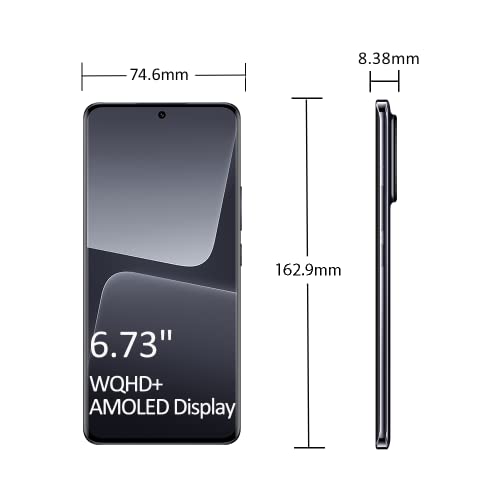
Good value: <162 mm
Importance: LOW
Good value: <75 mm
Importance: LOW
Good value: <8 mm
Importance: LOW
Good value: <190 g
Importance: LOW
Good value: <98cm³
Importance: LOW
Importance: LOW
Importance: LOW
Importance: LOW
Importance: LOW
Importance: LOW
Good value: ≥1.5 m
Importance: LOW
Importance: LOW
Good value: >8
Importance: LOW
Importance: LOW
Importance: HIGH
Good value: >60
Importance: MEDIUM
Good value: >2.5x
Importance: MEDIUM
Good value: >60 W
Importance: MEDIUM
Importance: MEDIUM
Importance: LOW
Importance: MEDIUM
Good value: >256 GB
Importance: MEDIUM
Good value: >6000
Importance: MEDIUM
Importance: LOW
Importance: LOW
Importance: HIGH
Good value: >5000 mAh
Importance: LOW
Good value: <190 g
Importance: LOW
(Reviews last updated: August 2026)
The Xiaomi 13 Pro is presented as a high-end flagship notable for its bio-ceramic back, 120Hz adaptive AMOLED display, and IP68 water and dust resistance, although its significant weight is noted as a potential drawback. The device features a Leica-engineered camera system that excels in image quality, particularly in low light and portrait modes, alongside strong performance for demanding tasks and rapid 120W HyperCharge technology capable of a full charge in 19 minutes. However, the MIUI 14 software is identified as a primary disadvantage due to its interface quirks, and the selfie camera is considered weaker than the main rear sensors.
The Xiaomi 13 Pro is presented as a "grown-up" flagship with premium hardware, including an IP68 rating, ceramic back, LTPO OLED display, and powerful Snapdragon 8 Gen 2 performance. Its key pro is the Leica-engineered camera system featuring a 1-inch Sony IMX989 sensor and effective macro capabilities via the telephoto lens, alongside incredibly fast 120W charging. Noted cons include a disappointing selfie camera, a bulky main camera that causes wobbling, persistent software issues with aggressive background app killing and bloatware, a high price point, and a heavy build.
The Xiaomi 13 Pro is a powerful smartphone that challenges top flagships with its versatile 50MP camera system, including a 1-inch main sensor, a high-quality QHD+ AMOLED display, and a powerful Snapdragon 8 Gen 2 chipset. However, it is hindered by the heavily customized MIUI 14 software with bloatware, a bulky design prone to fingerprints, and minor inconsistencies in GPU performance. The phone features strong battery life and industry-leading 120W wired charging, fully recharging in about 26 minutes.
TechRadar describes the Xiaomi 13 Pro as a flagship phone with strong hardware, including a Leica-engineered camera system and top performance from the Snapdragon 8 Gen 2 chipset, but finds its software experience, bloatware, and UI choices detract from the premium price tag. Key pros include its powerful 50MP triple camera with a 1-inch main sensor, excellent 120W fast charging, a vibrant WQHD+ AMOLED display, and IP68 rating, while cons include weaker low-light camera performance than some rivals, limited 1080p front camera video, a fingerprint-prone ceramic back, and a potentially bland design.
The Xiaomi 13 Pro is presented as a premium flagship device with a 6.73-inch LTPO OLED display, Snapdragon 8 Gen 2 chipset, and IP68 rating, but its ceramic back is noted as slippery. It features excellent battery life with 120W wired and 50W wireless charging, though the MIUI 14 software is considered somewhat cluttered in its global version. The Leica-partnered camera system, with a 1-inch main sensor and a versatile telephoto lens, is a highlight, yet the fixed-focus 32MP selfie camera lacks 4K video recording, which is a drawback at this price point.
The CGMagazine review highlights the Xiaomi 13 Pro as a high-performance flagship featuring a 6.73-inch 120Hz AMOLED display and the powerful Snapdragon 8 Gen 2 chipset. While the Leica-engineered 1-inch main sensor produces exceptional, professional-grade images, the device suffers from a bulky camera bump, significant 7.41 oz weight, and occasional, inconsistent, or fuzzy low-light photography. Battery performance is a major strength, capable of lasting through heavy usage, and the 120W charger provides a full charge in roughly 19 minutes.
The Xiaomi 13 Pro is a powerful flagship featuring a brilliant 6.73-inch 120Hz display, a rapid 20-minute charging time, and a high-quality, durable build with IP68 protection. However, the device falls short of top-tier rivals due to underwhelming performance optimization despite its Snapdragon 8 Gen 2 chip, significant software bloatware in MIUI 14, and a mediocre front camera. While the Leica-powered one-inch main sensor offers excellent photography, the overall experience is hindered by these usability drawbacks.
The Creative Bloq review characterizes the Xiaomi 13 Pro as a pro-quality photography device, highlighting its 6.73-inch 1,900-nit AMOLED display, Snapdragon 8 Gen 2 performance, and rapid 120W charging. While praised for its premium design and superior camera system, the review notes drawbacks including accidental touches from the curved screen and significant, pre-installed bloatware. The Leica-engineered, 1-inch sensor camera is described as a standout, though the front camera is limited to 1080p video.
The NextPit review highlights the Xiaomi 13 Pro as a top-tier flagship featuring a 1-inch, 50.3 MP camera system co-engineered with Leica, which delivers excellent, natural photos. Powered by the Snapdragon 8 Gen 2, it boasts a superior 6.73-inch 120Hz AMOLED display and rapid 120W charging. While hardware excels, the review notes the MIUI 14 software is plagued by significant bloatware, and the design, though premium with a ceramic finish and IP68 rating, feels somewhat dated. Additionally, the massive camera module and subpar selfie camera are identified as drawbacks. Ultimately, the device is considered a high-end contender that almost rivals the Samsung Galaxy S23 Ultra, yet is held back by its software experience, high price, and a fingerprint-prone design.
CGMagazine awards the Xiaomi 13 Pro an 8.5/10, highlighting its premium ceramic build, vibrant 6.73-inch AMOLED display, and Leica-branded camera system. While the phone boasts top-tier performance from the Snapdragon 8 Gen 2 chipset, drawbacks include a significant camera bump that causes uneven sitting and a high-maintenance black ceramic finish. The camera excels in daytime, but the review noted a potential unit-specific, rather than widespread, lens flare issue at night. Comics Gaming MagazineBattery life is a major strength, comfortably lasting a full day of heavy use, supported by 120W HyperCharge technology that reaches full power in 19 minutes. The device delivers a fast, lag-free experience for gaming and multitasking, complemented by high-quality Dolby Atmos audio. Minor software quirks and the bulky camera module are noted as minor cons, but the phone is considered a versatile, high-end option.
The Xiaomi 13 Pro, featuring a 6.73-inch 120Hz Samsung E6 OLED display and the Snapdragon 8 Gen 2 chipset, offers high performance, exceptional battery life, and ultra-fast 120W charging. The Leica-engineered camera system boasts a 1-inch Sony IMX989 main sensor for excellent low-light performance, alongside a versatile 75mm telephoto lens that functions as a macro. However, the device suffers from overly saturated daytime photos, a disappointing front camera, aggressive background app management causing notification delays, and a high, 1,300 euro price point.
The Xiaomi 13 Pro is a high-performance, Leica-engineered flagship featuring a 6.73-inch, 1,127-nit LTPO OLED display and a powerful Snapdragon 8 Gen 2 chipset, though its curved, 1-inch sensor design feels dated compared to the standard Xiaomi 13. While the device excels in, and offers 120W rapid charging, it faces performance issues with overheating under extreme graphical stress. Despite the premium hardware, the experience is hindered by MIUI 14's excessive bloatware and aggressive background app management. Laptop Mag
The Xiaomi 13 Pro is described as a flagship device featuring a premium metal and ceramic design that is noted to be slippery and prone to fingerprints. It sports a 6.73-inch QHD+ LTPO AMOLED display with high brightness and is powered by the Snapdragon 8 Gen 2 chipset, offering strong performance. The device includes a 1-inch main camera sensor co-engineered with Leica, though HDR performance and software optimization for low light are noted areas for improvement.
Stuff.tv describes the Xiaomi 13 Pro as a "total package" flagship, highlighting its powerful hardware with a Snapdragon 8 Gen 2 chipset and a high-quality 6.73-inch 120Hz AMOLED display. A major strength is its Leica-engineered camera system featuring a 1-inch sensor, delivering exceptional detail, natural bokeh, and strong low-light performance, supported by quality telephoto and ultrawide lenses. The device also features 120W wired charging that refills the 4820mAh battery quickly and finally includes an IP68 water and dust resistance rating. However, the review notes several drawbacks, including the heavily customised MIUI 14 software which requires "taming" and has a split notification tray. The ceramic back, while luxurious, is a "fingerprint magnet," and the phone is relatively heavy and chunky. Additionally, the dual speakers lack bass compared to competitors.
Mashable's review describes the Xiaomi 13 Pro as a "true flagship killer" featuring a premium design, a high-quality AMOLED display, powerful performance from the Snapdragon 8 Gen 2 chip, and a standout Leica-partnered camera system with a 1-inch main sensor. The phone is praised for its exceptional low-light photography, upgraded telephoto lens, and industry-leading 120W wired charging speeds, offering a full charge in approximately 20 minutes alongside a two-day battery life under moderate use. However, the review notes drawbacks including the slippery ceramic finish, pre-installed bloatware in the MIUI 14 software, and an ultra-wide camera that is a step down in quality from the main sensor.
The Xiaomi 13 Pro is highlighted as a powerful device challenging competitors like the Samsung Galaxy S23 Ultra and Pixel 7 Pro, featuring exceptional hardware, a vibrant QHD+ AMOLED display, Snapdragon 8 Gen 2 chipset, and a standout Leica-engineered camera system with a 1-inch sensor. It also offers strong battery life and industry-leading 120W wired and 50W wireless charging. However, drawbacks include the MIUI 14 software with bloatware, a limited three-Android-update policy, a slippery ceramic back, and the absence of mmWave 5G in some markets. Android Central
According to Heise, the Xiaomi 13 Pro is a top-tier flagship featuring a premium 6.73-inch 120Hz AMOLED display and the powerful Snapdragon 8 Gen 2 processor, offering high-end performance and build quality. The device stands out with its Leica-co-engineered camera system, which utilizes a 1-inch main sensor for superior, detailed imaging, alongside a versatile telephoto lens for macro shots. However, the experience is hindered by a mediocre front-facing camera, a bulky design with a prominent camera bump, and extensive bloatware in the MIUI 14 software, despite the inclusion of rapid 120W charging.
Pro, as reviewed by Connect.de, establishes itself as a top-tier flagship, -inch camera sensor and a strategic partnership with Leica. The device's main lens offers outstanding,, superior photo quality, while the Leica-specific color profiles—Authentic and Vibrant—provide professional-grade image customization. Furthermore, -inch OLED display is praised for exceptional, industry-leading brightness and contrast. www.connect.dePerformance and build quality are notable strengths, driven by chipset and a durable, premium ceramic design. The inclusion rating for water and dust resistance finally addresses previous durability concerns, making the device a robust contender in the premium market. Battery life is solid, W fast charging % in just eight minutes. www.connect.de
The Xiaomi 13 Pro distinguishes itself with a Leica-engineered, 1-inch Sony IMX989 sensor, offering exceptional low-light photography and professional bokeh effects. While the triple 50MP rear camera system is a major pro for natural color rendering, the 32MP selfie camera is capped at 1080p, limiting front-facing video quality. The device boasts a 120Hz AMOLED display and rapid 120W charging, though its 229g ceramic design is bulky. Powered by the Snapdragon 8 Gen 2, the phone delivers strong performance, but it is held back by the cluttered MIUI 14 software, which includes pre-installed bloatware. Priced around 1,300 Euros, the 13 Pro competes directly with top-tier flagships, making its software inconsistencies a notable drawback.
The Xiaomi 13 Pro is highlighted as a high-end flagship defined by its Leica-engineered camera system, featuring a 1-inch Sony IMX989 sensor that excels in low-light photography and natural bokeh. While praised for its versatile photo modes, the device is criticized for a bulky camera module that makes it unstable on surfaces and a subpar front-facing camera. Performance is top-tier, powered by the Snapdragon 8 Gen 2 chipset, and supported by a 6.73-inch 120Hz AMOLED display and rapid 120W charging. However, the hardware is weighed down by a heavy design and a ceramic back that acts as a fingerprint magnet. The primary software drawback is MIUI 14, which is criticized for heavy bloatware and a confusing user interface. Despite these issues, the device offers a robust,, albeit pricey, alternative to rivals, say reviewers.
The Xiaomi 13 Pro is identified by Les Numériques as a powerful, ultra-premium device featuring a high-quality 6.7-inch OLED display and the top-tier Snapdragon 8 Gen 2 processor, marking it as a strong competitor to industry leaders. The camera system, developed in partnership with Leica, offers exceptional daytime performance and versatility with its 1-inch main sensor, though it sometimes falls short of rivals in low-light conditions. Despite these strengths, the review notes disappointing battery life and a heavy MIUI 14 software interface with pre-installed bloatware, yet balances this with a rapid 120W charging capability. Les Numé
The Xiaomi 13 Pro is a top-tier flagship featuring a Leica-engineered camera system with a 1-inch sensor, delivering exceptional, natural photography. Powered by the Snapdragon 8 Gen 2, it boasts a 6.73-inch 120Hz LTPO display and 120W charging that fills the battery in under 25 minutes. Despite its high-end performance, cons include heavy MIUI 14 software with bloatware, a 229g weight, and an underwhelming 32MP front camera.
The Xiaomi 13 Pro is a formidable flagship featuring a Leica-engineered triple 50MP camera system with a 1-inch Sony IMX989 main sensor and the high-performance Snapdragon 8 Gen 2 chipset, making it a direct competitor to the Galaxy S23 Ultra and Pixel 7 Pro. Performance is highly competitive, allowing the device to handle intensive tasks with ease, backed by 12GB of RAM. Display and battery capabilities are major strengths, with the 6.73-inch QHD+ 120Hz AMOLED panel reaching a peak brightness of 1,900 nits. The 4,820 mAh battery offers superior endurance, supported by a 120W HyperCharge system that delivers a full charge in just 26 minutes. Key drawbacks include a heavy, smudge-prone bio-ceramic design, and a heavily customized MIUI 14 interface that features significant pre-installed software. Additionally, the phone lags slightly in GPU-intensive tasks, and high pricing combined with limited market availability makes it a niche offering.
The Xiaomi 13 Pro is a high-end, 6.73-inch flagship featuring a superior 120Hz AMOLED display and powerful Snapdragon 8 Gen 2 performance, though it falls short of top rivals due to software bloat and minor inconsistencies. The Leica-engineered, one-inch main sensor produces exceptional, detailed photos, but the selfie camera is criticized for mediocre, pixelated results. While the 4820 mAh battery is slightly small, its 120W charging fully powers the device in just 20 minutes, making it a compelling, albeit flawed, premium option.
The Xiaomi 13 Pro is a hardware powerhouse featuring a top-tier 6.73-inch WQHD+ 120Hz AMOLED display and the high-performance Snapdragon 8 Gen 2 chipset. Co-engineered with Leica, the camera system is a highlight, utilizing a 1-inch Sony IMX989 sensor for exceptional detail, though the 32MP selfie camera lacks depth. Despite excellent 120W fast charging and solid battery life, the device is hindered by a fingerprint-prone design and MIUI 14 software filled with bloatware.
The Xiaomi 13 Pro impresses with a high-end 6.73-inch WQHD+ OLED display, excellent raw performance from the Snapdragon 8 Gen 2, and a standout Leica-engineered camera system featuring a 1-inch Sony sensor. Users benefit from exceptional photo quality, natural bokeh, and ultra-fast 120W charging that fills the battery in roughly 20 minutes. However, the device is criticized for heavy, slippery design and a cluttered MIUI 14 software experience filled with pre-installed bloatware.
The Xiaomi 13 Pro is a high-end flagship featuring a 6.73-inch 120Hz LTPO AMOLED display, a ceramic design, and the Snapdragon 8 Gen 2 chipset, offering top-tier performance and rapid 120W charging. The camera system, developed with Leica, utilizes a 1-inch 50MP main sensor for exceptional image quality, supported by versatile telephoto and ultra-wide lenses. While praised for its hardware, the device is criticized for its heavy 229g weight, the inclusion of MIUI 14 bloatware, and a 32MP selfie camera limited to 1080p. For more details, visit Presse-citron.
The Xiaomi 13 Pro marks a major step forward in hardware with its Leica-partnered triple 50MP camera system, highlighted by a 1-inch Sony IMX989 sensor and a 120Hz LTPO AMOLED display. Performance is top-tier thanks to the Snapdragon 8 Gen 2 chipset, complemented by rapid 120W charging and a durable IP68-rated design. However, the experience is hindered by MIUI 14's bloatware, a heavy 229g design, and a high €1,299 price tag that makes it tough to recommend over polished competitors.
The Xiaomi 13 Pro is presented as a high-performance device featuring a Leica-developed triple 50MP camera system with a 1-inch main sensor, offering superior low-light performance and detail. Alongside the camera capabilities, the 6.73-inch LTPO AMOLED display with 120Hz refresh rate is highlighted as a top-tier feature. Powered by the Snapdragon 8 Gen 2, the phone delivers fast performance and supports 120W charging that fully powers the 4,820mAh battery in under 25 minutes. Despite these strengths, the review notes significant drawbacks, particularly regarding the MIUI 14 software, which is described as having excessive bloatware. The device is criticized for its heavy 229g weight and a large camera bump that causes instability on flat surfaces. Furthermore, the 32MP front-facing camera produces disappointing results, and the high price point limits its competitiveness.
The ID.nl review characterizes the Xiaomi 13 Pro as a "textbook update" that successfully addresses previous shortcomings with a Leica-engineered camera system, a 1-inch Sony IMX989 sensor, and the addition of necessary IP68 water resistance. The device boasts top-tier performance with a Snapdragon 8 Gen 2 chipset, a bright 6.73-inch 120Hz AMOLED display, and 120W HyperCharge, which enables a full charge in roughly 19-25 minutes. However, drawbacks include the heavily customized MIUI 14 software with excessive bloatware, a heavy design (229g) with a fingerprint-prone ceramic back, and a high €1,299 launch price.
The Xiaomi 13 and 13 Pro offer distinct, high-end experiences, with the Pro model focusing on a 1-inch Sony IMX989 sensor and the base model delivering a compact design. Both devices feature the powerful Snapdragon 8 Gen 2 chipset and IP68 water/dust resistance. The Pro model stands out for its 6.73-inch 120Hz display, superior Leica-engineered imaging, and rapid 120W charging, while the standard 13 provides a more manageable 6.36-inch form factor. Pros include stellar, professional-grade photography from the 1-inch sensor, blazing-fast 120W charging, and premium build quality with a high-end feel. Cons focus on the intrusive and bloated MIUI 14 software, a high price point, and the bulky, heavy design of the Pro variant. Overall, the 13 Pro is a formidable photography-focused device, but the bulky design and, for some, the high price point and software experience are notable drawbacks.
The Xiaomi 13 Pro marks a significant, premium shift for the brand, highlighted by a 1-inch Sony IMX989 main sensor co-engineered with Leica, delivering exceptional, detailed imagery. The device features a top-tier 6.73-inch QHD+ AMOLED display, a refined, premium design, and robust performance driven by the Snapdragon 8 Gen 2 chipset. Key advantages include the 120W HyperCharge, achieving a full charge in under 25 minutes, and the long-awaited inclusion of an IP68 rating for water and dust resistance. Conversely, the review notes significant drawbacks, particularly regarding the software experience and design elements. While stable, MIUI 14 is criticized for containing excessive bloatware, and the ceramic back is described as extremely slippery and prone to fingerprints. Furthermore, the lack of a periscope lens and a high €1,299 price tag make it a challenging competitor against rivals like the Samsung Galaxy S23 Ultra.

Compare