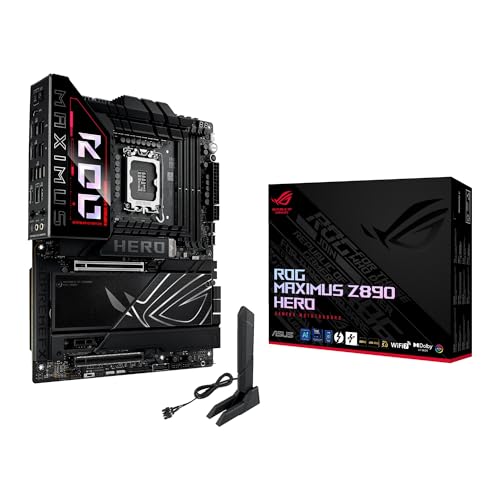
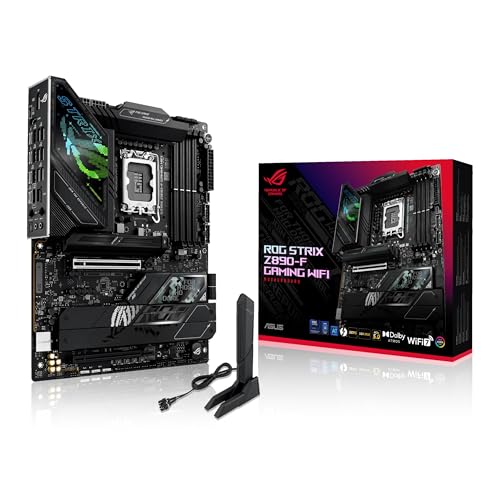
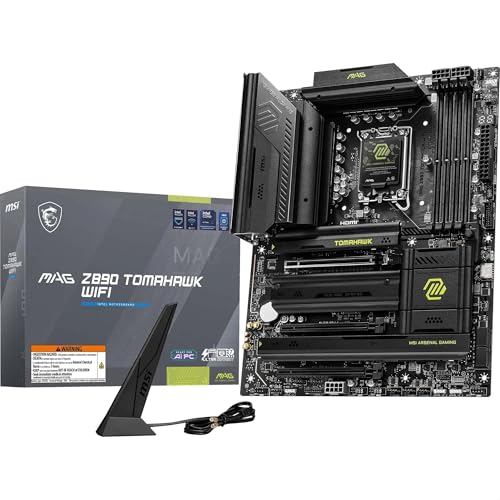
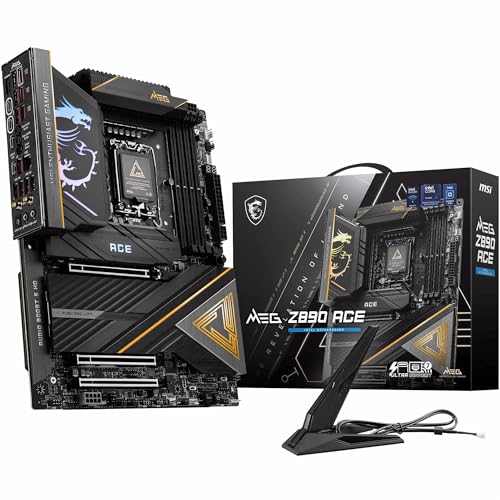
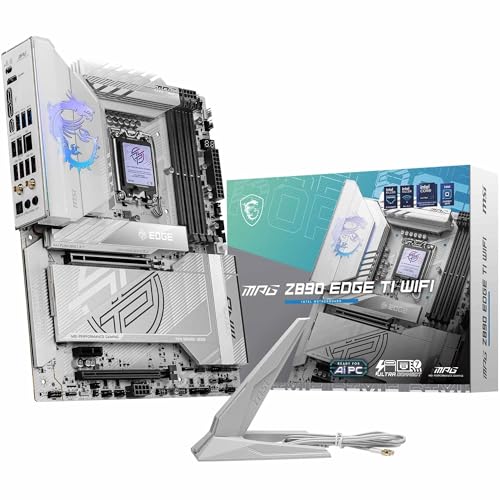
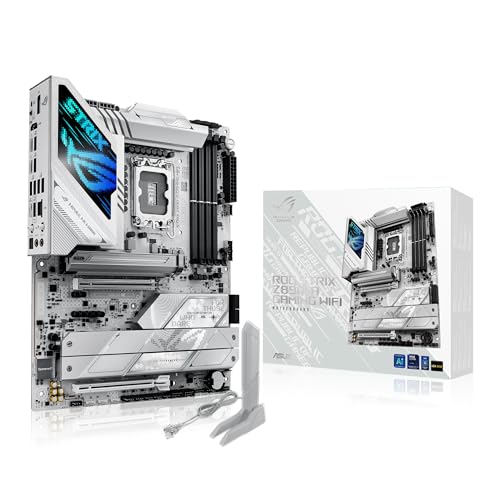
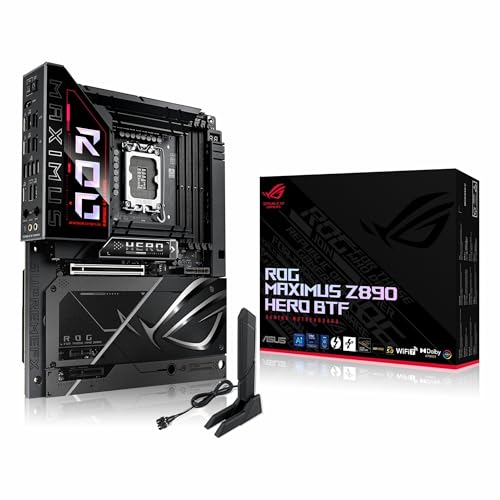
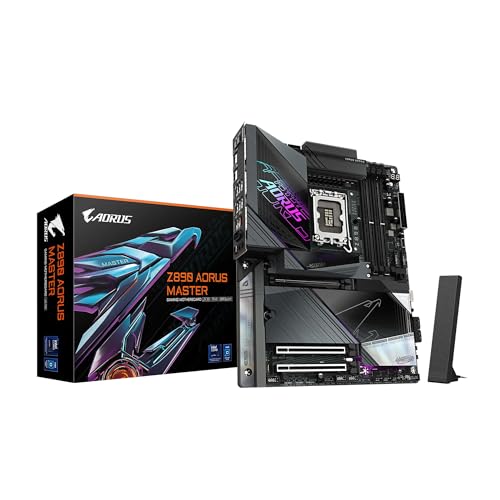
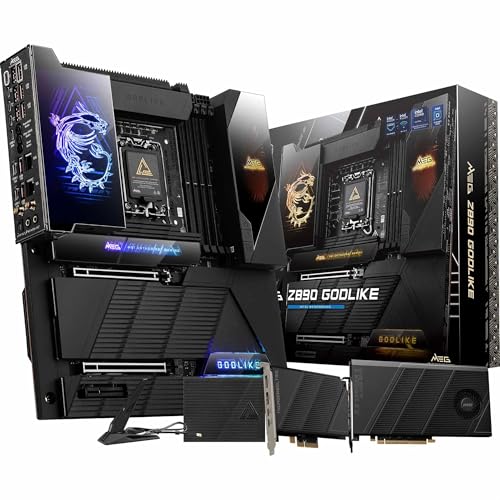
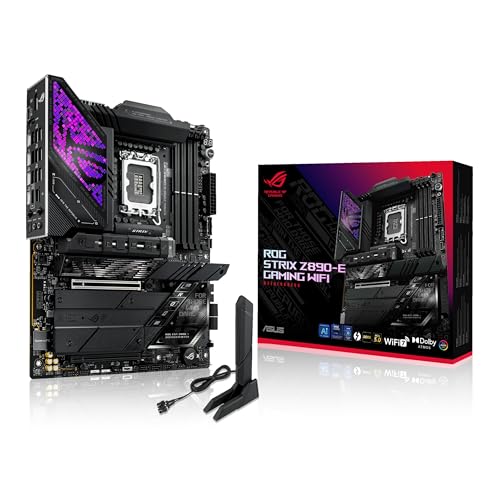
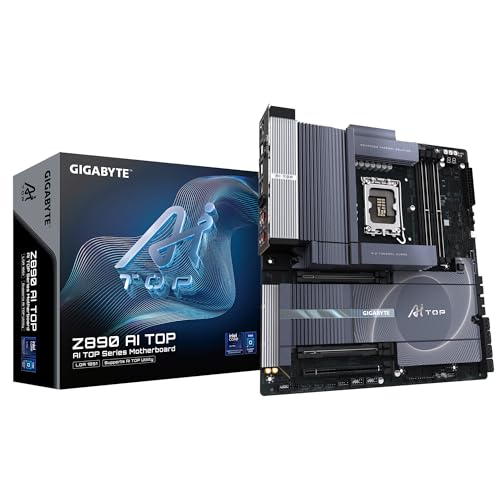
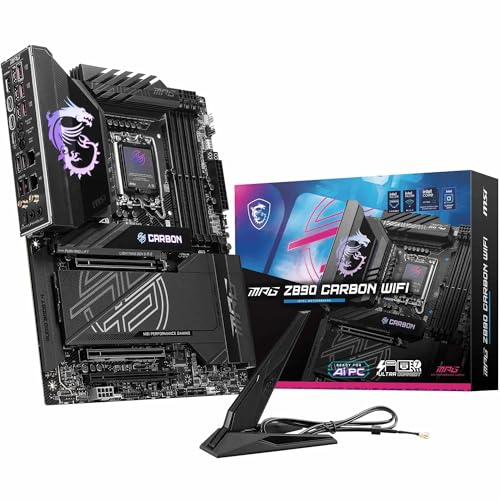
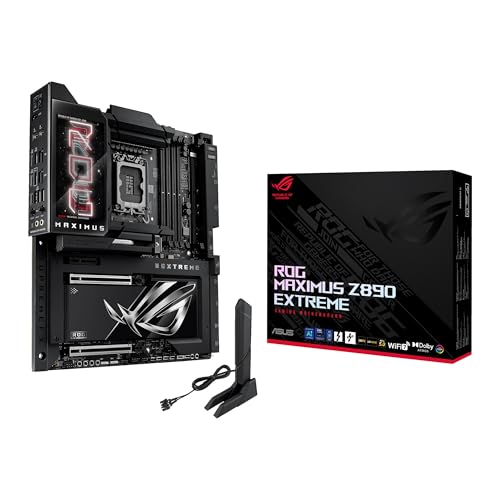
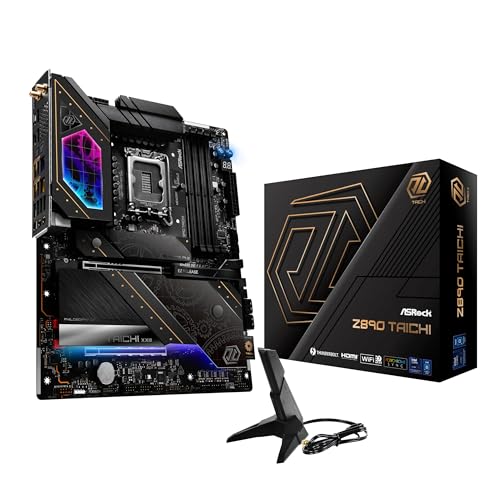
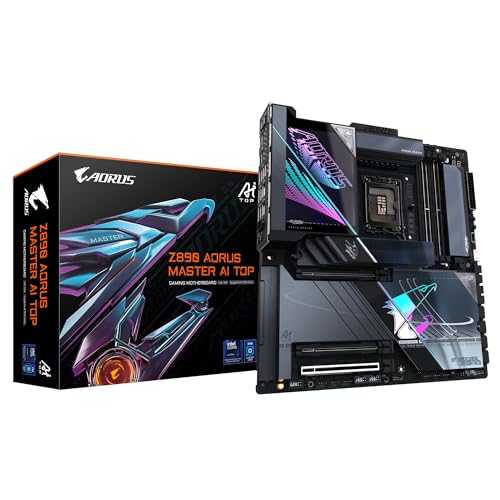
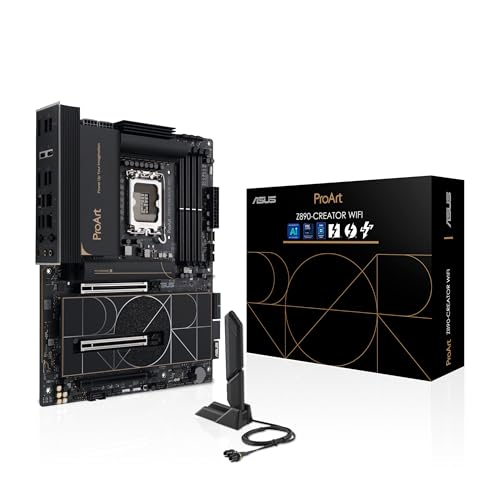
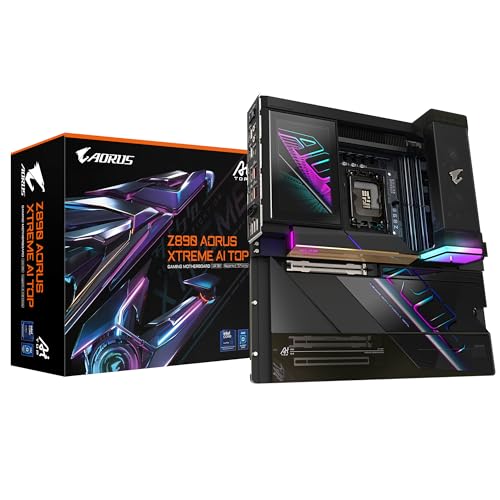
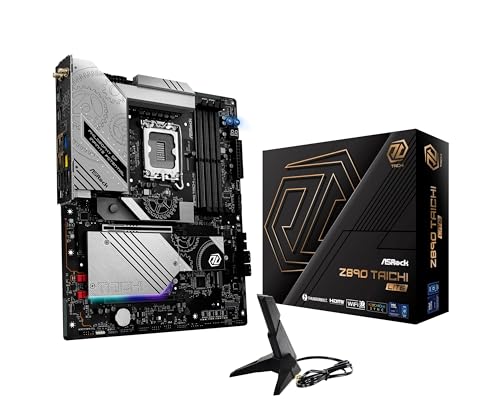
What is an Z890 motherboard?
A Z890 motherboard is a high-end chipset platform developed for Intel’s latest generation of desktop processors. It succeeds the Z790 line and is part of Intel’s enthusiast-class series, aimed at gamers, content creators, and professionals who need top performance.
The Z890 brings improved support for DDR5 memory with higher frequencies, more efficient power delivery phases for stability during overclocking, and expanded PCIe 5.0 lanes for next-generation graphics cards and storage devices. This makes it a strong choice for users building premium systems that demand speed and bandwidth.
In addition to raw performance upgrades, Z890 motherboards typically feature enhanced connectivity and quality-of-life improvements. They come with faster USB standards, improved networking options such as 5 GbE or 10 GbE LAN and Wi-Fi 7, and expanded storage capabilities with more M.2 slots supporting PCIe 5.0 SSDs.
Many models also include advanced BIOS features, better thermal designs, and reinforced components for durability.
Which brands make the best Z890 motherboards?
The chart below ranks Z890 motherboard brands by average overall score.
[horizontal-chart-05052672542819169605110810801947077307692579776466]
How much do Z890 motherboards cost?
Z890 motherboards cost between £220 and £700 depending on the model, brand, and included features.
Entry-level boards with fewer connectivity options and standard VRMs sit closer to £220, while premium models with reinforced power delivery, high PCIe lane count, and advanced cooling reach 700–£700. This price range places Z890 boards above mid-tier chipsets and aligns them with high-end builds that need the newest platform support.
The following chart shows the price distribution of Z890 motherboards.
[vertical-chart-03885796026669668006113135238289128322204237062668]
What should you consider while choosing the best Z890 motherboard?
When selecting the best Z890 motherboard, you should consider the following factors:
- VRM quality and power delivery: The VRM architecture directly affects CPU overclocking potential and system stability. Top-tier Z890 boards like the ASUS ROG Maximus Z890 Extreme feature 24+1+2+2 power stages, while others such as the NZXT N9 Z890 provide robust 20+1+1 power phase designs. These multi-phase designs with 110A SPS and high-quality MOSFETs maintain stable power delivery even under heavy overclocking loads.
- Memory support and capacity: DDR5 compatibility is standard across Z890 boards, but maximum supported speeds and capacities vary significantly. Premium models support DDR5 speeds of 8000+ MT/s with up to 256GB total capacity, while mid-range options typically handle 192GB maximum. Memory overclocking features like ASUS AEMP III and dedicated memory cooling solutions such as DDR Wind Blade active cooling enhance performance stability.
- Expansion slots and storage options: PCIe configuration affects GPU and storage performance as Z890 motherboards feature PCIe 5.0 x16 slots for next-generation graphics cards. Storage capabilities include multiple M.2 slots with PCIe 5.0 and PCIe 4.0 support, with high-end boards offering up to six M.2 slots total. Some boards include M.2 heatsinks with thermal pads and active cooling to prevent SSD throttling.
- Connectivity and I/O features: Modern Z890 boards include Thunderbolt 4 or the new Thunderbolt 5 ports with up to 80Gbps bandwidth and support for multiple 8K displays. Network connectivity ranges from 2.5Gb Ethernet on entry models to 10Gb Ethernet on professional boards. WiFi 7 support is standard across most models, while USB configurations include multiple high-speed USB 10Gbps and 20Gbps ports.
- Cooling solutions and thermal design: Effective cooling systems prevent component throttling and extend hardware lifespan. Premium Z890 motherboards feature comprehensive cooling with VRM heatsinks, M.2 thermal guards, and dedicated fan headers supporting both PWM and DC fans up to 24W capacity. Advanced boards include heat pipes, thermal pads, and even dual PWM fans for VRM cooling. Multiple temperature monitoring points and customizable fan curves enable precise thermal management.